Anti-cellulite massage can help. It doesn't permanently erase cellulite, but it can smooth its appearance if you choose a gentle technique and apply it consistently. Mayo Clinic's guide to cellulite treatment and Cleveland Clinic's fact sheet on cellulite both agree that improvements are usually temporary, not permanent.
The key lies in pressure, direction, and consistency. When the technique is too aggressive, the skin gets irritated; when it's too superficial, the effect is almost purely cosmetic. If you want to compare massage with other approaches, it might be helpful to see which anti-cellulite methods are truly effective.
Pressotherapy at home
End the day with light legs
★★★★★ 4,8/5 · rated by verified customers
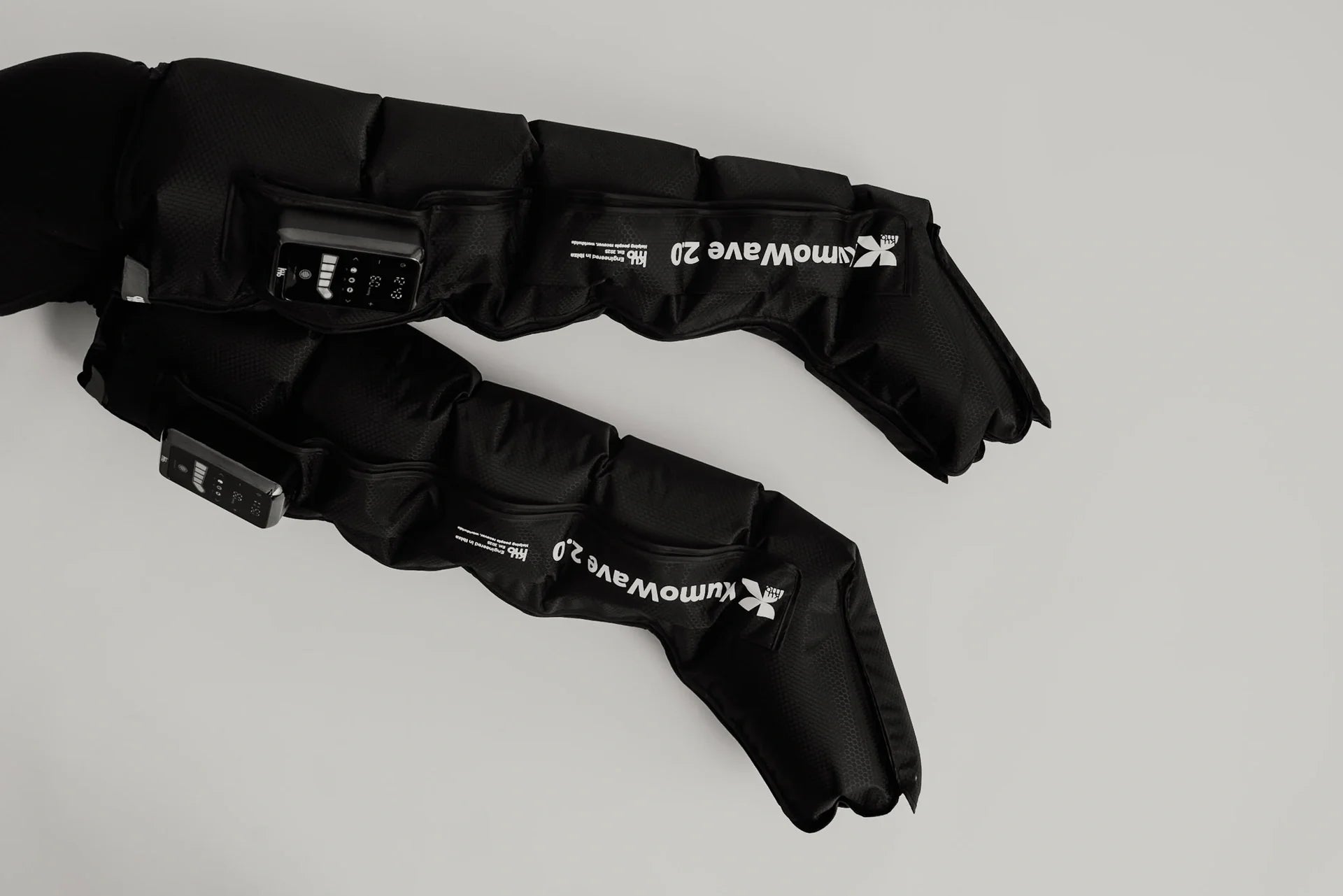
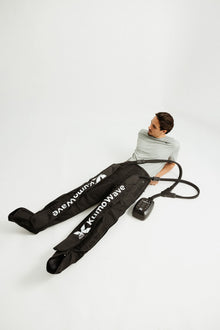
KumoWave pressotherapy boosts circulation and helps drain fluid with sequential compression, in 20-minute sessions at home.
- Boosts circulation and helps drain fluid
- Chamber-based compression, adjustable to you
- Sequential compression that mimics manual drainage
€799,00€999,00
−10% on your 1st order when you subscribe to the newsletter

What anti-cellulite massage can actually do
Cellulite is a common alteration of skin texture where subcutaneous fat pushes against fibrous bands under the skin. Therefore, massage doesn't "break" cellulite like a knot, but it can help the area look less tense or less swollen for a while. It's also worth remembering that it's not a serious health problem, but primarily a cosmetic one.
How it's addressed changes according to skin texture, the sensitivity of the area, and the predominant type of cellulite. If you want to refine your approach, start with the types of cellulite and how to recognize yours.
Personalized protocol · included with your purchase
Want us to tell you how to use it in your case?
With your purchase, our experts prepare a personalized usage protocol for your case: sport, circulation, fluid retention, pregnancy or lipedema.
Message us on WhatsAppOur experts reply · no obligation
Anti-cellulite massage techniques that make sense
When the goal is to improve skin appearance without leaving marks, slow, directional, and light-pressure maneuvers are usually prioritized. In the simple lymphatic drainage leaflet, the British health service describes a very gentle massage, designed not to mark the skin and to promote fluid movement. For cellulite, the expectation should be more modest: aesthetic help, not permanent change.
Manual lymphatic drainage massage
This is the most prudent option if you want to start at home: gentle strokes, pain-free, and without "crushing" the skin. The idea is to promote superficial fluid movement and relax the tissue, not to cause inflammation through friction. In simple drainage protocols, the recommendation is usually to work very gently and without marking the skin.
Light kneading and short friction
These are used to mobilize the skin and subcutaneous tissue in a controlled manner. Done well, they can complement a manual massage, but they should not cause pain or bruising. If you notice the area is red, sensitive, or "abused" afterward, the pressure was excessive and should be reduced.
on your first order when you join the newsletter
We send you the code instantly. No spam.
Rollers, massagers, and suction devices
These devices can provide an immediate feeling of smoother skin, but there's no evidence that they improve appearance in the long term. The AAD's page on cellulite treatments explains that some combined devices can offer small and brief changes, and that several sessions are usually required. Mayo Clinic and Cleveland Clinic also insist that massage results are generally short-lived. (aad.org)
What to avoid
Dry brushing has become very popular, but there's no evidence that it reduces cellulite; at most, it can give a temporarily smoother appearance due to increased superficial circulation. It's also advisable to avoid any technique that leaves marks, pain, or a feeling of inflammation. If you're interested in this point, Cleveland Clinic's article on dry brushing clarifies why this visual effect doesn't equate to lasting improvement.
If you're torn between doing it yourself at home or opting for a professional session, compare both options for in-clinic or at-home cellulite treatment.
Frequency: How often to get an anti-cellulite massage
There is no universally validated frequency for "removing" cellulite with massage. As a cautious guideline, regularity outweighs intensity. The NHS guide to lymphedema treatment describes massage and maintenance routines that can be daily in specific phases, and the simple lymphatic drainage sheet talks about gentle 15 to 20-minute sessions. For cellulite, this serves as a reference for consistency and gentleness, not as a promise of results.
In practice, think of short, comfortable, and repeatable sessions, not punishment for the skin. If you're looking for realistic expectations about results and maintenance, you can also look at what realistic results pressotherapy offers for cellulite and how massage and pressotherapy compare.
Quick table: technique, frequency, and realistic expectation
| Technique | How it's used | Sensible frequency | What you can expect |
|---|---|---|---|
| Manual lymphatic drainage massage | Slow, upward movements with light pressure. | Better as a consistent and gentle routine than an intense session. | Can temporarily improve appearance if it doesn't leave marks. |
| Light kneading | Brief maneuvers to mobilize tissue without pain. | Only use if skin tolerates it well. | Can complement massage, but shouldn't irritate the skin. |
| Rollers and massagers | Glided over the area with pressure control. | If the effect is purely cosmetic, there's no point in aggressive insistence. | No evidence of lasting benefit for cellulite. |
| Combined equipment | Can integrate massage, suction, radiofrequency, or laser. | Usually planned over several sessions. | Improvements are usually small and short-lived. |
If the massage hurts, leaves marks, or promises permanent results in a few sessions, the expectation is already too optimistic. It's more realistic to talk about moderate and temporary improvements.
How to do an anti-cellulite massage at home
Before you start, remember a simple rule: your skin shouldn't be damaged. If your goal is a draining or superficial smoothing effect, work calmly, without rushing, and without exceeding the area's tolerance. In drainage treatments, even the pressure is kept gentle enough not to mark the skin.
- Start in a clean, comfortable area, with relaxed skin and a stable posture.
- Use your palm or fingers for long, gentle strokes, preferably in an upward direction.
- Combine slow passes with small circular movements only if they don't cause discomfort.
- Work in short areas and stop as soon as pain, heat, itching, or visible marks appear.
- Finish with a few minutes of rest to better observe how your skin responds.
If you prefer a more structured and supervised approach, compare home massage with the professional alternative for in-clinic or at-home cellulite treatment.
Common mistakes and warning signs
The most common mistake is confusing intensity with effectiveness. Pressing harder doesn't mean improving faster; in fact, excessive pressure can inflame the area and make the visual result worse for a few hours or days. It's also a bad idea to massage irritated, inflamed, or painful skin.
- Don't seek pain or bruising, because the skin shouldn't be marked after the session.
- Don't expect a roller, brush, or massager to change cellulite permanently.
- Don't apply the technique to inflamed areas, areas with infection, or areas with new discomfort without first checking the cause.
If you want a broader view of the available options, the article on truly effective anti-cellulite methods will help you put massage in context.
Frequently asked questions
Does anti-cellulite massage permanently eliminate cellulite?
No. The most honest answer is that it can improve the appearance of the skin for a while, but it doesn't eliminate cellulite permanently. Mayo Clinic explains that improvement after massage is usually brief, and Cleveland Clinic reminds us that cellulite cannot be completely removed, although its appearance can be reduced with exercise, diet, and some treatments. Think of massage as aesthetic support, not a cure.
How often should anti-cellulite massage be done?
There is no single validated guideline for everyone. If you're looking for a reference for gentle, regular work, the NHS describes daily simple drainage routines of about 15 to 20 minutes in the management of swelling, but that doesn't mean cellulite responds the same way. In practice, the best frequency is what you can sustain without pain or irritation, because consistency is usually more useful than intensity.
What technique is best for at-home use?
The most reasonable is usually manual and gentle: upward strokes, light pressure, and short movements if the skin tolerates it. Cleveland Clinic notes that massagers, rollers, or foam rollers have not shown a lasting benefit for cellulite, and the NHS insists that the skin should not be marked by pressure. If your goal is to care for the appearance without irritating the area, less force and more regularity is the best combination.
Does a well-done anti-cellulite massage hurt?
It shouldn't hurt. It can feel firm or intense at some points, but not to the extent of causing discomfort, bruising, or burning. The NHS guide for simple drainage insists that massage should be done very slowly, with gentle pressure, and without marking the skin. If that happens, reduce the intensity or stop the session. The goal is to improve the appearance of the area, not to punish it.
What now?
If you want to further refine your strategy, compare massage with pressotherapy, review what realistic results pressotherapy offers for cellulite, and return to the Kumo Balance homepage to explore more useful resources.
KumoWave pressotherapy
Choose your at-home pressotherapy
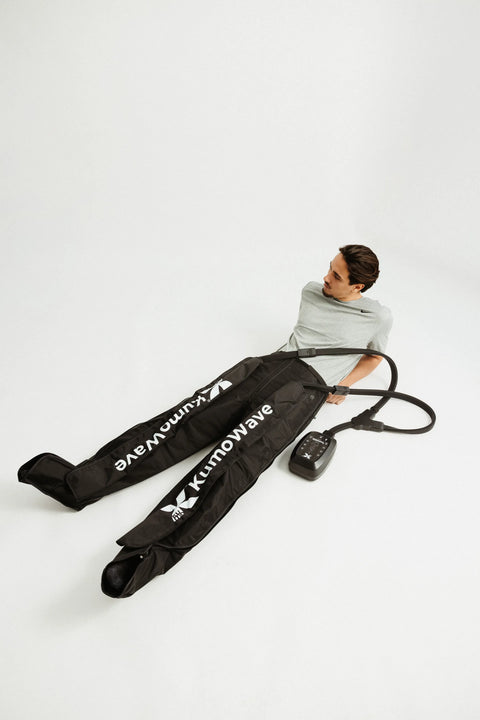
KumoWave Elite – Pressotherapy Pants
Full-coverage trousers. Ideal for lipedema, fluid retention and intensive use.
€799,00 €999,00
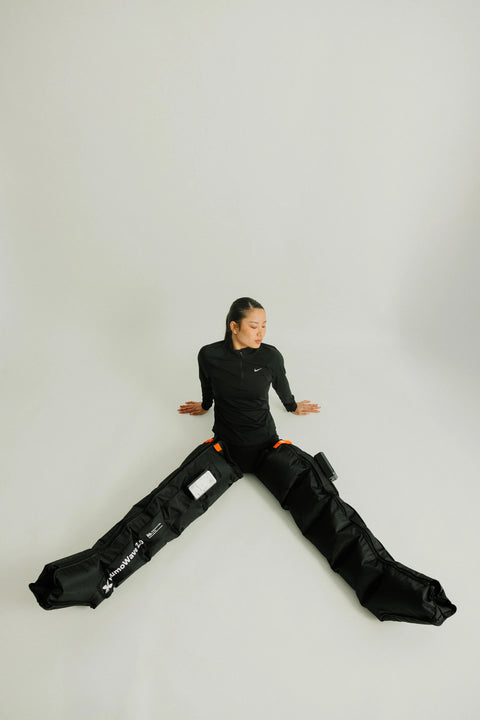
KumoWave 2.0 - Wireless Pressotherapy
Wireless, lightweight boots. Perfect for daily use and recovery.
€499,00 €599,00