Lipedema is a real disease. It is a chronic and painful disorder of disproportionate and symmetrical fat distribution, almost exclusive to women, usually affecting the legs, hips, buttocks, and sometimes the arms. (register.awmf.org)
The key is to recognize it early: lipedema often causes pain, a feeling of heaviness, easy bruising, and a poor response to diet and exercise compared to ordinary fat. (my.clevelandclinic.org)
Pressotherapy at home
End the day with light legs
★★★★★ 4,8/5 · rated by verified customers
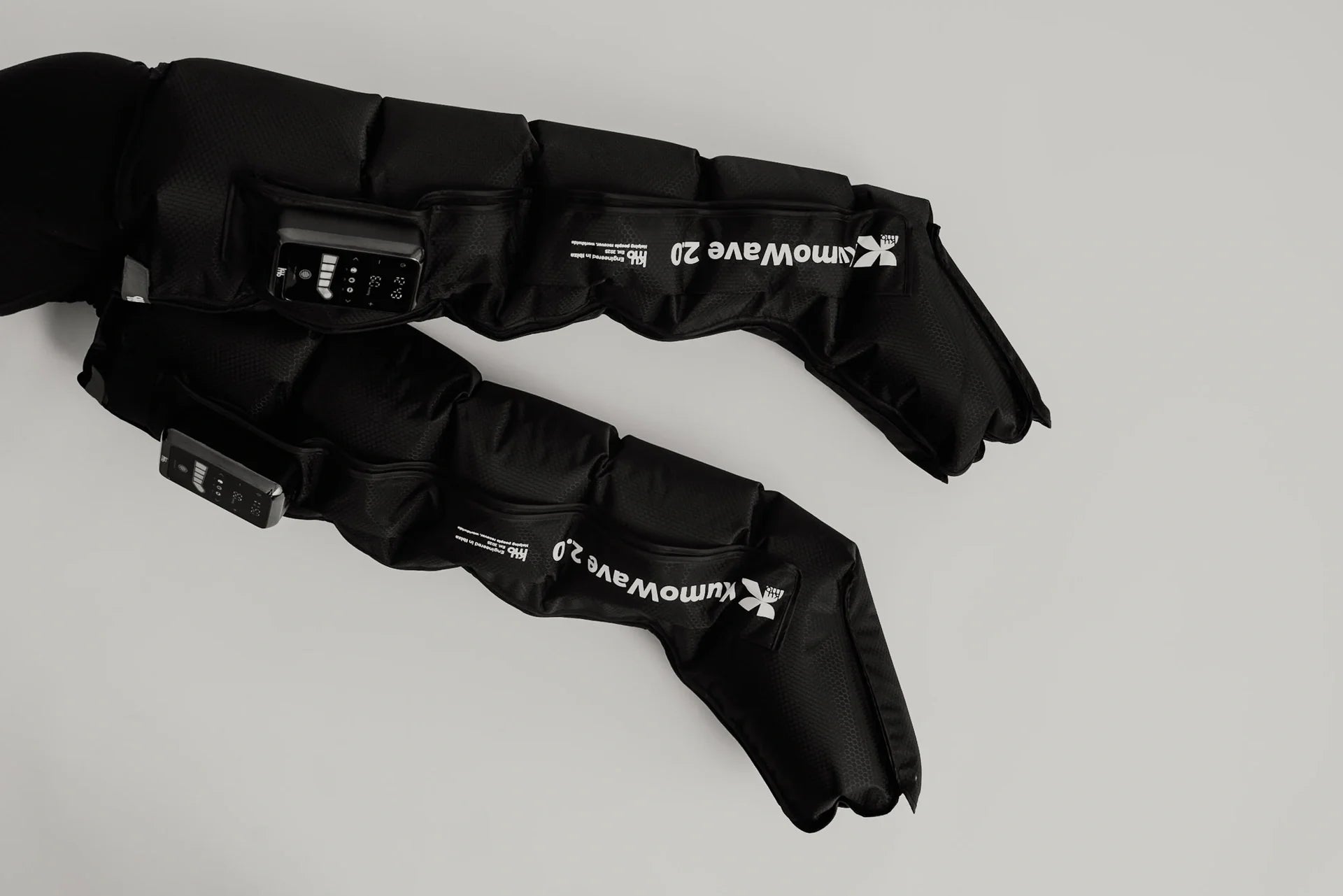
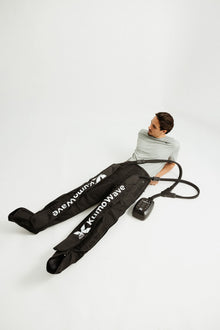
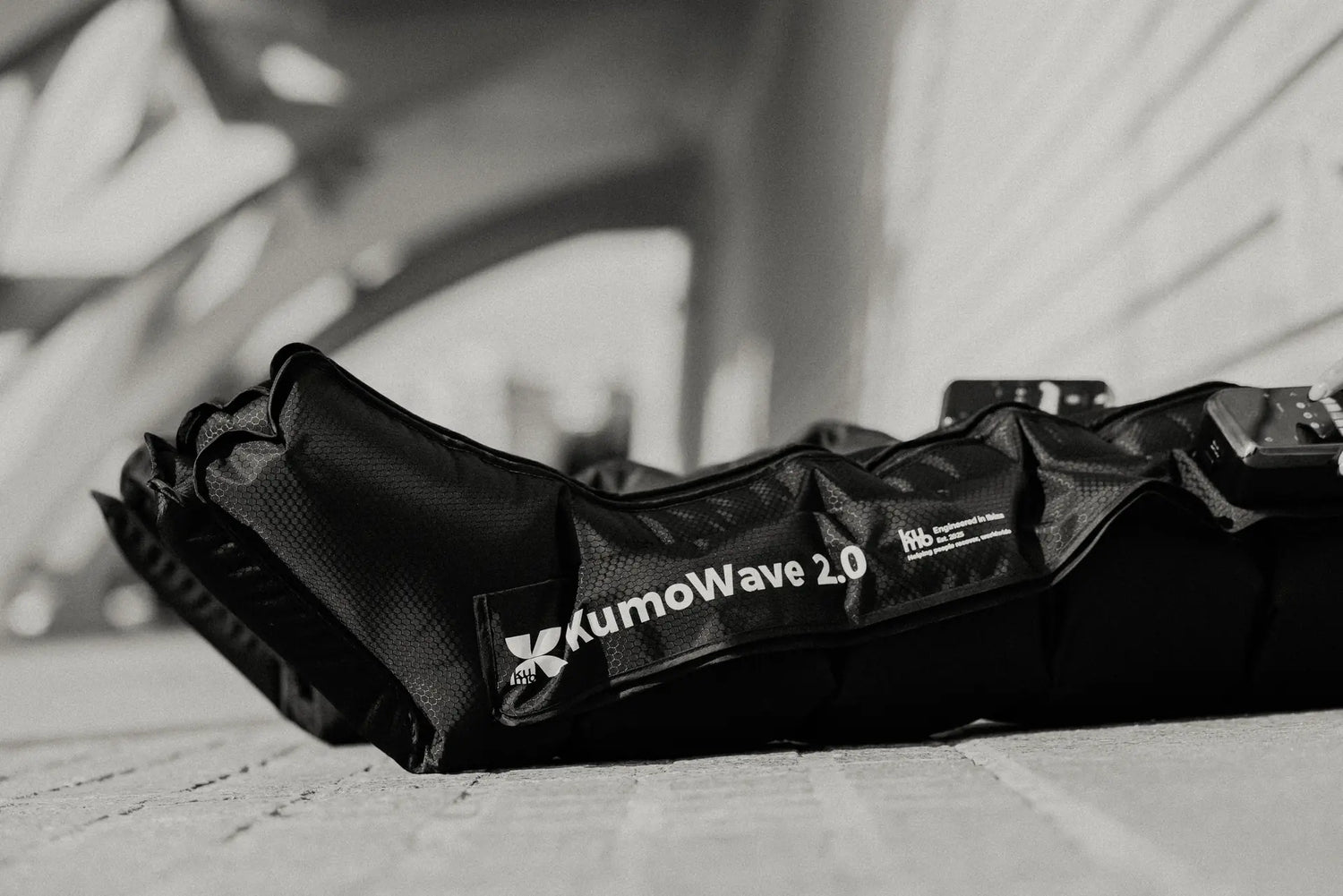
KumoWave pressotherapy boosts circulation and helps drain fluid with sequential compression, in 20-minute sessions at home.
- Boosts circulation and helps drain fluid
- Chamber-based compression, adjustable to you
- Sequential compression that mimics manual drainage
€799,00€999,00
−10% on your 1st order when you subscribe to the newsletter

What is lipedema?
Lipedema is an abnormal accumulation of fatty tissue that appears bilaterally and quite symmetrically, especially in the lower body. The 2024 German S2k guideline describes it as a painful disorder of disproportionate adipose tissue distribution in the limbs and clarifies that an increase in volume without associated symptoms should not be labeled as lipedema.
It is not a problem of "lack of willpower" or a simple cosmetic change. Cleveland Clinic reminds us that obesity does not cause it, although they can coexist, and losing weight does not usually proportionally change the affected areas.
Personalized protocol · included with your purchase
Want us to tell you how to use it in your case?
With your purchase, our experts prepare a personalized usage protocol for your case: sport, circulation, fluid retention, pregnancy or lipedema.
Message us on WhatsAppOur experts reply · no obligation
Prevalence figures vary widely due to underdiagnosis: Cleveland Clinic cites estimates ranging from 1 in 72,000 people to 11% of women, which helps explain why so many patients take years to receive a correct diagnosis.
Symptoms of lipedema
Symptoms may change in intensity, but there are very typical signs. If you want to expand the list and compare it with what you notice in your daily life, this guide on 10 signs of lipedema you shouldn't ignore can also help you.
- Increased volume in both legs, especially in the thighs, hips, buttocks, and, in some cases, arms.
- Pain or tenderness to touch and pressure, even with tight clothing or when touching the area.
- Feeling of heavy legs, fatigue, and discomfort that makes walking or standing for long periods difficult.
- Easy bruising, without major impacts to explain them.
- Irregular texture under the skin, with small nodules or a "grainy" sensation.
- Feet and hands spared initially, with a clear cut-off between the affected and unaffected areas.
In more advanced stages, the volume may increase further, and functional limitation, postural changes, or coexistence with lymphedema may appear, further complicating daily life.
on your first order when you join the newsletter
We send you the code instantly. No spam.
How to differentiate it from obesity, cellulite, and lymphedema
Confusion is very common because several conditions can appear similar at first glance. It is helpful to look at the pattern: symmetry, pain, bruising, spared feet, and response to weight loss.
Quick table to guide you
| Condition | What usually happens | Helpful clues to distinguish it |
|---|---|---|
| Lipedema | Symmetrical accumulation in legs, hips, and sometimes arms, with pain and a tendency to bruise. | Feet are usually spared at first, and weight loss does not proportionally change the affected area. |
| Obesity | More generalized increase in fatty tissue, without the typical painful pattern of lipedema. | The distribution is usually less selective and responds better to diet and exercise, although it can coexist with lipedema. |
| Lymphedema | Edema due to lymphatic system alteration, with harder tissue and often foot involvement. | May not hurt as much and is often accompanied by more fibrosis or pitting edema; it can also coexist with lipedema. (my.clevelandclinic.org) |
| Cosmetic cellulite | "Dimpled" or "cottage cheese" skin appearance, especially on thighs and buttocks. | May appear visually similar, but does not usually produce the pain, tenderness, or bruising typical of lipedema. (my.clevelandclinic.org) |
If your main concern is the appearance of your skin, the key is not to rely solely on visual aspects. You can also review how to differentiate lipedema and cellulite to better understand the most useful clinical clues.
Causes, risk factors, and stages
The exact cause remains unclear. Medical literature points to a significant hereditary component and hormonal influence, as lipedema often appears or worsens during puberty, pregnancy, or menopause. Cleveland Clinic reports family history in 20% to 60% of cases.
Regarding its evolution, four morphological stages are usually described: from apparently normal skin with small nodules to large folds and lipo-lymphedema. However, the 2024 S2k guideline reminds us that these stages are descriptive and do not by themselves equate to clinical severity.
The psychosocial context is also important. The German guideline recommends assessing psychological factors from the first consultation, as pain, body image, and frustration from previous diagnoses can significantly impact quality of life.
How it is diagnosed
Diagnosis is clinical. The 2024 German guideline explicitly states this, and Cleveland Clinic adds that there is no single or "gold standard" test to confirm it.
In practice, the professional reviews family history, symptom onset, pain, bruising, fat distribution, and functional impact. They may then order ultrasound, DEXA, MRI, or CT to rule out other causes or assess associated problems; laboratory tests can help exclude differential diagnoses but do not confirm lipedema on their own.
If you suspect your legs have changed symmetrically, are painful to the touch, and do not respond as expected to weight changes, it is worth seeking a specific medical evaluation.
Lipedema treatments
There is no definitive cure, but there are strategies that can improve pain, swelling, and mobility. The central idea of conservative treatment is to alleviate symptoms and preserve function, not to "erase" the disease overnight.
Compression and pneumatic pressotherapy
The 2024 S2k guideline recommends compression therapy to reduce pain in affected limbs. It also clarifies that compression does not reduce fatty tissue, but mainly subjective symptoms, and that intermittent pneumatic compression can be used to relieve pain and reduce associated edema from other causes, even as home therapy.
Depending on the case, medical stockings, bandages, or adaptive compression systems can be used. The key is to adjust the pressure and material to each person to improve adherence and comfort.
If you are interested in this support option, you can also read pressotherapy and lipedema: usefulness and precautions.
Manual lymphatic drainage, physiotherapy, and adapted exercise
When compression is not enough or not possible, the guideline recommends additional manual lymphatic drainage combined with other techniques. It also points out that exercise with compression or a training program can help improve function and quality of life, and that drainage aims not only to reduce volume but also to modulate pain.
In practice, low-impact activities and a progressive approach are usually prioritized, because the goal is to move better, not to punish oneself. Exercise tolerance varies greatly among patients.
Diet and weight control
Diet does not cure lipedema, but it can help control the inflammatory environment and excess weight if obesity coexists. The German guideline advises early information about the impact of obesity, encouraging healthy and active eating, and adapting goals to each patient; it even considers a Mediterranean or ketogenic pattern as possible options in specific cases.
Diuretics should not be used as a treatment for lipedema, unless there is another independent medical indication.
Surgery in selected cases
When conservative treatment is insufficient and there is a clear medical indication, liposuction with lymphatic preservation may be considered to reduce subcutaneous fatty tissue. However, it is not the first step for most people and should be evaluated individually.
Frequently asked questions about lipedema
What is lipedema and how does it differ from obesity?
Lipedema is a medical disorder of abnormal and symmetrical fat distribution, almost exclusive to women, which often causes pain and easy bruising. Obesity, on the other hand, involves a more general increase in fatty tissue and does not necessarily follow that painful pattern. In addition, lipedema can coexist with obesity, which greatly complicates visual diagnosis. Therefore, a person can have a high BMI and still present lipedema as the main problem.
What are the most common symptoms of lipedema in the legs and hips?
The most common symptoms are symmetrically thicker legs, especially in the thighs, hips, and buttocks, with pain to the touch, a feeling of heaviness, and easy bruising. Many patients also describe an irregular texture under the skin, as if there were small nodules. A useful detail is that the feet are usually spared initially, which helps differentiate it from other causes of swelling. As the condition progresses, gait and mobility may be affected.
What treatments are available for lipedema without resorting to liposuction?
The most common conservative treatments are medical compression, intermittent pneumatic compression, manual lymphatic drainage, physiotherapy, and adapted exercise. Skin care, weight adjustment if concomitant obesity exists, and improved movement habits are also recommended. The idea is not to promise a cure, but to reduce pain, swelling, and functional limitation. For many people, these changes make a real difference in daily life, especially if maintained with professional follow-up.
Can lipedema be cured with diet or exercise, or are only the symptoms managed?
Currently, it is not considered a curable disease with diet or exercise. Cleveland Clinic notes that lipedema does not respond like ordinary fat, although moving more, choosing a healthy diet, and treating associated obesity can improve overall health and alleviate some symptoms. Therefore, the realistic goal is comprehensive management: less pain, better function, and less inflammation or heaviness, not a complete "disappearance" of the affected tissue.
How is lipedema diagnosed and what tests are usually requested to confirm it?
Diagnosis is based primarily on clinical history and physical examination. There is no single test that confirms it on its own. According to the German guideline, imaging can help differentiate it from other conditions, and Cleveland Clinic mentions ultrasound, DEXA, MRI, and CT as useful tests to rule out other causes or coexisting problems. Laboratory tests, for their part, serve to exclude differential diagnoses, but not to confirm lipedema.
What now?
If you suspect lipedema, the most useful thing is to proceed with clear information and a well-oriented medical evaluation. You can continue to delve into real lipedema treatment options, review pressotherapy and lipedema: usefulness and precautions, and return to Kumo Balance's homepage to explore more content on well-being and recovery.
KumoWave pressotherapy
Choose your at-home pressotherapy
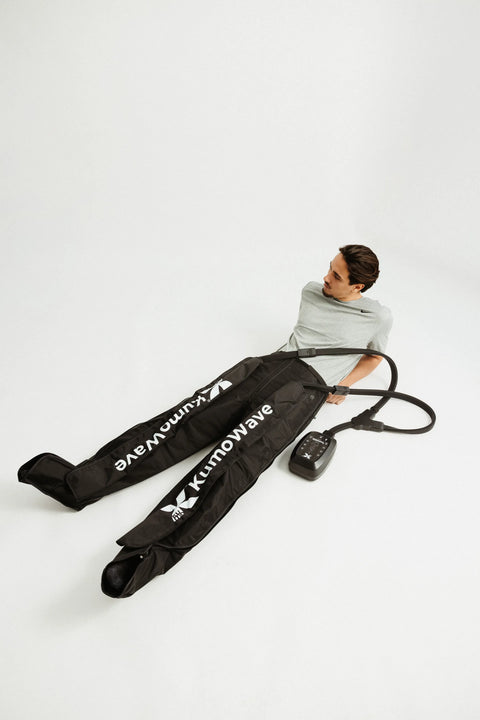
KumoWave Elite – Pressotherapy Pants
Full-coverage trousers. Ideal for lipedema, fluid retention and intensive use.
€799,00 €999,00
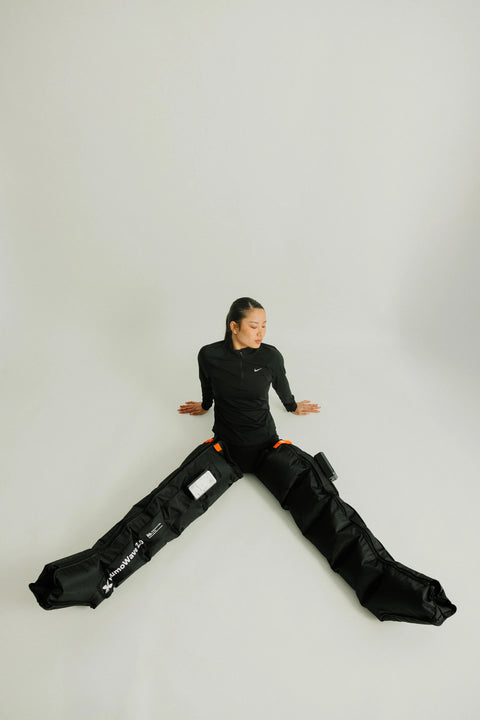
KumoWave 2.0 - Wireless Pressotherapy
Wireless, lightweight boots. Perfect for daily use and recovery.
€499,00 €599,00