

LED face mask: how to clean and care for it to prolong its lifespan.
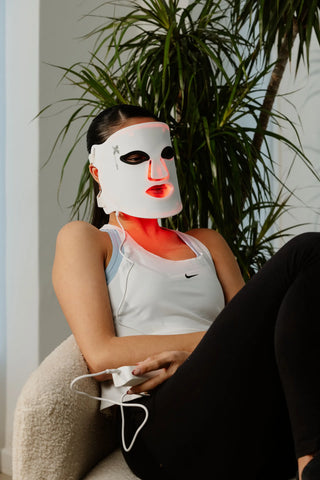
Your LED face mask requires proper cleaning and simple care to be safe, effective, and long-lasting. Here you'll find a clear, step-by-step guide to sanitizing it after each use, disinfecting it without damaging sensitive materials, and storing it correctly, with recommendations based on best practices and reliable sources.
Red & infrared light
Recover faster, at home
★★★★★ 4,8/5 · rated by verified customers
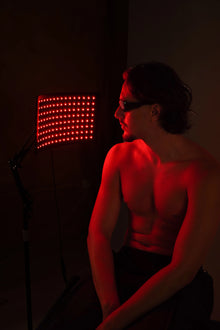
The KumoLux panel supports muscle recovery with full-body red and infrared light.
- 660 nm red + 850 nm infrared light
- Full-body muscle recovery
- Clinically validated biohacking protocols
€399,00€499,00
−10% on your 1st order when you subscribe to the newsletter

In short
- Clean after each session with a microfiber cloth and neutral soap; never submerge it.
- Disinfect only if the manufacturer allows it; avoid bleach, ammonia, and solvents.
- Protects eyes and skin: use with a clean face and without photosensitizing products.
- Air dry and store in a case, away from heat and moisture.
- Check cables, lenses, and LEDs; if you notice a burning smell or malfunctions, stop using it.
Why cleanliness matters
Keeping your LED light mask clean reduces the risk of skin irritation and prevents the buildup of sebum, sweat, and cosmetic residue that can harbor bacteria such as Cutibacterium acnes, implicated in inflammatory acne (DermNet NZ). Furthermore, a residue-free optical surface promotes uniform light output, which is key for photobiomodulation.
Dermatological literature places typical wavelengths at 630–660 nm (red), 405–470 nm (blue), and 810–850 nm (near-infrared) for cosmetic and dermatological uses (2014 revision) NCBI/PMC . Keeping optical “windows” and diffusers clean helps preserve light delivery in these ranges.
Personalized protocol · included with your purchase
Want us to tell you how to use it in your case?
With your purchase, our experts set up your red and infrared light sessions for your sport and goal.
Message us on WhatsAppOur experts reply · no obligation
Regarding photobiological safety, consumer LED devices are designed to operate within safe margins, in accordance with standards such as IEC 62471; proper use and eye protection where appropriate are prudent (IEC 62471 , SCHEER, 2018). Hygiene is part of that proper use.
Key tip: “If a cleaning product is not recommended by the manufacturer, do not use it on your mask.”
Identify materials and adapt the cleaning.
Not all LED masks are created equal. Knowing the material prevents damage.
on your first order when you join the newsletter
We send you the code instantly. No spam.
Common materials
- Flexible medical-grade silicone
- Rigid plastics (polycarbonate/ABS)
- Optical windows/lenses or transparent diffusers
- Textile or TPU straps
- Cables, connectors and charging ports
Products are generally safe
- Soft microfiber cloth
- Warm water and neutral soap (pH ~7), without strong fragrances
- Cotton swabs for edges and grooves
- Distilled water to prevent limescale buildup on optical surfaces
Products to avoid
- Bleach/hypochlorite, ammonia, peroxide, acetone and solvents
- High concentration alcohol wipes on polycarbonate
- Abrasives, scouring pads and stiff brushes
- Spray directly onto LEDs, ports, or vents
Cleaning chart by mask material
| Material | What to use | What to avoid | Reason |
|---|---|---|---|
| Medical grade silicone | Wash with a cloth dampened with water and neutral soap; rinse and air dry. | Bleach, solvents | Prevent discoloration and loss of elasticity |
| Polycarbonate/ABS | Slightly dampened microfiber cloth; mild soap | Strong alcohols, ammonia | Prevent microcracks and opacity |
| Lenses/diffusers | Optical microfiber; distilled water | Abrasives, paper | Avoid scratches that diffuse the light |
| Textile/TPU belts | Hand wash with mild soap | Dryer, high heat | Maintain shape and tension |
| Connectors/ports | Dry cotton swab; canned air at a distance | Direct liquids | Prevent corrosion and short circuits |
Basic cleaning after each use (2–3 minutes)
- Turn it off and unplug it. Wait for the device to cool down.
- Remove residue from the skin. Wipe a dry microfiber cloth over the entire surface that comes into contact with the face.
- Gentle cleaning. Dampen the cloth with warm water and a drop of neutral soap; clean without pressing on the LED areas and optical windows.
- Difficult areas. Use a slightly moistened cotton swab for edges and vents, without introducing liquid.
- Light rinse. Wipe with a clean, watered cloth to remove soap.
- Drying. Leave to air dry for 10–15 min, away from direct sunlight.
- Quick check. Make sure there are no stains, lint, or moisture around ports and joints.
For general principles of surface hygiene, consult the CDC and WHO public health agency guidance.
Safe disinfection and deep cleaning (once a week or when shared)
Before disinfecting, check your device's manual. If the manufacturer allows it:
- Spot disinfection: Apply a mild hydroalcoholic solution to the cloth (not directly) and wipe non-porous surfaces. Avoid lenses and polycarbonate unless they are certified for alcohol.
- Contact time: follow the disinfectant instructions; allow to air dry.
- Gentle alternative: fragrance-free and alcohol-free wipes for electronics.
- Removable straps: hand wash with mild soap; air dry.
Never submerge the mask or use steam. These practices minimize the risk of damaging materials and electronic components (CDC).
Care, storage and shelf life
Drying and ventilation
- Always air dry in a position that allows residual droplets to drain away.
- Avoid direct sunlight and heat sources (>40 °C) that can deform plastics.
Cables, ports and battery
- Clean ports with a dry cotton swab or low-pressure air.
- Charge on ventilated surfaces; do not cover the charger.
- For long-term storage, leave the battery at 40–60% charge and recharge it every 2–3 months (if applicable).
Transport
- Use a hard or padded case to avoid bending or pressure on the LEDs.
- Keep gels, toners, or cleansers separate to avoid spills.
Use responsibly: skin and eyes
Prepare your skin properly
- Wash your face with a gentle cleanser and dry with a towel.
- Avoid using oils or occlusive creams just before the session: they can clog optical windows.
Ingredients and photosensitization
Although red and NIR light are not UV, if your device includes blue light, avoid photosensitizing substances (e.g., some antibiotics, St. John's wort) and consult your healthcare provider. The American Academy of Dermatology (AAD) provides recommendations for the safe use of light therapies for acne.
Eye protection
- Use the included safety glasses if the manufacturer advises it or if you are sensitive to light.
- Do not look directly at high-intensity LEDs at close range; follow the guidelines in the SCHEER Photobiological Safety Manual and References, 2018.
Warning signs: when to stop using
- Burnt smell, abnormal heating or discoloration of the material.
- LEDs that blink or do not light up consistently.
- Deep scratches on lenses/diffusers that alter the light output.
- Persistent skin irritation despite adequate cleansing.
- Moisture inside ports or visible condensation.
If any of these signs appear, stop using the device and contact the manufacturer's technical support. To learn more about KUMO's approach to recovery technologies, visit KUMO .
What does the evidence say about care and use?
Academic reviews describe LED photobiomodulation as a tool with cosmetic and dermatological potential when used properly and consistently (2014, 2017) NCBI/PMC , NCBI/PMC . For low-risk wellness uses, the FDA in the US provides a “general wellness” framework that prioritizes the safety and responsible design of noninvasive devices (guideline).
- FDA . Although these references do not replace your device's manual, they reinforce the importance of maintenance, hygiene, and following instructions.
FAQ
Can I disinfect my mask with 70% alcohol?
Only use alcohol if the manufacturer allows it, and apply it to a cloth, never directly. On plastics like polycarbonate, alcohol can cause micro-cracks over time. A safe alternative is to clean daily with water and mild soap, reserving disinfection for when the device is shared. Avoid bleach and ammonia. If there are lenses/diffusers, use optical microfiber and distilled water. When in doubt, prioritize mild soap and consult the manual.
How often should I do a deep clean?
The ideal routine combines a light cleaning after each use with a more thorough weekly cleaning, especially if you use it daily or share it. For the deep clean, carefully go over edges, detachable straps, and areas near ports, allowing it to dry completely before storing. Additional disinfection is only necessary if there is a risk of contamination or if recommended by the manufacturer, following basic CDC health guidelines.
How do I avoid irritation or breakouts when using my LED mask?
Always start with clean, dry skin, free of makeup and occlusive oils. Clean the mask after each session to prevent the transfer of sebum and acne-associated bacteria such as Cutibacterium acnes (DermNet NZ). Introduce use gradually and take a day off if you notice redness. Avoid potentially photosensitizing products if your device emits blue light, and consult a dermatologist if you have any concerns.
Can I share my LED light mask with other people?
Yes, provided you clean and ideally disinfect skin contact surfaces between users and that each person wears their own eye protection. Wash or replace straps regularly. Do not share if there are open skin lesions, active infections, or hygiene concerns. Keep a basic cleaning log to encourage consistency and safe use.
Does cleaning affect the effectiveness of red or blue light?
A dirty optical surface can scatter or block some of the emitted light, reducing the uniformity and intensity that reaches the skin. Scientific reviews identify specific wavelength ranges for the desired effects (red 630–660 nm; blue 405–470 nm) NCBI/PMC . Keeping the windows and diffusers clean helps your device deliver light as designed, always following the guidelines in the manual.
To go
- Clean after each use with a microfiber cloth and neutral soap; air dry.
- Disinfect with caution and only if the manufacturer endorses it; avoid harsh chemicals.
- Protect eyes and skin: clean face, no photosensitizers, and glasses if indicated.
- Store in a case, away from heat and moisture; check ports and cables.
- If you notice any visible damage or malfunctions, stop using the device and contact support.
- Take the next step towards a smart care routine with recovery technologies designed for your well-being at KUMO .

Red & infrared light
KumoLux Panel – Red and Infrared LED Panel
★★★★★ 4,8/5 · rated by verified customers
- 660 nm red + 850 nm infrared light
- Full-body muscle recovery
- Clinically validated biohacking protocols
€399,00€499,00· pay in installments with seQura or Klarna