

Lymphatic drainage for heavy legs. What it is, how it works, and how to safely apply it at home and/or with professionals to relieve swelling and tiredness.
In a little while
- Lymphatic drainage promotes the return of fluids and reduces the feeling of heaviness in the legs.
- You can combine three methods: professional massage, guided self-massage, and pressotherapy (pneumatic boots).
- Typical results: less swelling, lightness and better mobility; it is not a weight loss method.
- Avoid it if you have an active infection, deep vein thrombosis, decompensated heart failure, or medical concerns.
- Maintain helpful habits: walking, elevating your legs, staying hydrated, wearing compression stockings, and practicing diaphragmatic breathing.
What is lymphatic drainage and why does it relieve heavy legs?
The lymphatic system is a network of vessels and nodes that collects fluids and cellular waste to return them to the bloodstream. When its flow slows down (due to a sedentary lifestyle, heat, long journeys, hormonal changes, or conditions such as lymphedema or venous insufficiency), swelling and heaviness appear. Lymphatic drainage uses very gentle, directional techniques to stimulate this return. For a more in-depth look at lymphatic physiology, you can consult this clinical summary from StatPearls/NCBI: Anatomy, Lymphatic System .
Pressotherapy at home
End the day with light legs
★★★★★ 4,8/5 · rated by verified customers
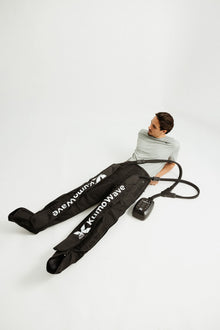
KumoWave pressotherapy boosts circulation and helps drain fluid with sequential compression, in 20-minute sessions at home.
- Boosts circulation and helps drain fluid
- Chamber-based compression, adjustable to you
- Sequential compression that mimics manual drainage
€799,00€999,00
−10% on your 1st order when you subscribe to the newsletter

In cases of secondary lymphedema (for example, after surgery), care includes education, compression, movement, and drainage, according to public health guidelines such as those from the CDC on lymphedema. In cases of edema due to common causes (heat, prolonged standing), drainage and compression are also helpful, supported by clinical recommendations such as those from the NHS for edema .
Real benefits and limitations of the technique
What benefits to expect
- Reduction of swelling (edema) and feeling of heaviness.
- Improved mobility and comfort at the end of the day.
- Faster recovery after training loads or days on your feet. Clinical literature describes manual lymphatic drainage (MLD) as part of a broader approach that includes compression and exercise. Visit this Cleveland Clinic guide on MLD to understand how it's performed and when it's indicated.
In intermittent pneumatic compression devices (pressotherapy), studies have shown volume reductions in lymphedema and improvement of symptoms; for example, a 2014 controlled trial observed a decrease in circumference and functional improvement with regular use of home pneumatic pumps ( PubMed, 2014 ).
Personalized protocol · included with your purchase
Want us to tell you how to use it in your case?
With your purchase, our experts prepare a personalized usage protocol for your case: sport, circulation, fluid retention, pregnancy or lipedema.
Message us on WhatsAppOur experts reply · no obligation
What it doesn't do
- It does not "burn" fat nor does it replace physical activity or healthy habits.
- It is not a standalone treatment: it is usually combined with compression, movement and skin care.
- It does not replace medical diagnosis in cases of persistent or unilateral edema. The NHS explains that successful lymphedema management is multimodal; drainage is one piece, not the complete solution.
Practical tip: Think of lymphatic drainage as a "push" to the lymphatic system, and compression and movement as the daily "maintenance" to sustain the effect.
Effective techniques for lymphatic drainage in legs
Manual lymphatic drainage (professional)
Performed by physical therapists or other trained therapists, this technique uses slow, rhythmic, and very gentle movements directed toward the inguinal and popliteal lymph nodes. It is especially helpful when there is significant edema or after surgery. A typical plan includes 30–60 minute sessions, followed by bandaging or compression stockings as tolerated by the patient. Review the rationale and precautions at the Cleveland Clinic.
Guided self-massage at home (step by step)
- Preparation: light hydration, clean skin, comfortable posture.
- “Open” stations: 6–8 deep diaphragmatic breaths to activate thoracic venous and lymphatic return (breathing influences venous return: NCBI StatPearls ).
- Maneuvers: With very gentle pressure (glide the skin without pain), make upward passes from ankles to knees and thighs, always in the direction of the heart; 5–7 repetitions per area.
- “Empty” proximal routes: before working long distances, perform passes in the proximal thigh and groin to facilitate the exit.
- Duration: 10–15 minutes per leg, 3–5 days/week.
If you notice redness, sharp pain, or a sudden increase in volume, stop the technique and consult a doctor.
on your first order when you join the newsletter
We send you the code instantly. No spam.
Pressotherapy (pneumatic boots)
Intermittent pneumatic compression boots apply sequential pressure from the foot to the thigh, promoting venous and lymphatic drainage. They can be a useful tool at home to relieve heaviness after work or exercise. Clinical evidence supports their adjunctive role in lymphedema and chronic venous disease, with improvements in symptoms and, in some cases, a reduction in volume ( 2014 trial ; 2022 ESVS guidelines on compression in venous disease: PubMed ). Always follow the manufacturer's instructions and those of your healthcare professional.
If you're looking to integrate recovery technologies in an aesthetically pleasing and effective way, discover the KUMO philosophy.
Movement, breathing, and habits that enhance drainage
- Walk 20–30 minutes a day or perform seated ankle “pumps”.
- Elevate your legs for 10–15 minutes at the end of the day (above heart level).
- Hydration and salt control to modulate fluid retention.
- Clinical compression stockings as indicated (validated in guidelines for venous insufficiency; see ESVS 2022 ).
- Diaphragmatic breathing and active breaks in sedentary jobs.
Lymphatic drainage options for legs: a quick comparison
| Technique | Ideal for | Indicative frequency | Duration | Main benefits | Precautions |
|---|---|---|---|---|---|
| Manual lymphatic drainage (professional) | Moderate edema, postsurgical, lymphedema | 1–3/week depending on phase | 30–60 min | Reduction of edema, relief from heaviness | Avoid in cases of acute infection, DVT, decompensated heart failure |
| Self-massage at home | Tired legs, maintenance | 3–5/week | 10–15 min/leg | Lightweight, comfortable for everyday wear | Very gentle pressure; stop if pain or worsening occurs |
| Home pressotherapy | Heaviness after work/sports, support in edema | 3–5/week | 20–30 min | Venous/lymphatic return, post-exertion recovery | Contraindicated in acute DVT, infection, decompensated heart failure; follow guidelines |
Express 10-15 minute routine for home
- Diaphragmatic breathing: 8 deep breaths with hands on abdomen.
- Distal activation: 30 ankle pumps and 15 knee flexion-extensions.
- Gentle self-massage: upward strokes from ankle to knee (5 repetitions on the inner and outer sides), then from knee to groin (other 5).
- “Empty” groin: 5–7 gentle circular passes in the groin area.
- Final: 10 minutes of leg raises and 2–3 minutes of calm breathing.
Complement this routine with graduated compression if advised by your healthcare professional, as recommended by clinical guidelines for edema and venous disease ( NHS ).
When to avoid it and warning signs
- Active skin infection (cellulitis), fever, or infected wounds.
- Deep vein thrombosis (suspected: pain, heat, redness, sudden unilateral edema).
- Decompensated heart failure, uncontrolled advanced renal failure.
- Acute pain of unknown cause, uncontrolled active cancer in the treated area. Major contraindications for manual lymphatic drainage (MLD) and pneumatic compression are listed in clinical resources such as those from the Cleveland Clinic. If you experience persistent, unilateral, or sudden edema, seek medical evaluation. To understand the signs and management of lymphedema, also consult the CDC.
Myths and realities
- “Lymphatic drainage helps you lose weight”: false. It reduces fluids, not fat.
- “The more pressure, the better”: false. The technique is gentle; excessive pressure can irritate tissues.
- “It only works if done by a professional”: partially false. Guided self-massage and pressotherapy are useful for maintenance, but professional assessment is key in clinical cases.
- “If I wear compression stockings, I no longer need to move”: false. Compression and movement enhance each other; the guidelines emphasize both ( ESVS 2022 ).
- “I can’t exercise if I have lymphedema”: outdated. Well-structured exercise programs are safe and beneficial (Macmillan Cancer Support).
Frequently Asked Questions
How many sessions do I need to notice less heaviness in my legs?
Many people experience relief from the first or second session, especially when lymphatic drainage is combined with elevation and compression. In mild cases due to sedentary lifestyles or heat, 2–4 weeks of routine (3–5 times/week) are usually sufficient to notice sustained relief. If the edema is chronic or secondary to surgery, the treatment plan may require an intensive phase followed by a maintenance phase. For persistent or asymmetrical edema, seek medical evaluation to rule out underlying causes and determine the appropriate frequency.
Does lymphatic drainage help with cellulite?
It can temporarily improve the appearance by reducing fluid retention and swelling, but it doesn't eliminate cellulite, which involves subcutaneous tissue structure and hormonal factors. The most effective approach is usually a combination of healthy habits (strength, mobility, rest), balanced nutrition, and skincare, along with drainage techniques to manage edema. If you're looking for aesthetic results, consider a holistic approach and realistic expectations; drainage is a support, not a permanent solution.
Is pressotherapy or manual lymphatic drainage better?
They are not mutually exclusive. Manual lymphatic drainage offers customization and is preferable in complex or sensitive clinical situations. Compression therapy provides comfort and regularity at home to maintain results and relieve heaviness after a day or workout, with research support for reducing volume and symptoms in certain cases ( clinical trial ). The choice depends on your goals, tolerance, budget, and professional recommendations. Often, a stepped combination is the most effective approach.
Can I have lymphatic drainage if I'm pregnant?
In uncomplicated pregnancies, gentle techniques and leg elevation can relieve common third-trimester swelling. However, any intervention should be discussed with your midwife or obstetrician, especially if you have gestational hypertension, preeclampsia, painful varicose veins, or a risk of thrombosis. Avoid high pressure and prolonged uncomfortable positions. If in doubt, opt for safe measures such as gentle walking, diaphragmatic breathing, and elevation, and consult a professional before using compression devices.
The essentials
- Lymphatic drainage relieves heaviness and edema by promoting the return of fluids.
- Combining manual lymphatic drainage (MLD), self-massage, pressotherapy, compression, and movement enhances results.
- The technique is gentle; it avoids intense pressure and respects contraindications.
- Consistency (3-5 times/week) matters more than one-off sessions.
- Consult if there is acute pain, unilateral edema, or a history of thrombosis.
- Want to integrate effective aesthetic recovery solutions? Explore KUMO 's offering and create your own care routine.
KumoWave pressotherapy
Choose your at-home pressotherapy
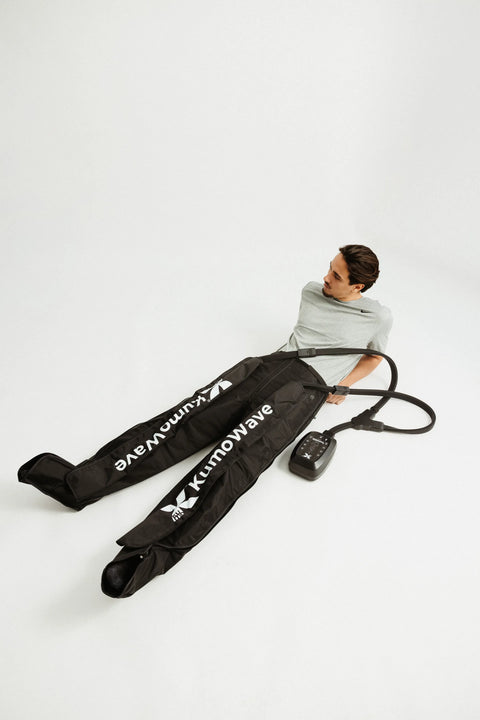
KumoWave Elite – Pressotherapy Pants
Full-coverage trousers. Ideal for lipedema, fluid retention and intensive use.
€799,00 €999,00
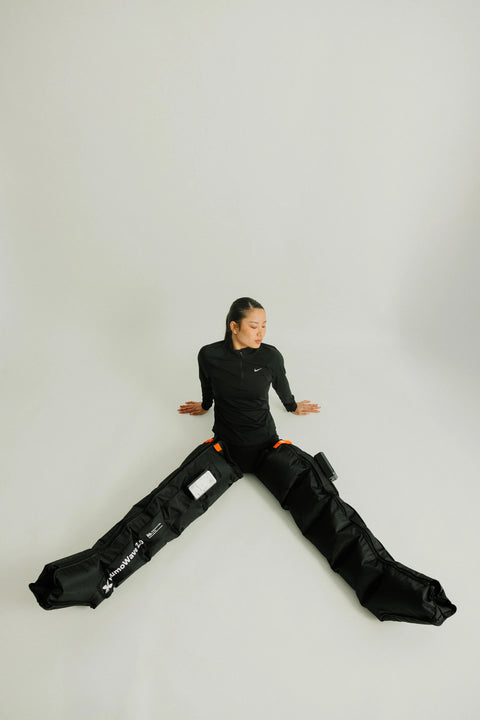
KumoWave 2.0 - Wireless Pressotherapy
Wireless, lightweight boots. Perfect for daily use and recovery.
€499,00 €599,00