

Lymphatic drainage: key contraindications and risks. This article helps you identify when to avoid it, what precautions to take, and how to do it safely.
Lymphatic drainage (manual or with compression devices) can relieve swelling and heaviness, but it's not for everyone. If you have an active infection, thrombosis, or decompensated heart failure, it's usually contraindicated. Below you'll find a practical guide with warning signs, a list of risk factors, scientific evidence, and recommendations for proper application or discussing it with your healthcare professional.
Pressotherapy at home
End the day with light legs
★★★★★ 4,8/5 · rated by verified customers
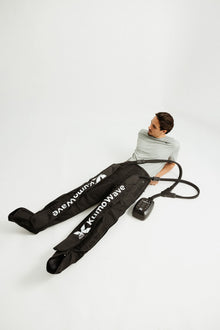
KumoWave pressotherapy boosts circulation and helps drain fluid with sequential compression, in 20-minute sessions at home.
- Boosts circulation and helps drain fluid
- Chamber-based compression, adjustable to you
- Sequential compression that mimics manual drainage
€799,00€999,00
−10% on your 1st order when you subscribe to the newsletter

In short
- Avoid it in cases of skin infection, deep vein thrombosis, or decompensated heart or kidney failure.
- Use with medical supervision if there is active cancer, recent pregnancy, or recent surgery.
- The most common risks are dizziness, temporary increase in volume, skin irritation, and bruising.
- Warning signs: acute pain, intense redness, fever, shortness of breath, marked asymmetry.
- Evidence supports its use in selected cases, often in conjunction with compression, exercise, and skin care.
What is lymphatic drainage and how does it work?
Manual lymphatic drainage (MLD) is a gentle massage technique that stimulates the lymphatic system to mobilize fluids and waste products. It is used for lymphedema, fluid retention, and post-surgical recovery, among other conditions. Intermittent pneumatic compression (IPC) devices, such as compression boots, also apply sequential pressure. According to systematic reviews, MLD can provide relief in selected cases, especially when combined with compression and exercise, although results vary depending on the clinical presentation and the technique used (Cochrane, 2015 ).
Contraindications: when not to perform lymphatic drainage
Not all situations are the same. We differentiate between absolute contraindications (avoid) and relative contraindications (assess each case individually with your doctor).
Personalized protocol · included with your purchase
Want us to tell you how to use it in your case?
With your purchase, our experts prepare a personalized usage protocol for your case: sport, circulation, fluid retention, pregnancy or lipedema.
Message us on WhatsAppOur experts reply · no obligation
Absolute contraindications
- Acute infection or cellulitis, fever, or signs of systemic inflammation.
- Deep vein thrombosis (DVT) or recent or suspected pulmonary embolism.
- Decompensated heart failure or acute pulmonary edema.
- Decompensated renal or hepatic insufficiency.
- Thrombophlebitis or active bleeding.
- Uncontrolled open wounds or extensive burns.
These conditions can worsen with increased fluid return or changes in pressure. The NHS and referral clinics cite these situations as reasons for withholding drainage until medical stabilization (NHS , Cleveland Clinic ).
Relative contraindications or precautions
- Active or under treatment cancer: today DLM is not considered to "spread" cancer, but it is recommended to coordinate it with the oncology team, according to the ISL 2020 consensus document.
- Pregnancy: Generally safe if performed by a professional and avoiding the abdomen in early stages. Consult your obstetrician at Cleveland Clinic .
- Uncontrolled hypertension, arrhythmias or symptomatic varicose veins: assess intensity and areas to be treated.
- Post-surgery or recent post-radiotherapy: requires medical authorization and specific protocols.
- Neuropathies, sensory disturbances or coagulation disorders: adjust pressure and technique.
Important: “Relative” does not mean “safe” in any case. It means that it can be considered safe with appropriate adjustments, supervision, and timing.
Table of contraindications and what to do
| Condition | Guy | Why does it pose a risk? | What to do before drainage |
|---|---|---|---|
| Skin infection (cellulitis), fever | Absolute | It can spread infection by increasing flow | Treat infection; reassess after NHS discharge |
| Deep vein thrombosis | Absolute | Risk of embolism when mobilizing thrombus | Previous diagnosis and anticoagulation Mayo Clinic |
| Decompensated heart failure | Absolute | Increased venous return and cardiac load | Stabilize cardiac function; cardiac evaluation |
| Decompensated renal/hepatic insufficiency | Absolute | Fluid redistribution can worsen | Therapeutic adjustment and nephro/hepatology authorization |
| Active cancer | Relative | It requires coordination with oncology. | Individualize according to location and treatment ISL 2020 |
| Pregnancy | Relative | Hemodynamic changes; avoid abdomen | Trained professional; obstetric consultation |
| Recent post-surgery | Relative | Fragile tissues, risk of dehiscence | Wait for medical advice and follow protocol |
Potential risks and side effects
Although lymphatic drainage is usually well tolerated when properly indicated, the following may occur:
on your first order when you join the newsletter
We send you the code instantly. No spam.
- Dizziness or a vague feeling, especially if it occurs in the neck area or after standing up quickly. Stay hydrated and get up slowly. Cleveland Clinic .
- Transient increase in volume or diuresis; usually normalizes within 24–48 hours.
- Skin irritation or small bruises may occur if there is fragile skin, anticoagulant medication, or excessive pressure.
- Exacerbation of pain or inflammation if done on areas with an active inflammatory process.
- Intermittent pneumatic compression: discomfort from improperly adjusted pressure, numbness, or tingling if the size is incorrect. Do not use in cases of DVT, infection, or decompensated heart disease (Mayo Clinic ).
If you notice sharp pain, shortness of breath, local redness and heat, or fever, stop and consult a doctor immediately.
Who can benefit and what precautions should be taken?
- Lymphedema related to breast cancer treatment: Manual lymphatic drainage (MLD) may provide symptomatic relief when combined with compression stockings, exercise and skin care; on its own it has limited effect, according to Cochrane (2015).
- Mild fluid retention, tired legs, or prolonged travel: gentle guidelines, hydration, and mobility can help. Avoid travel if you have unassessed vascular risk factors.
- Post-surgical or post-sports recovery: with medical authorization and protocols adapted to the recovery phase.
How to practice it safely
Before the session
- Check contraindications and get a clear diagnosis of the edema.
- If you take anticoagulants, have a pacemaker, or have chronic conditions, inform your healthcare professional.
- Define the objective and treatment areas; drainage is usually gentle and should not hurt.
During the session
- Gentle technique, slow pace and direction towards functional ganglia.
- For compression devices: use the correct size, and program the pressure and time according to professional instructions and the device manual. Stop if pain, numbness, or discoloration occurs.
- Maintain comfortable breathing; avoid excessive heat before/after.
After the session
- Stay hydrated and move gently to promote lymphatic return.
- Observe the skin and volume for 24–48 hours.
- It incorporates other care measures: prescribed compression, exercise, skin care (American Cancer Society).
Warning signs: when to stop and seek medical advice
- Intense pain, sudden worsening of edema, or marked asymmetry.
- Redness, local heat, fever, or general malaise.
- Shortness of breath, palpitations, persistent dizziness.
- Numbness, changes in color or temperature in the limb.
If you experience any of these signs, stop and consult your doctor or an emergency service.
What the evidence says
- Post-breast cancer lymphedema: manual lymphatic drainage (MLD) adds modest benefit when added to complex decongestive therapy; it does not replace compression. Cochrane, 2015 .
- International consensus guidelines recommend individualizing, prioritizing safety and combining approaches (compression, exercise, skin) ISL 2020.
- Clinical referral centers offer clear guidelines on indications, precautions and self-care: NHS , Mayo Clinic , Cleveland Clinic .
Frequently Asked Questions
Is lymphatic drainage contraindicated during pregnancy?
In general, manual lymphatic drainage can be performed during pregnancy if administered by a trained professional with obstetric clearance. The abdomen is usually avoided, especially in the first trimester, and gentle maneuvers on the extremities are prioritized to relieve edema and heaviness. If you have gestational hypertension, preeclampsia, bleeding, or other obstetric risks, do not undergo this procedure without medical advice. When using compression devices, use low pressure and appropriate sizes, or wait for your obstetrician's evaluation. Further details can be found in the Cleveland Clinic clinical guidelines.
Can lymphedema worsen if I perform drainage without compression?
Yes. The recommended decongestive therapy integrates drainage, compression, exercise, and skin care. Massage alone may not sustain the reduction in volume, and in some cases, edema rebounds when it is discontinued. Compression helps maintain the result and control fluid flow. Review the full plan and the appropriate type of garment or bandage with your physiotherapist or lymphedema unit. (Cochrane , NHS )
Is drainage dangerous if I had a thrombosis?
With recent or suspected deep vein thrombosis (DVT), drainage is contraindicated due to the risk of embolism. You must have a diagnosis, be on anticoagulant therapy, and have medical clearance before any intervention. Even after stabilization, vascular reassessment is recommended to determine which techniques are safe and when to reintroduce them. Pneumatic compression devices should also not be used in active DVT. Consult clinical resources for general guidance, such as Mayo Clinic .
What are the risk differences between manual massage and pressotherapy?
A well-applied manual massage is usually gentle and rarely causes serious adverse events, although it may cause dizziness, tenderness, or slight redness. Pressotherapy applies sequential pressures: if the size or program is inappropriate, discomfort, numbness, or irritation may occur. In both cases, they are contraindicated in cases of acute infection, deep vein thrombosis (DVT), or decompensated heart failure. When using equipment, follow the manual and adjust the pressure and duration according to the practitioner's recommendations and your tolerance. Review safety aspects in NHS clinical guidelines.
Does lymphatic drainage "move" cancer?
Current evidence and consensus documents do not support the idea that manual lymphatic drainage spreads cancer when performed correctly. However, the approach in cancer patients should be coordinated with the treating team: there may be areas to avoid, specific timings after surgery or radiotherapy, and adjustments to the technique. The International Society of Lymphology (ISL) consensus document (2020) recommends individualizing and teamwork (ISL 2020). Always consult with your oncologist.
The essentials
- Lymphatic drainage is not harmless for everyone: identify absolute and relative contraindications.
- In lymphedema, it usually works best when combined with compression, exercise, and skin care.
- Warning signs (acute pain, fever, shortness of breath) require stopping and consulting a doctor.
- The technique should be gentle, personalized, and performed by qualified personnel.
- Use compression devices only with the correct size, pressure, and duration, and avoid risky situations.
- If you're looking to integrate recovery into your routine, get informed and choose safe, high-quality solutions. Discover more about wellness and recovery technology at KUMO .
KumoWave pressotherapy
Choose your at-home pressotherapy
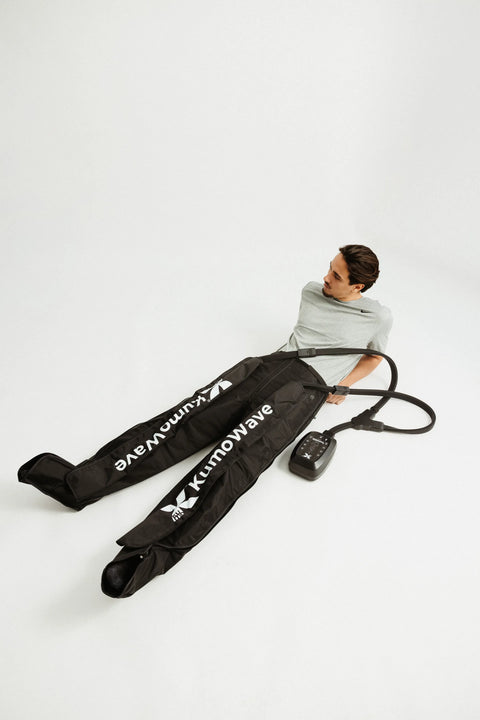
KumoWave Elite – Pressotherapy Pants
Full-coverage trousers. Ideal for lipedema, fluid retention and intensive use.
€799,00 €999,00
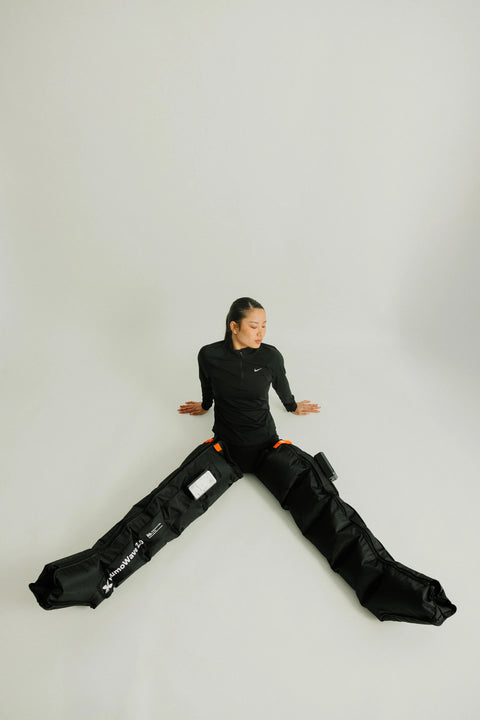
KumoWave 2.0 - Wireless Pressotherapy
Wireless, lightweight boots. Perfect for daily use and recovery.
€499,00 €599,00