
Hygiene is not a detail: it is part of the treatment.
If you manage a recovery center (wellness, performance, physiotherapy, training or aesthetics), the cleaning of cabins and the maintenance of equipment determine two things: safety (reduction of the risk of contagion, irritations and cross-contamination) and perceived quality (smell, touch, order, confidence).
Red & infrared light
Recover faster, at home
★★★★★ 4,8/5 · rated by verified customers
The KumoLux panel supports muscle recovery with full-body red and infrared light.
- 660 nm red + 850 nm infrared light
- Full-body muscle recovery
- Clinically validated biohacking protocols
€399,00€499,00
−10% on your 1st order when you subscribe to the newsletter

This guide provides an operational checklist for standardizing daily routines, between sessions, and for preventative maintenance, with examples applicable to common technologies such as LED , red light , pressotherapy , and massage . It is designed for easy integration with brand protocols and premium recovery equipment like that from Kumo .
1) Basis of the protocol: clean, disinfect and document (without improvising)
Cleaning vs. disinfection: the sequence matters
A common mistake is to "disinfect" without first cleaning. At an operational level, the recommended sequence is:
Personalized protocol · included with your purchase
Want us to tell you how to use it in your case?
With your purchase, our experts set up your red and infrared light sessions for your sport and goal.
Message us on WhatsAppOur experts reply · no obligation
- Cleaning (detergent/water or cleaning product): reduces dirt and microbial load.
- Disinfect when appropriate (e.g., after heavy use, fluids, illness or high-touch surfaces): kills any remaining germs.
- Dry and ventilate before the next session.
The CDC's guidance for community facilities (gyms, businesses, centers) emphasizes that regularly cleaning high-touch surfaces helps prevent the spread of germs, and that disinfection is reserved for higher-risk situations (for example, when someone has been sick). ( cdc.gov )
Contact time: the “invisible minute” that decides if it works
Many disinfectants are only effective if the surface remains visibly wet for the contact time indicated on the label (for example, 1, 5, or 10 minutes). The EPA specifies: if the product requires 10 minutes, the surface must be wet for those 10 minutes; if it dries sooner, it must be reapplied. ( epa.gov )
Hand hygiene: the routine that sustains the entire system
- If soap and water are not available, the CDC recommends using alcohol-based hand sanitizer with ≥60% alcohol . ( cdc.gov )
- For effective handwashing, the CDC suggests that 20 seconds of rubbing helps remove more germs (palms, backs of hands, between fingers, and under nails). ( cdc.gov )
As a reinforcement, the WHO published new guidelines for hand hygiene in the community in 2025: soap and water as the base, and alcohol ≥60% as an alternative when hands are not visibly dirty. ( who.int )
on your first order when you join the newsletter
We send you the code instantly. No spam.
2) Cabin design and workflow: less friction, fewer failures
"Clean/dirty" zones (and a route without intersections)
Establish a simple physical flow:
- Clean zone : prepared material, sealed textiles, new consumables, ready equipment.
- Dirty area : bucket/bag for used textiles, waste container, tray for accessories awaiting cleaning.
- One-way route : the used material never passes through the clean area again.
Responsible parties and “definition of completed”
Cleaning fails when "someone was supposed to do it." Define:
- Who cleans (role, not person: receptionist, coach, technician, therapist).
- When (opening, between sessions, closing, weekly, monthly).
- What does "finished" mean (no moisture, no smell, no marks, checklist signed).
3) Operational checklist by moment (cabin + common areas)
Checklist table (master list by frequency)
| Frequency | Areas | Minimum (standard) tasks | Record |
|---|---|---|---|
| Opening | Reception, hallways, booths |
|
Opening checklist + incidents |
| Between sessions | Used cabin/equipment |
|
Quick "OK" press (time + signature) |
| Closing | Cabins, bathrooms, storage |
|
Closing checklist + restocking |
| Weekly | Equipment + Environment |
|
Part of preventive maintenance |
| Monthly | Maintenance plan |
|
Monthly report (KPIs) |
4) Protocols by type of equipment (special focus on skin contact)
Note: Adapt each step to the manufacturer's instructions for your equipment and the material (silicone, ABS, textiles, polycarbonate). The general rule: do not spray directly onto electronics , avoid excess moisture, and prioritize using appropriate cloths/wipes.
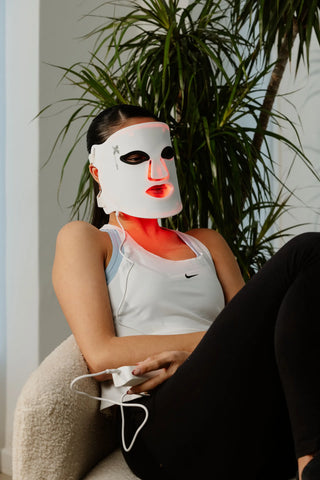
4.1 LED masks (face use): direct contact control
LED masks rest on sensitive areas (face/neck), so the standard must be high:
-
Between clients :
- Remove any textile accessories (ribbons, bands, protectors) if they are detachable.
- First clean with a soft, slightly damp cloth (if applicable) and then apply disinfectant compatible with the material.
- Leave the product to act for the indicated time (contact time).
- Dry completely before storing or reusing.
- Daily : visual inspection for cracks, opacity, makeup/cream residue on edges.
- Weekly : check fastenings (elasticity, velcro) and replace if they lose tension.
If you use LED light therapy devices in a cabin, standardize the same logic: skin first, direct contact = consistent cleaning and disinfection, no shortcuts.
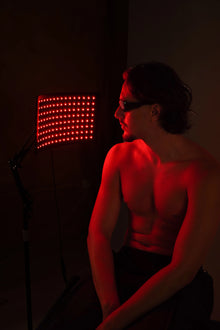
4.2 Red light therapy (panels/lamps): cleaning without damaging optics
-
Between sessions :
- Clean the casing, stands, controls, and surfaces that the user may touch.
- For non-porous hard screens/surfaces, it may be appropriate to use alcohol wipes (if the manufacturer allows it), applied to the cloth/wipe, not sprayed.
-
Weekly :
- Check the stability of the support, screws, wiring and ventilation areas (without obstructions).
Operational tip: Red light is not a substitute for chemical disinfection . And if someone proposes “disinfecting with light” without evidence or regulatory labeling, exercise extreme caution: the EPA itself has taken action against UV light devices marketed with broad and misleading claims of antimicrobial efficacy. ( epa.gov )
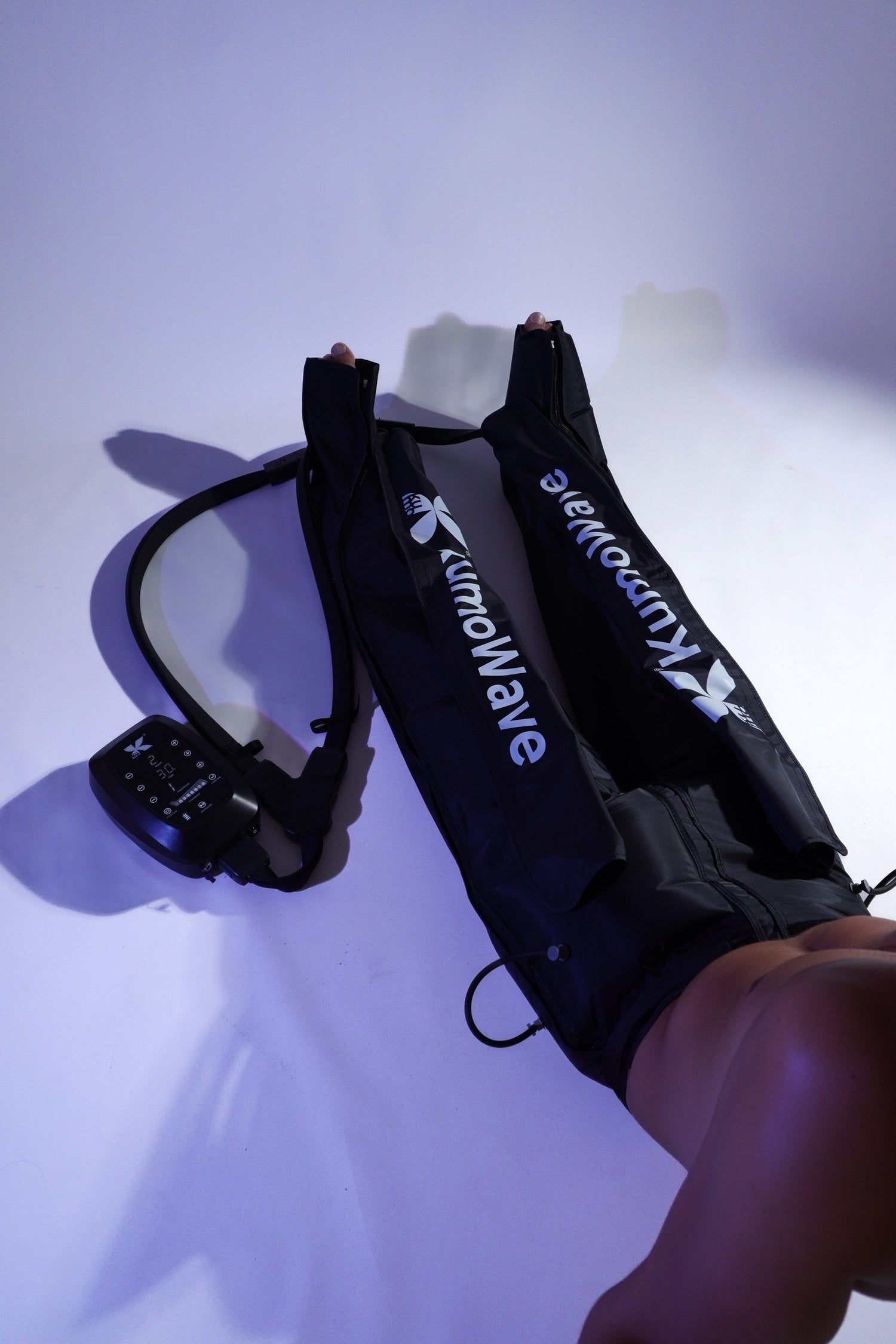
4.3 Pressotherapy boots: textiles, hoses and connectors
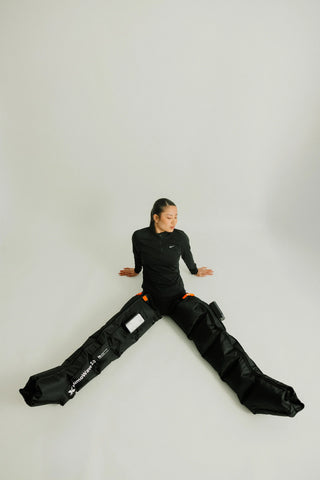
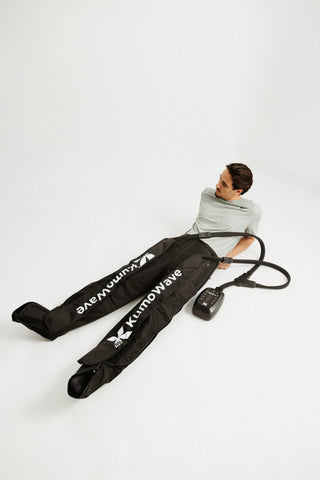
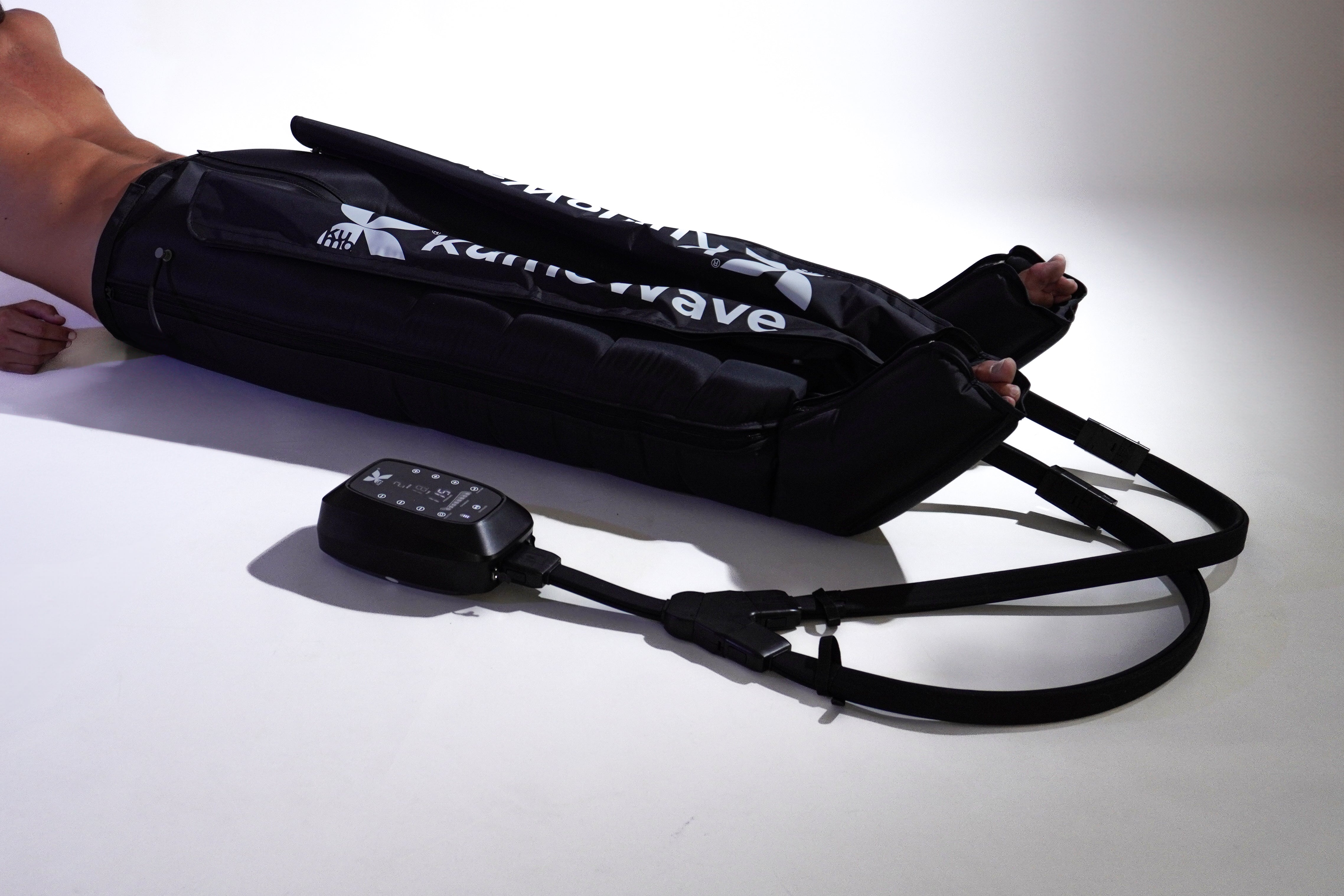
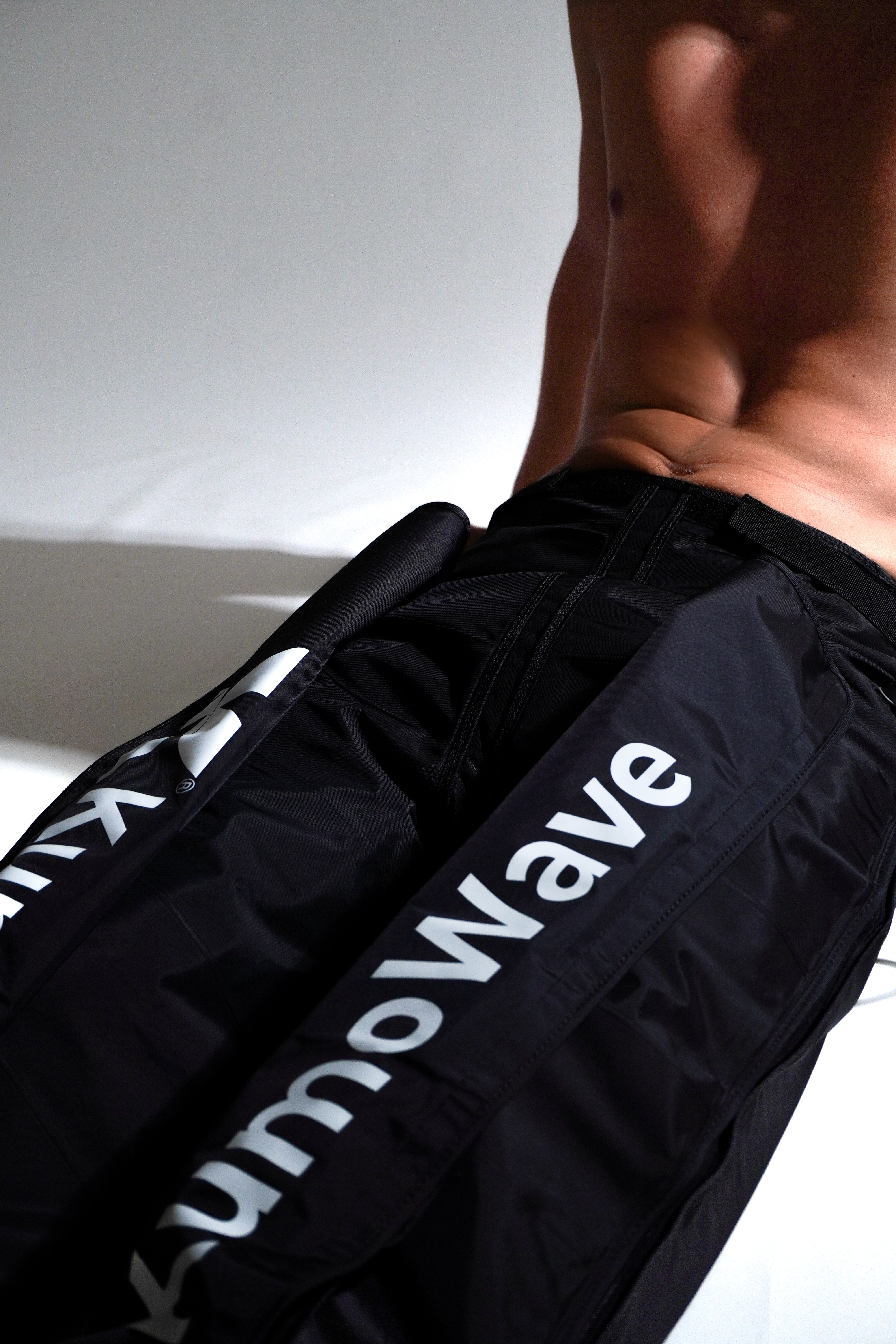
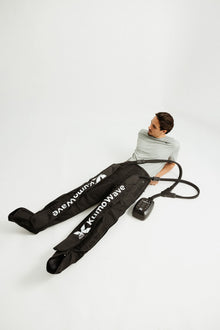
In pressotherapy, there are three critical points: skin/sweat contact , pneumatic integrity , and accessory hygiene . If you work with solutions like those in the pressotherapy collection , apply a routine such as:
-
Between sessions :
- Use of hygienic barrier (for example, clean thin trousers or specific cover, according to the center's protocol).
- Clean the outside of the boots (zipper/velcro area and areas handled by staff).
- Check for any accumulated internal moisture: if present, dry/ventilate before the next use.
-
Diary :
- Inspect hoses and connectors (cracks, looseness, snags).
- Check zipper and seams (stress points).
-
Weekly :
- Leak check (pressure loss, abnormal noises).
- Deeper cleaning of hard-to-reach areas (folds, seams).
4.4 Massage gun: quick disinfection without “wetting” the motor
In percussive massage, the key is quick hygiene between users and careful maintenance of the equipment (grills, battery, heads). If you work with a device like KumoPulse Air , a practical guideline is:
-
Between sessions :
- Remove the printhead, clean it and disinfect it according to the material (ideally with a wipe/cloth, without immersion).
- Clean the case with a soft cloth; avoid air inlets and ports.
- Allow to dry completely before assembling.
-
Weekly :
- Inspection of head clearance/noise and loading port condition.
- Cleaning grates with a dry method (soft brush) if the manufacturer allows it.
As a general guideline for cleaning hard, non-porous surfaces on electronics, Apple suggests using 70% isopropyl alcohol wipes or 75% ethyl alcohol wipes to clean external surfaces, avoiding bleach and preventing moisture from entering openings. Use this as a precautionary measure for similar devices, always prioritizing the manufacturer's recommendations for the specific device. ( support.apple.com )
5) Products, consumables and safety: what to always have (and what to avoid)
Minimum kit per cabin
- Microfiber cloths (color code: cabin/bathroom/equipment).
- Disinfectant wipes or registered disinfectant solution (depending on the country) for non-porous surfaces.
- Disposable gloves (if your risk assessment requires it) and a waste bag.
- Hydroalcoholic gel with ≥60% alcohol . ( cdc.gov )
- Internal signage: “ Do not spray on electronics ”, “ Respect contact time ”.
Avoid these common mistakes
- Spraying directly onto panels, controls or ports (risk of damage).
- Reducing contact time "because there's a rush" (loses effectiveness). ( epa.gov )
- Use products not labeled for the surface/material (opacity, corrosion, stickiness).
- Relying solely on gel when pathogens like norovirus are present: The CDC states that hand sanitizer alone is not effective against norovirus; washing with soap and water is key. ( cdc.gov )
6) Records, audits and team culture (what makes the protocol “sustainable”)
Simple records that are actually met
If the record is long, it's not used. Three short documents are better:
- Opening/Closing Checklist (10–15 items).
- Record between sessions (time, booth, equipment, signature).
- Incident report (spill, vomit, blood, breakdown, smell, customer with symptoms).
Useful KPIs (without bureaucracy)
- % of sessions with "OK between sessions" signed.
- Number of incidents by type (textile, odor, spill, breakdown).
- Average cabin rotation time (includes ventilation and drying).
7) Protocol for incidents (fluids, vomit, blood): action and regulations
Isolated incidents can occur in recovery centers. Define a "no-debate" procedure:
- Stop using the cabin and put up a sign.
- Equip yourself (gloves and protection according to risk).
- Remove solids with disposable material and dispose of in a suitable bag.
- Clean and then disinfect following the label (contact time).
- Ventilate and document (what happened, what was done, what was replaced).
If you operate in the U.S. and there is a reasonable risk of exposure to blood or other potentially infectious materials, OSHA requires you to maintain the site "clean and sanitary," with a written cleaning schedule and decontamination method, and to clean/decontaminate surfaces after contact with blood/OPIM. ( osha.gov )
8) How Kumo fits into a “premium” hygiene operation
Kumo is a good fit for an operation that seeks to raise standards: technology, experience, and consistency. At the process level, the key is to treat each technology as a “microservice” with its own mini-checklist:
- LED : facial contact, material care and traceable disinfection (see LED light therapy ).
- Red light : cleaning of surfaces, controls and supports, without damaging optics.
- Pressotherapy : management of textiles/barriers, connectors and ventilation (see pressotherapy ).
- Massage : sanitized heads between users and care of entrances/ports (see KumoPulse Air ).
FAQ: Hygiene and maintenance in cabins with Kumo equipment
How do I disinfect a Kumo LED mask between customers without damaging it?
Prioritize a "low moisture, controlled contact" method: use a soft cloth or wipe suitable for non-porous surfaces, without spraying directly. First, remove any traces of cream/makeup (cleansing) and then apply a compatible disinfectant, respecting the contact time indicated on the product label. Avoid bleach and abrasive products if the material advises against them. Allow to dry completely before the next session and check edges/contact areas, where product tends to accumulate.
How often should a recovery cabin be cleaned and disinfected?
As a baseline: high-touch cleaning daily and between sessions on surfaces touched by users (handles, controls, handles). The CDC guidance for community facilities recommends regularly cleaning high-touch surfaces and disinfecting when someone has been sick or there is an increased risk. ( cdc.gov ) Additionally, the EPA reminds us that disinfecting requires respecting contact time, keeping the surface wet for the necessary time. ( epa.gov ) In practice, your actual frequency will depend on traffic, perspiration, and booth turnover.
What alcohol or hydroalcoholic gel should a center use (and what concentration)?
For hands, the CDC recommends using a hand sanitizer with at least 60% alcohol if soap and water are unavailable, and rubbing it in until dry (approximately 20 seconds). ( cdc.gov ) For surfaces/electronics, some manufacturers allow alcohol wipes (for example, Apple recommends 70% isopropyl alcohol for hard, non-porous external surfaces), but always follow the specific device manufacturer's instructions to avoid damage. ( support.apple.com )
Do red lights or LEDs "disinfect" the cabin on their own?
It's not advisable to assume otherwise. Operational cleaning and disinfection rely on products and procedures with clear instructions (including contact time) and surface compatibility. The EPA has warned about broad and misleading claims of antimicrobial efficacy for UV light-based devices marketed without adequate support, which serves as a reminder: don't substitute protocols for technological "feelings." ( epa.gov ) In a facility, red/LED light is integrated as a wellness tool, while hygiene is ensured with verifiable SOPs.
What do I do if a customer arrives with gastrointestinal symptoms (norovirus-like risk)?
Activate a conservative protocol: reschedule if possible, reinforce high-touch cleaning/disinfection, and wash hands with soap and water. The CDC indicates that norovirus is highly contagious and that alcohol-based hand sanitizer alone is not effective against norovirus, so washing with soap and water is key. ( cdc.gov ) If there was vomiting/spillage, mark the booth, clean and disinfect according to proper etiquette (contact time), ventilate, and document the incident.
So what now?
If you want to take your protocol to the next level, make this checklist an internal standard and equip your treatment rooms with easy-to-operate and maintain recovery technology. Explore the Kumo universe at kumobalance.com , and if you need help choosing the right setup for your workflow (LED, pressotherapy, or massage), contact the team through the contact page .

Red & infrared light
KumoLux Panel – Red and Infrared LED Panel
★★★★★ 4,8/5 · rated by verified customers
- 660 nm red + 850 nm infrared light
- Full-body muscle recovery
- Clinically validated biohacking protocols
€399,00€499,00· pay in installments with seQura or Klarna