
Introduction: Why everyone is talking about facial phototherapy
LED facial phototherapy rejuvenates the skin without needles or surgery.
By 2026, light therapy for the face has established itself as one of the most promising options for treating fine lines, blemishes, dull texture, and loss of firmness. Based on photobiomodulation , it uses specific wavelengths (red, near-infrared, blue, amber, etc.) to stimulate biological processes in the skin, such as collagen production and inflammation reduction. Several recent clinical studies and scientific reviews indicate that LED phototherapy is a safe, non-invasive technique with measurable results when used consistently. ( pubmed.ncbi.nlm.nih.gov )
Red & infrared light
Recover faster, at home
★★★★★ 4,8/5 · rated by verified customers
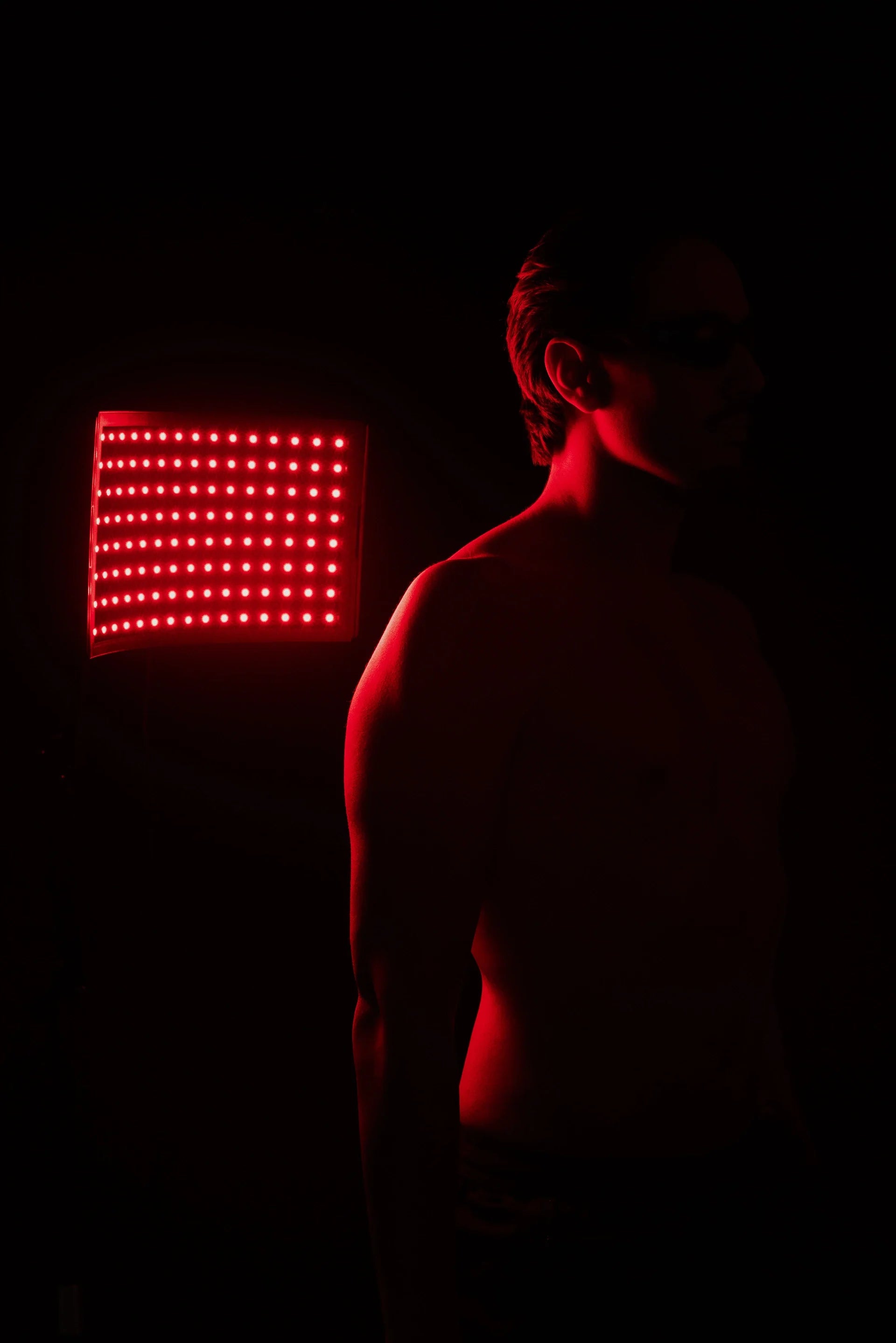
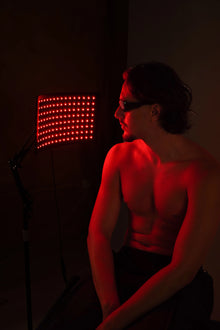
The KumoLux panel supports muscle recovery with full-body red and infrared light.
- 660 nm red + 850 nm infrared light
- Full-body muscle recovery
- Clinically validated biohacking protocols
€399,00€499,00
−10% on your 1st order when you subscribe to the newsletter

In this guide, I explain clearly and practically what facial phototherapy is, how it works, what real benefits it offers in 2026, how to integrate it into your routine, and what its limitations are , so you can make informed decisions and build a rejuvenation ritual aligned with your lifestyle.
What is facial phototherapy and how does it work?
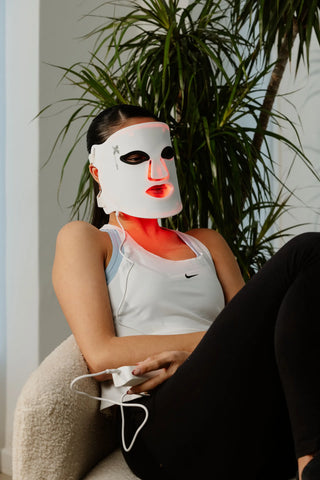
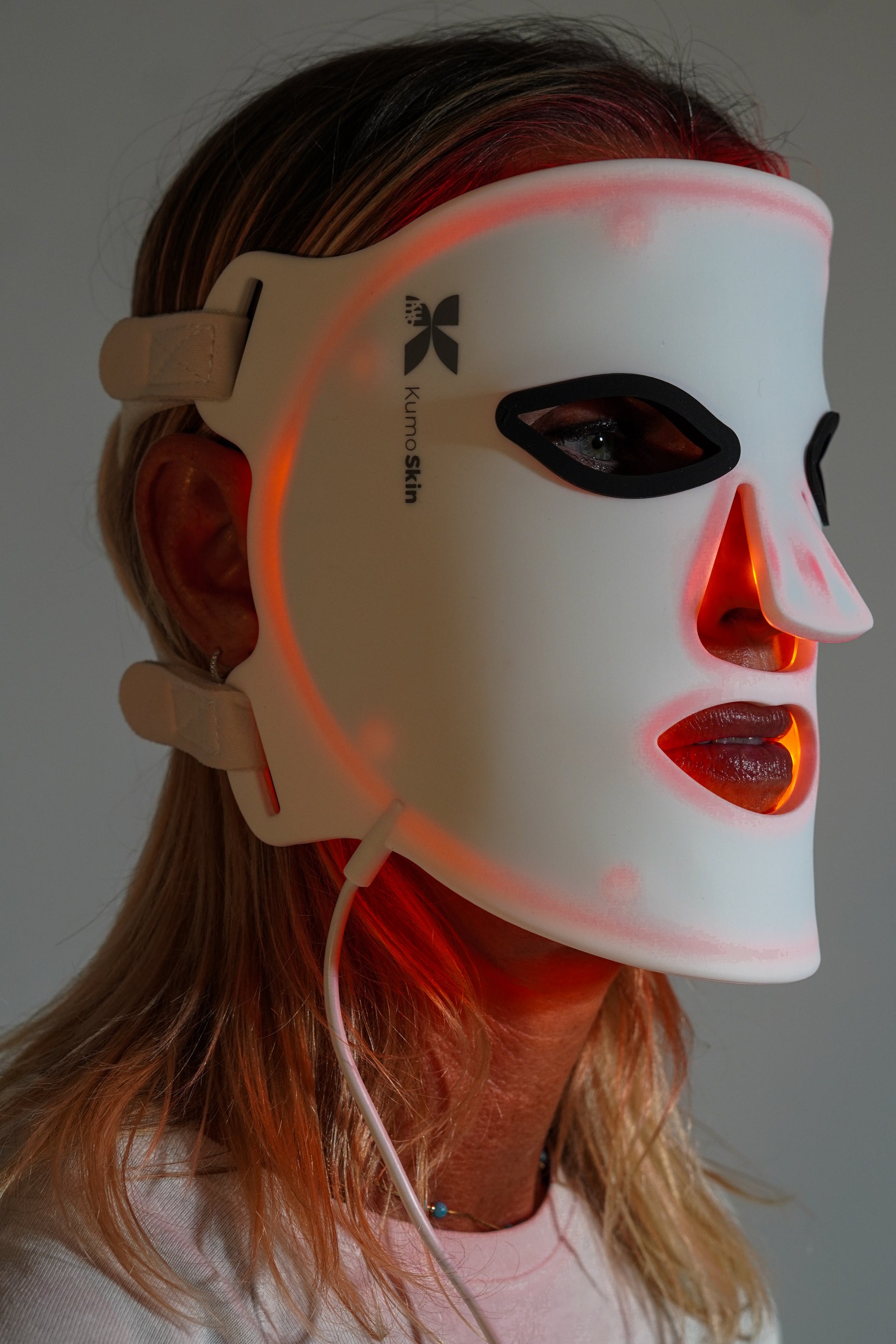
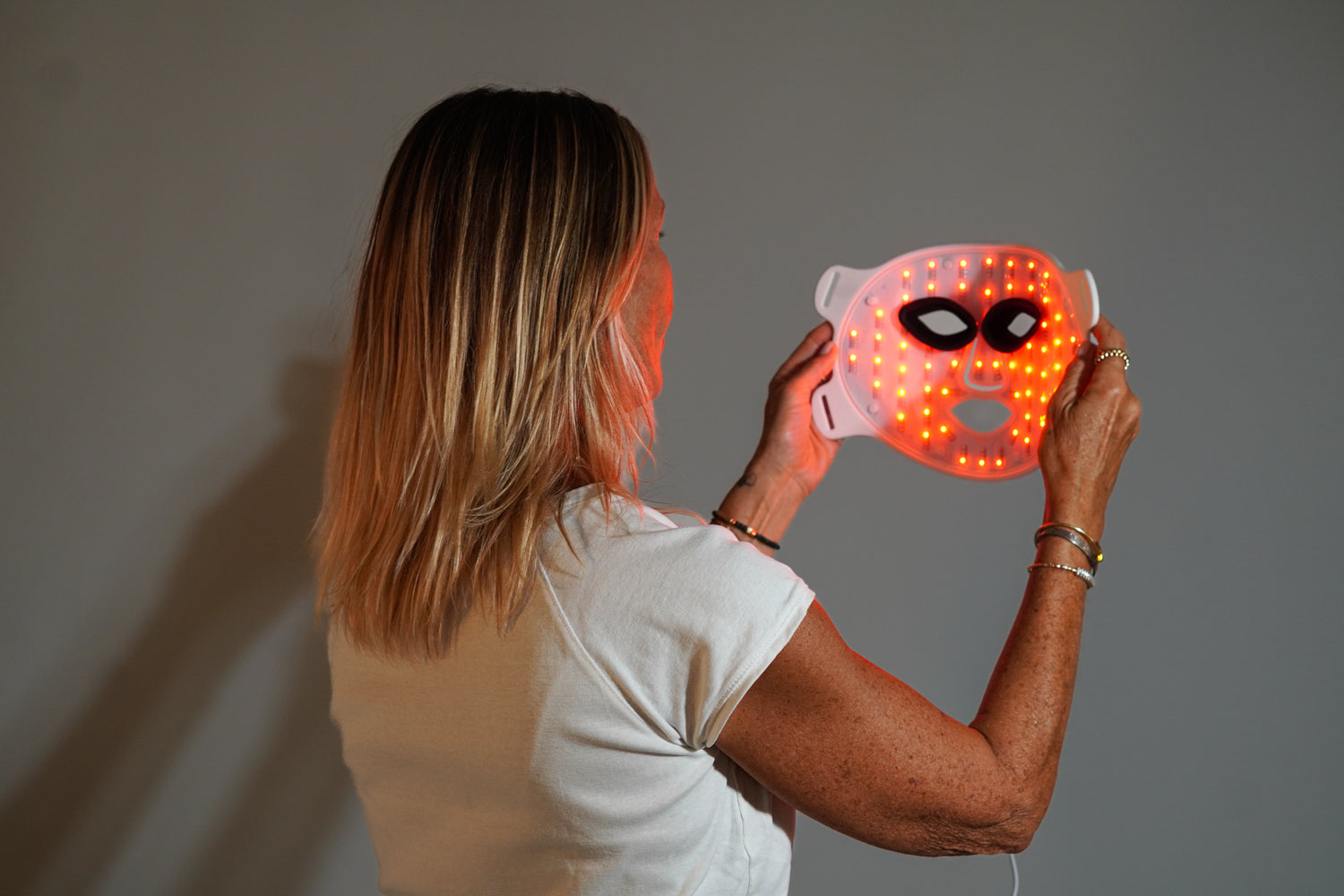
Facial phototherapy is a treatment that uses non-thermal light devices (mainly LEDs) applied to the skin of the face. Unlike ablative lasers or ultraviolet light, it uses visible or low-intensity infrared wavelengths, which do not burn or peel the skin.
Personalized protocol · included with your purchase
Want us to tell you how to use it in your case?
With your purchase, our experts set up your red and infrared light sessions for your sport and goal.
Message us on WhatsAppOur experts reply · no obligation
These lights are absorbed by chromophores present in cells (such as mitochondria). The process is known as photobiomodulation and can trigger effects such as:
- Increased synthesis of collagen and elastin (improved firmness and elasticity).
- Reduction of inflammatory mediators (less redness, calmer skin).
- Improved microcirculation and cellular metabolism.
- Stimulation of tissue repair (improved appearance of scars and texture).
A 2020 review on LED phototherapy for skin aging concludes that this technology is a promising modality for photorejuvenation , safe, affordable, and easily combinable with other treatments. ( pubmed.ncbi.nlm.nih.gov )
Proven benefits of facial phototherapy for skin rejuvenation
Fine lines and firmness
The primary concern for many users of facial phototherapy is reducing fine lines and improving firmness. In a clinical study published in 2025, a group of participants used a near-infrared LED face mask for 30 minutes, five times a week, over 12 weeks. Wrinkle reductions of up to 27% were observed, along with improvements in skin texture, elasticity, hydration, and density, with no significant side effects. ( link.springer.com )
on your first order when you join the newsletter
We send you the code instantly. No spam.
Other controlled trials with red and infrared LEDs have shown increases in intradermal collagen density and a significant improvement in skin surface roughness compared to control groups. ( pubmed.ncbi.nlm.nih.gov )
Texture, pores, and blemishes
Facial phototherapy not only targets wrinkles; it also improves overall skin quality. A randomized study from 2024–2025 evaluated yellow light (570 or 590 nm) combined with red (620 nm) and infrared (850 nm) light in patients with facial photoaging . After eight weeks, significant reductions were observed in visible pores, wrinkles, texture, and brown spots, with the most marked improvement in the 570 nm group. ( pubmed.ncbi.nlm.nih.gov )
Previous trials with 633 nm and 830 nm LEDs also showed improvements in elasticity, roughness, and mild pigmentation, supported by photographic analysis and objective skin measurements. ( pubmed.ncbi.nlm.nih.gov )
Inflammation, repair, and healing
Red and near-infrared light have been studied for years for their ability to modulate inflammation and promote tissue repair . Recent reviews indicate that LED phototherapy may contribute to:
- Accelerate the healing of wounds and chronic ulcers.
- Improve the appearance of certain scars.
- Reduce redness associated with mild inflammation.
According to publications from academic institutions such as Harvard, these effects are attributed to the stimulation of mitochondria, which promotes cellular energy production and collagen synthesis, while simultaneously reducing some inflammatory mediators. ( health.harvard.edu )
Acne and blemishes
Although this article focuses on rejuvenation, it is important to mention that blue light and the blue+red combination are used as complementary therapy for mild to moderate acne. A 2021 systematic review of home-use devices indicates that LED diodes have moderate evidence for improving acne vulgaris, with a favorable safety profile. ( pubmed.ncbi.nlm.nih.gov )
Types of light in facial phototherapy and what each one is used for
Not all light is the same. In facial phototherapy, what makes the difference is the wavelength , measured in nanometers (nm). Each range penetrates to a different depth and interacts with different chromophores.
Red and near-infrared light
Red light (approx. 620–700 nm) and near-infrared light (around 800–900 nm) are the most commonly used for photorejuvenation:
- They penetrate deeper into the dermis.
- They stimulate collagen and elastin.
- They improve firmness, fine wrinkles and texture.
- They can promote tissue repair and microcirculation.
Most clinical studies on skin rejuvenation focus precisely on these light ranges, either alone or in combination with other wavelengths. ( pubmed.ncbi.nlm.nih.gov )
Blue light
Blue light (approx. 405–470 nm) has less penetration and is mainly used for:
- Reduce bacteria associated with acne.
- Control mild outbreaks and inflamed spots.
It can be helpful for acne-prone skin, but it should be used with caution in people with hyperpigmentation or darker skin tones, as some research suggests that blue light could worsen certain types of pigmentation in darker skin. ( axios.com )
Yellow/amber light
Yellow light (around 570–600 nm) lies between green and red. Exploratory studies from 2024–2025 show that, combined with red and infrared light, it can improve:
- Wrinkles and texture.
- Appearance of brown spots.
- Overall appearance of photoaging.
In the aforementioned trial, both 570 nm and 590 nm wavelengths were effective, with 570 nm showing a slight advantage in reducing wrinkles and age spots. ( pubmed.ncbi.nlm.nih.gov )
Multispectral light (combinations)
By 2026, it will be common to find face masks and panels that combine multiple wavelengths . The idea is to address several concerns at once (acne, inflammation, wrinkles, uneven skin tone), adjusting programs according to skin type. Some studies have not found clear advantages of very broad spectra over red light alone, while others have detected synergies in specific parameters. ( pubmed.ncbi.nlm.nih.gov )
Table of wavelengths and main effects in facial phototherapy
| Color of light | Approximate range (nm) | Main objective on the skin | Typical use |
|---|---|---|---|
| Blue | 405–470 | Action on acne bacteria, regulation of outbreaks | Mild to moderate acne, maintenance after medical treatments |
| Yellow / amber | 570–600 | Superficial photoaging, texture and spots | Improve skin tone, pores, and uniformity |
| Red | 620–700 | Stimulate collagen, reduce fine wrinkles, modulate inflammation | Photorejuvenation, support for anti-aging treatments |
| Near infrared | 780–900 | Deep penetration, firmness and tissue repair | Improved elasticity, support in healing and recovery |
How to integrate facial phototherapy into your routine in 2026
Indicative frequency and duration
There is still no "universal dose" for facial phototherapy, and studies use a variety of protocols. Even so, many clinical trials and articles fall within similar ranges: 10- to 20-minute sessions, 2 to 5 times per week , for at least 8–12 weeks to assess visible changes. ( health.com )
The most important thing is to follow the device manufacturer's instructions and be consistent. Most experts agree that results appear gradually, not immediately, and require long-term maintenance.
Step-by-step routine: practical example
A general scheme for home use could be:
- Gentle facial cleansing , without harsh exfoliants, just before the session.
- Dry the skin thoroughly and, if the manufacturer allows, apply a moisturizing or soothing serum without photosensitizing ingredients.
- Put on the mask or stand in front of the LED panel for the indicated time , with eye protection if recommended.
- After the session, apply a moisturizer and, in the morning, a broad-spectrum sunscreen with SPF 30 or higher .
Active ingredients such as retinoids , vitamin C , or exfoliating acids can be combined with phototherapy, but it's best to introduce them gradually and, if you have sensitive skin, consult a dermatologist first. ( weence.com )
Compatibility with other rejuvenation treatments
Facial phototherapy is usually used as a complement , not a substitute, for other anti-aging treatments:
- Retinoids and derivatives (tretinoin, adapalene, retinaldehyde).
- Topical antioxidants (vitamin C, E, ferulic acid, resveratrol).
- Medical procedures (peels, lasers, microneedling) performed by professionals.
Current evidence suggests that LED light is a useful tool for enhancing results and improving skin quality, but it does not replace essential habits such as daily sun protection, restful sleep, and a balanced diet. ( pubmed.ncbi.nlm.nih.gov )
Facial phototherapy and overall well-being
Beyond facial treatments, red and infrared light is being explored for muscle recovery, sleep quality and performance , as well as in the treatment of seasonal affective disorder using bright light. ( mayoclinic.org )
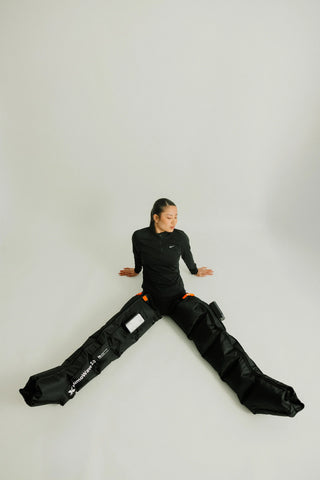
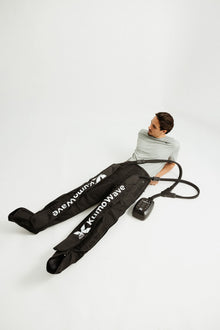
In this context, brands specializing in premium recovery technologies such as KUMO integrate facial LED phototherapy along with solutions for the body: red light therapy for muscle recovery and sleep, pressotherapy boots and high-performance massage tools, promoting a global vision of well-being and recovery.
Safety, contraindications and limitations of facial phototherapy
What dermatologists will say in 2026
The American Academy of Dermatology indicates that, in the short term, red light and other visible LEDs appear safe and have not been shown to cause skin cancer, unlike ultraviolet radiation. However, it emphasizes that solid data on very long-term effects are still lacking, especially with intensive use of home devices. ( aad.org )
The general recommendation is to choose “FDA-cleared” devices (in the US) or with equivalent certifications, follow the instructions for use exactly, and consult with a dermatologist before starting treatment if there is any relevant skin or general pathology.
People who need to take special care
Although LED facial phototherapy has a favorable safety profile, there are groups in which additional caution is required:
- Melasma and hyperpigmentation : Cases have been described in which some LEDs (especially when they generate heat) can worsen spots in predisposed individuals. ( harpersbazaar.com )
- Photosensitivity disorders (e.g., lupus) or photosensitizing medication.
- History of skin cancer , especially if treatments are ongoing.
- Pregnancy and breastfeeding: lack of specific trials; individual assessment is usually recommended.
In these cases, it is essential to have a qualified professional assess you before using facial phototherapy devices at home.
Common mistakes to avoid
Avoiding harm is less about "fearing the light" and more about using it with common sense, consistency, and sound medical judgment.
- Buy very cheap devices, without certifications or clear information on wavelengths.
- Use the LED mask on irritated, sunburned skin or after aggressive procedures without supervision.
- Do not use the included eye protection when required by the manufacturer.
- Expecting "miracle" results in just a few sessions and giving up prematurely.
Dermatologists specializing in at-home devices emphasize choosing reliable technology, using it regularly, and not neglecting daily sunscreen, as unprotected sun exposure can negate many of the anti-aging benefits. ( mohs-md.com )
How to choose a good facial phototherapy device
If you're thinking about incorporating an LED face mask or light panel into your routine, keep these criteria in mind:
- Transparency in the technical data sheet : that details wavelengths (in nm) and power.
- Safety : certifications (e.g., “FDA-cleared” for specific indications in the U.S. or CE marking in Europe, depending on the market).
- Ergonomic design : comfortable fit, weight, quality of materials and eye protection.
- Treatment programs : specific options for rejuvenation, acne, redness, etc., according to your actual goals.
- Support and assistance : clear instructions, after-sales service and the possibility of contacting the manufacturer with any questions.
A 2021 review of at-home dermatology devices highlights that, while many are safe and effective for specific indications, the quality and strength of the evidence vary, so it is advisable to prioritize reputable brands and parameters similar to those used in clinical trials. ( pubmed.ncbi.nlm.nih.gov )
If you want to explore options specifically designed for high-performance LED light therapy , you can check out KUMO's LED light therapy collection , always integrating it into a skin care plan endorsed by your trusted professional.
Facial phototherapy within a comprehensive recovery and wellness strategy
The face isn't the only area that benefits from light and rejuvenation technologies. A modern approach to wellness integrates:
- Red light therapy to promote muscle recovery and sleep quality.
- Pressotherapy boots to improve venous return and relieve the feeling of heavy legs.
- Deep massage tools, such as the KUMOPULSE Air massage gun , to relax tension points and speed up recovery after exercise.
Combining facial phototherapy with these resources allows you to create a recovery ecosystem at home, where aesthetics, performance and well-being reinforce each other.
Frequently asked questions about facial phototherapy
How long does it take to see the effects of LED facial phototherapy?
In most clinical studies, assessments are conducted after 8 to 12 weeks of regular use, with several sessions per week. Some participants report improved texture and radiance sooner, but changes in wrinkles, elasticity, and age spots are typically measured starting in the second or third month. ( link.springer.com ) The key is to understand facial phototherapy as a cumulative treatment : small improvements added up over weeks, rather than an instant-effect procedure.
Does facial phototherapy with red light replace other anti-aging treatments?
No. Phototherapy with red and near-infrared light is a complementary tool . It can improve fine lines, texture, and radiance, and enhance the effects of topical actives or medical procedures, but it does not replace daily sun protection, well-prescribed retinoids, or in-office treatments when indicated. ( pubmed.ncbi.nlm.nih.gov ) The most effective approach in 2026 remains combining healthy lifestyle habits, a solid skincare routine, and, when necessary, procedures supervised by a dermatologist.
Is facial phototherapy safe at home?
Well-designed at-home facial phototherapy devices generally have a good safety profile , with mild and transient adverse effects (redness, a burning sensation). ( pubmed.ncbi.nlm.nih.gov ) However, safety depends on using devices with recognized certifications, following the instructions (time, distance, frequency), and respecting contraindications such as photosensitivity, certain autoimmune diseases, or medications that increase light sensitivity. If you have any doubts, a prior evaluation by a dermatologist is recommended.
Can I use facial phototherapy if I have acne or sensitive skin?
In mild acne, the combination of blue and red light can help as an adjunct to medical treatment, reducing bacteria and inflammation. ( pubmed.ncbi.nlm.nih.gov ) However, if your skin is very sensitive, you have active rosacea, or pigmentation disorders such as melasma, extra caution is advised: some types of light or the heat from certain devices can worsen redness or blemishes. ( harpersbazaar.com ) In these cases, it is especially important to personalize the treatment protocol with the help of a professional.
Is facial phototherapy effective for the eye area?
Several studies have observed significant reductions in the volume of periorbital wrinkles following photobiomodulation protocols with red and infrared light. ( pubmed.ncbi.nlm.nih.gov ) However, the eye contour is a delicate area, so it is essential to use devices designed for this area and strictly follow the eye protection measures indicated by the manufacturer. Phototherapy can soften fine lines and improve texture, but it does not replace specific treatments (such as mild retinoids or peptides) or basic habits such as avoiding rubbing the area and protecting it from the sun.
So what now?
If you want facial phototherapy to be part of your rejuvenation strategy in 2026, the next step is to define your goals (wrinkles, age spots, texture, overall recovery) and choose reliable technology that fits your routine. You can leverage KUMO's LED light therapy solutions and other recovery devices to build a complete at-home ecosystem, and discuss any specific questions with your dermatologist. If you need further guidance on products or usage, you can contact the team through the contact form and receive personalized advice for your needs.

Red & infrared light
KumoLux Panel – Red and Infrared LED Panel
★★★★★ 4,8/5 · rated by verified customers
- 660 nm red + 850 nm infrared light
- Full-body muscle recovery
- Clinically validated biohacking protocols
€399,00€499,00· pay in installments with seQura or Klarna