Introduction: Light, Muscle, and Results
Photobiomodulation has moved from the lab to the locker room. By 2025, more and more athletes and trainers are wondering if so-called "red light therapy" can improve performance, accelerate recovery, and reduce the risk of injury. In this article, we review what it is, how it works, what the latest studies say, and how to realistically integrate it into a modern recovery strategy.
Photobiomodulation (PBM) is the use of red and near-infrared light, emitted by low-intensity LEDs or lasers, to modulate biological processes such as cellular energy production, inflammation, and tissue repair. In the sports field, research is focused primarily on its effect on acute performance , muscle fatigue , pain , and return to competition . ( pubmed.ncbi.nlm.nih.gov )
Red & infrared light
Recover faster, at home
★★★★★ 4,8/5 · rated by verified customers
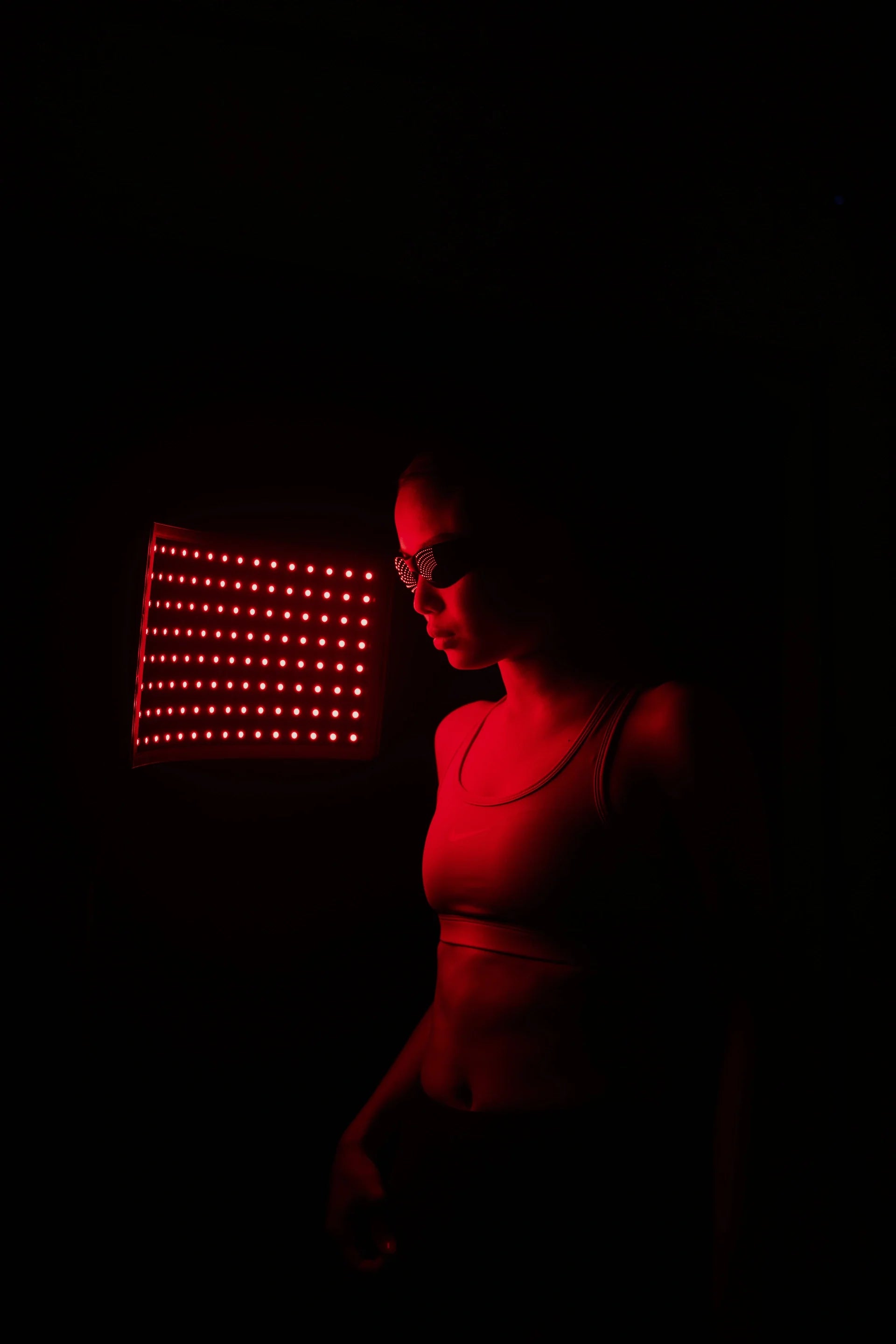
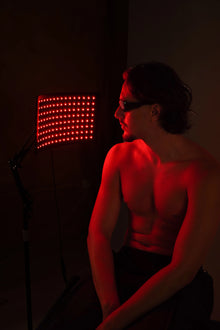
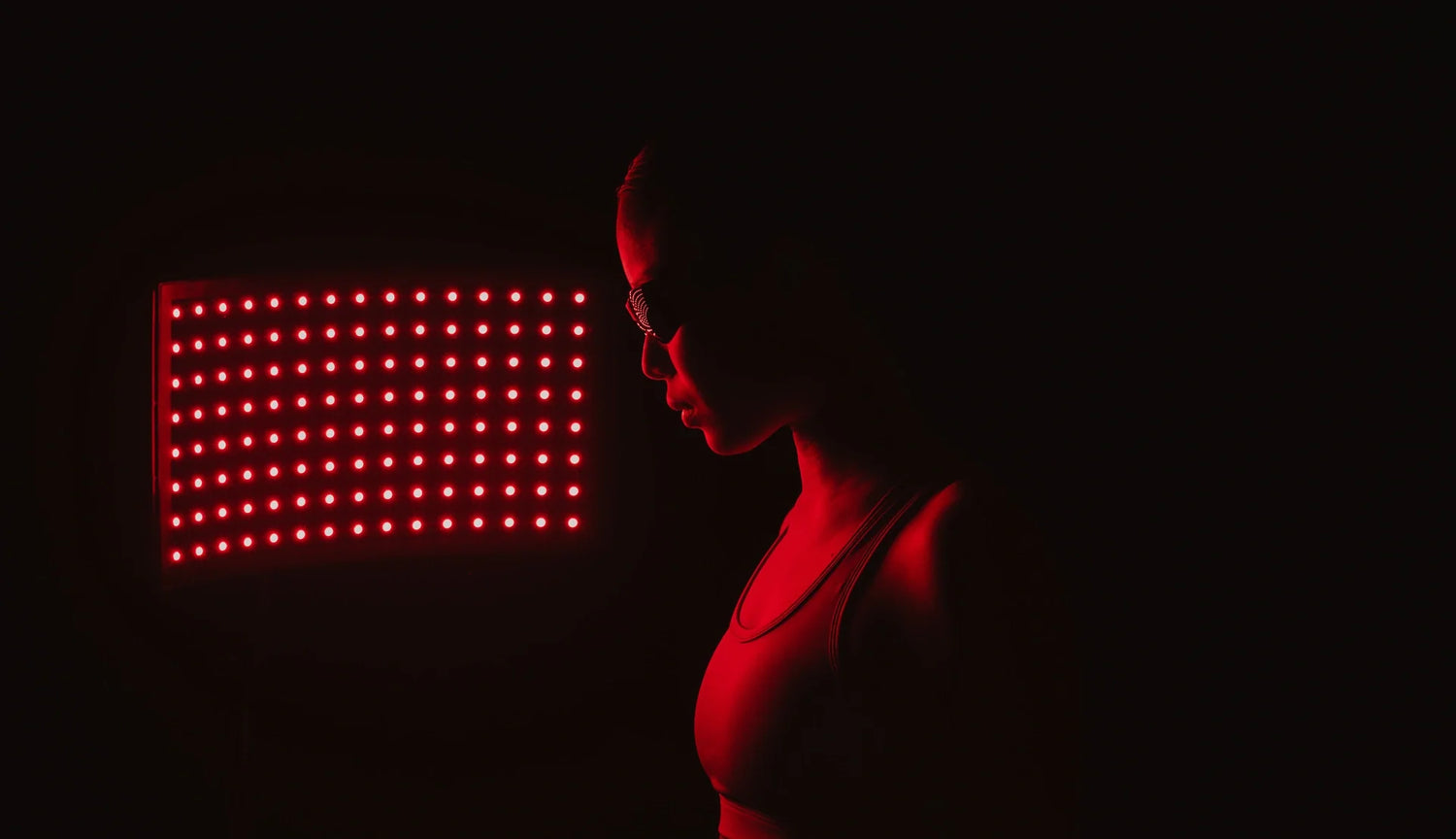
The KumoLux panel supports muscle recovery with full-body red and infrared light.
- 660 nm red + 850 nm infrared light
- Full-body muscle recovery
- Clinically validated biohacking protocols
€399,00€499,00
−10% on your 1st order when you subscribe to the newsletter

What is photobiomodulation and how does it work in the body?
Definition and related terms
Photobiomodulation, red light therapy, low-level laser therapy (LLLT), LED therapy, or “cold laser” are terms used to describe the same concept: the controlled application of light (usually between 600 and 1100 nm) to the skin to trigger non-thermal biological effects. ( journals.lww.com )
In sports, photobiomodulation (PBM) is applied locally (to muscles involved in the sporting movement) or to the whole body, using panels or booths. Unlike cryotherapy or thermotherapy, photobiomodulation does not aim to cool or heat, but rather to stimulate specific cellular pathways .
Personalized protocol · included with your purchase
Want us to tell you how to use it in your case?
With your purchase, our experts set up your red and infrared light sessions for your sport and goal.
Message us on WhatsAppOur experts reply · no obligation
Key mechanisms: mitochondria, ATP, and nitric oxide
The most widely accepted hypothesis is that red and near-infrared light is absorbed by cytochrome c oxidase , an enzyme in the mitochondrial respiratory chain. This interaction may increase ATP production, modulate reactive oxygen species within physiological ranges, and trigger signaling cascades related to cell survival and repair. ( pubmed.ncbi.nlm.nih.gov )
Furthermore, PBM can release nitric oxide (NO) bound to cytochrome c oxidase. NO is a key mediator in vasodilation and tissue perfusion, which could explain some of the effects observed on microcirculation and muscle metabolism after intense exercise. ( pubmed.ncbi.nlm.nih.gov )
Differences between localized and whole-body PBM
A 2025 systematic review of whole-body photobiomodulation found improvements in sleep parameters (melatonin, nocturnal heart rate), but no consistent evidence of improvements in fatigue markers or physical performance when light is applied globally. In contrast, previous literature on localized PBM does show benefits in muscle performance and recovery in well-designed protocols. ( pubmed.ncbi.nlm.nih.gov )
on your first order when you join the newsletter
We send you the code instantly. No spam.
For the performance-oriented athlete, this suggests that dosage and location matter just as much as simply "standing under a red panel."
Potential benefits of photobiomodulation in sports
Improves acute performance when applied before exercise
A systematic review with meta-analysis that analyzed controlled trials between 2000 and 2012 concluded that phototherapy (lasers and LEDs) applied before exercise increased time to exhaustion by about 4 seconds and the number of repetitions by approximately 5, in high-intensity strength and endurance protocols. ( pubmed.ncbi.nlm.nih.gov )
A trial using LED therapy on the biceps showed an almost 13% increase in the number of contractions to failure and an 11% extension of working time compared to placebo, when PBM was applied immediately before exertion. ( pubmed.ncbi.nlm.nih.gov )
These effects are modest but relevant in contexts where tenths of a second or few repetitions make the difference (sprints, power tests, explosive intermittent sports).
Muscle recovery, injury and post-exercise pain
Several trials combining lasers and LEDs on the quadriceps have shown that PBM applied around exercise can:
- Decrease creatine kinase (CK) activity, a marker of muscle damage.
- Reduce delayed onset muscle soreness (DOMS) for up to 96 hours after an intense eccentric protocol.
- Maintaining greater maximum voluntary strength in the hours and days following exertion, compared to placebo. ( pubmed.ncbi.nlm.nih.gov )
Taken together, the data suggest that photobiomodulation can be an interesting tool to sustain training load and improve tolerance to demanding microcycles, always as a complement to good planning, nutrition and sleep.
Sports injuries and return to competition
A 2024 meta-analysis of photobiomodulation in injured athletes (205 athletes, six controlled trials) examined the effect of PBM on musculoskeletal pain and return-to-play time. The authors found a significant reduction in pain compared to placebo or other comparators, although the protocols varied considerably in duration (from minutes to several weeks) and application parameters. ( pubmed.ncbi.nlm.nih.gov )
Regarding the return to competition , the evidence is still limited: some studies suggest a slightly faster return, but small sample sizes and differences between injuries prevent us from drawing firm conclusions. For now, PBM should be seen as an adjunct within a supervised physiotherapy and rehabilitation plan.
Performance in team sports: the example of rugby
A crossover clinical trial in 18 rugby players evaluated photobiomodulation (PBM) with LEDs (850 nm, 8 J/cm², 10 minutes on lower limbs) applied before, during rest periods, or after specific efforts (Bangsbo and Yo-Yo IR1 tests). Pre-exercise photobiomodulation improved performance in the first Yo-Yo test, while that applied during rest periods showed improvements in the second test and in the sprint test, with no clear changes in creatine kinase (CK) or lactate levels between groups. ( pubmed.ncbi.nlm.nih.gov )
These types of results reinforce the idea that the timing of application is crucial when the goal is an ergogenic effect and not just a restorative one.
Key parameters of a photobiomodulation session
Wavelength, device type, and depth of action
Most effective studies in sports use:
- Red light (≈630–680 nm) for more superficial tissues (skin, fascia, outer portion of muscle).
- Near-infrared (≈800–900 nm) to try to reach somewhat deeper muscle planes. ( journals.lww.com )
Both LED- based and low-power laser devices can produce comparable biological effects if the total dose and power are within similar ranges. The practical choice usually prioritizes safety, ease of use, and the ability to cover large muscle groups.
Examples of photobiomodulation parameters in sports studies
| Parameter | Typical range in studies | Comment |
|---|---|---|
| Wavelength | Red 630–670 nm; NIR 800–900nm | Spectrum most commonly used for muscle and soft tissue. ( journals.lww.com ) |
| Dose per point | ≈5–6 J per point in localized PBM | Associated with performance improvements in meta-analysis. ( pubmed.ncbi.nlm.nih.gov ) |
| Output power | 50–200 mW (laser/LED per spot) | Common range in controlled performance trials. ( pubmed.ncbi.nlm.nih.gov ) |
| Session duration | 5–15 min per muscle group | It depends on the treated area and the desired energy density. |
| Weekly frequency | 2–5 sessions/week | In studies, it is adjusted to the training or rehabilitation plan. |
| Application areas | Main muscles involved in the test or sport | Quadriceps, hamstrings, calves, lower back muscles, depending on the sporting movement. ( pubmed.ncbi.nlm.nih.gov ) |
These values do not constitute a clinical prescription , but rather examples of ranges used in the literature. The optimal dosage depends on the device, the distance from the skin, the skin type, the type of sport, and whether the goal is performance, recovery, or pain management.
How to integrate photobiomodulation into an athlete's routine
Before training or competition
When the goal is a specific ergogenic effect (e.g., a maximal test or a key competition), many research protocols apply PBM 30–60 minutes before exertion to the major muscle groups. ( pubmed.ncbi.nlm.nih.gov )
In practice, an athlete could:
- Perform your usual warm-up.
- Apply light therapy to quadriceps, hamstrings, glutes, or the most requested region in your discipline.
- Respect the same session protocol in order to compare sensations and performance between days.
It is recommended to record times, power levels, and subjective perception of effort to assess whether photobiomodulation provides a measurable benefit beyond the placebo effect.
After exercise and on high-intensity days
When the primary goal is to improve recovery , PBM can be applied immediately after training or in the hours that follow, targeting the most stressed muscles or areas with recurring discomfort. Trials with combined phototherapy have shown reductions in pain and markers of muscle damage up to 96 hours after intense eccentric exertion. ( pubmed.ncbi.nlm.nih.gov )
In demanding microcycles (e.g., training camps, bulking weeks, or preseason), integrating short photobiomodulation sessions along with adequate sleep, individualized nutrition, and mobility work can help sustain the load without increasing the feeling of accumulated fatigue as much.
Synergies with other recovery technologies
Photobiomodulation does not replace other tools, but can be strategically combined with them. For example:
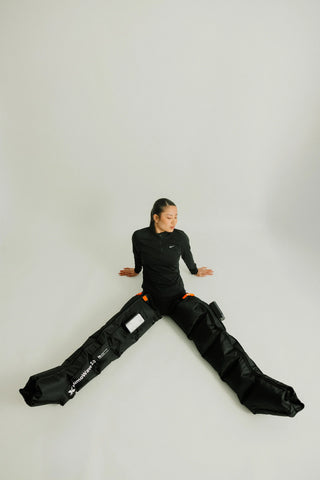
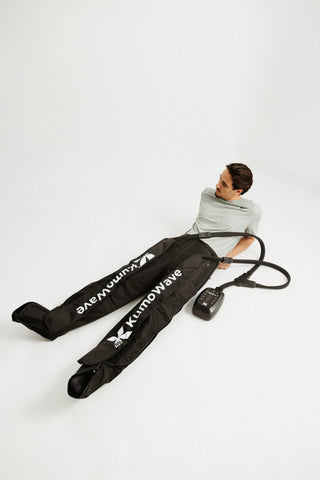
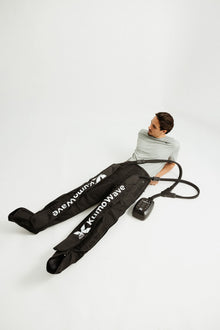
- Pressotherapy to promote venous return and relieve the feeling of heavy legs after long sessions; you can explore differentpressotherapy boot systems depending on your discipline and frequency of use.
- Percussion massage to address trigger points and high tension areas; devices such as the KUMOPULSE Air massage gun allow you to modulate intensity and duration by muscle group.
- Sleep hygiene and light : Exposure to low-intensity red light at the end of the day can coexist with progressive darkness routines to improve the quality of rest, although it is advisable to avoid bright screens and blue light at night.
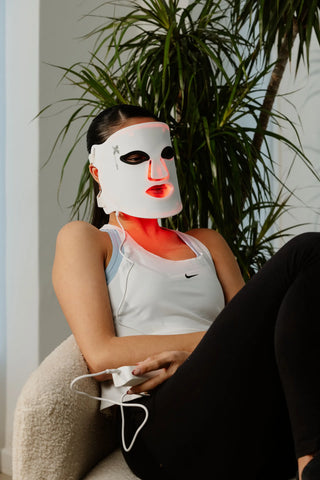
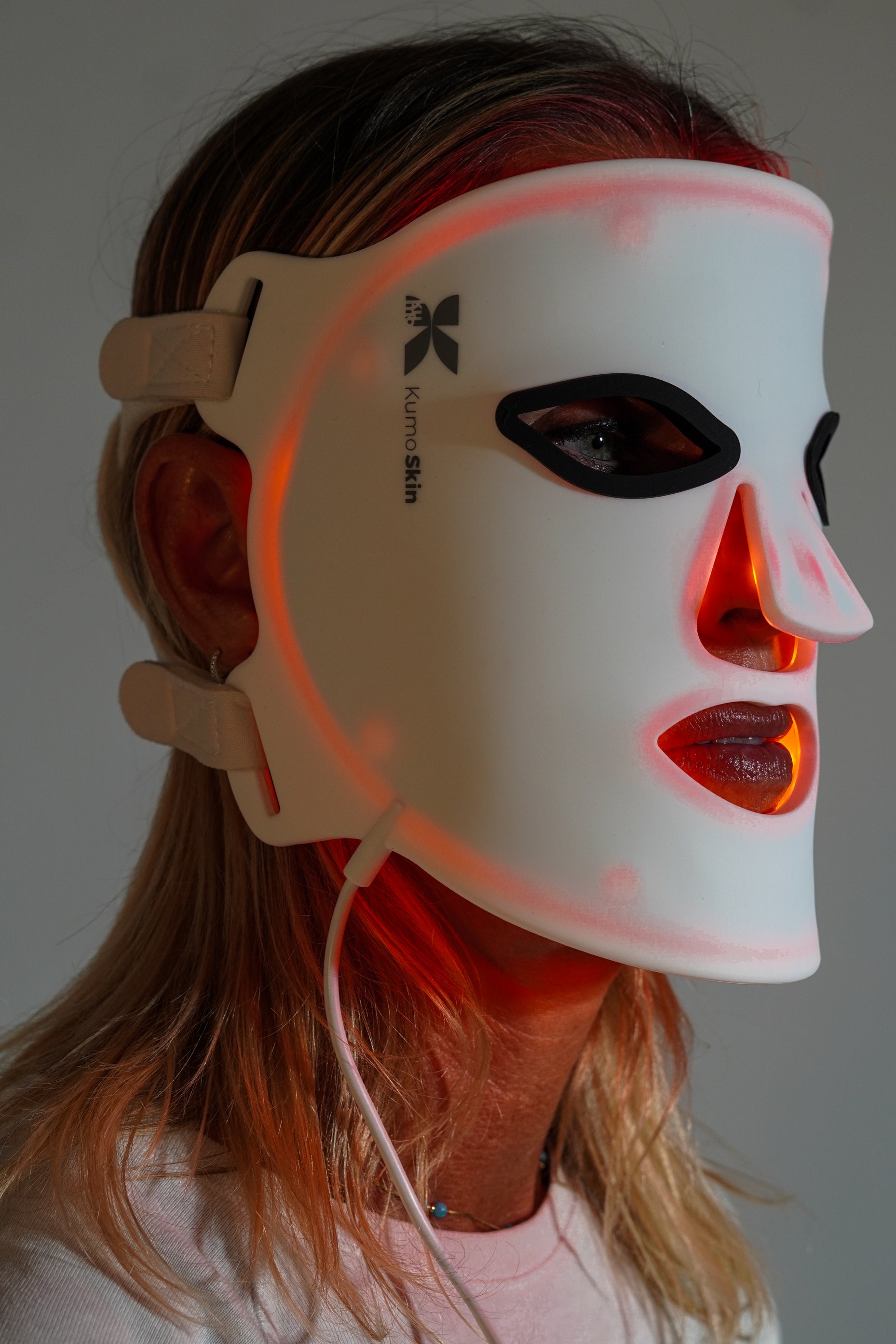
In KUMO's recovery ecosystem, photobiomodulation is integrated with tools such as LED light therapy , pressotherapy, and massage devices to facilitate a more complete and sustainable recovery.
Safety, contraindications and current state of evidence
Safety profile and basic precautions
Human studies describe low-dose photobiomodulation as a generally well-tolerated procedure, with few reported side effects when standard intensities and durations are observed. ( pubmed.ncbi.nlm.nih.gov )
However, several precautions are recommended:
- Do not apply to active tumors or areas with suspected cancer without medical supervision.
- Avoid direct use on eyes with very intense sources; eye protection is advised as indicated by the manufacturer.
- Use with extreme caution during pregnancy (especially over the abdomen and lower back), in people with photosensitivity disorders, or in people taking photosensitizing drugs.
Is photobiomodulation allowed in elite sport?
The World Anti-Doping Agency's (WADA) 2025 Prohibited List includes pharmaceutical substances, blood manipulations, and certain specific physical methods, but does not include photobiomodulation or red light therapy as prohibited methods. ( wada-ama.org )
This means that, as of December 2025, PBM is not considered doping under the current List. Even so, it is the athlete's and their medical team's responsibility to regularly review updates from WADA and their federation, and to document the use of any technology employed in the recovery program.
Limitations of current evidence
Despite the promising results, the evidence on photobiomodulation and athletic performance still has significant limitations:
- Small sample sizes and very specific populations (e.g., active volunteers but not always elite athletes).
- Great heterogeneity in light parameters (dose, wavelength, power, time, number of points treated).
- Few long-term studies evaluate the interaction with complete training and competition cycles.
A 2025 review of whole-body PBM even found no consistent benefits in performance or fatigue markers, despite improvements in sleep quality, showing that not all forms of “red light” are equivalent. ( pubmed.ncbi.nlm.nih.gov )
In summary: photobiomodulation is a promising tool, but it must be integrated with scientific criteria and without unrealistic expectations, especially in high performance.
Frequently asked questions about photobiomodulation and sports
How many photobiomodulation sessions does an athlete need per week?
Studies employ a wide variety of approaches: from single sessions before a maximal test to multi-week protocols with 2–5 sessions per week, combined with regular training. In meta-analyses on performance and recovery, most trials use localized PBM around peak training days or in two- to four-week cycles. ( pubmed.ncbi.nlm.nih.gov )
In practice, many athletes begin with 2–3 weekly sessions focusing on key muscle groups and adjust the frequency based on how they feel, performance data, and the recommendations of their physiotherapist or sports medicine doctor. The important thing is to maintain consistent protocols to objectively assess whether there is any benefit.
Does photobiomodulation really improve performance or does it just help with recovery?
The response depends on the protocol. Several controlled trials show modest but significant increases in time to exhaustion and number of repetitions when PBM is applied before exercise, especially with localized doses and red or near-infrared wavelengths. ( pubmed.ncbi.nlm.nih.gov )
At the same time, other studies focus on recovery: reduced creatine kinase, less muscle soreness, and better maintenance of strength after intense eccentric exertion. ( pubmed.ncbi.nlm.nih.gov )
Therefore, photobiomodulation can have a dual role: slight acute improvement of performance in specific contexts and support for recovery to sustain the training load.
Is whole-body or localized photobiomodulation better for athletes?
The available evidence currently favors localized application to the muscles most involved in the sporting movement. Meta-analyses and trials in performance and recovery have primarily used targeted PBM (e.g., quadriceps and hamstrings in running or cycling tests), with positive results in fatigue, pain, and performance. ( pubmed.ncbi.nlm.nih.gov )
In contrast, a 2025 systematic review of whole-body photobiomodulation found no consistent improvements in fatigue markers or performance, although it did suggest potential benefits in sleep quality. ( pubmed.ncbi.nlm.nih.gov )
For now, if the goal is specific performance, it seems more reasonable to prioritize well-dosed localized protocols.
When is it appropriate to apply PBM: before or after exercise?
When the goal is an immediate ergogenic effect (more power, more repetitions, better exercise tolerance), most effective studies apply pre-exercise biomechanics (PBM) before exercise, between minutes and one hour before the test. ( pubmed.ncbi.nlm.nih.gov )
If the goal is to reduce pain and promote recovery, it makes sense to apply it immediately after training or in the following hours, and even on days in between during a demanding microcycle. Studies in skeletal muscle show that PBM around exertion can decrease markers of damage and DOMS for up to 96 hours. ( pubmed.ncbi.nlm.nih.gov )
Many high-performance programs combine both strategies depending on the phase of the season and the importance of the competition.
Does photobiomodulation replace pressotherapy, massage, or preventative strength training?
No. Photobiomodulation is an additional tool within a much broader preparation and recovery system. Preventative strength training, stability, running or sports technique, nutrition, sleep, and load management remain the main pillars for performing better and getting injured less.
Technologies such ascompression boots , LED therapy solutions , or a percussion massage gun can be combined to address different components of recovery (circulation, muscle tension, pain, feeling of lightness). The key is to design routines that the athlete can maintain over time and measure their actual impact.
So what now? How to move forward with photobiomodulation in your planning
If you're considering incorporating photobiomodulation into your routine, the next step is to define your primary goal (acute performance, recovery, discomfort management) and choose technologies you can consistently integrate: from LED light masks and panels to compression therapy and percussion massage systems. At KUMO, you'll find an ecosystem of high-level recovery devices, including LED therapy ,compression therapy , and deep tissue massage solutions.
If you have any questions about which combination best suits your sport, your level, or your competition schedule, you can contact the team through the contact form to receive personalized guidance and start building a recovery strategy that meets your goals for 2025 and beyond.

Red & infrared light
KumoLux Panel – Red and Infrared LED Panel
★★★★★ 4,8/5 · rated by verified customers
- 660 nm red + 850 nm infrared light
- Full-body muscle recovery
- Clinically validated biohacking protocols
€399,00€499,00· pay in installments with seQura or Klarna