What is photobiomodulation?
Photobiomodulation (PBM) is a form of light therapy that uses low doses of visible and near-infrared light (mainly between 600 and 1,000 nm) emitted by lasers or LEDs to trigger beneficial biological responses, without heating or damaging tissues.
Scientific organizations such as the North American Association for Photobiomodulation Therapy (NAALT) define this technique as a non-thermal process that acts on internal chromophores (light-sensitive molecules) and modulates processes such as pain, inflammation, and tissue regeneration. ( naalt.org )
Red & infrared light
Recover faster, at home
★★★★★ 4,8/5 · rated by verified customers
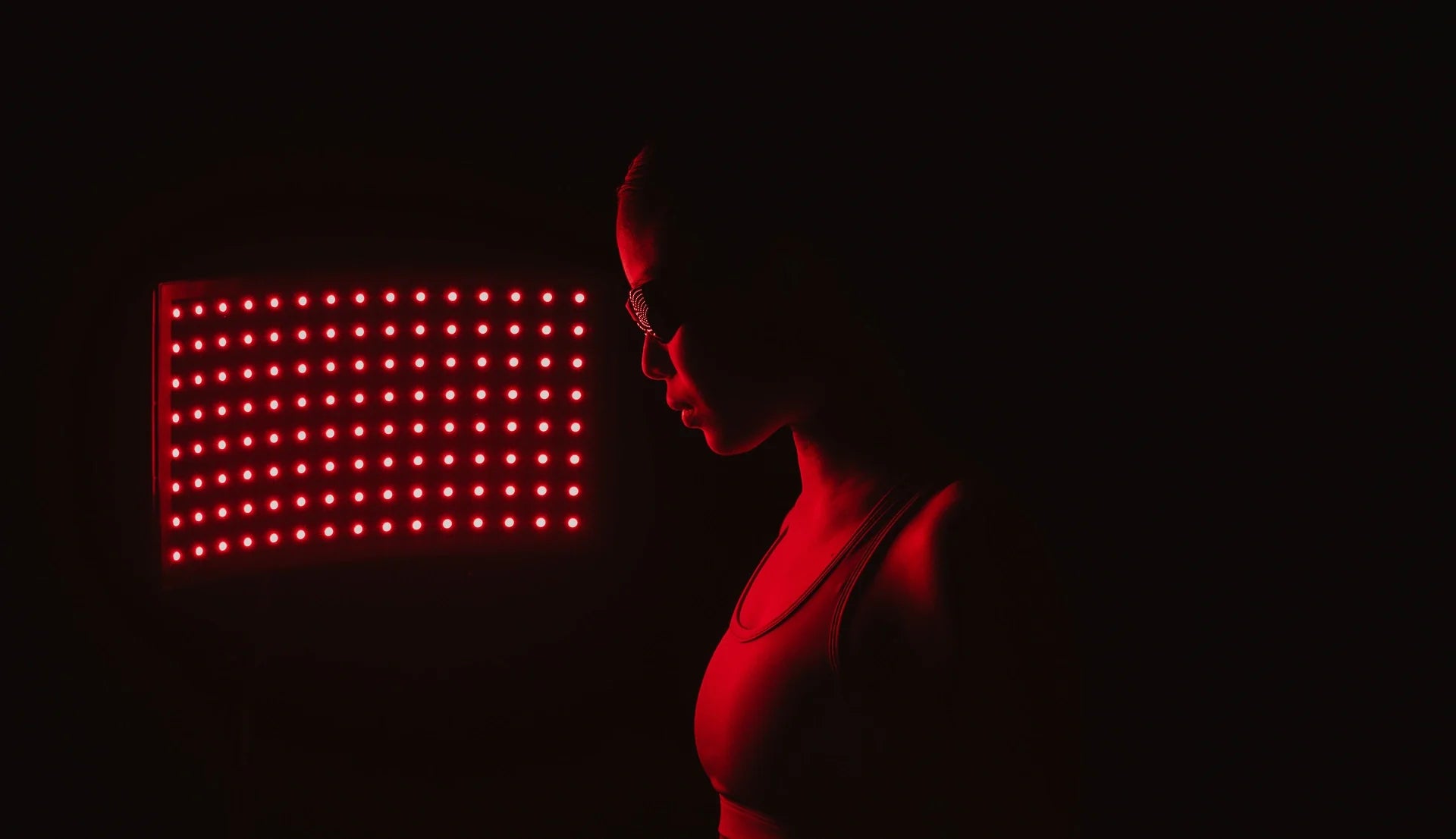
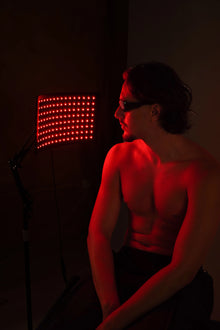
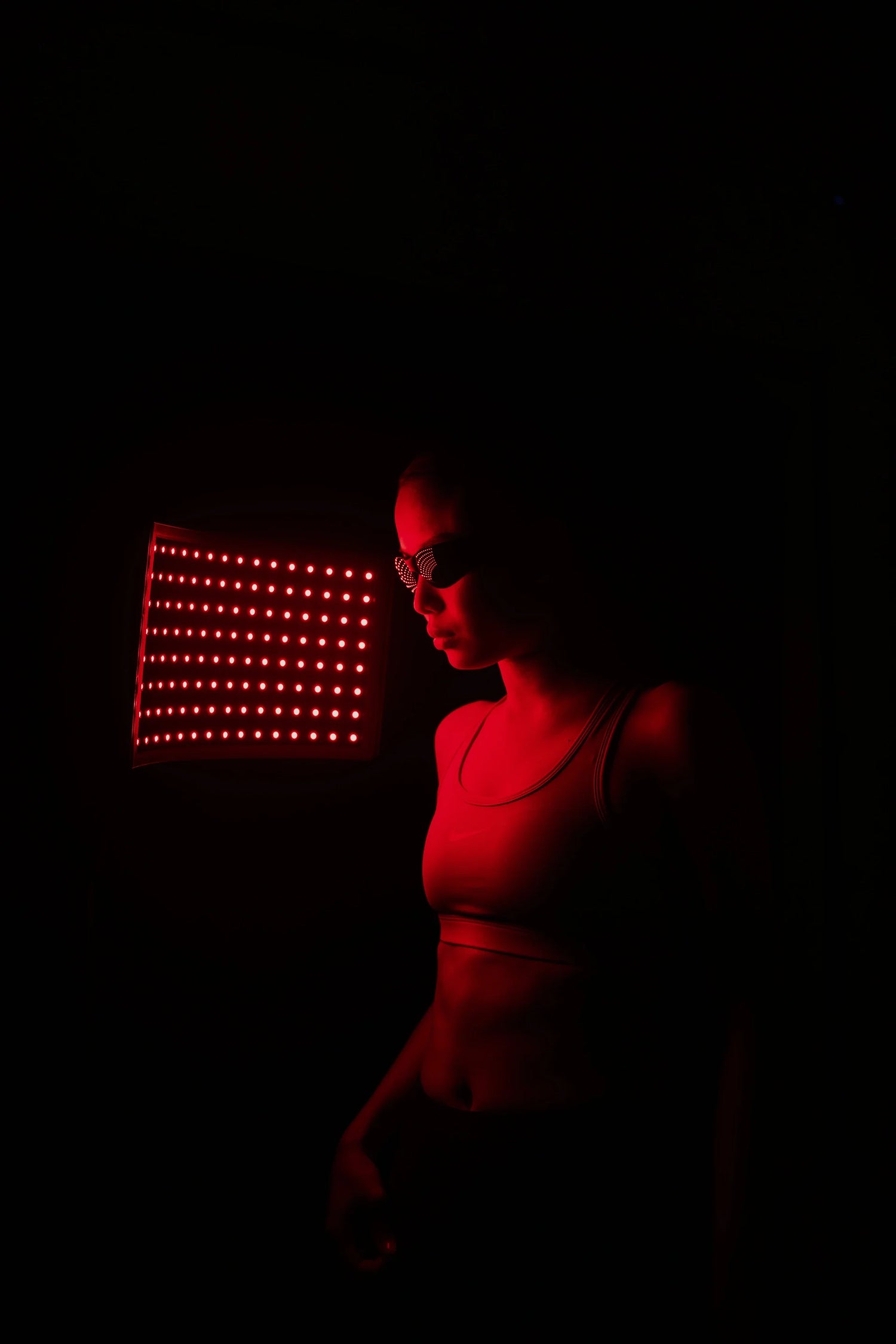
The KumoLux panel supports muscle recovery with full-body red and infrared light.
- 660 nm red + 850 nm infrared light
- Full-body muscle recovery
- Clinically validated biohacking protocols
€399,00€499,00
−10% on your 1st order when you subscribe to the newsletter

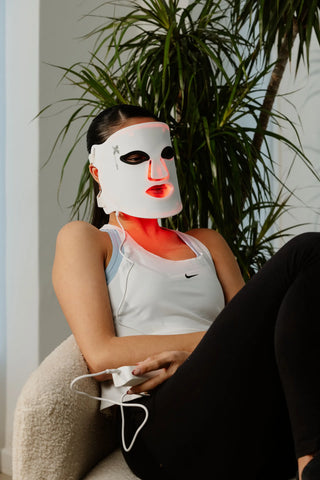
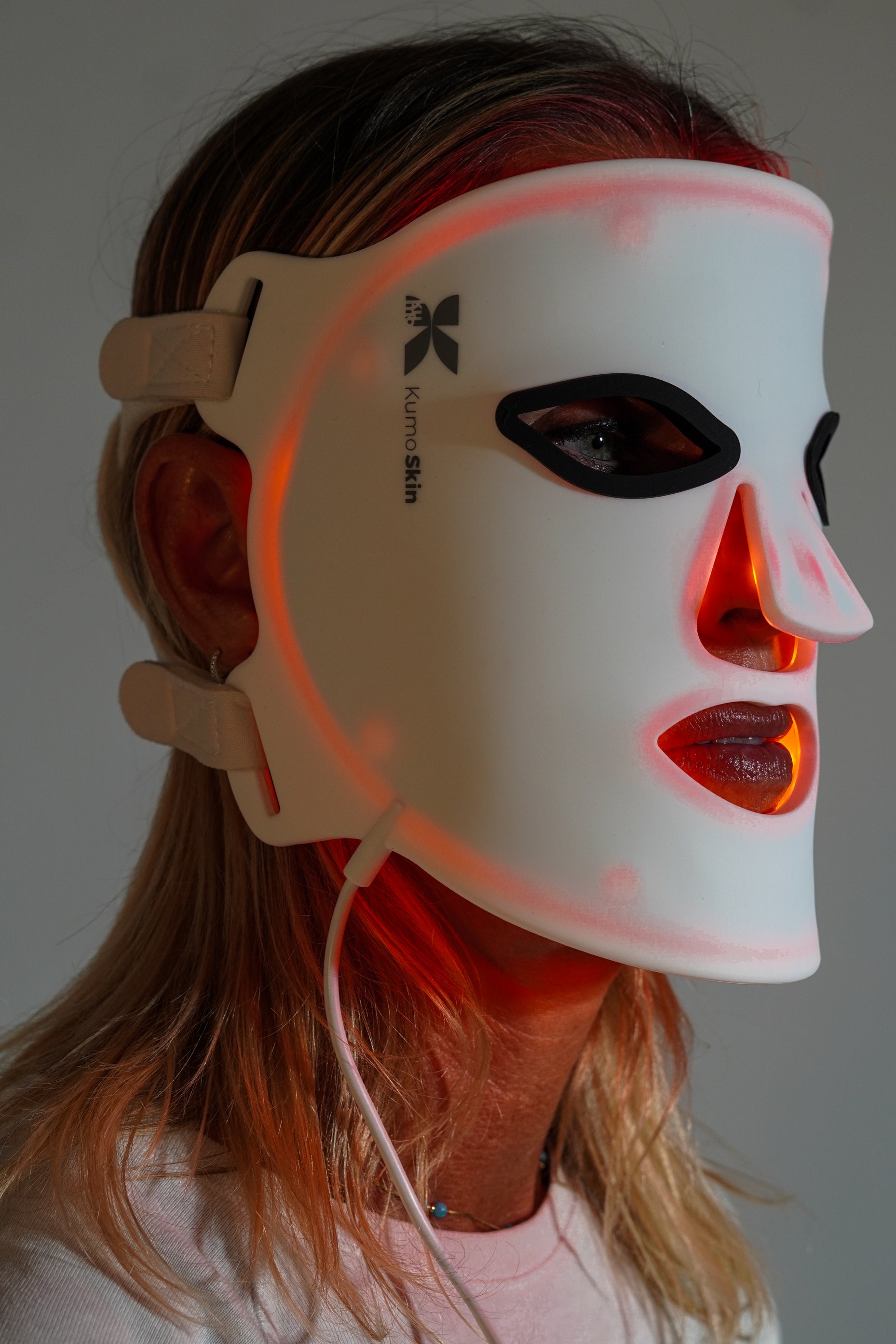
In everyday language, there is a lot of talk about red light therapy or infrared light . These terms usually refer to practical applications of photobiomodulation using LED devices, such as face masks or light panels, aimed at skin care, muscle recovery, or sleep hygiene.
In KUMO 's recovery ecosystem, photobiomodulation is integrated into home-use solutions that seek to incorporate recovery as a simple and aesthetic lifestyle habit, without replacing medical advice or prescribed treatments.
Personalized protocol · included with your purchase
Want us to tell you how to use it in your case?
With your purchase, our experts set up your red and infrared light sessions for your sport and goal.
Message us on WhatsAppOur experts reply · no obligation
How does photobiomodulation work in the body?
At the cellular level: mitochondria and energy production
Most of the evidence points to mitochondria as the primary target of photobiomodulation. Red light (approximately 600–810 nm) is absorbed by the enzyme cytochrome c oxidase in the mitochondrial respiratory chain. This promotes the release of nitric oxide (NO), increases the proton gradient, and consequently, the production of ATP, the cell's "energy currency." ( mdpi.com )
With more ATP available, cells can more effectively carry out repair, proliferation and migration processes, which are key to the regeneration of tissues such as skin, muscle or oral mucosa.
Inflammation, oxidative stress, and pain
In addition to energy, photobiomodulation modulates levels of reactive oxygen species (ROS) and nitric oxide-related signals. At appropriate doses, this can reduce inflammation and oxidative stress, and adjust the release of pain mediators.
on your first order when you join the newsletter
We send you the code instantly. No spam.
Meta-analyses on musculoskeletal pain indicate that low-intensity light therapies can reduce pain intensity in a clinically relevant way, especially when standardized protocols are followed (such as those recommended by WALT, the World Association for Photobiomodulation Therapy). ( pubmed.ncbi.nlm.nih.gov )
Systemic effects: circulation, nervous system and sleep
When applied to large areas (e.g., large muscle groups or near the head), photobiomodulation can have broader effects: improved microcirculation, changes in heart rate variability, and modulation of brain activity.
Recent trials with near-infrared light in people with chronic insomnia or mild sleep complaints have shown improvements in subjective sleep quality, reduction in daytime sleepiness, and changes in electroencephalographic parameters, although the studies remain small and of short duration. ( pubmed.ncbi.nlm.nih.gov )
Scientific evidence: what benefits have been studied?
Athletic performance and muscle recovery
Photobiomodulation is one of the most active fields in applied sports research. A meta-analysis of randomized controlled trials published in 2024 concluded that pre-exercise application moderately improves muscle endurance and accelerates strength recovery in both sedentary individuals and athletes, while also reducing markers of muscle damage such as creatine kinase. ( pubmed.ncbi.nlm.nih.gov )
Triple-blind trials combining photobiomodulation with static magnetic fields observed improvements in endurance exercise performance and reduced fatigue when the muscles involved were directly irradiated. ( bmcsportsscimedrehabil.biomedcentral.com )
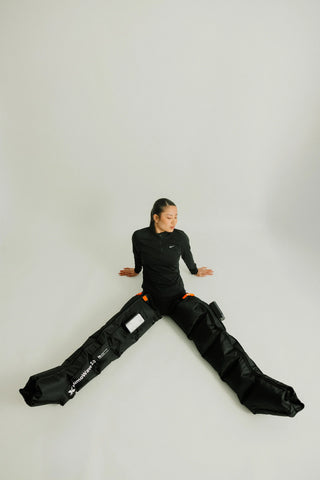
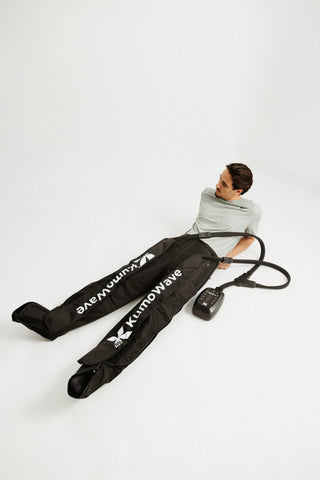
In practice, this translates into an increasing use of red light panels or LED devices in recovery routines, along with tools such ascompression boots or massage guns, to promote faster recovery after demanding workouts.
Skin, aesthetics and tissue regeneration
The skin is another classic area for photobiomodulation. In a randomized clinical trial with 76 participants, a combination of 633 nm and 830 nm LED light applied to half of the face for four weeks showed significant improvements in wrinkles, texture, and elasticity compared to sham light. ( pubmed.ncbi.nlm.nih.gov )
Regarding wound healing, systematic reviews in dentistry and burn models indicate that photobiomodulation can accelerate wound contraction, promote angiogenesis, and increase collagen deposition, although the magnitude of the effect and the optimal parameters vary depending on the tissue and the dose. ( bmcoralhealth.biomedcentral.com )
LED facial masks and other LED light therapy devices are inspired by these principles to offer gentle, repeated stimulation at home to support skin radiance, firmness, and evenness, without replacing dermatological treatments when needed.
Musculoskeletal and joint pain
Several systematic reviews and meta-analyses on neck pain, temporomandibular disorders, and other musculoskeletal conditions show that low-intensity light can reduce pain compared to placebo, with effects that in some studies last up to six months. ( ncbi.nlm.nih.gov )
The evidence is more consistent when using doses and wavelengths close to those recommended by societies such as WALT, reinforcing the importance of dosimetry. However, these results do not mean that photobiomodulation replaces physiotherapy or therapeutic exercise: it acts as a complement within comprehensive rehabilitation programs.
Sleep, well-being and mental health
In 2024, a randomized trial of transcranial photobiomodulation (applied to the forehead at 810 nm) was published in 30 adults with chronic insomnia. After three sessions on consecutive days, the active group showed a mean improvement of 4.6 points on the Pittsburgh Sleep Quality Index and less daytime sleepiness compared to placebo. ( pubmed.ncbi.nlm.nih.gov )
Another double-blind study using a home-based near-infrared (850 nm) device applied five days a week for four weeks in people with mild sleep complaints found improvements in well-being, mood, and reduced sleepiness, especially with the highest dose tested. ( pubmed.ncbi.nlm.nih.gov )
These results are promising, but still preliminary. Photobiomodulation should be integrated as part of a comprehensive sleep hygiene plan (daylight, regular sleep schedules, reduced screen time at night, etc.).
Other areas of research
A 2025 umbrella review , which analyzed 15 meta-analyses of randomized trials (more than 9,000 patients), concluded that photobiomodulation shows positive results in several conditions, including:
- burning mouth syndrome,
- knee osteoarthritis,
- fibromyalgia,
- tendinopathies,
- androgenic alopecia,
- mild cognitive impairment.
However, the level of certainty of the evidence was moderate or low in most cases, and the authors stress the need for more homogeneous studies with long-term follow-up. ( systematicreviewsjournal.biomedcentral.com )
Potential benefits in daily life: from theory to habit
After reviewing the available literature, we can summarize the potential benefits of photobiomodulation—for healthy people or those with mild discomfort—in four main areas:
- Skin: supports firmness, radiance and texture, and helps in surface repair processes.
- Muscles and joints: reduction of pain and post-exercise fatigue, especially when combined with mechanical strategies such as pressotherapy or massage.
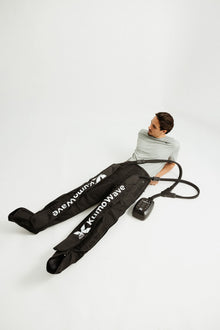
- Circulation and tired legs: combination of light andpressotherapy boots to promote venous return and relieve the feeling of heaviness.
- Sleep and well-being: incorporating red/infrared light into the night routine as a non-pharmacological approach within a well-designed sleep hygiene.
KUMO's proposal is to integrate these technologies in an aesthetic and simple way, with LED masks, red light therapy and massage tools such as the KUMOPULSE Air massage gun , to build a coherent and realistic recovery routine .
How to use photobiomodulation safely and responsibly
Basic parameters and typical ranges
The studies employ a wide variety of parameters. There is no "one-size-fits-all" approach, but there are common ranges of wavelengths and depths of action. ( mdpi.com )
| Wavelength (nm) | Approximate color | Relative depth | Common uses in studies |
|---|---|---|---|
| 630–670 | Red visible | Superficial (skin, approx. 2–3 mm) | Skin rejuvenation, superficial scarring, oral mucosa |
| 800–880 | Near infrared | Intermediate (muscle, superficial joints) | Muscle recovery, musculoskeletal pain, athletic performance |
| 900–1,000 | Near infrared | Deeper (deep tissues, possible cranial penetration) | Studies on chronic pain, cognitive function, and sleep disorders |
In controlled clinical trials, energy densities of 1 to 10 J/cm² have been used as a guideline for superficial applications and somewhat higher densities for deep tissues, with sessions of a few minutes, several times a week. ( pubmed.ncbi.nlm.nih.gov ) The manufacturer's instructions should always be followed and, in case of pathology, the indications of the health professional.
Safety, contraindications, and limitations of the evidence
Photobiomodulation is generally considered a low-risk technique when certified equipment and appropriate parameters are used. Reviews in cancer patients have found no increase in tumor growth or worse survival associated with PBM when used to prevent or treat complications such as oral mucositis. ( pubmed.ncbi.nlm.nih.gov )
Adverse effects described in low-level laser trials are usually mild and transient (headache, nausea, fatigue, local discomfort), and many studies report no relevant incidents. ( ncbi.nlm.nih.gov )
However, many protocols recommend:
- Avoid direct exposure to the eyes without adequate protection.
- Consult beforehand if you are pregnant, have photosensitive epilepsy, or are taking photosensitizing medication.
- Do not apply to skin lesions of doubtful origin without prior medical evaluation.
The available evidence is robust for some indications and still emerging for others. Therefore, photobiomodulation should be viewed as a complement within a comprehensive health and recovery plan, not as a one-stop or miracle cure.
Photobiomodulation at home vs. clinical setting
Low-power lasers with highly controlled energy densities are often used in clinics and medical practices. These devices can achieve higher doses per unit area and are operated by trained professionals.
Home-use devices—such as LED masks , red light panels, or equipment designed for muscle recovery—generally use lower intensities, predefined exposure times, and larger surfaces, seeking a balance between safety, comfort, and cumulative effect.
Societies such as WALT or NAALT offer educational resources and training courses for professionals who want to delve deeper into evidence-based clinical protocols ( WALT , NAALT ).
In the case of KUMO, the goal is not to replace these medical approaches, but to make photobiomodulation-inspired technologies—such as LED light therapy and muscle recovery tools—available to the user so they can easily integrate them into their daily routine.
Frequently asked questions about photobiomodulation
How long does it take to notice effects with photobiomodulation?
It largely depends on the goal and frequency of use. In muscle performance studies, improvements in endurance or recovery have been observed after just a few targeted sessions applied before exercise. ( pubmed.ncbi.nlm.nih.gov ) In skin rejuvenation trials, visible changes are usually assessed after 4–8 weeks of repeated treatment. ( pubmed.ncbi.nlm.nih.gov ) For sleep and well-being, some studies describe effects after 3–4 weeks of regular use. ( pubmed.ncbi.nlm.nih.gov ) Practically speaking, it's reasonable to plan its use as a consistent habit and review sensations and results with some perspective (several weeks).
Is photobiomodulation safe to use at home daily?
Well-designed home devices are configured with conservative settings that allow for frequent use with a wide safety margin. Scientific literature generally reports few adverse effects, and those that do occur are mild. ( pubmed.ncbi.nlm.nih.gov ) Even so, it is important to follow the instructions for each device (distance, maximum time, weekly frequency) and not to apply the light to areas with suspicious skin lesions without medical evaluation. If you are pregnant, taking photosensitizing medications, or have complex medical conditions, it is advisable to discuss any regular use with your healthcare professional.
What is the difference between photobiomodulation with laser and with LED?
Both types of light sources can produce photobiomodulation if they emit at the appropriate wavelengths and with the correct dose. Lasers emit highly coherent and focused light, useful for precise, targeted clinical applications. LEDs emit less coherent light but allow for the coverage of large areas at a lower cost and with less technical complexity, making them suitable for home use (for example, in face masks or full-body panels). ( naalt.org ) At the biological level, the cellular mechanisms involved are similar when the total dose is comparable.
Does red light really help you sleep better?
The relationship between light and sleep is complex, but current data is interesting. A trial of transcranial photobiomodulation in chronic insomnia showed significant improvements in subjective sleep quality compared to placebo after only three sessions. ( pubmed.ncbi.nlm.nih.gov ) Another study using near-infrared light applied at home to people with mild sleep complaints found improvements in well-being, mood, and sleepiness, especially with the highest dose tested. ( pubmed.ncbi.nlm.nih.gov ) Even so, these are pilot studies with small sample sizes. Red light may be a useful tool within overall sleep hygiene, but it is not a substitute for medical evaluation if insomnia persists.
Can I replace exercise or physiotherapy with photobiomodulation?
No. Evidence indicates that photobiomodulation can enhance the effects of training and physical therapy programs—improving parameters such as pain, endurance, and recovery—but it is not a substitute. ( pubmed.ncbi.nlm.nih.gov ) Exercise, movement, and specific strength and mobility work remain the "big pieces of the puzzle." Red/infrared light is best suited as a complementary tool, easy to integrate into your routine, that helps you get more out of the work you're already doing with your body.
So what now?
If you want to incorporate photobiomodulation into your daily routine, the smartest thing to do is to do it with a recovery ecosystem vision: combining red/LED light for skin and sleep, compression devices such aspressotherapy for circulation, and deep massage tools like the KUMOPULSE Air for muscle care.
At kumobalance.com you'll find LED light therapy and recovery solutions designed by KUMO to integrate the science of photobiomodulation into a simple and aesthetically pleasing ritual. And if you have any questions about which product best suits your goals, you can contact us through our contact page for personalized guidance (this is not a substitute for medical or physiotherapy advice).

Red & infrared light
KumoLux Panel – Red and Infrared LED Panel
★★★★★ 4,8/5 · rated by verified customers
- 660 nm red + 850 nm infrared light
- Full-body muscle recovery
- Clinically validated biohacking protocols
€399,00€499,00· pay in installments with seQura or Klarna