Introduction
Photobiomodulation is changing the way we care for our skin.
This involves the use of low-intensity red and infrared LED light to stimulate skin repair processes without heat or damage. In recent years, clinical trials have been published showing measurable improvements in wrinkles, texture, inflammation, and scarring, which explains the rise in popularity of LED masks and red light panels both in clinics and at home. ( pubmed.ncbi.nlm.nih.gov )
Red & infrared light
Recover faster, at home
★★★★★ 4,8/5 · rated by verified customers
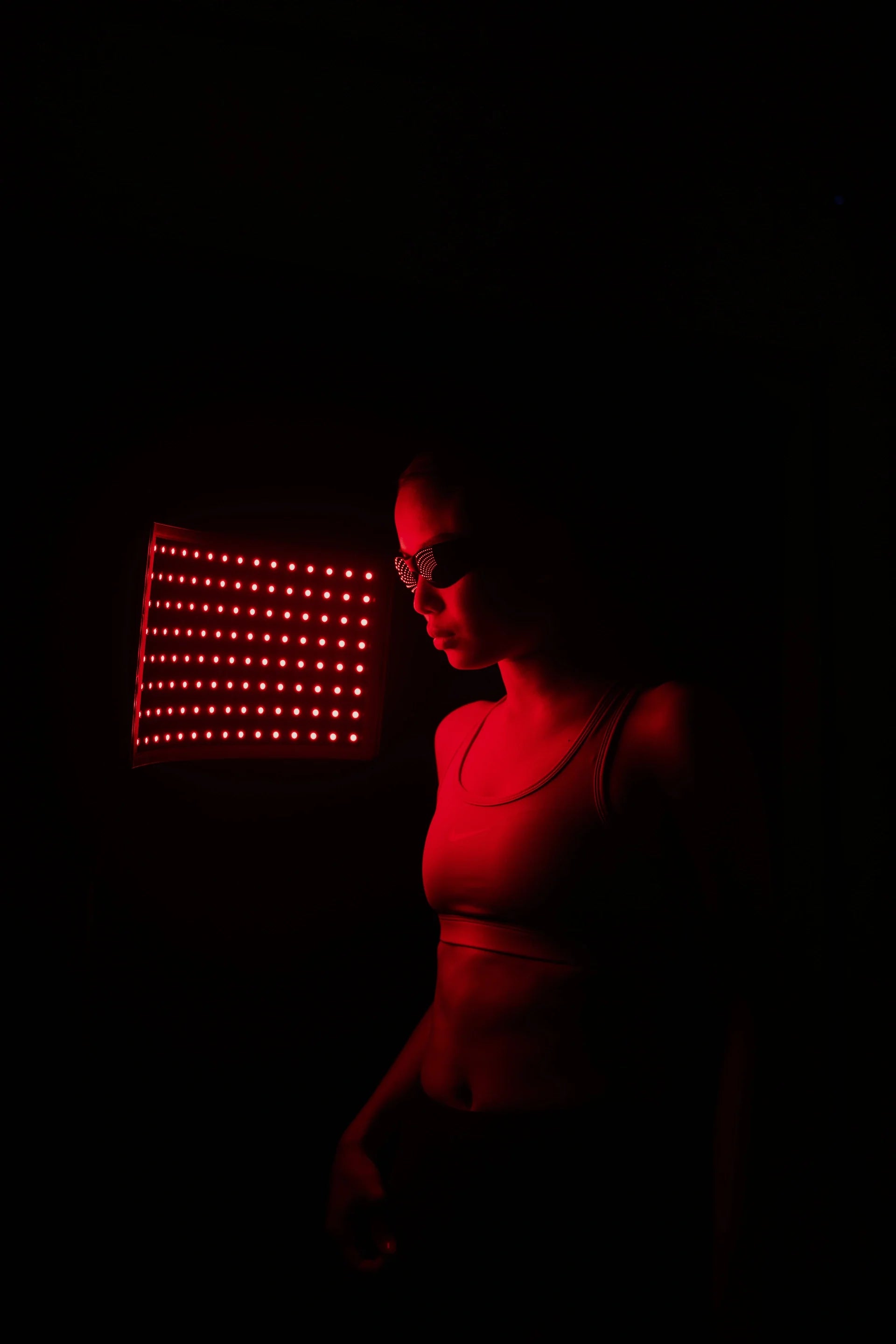
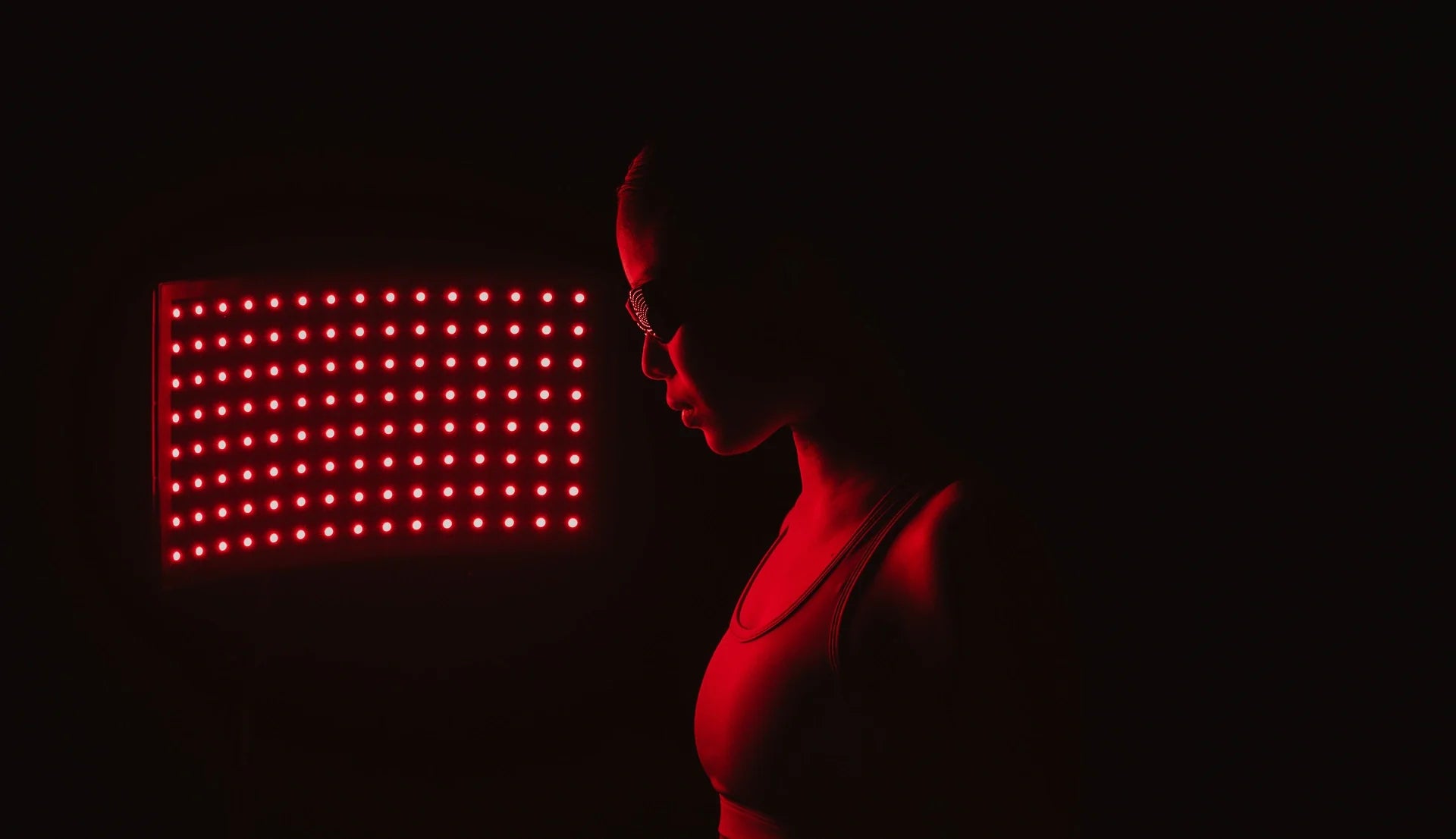
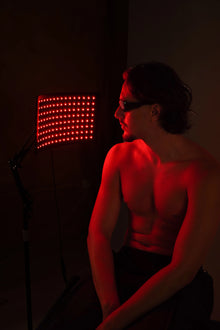
The KumoLux panel supports muscle recovery with full-body red and infrared light.
- 660 nm red + 850 nm infrared light
- Full-body muscle recovery
- Clinically validated biohacking protocols
€399,00€499,00
−10% on your 1st order when you subscribe to the newsletter

In this article you will see exactly what photobiomodulation is, what results you can expect according to science, how it is applied safely and how to integrate it into your facial care and overall recovery routine, supported by technologies such as the LED therapy offered by Kumo in its high-performance recovery ecosystem. ( kumobalance.com )
What is photobiomodulation applied to the skin?
Photobiomodulation (PBM) is a form of non-thermal light therapy that uses visible and near-infrared light—typically red (≈630–660 nm) and amber or infrared (≈590–850 nm)—to modulate cellular activity. Unlike ablative lasers, it does not “burn” or remove layers of skin; it acts as a kind of “energy boost” for the cells. ( nationalgeographic.es )
Personalized protocol · included with your purchase
Want us to tell you how to use it in your case?
With your purchase, our experts set up your red and infrared light sessions for your sport and goal.
Message us on WhatsAppOur experts reply · no obligation
In dermatology and aesthetics, it is primarily applied using LED devices (facial masks, panels, booth lamps) placed a few centimeters from the skin for several minutes. The light energy is absorbed mainly in the mitochondria, which increases ATP production, modulates oxidative stress, and regulates inflammatory mediators. ( pubmed.ncbi.nlm.nih.gov )
In practice, this translates to:
- Increased synthesis of collagen and elastin.
- Improvement of microcirculation and tissue metabolism.
- Anti-inflammatory and soothing effect on sensitive or reactive skin.
- Support for tissue repair in wounds and chronic injuries.
Real results: what scientific studies tell us
Wrinkles and facial rejuvenation
One of the best-studied fields is the reduction of periorbital wrinkles (“crow’s feet”) and overall rejuvenation.
on your first order when you join the newsletter
We send you the code instantly. No spam.
A randomized clinical trial published in 2023 in Photobiomodulation, Photomedicine and Laser Surgery evaluated 137 women aged 40–65 years. They received 10 sessions over 4 weeks with red (660 nm) and amber (590 nm) light at 3.8 J/cm². The volume of periorbital wrinkles was reduced by 31.6% with red light and 29.9% with amber light, with no relevant changes in hydration or elasticity, but with an improvement in perceived quality of life. ( pubmed.ncbi.nlm.nih.gov )
Another key, double-blind, placebo-controlled study, published in 2007 in the Journal of Photochemistry and Photobiology B , treated 76 patients with facial wrinkles using 633 nm and 830 nm LEDs twice a week for 4 weeks. Objective wrinkle reductions of up to 36% and increases in skin elasticity of up to 19% were observed, along with a histological increase in collagen and elastin fibers. ( pubmed.ncbi.nlm.nih.gov )
These data indicate that photobiomodulation can provide a moderate but measurable improvement in fine wrinkles and firmness, especially around the eyes and in photo-aged skin, as long as the protocol is consistent (several sessions per week for at least 4 weeks).
Sensitive skin, redness, and inflammation
PBM has also been studied in sensitive skin, a very common problem that involves itching, tightness and redness in response to minimal stimuli.
In 2020, a pilot study published in Frontiers in Medicine included 30 people with sensitive skin and a high score on the Sensitive Scale-10. They received red LED light twice a week for up to 8 weeks. 93.3% of the subjects achieved the primary endpoint of reducing their score by at least 60%, and 77% achieved this in 6 sessions or fewer. The benefits were maintained 2 months after the end of treatment, with very good tolerance and no serious adverse effects. ( frontiersin.org )
These types of results support the use of photobiomodulation as an adjunctive therapy to calm reactive skin, always integrated into a comprehensive plan supervised by a professional when there is an underlying dermatosis.
Scarring and tissue repair
Beyond aesthetics, PBM is used in medical settings to support tissue repair in chronic wounds.
A recent randomized trial in people with diabetic foot ulcers analyzed the daily application of red and infrared LEDs for 12 weeks. The treated groups showed significant improvements in healing index, skin temperature, and pain compared to the control group, suggesting that red/infrared light accelerates certain repair processes in compromised tissues. ( pubmed.ncbi.nlm.nih.gov )
Although these data come from a specific pathology, they illustrate the potential of photobiomodulation to promote regeneration in contexts where other more aggressive treatments are not suitable.
Acne and LED phototherapy
In acne, the evidence focuses primarily on combinations of blue (≈415–420 nm) and red (≈630–660 nm) LED light. Blue light reduces the C. acnes load, and red light modulates inflammation.
A 2013 double-blind trial in 35 patients with mild-to-moderate acne compared a home-use blue+red LED device (420 and 660 nm, 2.5 minutes twice daily for 4 weeks) to a placebo. At 12 weeks, inflammatory lesions had decreased by 77% and non-inflammatory lesions by 54% in the treated group, with no significant changes in the control group and no serious adverse effects. ( pubmed.ncbi.nlm.nih.gov )
More recent systematic reviews confirm that home-use LEDs can be useful as an adjunct treatment for mild-to-moderate acne, but they do not replace medical therapies when acne is moderate-to-severe or leaves scars. ( pubmed.ncbi.nlm.nih.gov )
Summary of clinical results in cutaneous photobiomodulation
| Study | Year | Area / Problem | PBM protocol | Main result |
|---|---|---|---|---|
| Mota et al., Photobiomodul Photomed Laser Surg | 2023 | Periorbital wrinkles | 10 sessions over 4 weeks, 660 and 590 nm, 3.8 J/cm² | Reduction ≈30% in wrinkle volume |
| Lee et al., J Photochem Photobiol B | 2007 | Facial wrinkles | LED 633 and 830 nm, 2×/week, 4 weeks | Wrinkle reduction up to 36%; elasticity +19% |
| Sonbol et al., Frontiers in Medicine | 2020 | Sensitive facial skin | Red LED 2x/week, up to 8 weeks | 93.3% achieved ≥60% improvement in SS-10 |
| Kwon et al., Br J Dermatol | 2013 | Mild-moderate acne | Blue+red LED, 2x/day, 4 weeks | Inflammatory lesions −77%, non-inflammatory lesions −54% |
How photobiomodulation works at the cellular level
Wavelengths and penetration depth
Each range of light acts at a different depth:
- Red light (≈630-660 nm) : penetrates a few millimeters, reaching the epidermis and superficial dermis. It is associated with increased collagen production and a reduction in fine wrinkles. ( pubmed.ncbi.nlm.nih.gov )
- Amber light (≈580-600 nm) : somewhat more superficial; helps to improve tone and luminosity.
- Near-infrared (≈800-850 nm) : reaches deeper, down to the mid-dermis and even subcutaneous tissue, useful in muscle recovery and deeper inflammatory processes. ( pubmed.ncbi.nlm.nih.gov )
Modern devices often combine several wavelengths to cover skin and underlying tissues, as do the advanced red and infrared light panels found in Kumo's LED therapy category. ( kumobalance.com )
Effects on collagen, circulation, and inflammation
In in vitro models and in human biopsies, PBM has demonstrated: ( pubmed.ncbi.nlm.nih.gov )
- Increased fibroblast activity and synthesis of type I and III collagen.
- Increase in elastic fibers and reorganization of the extracellular matrix.
- Modulation of pro-inflammatory cytokines (e.g., reduction of IL-6 in certain contexts).
- Improved microcirculation, promoting the supply of oxygen and nutrients.
The visible result is usually skin with a more homogeneous texture, less redness, and softened fine wrinkles , provided there is repeated stimulation over time.
Practical application: clinical vs. home devices
Treatments at dermatology clinics or aesthetic centers
In clinical practice, photobiomodulation can be used as a primary treatment (e.g., for sensitive skin) or as a complement after more intensive procedures (fractional laser, peels, microneedling) to accelerate recovery and reduce inflammation. ( frontiersin.org )
Advantages of clinical application:
- Customized protocols according to diagnosis and phototype.
- High-power and calibrated equipment.
- Dermatological monitoring and combination with other medical treatments.
Photobiomodulation at home: masks and LED panels
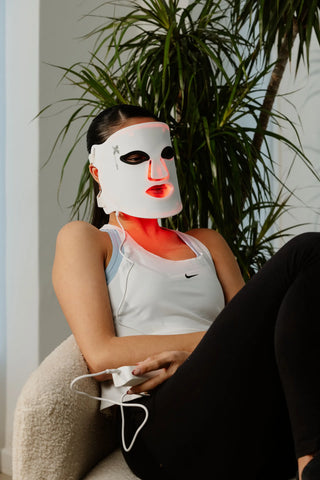
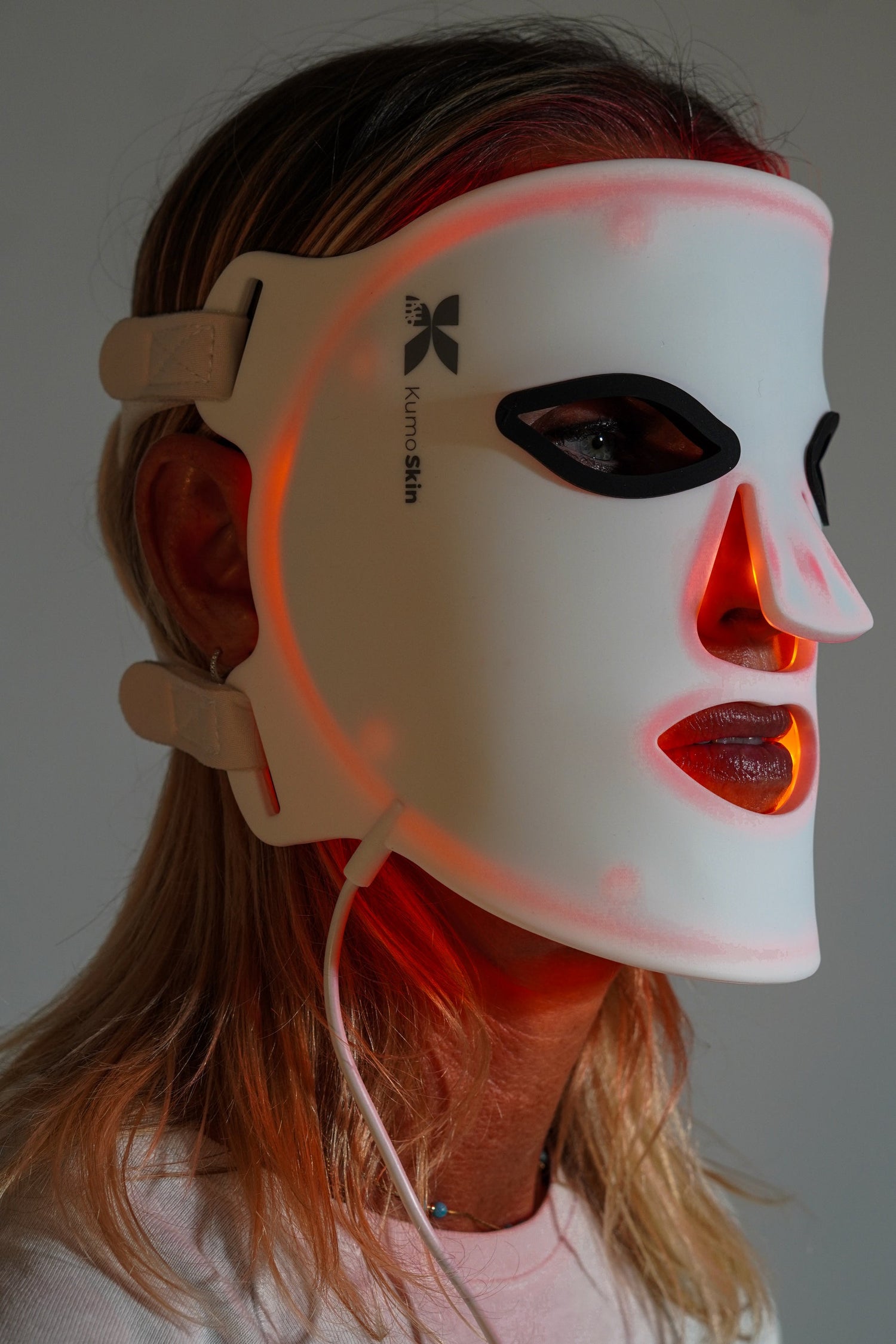
Home-use devices allow you to maintain results between professional sessions or, in mild cases, complete programs at home. This includes LED facial masks and red/infrared light panels in Kumo's LED light therapy range, designed to integrate skin regeneration and muscle recovery into a single routine. ( kumobalance.com )
In general, these devices operate at moderate energy densities and with 10-20 minute sessions, several times a week. It is crucial to always follow the manufacturer's instructions and, if you have a skin condition, to consult your dermatologist before using this device.
Practical parameters and realistic expectations
Study protocols vary, but some patterns are repeated: ( pubmed.ncbi.nlm.nih.gov )
- Frequency: 2 to 5 sessions per week.
- Duration: between 4 and 8 weeks to notice clear changes in wrinkles, texture or sensitive skin.
- Maintenance: 1-2 weekly sessions or periodic cycles to sustain the results.
Photobiomodulation is not a radical "before and after" like a surgical facelift, but it can provide a gradual, visible improvement with very little risk , especially valued by those looking for options without needles or downtime.
Safety, contraindications and good practices
The American Academy of Dermatology notes that, in the short term, red light therapy appears to be safe, with mild side effects such as transient redness or slight irritation. Visible red light has not been shown to cause skin cancer, and many consumer devices are approved as low-risk by regulatory agencies. ( aad.org )
Even so, there are situations in which you should exercise extreme caution or avoid photobiomodulation:
- Use of photosensitizing drugs (some antibiotics, oral retinoids, etc.).
- Diseases that increase sensitivity to light (e.g., lupus erythematosus).
- History of recent skin cancer in the area to be treated.
- Pregnancy or breastfeeding, in which caution is usually recommended due to a lack of specific data.
In addition, people with higher phototypes may be more sensitive to visible light; some experts recommend dermatological monitoring to minimize the risk of hyperpigmentation. ( aad.org )
Basic rules:
- Do not look directly at LEDs without the recommended eye protection.
- Do not prolong or intensify the dose on your own.
- Stop use and consult a doctor if severe irritation, new spots, or worsening of a dermatosis occurs.
Photobiomodulation and global recovery: beyond the skin
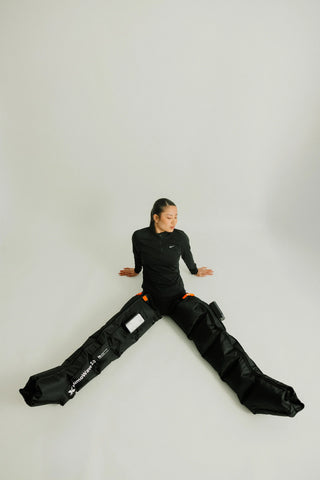
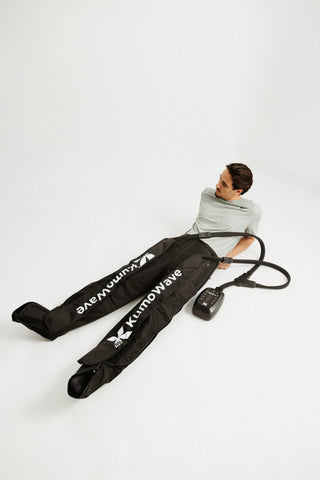
The same logic behind photobiomodulation is now applied to muscle recovery, pain relief, and improved circulation . Red and near-infrared light panels are used to promote recovery after training or long periods of standing, complementing other Kumo technologies such as pressotherapy for heavy legs and lymphatic drainage , or the KumoPulse Air massage gun for deep muscle release. ( kumobalance.com )
This holistic vision —skin, circulation, muscles and rest— is the basis of the high-performance recovery approach proposed by Kumo Balance , where aesthetics are understood as part of overall well-being.
Frequently asked questions about photobiomodulation for the skin
How long does it take for photobiomodulation to show on the skin?
It depends on the goal and frequency of use. In clinical trials on periorbital wrinkles and facial rejuvenation, significant improvements were observed after 4 weeks of treatment with 2–5 weekly sessions ( pubmed.ncbi.nlm.nih.gov ). On sensitive skin, most patients improved in 3–6 sessions (about 2–3 weeks) ( frontiersin.org ). In practical terms, many people first notice subtle changes in radiance and texture, and later a smoothing of fine lines. The important thing is to be consistent and maintain a maintenance protocol once the results are achieved.
Is photobiomodulation safe for all skin types?
In general, low-intensity LED therapy has a favorable safety profile for most skin types, with mild and transient side effects. ( aad.org ) However, if you take photosensitizing medications, have a condition that increases light sensitivity, or have a history of skin cancer, you should consult your dermatologist before starting. For darker skin tones, some experts recommend additional monitoring to avoid hyperpigmentation. ( aad.org ) Always follow the device instructions and wear the recommended eye protection.
Can I use a photobiomodulation LED mask every day?
Many at-home devices are designed for use 3 to 7 days a week, but the optimal frequency varies depending on the energy dose and the intended use. Studies on acne and sensitive skin have used applications ranging from 2 sessions per week to daily with good results and tolerance. ( frontiersin.org ) Even so, it's important not to exceed the time and frequency recommended by the manufacturer. More isn't always better: excessive energy can reduce effectiveness or increase the risk of irritation.
Does photobiomodulation replace sunscreen or retinoids?
No. Photobiomodulation is a complementary tool, not a substitute for daily sun protection or topical treatments such as retinoids, which remain key pillars in the management of photoaging and certain skin conditions. Studies show that PBM can improve fine wrinkles, texture, and symptoms of sensitive skin, but its effects are moderate compared to well-established topical medications. ( pubmed.ncbi.nlm.nih.gov ) Ideally, it should be integrated into a routine guided by a professional, which includes broad-spectrum sunscreen, healthy habits, and, when appropriate, other medical or cosmetic treatments.
Is photobiomodulation effective for inflammatory acne?
The combination of blue and red LED light has been shown to significantly reduce inflammatory and non-inflammatory lesions in mild-to-moderate acne in several clinical trials, including a 77% reduction in inflammatory lesions at 12 weeks in a home device study ( pubmed.ncbi.nlm.nih.gov ). However, most studies focus on mild to moderate cases, and photobiomodulation is considered an adjunct . In moderate-to-severe acne, with scarring or severe emotional distress, a comprehensive medical approach (topical medications, antibiotics, isotretinoin, etc.) is essential, and photobiomodulation can complement, but not replace, the underlying therapy.
So what now?
If you want to take advantage of photobiomodulation to improve your skin's quality, the first step is to define your goal (fine lines, sensitive skin, recovery after exercise, etc.) and assess whether you need dermatological supervision. From there, you can choose between in-salon programs and at-home devices such as Kumo's LED therapy masks and panels, integrating them with other recovery tools like pressotherapy or percussion massage therapy for a holistic wellness approach. ( kumobalance.com )
If you have any questions about which device or combination of technologies is best for you, you can contact the team directly through Kumo's contact page and receive personalized advice based on your lifestyle and your performance and skincare goals. ( kumobalance.com )

Red & infrared light
KumoLux Panel – Red and Infrared LED Panel
★★★★★ 4,8/5 · rated by verified customers
- 660 nm red + 850 nm infrared light
- Full-body muscle recovery
- Clinically validated biohacking protocols
€399,00€499,00· pay in installments with seQura or Klarna