
What is photobiomodulation and why is it being talked about so much?
Photobiomodulation is revolutionizing the non-invasive treatment of pain and inflammation.
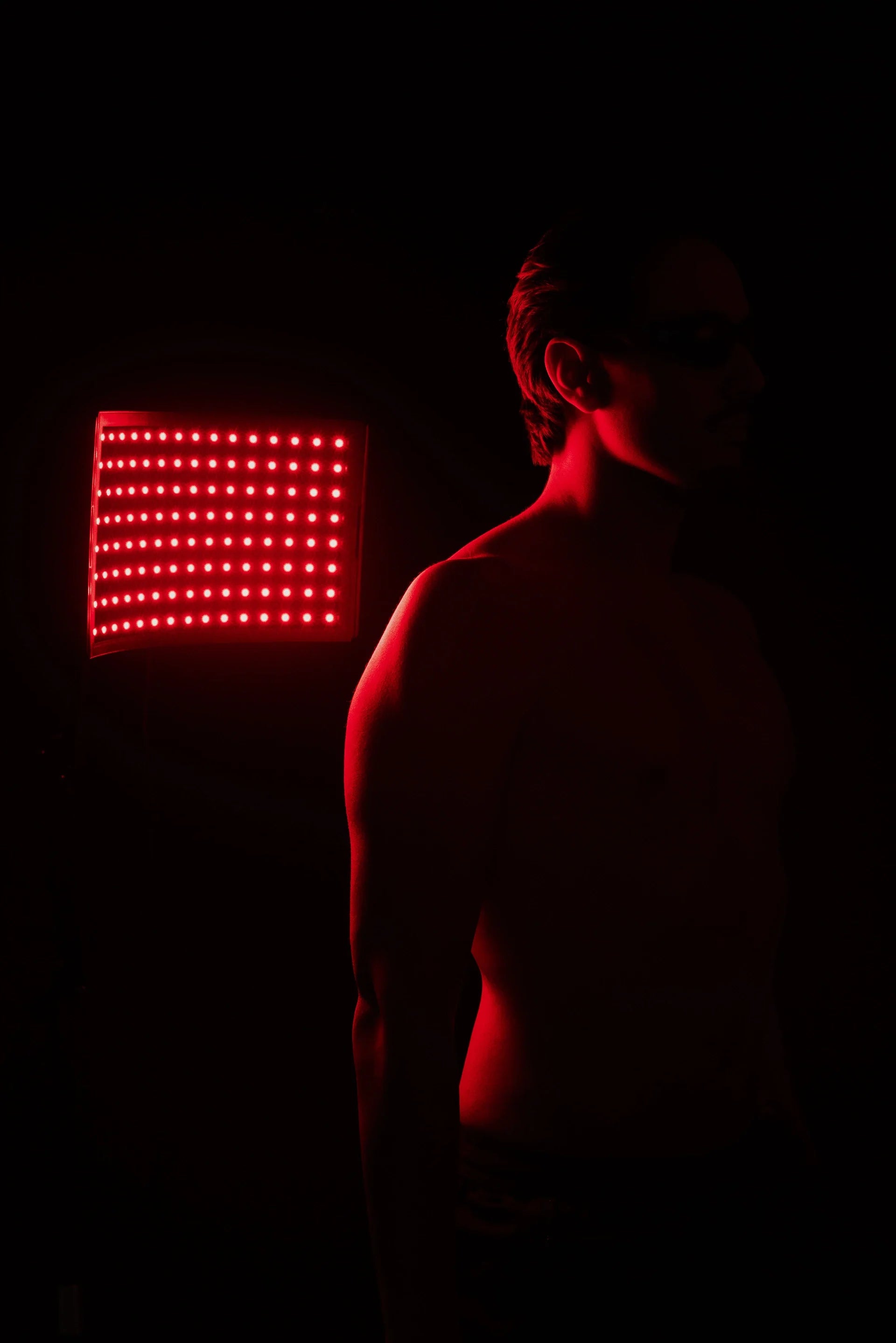
This term encompasses the use of red and near-infrared light, emitted by low-power lasers or LED devices, to modulate biological processes without generating significant heat or damaging tissues. It is also known as low-level light therapy (LLLT), red light therapy, or PBM.
Red & infrared light
Recover faster, at home
★★★★★ 4,8/5 · rated by verified customers
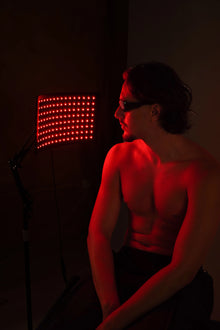
The KumoLux panel supports muscle recovery with full-body red and infrared light.
- 660 nm red + 850 nm infrared light
- Full-body muscle recovery
- Clinically validated biohacking protocols
€399,00€499,00
−10% on your 1st order when you subscribe to the newsletter

Today it is used in physiotherapy, sports medicine, rehabilitation, dentistry and dermatology to help relieve pain, reduce inflammation and promote tissue repair, always as a complement to other treatments and under specific parameters defined by scientific research.
How photobiomodulation works in your body
Cellular mechanism: mitochondria, ATP and nitric oxide
Most evidence suggests that photobiomodulation acts primarily on mitochondria. Red light (approximately 600–810 nm) and near-infrared light (810–1064 nm) are absorbed by enzymes such as cytochrome c oxidase, increasing ATP (cellular energy) production and modulating intracellular reactive oxygen species and calcium. Clinical review of photobiomodulation mechanisms
Personalized protocol · included with your purchase
Want us to tell you how to use it in your case?
With your purchase, our experts set up your red and infrared light sessions for your sport and goal.
Message us on WhatsAppOur experts reply · no obligation
Furthermore, the release of nitric oxide from the mitochondria has been described, which improves local blood flow and acts as a signaling molecule in numerous repair and inflammatory processes. Article on nitric oxide and photobiomodulation
Effect on inflammation and pain
At the inflammatory level, photobiomodulation can reduce pro-inflammatory mediators (such as prostaglandins and certain cytokines) while simultaneously enhancing antioxidant and tissue repair mechanisms. A 2017 review shows consistent reductions in inflammatory markers and oxidative stress in animal models and some human pathologies, with a dose-dependent response pattern. Review on the anti-inflammatory effects of PBM
In patients with chronic low back pain, a controlled trial observed that a single photobiomodulation session was able to significantly decrease serum levels of prostaglandin E2, a key mediator of pain and inflammation, compared to placebo, with no reported adverse events. Clinical trial on low back pain and PGE2
on your first order when you join the newsletter
We send you the code instantly. No spam.
What types of pain and inflammation is it being used for?
Musculoskeletal and joint pain
The most studied field is musculoskeletal disorders (tendinopathies, contractures, neck pain, lower back pain, osteoarthritis, etc.). A systematic review with meta-analysis published in 2017, which included 18 studies and 1462 participants, concluded that photobiomodulation reduces pain compared to controls, with moderate effects when the dosage recommendations of the World Association for Laser Therapy (WALT) are followed. Meta-analysis on musculoskeletal pain
In knee osteoarthritis, a 2024 meta-analysis review indicates that photobiomodulation reduces pain at rest compared to placebo and may improve disability, although the overall certainty of the evidence is considered low. Therefore, it is recommended as an adjunct to standard therapies (exercise, weight loss, physical therapy), not as a standalone treatment. Meta-analysis in knee osteoarthritis
Patellofemoral and knee pain in active people
In patellofemoral pain syndrome—common in active individuals and athletes—a 2025 meta-analysis that included eight randomized trials (340 participants) found that photobiomodulation combined with exercise reduces pain and improves knee function compared to protocols without photobiomodulation. However, the quality of the evidence was categorized as “very low” due to methodological limitations and heterogeneity between studies, which necessitates interpreting these results with caution.
Sports injuries, soft tissue and local inflammation
In acute muscle injuries, sprains, or sports overloads, photobiomodulation is used to try to shorten recovery times and reduce pain, although the evidence is still mixed and depends heavily on the protocol used.
In soft tissue injuries, such as perineal trauma after childbirth, a trial with 60 women compared a single application of photobiomodulation to a placebo and found no significant differences in pain reduction or early healing, although both groups improved over time. Clinical trials in perineal trauma are also underway. In contrast, studies in dentistry and orthodontics suggest a possible reduction in inflammation around implants with low-level lasers, but these are small studies and, in some cases, still in the pre-publication phase.
What the scientific evidence says up to 2025
Promising results, but not definitive
Overall, current data show that photobiomodulation can reduce pain in various musculoskeletal conditions compared to placebo, with typically moderate effect sizes. Meta-analyses in general musculoskeletal pain and knee osteoarthritis support this conclusion, although with high heterogeneity and low or very low certainty of evidence due to the variable quality of the studies. Musculoskeletal pain , Knee osteoarthritis
At the same time, well-designed trials in chronic low back pain with 148 patients have found no clinically relevant differences between photobiomodulation and placebo after 12 sessions, despite no significant adverse effects being reported. This type of result underscores that efficacy depends on the specific protocol, the indication, and the patient's profile.
Importance of dose, wavelength, and protocol
One of the most consistent findings is the existence of a “biphasic” response: low doses tend to stimulate repair processes, while excessive doses can lose effectiveness or even block some beneficial effects. The 2017 review on musculoskeletal pain showed that trials following the WALT dosing guidelines achieved greater pain reductions than those that did not. Meta-analysis and WALT guidelines
In practice, this means that "more light for longer" is not enough; it is necessary to adjust the wavelength (usually in the red or near-infrared range) and the energy density to the therapeutic objective and the type of tissue, something that must be done by a professional or the device manufacturer based on scientific literature.
Safety and known side effects
Clinical trials in low back pain, knee osteoarthritis, patellofemoral pain, and various musculoskeletal conditions have reported very few serious adverse events associated with photobiomodulation. Many studies report no side effects beyond mild redness or a warming sensation in the treated area, and some report no adverse events attributable to the therapy. Chronic low back pain and safety , PBM and chronic low back pain
Even so, it is recommended to wear protective glasses when the light is close to the eyes, avoid direct application on active tumors or on the abdomen during pregnancy without medical supervision, and always consult a health professional in case of complex chronic pathologies.
Practical guide 2026: how to integrate photobiomodulation into your routine
Choosing the type of device: clinic vs home use
There are two main families of devices:
- Clinical devices (high-precision laser or LED) : used by physiotherapists, rehabilitation doctors or dentists, with highly controlled parameters to treat specific areas.
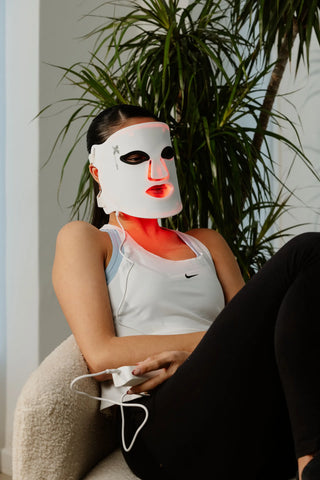
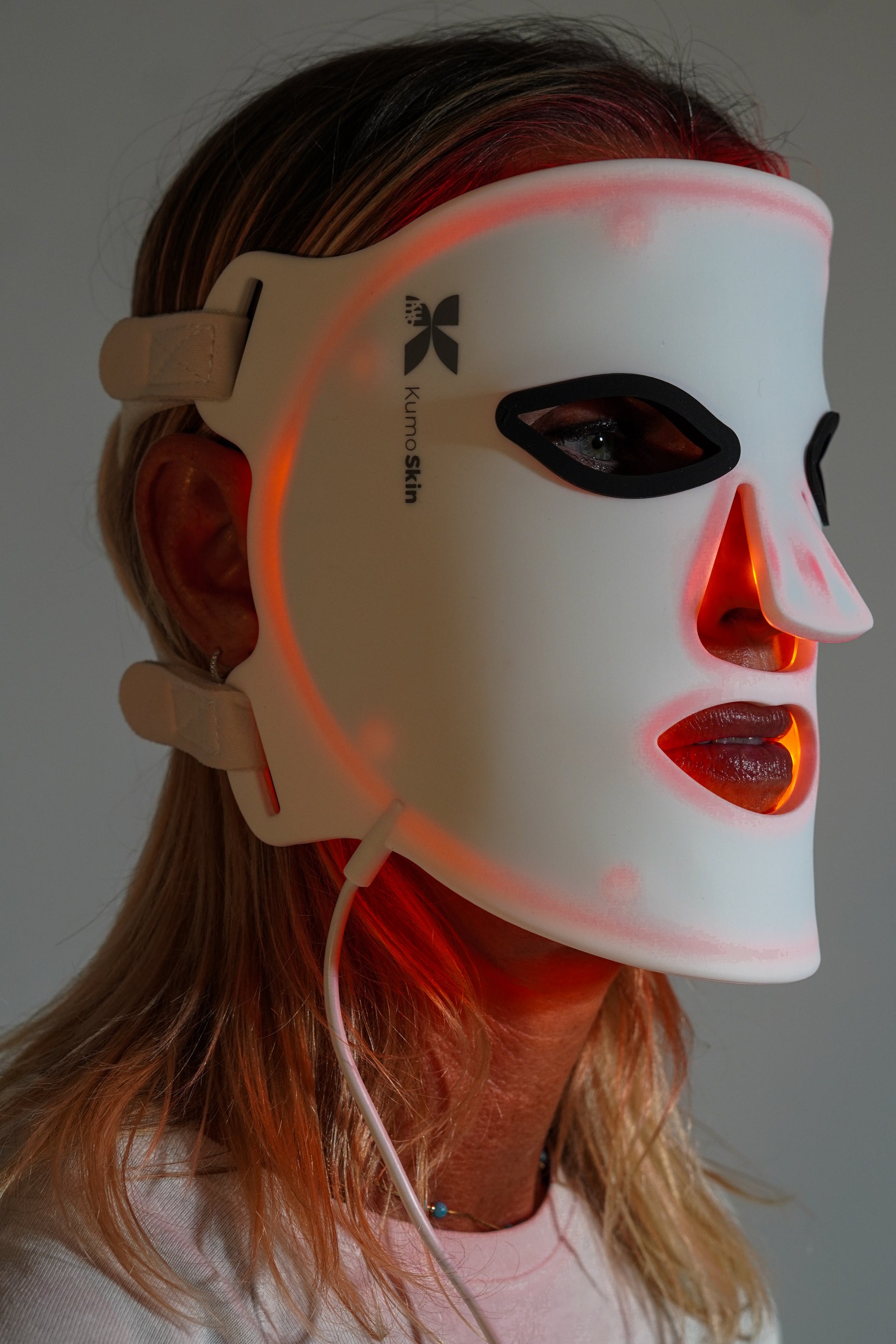
- Home-use devices (panels, bands, masks, wearable accessories) : designed for repeated applications, comfort and ease of use, usually based on red LEDs and near infrared.
In Kumo 's recovery ecosystem, LED light therapy is integrated as a wellness tool for skin, muscle recovery, and sleep hygiene. You can explore examples of these devices in Kumo's LED light therapy section.
Indicative frequency and duration
Protocols vary depending on the indication, but many clinical studies use short sessions, repeated several times a week, for several weeks. For home use, the most prudent approach is:
- Strictly follow the manufacturer's instructions regarding distance, time, and frequency.
- Start with moderate doses and observe the body's response (feeling of relief, comfort, absence of irritation).
- Consult a healthcare professional or physiotherapist if you intend to use photobiomodulation as part of the treatment for a specific condition (osteoarthritis, tendinopathies, chronic pain, etc.).
Combining photobiomodulation with other recovery tools
Research suggests that photobiomodulation works best as a complement to other pillars of health: tailored exercise, good sleep, proper nutrition, and stress management. In practice, many recovery programs combine:
- Red/infrared light to modulate local inflammation and muscle comfort.
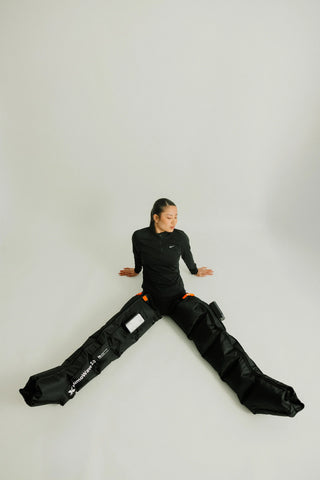
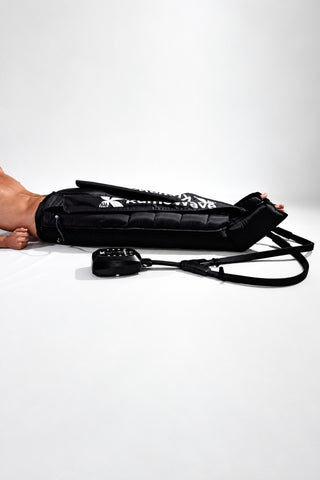
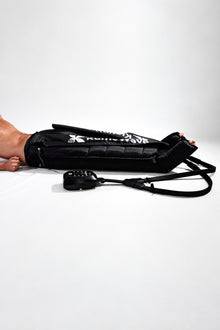
- Pressotherapy to boost circulation and relieve the feeling of heavy legs, as offered by the boots inKumo's pressotherapy section.
- Massage guns to work muscles in depth and release tension points, such as the KumoPulse Air device.
This multimodal approach fits with Kumo's philosophy: transforming recovery into a life habit, not just something that happens when pain appears.
Quick reference table: usual objectives and parameters
The following table summarizes general trends observed in the scientific literature; it does not replace specific advice from a professional or the manufacturer's instructions.
| Main objective | Usual areas | Most studied wavelength range* | Type of device frequently used | For guidance only |
|---|---|---|---|---|
| Relief from joint pain (osteoarthritis, knee, hand) | Knees, hands, hips | Red 600–810 nm / Near infrared 810–1064 nm | Low-power laser or LED panel/strip | Short sessions, several times/week, in cycles of several weeks as clinically indicated |
| Muscle soreness and recovery after exercise | Quadriceps, hamstrings, back, shoulders | Primarily red and near-infrared | LED panels, strips or portable accessories | Post-workout application or on active recovery days |
| Localized inflammation of soft tissues | Tendons, ligaments, overload areas | Red/near-infrared depending on tissue depth | Point-source clinical devices or concentrated LEDs | Individualized protocols, guided by a healthcare professional |
| General well-being and circadian rhythms | Partial body or facial exposure | Primarily red light, avoiding intense blue light at night | LED panels and masks | Integrated into morning or evening routines for sleep hygiene and relaxation |
*Ranges based on reviews of photobiomodulation mechanisms in mitochondria and soft tissues.
Photobiomodulation, lifestyle and performance
Photobiomodulation does not replace exercise or medical treatments, but it can become a valuable component of a comprehensive health strategy. For active individuals or athletes, it can be incorporated into recovery routines after intense training; for those suffering from chronic pain, it can be an additional resource, always in coordination with their healthcare team.
Kumo proposes precisely this integrative approach: an ecosystem of recovery technologies—LED light therapy, percussive massage—designed to make recovery not the exception, but a daily self-care ritual. You can learn more about this philosophy on the Kumo homepage.
Frequently asked questions about photobiomodulation
Is photobiomodulation safe for home use?
Available clinical studies describe photobiomodulation as a generally safe technique when used within appropriate parameters and with certified devices. Most trials in musculoskeletal pain, osteoarthritis, or lower back pain have not reported serious adverse effects, and the most frequent are mild (redness, local warmth). Even so, it is essential to wear protective eyewear if applied near the eyes, respect the distance and exposure time recommended by the manufacturer, and consult a healthcare professional in cases of pregnancy, active cancer, or other complex medical conditions.
How long does it take to notice pain improvement with photobiomodulation?
The response time is highly variable. Some trials on joint or musculoskeletal pain show changes in pain after just a few weeks of treatment, while others show only modest differences or no improvement compared to placebo. Factors such as the dosage used, the frequency of sessions, the age of the injury, and whether it is combined with exercise or physiotherapy have a significant influence. As a general rule, it is advisable to evaluate the results after a complete course (for example, several weeks) and always in consultation with a professional who can adjust the protocol or determine if it is truly providing benefit.
Is red light therapy effective for all types of inflammation?
No. Although photobiomodulation has shown anti-inflammatory effects in various experimental models and some musculoskeletal conditions, this does not mean it is effective for “all” inflammation. There are promising results in joints, muscles, and certain soft tissue conditions, but limited or conflicting evidence in other conditions (for example, postpartum perineal trauma or some types of chronic low back pain). Furthermore, in inflammations associated with complex systemic diseases, serious infections, or cancer, the approach should be strictly medical, and any use of therapeutic light should be evaluated on a case-by-case basis.
Can I combine photobiomodulation with physiotherapy, exercise, or medication?
In most clinical studies, photobiomodulation has been used as a complement to other therapies, not as a substitute. It is frequently combined with therapeutic exercise programs, pain education, manual therapy, or analgesic medication. Meta-analyses in knee osteoarthritis and patellofemoral pain suggest that the best scenario is its use as an adjunct, integrated into a comprehensive rehabilitation plan. However, if you are taking chronic medication, anticoagulants, or have complex medical conditions, it is advisable to inform your doctor or physiotherapist before introducing any new treatment tool.
What are the contraindications of photobiomodulation?
Absolute and relative contraindications are based more on precautionary criteria than on solid evidence of harm. It is generally advised against applying photobiomodulation directly to known malignant tumors, to the abdomen in pregnant women without medical supervision, or to the retina without adequate eye protection. Caution is also recommended for individuals with severe photosensitivity or those taking photosensitizing medications. If you have any doubts, it is best to consult an individual healthcare professional who is familiar with both your medical history and the specific characteristics of the device you intend to use.
So what now?
If you're interested in incorporating photobiomodulation into your recovery strategy, the next step is to learn more about your specific case and the most suitable device. You can discuss this option with your physiotherapist or doctor and explore how to integrate it with other tools such as LED light therapy ,compression therapy , or KumoPulse Air percussive massage. If you need further guidance on Kumo solutions, you can contact us through the contact page and start designing a recovery routine tailored to your 2026 goals.

Red & infrared light
KumoLux Panel – Red and Infrared LED Panel
★★★★★ 4,8/5 · rated by verified customers
- 660 nm red + 850 nm infrared light
- Full-body muscle recovery
- Clinically validated biohacking protocols
€399,00€499,00· pay in installments with seQura or Klarna