What exactly is facial sagging?
Facial sagging is the progressive loss of firmness and tension in the skin of the face and the tissues that support it (muscles, deep fat, and bone structure). The result is visible drooping : a less defined facial oval, the appearance of a double chin, sagging cheeks, and more pronounced wrinkles.
It's not just an aesthetic issue: it indicates profound changes in collagen, elastin, fat, and facial bone that form the "scaffolding" of the face. Unlike fine wrinkles, which are superficial lines, sagging skin implies a loss of volume and support.
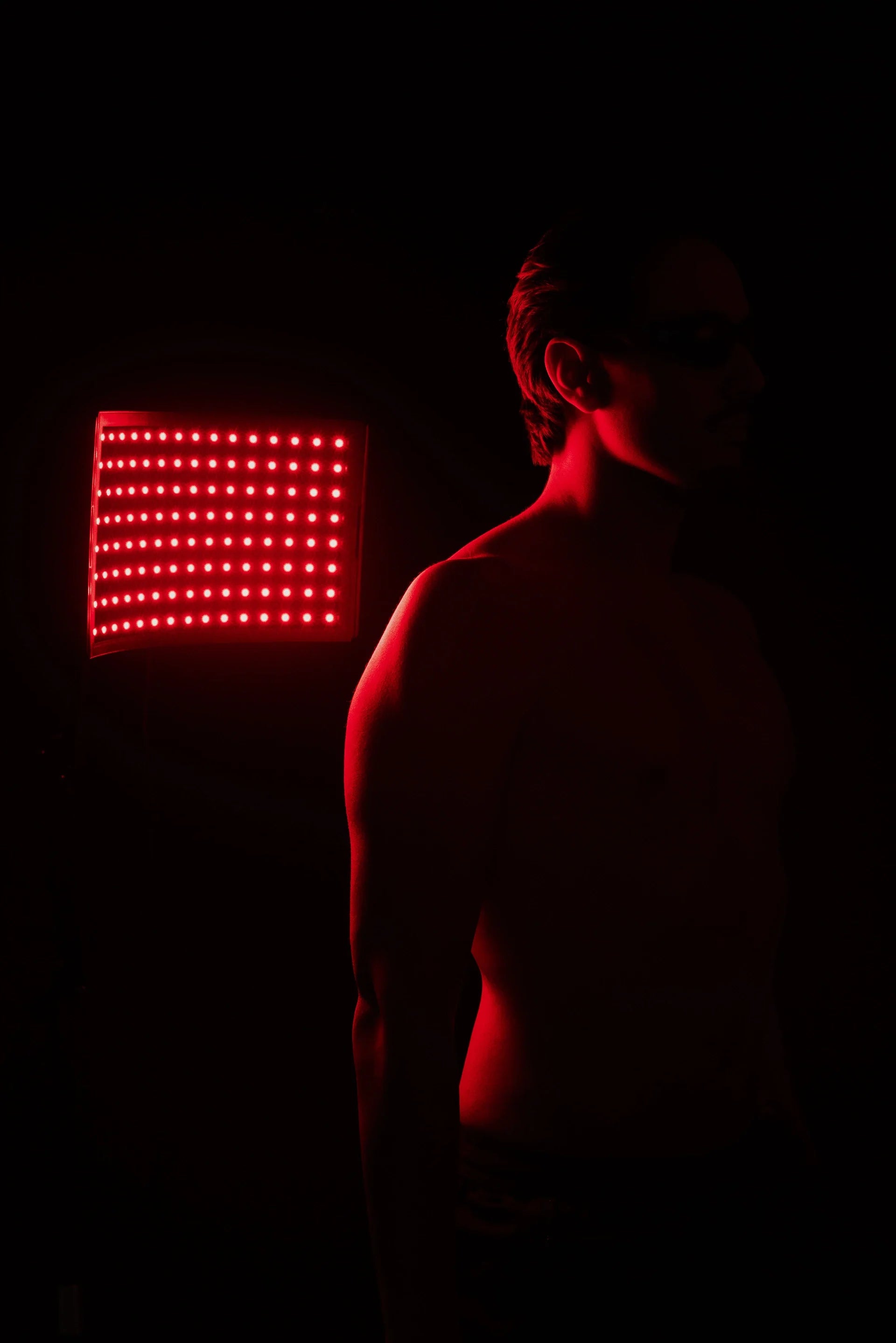
Facial red light
Bring your skin back to life
★★★★★ 4,8/5 · rated by verified customers
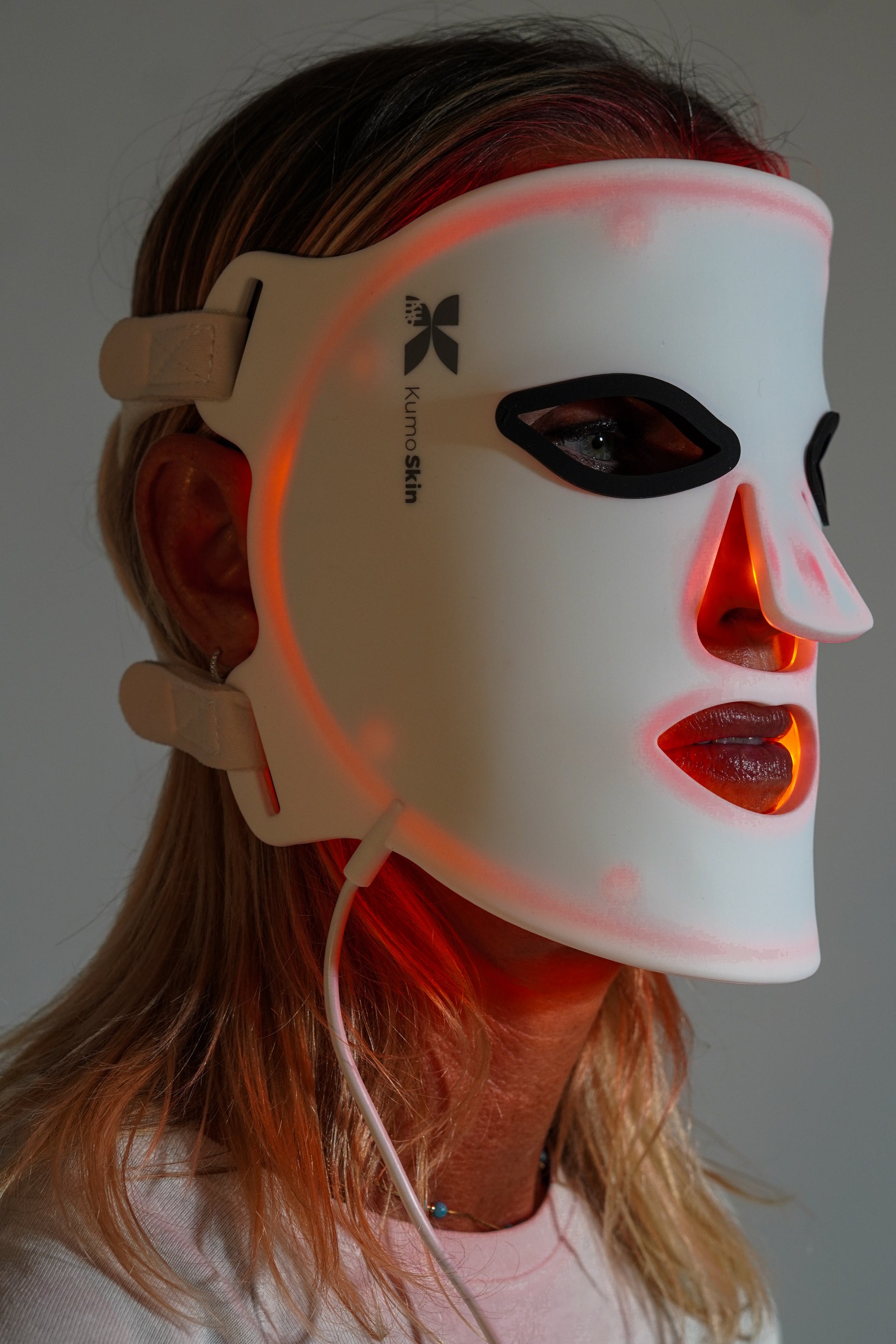
The KumoSkin LED mask helps repair and calm your skin in short sessions at home.
- 250 LEDs in flexible medical silicone
- Red light to boost collagen and glow
- 4 lights: red, infrared, blue and yellow
€299,00€429,00
−10% on your 1st order when you subscribe to the newsletter

- Common early signs : less full cheeks, blurred jawline, skin that doesn't "bounce" the same when pinched.
- Most affected areas : facial oval, double chin, nasolabial folds, mouth contour and eyelids.
Why does facial sagging occur: the main causes
Aging and collagen loss
With age, fibroblasts (cells that produce collagen and elastin) become less active. Studies on skin aging indicate that collagen production decreases by approximately 1–1.5% per year from early adulthood , which can translate into a cumulative loss of up to 30–50% by around age 60, depending on genetics and lifestyle.
Less collagen means a thinner, less dense dermis, so the skin stretches and doesn't recover as easily. In women, the sharp drop in estrogen in the first few years after menopause accelerates this process and can lead to a significant reduction in collagen in a short period.
Personalized protocol · included with your purchase
Want us to tell you how to use it in your case?
With your purchase, our experts prepare the ideal LED protocol for your skin type and goal (acne, wrinkles, dark spots...).
Message us on WhatsAppOur experts reply · no obligation
Solar radiation and photoaging
Chronic exposure to ultraviolet (UV) radiation is the leading external factor contributing to premature skin aging. The American Academy of Dermatology reminds us that UV radiation damages collagen and elastin fibers and that daily sun protection is key to preventing wrinkles, age spots, and sagging skin.
In a 2025 survey of over 1,000 adults in the US, the AAD noted that only about 56% use sunscreen regularly , even though half are concerned about premature skin aging. This gap between knowledge and habits translates into more sagging and signs of photoaging over the years.
Genetics, hormones, and weight changes
- Genetics : Collagen density, elastin quality, and facial shape have a significant hereditary component. In some people, sagging appears earlier and more pronounced.
- Hormones : the drop in estrogen (menopause, certain pathologies or treatments) is associated with a rapid loss of skin elasticity and volume.
- Sudden weight changes : When we lose weight quickly, the skin doesn't always have time to adapt, especially after the age of 35–40. This contributes to sagging in the cheeks, neck, and chin.
Lifestyle: tobacco, sleep, stress and diet
In addition to the passage of time, several habits accelerate sagging:
on your first order when you join the newsletter
We send you the code instantly. No spam.
- Tobacco : reduces cutaneous blood flow and increases free radicals, which promotes the degradation of collagen and elastin.
- Lack of sleep and chronic stress : alter hormones such as cortisol, which are related to a reduced skin repair capacity.
- A diet low in protein, vitamins, and antioxidants limits the availability of amino acids and cofactors needed to synthesize new collagen.
- Sedentary lifestyle : less active circulation results in poorer oxygenation and nutrition of tissues, including the face.
Other factors: bone, facial fat, and "digital face"
With aging, it's not just the skin that changes: the facial bone structure (cheekbones, jaw, eye sockets) also remodels, and the deep fat compartments shift downwards. This reduces the face's structural support and reinforces the appearance of sagging, even in thin people.
There is increasing talk of " digital face ": spending many hours looking down at the mobile phone or laptop promotes bad cervical postures and tension in the neck and jaw, which can contribute to sagging of the oval of the face and the appearance of folds in the neck.
How to prevent and slow down facial sagging in everyday life
Basic skin care routine
A well-designed cosmetic product does not "cure" deep sagging, but it can improve skin texture, luminosity and support, and enhance the effect of other treatments.
- Gentle cleansing morning and night, avoiding harsh soaps that damage the skin barrier.
- Antioxidants (vitamin C, E, niacinamide) in the morning, to combat oxidative damage.
- Retinoids (retinol, retinal, etc.) at night, with a gradual dosage and dermatological supervision, due to their proven effect on cell renewal and collagen.
- Peptides and hyaluronic acid to support skin hydration and tone.
Scientific evidence shows that ingredients such as retinoids, certain peptides, and alpha-hydroxy acids can stimulate fibroblast activity and improve the overall appearance of mature skin when used consistently.
Sun protection: your "insurance" against sagging
Dermatologists agree that photoaging accounts for most visible aging . The AAD recommends using a broad-spectrum sunscreen with SPF 30 or higher every day, even on cloudy days, reapplying every two hours if exposed to direct sunlight.
- Apply a generous amount to face, neck and décolletage.
- Enhance your sun protection with a hat, sunglasses, and shade when the sun is strongest.
- Avoid tanning beds: artificial UV radiation also degrades collagen and elastin.
Pro-collagen lifestyle
Reviewing your habits often makes more of a difference than we think:
- Diet : prioritize quality proteins (fish, legumes, eggs), fruits and vegetables rich in vitamin C and polyphenols, and healthy fats (omega-3).
- Regular physical exercise : improves circulation and insulin sensitivity, which also benefits skin quality.
- Restful sleep : During deep rest, tissue repair is activated, including skin collagen.
- Stress management : breathing techniques, gentle meditation, or even recovery protocols with light and massage can help reduce systemic tension.
Treatments to improve facial sagging
The choice of treatment depends on the degree of sagging, skin quality, facial volume, and overall health. It should always be assessed individually by a dermatologist or plastic surgeon.
Topical and non-invasive treatments at home
For mild or incipient sagging, a reasonable strategy combines:
- Advanced cosmetic care with firming actives (retinoids, vitamin C, peptides, growth factors as indicated by a doctor).
- Upward facial massages to stimulate microcirculation and lymphatic drainage.
- Well-guided facial exercises (see next section).
They are low-risk options when done correctly, but require consistency for months to notice subtle changes.
LED light devices and photobiomodulation
Red and near-infrared light therapy (photobiomodulation) has been studied as a tool to improve skin texture and fine wrinkles. A randomized clinical trial from 2024–2025 with 95 women aged 45–60 years used a red LED face mask (∼660 nm) several times a week for 4 weeks and found a significant reduction in wrinkles compared to the placebo group, with a good safety profile.
These results support the idea that red light, used with appropriate parameters, can stimulate cellular activity and collagen synthesis , making it an interesting complement in cases of mild sagging or dull skin.
If you're interested in incorporating this approach into your routine, you can explore KUMO's range of LED light therapy products , designed to bring high-end photobiomodulation to your daily at-home skincare routine. It's important to always follow the usage instructions and, if you have any skin conditions, consult a healthcare professional beforehand.
Minimally invasive aesthetic medicine
When sagging is moderate, medical-aesthetic procedures can offer more visible results:
- Fractional radiofrequency and HIFU : heat in a controlled manner deep layers of the skin and the superficial musculoaponeurotic system (SMAS), stimulating collagen remodeling with a progressive "tightening" effect.
- Fractional laser : improves texture, pores and fine wrinkles, and may indirectly contribute to firmer skin.
- Collagen biostimulators and lifting threads : they restore some support and stimulate the formation of new collagen in strategic areas.
- Hyaluronic acid fillers : they do not treat sagging itself, but they restore lost volume, which helps to reposition tissues.
These procedures should be performed by qualified specialists, with a detailed prior assessment and realistic expectations.
Surgery: facelift and neck lift
In cases of advanced sagging, the most effective option is usually a surgical facelift (midface, lower face, neck, or combined). It doesn't simply "stretch" the skin: the surgeon repositions the underlying tissues (SMAS, muscles, fat) and removes excess skin.
It involves anesthesia, recovery, and strategically hidden scars, so it should be carefully considered, especially for those over 60–70 years of age or with underlying health conditions. A thorough consultation is essential to assess the benefits, risks, and less invasive alternatives.
Exercises for facial sagging: what science says and how to do them
Facial exercises, or "face yoga," have gained popularity as a tool for toning facial muscles. Scientific evidence is still limited, but interesting.
A 2018 study published in JAMA Dermatology followed 16 women aged 40 to 65 who completed a 32-exercise facial exercise program over 20 weeks. Blinded evaluators observed increased cheek fullness and an average reduction of nearly 3 years in apparent age in final photographs compared to initial ones. It was a small study without a control group, but it suggests that, at least in some people, muscle training can improve the appearance of the midface.
General recommendations before starting
- Perform the exercises with clean skin and, if desired, a thin layer of oil or cream to facilitate the sliding of the fingers.
- Keep your back straight and your neck long , avoiding straining your cervical spine.
- Perform the movements slowly, without wrinkling your forehead or tensing your eyes.
- If you notice pain, dizziness, or increased jaw tension, stop the exercise.
Basic facial exercise routine (10–15 minutes)
-
Cheek lift
Smile broadly without showing your teeth. Place your fingertips on the upper part of your cheeks. Gently push your cheeks upward while trying to resist the movement with your muscles. Hold for 5 seconds, relax. Repeat 10 times. -
"Kissing the ceiling" for neck and double chin
Sitting or standing, lengthen your spine and lift your chin toward the ceiling without collapsing your neck. Pucker your lips as if you were going to blow an exaggerated kiss upwards. Hold for 5 seconds, relax. Repeat 10–15 times. -
Definition of the facial oval
Make fists and use your knuckles to slide from the center of your chin towards your ears, following your jawline, applying comfortable pressure. Then slide down the sides of your neck towards your collarbones to promote drainage. Repeat this movement 8–10 times. -
Lip contour toning
Pronounce the vowels A–E–I–O–U in an exaggerated manner, holding each position for 2–3 seconds and concentrating the tension around the mouth without excessively wrinkling the forehead. Complete 3–4 sets. -
Circular massage on cheeks
Using your fingertips, make small upward circles from the center of your cheeks toward your temples. This helps activate microcirculation and release facial tension. Do this for 1–2 minutes.
To see changes, it's generally recommended to exercise for 10 to 20 minutes daily, at least 4–5 days a week, for several weeks or months. Exercise is a complement to, not a substitute for, a good skincare routine or any medical treatment.
Summary table: causes of facial sagging and recommended strategies
| Main cause | What happens in the skin and tissues | What you can do daily | Treatments that may help |
|---|---|---|---|
| Aging and collagen loss | Less collagen and elastin density, thinner and less elastic skin. | Routine with antioxidants and retinoids (under supervision), diet rich in protein and vitamin C, restful sleep. | Red LED light, radiofrequency, HIFU, collagen biostimulators, lifting in advanced cases. |
| Photoaging (sun) | Accumulated damage to elastic fibers, wrinkles and premature sagging. | Daily SPF 30+, avoid sunburn, wear sunglasses and protective clothing, avoid tanning beds. | Fractional laser, chemical peels, combined therapies with restorative cosmetics. |
| Sudden weight changes | Rapid loss of fat volume; the skin becomes "extra" and sags. | Gradual weight control, strength training to maintain muscle mass. | Strategic fillers, lifting threads, neck/oval lift in marked sagging. |
| Harmful habits (tobacco, stress, sedentary lifestyle) | Worse oxygenation, more free radicals, and less tissue repair. | Quitting smoking, managing stress, regular physical activity, relaxation techniques. | Comprehensive wellness programs, combining medical treatments with lifestyle improvement. |
| Bone remodeling and fat displacement | Loss of deep support, hollowing of the cheekbones and appearance of jowls. | Early prevention (photoprotection, healthy habits); it cannot be completely avoided. | Deep fillers, mid/lower face lift, energy treatments to tighten tissues. |
Recovery technologies and their role in skin health
Facial sagging doesn't depend solely on "what you apply to your face," but also on how your body recovers overall. This is where high-performance recovery technologies, like those developed by KUMO, can fit into a comprehensive strategy.
Red light and global recovery
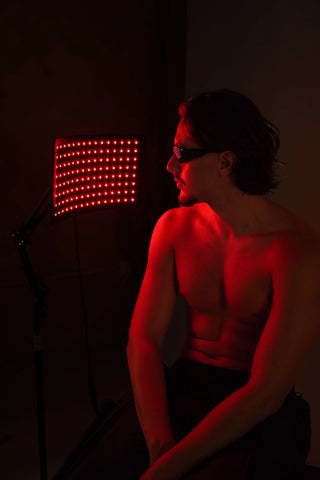
Photobiomodulation with red and near-infrared light is used not only in aesthetics but also for muscle recovery and improving sleep quality. Reducing low-grade inflammation, improving sleep, and promoting systemic tissue repair create a more favorable environment for skin regeneration. Integrating regular sessions with quality LED light devices, such as those available in KUMO's LED therapy collection , can be part of a recovery routine that benefits both skin and daily performance.
Circulation, muscle tension and face
Many people with sagging and heavy facial skin also experience muscle tension in their neck, shoulders, and jaw , and difficulty recovering after a long day. Improving mobility and circulation indirectly influences the appearance of the face.
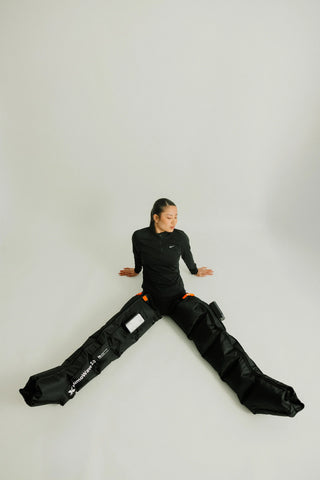
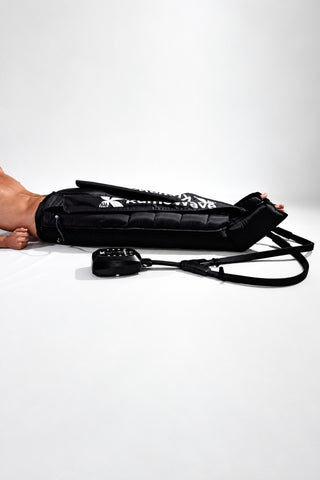
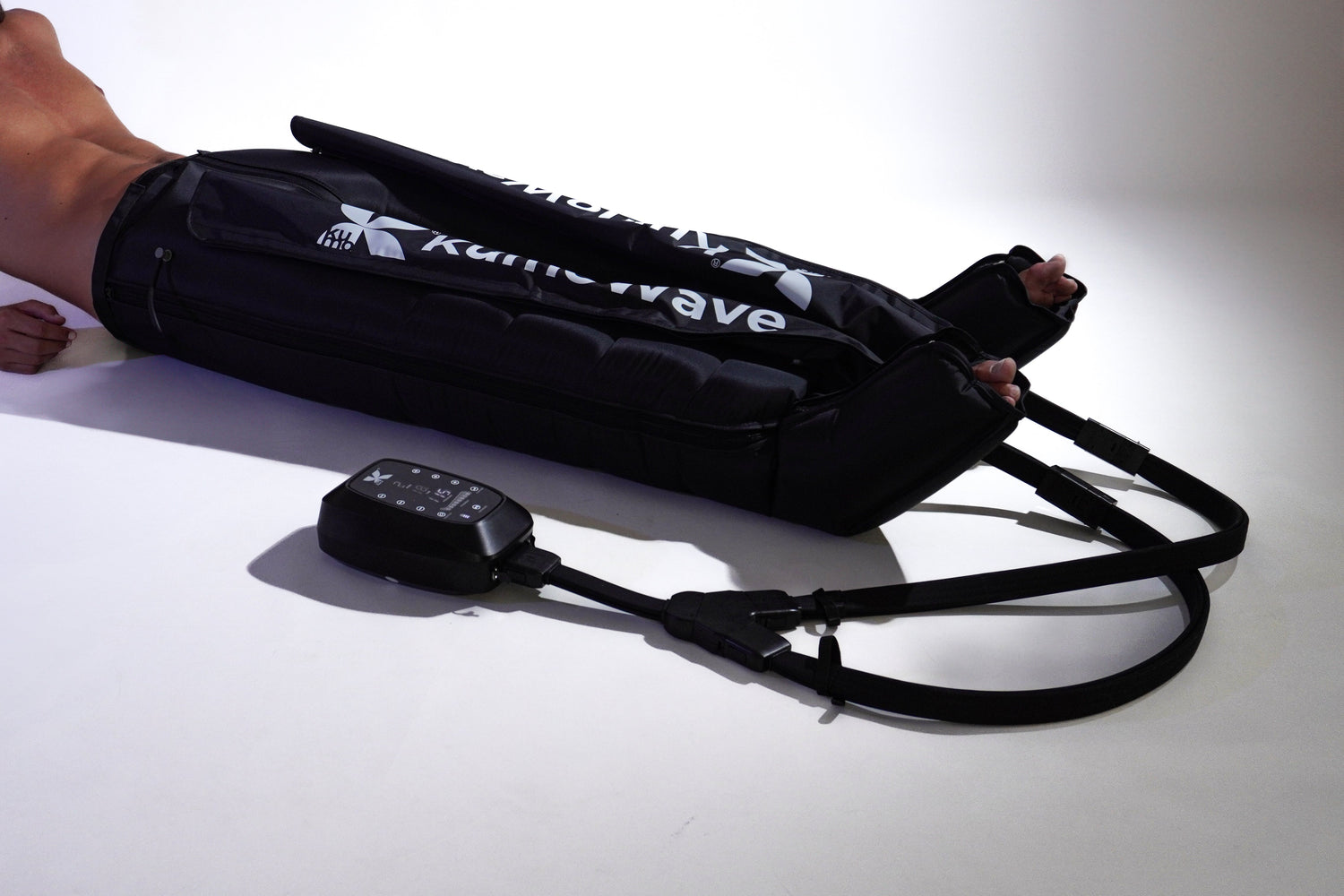
- Pressotherapy boots help activate circulation in the legs and venous return, promoting a better overall feeling of lightness.
- A massage gun like KUMOPULSE Air can help release deep muscle tension after training or a long day at work, resulting in better posture and less strain on the neck and jaw.
All of this does not replace specific facial treatments, but it does support a lifestyle in which the body and skin recover better every day.
Frequently asked questions about facial sagging
At what age does facial sagging usually appear, and is it normal to see it at 30?
Loss of firmness is a gradual process. Research on skin aging shows that collagen production begins to decline around age 20–25, at a rate of approximately 1–1.5% per year. In many people, noticeable signs (less defined jawline, less full cheeks) appear from age 35–40, but in thin skin, smokers, or those with significant sun exposure, it can be noticeable earlier. Some mild sagging in your 30s is not uncommon, especially after significant weight loss or pregnancy, but it is a sign to increase sun protection, improve your habits, and refine your skincare routine.
Do facial exercises really work to tighten the skin?
The evidence is limited but promising. A 2018 study in JAMA Dermatology of 16 women showed that 20 weeks of daily facial exercises were associated with fuller cheeks and a slight reduction in apparent age in photos evaluated by dermatologists. However, this was a small, uncontrolled group of only middle-aged women, so we cannot generalize the results. Currently, these exercises are considered a low-cost, low-risk complement that can help improve muscle tone and aesthetic perception, but they do not replace sun protection, good habits, or medical treatments when necessary.
Is it possible to reverse facial sagging without surgery?
To a certain extent, yes. In cases of mild to moderate sagging, a combination of consistent topical care , lifestyle changes (nutrition, sleep, exercise), facial exercises , and non-invasive technologies such as LED light, radiofrequency, or HIFU can significantly improve the appearance of the skin and facial contours. However, when there is significant excess skin, marked fat displacement, and advanced bone changes, non-surgical options have limited scope, and a facelift may be the most effective alternative. A facial aesthetics specialist can help you determine your suitability and develop a realistic treatment plan.
What is best for mild facial sagging: radiofrequency, HIFU or LED light?
There is no single "best" treatment. Radiofrequency and HIFU work on deeper layers (dermis and SMAS), so they are usually recommended for moderate sagging or for people seeking a more intense tightening effect, accepting potential discomfort and a higher cost. Red LED light , on the other hand, has a very high safety profile and is suitable for improving skin quality, fine wrinkles, and supporting collagen production, especially if the sagging is mild. Different technologies are often combined over time. The ideal choice depends on age, degree of sagging, medical history, and expectations.
What habits worsen facial sagging the fastest?
The three major "accelerators" are unprotected sun exposure , smoking , and poor sleep quality . UV radiation breaks down collagen and elastin fibers; smoking reduces oxygen supply to the skin and promotes oxidative stress; and insufficient or poor sleep interferes with nighttime tissue repair. These are compounded by a sedentary lifestyle, extreme diets (with rapid weight loss and gain), excessive alcohol consumption, and chronic stress. Addressing these factors often has a greater long-term impact than adding a new product and enhances the results of any treatment or technology you use.
So what now?
If you're concerned about facial sagging, the first step is to review your habits: sun protection, diet, rest, and exercise. From there, you can start incorporating smart tools : a well-designed skincare routine, consistent facial exercises, and, if it suits you, high-end recovery and LED light technologies like those you'll find at KUMO . For specific questions about pressotherapy devices, light therapy, or massage guns, or if you'd like personalized guidance on how to integrate them into your daily routine, you can contact us through the KUMO contact page. Remember: consistency, sun protection, and quality recovery are the most powerful combination to keep your skin firm for as long as possible.

Facial red light
KumoSkin Mask – LED Facial Mask
★★★★★ 4,8/5 · rated by verified customers
- 250 LEDs in flexible medical silicone
- Red light to boost collagen and glow
- 4 lights: red, infrared, blue and yellow
€299,00€429,00· pay in installments with seQura or Klarna