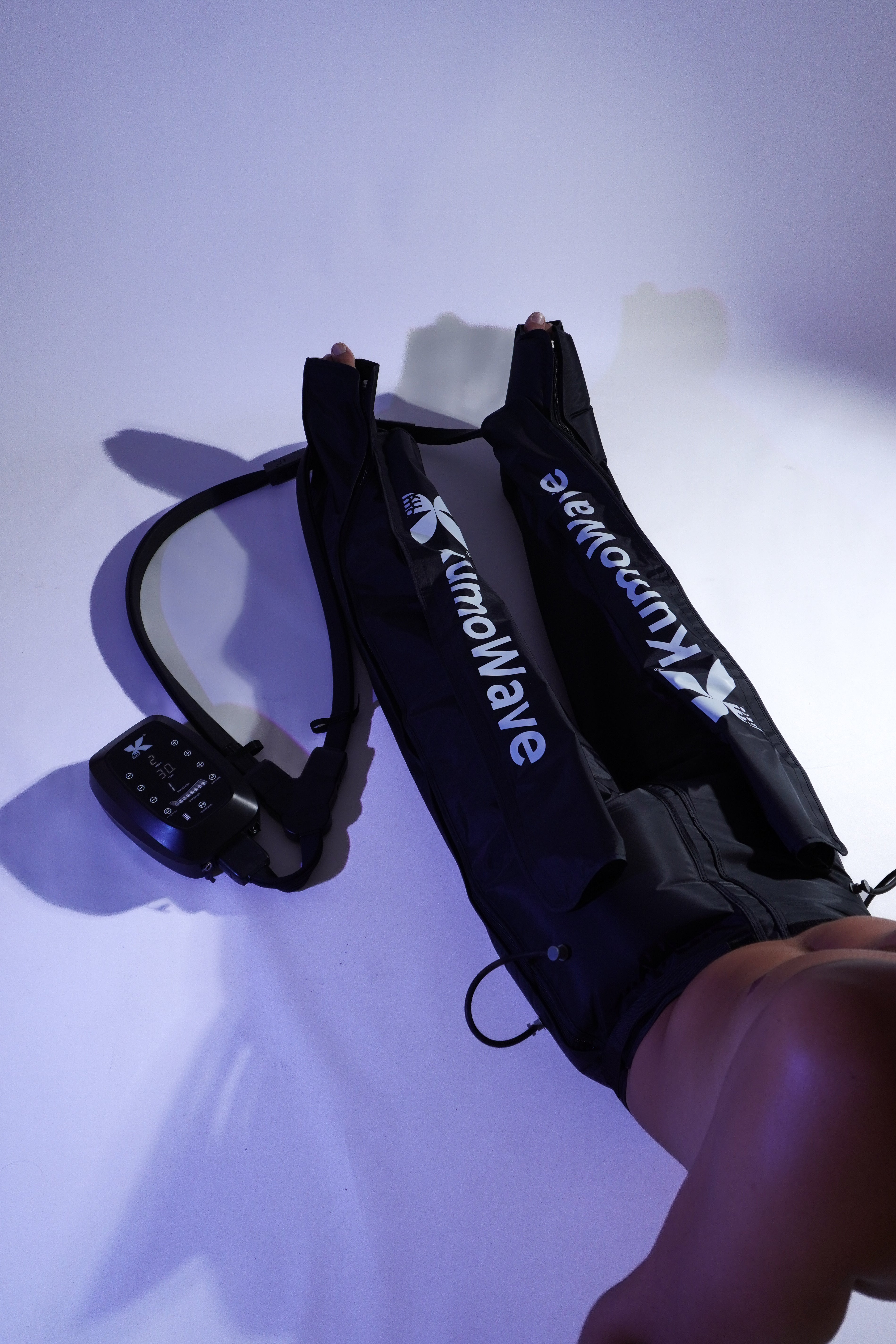

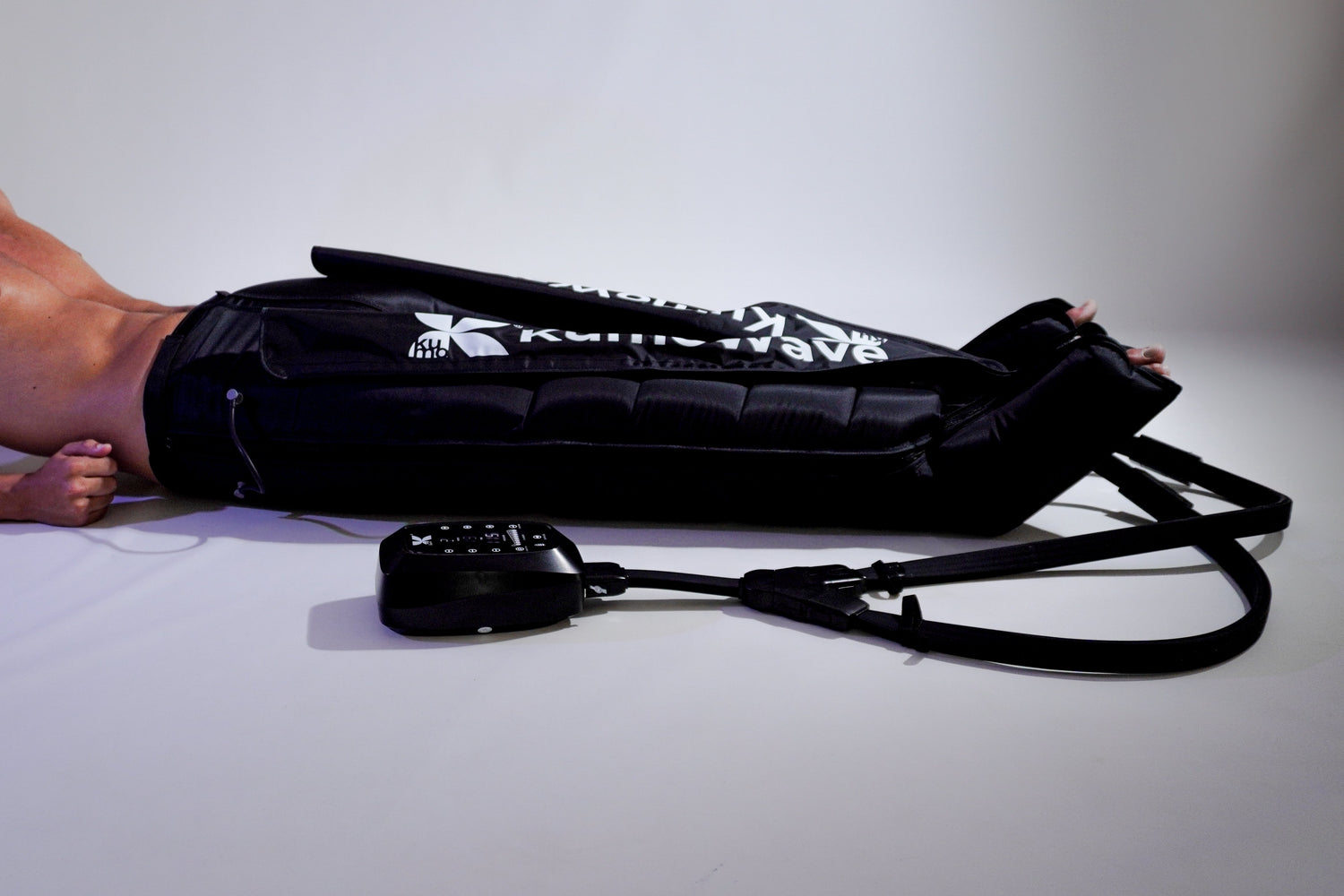
Using compression boots incorrectly can reduce their benefits by half.
In this article you will see the most common mistakes when using pneumatic compression boots at home and how to avoid them to get the most out of your recovery, improve circulation in your legs and use them safely.
Pressotherapy, or intermittent pneumatic compression, has been used for years in hospitals to improve venous return, prevent blood clots in the legs, and treat certain types of edema ( hopkinsmedicine.org ). Today, this technology has reached the home through pressotherapy boots designed for athletes, people with tired legs, or those who spend many hours standing or sitting. But, like any powerful tool, if used incorrectly it can be ineffective or even uncomfortable .
Why it's important to use compression therapy boots correctly
When the boots are sequentially inflated and deflated, they push blood and lymph from the foot toward the heart , mimicking the effect of a muscle pump. Clinical studies have shown that this intermittent compression increases blood flow in the veins of the leg and improves peripheral circulation. ( pubmed.ncbi.nlm.nih.gov )
Proper technique makes the difference between "a simple massage" and a true recovery tool.
Using them correctly helps you to:
- Feel less heaviness and congestion in your legs.
- Facilitate recovery after intense training.
- To accompany, under medical supervision, certain venous or lymphatic problems.
Conversely, improper adjustments, poor posture, or ignoring contraindications can diminish its effects or increase the risk of skin discomfort. ( hopkinsmedicine.org )
Most common mistakes when using compression boots
1. Choosing an incorrect size or fit
A very common mistake is wearing boots that are too loose or too tight. If they are too big, the pressure isn't distributed properly and the effect on circulation is poor; if they are too tight, they can cause tingling, numbness, or deep skin irritation.
How to avoid it:
- Measure ankle, calf and thigh circumference as indicated by the manufacturer.
- Make sure you can fit one or two fingers between the boot and your leg (firm but not painful fit). ( cedars-sinai.org )
- If your volume changes (e.g., significant water retention, weight gain or loss), check your size again.
2. Ignoring medical contraindications and warning signs
Compression boots are safe for most people, but they are not suitable for everyone . Clinical guidelines for pneumatic compression emphasize the importance of evaluating certain vascular or systemic diseases before using them. (pubmed.ncbi.nlm.nih.gov)
You should consult a healthcare professional before using pressotherapy if you have, have had, or suspect you have:
- Deep vein thrombosis (DVT) or pulmonary embolism.
- Decompensated heart failure or edema of cardiac origin.
- Severe peripheral arterial disease, ischemia, or severe arteriosclerosis.
- Active infections in the leg (cellulitis, phlebitis), open wounds or ulcers.
- Intense pain, significant deformities, or loss of sensation in the legs.
Warning signs during or after the session:
- Sharp or burning pain.
- Sudden worsening of swelling in one leg.
- Difficulty breathing, chest pain, or dizziness.
In all these cases, discontinue use and consult a doctor immediately .
3. Setting pressures or programs without any criteria
Another common mistake is increasing the pressure "to the maximum," thinking that more is better. In reality, the effects of compression depend on the combination of pressure, sequence, and duration , and scientific guidelines indicate that there are still aspects of the "optimal dose" to be defined. (pubmed.ncbi.nlm.nih.gov)
How to avoid it:
- Always start with soft or pre-configured programs if your computer offers them.
- Gradually increase the intensity, only if the sensation is comfortable and pain-free.
- Avoid pressure that causes numbness, persistent tingling, or pain.
- If you have a diagnosed venous or lymphatic condition, follow your specialist's instructions.
Think of pressotherapy as a deep, rhythmic massage: it should feel firm, but never aggressive .
4. Making sessions too long or, conversely, hardly ever using them.
Overusing therapy sessions is just as ineffective as using them very sporadically. Spending long periods of time in the boots, especially with high pressure, can cause excessive heat, sweating, or skin irritation. ( hopkinsmedicine.org )
On the contrary, if you only use them "once a month", you will hardly notice any changes in the feeling of light legs or in your athletic recovery.
General recommendations (always following the manufacturer's or professional's instructions):
- Start with short sessions and assess how your legs respond.
- Be consistent: a small but regular dose is better than isolated marathon sessions.
- Allow time between sessions to observe how you feel while walking or training.
5. Use them as a substitute for movement and other recovery strategies
Compression boots do not replace movement , rest, or other basic pillars of vascular health. Clinical evidence shows that pneumatic compression is often used as an adjunct to exercise, early mobilization, and other standard measures. ( my.clevelandclinic.org )
Common mistakes:
- Put on your boots but remain motionless for many hours the rest of the day.
- Relying solely on pressotherapy to treat major venous problems without medical supervision.
- Neglecting hydration, sleep, or good training planning.
Use them as one more tool in your recovery "toolbox" , not as the only solution.
6. Neglecting the skin and hygiene of the equipment
Heat and moisture build up under boots. If the skin isn't clean or sweat, lotion, or dirt accumulates inside the boots, irritation, redness, or unpleasant odors are more likely to appear.
Good practices:
- Wash and dry your legs thoroughly before the session.
- Avoid using very oily creams right before (they can interfere with the fabric and ventilation).
- Clean the inside of the boots with a soft, slightly damp cloth, as directed by the manufacturer.
- Check your skin after each session: if you see blisters, rashes, or wounds, stop and consult a doctor.
Taking care of your skin is also part of a premium recovery experience , in line with the philosophy of brands like KUMO , which integrate aesthetics and well-being.
7. Not maintaining proper posture during the session
Another common mistake is to position oneself in uncomfortable postures or positions that hinder venous return, for example, with the knees very bent or the legs dangling.
Ideally:
- Rest in a supine position (lying on your back) or semi-reclined position.
- Slightly elevate your legs above heart level with a cushion.
- Avoid crossing your legs or bending your knees too much.
In this way, you make the most of the work of the air chambers in the boots , which "push" the blood in the right direction.
How to get the most out of your compression boots
Before we begin: quick checklist
Before each session, take two minutes to check that everything is in order. This mini-routine minimizes usage errors and makes your experience more comfortable.
Table: Common Mistakes and How to Fix Them
| Common mistake | What can happen | How to fix it quickly |
|---|---|---|
| Size or closure incorrectly adjusted | Less effect, discomfort, exaggerated marks | Adjust the Velcro straps until it's firm but pain-free. |
| Pressure too high from day one | Pain, tingling, reluctance to use | Start at low/medium intensity and gradually increase. |
| Very long sessions without a break | Excessive heat, irritation, leg fatigue | Reduce the duration and see how your legs respond. |
| Do not check the skin before/after | Ignoring irritations or wounds | Examine ankles and calves for redness or blisters |
| Poor posture (legs dangling or crossed) | Reduced venous return, discomfort | Lie down or recline with your legs raised and relaxed |
Incorporate this checklist into your routine just like you check your posture before doing a technical exercise at the gym.
During the session: what you should (and shouldn't) feel
A well-adjusted session is usually perceived as:
- A rhythmic massage that starts at the foot and goes up the leg.
- A feeling of firm, but tolerable and even pleasant compression.
- Progressive feeling of lightness when each cycle ends.
It's not normal to feel:
- Sharp pain or burning sensation.
- Prolonged numbness, loss of sensation, or unusual color changes.
- Dizziness or difficulty breathing (in this case, stop the session and seek medical help).
Listening to these sensations helps you adjust pressure and duration intelligently.
After the session: integrate pressotherapy into your routine
After taking off your boots:
- Walk for a few minutes to notice how your legs feel.
- Drink water: fluid mobilization is best accompanied by good hydration.
- Notice if you sleep better or if you feel less stiffness the next day after training.
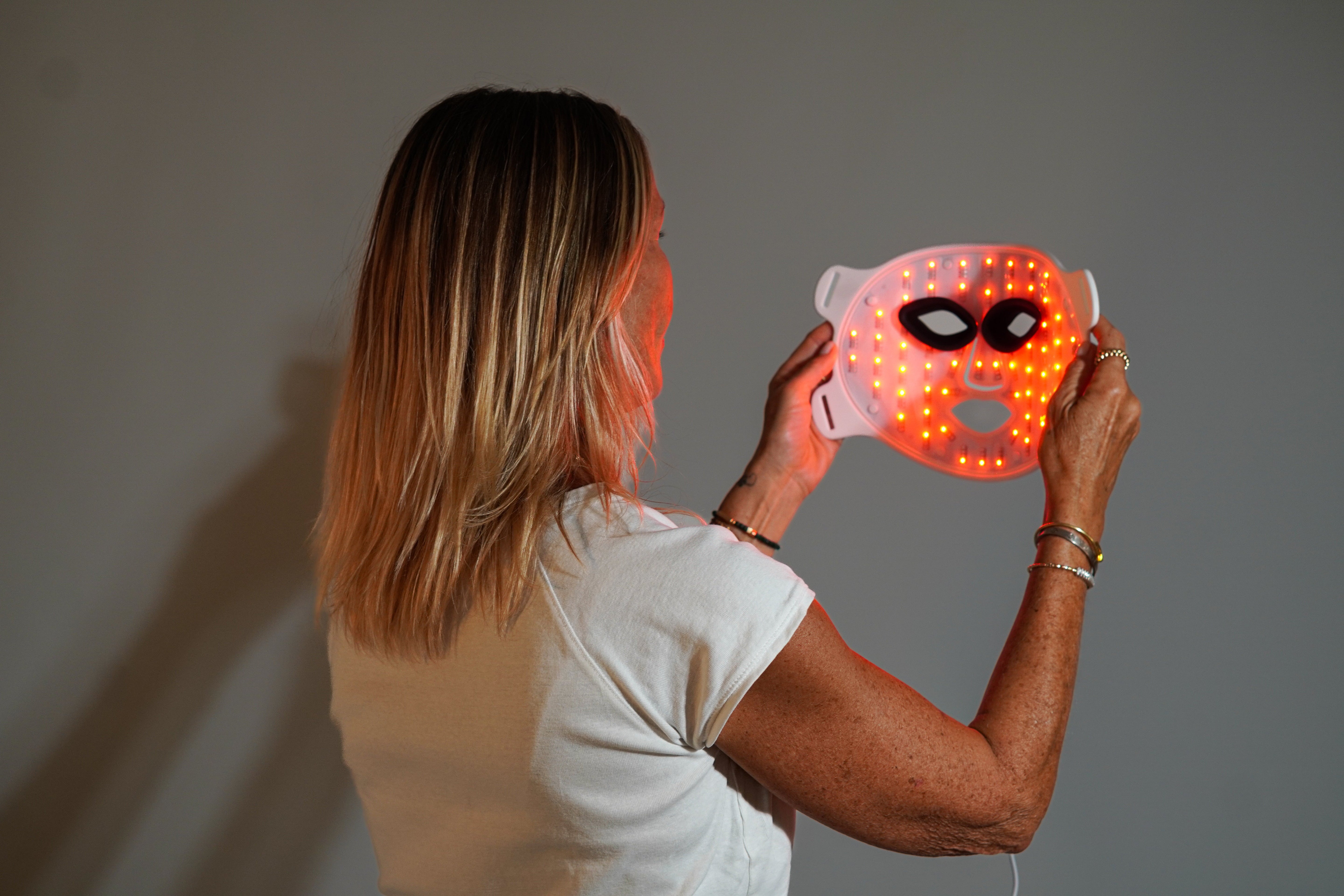
Pressotherapy combines very well with other recovery technologies, such as red light therapy and percussion massage . For example, you can alternate your compression boot sessions with LED light therapy for leg relaxation and skin, available in the LED light therapy section , or with a deep tissue massage using a device like the KUMOPulse Air to release specific tension points.
How to choose and use your compression therapy boots
Although this article focuses on usage errors, it's worth remembering that the quality of the device and its ergonomics also influence the experience . Advanced equipment, such as that found in KUMO's pressotherapy collection, typically offers:
- Well-segmented air chambers for a more homogeneous massage.
- Pre-configured programs (relaxation, sports recovery, drainage).
- Intuitive controls for easy pressure and duration adjustment.
Whichever model you choose, the key is to follow three simple ideas:
- Safety first : If you have any medical concerns, consult a doctor before starting.
- Comfort guided by your sensations : no pain, no numbness.
- Consistency : integrate the sessions into your wellness or training routine.
Frequently asked questions about the use of compression therapy boots
How many times a week is it recommended to use compression boots at home?
The ideal frequency depends on your goal, your health status, and the recommendations of the manufacturer or your healthcare professional. Many people who use them to relieve tired legs or to support sports recovery opt for several short sessions per week , and even daily during periods of higher physical exertion. More important than the exact number is observing how your legs respond : if you notice extra heaviness, discomfort, or irritation, reduce the duration or pressure and consult a specialist.
Is it safe to use compression boots if I spend many hours sitting or standing?
For those who spend long periods standing or sitting, compression therapy can be a useful tool to relieve congestion and promote venous return. However, it should not replace active breaks or regular movement. Getting up, walking for a few minutes, and doing simple ankle exercises remain essential. If you also have vascular risk factors (a history of thrombosis, advanced venous disease, or heart problems), talk to your doctor before incorporating compression boots into your routine.
Can I use pressotherapy after training or running long distances?
Yes, many people use pneumatic compression boots during the post-exercise recovery window , especially after intense strength training sessions or long runs. Intermittent compression can help mobilize fluids and promote a feeling of relief in the leg and foot muscles. It's best to wait until your heart rate has stabilized, hydrate well, and start with moderate pressure and relatively short sessions, adjusting according to how you feel and, if possible, the advice of your trainer or physiotherapist.
What does it feel like during a session with pneumatic compression boots?
It's common to feel a series of "waves" of pressure rising from the foot to the thigh at a steady pace. Many people describe it as a firm, enveloping, and rhythmic massage that, over time, creates a feeling of lightness in the legs. It's normal to feel gentle warmth or a slightly intense pressure, but it should never be painful. If you experience persistent tingling, sharp pain, or significant changes in skin color, stop the session, release the pressure, and check the settings or consult a professional.
Who shouldn't use compression therapy boots without speaking to a doctor first?
Anyone with a relevant vascular, cardiac, or lymphatic condition should seek prior medical advice. This includes a history of deep vein thrombosis, pulmonary embolism, decompensated heart failure, advanced peripheral arterial disease, edema of cardiac origin, active skin infections, open ulcers, or severe leg pain of unknown origin. It is also advisable to consult a doctor if you are pregnant with complications, have recently undergone surgery on your lower extremities, or are taking medication that affects blood clotting. A doctor will be able to assess whether pressotherapy is appropriate for you and under what conditions.
So what now?
If you've made it this far, you already know the key mistakes to avoid to use your compression boots safely, effectively, and enjoyably. The next step is to intelligently integrate them into your recovery routine , along with other habits and technologies that enhance your daily well-being. At KUMO, you'll find an ecosystem of high-end solutions—from compression therapy to LED light therapy and massage guns—designed to transform recovery into a true ritual. And if you have specific questions about which device is best for you, you can contact the team through the contact page.