Introduction: Gentle movement also transforms your body
Movement doesn't have to hurt to be effective. If you want to improve your physical well-being without intense routines or a gym, gentle exercises can become your best ally.
In this article you will discover what they are, how to get started from scratch, practical examples you can do at home, and how to combine them with smart recovery habits to feel less pain, more energy, and a lighter body every day.
Red & infrared light
Recover faster, at home
★★★★★ 4,8/5 · rated by verified customers
The KumoLux panel supports muscle recovery with full-body red and infrared light.
- 660 nm red + 850 nm infrared light
- Full-body muscle recovery
- Clinically validated biohacking protocols
€399,00€499,00
−10% on your 1st order when you subscribe to the newsletter

According to the World Health Organization, more than a quarter of adults worldwide do not meet the minimum recommended levels of physical activity (2022 data). Staying active, even with gentle movements, is associated with a lower risk of cardiovascular disease, improved mood, and better sleep quality.
What is physical well-being and why are gentle exercises so powerful?
Physical well-being is much more than simply "not being sick." It includes having energy for your daily routine, sleeping well, moving without chronic pain, and recovering quickly from exertion. It's a balance between strength, mobility, rest, and stress management.
Personalized protocol · included with your purchase
Want us to tell you how to use it in your case?
With your purchase, our experts set up your red and infrared light sessions for your sport and goal.
Message us on WhatsAppOur experts reply · no obligation
Gentle exercises are low- to moderate-intensity movements, easily adaptable to almost any age and fitness level. Their goal is not to break records, but to build a solid foundation of health.
- They activate circulation without overloading the joints.
- They improve mobility and posture.
- They help regulate the nervous system and reduce stress.
- They promote a more restful night's sleep.
Combined with quality recovery—massage, active rest, and technologies such as LED light therapy —these exercises become a very complete tool for taking care of your body in the long term.
Key benefits of gentle exercise for your body and mind
1. Less pain and more joint mobility
Gentle mobility exercises and dynamic stretching help to "lubricate" the joints, improve range of motion, and reduce stiffness. This is especially helpful if you spend many hours sitting, work at a computer, or experience back pain at the end of the day.
on your first order when you join the newsletter
We send you the code instantly. No spam.
Regular moderate exercise is associated with a lower incidence of lower back and joint pain in adults, according to multiple scientific reviews published in the last decade. It's not about pushing yourself too hard, but about moving frequently and using good technique.
2. Improved circulation and lighter legs
Walking, gentle cycling, or ankle and calf exercises activate the leg muscle pump and promote venous return. This activation helps reduce the feeling of tired or swollen legs at the end of the day.
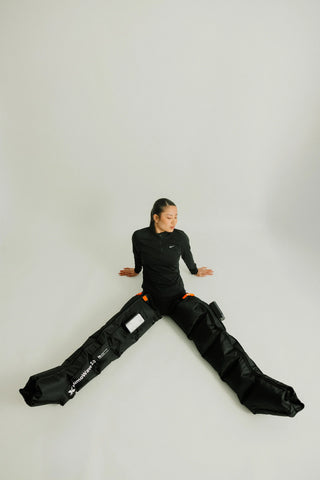
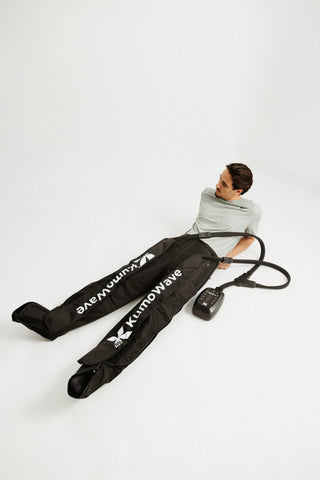
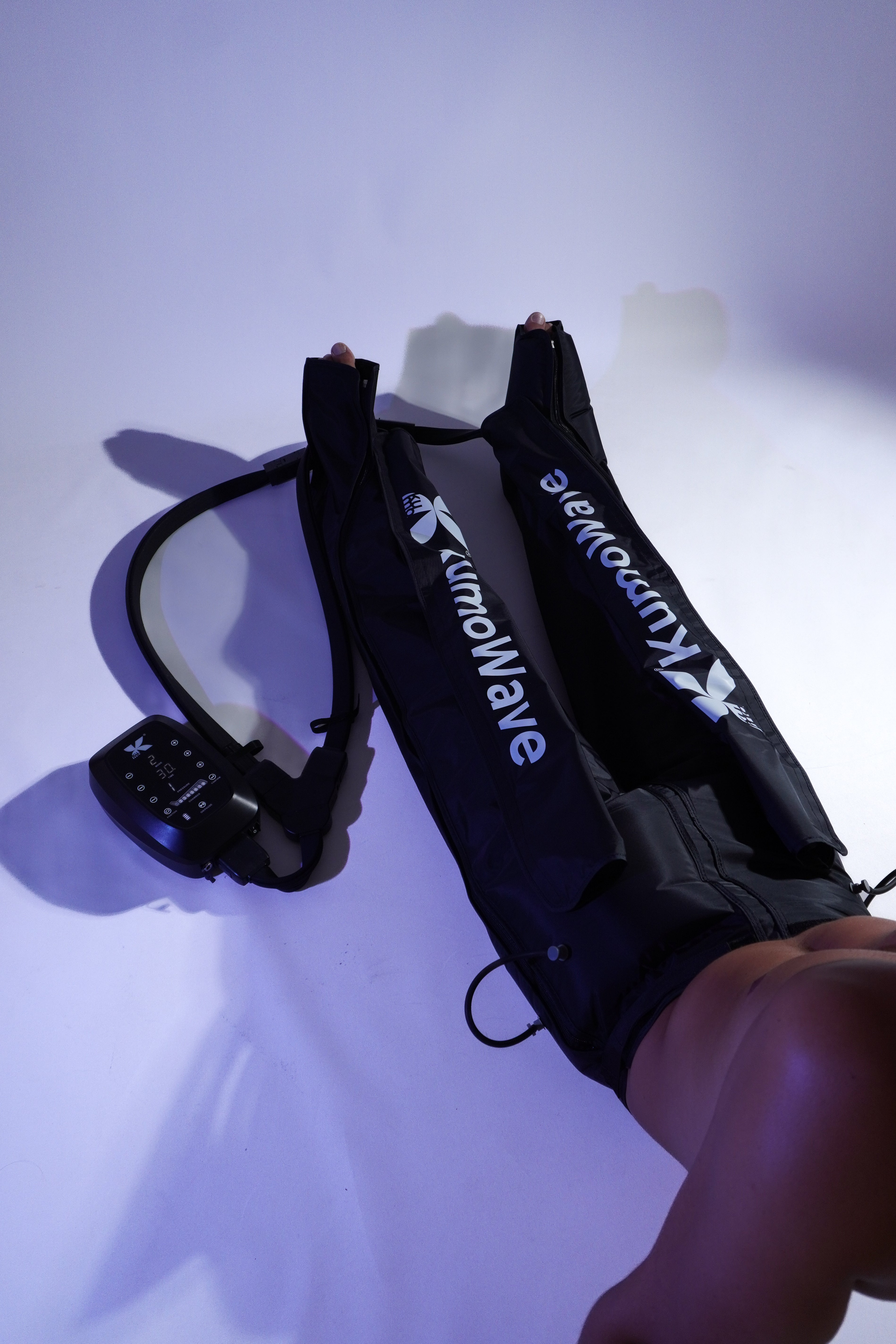
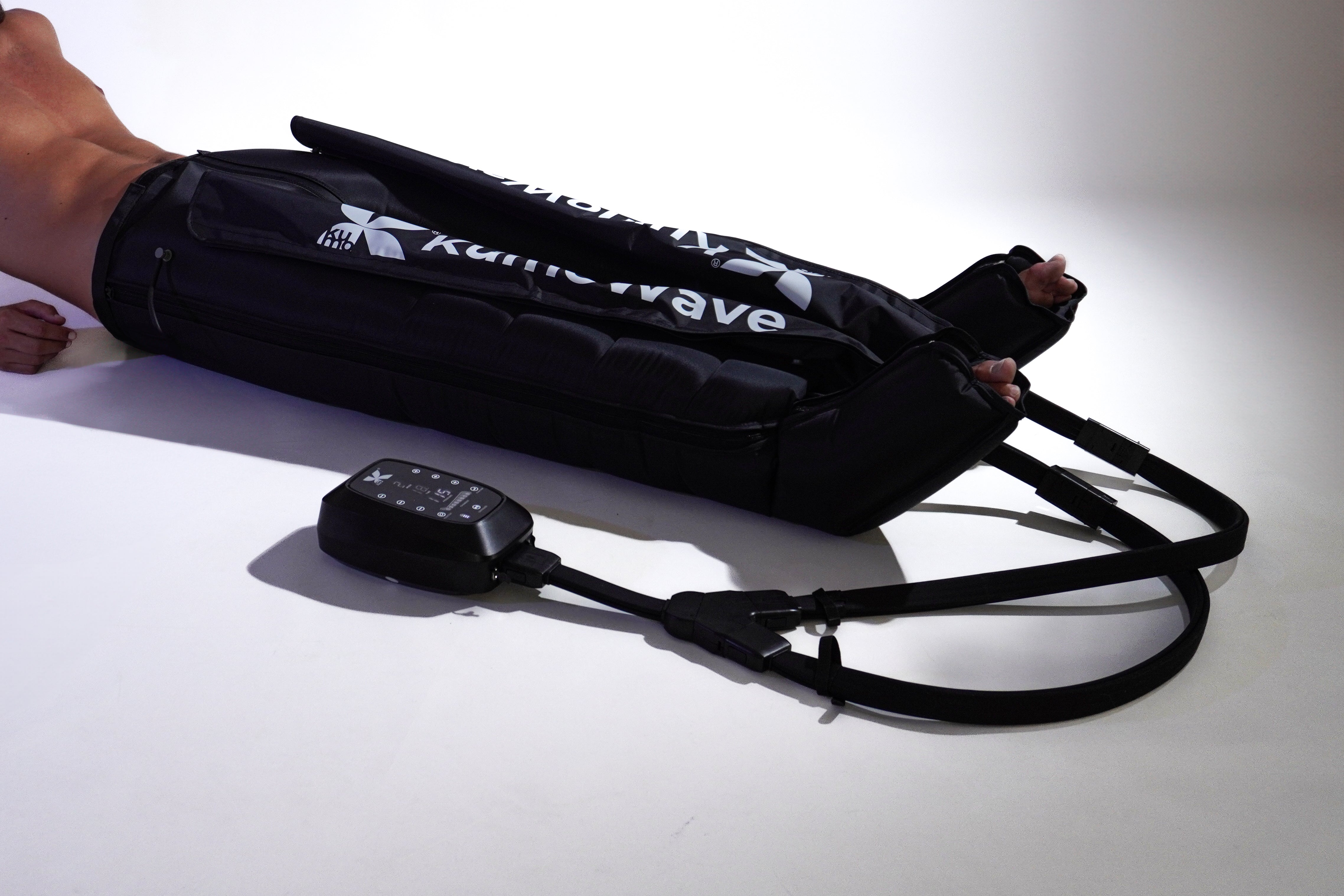
To enhance this effect, many people combine gentle movement with specific recovery technologies, such as compression boots , which use sequential compression to stimulate circulation and relieve the feeling of heaviness in the lower limbs.
3. Stress regulation and improved sleep quality
Low-intensity exercise, practiced regularly, helps balance the nervous system, reduce perceived stress levels, and improve mood. Walking outdoors, practicing gentle yoga, or doing mindful breathing exercises are simple but very effective tools.
In addition, the combination of gentle movement and good sleep hygiene (regular schedules, dim light at night, avoiding screens before bed) is associated with deeper sleep. Technologies such as red light therapy are also used to support circadian rhythms and nighttime recovery.
4. More energy in everyday life
Although it may seem counterintuitive, expending some energy on gentle movement gives you back more energy later. Moderate exercise improves the efficiency of your cardiovascular and respiratory systems, so everyday activities like climbing stairs or carrying bags feel less demanding.
Studies of physical activity in adults indicate that even short 10-minute blocks spread throughout the day generate significant benefits in terms of fatigue and feeling of vitality, especially when at least 150 minutes per week are performed in total.
Basic principles for gentle training without injury
Listening to your body: the rule of “tolerable well-being”
During gentle exercise, slight fatigue or controlled tension is normal, but you shouldn't experience sharp pain, dizziness, or severe shortness of breath. A simple criterion:
- You should be able to hold a conversation during the exercise.
- The effort should be felt between 4 and 6 out of 10.
- If the pain exceeds 5/10 or persists the next day, reduce its intensity or volume.
Gradual progression: little by little, but getting a little better each time
The key to sustainable physical well-being isn't doing a lot one day, but a little bit almost every day. Make small changes:
- Start with 10–15 minutes of movement 3 times a week.
- Increase by 5 minutes per session every 1–2 weeks if you feel well.
- Alternate days of walking, mobility, and gentle strengthening.
Recovery: Your “invisible training”
Real improvement is consolidated when you rest and recover properly. Some helpful strategies include:
- Self-regulation of effort according to how you feel each day.
- Massage routines with tools such as a massage gun to loosen muscles after exercise.
- Regular pressotherapy sessions, especially if you spend many hours standing or sitting.
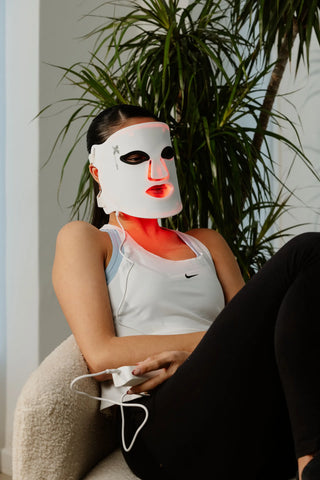
- Use of LED masks and red light to support muscle recovery and skin care.
Gentle exercises for physical well-being that you can do at home
Joint warm-up (5–10 minutes)
Before any routine, take a few minutes to warm up your joints. Some simple movements:
- Neck circles : gentle crescent-shaped movements, avoiding pulling the head too far back.
- Shoulder rotations : forward and backward, 10 repetitions in each direction.
- Hip circles : hands on waist, 10 circles per side.
- Ankle mobility : circles with the foot in the air or supporting the toe and heel alternately.
These movements prepare muscles and joints to move more safely and with less risk of discomfort.
Examples of gentle strength exercises
Strength training with low loads and controlled movements is key to maintaining muscle mass, posture, and independence as we age. Some adaptable exercises include:
- Squat to chair : sit down and stand up from a chair, using your hands only if needed.
- Incline push-ups : supporting your hands on the wall or on a stable table.
- Glute bridge : Lying on your back, feet supported, raise your pelvis without straining your lower back.
- Elastic band row : seated or standing, pulling the band towards the chest with a straight back.
Perform 2–3 sets of 8–12 repetitions per exercise, resting 1 minute between sets.
Gentle mobility and stretching exercises
These movements help improve your range of motion and make your body feel more "unblocked":
- Spinal roll : Standing, gently roll your back, letting your arms fall towards the floor, and rise vertebra by vertebra.
- Chest stretch against the wall : forearm supported and gently rotate the torso in the opposite direction.
- Hip stretch : While seated, place one ankle on the opposite knee and bring your chest towards your thigh.
- Cat-camel : on all fours, alternate arching and rounding your back.
Gentle cardio exercises
You don't need to run to take care of your heart. Gentle options include:
- Mindful walking : 10–30 minutes, at a pace that allows you to talk.
- Lightweight exercise bike : perfect if you have knee pain when walking.
- Marching in place : gently raising knees and moving arms.
- Gentle dance : with your favorite music, avoiding sudden jumps.
Aim to accumulate at least 150 minutes of moderate aerobic activity per week, as recommended by many international health guidelines.
Summary table of a gentle weekly routine
Example of a weekly plan for gentle exercise
| Day | Approximate duration | Type of exercise | Main objective |
|---|---|---|---|
| Monday | 25–30 min | Warm-up + gentle lower body strength training + stretching | Improve leg stability and strength |
| Tuesday | 20–30 min | Moderate walk or gentle cycling | Basic cardiovascular fitness |
| Wednesday | 20–25 min | General mobility + breathing | Reduce tension and improve joint range of motion |
| Thursday | 25–30 min | Soft upper body + core strength | Posture and back protection |
| Friday | 20–30 min | Walk, gentle dance, or any activity you enjoy | Adherence and enjoyment of movement |
| Saturday | 15–20 min | Long stretches + relaxation | Recovery and active rest |
| Sunday | Free / short walk | Light, unstructured movement | Listen to your body and recharge your energy |
How to combine gentle movement and recovery technologies
Muscle massage to release tension
After a walk or light strength training session, you can apply a targeted massage to improve circulation and relieve muscle tension. A massage gun allows you to work on specific areas (calves, quadriceps, upper back) with varying intensities, adjusting the pressure to your comfort level.
The key is to keep movements slow, no more than 1–2 minutes per muscle group, and avoid areas of intense pain or joints directly.
Pressotherapy for tired legs
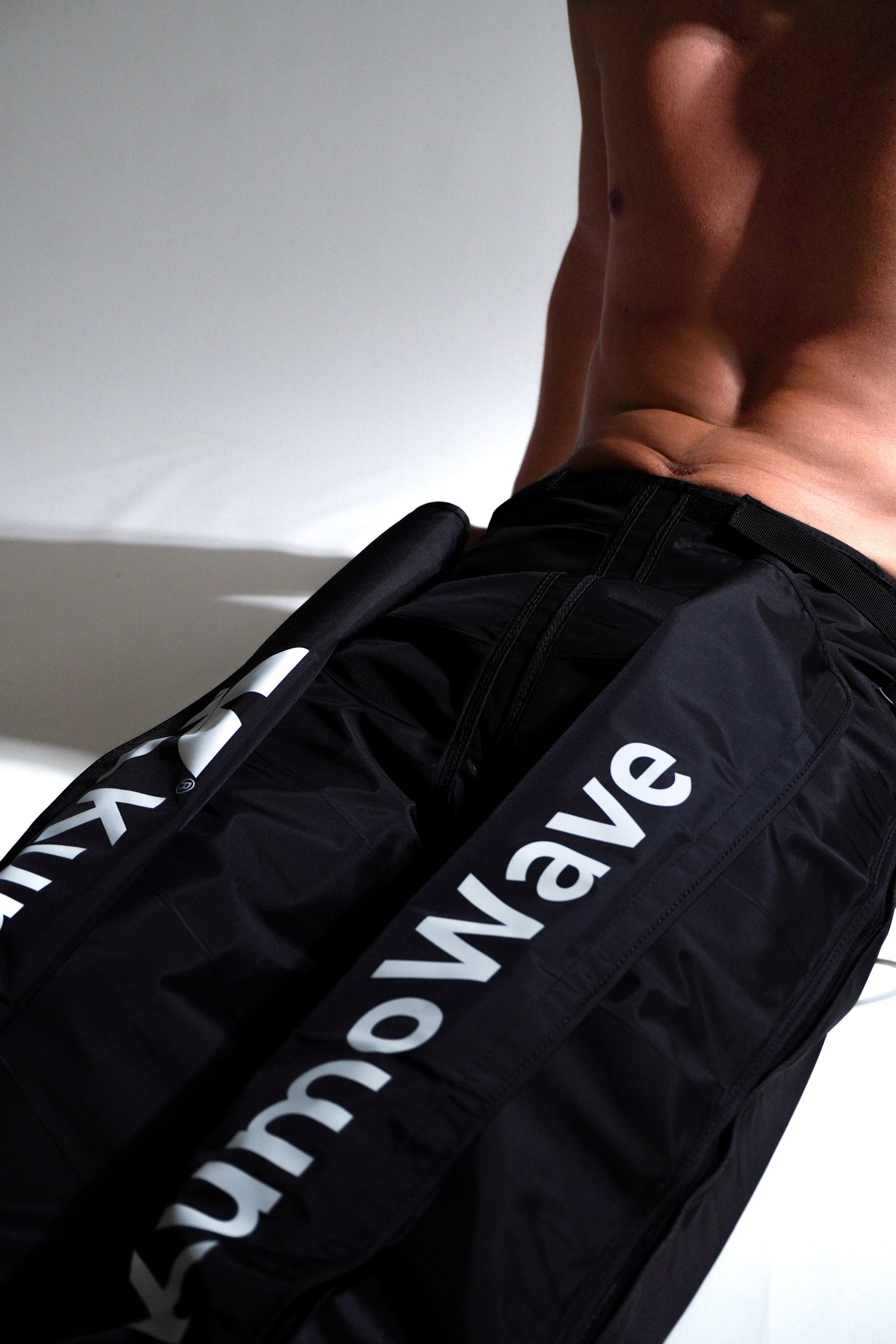
If you suffer from heavy legs at the end of the day, combining gentle exercise with compression boot sessions can provide extra comfort. This technology applies intermittent compression to the legs to stimulate venous and lymphatic return.
Many people incorporate it into their recovery routine 2-3 times a week, especially if their job involves standing or sitting for long periods.
LED and red light therapy for skin recovery and care
LED light therapy uses specific wavelengths to support natural repair processes in the skin and, in the case of red light, to promote muscle recovery and relaxation.
Incorporating a short red light session in the afternoon or evening, along with gentle stretching, can be part of a relaxation ritual that helps your body enter rest mode more easily.
Example of a gentle 20-minute daily routine
If you don't know where to start, here's an example of a short session that you can adapt:
- Warm-up (5 minutes) : shoulder circles, hip rotations, ankle mobility and gentle marching in place.
-
Gentle strength block (8–10 minutes) :
- Chair squats – 2 sets of 8–10 repetitions.
- Wall push-ups – 2 sets of 8–10 repetitions.
- Glute bridge – 2 sets of 10–12 repetitions.
- Mobility and stretching (5 minutes) : cat-camel, chest and hip stretch, spine roll.
- Recovery (optional, 3–5 minutes) : deep breathing and, if desired, a quick massage gun on legs or upper back.
Tip: Start with fewer repetitions or for a shorter time than indicated if you haven't exercised in a long time. The important thing isn't to do it perfectly, but to be able to repeat the routine several days a week without feeling exhausted.
How to stay motivated and make physical wellness a habit
Seek pleasure, not perfection
It's easier to maintain a habit when you enjoy the process. Choose gentle activities that you find enjoyable: walking while listening to music, doing light exercises while watching a show, dancing at home… Physical well-being is built over the long term, so adherence is more important than intensity.
Incorporate movement into your daily routine
You don't always need "training" to move. You can:
- Get off one stop early on public transport and walk the rest.
- Take the stairs instead of using the elevator.
- Get up every hour to move your neck, shoulders, and hips.
- Do gentle stretches before going to bed.
Rely on small technological aids
Watches or apps that count steps, provide movement reminders, or offer recovery programs with LED light or pressure therapy can help you measure your progress and stay consistent. The important thing is that these tools adapt to you, not the other way around.
If you want to discover recovery solutions designed to integrate technology aesthetically and functionally into your daily life, you can visit Kumo's homepage at kumobalance.com .
Frequently asked questions about gentle exercise and physical well-being
How many minutes of gentle exercise per day do I need to notice benefits?
Most health guidelines recommend accumulating around 150 minutes of moderate-intensity physical activity per week. Translated into gentle exercises, you could start with 20–30 minutes a day, 5 days a week, combining walking, mobility exercises, and some light strength training. If you're currently very sedentary, even 10-minute blocks, two or three times a day, will provide benefits. The key is consistency: a little each day is better than a lot on a single day.
Are gentle exercises enough to improve my physical condition?
Yes, especially if you start from a sedentary lifestyle or have physical limitations. Gentle exercise improves your cardiovascular fitness, core strength, mobility, and balance, reducing the risk of falls and injuries. Over time, you can slightly increase the intensity or duration if your body allows it. For many adults seeking health and independence, a combination of moderate movement, good recovery, and quality rest is more than enough to significantly improve their physical well-being.
Can I do gentle exercises every day or do I need to rest?
You can do gentle exercises daily as long as you listen to your body and adjust the intensity. The key is to alternate the type of exercise: one day focus more on walking, another on light strength training, and another on stretching and breathing. Even on tired days, you can opt for 10–15 minutes of gentle mobility or a short walk. Rest is also part of training, so prioritize getting enough sleep and use recovery strategies like massage or compression therapy when you feel particularly fatigued.
What gentle exercises are best if I have back pain?
In cases of back pain, it's important to consult a healthcare professional first to rule out serious causes and receive a proper diagnosis. From there, gentle spinal mobility exercises (cat-cow stretches), core strengthening (glute bridges, gentle abdominal activation), and posture work (band rows, chest stretches) are usually recommended. Avoid sudden movements or heavy loads at the beginning. Complementing this with muscle recovery techniques and active breaks throughout the day can also help relieve discomfort.
How do I know if I need extra support besides exercise to improve my physical well-being?
If, despite regular gentle exercise, you continue to experience intense fatigue, persistent pain, difficulty sleeping, or a feeling of heaviness in your legs, it may be helpful to review other key areas: diet, stress management, and the quality of your recovery. In some cases, incorporating tools such as compression therapy to improve leg circulation, localized massage, or red light therapy to support rest can make a significant difference. If you have any concerns, it is advisable to consult a healthcare or exercise professional for a personalized assessment.
So what now? Take the next step towards your physical well-being
Improving your physical well-being doesn't require drastic overnight changes. Start with a gentle 10–20 minute routine, choose two or three simple exercises from this article, and commit to practicing them several days a week. If you want to take it a step further and integrate recovery technologies to complement your daily movement, explore Kumo's solutions at kumobalance.com , from compression boots to LED therapy and massage guns . And if you have specific questions, you can contact the team through the contact page for personalized guidance.

Red & infrared light
KumoLux Panel – Red and Infrared LED Panel
★★★★★ 4,8/5 · rated by verified customers
- 660 nm red + 850 nm infrared light
- Full-body muscle recovery
- Clinically validated biohacking protocols
€399,00€499,00· pay in installments with seQura or Klarna