
Manual lymphatic drainage is not only understood by its price.
The useful question is what the session includes, when it is worthwhile, and what at-home options can help you safely. When properly indicated, this approach can help manage swelling and is often integrated into a broader plan with compression, exercise, skin care, and, in some cases, learning self-massage. (nhs.uk)
Pressotherapy at home
End the day with light legs
★★★★★ 4,8/5 · rated by verified customers
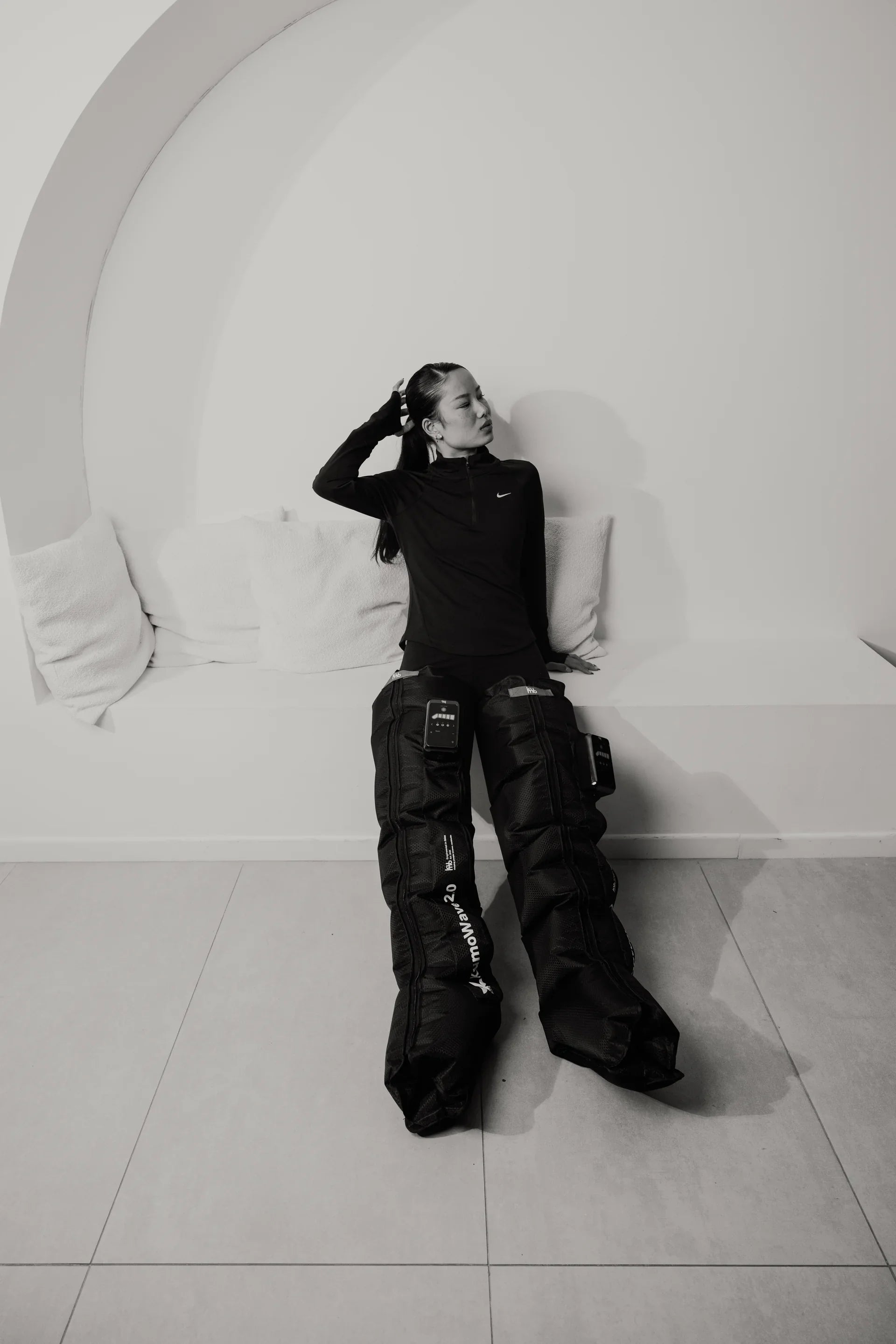
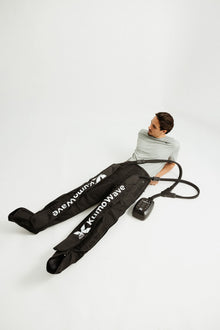
KumoWave pressotherapy boosts circulation and helps drain fluid with sequential compression, in 20-minute sessions at home.
- Boosts circulation and helps drain fluid
- Chamber-based compression, adjustable to you
- Sequential compression that mimics manual drainage
€799,00€999,00
−10% on your 1st order when you subscribe to the newsletter

If you're looking for a clear foundation before booking, it's helpful to first understand how this massage works and why at-home recovery can be part of the same strategy. You can also refer to a broader view of its benefits to see in which cases it makes the most sense.
What is manual lymphatic drainage and when is it recommended?
Manual lymphatic drainage is a gentle technique performed by a trained professional to move fluid from congested areas towards functional lymph nodes. The NHS places it within decongestive therapy and explains that, after the initial phase, simpler maneuvers are also taught to keep swelling under control. If you want to delve deeper into the classic approach, the Vodder method is a very useful historical reference for understanding the logic of the technique. (nhs.uk)
Personalized protocol · included with your purchase
Want us to tell you how to use it in your case?
With your purchase, our experts prepare a personalized usage protocol for your case: sport, circulation, fluid retention, pregnancy or lipedema.
Message us on WhatsAppOur experts reply · no obligation
In practice, it is usually considered when there is persistent fluid retention, lymphedema, post-surgical edema, or a feeling of heaviness that does not improve with rest alone. It is not a strong massage or an isolated "cure," but a specific tool within a more comprehensive plan. (nhs.uk)
Price of manual lymphatic drainage in a clinic: what really changes it
Looking for a single figure often leads to error. The attention time, personalization, treated area, and whether the session includes assessment or guidelines for home greatly change the real value of the appointment. In a practical reference on MLD durations, blocks of 30, 45, or 60 minutes are described depending on the indication, so what's important is not just how long it lasts, but what is done during that time. (somana.com)
What to review before booking a professional session
| What to review | Why it matters | Useful question |
|---|---|---|
| Initial assessment | Allows adapting the technique to the cause of swelling. | Does the session start with a brief evaluation? |
| Treated area | Working on legs, abdomen, or a post-surgical area is not the same. | Is the session focused on my specific problem? |
| Actual duration | Available time conditions personalization. | How long is the manual part and how long is the final guidance? |
| At-home guidelines | Continuity usually improves the result. | Do they teach me what to do between sessions? |
| Follow-up | Complex cases often need progressive adjustment. | Is the evolution reviewed or is only one session left? |
In other words, the price of manual clinic sessions is better understood as a reflection of clinical time, precision, and follow-up rather than a standalone figure. Therefore, comparing only the final amount says little about the actual quality of the experience. (somana.com)
on your first order when you join the newsletter
We send you the code instantly. No spam.
What you can expect from a professional session
The maneuver is very gentle: it usually starts by activating areas where lymph nodes are located, such as the neck and armpits, and then directs fluid from the swollen tissue towards these drainage pathways. Cleveland Clinic also reminds us that the massage is not suitable for everyone: it can help a lot with lymphedema or post-surgical swelling, but it is not the right option if there are blood clots, cellulitis, infection, or fever. (my.clevelandclinic.org)
The classical technique, as explained by the practical approach to manual lymphatic drainage, is precisely based on light, painless, and well-ordered sequences. This is what differentiates it from a deep pressure massage. (my.clevelandclinic.org)
Scientific evidence does not present it as a universal miracle, but rather as a useful tool in specific contexts. A 2022 meta-analysis of 11 trials and 1,564 patients with breast cancer-related lymphedema found significant improvements in lymphedema incidence and pain. At the same time, previous reviews continue to point to variable results in quality of life, reinforcing the idea of combining it with compression, exercise, and self-care. (pubmed.ncbi.nlm.nih.gov)
At-home alternatives: what can help you without leaving home
You can do useful things at home, but with a clear rule: gentle, simple, and supervised when there's a diagnosis. The NHS on lymphedema treatment explains that the maintenance phase may include simple lymphatic drainage, a simpler version that the therapist teaches the patient or caregiver. If you're looking for a practical explanation, the step-by-step guide to doing it at home will help you understand the general order of work. (nhs.uk)
Simple self-drainage, without over-pressing
The Gateshead Health SLD guide recommends doing it with slow, very gentle movements, for about 20 minutes, without pressing too hard and avoiding the technique if there is cellulitis or infection. It's a good reference to understand that home drainage does not aim for intensity, but for consistency and correct direction. (gatesheadhealth.nhs.uk)
If the discomfort is concentrated in the abdomen, a localized application like the one covered in the abdominal lymphatic drainage guide can also help, always understood as gentle support and not as a substitute for a clinical plan when swelling is significant.
Movement, elevation, and compression
Movement also counts: the NHS includes exercises, walking, cycling, or swimming, as well as elevating the affected area when possible. In parallel, compression remains a maintenance staple; a guide from the CHFT lymphedema unit on compression reminds us that compression garments help move fluid towards areas with functional lymph nodes and must fit well. (nhs.uk)
Home pressotherapy as support, not an automatic substitute
If you are looking for a mechanical alternative to use at home, pressotherapy or intermittent pneumatic compression can be a useful complement in some cases. A recent review on intermittent pneumatic compression in lymphedema concluded that, added to decongestive treatment, it can improve the condition in the short term, although the results depend on the protocol and the patient's profile. (pmc.ncbi.nlm.nih.gov)
When to prioritize a clinic over home treatment
The at-home option does not replace a professional evaluation when there is persistent swelling after surgery, lymphedema, lipedema, or warning symptoms. Cleveland Clinic warns that manual drainage should not be done with blood clots, cellulitis, infection, fever, heart disease, kidney failure, or stroke, and the NHS adds that some compression garments are not suitable for arterial problems in the legs. (my.clevelandclinic.org)
If you want to expand the general context, the overview of health benefits can help you distinguish between wellness use, maintenance use, and therapeutic use.
Frequently asked questions
What is the price of manual lymphatic drainage in a clinic and what does the session include?
There is no universal rate. The final cost depends on how long the session lasts, whether it includes an initial assessment, which area is treated, and whether the therapist provides home maintenance guidelines. In addition, specialized attention and personalization influence more than the isolated maneuver. As a format reference, some MLD sessions are organized into blocks of 30, 45, or 60 minutes depending on the indication. The most helpful thing is always to ask what exactly the session includes. (somana.com)
What benefits does manual lymphatic drainage provide and how long does a typical session last in a clinic?
Manual drainage can help reduce swelling, heaviness, and discomfort, especially when used in a plan that includes compression and exercise. In lymphedema, a session does not always change everything immediately; for others, the effect is more of progressive relief. The typical duration can range from 30 to 60 minutes depending on the area and the clinical indication. (my.clevelandclinic.org)
Are there at-home alternatives for safe and effective lymphatic drainage without equipment?
Yes, but with nuances. At home, the safest options are usually simple drainage taught by a professional, gentle exercises, elevation, and, if prescribed, compression garments. The technique should be slow and light, not aggressive. If there is cellulitis, infection, or worsening swelling, it is advisable to stop and seek a review before continuing. (gatesheadhealth.nhs.uk)
Is manual lymphatic drainage suitable for fluid retention, lipedema, or post-surgical edema?
It can be useful for functional fluid retention, lymphedema, post-surgical edema, and, in some cases, lipedema as support for heaviness and congestion. But it is not used in the same way in all cases and does not replace medical evaluation if there are blood clots, fever, infection, or heart or kidney problems. The key is to adapt the strategy to the cause of the swelling. (my.clevelandclinic.org)
What is the difference between manual and mechanical lymphatic drainage and which is more economical in the long run?
Manual drainage is performed by a therapist with hands and gentle sequences, while mechanical drainage uses pneumatic compression or pressotherapy devices. In the long run, one is not always "cheaper" than the other: if you need many visits, a home system may make sense; if the case is complex, a specialized clinic can provide more precision. The review on IPC suggests that it usually works better as a complement, not as an automatic substitute. (pmc.ncbi.nlm.nih.gov)
What now?
If you want to delve deeper, start with what it is and how it works and with the practical guide to manual lymphatic drainage. If you prefer to build a more comfortable routine at home, the Kumo Balance recovery and wellness proposal gathers resources designed to integrate self-care into your daily life.
KumoWave pressotherapy
Choose your at-home pressotherapy
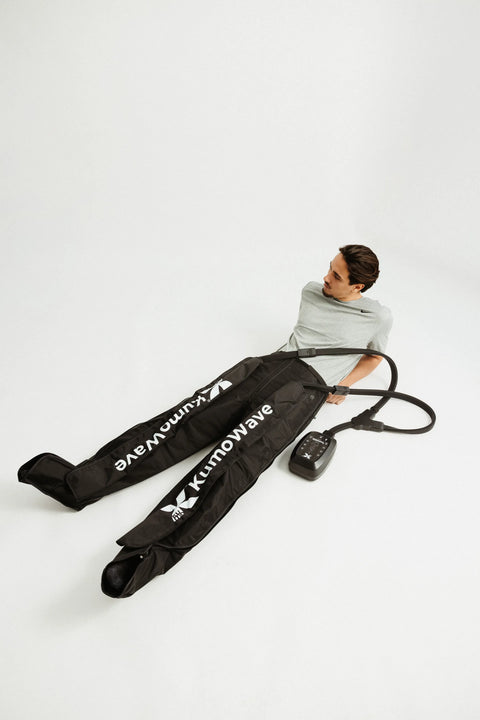
KumoWave Elite – Pressotherapy Pants
Full-coverage trousers. Ideal for lipedema, fluid retention and intensive use.
€799,00 €999,00
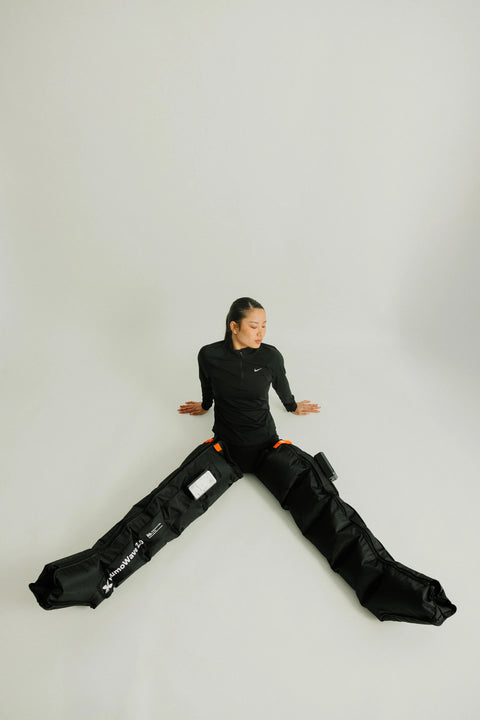
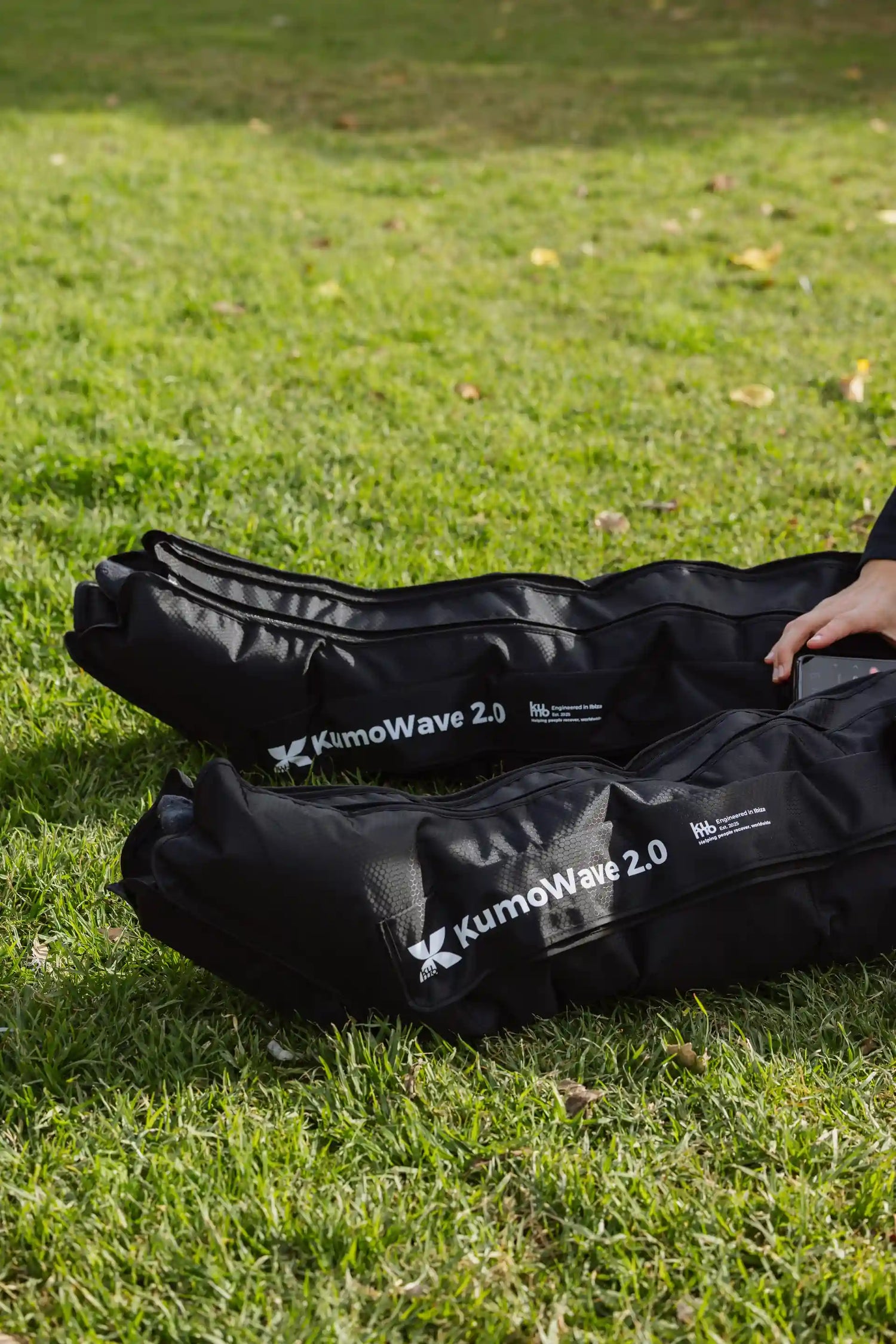
KumoWave 2.0 - Wireless Pressotherapy
Wireless, lightweight boots. Perfect for daily use and recovery.
€499,00 €599,00