
Post-operative lymphatic drainage can make a difference in your recovery.
If you've recently undergone surgery—cosmetic, orthopedic, or oncological—it's natural to want to reduce swelling, alleviate discomfort, and protect the results. This 2025 guide explains what lymphatic drainage actually is, when it's used after surgery, its potential benefits and risks, and how to combine it with other modern recovery strategies and at-home technologies.
This article is for informational purposes only and does not replace the assessment or advice of your surgeon, physiotherapist, or medical team.
Pressotherapy at home
End the day with light legs
★★★★★ 4,8/5 · rated by verified customers
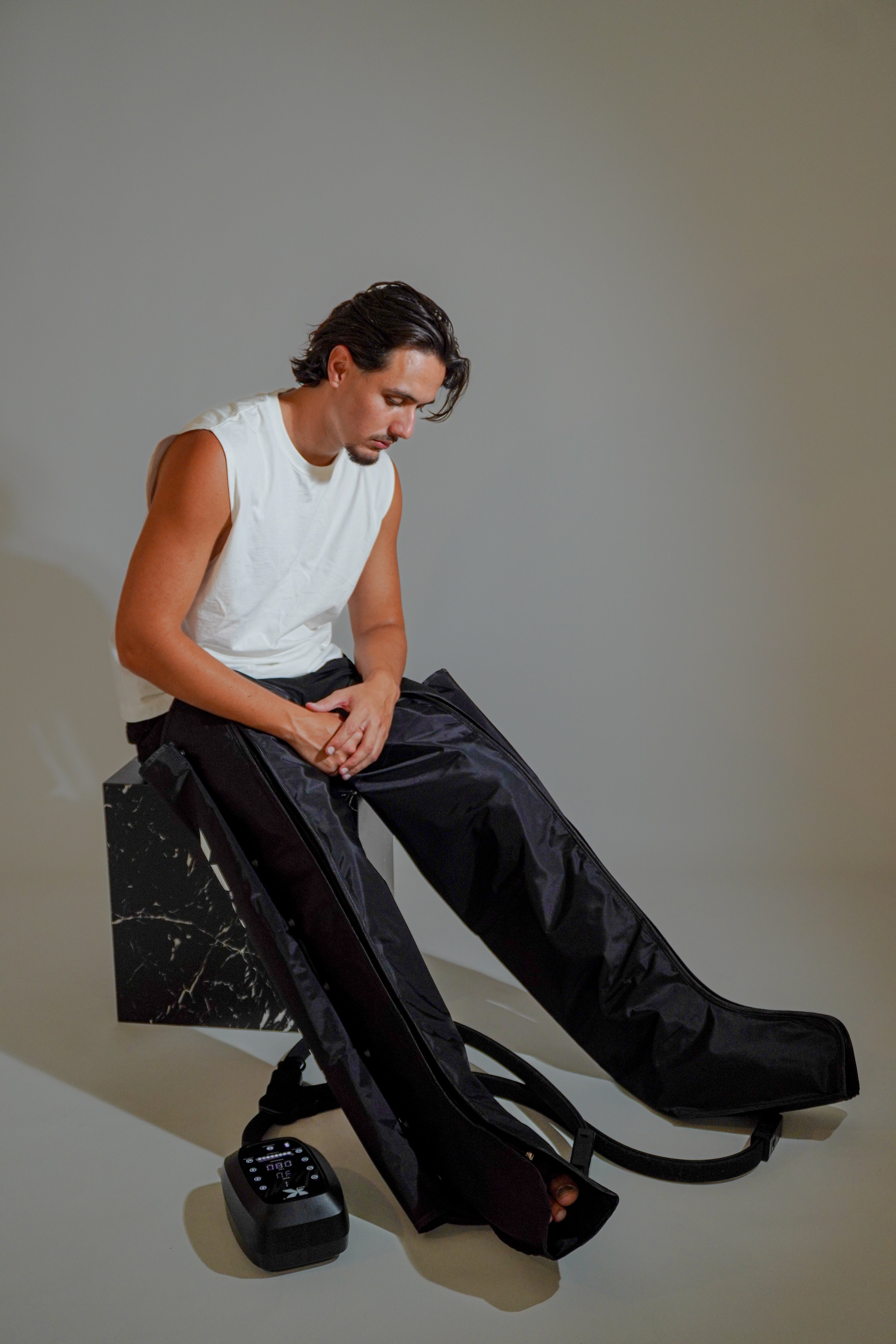
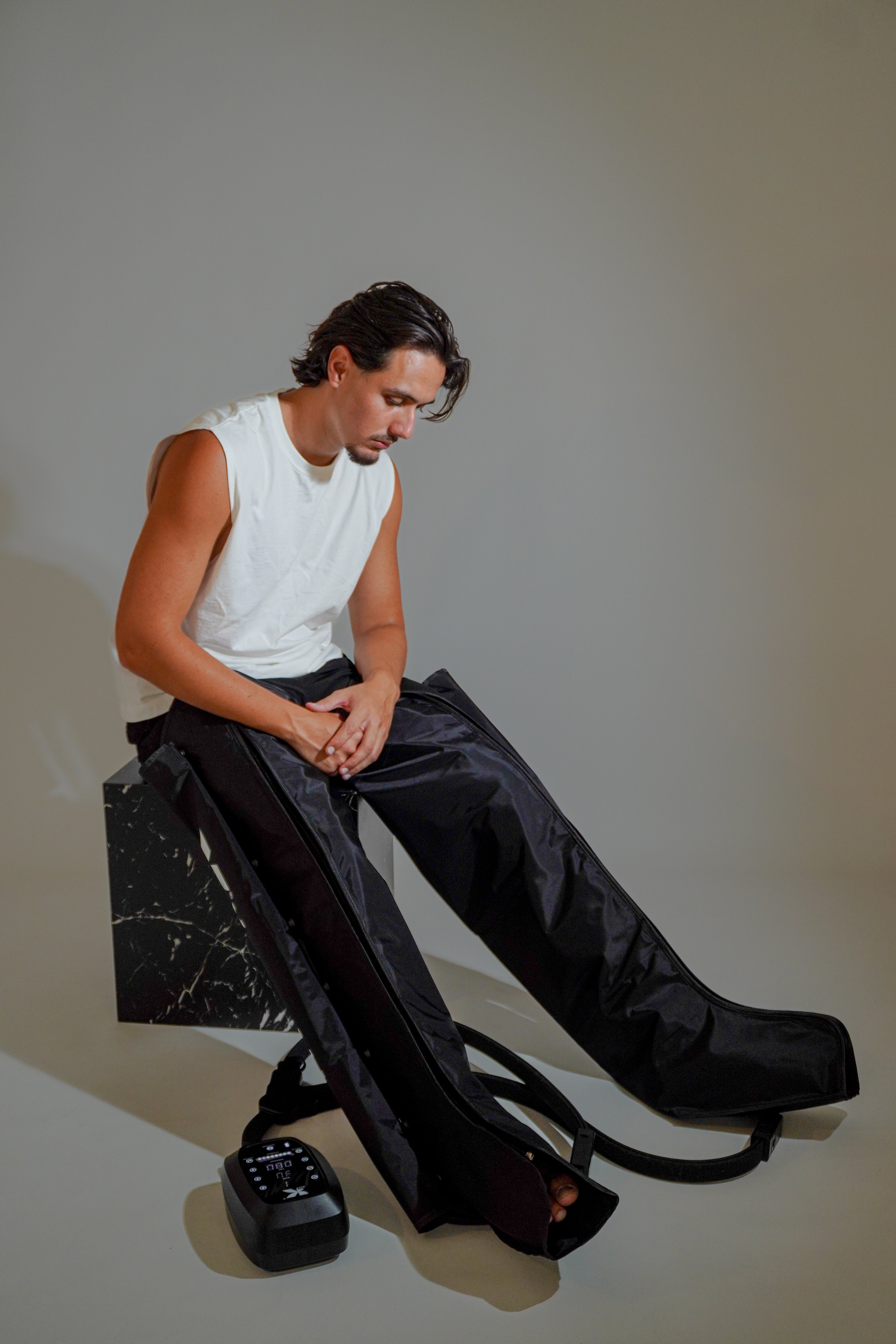
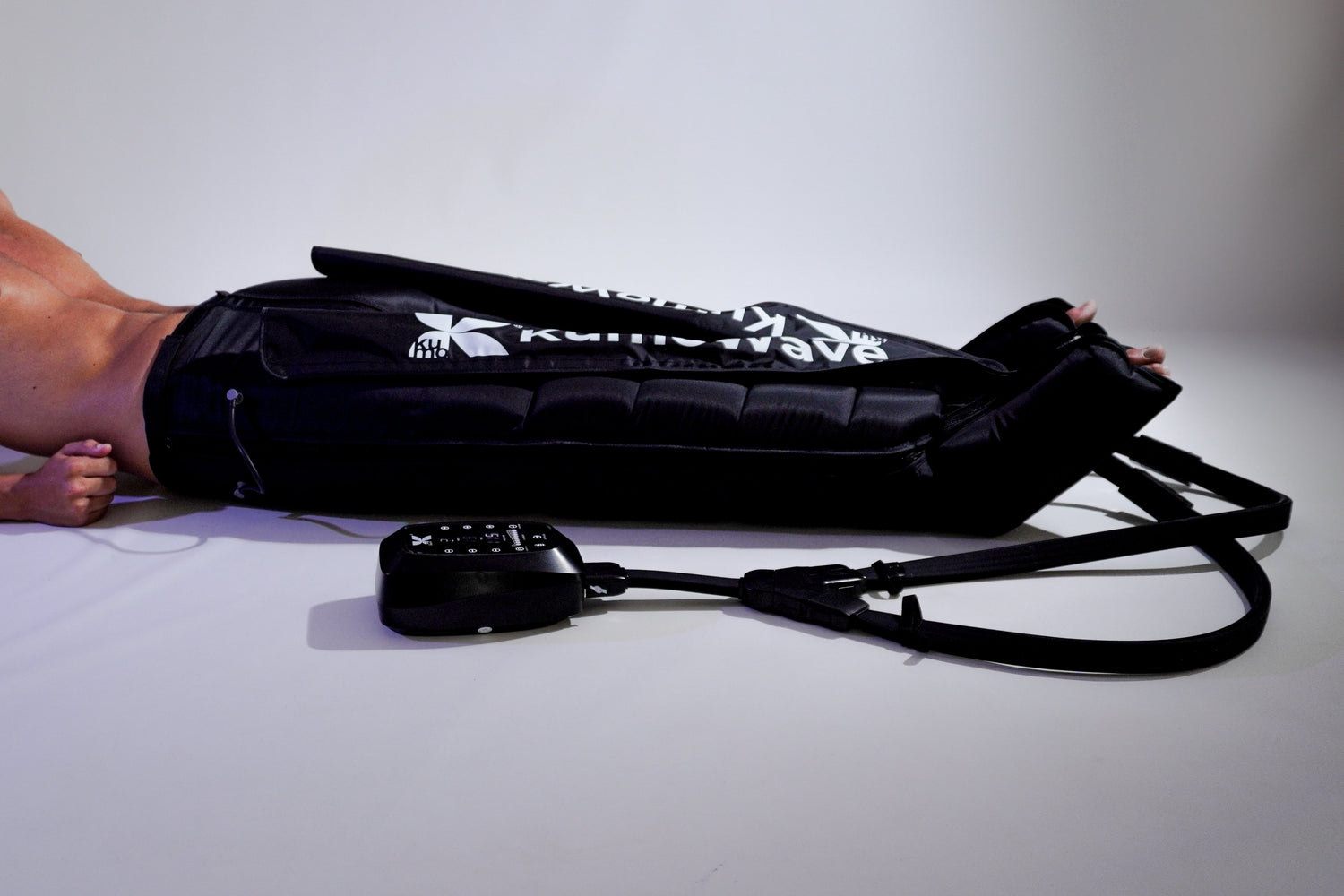
KumoWave pressotherapy boosts circulation and helps drain fluid with sequential compression, in 20-minute sessions at home.
- Boosts circulation and helps drain fluid
- Chamber-based compression, adjustable to you
- Sequential compression that mimics manual drainage
€799,00
€999,00Pay in installments seQura up to 12 months · Klarna up to 3 monthsAdd to cart →−10% on your 1st order when you subscribe to the newsletter
 Free shipping 24/48h 30-day risk-free trial 3-year warranty Decathlon trusts us

What is lymphatic drainage and how does the lymphatic system work?
The lymphatic system is a network of vessels and nodes that helps drain excess fluid from tissues, transport proteins and fats, and participate in immune defense. When it is disrupted—for example, after surgery—protein-rich fluid (edema) can accumulate, causing a feeling of heaviness, tightness, and swelling. ( cancer.gov )
Manual lymphatic drainage (MLD) is a technique involving gentle, slow, and superficial movements on the skin, designed to promote the movement of lymph towards properly functioning lymph nodes and vessels. Unlike a traditional massage, it uses very little pressure and a specific rhythm. (en.wikipedia.org )
Personalized protocol · included with your purchase
Want us to tell you how to use it in your case?
With your purchase, our experts prepare a personalized usage protocol for your case: sport, circulation, fluid retention, pregnancy or lipedema.
Message us on WhatsAppOur experts reply · no obligation
In conditions such as lymphedema, manual lymphatic drainage (MLD) is part of a comprehensive decongestive therapy, along with compression bandages, specific exercises, and skin care. Guidelines from organizations such as the NHS and the National Cancer Institute include it as a cornerstone of treatment, although they emphasize that it is not a definitive cure, but rather a tool for managing symptoms. ( nhs.uk )
In the postoperative setting , lymphatic drainage is widely used in plastic and reconstructive surgery, as well as after some orthopedic surgeries, to modulate edema and improve patient comfort. Scientific evidence is still heterogeneous: clear benefits have been observed in some procedures, while in others the results are more modest or variable. ( pubmed.ncbi.nlm.nih.gov )
Potential benefits of lymphatic drainage in the postoperative period
Although every surgery and every patient is unique, several potentially beneficial effects of lymphatic drainage after an operation have been observed in clinical practice and in various studies:
on your first order when you join the newsletter
We send you the code instantly. No spam.
-
Reduction of post-surgical edema
After liposuction or abdominoplasty, swelling can last for weeks or months. Manual lymphatic drainage (MLD) is used to promote the reabsorption of interstitial fluid and accelerate volume reduction. ( topdoctors.es ) -
Reduction in bruising and feeling of tightness
By improving lymphatic and venous return, many patients report less heaviness, less skin tension, and relief from the "numbness" sensation in the operated areas. ( topdoctors.es ) -
Improved mobility and functionality
In knee surgery, for example, a randomized clinical trial found that manual lymphatic drainage improved active knee flexion up to six weeks after total knee arthroplasty, compared with standard rehabilitation without MLD. ( pubmed.ncbi.nlm.nih.gov ) -
Prevention of fibrosis and adhesions
In cosmetic surgery, manual lymphatic drainage (MLD) is used to try to minimize the formation of hard fibrous tissue (nodules, irregularities) and promote a more homogeneous skin texture, although the quality of the evidence is still variable. ( drterren.com ) -
Subjective improvement of well-being
Many patients describe the sessions as very relaxing, with improved sleep and mood, something especially valuable in a phase of physical and emotional vulnerability.
It's important to clarify that there is no universal protocol or absolute guarantee: the response depends on the type of surgery, the patient's prior lymphatic condition, the technique used, and the practitioner's experience, among other factors. Therefore, lymphatic drainage should always be integrated into a comprehensive, individualized plan, led by your medical team. ( pubmed.ncbi.nlm.nih.gov )
Types of lymphatic drainage and related methods in the postoperative period
In post-surgical practice, various tools are combined to support the lymphatic system. Not all of them are suitable for all patients or for all phases of recovery.
Table 1. Common tools to support lymphatic drainage in the postoperative period
| Method | What does it consist of? | Who applies it? | Typical role after surgery* |
|---|---|---|---|
| Manual lymphatic drainage (MLD) | Gentle and rhythmic movements on the skin, following lymphatic pathways. | Physiotherapist, lymphatic therapist or specifically trained healthcare personnel. | Reduce edema, relieve discomfort, improve mobility of the operated area. |
| Self-draining / simple drainage | Simplified version of maneuvers and deep breathing taught to the patient. | Specialized therapist who instructs the patient. | Maintenance between professional sessions; support in more advanced stages. ( nhs.uk ) |
| Elastic compression (girdles, stockings, sleeves) | Garments that exert constant graduated pressure. | Prescribed and adjusted by a surgeon or therapist. | Edema control and tissue support (widely used in plastic surgery and lymphedema). ( nhs.uk ) |
| Intermittent pneumatic compression devices (clinical pressotherapy) | Inflatable sleeves connected to a compressor that inflate and deflate sequentially. | Use supervised by a doctor or physiotherapist. | Support in some cases of lymphedema or significant edema; used in combination with compression garments. ( ncbi.nlm.nih.gov ) |
| Home recovery technologies (wellness) | Wellness pressotherapy boots, red/LED light therapy, massage guns for non-operated muscles, etc. | Guided self-use, always with medical authorization in the postoperative context. | To complement circulation, general muscle recovery and rest, without replacing the indicated medical therapy. |
*The examples are general: the specific indication must be made by the surgeon or the lymphology/rehabilitation specialist.
When is lymphatic drainage usually indicated after surgery?
There is no single "standard recipe" that works for all procedures. However, there are common patterns in clinical practice:
-
Body cosmetic surgery
Following liposuction, liposculpture, abdominoplasty, thigh lift, or breast augmentation/reduction, many surgeons recommend manual lymphatic drainage to reduce edema, facilitate skin adaptation, and improve comfort. ( drterren.com ) -
Reconstructive and oncological surgery
In contexts with a risk of lymphedema (for example, after lymph node dissection), drainage is part of complex decongestive therapy programs combined with compression, exercise, and skin care. ( cancer.gov ) -
Orthopedic surgery (knee, hip, etc.)
In some rehabilitation units, manual lymphatic drainage is added to standard physiotherapy to try to improve mobility and modulate postoperative edema, as has been studied in total knee arthroplasty. ( pubmed.ncbi.nlm.nih.gov )
Although many clinics begin lymphatic drainage between 3 and 7 days after cosmetic surgery, others do so slightly earlier or later, depending on the technique used, the condition of the wounds, and the patient's progress. The initial frequency is usually between 2 and 3 sessions per week , becoming less frequent later, but it should always be individualized. ( drterren.com )
The essentials: the starting time, intensity, and duration of treatment should be defined by your surgeon and therapist , never on your own.
Before surgery: preoperative lymphatic drainage
Some professionals use manual lymphatic drainage (MLD) before surgery to optimize tissue condition, especially if there is already a tendency towards swelling or circulatory problems. The objectives are usually:
- Reduce previous edema.
- Improve tissue oxygenation.
- Facilitate drainage from the first post-surgical day. ( quiroesencia.com )
It is not essential in all surgeries, but it can be a useful tool in selected cases and always coordinated with the medical team.
First weeks after the surgery
In the acute phase (first 2–4 weeks):
- Very gentle maneuvers are prioritized, avoiding areas with stitches, drains, or significant hematomas.
- The main goal is to control edema, relieve discomfort, and facilitate basic mobility (walking, getting up, hygiene). ( plasticsurgery.org )
- It is almost always combined with the use of compression garments, gentle early mobilization, and strict wound care guidelines.
The number of sessions is usually higher at this stage.
Maintenance and remodeling phase
From 4–6 weeks onwards, if the evolution is favorable:
- Lymphatic drainage can be spaced out and alternated with other techniques (deeper massage on non-operated areas, scar mobilization, etc.). ( topdoctors.es )
- The focus shifts from "reducing inflammation" to optimizing the aesthetic and functional result , combating small fibrosis and improving skin elasticity.
- Patients at risk of chronic lymphedema are taught self-drainage and long-term strategies (exercise, compression, skin care). ( nhs.uk )
Risks, contraindications and warning signs
When performed by trained professionals, lymphatic drainage is generally considered safe and well-tolerated . However, there are situations in which it may be contraindicated or require extreme caution.
Common or relative contraindications ( multiestetica.mx )
- Acute infections (fever, intense redness, local heat).
- Untreated deep vein thrombosis or phlebitis.
- Decompensated heart failure.
- Marked hypotension.
- Some active cancers without the oncologist's authorization.
- Serious blood clotting problems.
In the postoperative context, it is essential not to work directly on:
- Open or oozing wounds.
- Recent deep hematomas.
- Areas with drains, catheters, or surface fixation material.
You should contact your surgeon immediately or go to the emergency room if, after surgery, you notice:
- Sudden increase in pain, intense redness, or local heat.
- Fever or significant general malaise.
- Sudden swelling of a leg, accompanied by pain or difficulty breathing.
In these situations, lymphatic drainage should not be applied until medical complications have been ruled out.
How to combine lymphatic drainage with other recovery strategies
Lymphatic drainage is just one piece of the puzzle . The best results are usually achieved when it's integrated into a comprehensive recovery plan.
Movement, breathing, and daily habits
Most plastic surgery societies and hospital guidelines agree that, after surgery, walking early and frequently (when cleared by a physician) helps improve circulation, reduce the risk of thrombosis, and modulate inflammation. ( plasticsurgery.org )
Complementary strategies:
- Gentle exercises of the non-operated joints (e.g., mobilizing ankles and feet in bed).
- Deep diaphragmatic breathing , which acts as a "pump" for venous and lymphatic return.
- Elevation of the operated limb (when indicated) to facilitate fluid drainage. ( nhs.uk )
Again, all of this should be adapted to the type of surgery and the instructions from your team.
Compression and recovery technologies at home
Medical compression garments (girdles, post-surgical bras, stockings) are a mainstay of post-operative care in cosmetic surgery and lymphedema management. They reduce the space available for edema and help provide mechanical support to the tissues. ( nhs.uk )
Beyond the strictly medical field, more and more people are incorporating home recovery technologies to care for their circulation and muscles once the critical post-operative phase has passed, always with the doctor's approval:
- Compression therapy boots designed to improve circulation in tired legs after long hours of standing or sitting. At KUMO, for example, you'll find a specific range of compression therapy boots designed to aid leg recovery and relieve the feeling of heaviness.
- Red/LED light therapy (photobiomodulation): Recent research suggests that red and near-infrared light may improve certain markers of healing and reduce pain in specific contexts, as well as support muscle function and recovery after exercise. ( pubmed.ncbi.nlm.nih.gov ) If your surgeon permits, quality devices such as those in KUMO's LED light therapy collection can help you integrate this technology into your overall recovery routine (skin, muscles, sleep).
- Massage guns for non-operated muscles: When used properly and away from recent scars, they can relieve tension in the back, neck, or legs caused by postural changes after surgery. The KUMOPulse Air massage gun is designed to work deeply without sacrificing control or comfort.
Very important: none of these devices replace medical advice or post-operative physiotherapy , and their use on recently operated areas should only be done after explicit approval from the surgeon.
Nutrition, hydration and sleep
Tissue recovery also depends on basic factors:
- Adequate hydration to support plasma volume and metabolite clearance.
- A diet rich in protein, fruits, and vegetables , reducing ultra-processed foods and excess salt, which promotes fluid retention. ( drterren.com )
- Avoid tobacco (it slows healing and increases the risk of complications).
- Prioritize restful sleep at night , relying on relaxing routines and, if agreed upon with your doctor, on tools such as red light therapy to better synchronize sleep and muscle recovery.
These pillars enhance the effect of any local treatment, including lymphatic drainage.
How to choose a good post-operative lymphatic drainage professional
Choosing the right person is almost as important as choosing the right technique. Some guidelines:
- Basic health training : physiotherapy, nursing, medicine or other recognized qualification, according to the regulations of your country.
- Specific training in lymphatic drainage (e.g., Vodder, Leduc or other methods) and, above all, experience with post-surgical patients.
- Ability to work as a team with your surgeon , respecting healing times and contraindications.
- A prudent approach: avoid absolute promises (“zero inflammation guaranteed”) and prioritize safety.
- Clean center, good communication, clear explanation of objectives, estimated number of sessions and warning signs to watch out for.
If you have any doubts, ask your surgeon to recommend trusted professionals or specialized physiotherapy units.
Frequently asked questions about postoperative lymphatic drainage
How many lymphatic drainage sessions do I need after liposuction?
There is no single "magic" number of sessions that works for everyone. Many plastic surgery clinics work with 2–3 sessions per week during the first few weeks after liposuction, gradually spacing them out depending on the evolution of the swelling, the presence of fibrosis, and your overall comfort level. ( topdoctors.es ) In procedures involving large volumes of fat removal, such as extensive abdominoplasties, more sessions are sometimes recommended than in smaller areas. Ideally, the plan should be agreed upon by your surgeon and physiotherapist, and reviewed periodically based on your progress.
Does lymphatic drainage hurt or can it worsen inflammation?
Manual lymphatic drainage should not be painful . It is performed with gentle pressure and slow movements, very different from those of a deep tissue massage. Many patients even describe it as relaxing. If you experience intense pain or a marked worsening of swelling, the session should be stopped and the practitioner and surgeon notified, as there could be an underlying complication (infection, seroma, thrombosis). ( ncbi.nlm.nih.gov ) When performed correctly and at the appropriate time post-surgery, MLD is used precisely to modulate edema, not to aggravate it.
Can I do lymphatic drainage at home after surgery?
There are simple lymphatic drainage techniques and breathing exercises you can be taught for home maintenance, but these should always be prescribed by your therapist and approved by your surgeon. ( nhs.uk ) In the first few weeks, when scars are still fresh and the risk of complications is higher, it is generally preferable for the treatment to be performed by a trained professional. Later on, self-drainage can be a good support tool, along with healthy habits, adapted exercise, and, when indicated, the correct use of compression garments or devices.
When is the best time to start lymphatic drainage after cosmetic surgery?
It depends on the type of surgery, the technique used, and how your wounds are healing. Many surgeons begin lymphatic drainage between days 3 and 7 after the procedure, when the most acute bleeding phase has passed and the skin is better able to tolerate gentle manipulation. ( drterren.com ) In some cases, it is postponed longer, for example, if there is significant bruising or a risk of complications. Under no circumstances should you begin postoperative lymphatic drainage without the explicit approval of your surgeon, who is most familiar with the details of your procedure.
Is lymphatic drainage safe if I have varicose veins or circulatory problems?
Having varicose veins or mild venous insufficiency doesn't necessarily preclude receiving lymphatic drainage, and it can even be comfortable by alleviating the feeling of heaviness. However, in the presence of deep vein thrombosis, active phlebitis, or decompensated heart failure , lymphatic drainage is contraindicated or requires very strict medical supervision. ( multiestetica.mx ) Therefore, before starting, inform the therapist of all your cardiovascular and circulatory history, and make sure your doctor has assessed the risk-benefit ratio in your specific case.
So what now?
If you're in the midst of post-operative recovery or preparing for surgery, taking the next step involves designing a comprehensive recovery plan , where lymphatic drainage is just one component: tailored exercise, good nutrition, restful sleep, and well-chosen support technologies. At KUMO, you'll find high-end recovery solutions—such as compression boots for legs , LED light therapy devices , and the KUMO Pulse Air massage gun —designed to support you every day, always as a complement to medical supervision. If you need further guidance, you can contact the team through the contact page and explore which tools best suit your recovery journey.
KumoWave pressotherapy
Choose your at-home pressotherapy
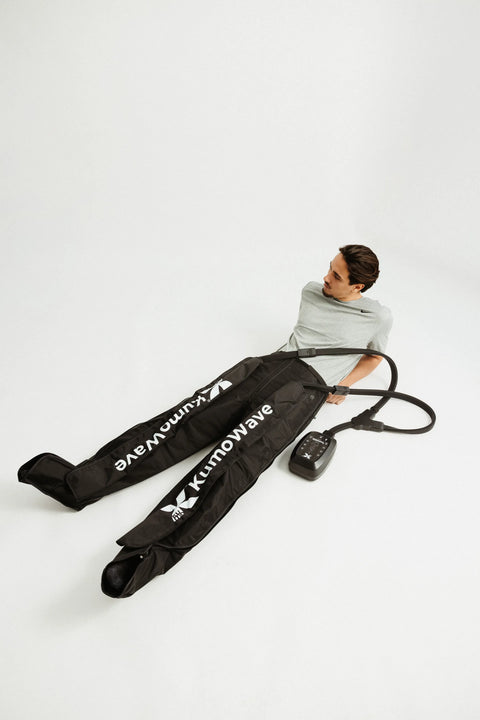
KumoWave Elite – Pressotherapy Pants
Full-coverage trousers. Ideal for lipedema, fluid retention and intensive use.
€799,00 €999,00
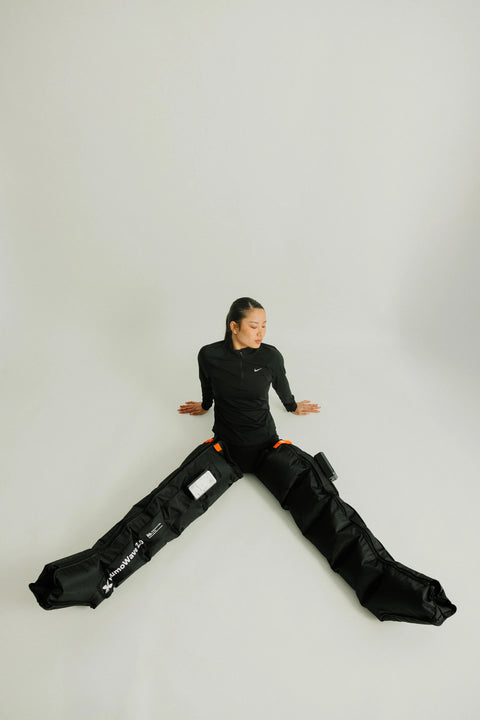
KumoWave 2.0 - Wireless Pressotherapy
Wireless, lightweight boots. Perfect for daily use and recovery.
€499,00 €599,00