What is lymphatic drainage and why does it affect your energy?
Lymphatic drainage is a gentle technique that helps the lymphatic system do its job better: eliminating waste, excess fluid, and inflammation. When this network of vessels and nodes functions optimally, tissues are better oxygenated, feelings of heaviness are reduced, and it's easier to maintain a stable energy level throughout the day.
Lymph circulates thanks to muscle contraction, respiration, and blood vessel pressure. A sedentary lifestyle, stress, long journeys, or prolonged sitting can slow this flow, leading to swelling, tired legs, and general fatigue. Traditional manual lymphatic drainage, as well as pneumatic compression and recovery technologies, aim to reactivate this circulation.
Pressotherapy at home
End the day with light legs
★★★★★ 4,8/5 · rated by verified customers
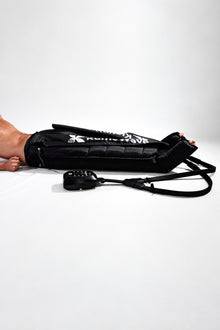
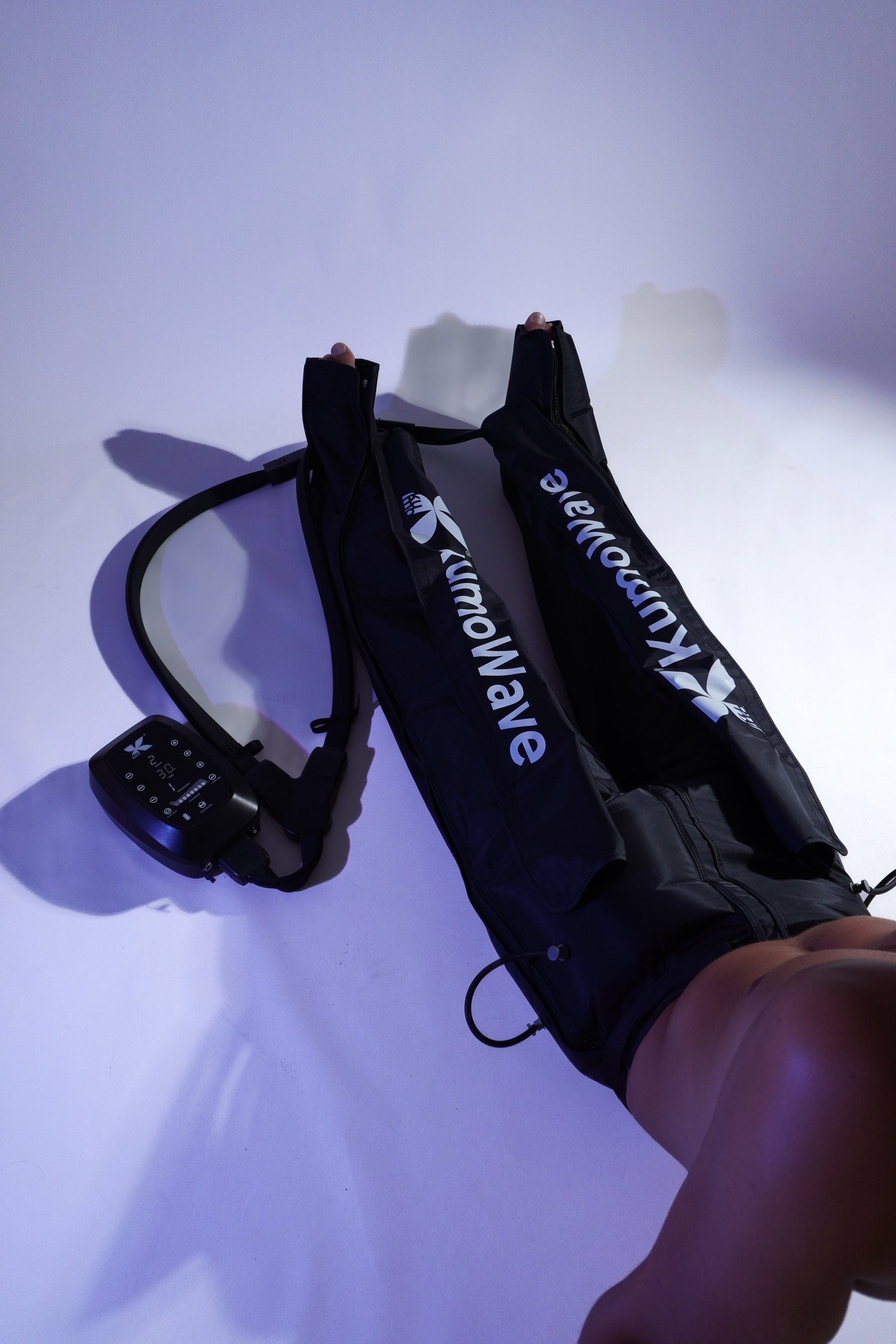
KumoWave pressotherapy boosts circulation and helps drain fluid with sequential compression, in 20-minute sessions at home.
- Boosts circulation and helps drain fluid
- Chamber-based compression, adjustable to you
- Sequential compression that mimics manual drainage
€799,00€999,00
−10% on your 1st order when you subscribe to the newsletter

In this article you will see how lymphatic drainage can help you feel lighter, more energetic, and what practical tools you can integrate into your recovery and wellness routine.
How lymphatic drainage works in the body
The lymphatic system explained simply
The lymphatic system is a network parallel to the circulatory system. It transports lymph, a clear fluid rich in white blood cells, which collects toxins, cellular debris, and excess fluid from the tissues. The lymph then passes through the lymph nodes, where it is filtered before returning to the bloodstream.
Personalized protocol · included with your purchase
Want us to tell you how to use it in your case?
With your purchase, our experts prepare a personalized usage protocol for your case: sport, circulation, fluid retention, pregnancy or lipedema.
Message us on WhatsAppOur experts reply · no obligation
When this circulation slows down, the following may appear:
- Fluid retention and swelling (especially in legs and ankles).
- Feeling of heaviness and physical fatigue.
- Slower recovery after exercise or injury.
- Increased muscle stiffness and discomfort at the end of the day.
What does lymphatic drainage do?
Lymphatic drainage, whether manual or device-assisted, applies gentle, rhythmic pressure following the path of lymph toward the lymph nodes. The main objectives are:
- Facilitate lymphatic and venous return.
- Reduce edema and fluid retention.
- Improve tissue oxygenation.
- Promote a feeling of lightness in the body and general well-being.
By reducing fluid load and pressure on legs and tissues, many people report less muscle fatigue and a more stable sense of energy in their daily lives.
on your first order when you join the newsletter
We send you the code instantly. No spam.
Benefits of lymphatic drainage for daily energy
Less heaviness, more lightness when you move
When the body retains fluids, every movement feels more difficult: climbing stairs, standing, or exercising seems to require more effort. Lymphatic drainage helps eliminate this excess fluid and reduce volume in congested areas. This results in smoother movements and less of a feeling of "baseline fatigue" at the start of the day or workday.
More efficient muscle recovery after exercise
Intense exercise generates micro-tears in the muscles, inflammation, and metabolic waste products that must be eliminated. An active lymphatic system helps clear these byproducts more quickly, reducing muscle soreness and allowing you to return to your usual performance level sooner. That's why many athletes incorporate sequential compression and drainage sessions into their recovery protocols, enabling them to train more frequently without feeling exhausted.
Indirect impact on sleep and rest
A congested body, with heavy legs or muscle aches, often leads to poorer sleep. It's not just about the quality of sleep, but also how truly refreshed you feel upon waking. By promoting muscle relaxation and reducing pressure in the extremities, lymphatic drainage can contribute to deeper, more restorative rest, key to maintaining mental and physical energy the following day.
General well-being and mental clarity
Feeling less bloated, with less pain, and with more relaxed muscles isn't just a physical matter: it also affects mood and mental clarity. Perceiving your body as lighter can reduce feelings of subjective fatigue, help you concentrate better, and maintain a more consistent work pace, especially if you spend many hours sitting in front of a computer.
Main lymphatic drainage techniques
Manual lymphatic drainage
Manual lymphatic drainage is a gentle massage technique performed by trained professionals (physiotherapists, specialized massage therapists). Through slow, rhythmic movements and with very little pressure, lymph is guided towards the lymph nodes to promote drainage. It is often recommended in cases of:
- Diagnosed lymphedema or post-surgical edema (under medical supervision).
- Moderate fluid retention, swollen legs, feeling of heaviness.
- People seeking specific support for physical recovery and a sense of well-being.
This type of massage is usually performed in sessions of 30 to 60 minutes, with varying frequency depending on the objective and the condition of the person.
Pressotherapy: assisted lymphatic drainage
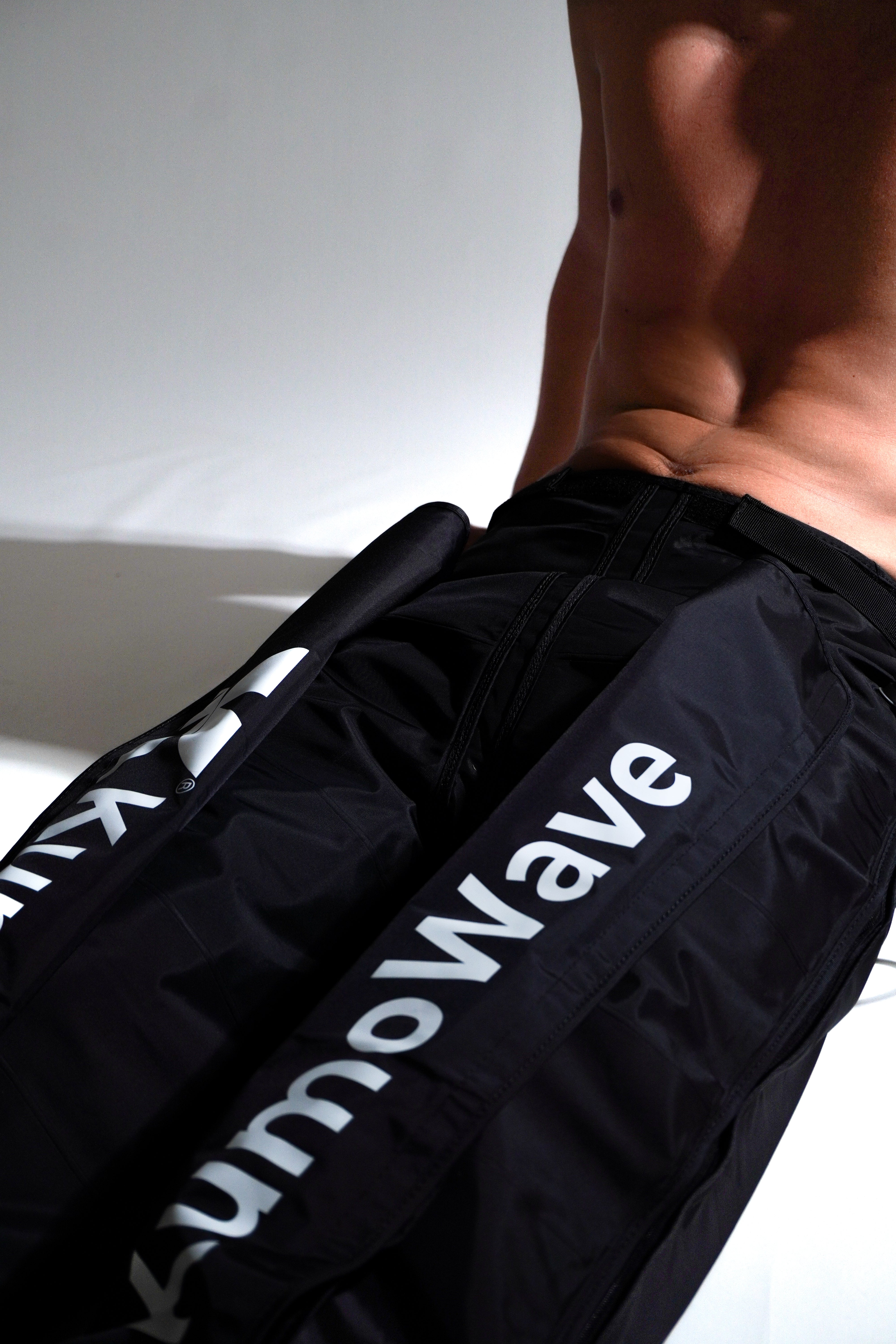
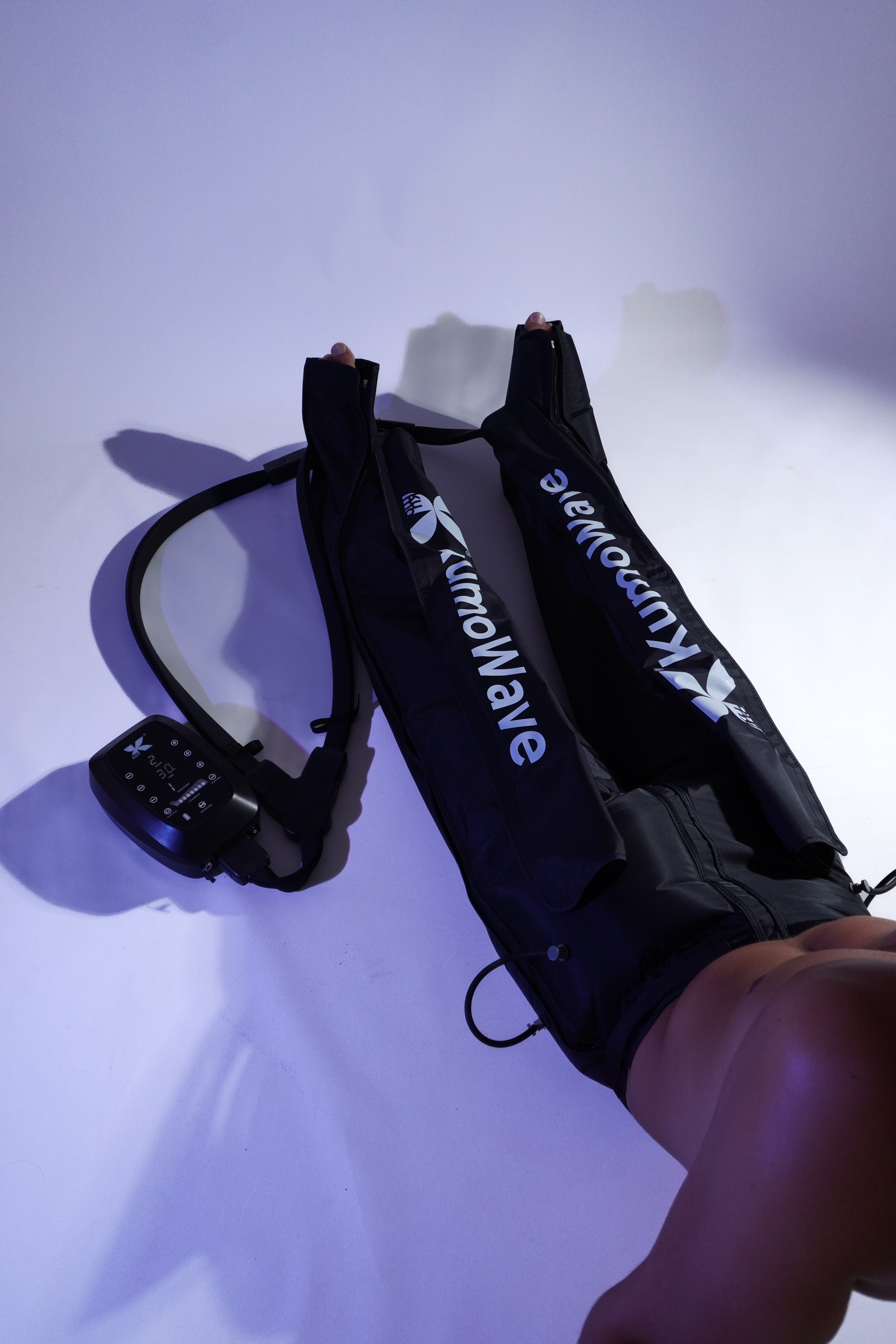
Pressotherapy uses pneumatic compression boots or sleeves that inflate and deflate sequentially, from the feet to the upper leg. This movement mimics venous and lymphatic return, promoting fluid drainage and muscle relaxation.
At home, incorporating regular sessions with compression boots can be a comfortable way to support circulation after a long day on your feet, a trip, or an intense workout. These technologies allow you to turn recovery into a daily ritual, without always needing to visit a doctor.
Mobility, breathing, and gentle exercise
Beyond manual techniques or devices, lymphatic drainage is greatly enhanced by:
- Daily walks (even if they are short, several times a day).
- Joint mobility exercises and gentle stretching.
- Deep diaphragmatic breathing, which acts as a natural "pump" for the lymph.
Combined with recovery technologies and good habits (hydration, rest, balanced diet), these everyday gestures reinforce the effect of drainage on your daily energy.
Lymphatic drainage and new recovery technologies
Synergy with pressotherapy and leg recovery
Dynamic compression technologies allow for a highly controlled type of mechanical lymphatic drainage. By wearing compression boots after work or training, gradual compression is applied from the foot to the thigh, stimulating venous return. This helps to:
- Reduce swelling and tiredness in the legs.
- Relieve the feeling of stiffness after sport.
- Prepare the muscles for the next effort.
Integrating these sessions into a consistent recovery routine (mobility, rest, hydration) can make a clear difference in how you feel when you wake up and in your daily productivity.
Percussion massage and tension release
Percussion massage guns, such as the KUMOPULSE Air , are not strictly lymphatic drainage, but they can complement it. By applying controlled percussion to tense muscle groups (calves, quadriceps, back), local circulation is improved, tension is released, and stiffness is reduced.
When your muscles feel looser, your movement is more efficient and less energy-intensive, resulting in a greater sense of vitality in everyday tasks such as walking, climbing stairs, or moderate exercise.
Red LED light and global recovery
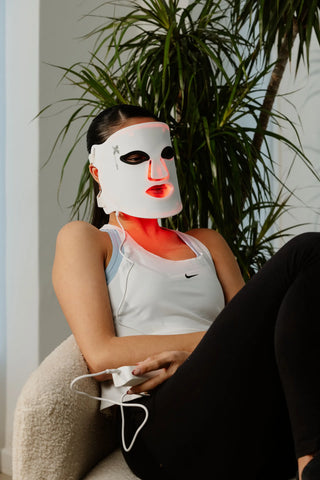
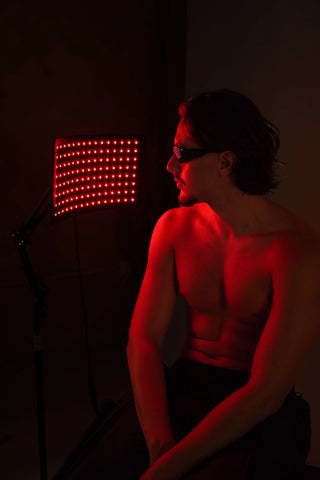
Red light therapy and photobiomodulation have been studied for their potential to support muscle recovery, modulate inflammatory processes, and improve skin quality. Applying red light to specific areas, combined with lymphatic drainage practices, can promote a healthier tissue environment and an overall sense of well-being.
Exploring LED light therapy devices can be a way to complement lymphatic system care with a non-invasive technological tool that fits well into nighttime relaxation routines aimed at improving rest.
Comparative table: methods of support for lymphatic drainage
| Method | Type of action | Recommended frequency (guideline)* | Main objective |
|---|---|---|---|
| Manual lymphatic drainage | Gentle massage performed by a professional | 1–2 times/week depending on the case | Localized edema, lymphedema, post-surgery (under supervision) |
| Pressotherapy | Sequential pneumatic compression in legs | 2–5 sessions/week, 20–40 min | Heavy legs, recovery after exercise, circulation support |
| Walking and mobility | Gentle and continuous exercise | Daily, in 10–20 minute blocks | Activate “muscle pump” and improve venous/lymphatic return |
| Massage gun | Localized percussion in muscle groups | 3–7 times/week, depending on workload | Relax muscles, reduce stiffness and feelings of fatigue |
| Red LED light | Non-invasive photobiomodulation | 3–7 sessions/week, according to protocol | Support recovery, general well-being and quality of rest |
*The frequencies are guidelines and should be adapted to each person, to possible pathologies and to the recommendation of a health professional.
How to integrate lymphatic drainage into your daily routine
Small habits during the day
You don't need to transform your life to see benefits. You can start with:
- Get up every 60–90 minutes to walk for 3–5 minutes.
- Take the stairs instead of using the elevator whenever possible.
- Do 5 minutes of deep breathing and gentle movement at the end of the day.
- Hydrate yourself regularly, avoiding large amounts at once.
These gestures, repeated daily, help the lymph to move and reduce the feeling of accumulated tiredness.
Home recovery rituals
If you want to take it a step further, you can create a recovery ritual 3–5 times per week, for example:
- 20–30 minute session with compression boots upon returning from work or after training.
- 5–10 minutes of massage gun on the most stressed areas, such as calves or quadriceps.
- Use red LED light for 10 to 15 minutes before bed to promote relaxation.
Making recovery a regular habit can make the difference between dragging around fatigue or waking up every day feeling refreshed and energized.
When to consult a professional
Although lymphatic drainage and recovery technologies are useful tools for healthy people, there are situations in which it is important to seek the opinion of a doctor or physiotherapist:
- Significant or asymmetric edema (one leg more swollen than the other).
- Intense pain, redness, or local heat.
- History of venous thrombosis, heart problems, or diagnosed lymphedema.
- Pregnancy or recent post-operative period.
In these cases, professional supervision helps to adapt the techniques and devices to your specific needs.
Frequently asked questions about lymphatic drainage
How often is it recommended to do lymphatic drainage?
The ideal frequency depends on your goal and your health status. If you are a healthy person looking to relieve heavy legs and improve your daily energy, 1–2 weekly sessions of manual lymphatic drainage or several sessions of at-home compression therapy may be enough to notice changes. In cases of lymphedema or other conditions, a healthcare professional should determine the appropriate treatment plan. The most effective approach is usually to combine these treatments with gentle physical activity, good hydration, and adequate rest.
Does lymphatic drainage really help you feel less tired?
Lymphatic drainage isn't a direct "stimulant," but many people notice less heaviness, lighter legs, and reduced muscle stiffness, making daily activities less tiring. By promoting venous return and reducing swelling, movement requires less effort. Furthermore, by improving physical comfort, it often also improves sleep quality, a key factor in how we perceive our energy levels the next day. Combined with healthy habits, it can be a great ally against everyday fatigue.
Can I safely perform lymphatic drainage at home?
Yes, provided you are healthy and follow some basic guidelines. Devices such as compression boots and massage guns can be used at home following the manufacturer's instructions and avoiding excessive intensity. It is essential not to apply strong compression to painful or inflamed areas without a diagnosis, and to avoid use if you have a history of thrombosis or cardiovascular disease without medical authorization. Start with short sessions, observe how your body responds, and if you have any doubts, consult a physiotherapist or doctor before continuing.
Does lymphatic drainage help with weight loss or just reduce swelling?
Lymphatic drainage is not a weight-loss method in the sense of fat loss. Its main effect is to promote fluid elimination and reduce swelling, so you may notice less volume or a more defined silhouette temporarily. This can create a feeling of lightness and motivate you to move more, which does contribute to greater energy expenditure. For sustainable weight loss, it remains essential to maintain a healthy diet, exercise, and rest. Lymphatic drainage is best understood as a complement to a healthy lifestyle.
What combination of techniques is best to improve my daily energy?
There's no single formula, but an effective combination for many people includes: daily walks and gentle movement to keep the lymphatic system flowing; 2–4 weekly sessions of compression therapy to relieve heavy legs; targeted use of a massage gun on tense areas; and a calming nighttime routine (e.g., red LED light and deep breathing) to improve sleep. Adjust the intensity to your own needs: a realistic and consistent routine, even if simple, is preferable to a very ambitious protocol that you abandon after a few weeks.
So what now?
If you want to make lymphatic drainage and recovery a natural part of your daily routine, you can start with small changes: move more, rest better, and take advantage of technologies designed to care for your body. At Kumo, you'll find pressotherapy , LED therapy , and percussion massage solutions that help keep your legs feeling lighter and your energy levels more stable. If you're unsure which option is best for you, you can contact us through our contact page for personalized guidance.
KumoWave pressotherapy
Choose your at-home pressotherapy
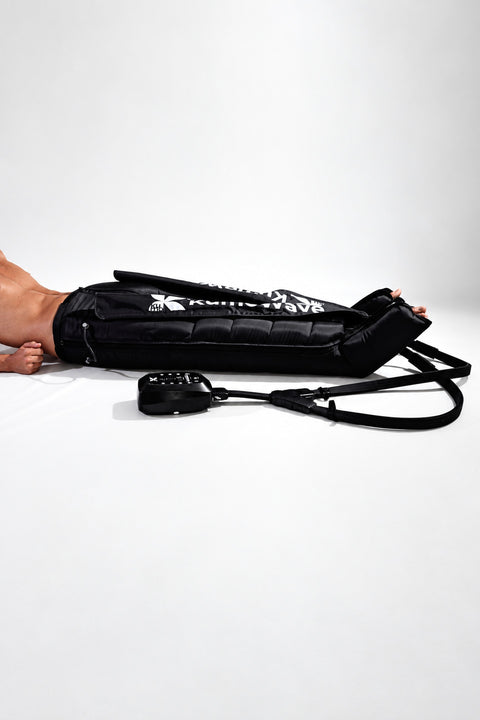
KumoWave Elite – Pressotherapy Pants
Full-coverage trousers. Ideal for lipedema, fluid retention and intensive use.
€799,00 €999,00
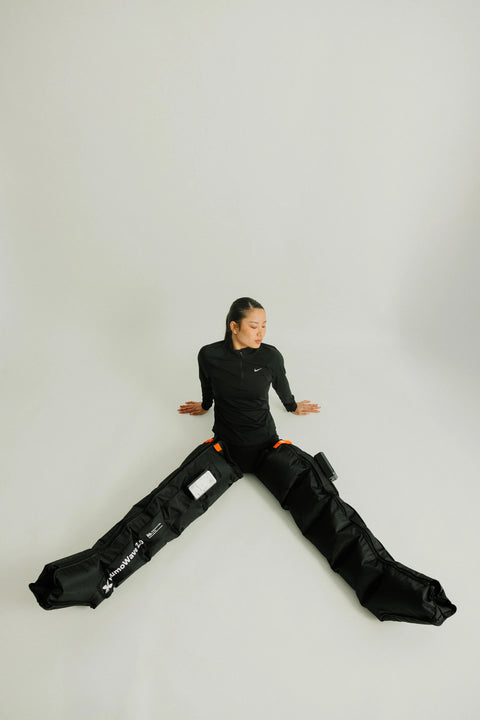
KumoWave 2.0 - Wireless Pressotherapy
Wireless, lightweight boots. Perfect for daily use and recovery.
€499,00 €599,00