
Introduction: Why lymphatic drainage matters if you work sitting down
Spending the day sitting down blocks your lymphatic flow.
If you work long hours sitting in a chair in front of a computer, you're likely to experience heavy legs, swollen ankles, back pain, and mental fatigue at the end of the day. Lymphatic drainage—along with small changes in movement and breathing—is a key tool for relieving these symptoms, supporting your circulation, and protecting your long-term health.
Pressotherapy at home
End the day with light legs
★★★★★ 4,8/5 · rated by verified customers
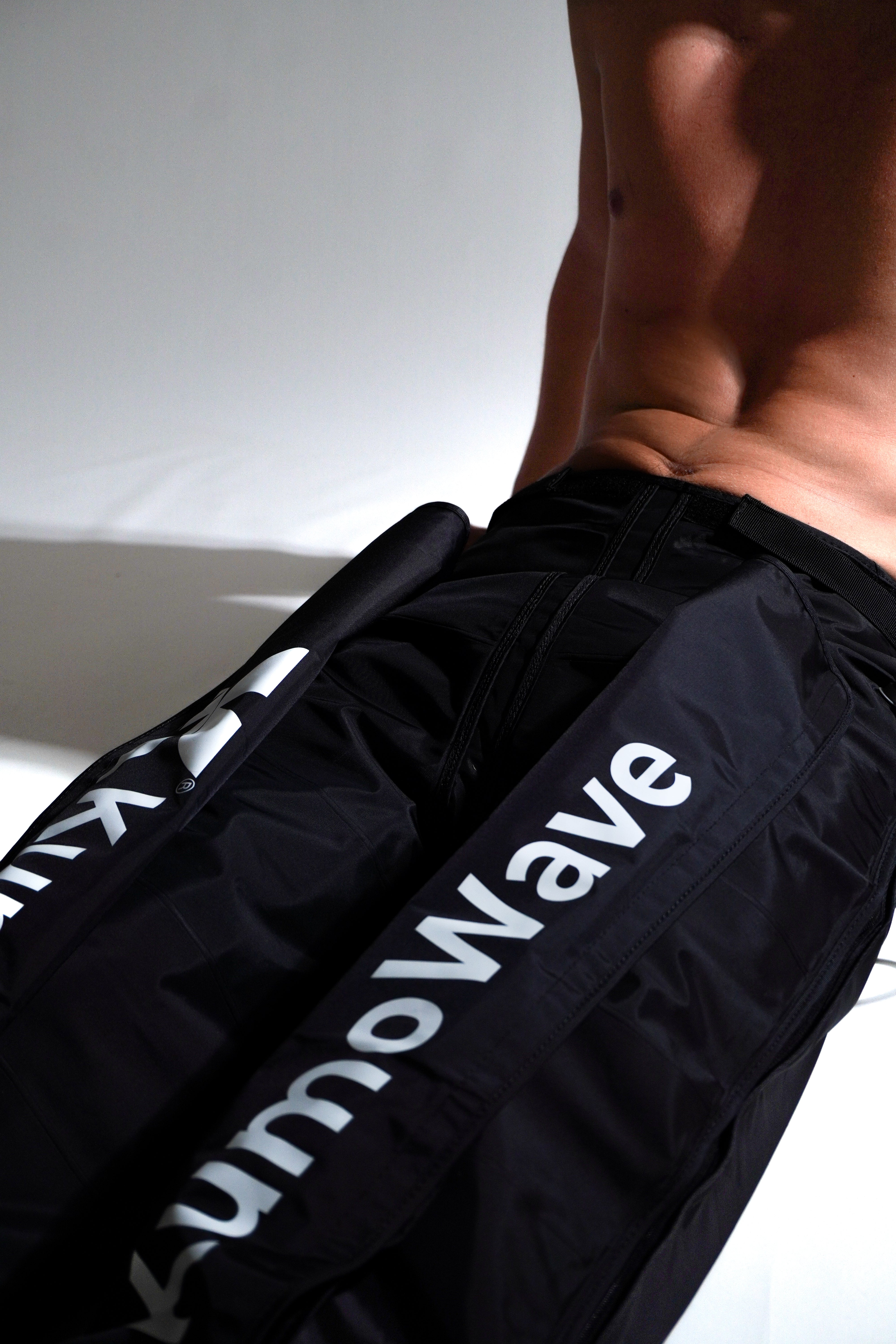
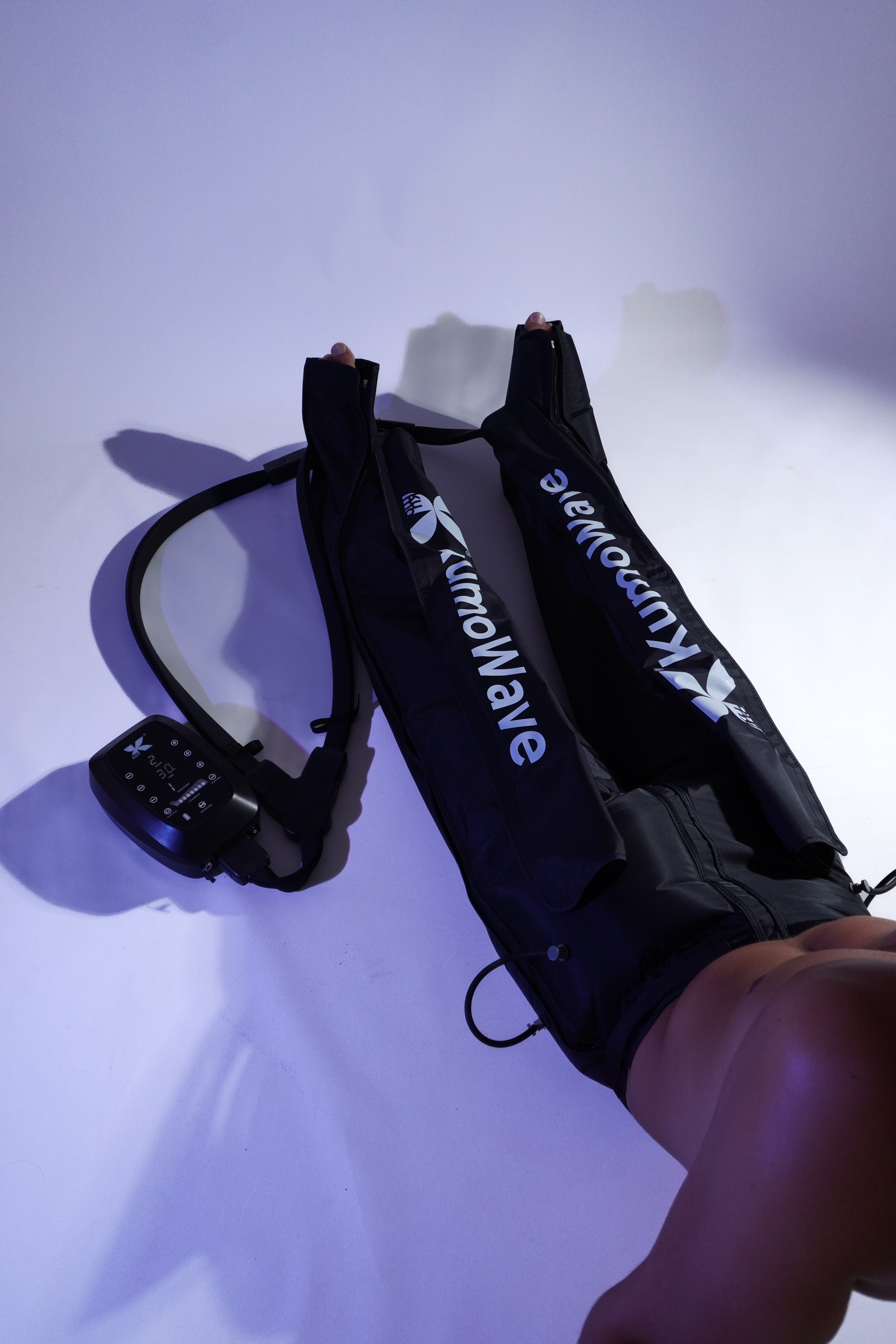
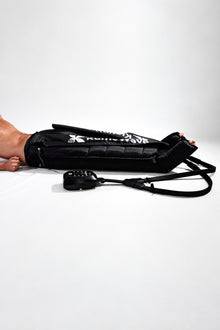
KumoWave pressotherapy boosts circulation and helps drain fluid with sequential compression, in 20-minute sessions at home.
- Boosts circulation and helps drain fluid
- Chamber-based compression, adjustable to you
- Sequential compression that mimics manual drainage
€799,00€999,00
−10% on your 1st order when you subscribe to the newsletter

In this guide you will learn what lymphatic drainage is, how office life affects your lymphatic system, what techniques exist (manual, self-massage, pressotherapy, breathing, recovery technology) and how to realistically integrate them into your daily work life.
What is lymphatic drainage and how does the lymphatic system work?
Lymphatic drainage is a set of gentle techniques designed to promote the movement of lymph, the fluid that circulates through the lymphatic system. This system complements blood circulation and is responsible for:
Personalized protocol · included with your purchase
Want us to tell you how to use it in your case?
With your purchase, our experts prepare a personalized usage protocol for your case: sport, circulation, fluid retention, pregnancy or lipedema.
Message us on WhatsAppOur experts reply · no obligation
- Remove excess fluids and waste from the space between cells.
- Transport immune cells and participate in the defense against infections.
- Support fluid balance (prevent swelling and heaviness).
Unlike the cardiovascular system, the lymphatic system does not have a central "pump" like the heart . Lymph moves thanks to:
- Muscle contraction (when walking, climbing stairs, moving the legs).
- Pressure changes when breathing with the diaphragm. ( thecancerspecialist.com )
- Joint movement and external compression (e.g., bandages or pneumatic compression).
When you spend many hours immobile, these "natural pumps" work much less and lymph tends to stagnate, especially in the lower extremities. That's where lymphatic drainage and other specific habits become especially useful for those who lead an office life.
Office life, sedentary lifestyle and lymphatic system
More hours spent sitting, more risk to your health
Research on sedentary behavior at work is clear: office workers spend between 60 and 80% of their workday sitting , and in some studies, they reach more than 10 hours of total sedentary time per day. ( pubmed.ncbi.nlm.nih.gov ) This pattern is associated with:
on your first order when you join the newsletter
We send you the code instantly. No spam.
- Higher risk of type 2 diabetes, cardiovascular disease, and mortality when comparing the most sedentary groups with the least sedentary groups. ( academic.oup.com )
- More musculoskeletal problems (neck, lower back, shoulder pain) and fatigue. (washingtonpost.com)
- Worse mental health (more anxiety, depression, and psychological distress). ( academic.oup.com )
Even if you exercise at the end of the day, several reviews indicate that it is not enough to fully compensate for the damage of spending too many consecutive hours sitting. ( people.com ) Therefore, to take care of your lymphatic and vascular system, it is key to reduce prolonged periods of immobility.
Swollen legs, heaviness, and muscle discomfort
When you sit for long periods with your knees bent, the action of the "muscle pump" in your calves and thighs decreases. This affects both venous and lymphatic return and can contribute to:
- Swelling in ankles and feet at the end of the day.
- Sensation of heavy or "loaded" legs.
- Cramps, tingling, or a feeling of numbness.
In addition, the typical hunched office posture (head forward, rounded shoulders) increases tension in the neck and back, and has been linked to a higher risk of neck pain when sedentary time exceeds 6 hours a day. (washingtonpost.com) This not only affects the muscles; it can also compress structures through which lymph drains from the head and chest, contributing to a feeling of stiffness and congestion.
Impact on well-being and productivity
An interesting point for companies and workers is that reducing sitting time does not decrease productivity . A study of more than 2,000 employees found that sitting time was not negatively related to performance, while fatigue and low job satisfaction were. ( pubmed.ncbi.nlm.nih.gov )
In other words, incorporating active breaks, micro-movements, and lymphatic drainage techniques into your workday can improve physical well-being without sacrificing productivity. In fact, feeling less sluggish, less pain, and having more energy often translates into better concentration and higher-quality work.
Lymphatic drainage options for people with sedentary jobs
Quick comparison of strategies to stimulate lymphatic drainage in the office
| Strategy | When to use it | Approximate duration | Ideal for… |
|---|---|---|---|
| Active breaks (walking, climbing stairs) | Every 20–30 minutes of seated work | 2–5 minutes | Break the stagnation of blood and lymph in the legs |
| Diaphragmatic breathing | At the beginning and end of the day, or during times of stress | 5–10 minutes | Stimulate deep drainage and relax the nervous system ( thecancerspecialist.com ) |
| Gentle lymphatic self-massage | At midday or upon arriving home | 5–15 minutes | Relieves mild swelling and a feeling of heaviness |
| Professional manual lymphatic drainage sessions | As directed by a healthcare professional | 45–60 minutes | Persistent edema, recovery after injury or surgery (if indicated) ( pubmed.ncbi.nlm.nih.gov ) |
| Wellness pressotherapy boots | After the workday or after training | 15–30 minutes (depending on equipment) | Improve venous return, relieve tired legs (home wellness use) ( pubmed.ncbi.nlm.nih.gov ) |
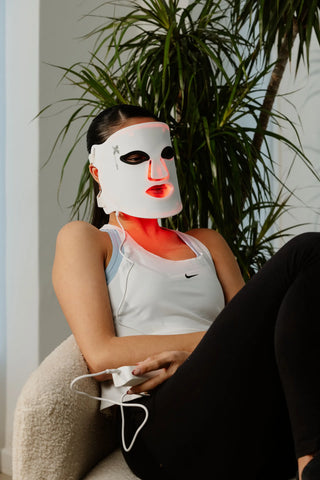
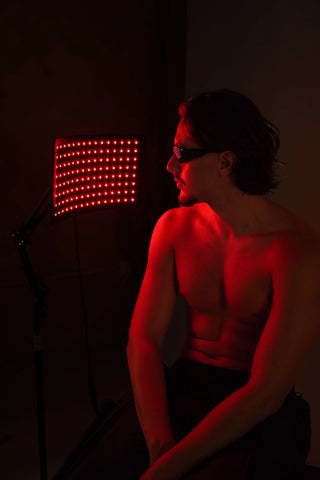
| Red light devices / LED therapy | Recovery routine, especially after exercise | Follow manufacturer's instructions | Support muscle recovery and sleep quality |
| Massage gun | At the end of the day or after training | 30–60 seconds per muscle group | Release muscle contractions and tension that limit movement |
Manual lymphatic drainage: what it is and when to consult a professional
Manual lymphatic drainage (MLD) is a very gentle massage technique, using slow, rhythmic movements directed toward the lymph nodes. It is often part of the treatment for lymphedema (for example, after cancer surgery) and certain types of edema. Systematic reviews suggest that it can help reduce volume and pain, and improve quality of life in some patients, although results are not uniform and depend heavily on the clinical context and the technique used. ( pubmed.ncbi.nlm.nih.gov )
If you have significant swelling, pain, a history of cancer, or serious venous problems, it is essential to consult with a doctor or specialized physiotherapist before starting any lymphatic drainage protocol.
Gentle lymphatic self-massage for everyday use
For healthy individuals experiencing mild discomfort associated with a sedentary lifestyle (heaviness, slight bloating at the end of the day), lymphatic self-massage can be a beneficial addition. Here are some basic guidelines:
- Always work with very gentle and superficial pressure , as if you were slowly moving the skin.
- Begin by “opening” areas near the lymph nodes (supraclavicular, armpits, groin) with small circles or pumping motions.
- Next, perform smooth glides from distal (e.g., ankles) to proximal (knees, thighs), always in the direction of the trunk.
- Avoid areas with pain, acute inflammation, infection, known thrombosis, or unhealed wounds.
This type of self-massage does not replace professional therapy or medical treatment, but it can be a self-care tool for those who spend many hours sitting down.
Pressotherapy and intermittent pneumatic compression
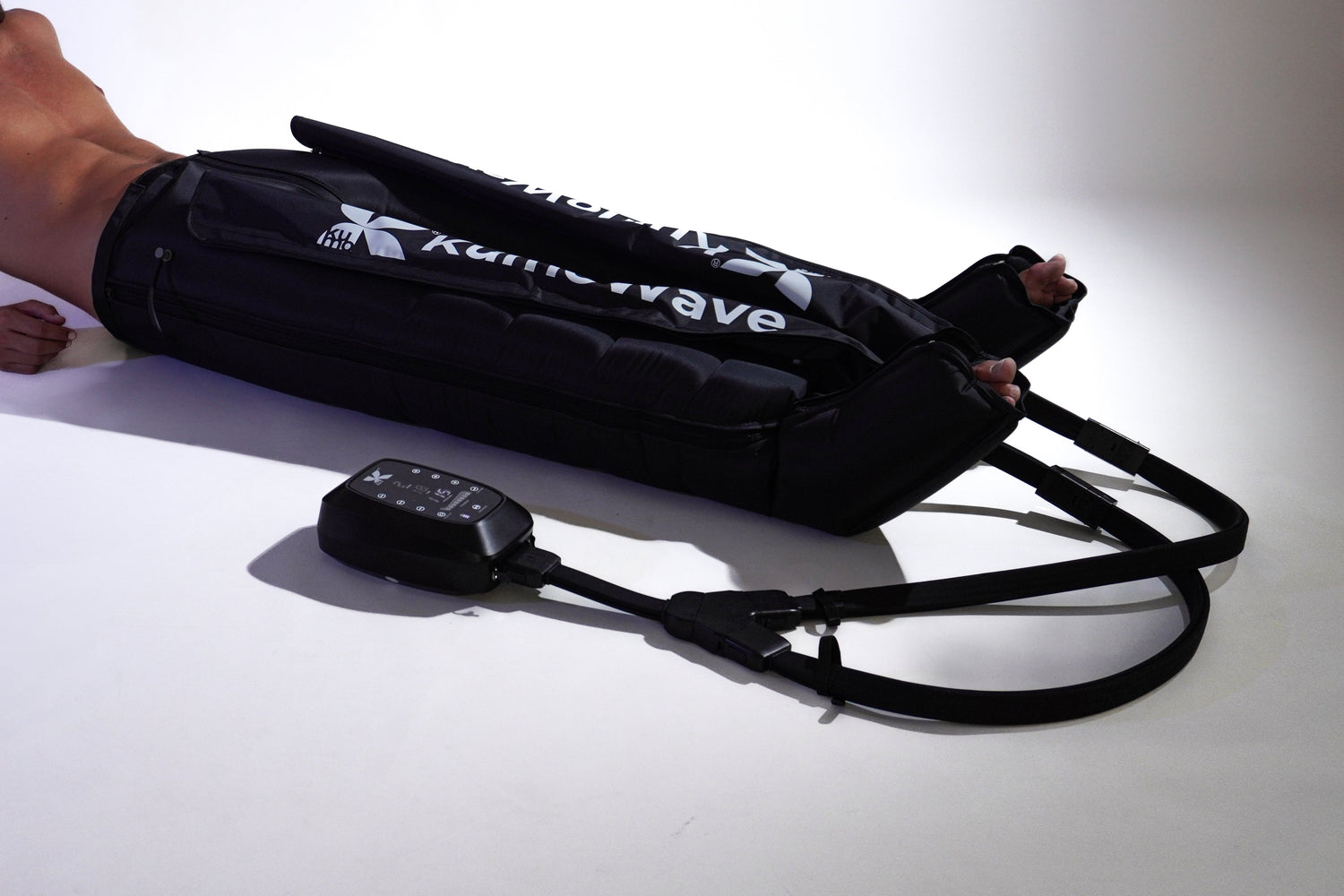
Intermittent pneumatic compression (IPC) involves applying sequential pressure using air chambers that inflate and deflate around the legs or other areas. In the medical field, it has been used as an adjunct in the treatment of venous ulcers and in the prevention of thrombosis in immobilized patients, with some evidence of benefit in these specific contexts. ( pubmed.ncbi.nlm.nih.gov )
In the context of home wellness, compression boots are inspired by this principle to help activate circulation and relieve the feeling of tired legs after long hours at the office. If you don't have a diagnosed vascular condition, they can be a comfortable tool for your recovery routine, always following the manufacturer's usage recommendations and consulting a healthcare professional if you have any questions.
If you're interested in integrating this technology into your routine, you can explore KUMO's pressotherapy boot options in thepressotherapy section.
Diaphragmatic breathing: your internal lymphatic pump
The lymphatic system relies heavily on deep breathing and muscle movement to propel lymph toward the heart. ( thecancerspecialist.com )
Diaphragmatic breathing (breathing “with the belly”) generates pressure changes between the abdomen and thorax that promote lymph drainage through the thoracic duct, the body's main lymphatic return pathway. ( thecancerspecialist.com )
How to practice it at your desk:
- Sit upright, with the soles of your feet flat on the floor and your shoulders relaxed.
- Place one hand on your chest and the other on your abdomen.
- Inhale through your nose for 3-4 seconds, trying to raise your hand above your abdomen.
- Exhale slowly through your mouth for 4–6 seconds, letting your abdomen drop.
- Repeat 8–10 breaths, 2–3 times a day.
In addition to supporting deep lymphatic drainage, this breathing technique activates the parasympathetic nervous system, helping to reduce the stress and muscle tension that often accompany office life. ( longwellmassagetherapy.com )
Recovery technologies that complement lymphatic drainage
In addition to movement, massage, and breathing, certain recovery technologies can help your body recover better from postural stress and sedentary behavior:
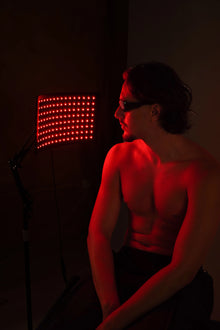
- Red and LED light therapy: Localized exposure to red or near-infrared light has been studied for its potential to support muscle recovery, modulate inflammation, and improve sleep when used in specific protocols. While not a lymphatic drainage treatment per se, it can complement your overall care to help you feel more rested and active.
- Massage guns: Low-frequency percussion helps relax stiff muscles, improve range of motion, and relieve tension points that make it difficult to move around during the day.
At KUMO, the LED light therapy line and the KumoPulse Air massage gun are designed to integrate into modern recovery routines: aesthetically pleasing, easy to use, and designed to make postural and muscular care a daily habit.
Practical plan: how to integrate lymphatic drainage into your office day
Micro-habits of movement every hour
The most frequent recommendation from experts on sedentary lifestyles is to break up periods of sitting with frequent movement . Various studies suggest that getting up at least every 20–30 minutes helps mitigate some of the metabolic and circulatory impact of sitting for long periods. ( verywellhealth.com )
Some easy-to-implement ideas:
- Set a gentle alarm every 25 minutes (Pomodoro technique) and use the break to walk for 2–3 minutes.
- Go up and down a flight of stairs at a comfortable pace.
- Do 10–15 heel raises (on your toes) next to your table to activate the calf muscle pump.
- If you have phone meetings, take them standing up or walking around whenever possible.
Express lymphatic drainage routine at the end of the day
When you get home, you can dedicate 10–20 minutes to a simple lymphatic recovery routine :
- 5 minutes of diaphragmatic breathing on the floor or on the sofa.
- 5–10 minutes of gentle self-massage on legs (ankles towards groin) and, if needed, on abdomen and supraclavicular area.
- If you have wellness compression boots, a 15–20 minute session can complement your routine to relieve the feeling of heaviness in your legs.
- Finish with gentle stretches of your hips, hamstrings, and chest to reduce stiffness that limits your movement the next day.
The most important thing is not perfection, but consistency : a short routine every day is better than a very long session only occasionally.
Comprehensive care: hydration, posture, sleep and skin
Lymphatic drainage doesn't work in a vacuum. To optimize it:
- Hydration: Drinking water throughout the day (adjusted to your individual needs) helps the lymph maintain an adequate viscosity.
- Posture: Alternating postures (sitting, standing, walking), avoiding crossing your legs for hours, and keeping your feet well supported promotes venous and lymphatic return.
- Sleep: a quality night's rest supports all repair and immune regulation processes, in which the lymphatic system participates.
- Skin: Keeping your skin clean and moisturized is important, especially if you use massage, compression, or devices on it.
If you're looking to integrate these routines into a more holistic approach to wellness and performance, you can take inspiration from KUMO 's recovery philosophy, which combines aesthetics, technology, and daily care.
Frequently asked questions about lymphatic drainage in office life
How often is it recommended to do lymphatic drainage if I have an office job?
It depends on your goals and your health status. If you don't have any specific medical conditions and are simply looking to relieve the heaviness that comes from sitting, it's often helpful to combine daily habits (active breaks, breathing exercises, gentle self-massage) with more intensive sessions from time to time, either with a professional or using at-home recovery tools. Those with persistent swelling or a medical history should consult a physiotherapist or doctor, who can determine the appropriate frequency (for example, weekly or bi-weekly) based on their individual needs.
Does lymphatic drainage help with cellulite and fluid retention?
Cellulite is a complex phenomenon involving hormonal, genetic, vascular, and body composition factors. Lymphatic drainage alone is not a "cure" for cellulite , but it can help reduce the feeling of swelling and improve the skin's appearance in some people by promoting the movement of interstitial fluids. In cases of mild fluid retention associated with a sedentary lifestyle (for example, swollen ankles at the end of the day), combining gentle drainage, frequent movement, and postural changes is often particularly beneficial.
Can I do lymphatic drainage at home without a professional?
Yes, you can practice basic lymphatic self-massage and diaphragmatic breathing techniques at home if you are healthy and have no contraindications. It is essential to follow some guidelines: always use very gentle pressure, avoid painful or inflamed areas, and do not massage over prominent varicose veins, open wounds, infections, or if thrombosis is suspected. For a specific medical condition (diagnosed lymphedema, cardiovascular disease, cancer, etc.), it is essential to consult a healthcare professional before starting any drainage routine.
Do compression boots replace physical exercise?
No. Compression boots can be a very pleasant tool for relieving tired legs and supporting venous and lymphatic return, but they don't replace the benefits of active movement . Walking, climbing stairs, strength training, and aerobic activity are irreplaceable for metabolic, cardiovascular, and musculoskeletal health. Think of compression therapy as a recovery and wellness complement, especially useful if you spend many hours sitting, but always integrated into a lifestyle that is as active as possible.
When should I avoid lymphatic drainage or consult a doctor beforehand?
There are situations in which lymphatic drainage, whether manual or using compression devices, should be used with caution or under medical supervision. These include: decompensated heart failure, known or recent deep vein thrombosis, acute infections, very painful inflammation, uncontrolled cancer, extensive open wounds, or severe vascular decompensation. If you have any doubts about your case, it is best to consult your doctor or physical therapist before starting any lymphatic drainage protocol or using compression devices at home.
So what now? How to take the next step
If you want your lymphatic system to work in your favor despite the demands of office life, the next step is to put theory into practice : incorporate active breaks, practice more mindful breathing, and set aside a few minutes each day for your recovery. If you're interested in using high-end technology to make this transition easier and more enjoyable, you can explore KUMO'scompression boots, LED light therapy , and KumoPulse Air massage gun.
If you have specific questions about which tools best suit your lifestyle or activity level, you can contact the team through the contact page. Making lymphatic drainage and recovery a daily habit is one of the best investments you can make for your future well-being.
KumoWave pressotherapy
Choose your at-home pressotherapy
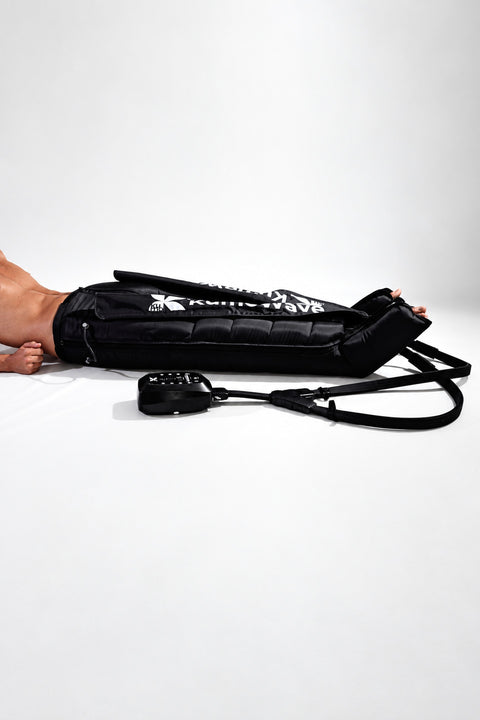
KumoWave Elite – Pressotherapy Pants
Full-coverage trousers. Ideal for lipedema, fluid retention and intensive use.
€799,00 €999,00
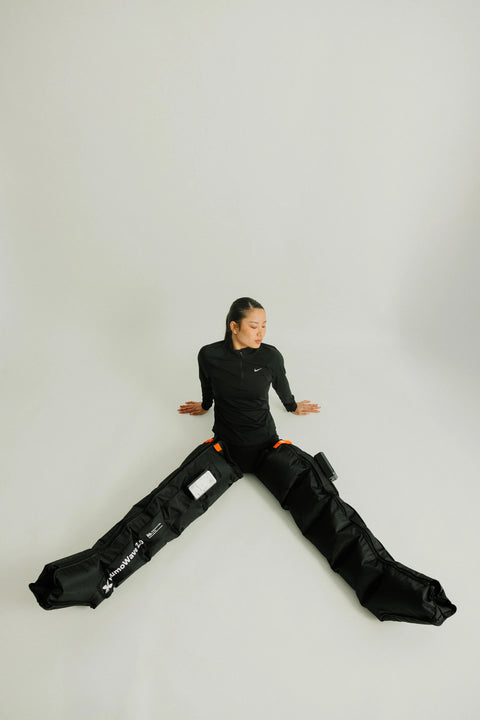
KumoWave 2.0 - Wireless Pressotherapy
Wireless, lightweight boots. Perfect for daily use and recovery.
€499,00 €599,00