What is lymphatic drainage and why is everyone talking about it?
Lymphatic drainage is a gentle technique designed to stimulate the lymphatic system and support the body's natural detoxification processes. It can be performed manually (massage) or using pneumatic compression technology (pressotherapy). By promoting the return of lymph and venous blood, it helps reduce feelings of heaviness and swelling, and improves overall recovery.
Today it is used in physiotherapy and aesthetic medicine, as well as in sports rehabilitation and wellness. The key: a rhythmic, slow, and highly specific stimulation that accompanies the flow of lymph towards the lymph nodes, where the body filters waste, toxins, and excess fluids.
Pressotherapy at home
End the day with light legs
★★★★★ 4,8/5 · rated by verified customers
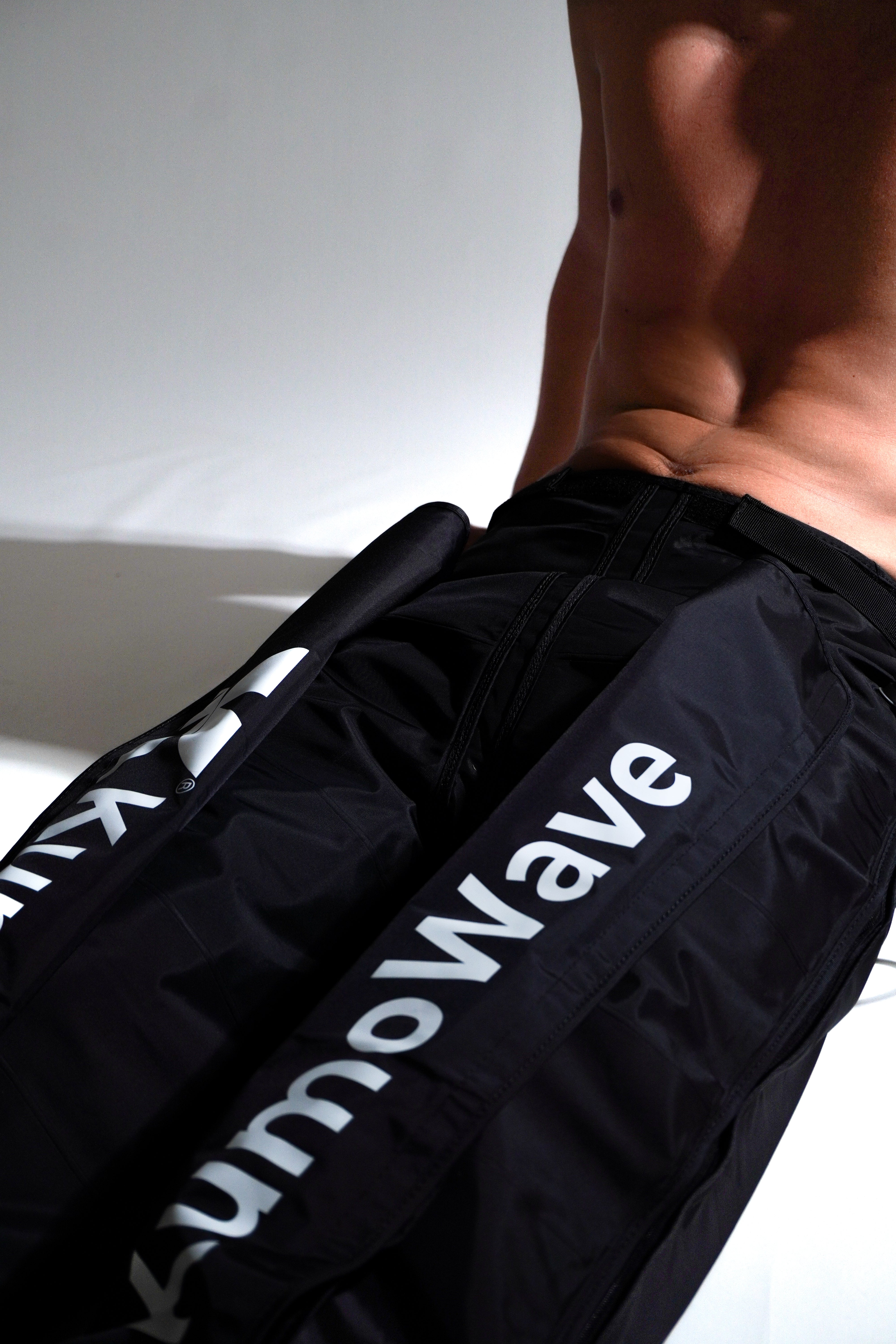
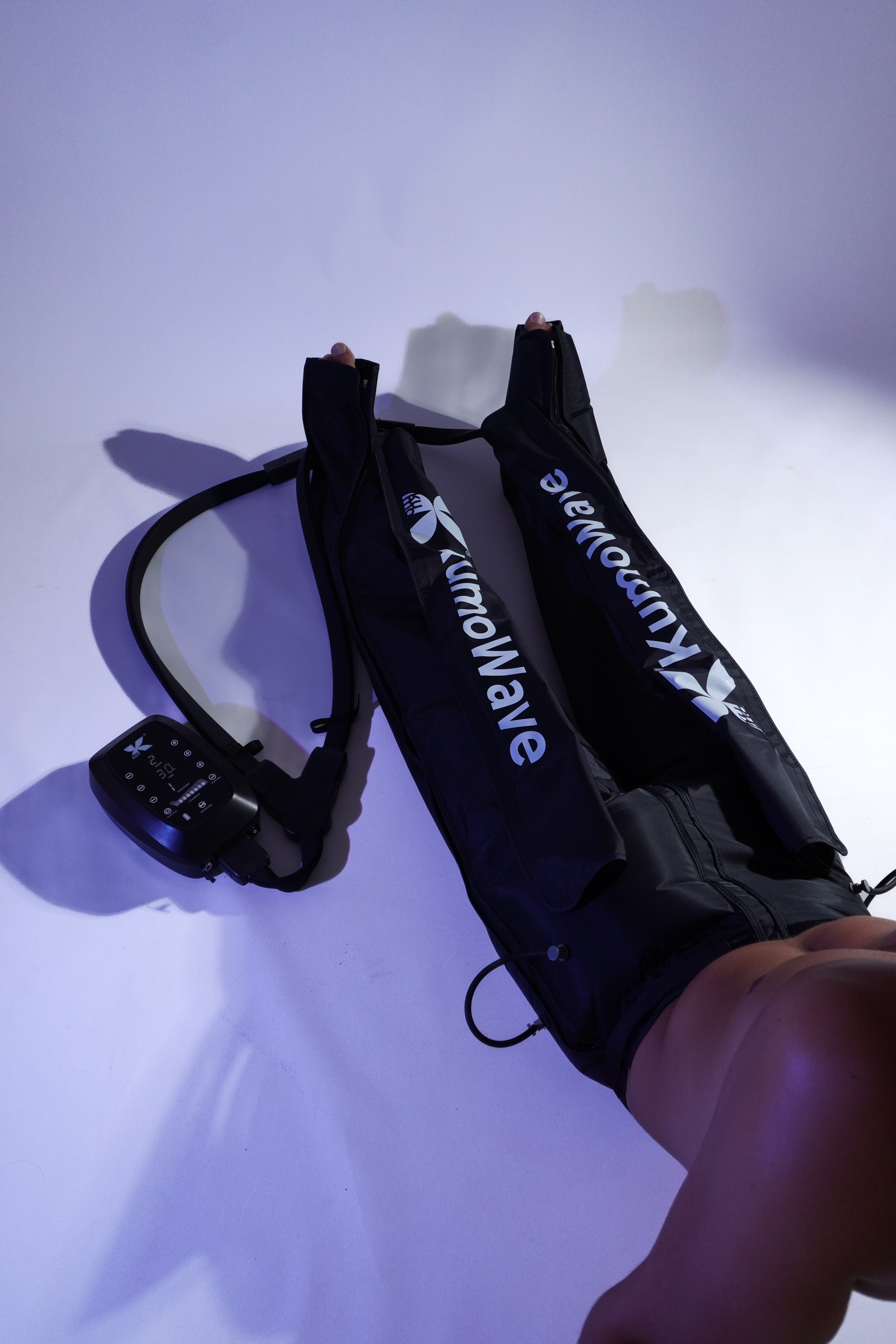
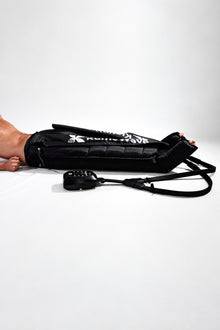
KumoWave pressotherapy boosts circulation and helps drain fluid with sequential compression, in 20-minute sessions at home.
- Boosts circulation and helps drain fluid
- Chamber-based compression, adjustable to you
- Sequential compression that mimics manual drainage
€799,00€999,00
−10% on your 1st order when you subscribe to the newsletter

How the lymphatic system works (without technical jargon)
The lymphatic system is a network of vessels, nodes, and organs (spleen, thymus, tonsils) that acts as a "cleaning system" and an essential part of the immune defense. It transports lymph, a clear fluid that collects proteins, cellular debris, and some of the excess water from the tissues.
When this system slows down (due to a sedentary lifestyle, prolonged postures, heat, or certain treatments), you may experience heavy legs, mild edema, swelling in the ankles or hands, and slower recovery after exertion. Gently activating it with lymphatic drainage or pressotherapy helps improve this return and relieve congestion.
Personalized protocol · included with your purchase
Want us to tell you how to use it in your case?
With your purchase, our experts prepare a personalized usage protocol for your case: sport, circulation, fluid retention, pregnancy or lipedema.
Message us on WhatsAppOur experts reply · no obligation
Manual lymphatic drainage vs compression technologies
In practice, lymphatic drainage is discussed today in two main contexts:
- Manual lymphatic drainage : performed by physiotherapists or trained professionals (methods such as Vodder or Leduc), with precise and rhythmic maneuvers.
- Pressotherapy : boots or sleeves that inflate and deflate sequentially to reproduce progressive compression, helping venous and lymphatic return.
Both approaches share the goal of improving fluid flow, although the medical or aesthetic context and the intensity of the intervention may vary.
Lymphatic drainage and stress: an ally to slow down
Chronic stress activates the sympathetic nervous system (the "alert" mode) and can lead to muscle tension, poor sleep quality, and a constant feeling of fatigue. Gentle, rhythmic massages, such as lymphatic drainage, help activate the parasympathetic nervous system, which is associated with relaxation and recovery.
on your first order when you join the newsletter
We send you the code instantly. No spam.
Several studies have observed that therapeutic massage can reduce markers of subjective stress and improve feelings of well-being, especially when performed regularly. Although these studies are not specific to lymphatic drainage, they share similar mechanisms: gentle touch, repetitive rhythm, and a sense of security.
Perceived benefits in relation to stress
- Decreased muscle tension and a feeling of "heavy body".
- A moment of mental pause, disconnection from screens and tasks.
- Improved body and breathing awareness, which strengthens stress regulation.
- In some cases, less pain associated with sustained postures.
Combined with good sleep hygiene habits, breathing, and regular movement, drainage can become a global recovery ritual, not just an aesthetic one.
Lymphatic drainage and swelling: heavy legs, fluid retention, and recovery
Mild swelling (especially in the legs and ankles) is often related to venous stasis, fluid retention, or heat, and is aggravated by a sedentary lifestyle and prolonged periods of sitting or standing. Lymphatic drainage has been used for decades to improve fluid return, particularly in physiotherapy and for the prevention of lymphedema in specific medical contexts.
Comparative table: swelling, common causes and the role of drainage
| Frequent situation | Probable main cause | Possible role of lymphatic drainage / pressotherapy |
|---|---|---|
| Heavy legs at the end of the day | Sedentary lifestyle, spending many hours sitting or standing, heat | Promote fluid return and relieve the feeling of congestion and fatigue in the legs. |
| Slight swelling in ankles after long journeys | Venous stasis due to prolonged immobility | Help mobilize accumulated fluid along with gentle movement and leg elevation. |
| Recovery after intense training | Accumulation of metabolites and muscle microinflammation | Support circulation and recovery, combined with adequate rest, hydration, and nutrition. |
| Light retention related to menstrual cycle | Hormonal changes and increased water retention | To offer temporary relief from the sensation of swelling, provided there are no medical contraindications. |
It is important to differentiate between mild, functional swelling and significant, painful, or asymmetrical edema, which always requires medical evaluation. Lymphatic drainage does not replace diagnosis or treatment prescribed by a healthcare professional.
Pressotherapy: technology to activate circulation and relieve leg pain
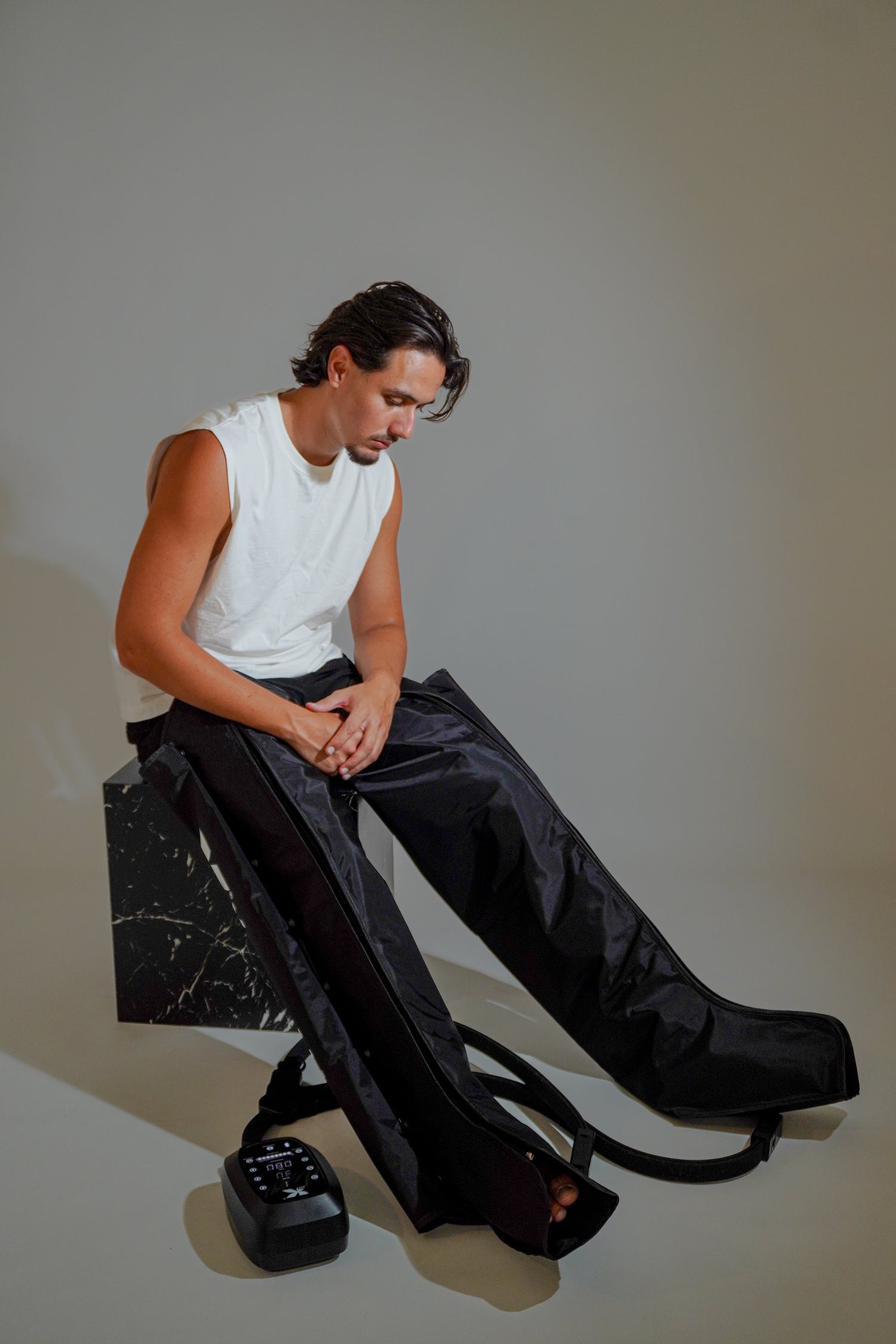
Compression therapy boots apply intermittent pneumatic compression from the feet to the thighs. This sequential mechanical massage helps to promote venous blood and lymph flow towards the heart, thus supporting a feeling of lightness in the legs after sports, a long day, or long journeys.
These types of devices, initially used in clinical and sports settings, have also become more common in home use. It is essential to always respect session times, recommended pressure, and contraindications (such as active venous thrombosis, decompensated heart failure, and skin infections), so if you have any doubts, it is crucial to consult a healthcare professional.
Lymphatic drainage and sleep: can it help you sleep better?
A restful night's sleep is one of the cornerstones of physical and mental recovery. Lymphatic drainage, with its relaxing effect and reduction of the feeling of bodily heaviness, can indirectly promote better sleep in some people.
After a session, many people report a feeling of calm, pleasant warmth in their extremities, and a body that feels “less tense.” This state of relaxation, especially when integrated into a nightly routine (dim lighting, reduced screen time, slow breathing), can make it easier to fall asleep.
Synergies with other recovery technologies
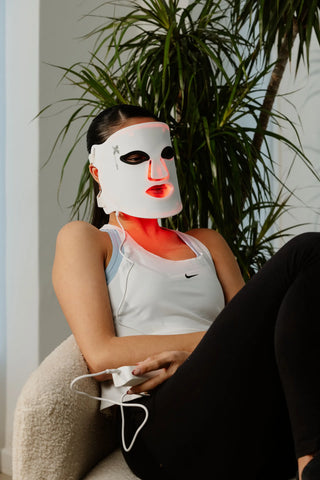
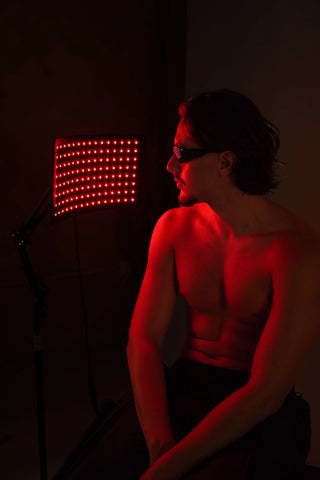
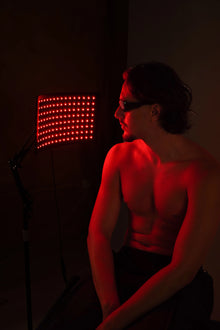
- Red light therapy : Exposure to red and near-infrared light is used for muscle recovery and as a relaxation aid before sleep. Discover Kumo's LED light therapy devices.
- Percussive massage : massage guns, such as KUMOPULSE Air , allow you to release deep tension points that can interfere with rest.
Combining these tools with sleep hygiene habits (regular schedules, dark and cool environment, digital disconnection) creates a recovery ecosystem that goes beyond a single technique.
Benefits of lymphatic drainage in your daily life
Although the answer is individual, many people incorporate lymphatic drainage into their routine for the following potential benefits:
- Feeling of lighter legs and less swelling at the end of the day.
- Perception of less muscle tension associated with stress.
- More comfortable recovery after intense training.
- A time to disconnect and take care of yourself, useful for regulating the nervous system.
Consistency is often more important than intensity: moderate sessions, with good hydration and gentle daily movement (walking, stretching) can make a difference over time.
How to integrate lymphatic drainage into a modern recovery routine
Indicative frequency and duration
Outside of specific medical uses, many people opt for 1–3 weekly lymphatic drainage or compression therapy sessions, depending on their needs and level of physical activity. Sessions typically last between 20 and 40 minutes for general wellness purposes, although protocols vary depending on the objective (sports recovery, relief from tired legs, etc.).
Listening to your body is key: if pain, dizziness, significant discomfort, or a noticeable worsening of swelling occurs, it is necessary to stop the practice and consult a health professional.
Combining technologies: an example of a Kumo routine
- Evening/end of day : 20–30 minutes of pressotherapy boots while you read or disconnect, to mobilize fluids and relieve heavy legs.
- After training : brief use of a massage gun on key muscle groups to release deeper tension.
- Before going to sleep : a short session of red light therapy with an LED device, dim light and deep breathing to prepare the body for sleep.
If you want to explore these types of solutions, you can discover the Kumo universe starting with the Kumo Balance homepage , where recovery becomes a way of life.
Important precautions and contraindications
Although lymphatic drainage and pressotherapy are considered gentle techniques, they are not suitable for everyone . Some common contraindications include active deep vein thrombosis, decompensated heart failure, acute skin infections, certain unstabilized cancers, or edema of unknown origin.
If you are pregnant, have cardiovascular disease, diagnosed lymphedema, complicated diabetes, or any other major chronic illness, it is essential to seek the opinion of your doctor or physiotherapist before starting any drainage program or using compression devices at home.
Remember: no recovery technology replaces medical treatment. Its role is to complement overall body care within a healthy lifestyle.
Frequently asked questions about lymphatic drainage
How often is it recommended to do lymphatic drainage?
The ideal frequency depends on your goal and your health status. For general wellness, many people find benefits with 1–3 sessions per week, especially if they spend many hours sitting, travel frequently, or train intensely. In medical contexts (lymphedema, post-surgery, etc.), the regimen should be individualized and always established by a healthcare professional, who may recommend more intensive cycles at the beginning followed by maintenance sessions. Listening to your body's signals and avoiding overdoing it is essential for maintaining a sustainable recovery.
Does lymphatic drainage help with weight loss?
Lymphatic drainage is not a weight-loss method . Its main function is to promote fluid mobilization and support microcirculation, which can result in a temporary reduction of swelling and a feeling of lightness. In some cases, this may make certain areas appear less swollen, but fat loss requires a holistic approach: a balanced diet, regular exercise, quality sleep, and stress management. Viewing lymphatic drainage as a support for recovery, rather than a miracle cure, helps maintain realistic expectations.
Is it possible to do lymphatic drainage at home with pressotherapy?
Yes, nowadays there are home-use compression therapy systems that allow for safe pneumatic compression sessions, provided the instructions and contraindications are followed. Compression boots can be a good option if you're looking to relieve heavy legs after work or exercise. However, in cases of vascular conditions, diagnosed lymphedema, a history of thrombosis, or other significant chronic illnesses, it's essential to consult a doctor first. Home compression therapy complements, but does not replace, professional medical care when there is an underlying medical condition.
Does lymphatic drainage really improve sleep?
There's no universal guarantee, but many people report sleeping better when they incorporate lymphatic drainage into a relaxing end-of-day routine. The combination of gentle touch, the feeling of lighter legs, and a moment of disconnection can ease the transition to sleep. The benefits are often greater when other measures are added: limiting screen time before bed, using dim lighting or appropriate light therapies, creating a quiet and cool environment, and maintaining regular sleep schedules. In cases of persistent or severe insomnia, it's advisable to consult a sleep health professional.
What does it feel like after a lymphatic drainage session?
It's common to experience a feeling of lightness, pleasant warmth in the extremities, and a degree of drowsiness or deep relaxation. Some people also notice a moderate increase in the need to urinate in the following hours, due to fluid mobilization. Generally, these sensations are positive and part of the desired effect. However, if you experience intense pain, dizziness, difficulty breathing, or a significant increase in swelling, it's important to stop the practice and consult a healthcare professional promptly to rule out any contraindications or underlying problems.
What now? Your next step towards conscious recovery
If you want to integrate lymphatic drainage into your life to relieve stress, reduce swelling, and improve sleep, you can start by exploring the compression therapy solutions available in Kumo's compression therapy collection and combining them with LED light therapy and the KUMOPULSE Air massage gun. If you're unsure which recovery technology best suits your needs, contact the team through Kumo's contact page and create a wellness routine tailored to your daily life.
KumoWave pressotherapy
Choose your at-home pressotherapy
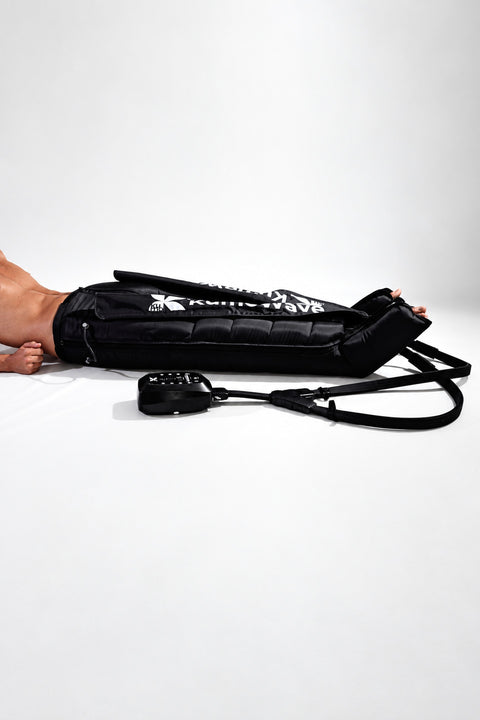
KumoWave Elite – Pressotherapy Pants
Full-coverage trousers. Ideal for lipedema, fluid retention and intensive use.
€799,00 €999,00
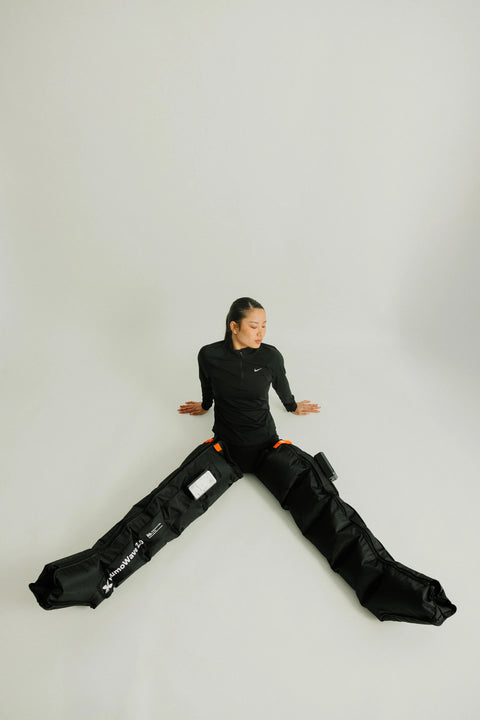
KumoWave 2.0 - Wireless Pressotherapy
Wireless, lightweight boots. Perfect for daily use and recovery.
€499,00 €599,00