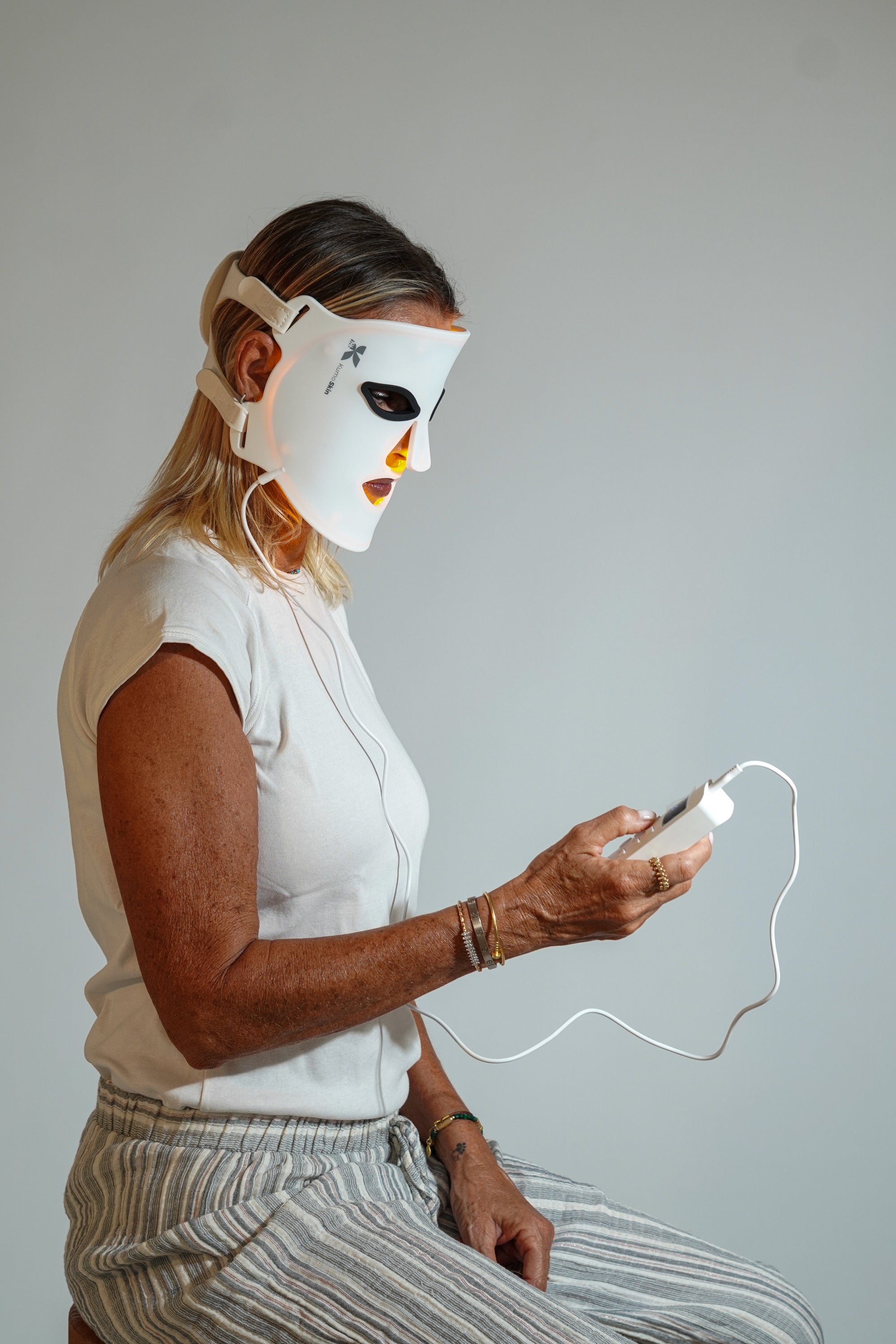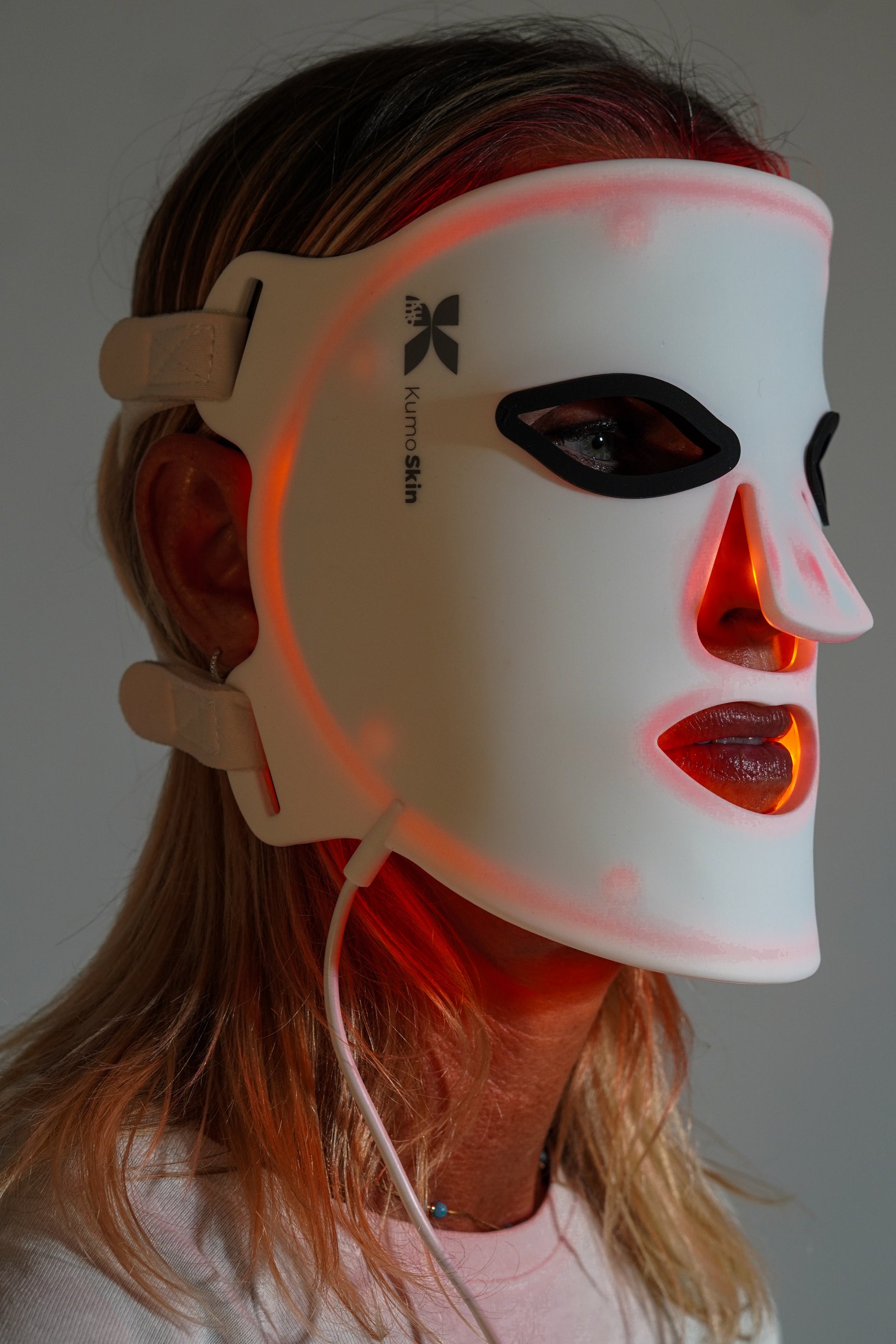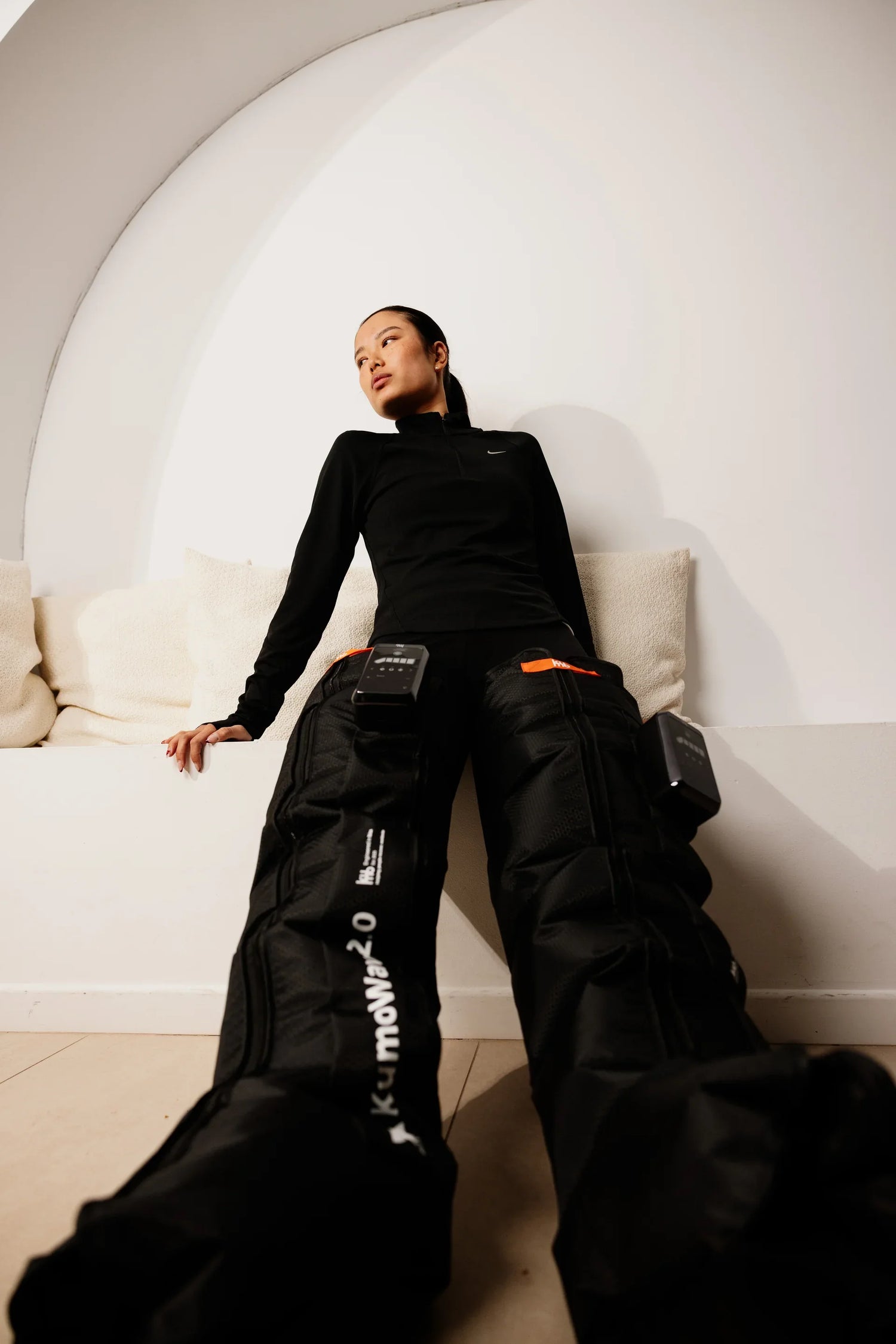
Diet matters. In lipedema, it doesn't cure on its own, but it can help control inflammation, pain, and heaviness when you choose what you eat and reduce more carefully. If you're still trying to understand your symptoms, start with the 10 warning signs not to ignore and, if you're unsure about the diagnosis, how to differentiate lipedema from cellulite. To expand your wellness routine, Kumo Balance's recovery and wellness hub brings together complementary content on rest and recovery. (nhs.uk)
What the evidence says about lipedema and diet
The NHS describes lipedema as an abnormal accumulation of fat in the legs and, sometimes, arms; it also reminds us that there is no cure, although there are measures that can help prevent it from worsening. The 2024 German S2k guideline adds three key ideas: the approach should start early, associated overweight should be treated when present, and shortcut diets are not a good strategy because the guideline must be stable, individualized, and sustainable. If there is concomitant obesity, the guideline indicates that weight reduction with the right diet can decrease leg volume. (nhs.uk)
Pressotherapy at home
End the day with light legs
★★★★★ 4,8/5 · rated by verified customers
KumoWave pressotherapy boosts circulation and helps drain fluid with sequential compression, in 20-minute sessions at home.
- Boosts circulation and helps drain fluid
- Chamber-based compression, adjustable to you
- Sequential compression that mimics manual drainage
€799,00€999,00
−10% on your 1st order when you subscribe to the newsletter

The practical point is simple: today there is no cure, but there are measures that can help control lipedema and prevent its worsening. (nhs.uk)
This same guideline insists that eating habits influence glucose, insulin, and therefore lipogenesis and inflammatory processes. Therefore, the goal is not to pursue an ideal weight at any cost, but to reduce pain, improve function, and maintain a better body composition if there is associated excess weight. (register.awmf.org)
Personalized protocol · included with your purchase
Want us to tell you how to use it in your case?
With your purchase, our experts prepare a personalized usage protocol for your case: sport, circulation, fluid retention, pregnancy or lipedema.
Message us on WhatsAppOur experts reply · no obligation
What to eat if you have lipedema
The most consistent basis today is a sustainable anti-inflammatory pattern, ideally Mediterranean-style. A study published in late 2025 in women with lipedema found that a more pro-inflammatory diet was associated with higher TNF-α and IL-6, while greater Mediterranean adherence was related to lower levels; and the 2021 study on a modified Mediterranean diet observed improvements in weight, BMI, and perceived quality of life with a hypocaloric pattern, although pain did not change clearly. (nature.com)
Foods that usually fit better
- Vegetables: fill most of your plate with colorful vegetables, as they provide fiber, volume, and micronutrients with a low glycemic load. This approach fits with the modified Mediterranean diet studied in lipedema. (mdpi.com)
- Sufficient protein: prioritize fish, eggs, legumes, chicken, tofu, or unsweetened natural yogurt to help preserve lean mass if you're looking to lose fat and not muscle. The guideline emphasizes that sufficient protein is important in weight loss with associated obesity. (register.awmf.org)
- Quality fats: use extra virgin olive oil, avocado, nuts, and seeds. In the 2021 study, the modified Mediterranean version replaced butter with olive oil and increased the proportion of unsaturated fats. (mdpi.com)
- Better quality carbohydrates: choose legumes, oats, quinoa, whole fruit, and whole grains in reasonable portions, because the goal is to avoid glucose and insulin spikes. In adults with more body fat, a lower glycemic load diet reduced C-reactive protein in a crossover trial. (register.awmf.org)
- Water and sugar-free drinks: opt for water, sugar-free infusions, and coffee or tea without excessive sweeteners. Reducing sugary drinks helps cut down on one of the main sources of added sugars in the diet. (cdc.gov)
Practical table for building your meals
| Group | Best option | Limit | Why it matters |
|---|---|---|---|
| Vegetables and fruit | Raw and cooked vegetables, whole fruit, berries | Juices, canned fruits, and sugary desserts | Add fiber and satiety without spiking the glycemic load as much; Mediterranean patterns studied in lipedema rely on these foods. (mdpi.com) |
| Proteins | Fish, eggs, legumes, tofu, chicken | Cured meats, processed meats, and ultra-fast dinners | Help preserve muscle mass and sustain satiety; in the modified Mediterranean diet studied in 2021, protein was boosted and processed foods were reduced. (register.awmf.org) |
| Fats | Olive oil, nuts, seeds, avocado | Trans fats and frequent fried foods, as well as industrial snacks | Favor a pattern closer to Mediterranean and less pro-inflammatory. (mdpi.com) |
| Carbohydrates | Legumes, oats, quinoa, brown rice in portions | White bread, pastries, sugary cereals, and soft drinks | The guideline recommends avoiding glucose and insulin spikes, and a trial with a low glycemic load showed improvement in inflammatory markers in people with more body fat. (register.awmf.org) |
If it's easier for you, think of the plate as protein + vegetables + good fat + quality carbohydrate, not as a list of forbidden foods. This logic aligns with the S2k guideline and the small studies published so far. (register.awmf.org)
That 2021 study involved 14 women with lipedema and 15 controls. After 4 weeks, the lipedema group reduced weight and BMI, and the EQ-5D score went from 8.3 to 6.9, but pain measured by VAS did not show a clinically relevant improvement. This difference accurately summarizes what you can expect from diet: real support, but no miracles. (mdpi.com)
on your first order when you join the newsletter
We send you the code instantly. No spam.
What to avoid or limit
There's no need to demonize foods, but it's wise to reduce what most easily facilitates sugar spikes, excess sodium, and an ultra-processed pattern. The CDC highlights that sugary drinks, desserts, and sweet snacks are primary sources of added sugars; the NHLBI recommends reading labels, choosing meals with more vegetables, fruit, and whole grains, and limiting saturated fats, added sugars, and salt; and the WHO insists on reducing sodium as a public health measure. The German guideline also warns against short and extreme diets, because the goal should be a permanent and personalized adaptation. (cdc.gov)
- Sugary drinks and daily sweets: soft drinks, industrial juices, pastries, and very frequent desserts elevate the load of added sugar. (cdc.gov)
- Ultra-processed foods and ready-to-heat meals: they often concentrate sugar, salt, and lower-quality fats, and the NHLBI recommends limiting them and reading labels more carefully. (nhlbi.nih.gov)
- Cured meats, processed meats, and salty snacks: they are easy to overeat and provide a lot of sodium. Reducing salt intake is one of the most robust public health measures that exist. (fda.gov)
- Frequent alcohol: it doesn't provide real satiety and complicates weight and inflammation control in many people. In the modified Mediterranean diet of the 2021 study, sweetened alcoholic beverages were avoided. (mdpi.com)
- Extreme restrictions and miracle diets: they are often difficult to sustain and increase the risk of rebound. The S2k guideline specifically recommends avoiding short-term approaches. (register.awmf.org)
Example of a day of eating
This example is not a medical protocol, but a simple way to apply the above without obsessing over calories. The pattern is inspired by the modified Mediterranean diet studied in lipedema and the recommendations of the S2k guideline. (mdpi.com)
- Breakfast: natural yogurt or unsweetened skyr with berries, chia, and a few walnuts.
- Mid-morning: a piece of whole fruit and water or infusion.
- Lunch: salmon, lentils, or chicken with a large salad, roasted vegetables, and a moderate portion of quinoa or brown rice.
- Snack: hummus with carrots or celery, or whole-wheat toast with avocado.
- Dinner: omelet with vegetables, vegetable cream with protein, or white fish with broccoli and olive oil.
If you notice that certain foods make you feel more bloated, keep a simple record for 2 to 3 weeks to see patterns without falling into unnecessary eliminations. The idea is to personalize, not to punish the body. (register.awmf.org)
Habits that boost nutrition
In lipedema, food works best when accompanied by movement, weight stability, and a realistic routine. The S2k guideline recommends physical activity, ideally with progression, and reminds that associated overweight can worsen the condition; the NHS also includes eating well, exercising more, and maintaining a healthy weight among the main measures. (register.awmf.org)
- Move with low impact: walking, swimming, cycling, or using an elliptical is usually gentler on sensitive legs than high-impact activities. (register.awmf.org)
- Combine cardio and strength: improving muscle mass helps with functionality and metabolic stability. The S2k guideline describes programs with aerobic and strength exercise within the conservative approach. (register.awmf.org)
- Use compression when indicated: compression can relieve pain and improve symptoms, although it does not reduce adipose tissue by itself. If you want an extra comfort for the feeling of heavy legs, you can review presotherapy for heavy legs at home within a global routine. (register.awmf.org)
- Take care of sleep and stress: long-term adherence improves when the plan is not experienced as a punishment. The guideline itself insists on permanently changing habits, not seasonally. (register.awmf.org)
If you want a broader view of a conservative approach, reading about a non-surgical approach with sustainable habits can help you fit nutrition, movement, and recovery into a sensible strategy. (register.awmf.org)
Frequently asked questions
Can diet eliminate lipedema or only help control it?
There is no diet that eliminates lipedema. What diet can do is help control symptoms, improve body composition if there is associated overweight, and prevent the condition from worsening due to the combined effect of inflammation, sedentary lifestyle, and glycemic spikes. The S2k guideline insists on realistic goals: less pain, more function, and a sustainable pattern, not a crash diet. (nhs.uk)
Does an anti-inflammatory diet help with lipedema symptoms?
It can help, especially as a basic strategy. Recent evidence in women with lipedema shows that a more pro-inflammatory diet is associated with higher inflammatory markers, while greater Mediterranean adherence is related to lower levels of TNF-α and IL-6. This does not mean that pain automatically disappears, because studies are still small and the relationship with quality of life is not always clear. Even so, as a background habit, it is worthwhile. (nature.com)
What foods should be avoided for lipedema?
It is usually most helpful to limit sugary drinks, pastries, ultra-processed foods, cured meats, salty snacks, and frequent alcohol. It is also advisable to monitor excessive white bread, refined flours, and foods that cause rapid hunger. The reason is not just "calories": added sugars, sodium, and ultra-processed patterns are associated with poorer diet quality, and in lipedema, the guideline recommends avoiding glucose and insulin spikes. (cdc.gov)
What exercises are recommended for people with lipedema?
Low-impact exercise is usually most recommended: walking, swimming, cycling, and, if tolerated, progressive strength training. The S2k guideline states that exercise, ideally with compression, can improve painful symptoms and function; furthermore, small trials have observed that combining exercise with compression therapy improves pain and the tendency to increase circumferences compared to exercise alone. The key is to start slowly and be consistent. (register.awmf.org)
What is lipedema and how does it differ from obesity?
Lipedema is an abnormal accumulation of fat that usually affects the legs and, sometimes, the arms, with pain, heaviness, and a tendency to bruising. It differs from obesity because it can appear even with a healthy weight and usually spares the feet and hands, while obesity distributes fat more generally. Even so, both conditions can coexist, so a correct diagnosis is very important before starting a diet. (nhs.uk)
What now?
If you want to continue, start with the complete guide to lipedema, review lipedema in legs: symptoms, phases, and how to relieve it, and, if you are looking for a broader view, return to real treatment options to fit nutrition, movement, and recovery with a sensible strategy. (register.awmf.org)
KumoWave pressotherapy
Choose your at-home pressotherapy
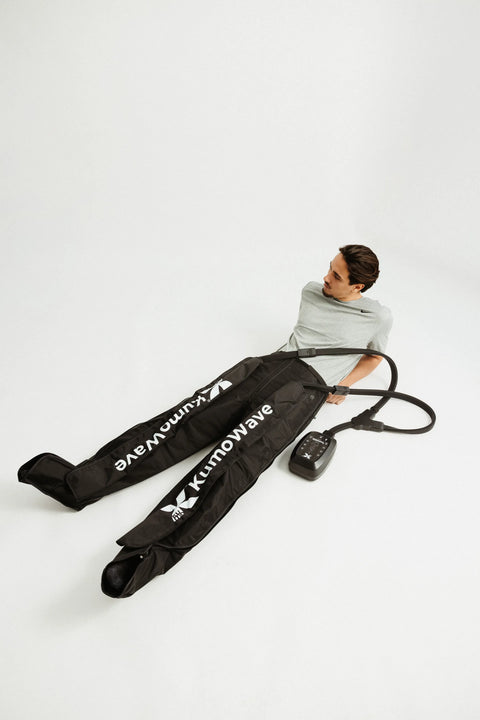
KumoWave Elite – Pressotherapy Pants
Full-coverage trousers. Ideal for lipedema, fluid retention and intensive use.
€799,00 €999,00

KumoWave 2.0 - Wireless Pressotherapy
Wireless, lightweight boots. Perfect for daily use and recovery.
€499,00 €599,00