Introduction: What works today against muscle contractures
Muscle contractions don't have to become an everyday occurrence.
By 2026, the most effective approach combines three pillars: intelligent movement (physiotherapy and exercise), preventative habits (posture, stress management, sleep), and recovery technologies (pneumatic compression, red light therapy, percussive massage) as support. This comprehensive approach not only relieves pain and stiffness but also reduces relapses and improves physical performance, both in active individuals and those who spend many hours sitting.
Pressotherapy at home
End the day with light legs
★★★★★ 4,8/5 · rated by verified customers
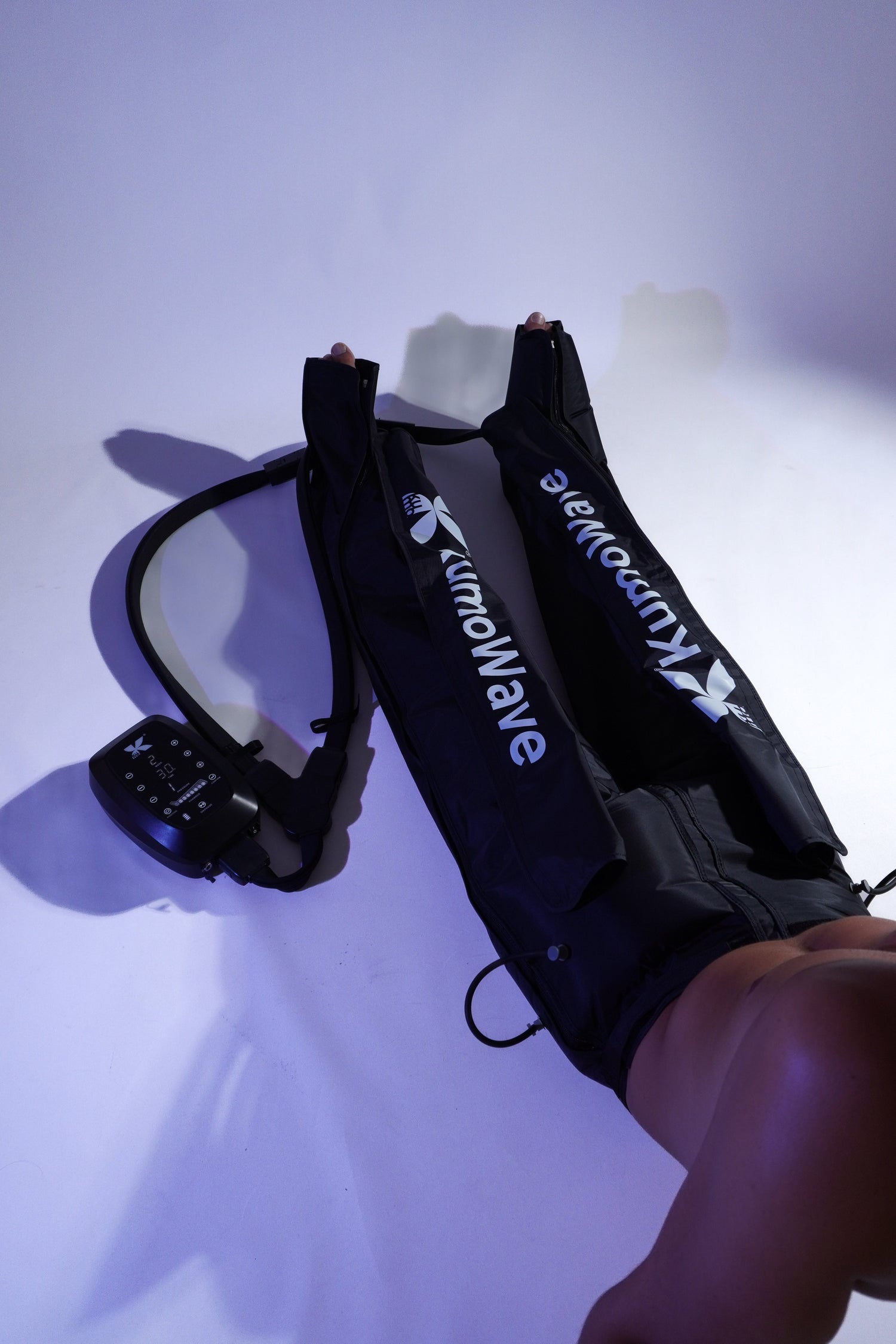
KumoWave pressotherapy boosts circulation and helps drain fluid with sequential compression, in 20-minute sessions at home.
- Boosts circulation and helps drain fluid
- Chamber-based compression, adjustable to you
- Sequential compression that mimics manual drainage
€799,00€999,00
−10% on your 1st order when you subscribe to the newsletter

Throughout this article you will see how to integrate these strategies into your routine and how KUMO 's recovery solutions can fit as a complement, without ever replacing medical diagnosis or treatment.
What exactly is a muscle contracture?
A muscle contracture is a sustained, involuntary contraction of a part of the muscle that causes pain, a "knot" sensation, stiffness, and often limited movement. It does not involve a rupture of muscle fibers like a tear, but rather an increase in muscle tone in a specific area. ( adfisioterapiavalencia.com )
Personalized protocol · included with your purchase
Want us to tell you how to use it in your case?
With your purchase, our experts prepare a personalized usage protocol for your case: sport, circulation, fluid retention, pregnancy or lipedema.
Message us on WhatsAppOur experts reply · no obligation
Unlike a cramp (a brief, intense spasm that usually lasts seconds or minutes), a contracture persists over time: it can last from a few days to several weeks, depending on the load, recovery, and treatment applied. ( medlineplus.gov )
Common symptoms of a muscle contracture
- Localized pain that increases when using or touching the muscle.
- Sensation of a "lump" or hardened area.
- Stiffness and partial loss of mobility.
- Discomfort when maintaining prolonged postures (sitting, standing, computer use, driving).
- In athletes, decreased performance and a feeling of premature fatigue.
Causes and types of muscle contractures
Most frequent causes in daily life
The reasons for the development of a muscle contracture are usually multifactorial. Among the most common are: ( txellgracia.es )
- Overload or overuse : training beyond your capacity, increasing volume or intensity too quickly, lifting weights with poor form.
- Poor posture maintained : hours in front of the computer, looking at the mobile phone or driving without breaks.
- Stress and emotional tension : the classic “knot in the neck and shoulders”.
- Dehydration and electrolyte imbalance : promote cramps and spasms that can lead to muscle contractures. ( medlineplus.gov )
- Lack of movement : sedentary lifestyle or prolonged immobilization.
- Previous injuries : sprains, tears, or surgeries that change the way you move and overload other muscles. ( medlineplus.gov )
Main types of muscle contractures
- Exertional muscle sores : These appear during or just after intense exercise because the muscle is unable to properly eliminate waste metabolites and becomes fatigued. ( atlas-fisioterapia.es )
- Postural : related to sustained positions (neck, shoulders, lumbar area) in front of the computer or in static work.
- Residual : These remain as a protective mechanism after a major injury (fractures, muscle tears, surgery); if left untreated, they can become chronic. ( atlas-fisioterapia.es )
- Associated with neurological problems or prolonged immobilization : here we are talking about contractures in the broad medical sense (structural shortening of muscles and tendons) and they require a specialized approach. ( medlineplus.gov )
When is a muscle contraction a warning sign?
Most simple mechanical contractures are bothersome but benign. However, you should consult a healthcare professional (doctor or physical therapist) if: ( medlineplus.gov )
on your first order when you join the newsletter
We send you the code instantly. No spam.
- The pain is very intense, worsens at night, or wakes you up while sleeping.
- You notice loss of strength , tingling, prickling, or a burning sensation.
- There is fever, noticeable swelling, or redness in the area.
- The stiffness progressively worsens or severely limits your daily life.
- You have suffered a severe trauma (accident, fall, significant sports injury).
In these cases it is important to rule out muscle tears, joint problems, nerve compressions or other disorders that are not resolved with self-massage or heat alone.
Effective treatment for muscle contractures in 2026
The current most evidence-based treatment combines controlled movement , manual therapy, and exercise , along with recovery strategies to improve blood flow, modulate pain, and facilitate muscle relaxation. The key is to avoid both inaction and excessive passive interventions without lifestyle changes.
1. Immediate measures at home (first 24–72 hours)
For a typical muscle contracture (without warning signs), you can apply:
- Relative rest : reduces the load, but avoids absolute rest; gentle movement is usually better than immobilization. ( adfisioterapiavalencia.com )
- Moderate local heat (hot shower, soft electric blanket, warm compress 10–20 minutes) to promote vasodilation and relaxation.
- Gentle mobility and light stretching without reaching intense pain.
- Gentle self-massage with your hands or a ball, avoiding aggressive pressure.
- If your doctor indicates it, take analgesics or anti-inflammatories for a few days, respecting the dosage and contraindications.
2. Physiotherapy and therapeutic exercise
When a muscle contracture doesn't improve within a few days, recurs frequently, or significantly limits your activity, physiotherapy is one of the most well-supported interventions. It often combines: ( fisioterapiaheredia.com )
- Manual therapy (massage, myofascial release, dry needling, mobilizations) to reduce muscle tone and improve blood flow.
- Progressive therapeutic exercise to regain strength and endurance of the affected muscle.
- Mobility and motor control work to get the muscle working properly again in daily or sports activities.
- Postural and load education : how to sit, how to train, how to dose the effort.
A key point in 2026: most guidelines recommend maintaining adapted activity instead of "stopping everything" except in serious cases or under medical indication.
3. Recovery technologies that complement (but do not replace) treatment
In recent years, various technologies aimed at improving circulation, modulating pain, and accelerating muscle recovery have gained prominence. They don't replace medical diagnosis or physiotherapy, but they can be a valuable addition to your routine.
3.1 Pressotherapy and intermittent pneumatic compression
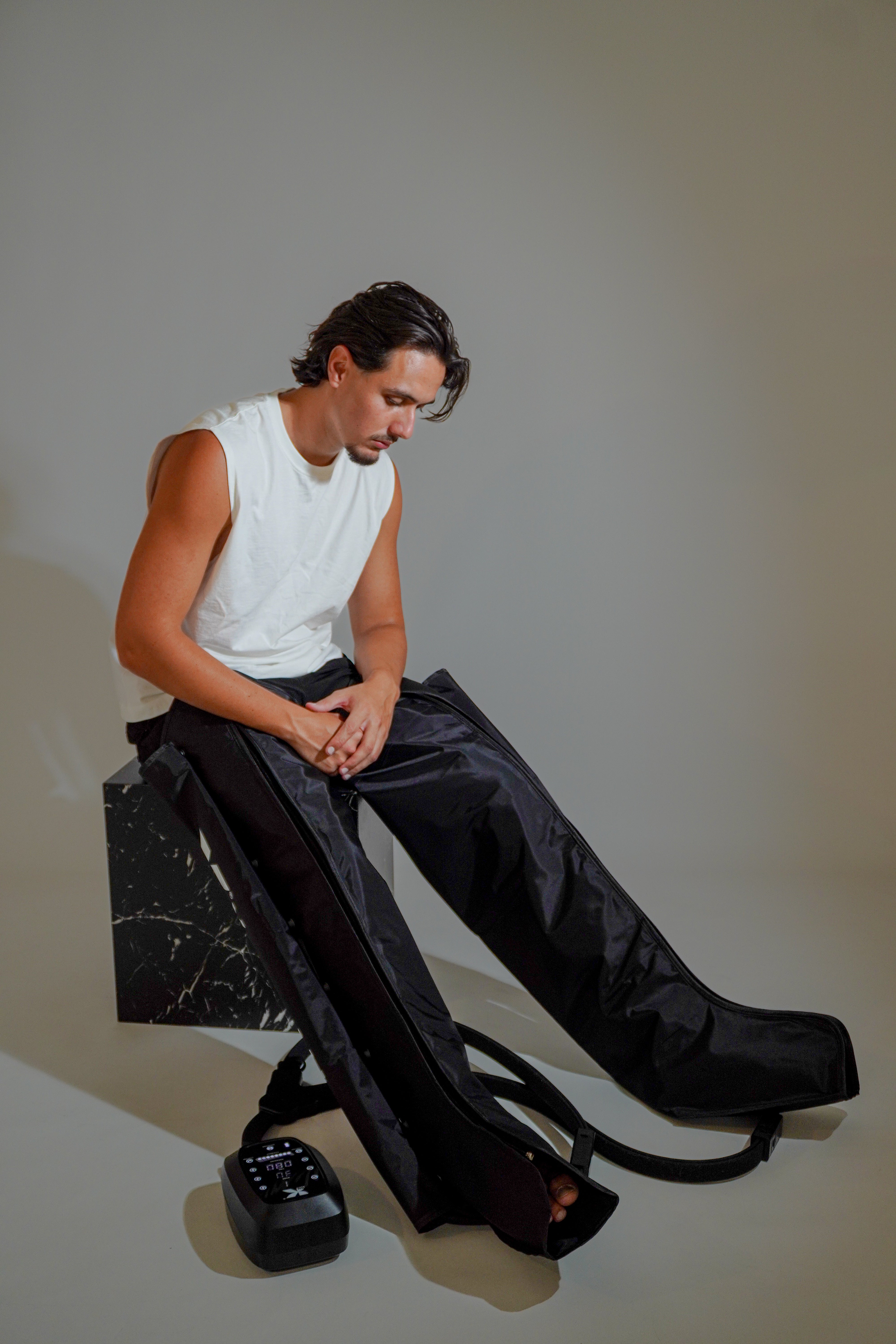
Pressotherapy involves boots or sleeves that are sequentially inflated and deflated, applying controlled pressure to the legs. A systematic review of 17 studies (319 participants) found a small but consistent benefit of intermittent pneumatic compression in reducing pain and muscle soreness after exercise, as well as in certain indicators of muscle function. ( pubmed.ncbi.nlm.nih.gov )
In the context of muscle contractures (especially in tired legs or after intense training), pressotherapy can help to:
- Improve venous and lymphatic return.
- Reduce the feeling of heaviness and stiffness.
- Promote a more comfortable recovery between training sessions.
KUMO compression boots are part of this family of compression technologies for recovery and can be integrated into the routine of athletes or people who spend many hours standing or sitting. They should always be used according to the manufacturer's recommendations and, in the case of vascular disease or medical problems, under professional supervision.
3.2 Photobiomodulation and red light therapy
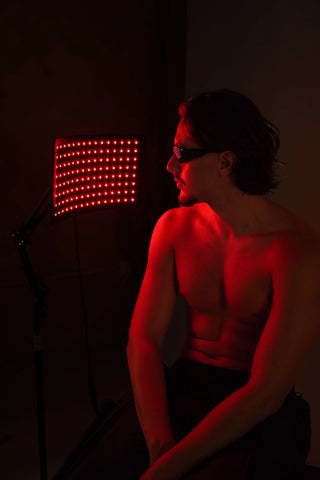
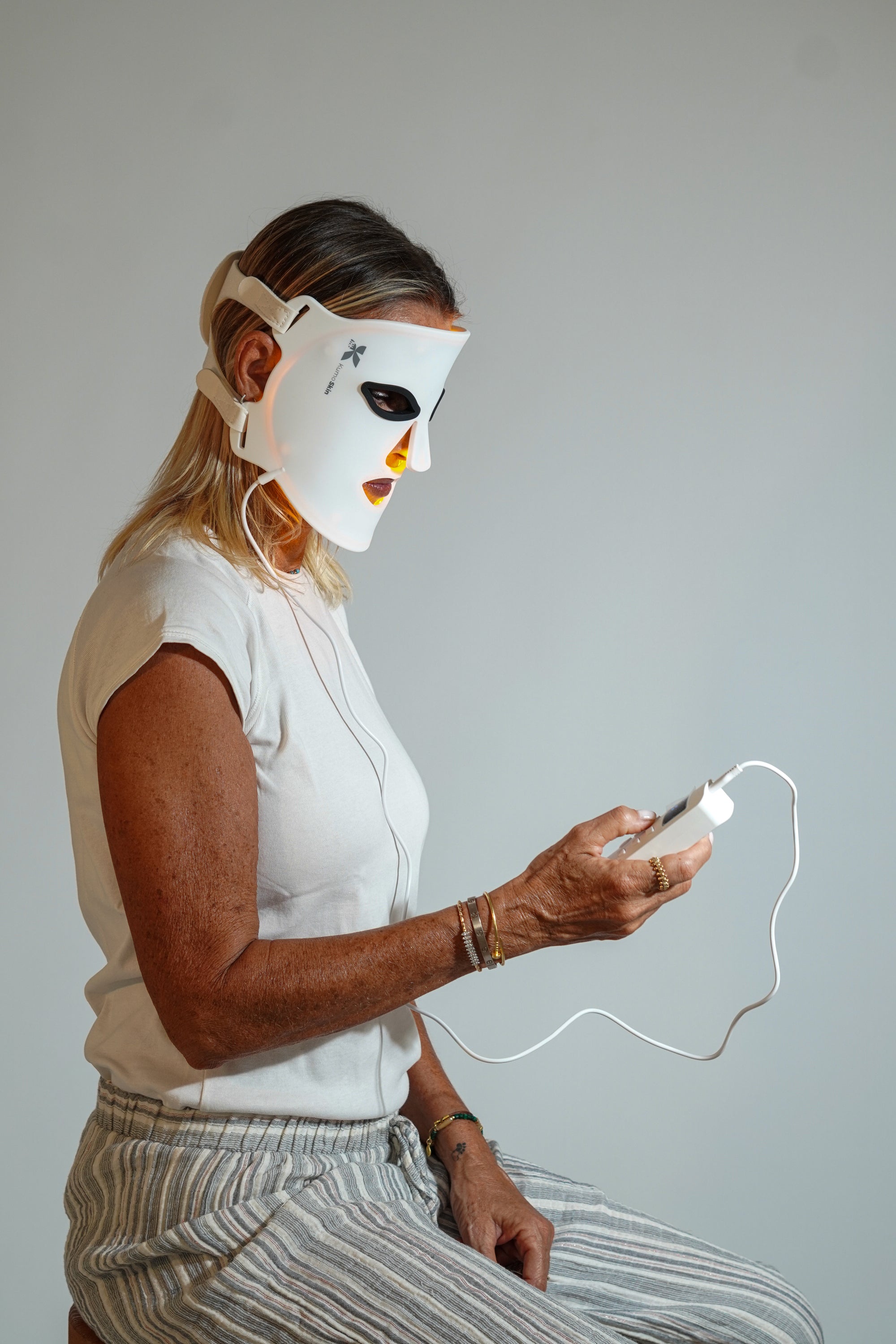
Photobiomodulation (PBMT) uses low-intensity red and/or near-infrared light to modulate cellular processes involved in inflammation, energy production, and tissue repair. Several trials and meta-analyses in athletes have observed that, when applied in appropriate doses before or after exercise, phototherapy can improve muscle performance and reduce post-exercise soreness and markers of muscle damage. ( pubmed.ncbi.nlm.nih.gov )
In a clinical trial with 50 healthy volunteers subjected to intense eccentric contractions, PBMT applied to the quadriceps muscle improved strength, reduced pain, and decreased creatine kinase between 24 and 96 hours compared to placebo and cryotherapy. ( pubmed.ncbi.nlm.nih.gov ) This suggests that red/infrared light may be a useful tool in muscle recovery after exertion that is often associated with contractures.
KUMO LED light therapy devices are based on this principle of red light therapy and are designed to be integrated into recovery and wellness routines. They are not a substitute for medical treatment or physiotherapy, but they can complement mobility, stretching, and strengthening exercises.
3.3 Percussive massage (massage guns)
Percussive massage applies rapid, deep pulses to muscle tissue. Scientific literature on recovery shows that massage (along with other techniques such as vibration or compression) can reduce the perception of delayed onset muscle soreness (DOMS) and improve the feeling of recovery without impairing performance. ( pubmed.ncbi.nlm.nih.gov )
In practice, a massage gun used correctly can help to:
- Relax areas with excessive tension.
- Improve local traffic flow.
- Increase the feeling of mobility before exercise.
The KUMOPulse Air massage gun is designed to facilitate this type of self-massage in a controlled manner. It is important to avoid using it directly on acute injuries, fractures, large varicose veins, or areas with intense inflammation, and to use moderate pressure and duration.
4. Daily habits to prevent the contracture from returning
No treatment will be truly effective if you don't change the conditions that caused the contracture. Some key guidelines:
- Postural hygiene : adjust screen and chair height, use lumbar support, rest your feet, avoid tilting your head forward for extended periods.
- Active breaks : Get up and move around for 2–3 minutes every 45–60 minutes of sedentary work.
- Warm-up and cool-down : Before training, activate the areas that tend to get tense; at the end, perform mobility exercises and gentle stretches.
- Adequate hydration and nutrition can reduce the risk of cramps and excessive fatigue. ( medlineplus.gov )
- Stress and sleep management : breathing, guided relaxation, sleep hygiene… Recurrent cervical contractures usually improve when the underlying emotional tension is addressed.
Comparative table of treatments for muscle contractures
| Treatment option | Guy | Main objective | When is it most useful? | Comments |
|---|---|---|---|---|
| Local heat + gentle mobility | Self-care at home | Relax the muscle and improve blood flow | First 24–72 h in mild contractures, without alarm signs | Avoid very intense or prolonged heat if there is obvious inflammation. |
| Physiotherapy and therapeutic exercise | Professional | Normalize tone, improve strength and mobility | Recurrent contractures, functional limitation, athletes | Basis of treatment in most mechanical cases. |
| Pneumatic pressotherapy | Recovery technology | Reduce fatigue and post-exertion pain, promote venous return | Loaded lower limbs, heavy legs, recovery between workouts | Small to moderate benefit in pain and function; complement to, not a substitute for, exercise. ( pubmed.ncbi.nlm.nih.gov ) |
| Photobiomodulation / red light | Recovery technology | Support muscle recovery and modulate pain | Before or after intense efforts, rehabilitation programs | Evidence suggests improved performance and pain reduction in well-dosed protocols. ( pubmed.ncbi.nlm.nih.gov ) |
| Percussive massage (gun) | Recovery technology | Relieve localized tension and improve perception of recovery | Localized stiffness, muscle preparation prior to exercise | Use with caution, avoiding injured or severely inflamed areas. ( pubmed.ncbi.nlm.nih.gov ) |
| Medication and medical evaluation | Doctor | Pain management, diagnosis of underlying causes | Intense pain, neurological symptoms, suspected serious injury | Treatment may include pain relievers, muscle relaxants, or imaging tests. ( medlineplus.gov ) |
Frequently asked questions about muscle contractures
How long can a muscle spasm in the neck last?
In a typical mechanical neck strain, without a serious underlying injury, acute pain usually improves within 3–7 days , and stiffness can last up to 2–3 weeks if posture and workload are not modified. ( adfisioterapiavalencia.com ) However, if you continue working long hours in front of a computer without breaks, the strain tends to become chronic and recur. To shorten its duration, combine moderate local heat, gentle neck mobility, specific exercises prescribed by a physiotherapist, and ergonomic adjustments to your workstation. If the pain is very intense, radiates to the arm, or is accompanied by tingling, consult a healthcare professional.
What is good for a muscle spasm in the lower back?
In the lumbar region, muscle tension is often related to sustained postures, improper lifting techniques, or sports-related overuse. Current recommendations include maintaining adapted activity (walking, moving within your limits), applying moderate heat, working on lumbopelvic mobility, and strengthening the glutes and deep core muscles under supervision. ( adfisioterapiavalencia.com ) Physiotherapy may include manual therapy, therapeutic exercise, and postural education. Technologies such as compression therapy for tired legs or red light therapy to support muscle recovery can be useful complements, provided they do not replace active exercise or medical evaluation when there is radiating pain down the leg, loss of strength, or neurological symptoms.
When should I see a doctor for a muscle strain?
You should see a doctor if the muscle spasm develops after a significant injury, if the pain is very intense or worsens with rest, if you experience weakness, tingling, numbness , or if the muscle is very swollen, red, or hot. ( medlineplus.gov ) It's also advisable to consult a doctor if the pain lasts more than 2–3 weeks despite relative rest and basic physical therapy, or if it's accompanied by fever, unexplained weight loss, or other general symptoms. The doctor can rule out tears, spinal problems, inflammatory diseases, or more complex structural muscle spasms, and refer you to physical therapy or other specialists as needed.
Can muscle contractures be prevented if I work long hours sitting down?
Yes, prevention is especially important in sedentary jobs. Prioritize proper ergonomics (screen at eye level, adjusted chair, lumbar support, feet firmly planted) and take active breaks of 2–3 minutes every hour to move your neck, shoulders, and spine. ( txellgracia.es ) Add regular gentle strength exercises for your back, glutes, and abdomen, and specific stretches for your chest, hip flexors, and posterior chain. Managing stress and getting enough sleep also reduces the tendency toward neck and lower back tension. Recovery technologies such as percussion massage or red light therapy can help relieve muscle tension at the end of the day, but they don't replace these basic habits.
Is it dangerous to use massage guns or pressotherapy with muscle contractures?
In healthy individuals, the reasonable use of massage guns and compression therapy is generally considered safe and does not appear to worsen muscle recovery, according to the most recent reviews ( pubmed.ncbi.nlm.nih.gov ). However, there are situations in which they should be avoided or performed only under medical supervision: the presence of venous thrombosis, severe vascular problems, recent fractures, infections, open wounds, high-risk pregnancy, or uncontrolled chronic diseases. For simple muscle contractures, it is advisable to start with short sessions, low intensity, and never use them when there is intense, acute pain. If you notice a marked increase in pain, tingling, or swelling, discontinue use and consult a healthcare professional.
So what now?
If you want to address your muscle tension more effectively in 2026, think on three levels: move better (physiotherapy and exercise), live better (posture, sleep, stress management), and recover better (technologies that support this process). At KUMO, you'll find pressotherapy solutions, LED light therapy , and massage guns designed to integrate recovery into your daily life, always as a complement to a holistic approach to health. If you have specific questions about your case, you can contact us through the KUMO contact page and combine professional advice with the most suitable recovery technology for you.
KumoWave pressotherapy
Choose your at-home pressotherapy
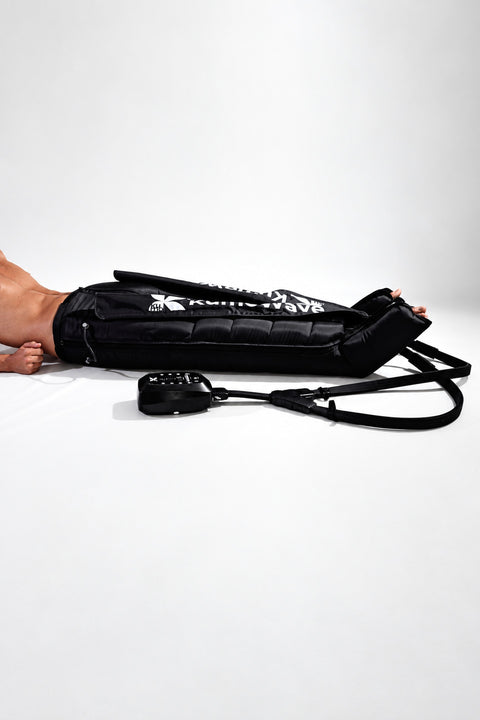
KumoWave Elite – Pressotherapy Pants
Full-coverage trousers. Ideal for lipedema, fluid retention and intensive use.
€799,00 €999,00
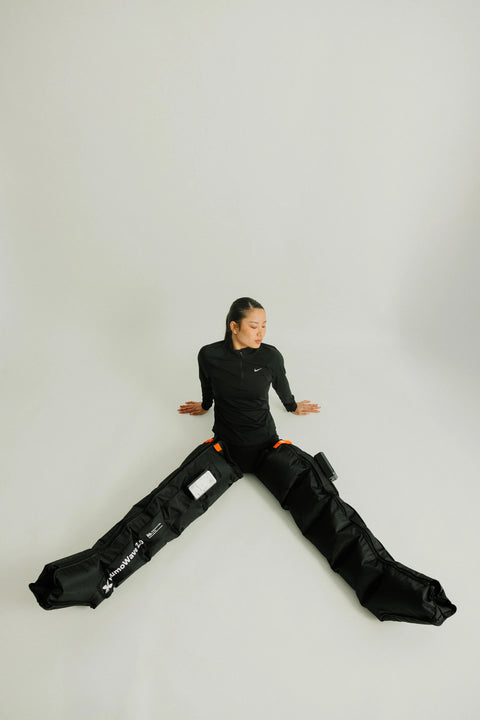
KumoWave 2.0 - Wireless Pressotherapy
Wireless, lightweight boots. Perfect for daily use and recovery.
€499,00 €599,00