Taking care of yourself every day is easier than it seems.
When we talk about daily well-being , we're not referring to big, overnight changes, but rather small, consistent decisions that improve how you sleep, how you move, how you recover, and how you feel in your own skin. In this article, you'll find a practical, evidence-based guide to building realistic self-care routines and see how recovery technology, like that offered by KUMO , can help you maintain those habits over time.
Pressotherapy at home
End the day with light legs
★★★★★ 4,8/5 · rated by verified customers
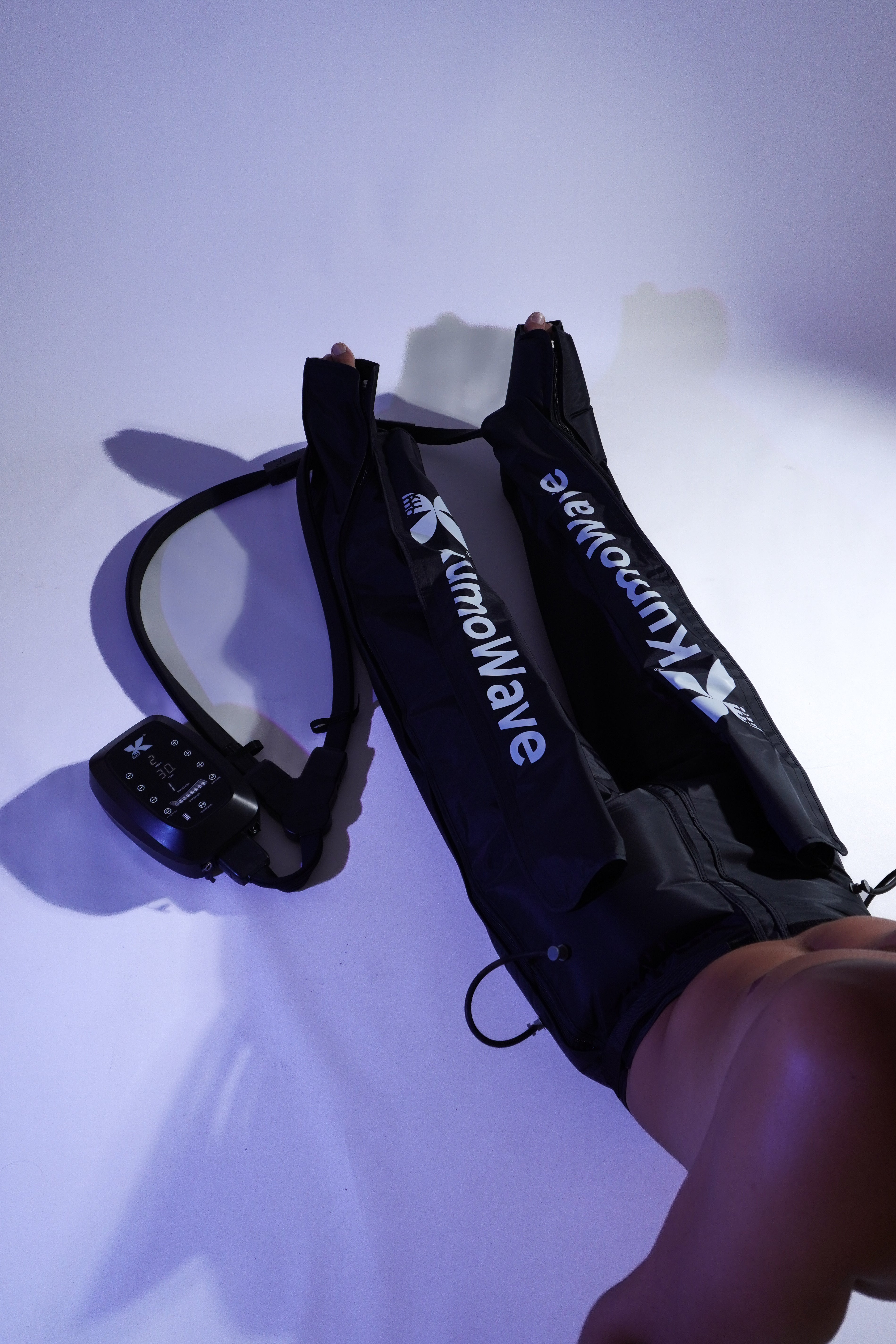
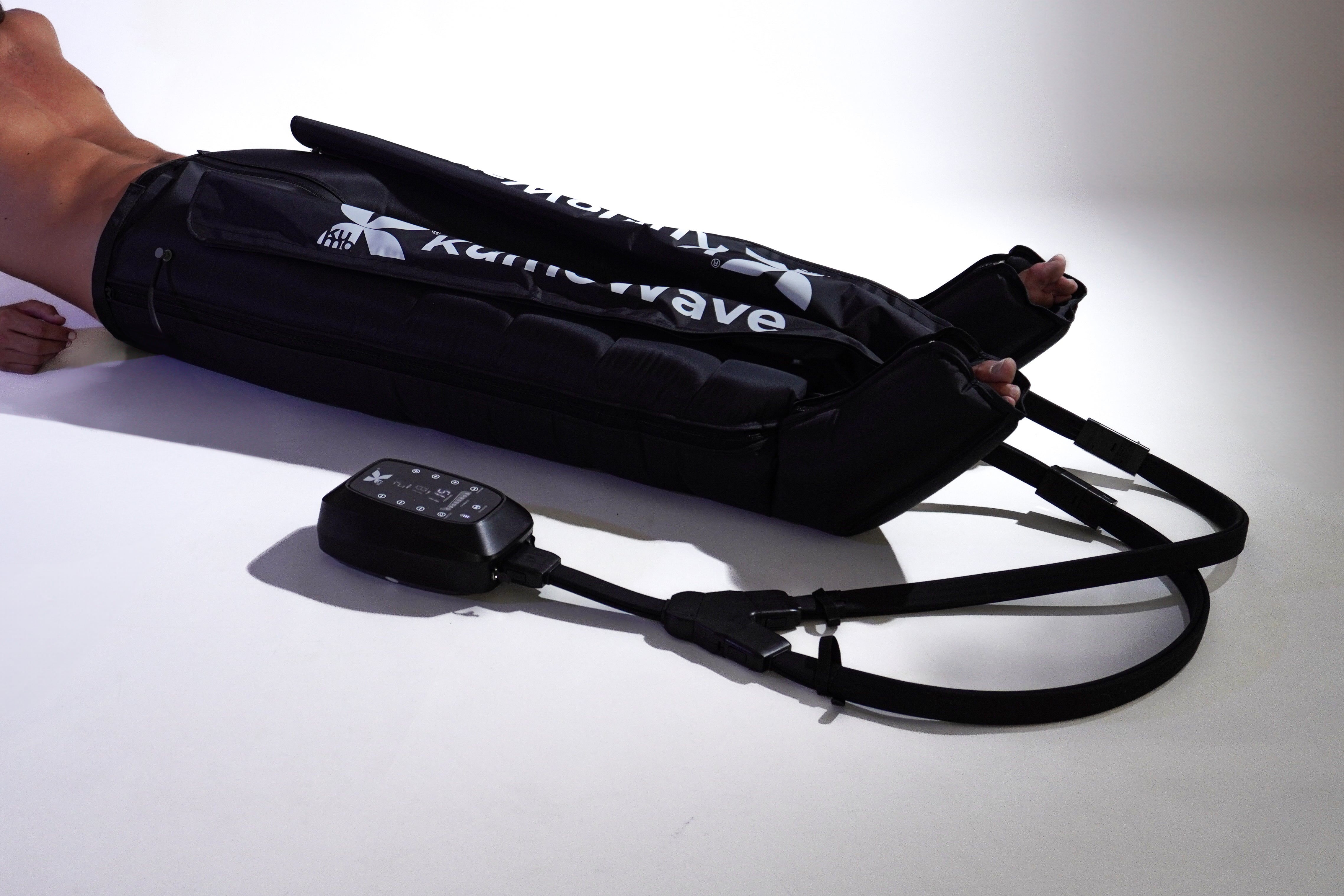
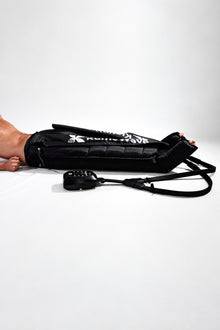
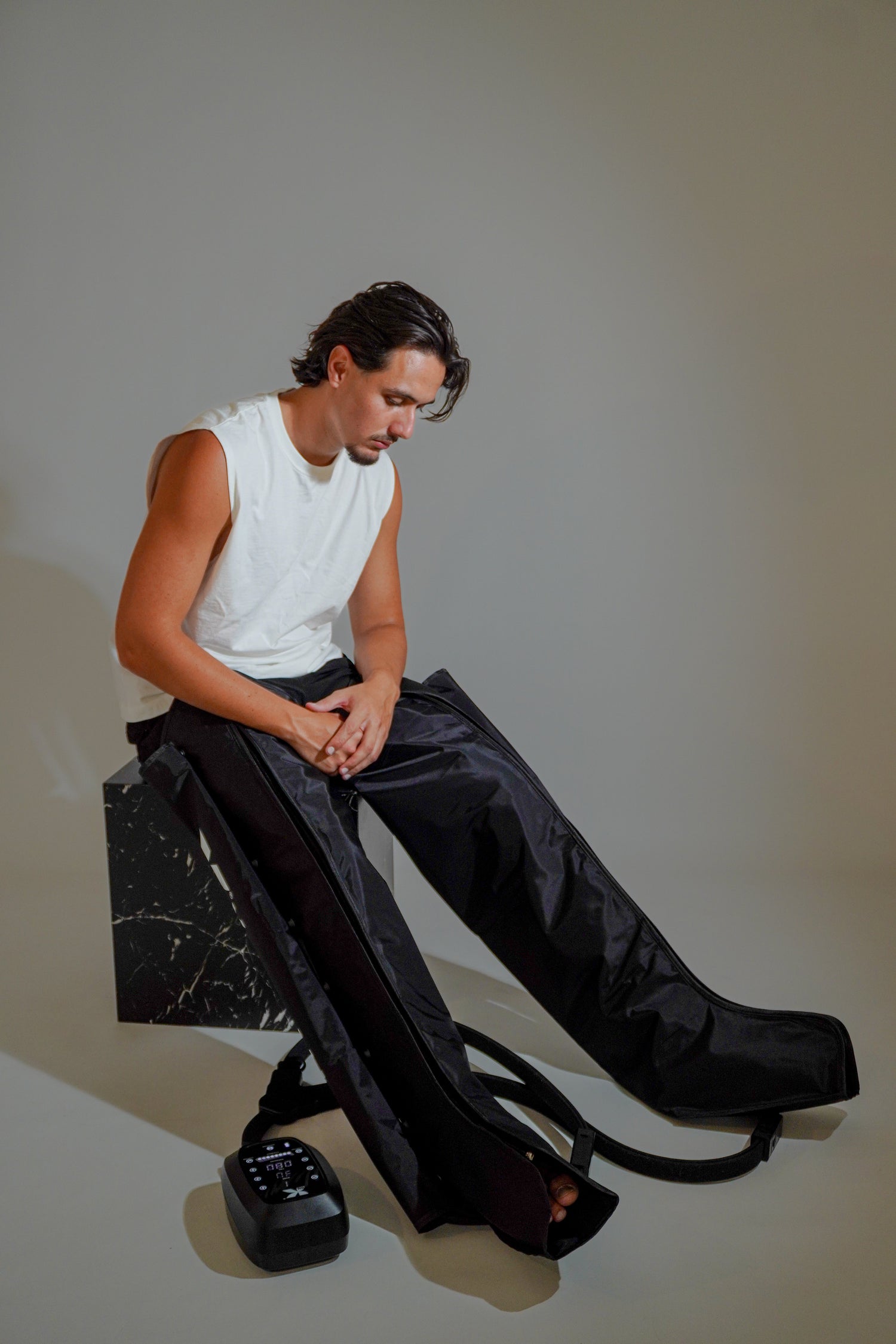
KumoWave pressotherapy boosts circulation and helps drain fluid with sequential compression, in 20-minute sessions at home.
- Boosts circulation and helps drain fluid
- Chamber-based compression, adjustable to you
- Sequential compression that mimics manual drainage
€799,00€999,00
−10% on your 1st order when you subscribe to the newsletter

What is everyday well-being and why does it matter?
Daily well-being is the sum of the actions you take each day to care for your body, mind, and energy. It's not just about "not being sick": it includes having the strength to move, mental clarity to concentrate, a good mood to socialize, and the ability to recover after exertion.
Organizations like the WHO remind us that lack of physical activity, an unhealthy diet, and poor sleep increase the risk of cardiovascular disease, diabetes, certain types of cancer, and mood disorders. (who.int ) The good news is that many of these risks can be reduced with simple and consistent habits.
Personalized protocol · included with your purchase
Want us to tell you how to use it in your case?
With your purchase, our experts prepare a personalized usage protocol for your case: sport, circulation, fluid retention, pregnancy or lipedema.
Message us on WhatsAppOur experts reply · no obligation
Pillars of daily well-being
1. Movement: physical activity integrated into your routine
The body is designed to move. The WHO recommends that adults engage in at least 150–300 minutes of moderate-intensity aerobic physical activity per week (e.g., brisk walking) or 75–150 minutes of vigorous-intensity activity. (who.int ) This equates to about 20–40 minutes per day.
However, nearly a third of adults worldwide do not reach these levels of activity, increasing the risk of chronic diseases and premature death. ( paho.org ) That's why it's so important to make movement a daily habit, not just something you do "when you can."
Practical ideas to move more each day:
on your first order when you join the newsletter
We send you the code instantly. No spam.
- Walk for 5–10 minutes after each meal.
- Get off one stop earlier from public transport or park a little further away.
- Take the stairs instead of using the elevator whenever possible.
- Schedule active breaks of 2-3 minutes every hour if you work sitting down.
- Perform 2 days a week of strength exercises using body weight (squats, wall push-ups, gentle planks).
The key is consistency: every step counts, especially if you lead a very sedentary life.
2. Restful sleep: your main recovery tool
Sleep is one of the most undervalued pillars of daily well-being. Sleep societies and organizations such as the American Academy of Sleep Medicine recommend that adults sleep 7 or more hours each night on a regular basis to maintain optimal health. ( pmc.ncbi.nlm.nih.gov ) Consistently sleeping less is associated with a higher risk of obesity, diabetes, hypertension, depression, and accidents.
Simple habits to improve your sleep hygiene:
- Going to sleep and waking up at similar times every day (even on weekends).
- Avoid bright screens (mobile phone, tablet, computer) at least 30–60 minutes before going to bed.
- Keep the bedroom dark, quiet and at a cool temperature.
- Eat a light dinner and finish your meal at least 2–3 hours before going to bed.
- Limit caffeine from mid-afternoon onwards and alcohol at night.
If, despite following good habits, you continue to sleep poorly, snore loudly, or experience breathing pauses, it is important to consult a healthcare professional to rule out sleep disorders.
3. Simple and mindful eating
A balanced diet doesn't have to be complicated. The WHO states that a diet rich in fruits, vegetables, legumes, nuts, and whole grains, and low in salt, free sugars, and saturated fats, helps prevent cardiovascular disease, diabetes, and some types of cancer. ( who.int )
Basic principles you can apply daily:
- Fill at least half your plate with vegetables and some fruit throughout the day.
- Prioritize whole grains (oats, brown rice, whole wheat bread) over refined grains.
- Include quality protein sources: legumes, fish, eggs, nuts, and meat in moderate amounts according to your needs.
- Drink mostly water and limit sugary drinks.
- Reduce your consumption of ultra-processed products that are very high in sugar, salt, and unhealthy fats.
It's not about a "perfect diet," but about making better choices most days. Small, consistent changes have a huge long-term impact.
4. Stress management and mental health
Stress is a part of life, but when it becomes chronic, it affects sleep, digestion, physical performance, and relationships. Regular physical activity, quality social interaction, and simple emotional regulation techniques can make a big difference.
Short practices for your daily life:
- Diaphragmatic breathing: 5 deep, slow breaths, several times a day.
- “Micromeditations” of 2–3 minutes of mindful breathing.
- Mindful screen-free breaks between tasks (look out the window, stretch, walk).
- Digital hygiene: mark times without notifications (for example, the first and last hour of the day).
If emotional distress is interfering with your daily life (work, relationships, self-care), seek professional support. Psychotherapy and appropriate treatment can be an essential part of your daily well-being.
5. Environment and routines: making the habit easy
Often the problem isn't knowing what to do, but rather doing it consistently. Designing the environment is key to that.
- Stack habits: associate a new habit with one you already do (for example, always stretching after brushing your teeth).
- Reduce friction: leave the yoga mat visible, prepare the workout clothes the night before, have washed fruit ready.
- Use reminders: gentle alarms, notes on the fridge, habit-tracking apps.
- Think in mini-habits: better 5 minutes every day than 1 hour once a month.
Integrate recovery into your daily well-being
In addition to moving, eating well, and sleeping better, your body needs to recover from physical exertion and daily stress. This is where recovery technologies, like those offered by KUMO, can become allies in transforming recovery into a pleasant and consistent ritual.
Light and circadian rhythms: harnessing light to your advantage
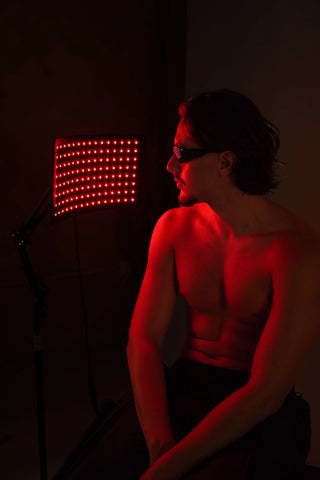
Light is one of the most powerful regulators of our biological clock. Exposure to bright light in the morning helps synchronize circadian rhythms and may improve certain sleep problems, according to a meta-analysis on light therapy for sleep disorders and insomnia. ( pubmed.ncbi.nlm.nih.gov )
Bright light phototherapy has been used for years to treat seasonal affective disorder and some circadian rhythm disorders, always under medical supervision. ( pubmed.ncbi.nlm.nih.gov ) In parallel, recent studies are exploring the use of red and near-infrared light before bed to improve the subjective perception of relaxation and sleep quality, although the evidence is still emerging. ( pubmed.ncbi.nlm.nih.gov )
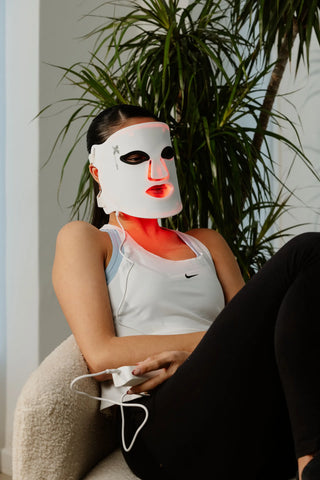
LED light therapy devices aimed at wellness and recovery should be used following the manufacturer's instructions, respecting times, distances and possible contraindications, and consulting with a health professional if you have pathologies or are undergoing treatment.
Muscle recovery and leg care
After exercise or many hours of standing or sitting, muscles and legs appreciate recovery strategies: gentle movement, stretching, hydration, massage, or controlled compression.
Scientific evidence suggests that massage after intense exertion can reduce delayed onset muscle soreness (DOMS) and improve some performance indicators, with particularly noticeable effects at 48–72 hours. ( pubmed.ncbi.nlm.nih.gov ) Other trials have found reductions of around 30% in muscle soreness following post-exercise massage. ( pubmed.ncbi.nlm.nih.gov )
In the field of circulation, intermittent pneumatic compression has been shown to improve peripheral circulation in the legs, observed through deep plantar temperature changes in the treated limb in post-surgical patients. ( pubmed.ncbi.nlm.nih.gov ) Although these studies are conducted in clinical settings, they illustrate the potential of controlled compression to promote venous return.
How to integrate these tools into your daily life:
- Perform short stretching sessions after training or at the end of the day.
- Use a roller or massage gun with moderate intensity to relieve tense muscle groups, respecting your sensations.
- Schedule pressotherapy boot sessions on days with heavy load on the legs (intense training, many hours standing or sitting).
These tools do not replace movement, hydration, or rest, but they can help your muscles recover better and reduce the feeling of heavy legs, helping you maintain your physical activity routine.
Skin care: wellness that shows
Your skin is your most visible organ and one of the first things you notice when you're tired or stressed. Beyond cosmetics, taking care of it is part of your overall health: it acts as a barrier against external agents, regulates temperature, and even impacts your self-esteem.
LED photobiomodulation (especially at red and near-infrared wavelengths) has been investigated as a complementary tool to improve signs of skin aging. Controlled clinical trials have observed reductions of around 30% in the volume of periorbital wrinkles after several weeks of treatment with low-intensity red or amber light. ( pubmed.ncbi.nlm.nih.gov )
LED face masks can be incorporated into a nightly wellness routine: cleanse your skin, apply basic products recommended by your dermatologist, and then use the light therapy session for the indicated duration and frequency. If you have a skin condition, are pregnant, are taking photosensitizing medication, or have any other concerns, it is essential to consult a specialist before using these devices.
Examples of micro-habits for your day
To turn all of the above into concrete actions, it can help to visualize your day in moments.
Table of daily habits and recommended time
| Time of day | Habit | Approximate time | Main benefit |
|---|---|---|---|
| Tomorrow | Exposure to natural light (short walk or balcony) | 5–15 minutes | Synchronize circadian rhythms and improve mood |
| Tomorrow | Soft mobility (neck, shoulders, hips) | 3–5 minutes | Reduce stiffness and prepare the body for the day |
| During the day | Active breaks (walking, stretching) | 2–3 minutes every hour | Break the sedentary lifestyle and improve concentration |
| Late | Light walk or short exercise session | 20–30 minutes | Contribute to cardiovascular health and mental well-being |
| Late evening | Stretching + massage or gentle massage gun | 10–15 minutes | Promote muscle recovery and reduce tension |
| Evening | Reduced digital routine (no screens) and skin care | 20–30 minutes | Improve sleep quality and skin comfort |
Frequently asked questions about daily wellness
How can I start improving my daily well-being if I have very little time?
The best way to start is to choose one or two minimal habits that you can repeat every day without excuses. For example: walk for 5–10 minutes after a meal, drink a glass of water when you wake up and before bed, and do 3–5 minutes of stretching before sleeping. Once these actions become automatic, add another small habit (for example, an active break every hour or 5 minutes of mindful breathing). The goal isn't to make it perfect, but to make it possible and sustainable.
How many hours of sleep should I get to feel good every day?
For adults, the general recommendation from sleep societies is between 7 and 9 hours of sleep per night , with 7 hours being the minimum recommended for good health for most people ( pmc.ncbi.nlm.nih.gov ). Some people may need a little more or less, but if you consistently sleep less than 7 hours and notice fatigue, mood swings, or lack of concentration, it's advisable to review your sleep habits and even consult a professional. Regularity (going to bed and waking up at similar times) is almost as important as quantity.
What's better: doing intense exercise some days or moving a little every day?
Both can be helpful, but for daily well-being , moving every day is key. Evidence shows that meeting the weekly recommendations for physical activity (150–300 minutes of moderate activity) reduces the risk of chronic diseases and mortality, even if spread out in short bursts throughout the week. (who.int ) If you enjoy intense exercise, you can combine it with days of light activity (walking, gentle cycling, stretching). The most important thing is to avoid long periods of complete sedentary activity.
Is wellness technology (massage, pressotherapy, LED light) safe for daily use?
In general, recovery devices designed for home use (massage guns, compression boots, LED masks) are considered safe when used according to the manufacturer's instructions: maximum usage times, intensity, recommended body areas, and contraindications. Studies on massage, pneumatic compression, or LED photobiomodulation typically employ multi-week protocols without serious adverse effects. ( pubmed.ncbi.nlm.nih.gov ) However, if you have circulatory, cardiac, neurological, or skin problems, are pregnant, or are taking photosensitizing medication, it is essential to consult your doctor before incorporating these technologies.
How can I stay motivated to take care of my well-being every day?
Motivation fluctuates; that's why systems are more effective than willpower. Set small, clear goals (for example, walking 10 minutes a day), track your progress, and celebrate your achievements, no matter how small. Design your environment to make habits easy: keep your mat, water bottle, recovery device, or running shoes within easy reach. Share your goals with someone (friends, family) or use tracking apps. And remember: skipping a day isn't failure, it's part of the process; the important thing is to get back on track the next day.
So what now?
Daily well-being isn't built on big, one-off decisions, but on small, repeated actions. Start by choosing one or two habits from this article that you can incorporate today: a short walk, a more mindful sleep routine, or a brief muscle recovery ritual. If you'd like to support your rest and recovery with technology designed for this purpose, you can explore the LED light, pressotherapy, and massage solutions available at KUMO , or contact us through our contact form for guidance on which product best suits your lifestyle and wellness goals.
KumoWave pressotherapy
Choose your at-home pressotherapy
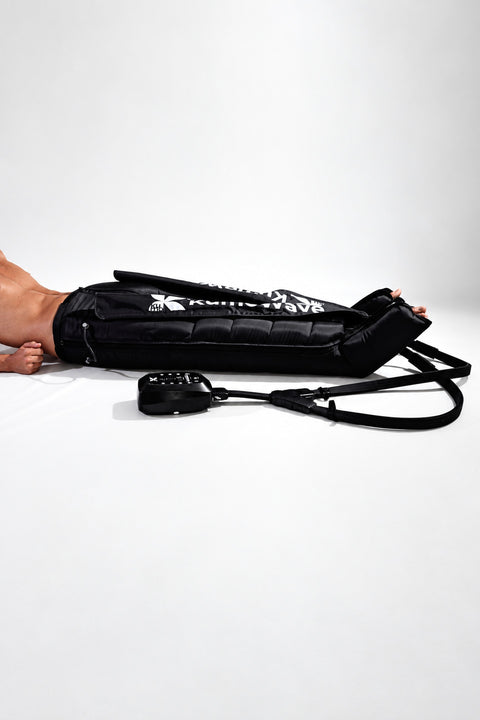
KumoWave Elite – Pressotherapy Pants
Full-coverage trousers. Ideal for lipedema, fluid retention and intensive use.
€799,00 €999,00
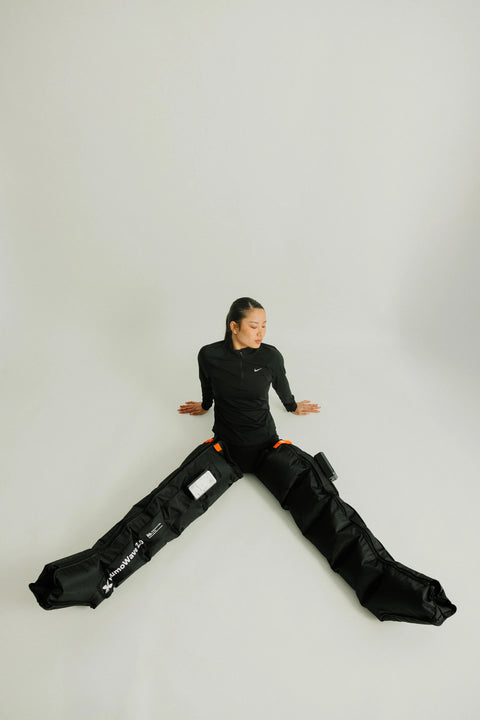
KumoWave 2.0 - Wireless Pressotherapy
Wireless, lightweight boots. Perfect for daily use and recovery.
€499,00 €599,00