
What is an LED face mask and what can it do for your skin?
An LED facial mask is a device that emits specific colored light (red, blue, infrared, etc.) to stimulate biological processes in the skin, a phenomenon known as photobiomodulation or low-intensity light therapy. Clinical studies indicate that red and near-infrared light can improve skin texture, fine wrinkles, and certain signs of photoaging, while blue light helps treat acne by reducing bacteria and sebum. ( pubmed.ncbi.nlm.nih.gov )
Organizations such as the American Academy of Dermatology indicate that at-home LED devices are generally safe when used according to instructions, although they tend to offer more subtle results than professional equipment. ( aad.org ) The key to noticing changes is consistency and understanding what an LED mask can (and cannot) do before purchasing it.
Facial red light
Bring your skin back to life
★★★★★ 4,8/5 · rated by verified customers
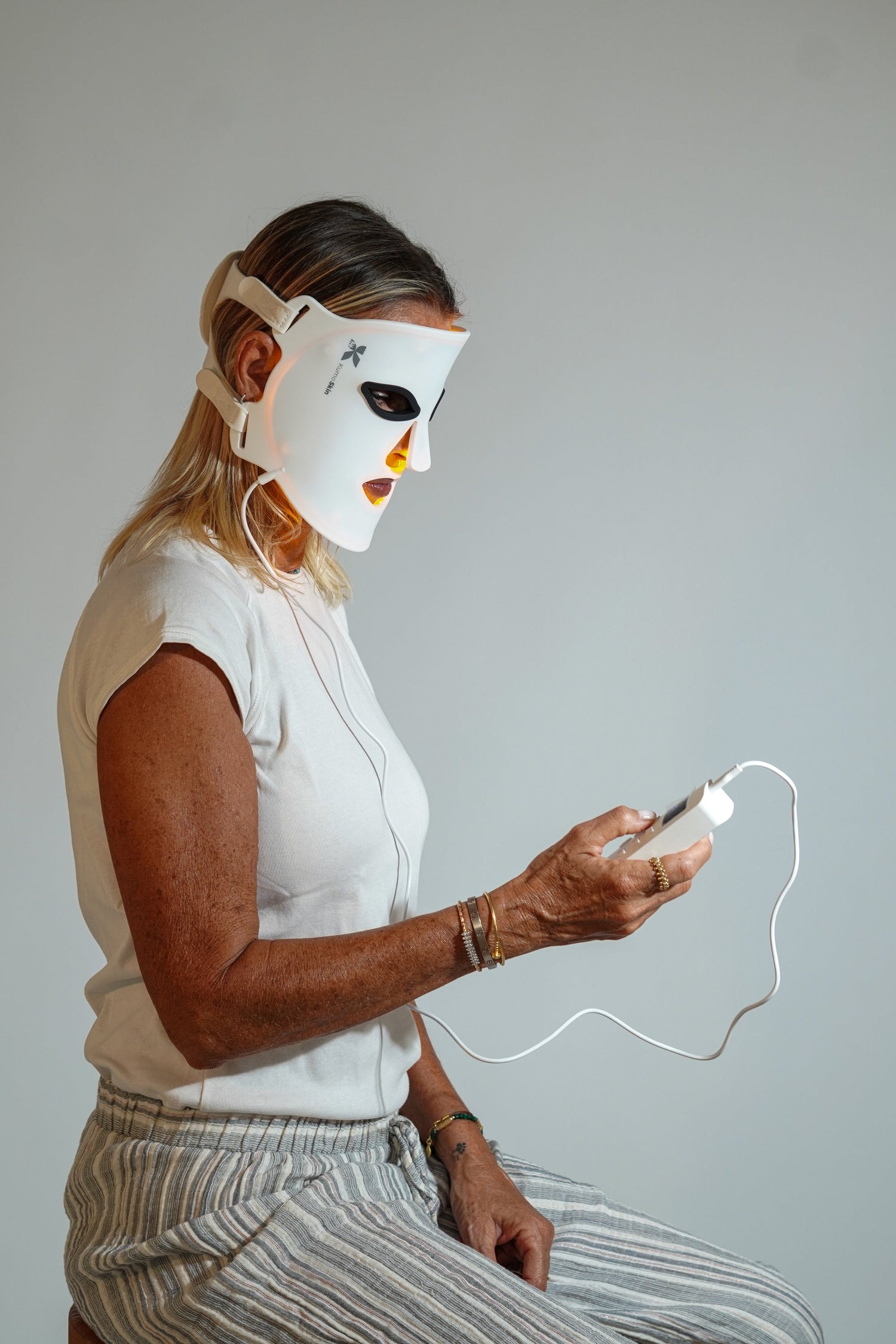
The KumoSkin LED mask helps repair and calm your skin in short sessions at home.
- 250 LEDs in flexible medical silicone
- Red light to boost collagen and glow
- 4 lights: red, infrared, blue and yellow
€299,00€429,00
−10% on your 1st order when you subscribe to the newsletter

At KUMO, within its high-performance recovery and wellness ecosystem, light therapy is part of a holistic approach that integrates skin, muscles, and daily recovery. You can discover this philosophy in more detail on the KUMO homepage.
How LED light therapy works
LED masks use light-emitting diodes that act as tiny energy "switches." Each wavelength penetrates the skin to a different depth and triggers specific cellular responses: increased collagen production, modulation of inflammation, or antibacterial action, among others. ( pubmed.ncbi.nlm.nih.gov )
Personalized protocol · included with your purchase
Want us to tell you how to use it in your case?
With your purchase, our experts prepare the ideal LED protocol for your skin type and goal (acne, wrinkles, dark spots…).
Message us on WhatsAppOur experts reply · no obligation
Unlike lasers, at-home LED masks use low energy, don't intensely heat or resurface the skin, so the risk of burns is very low. However, this also means that the effects are usually gradual and require weeks or months of consistent use.
Science-backed benefits
According to systematic reviews and articles on aesthetic dermatology, photobiomodulation with red and near-infrared light has shown benefits in: moderate reduction of fine wrinkles, improvement of texture and tone, support for acne treatment, and promotion of healing of superficial wounds. ( pubmed.ncbi.nlm.nih.gov )
The American Academy of Dermatology reports that some patients experience smoother, less red skin and some reduction in blemishes after several weekly sessions, although it emphasizes that the evidence is still heterogeneous and that more robust studies are needed to define optimal parameters (dose, frequency, duration). ( aad.org )
on your first order when you join the newsletter
We send you the code instantly. No spam.
In summary: a good LED mask can be a useful addition to your skincare routine and medical plan, but it is not a substitute for a dermatologist or prescribed treatments.
Before buying an LED mask: key questions
1. Define your main objective
Before you rush out to buy an LED mask, be clear about what you want to improve:
- Fine lines and firmness : prioritize red and near-infrared light, which act on fibroblasts and collagen. ( health.harvard.edu )
- Inflammatory acne : Look for devices that use blue light combined with red light to modulate bacteria and inflammation. ( health.harvard.edu )
- Redness or reactive skin : some masks include amber or yellow light aimed at calming, although the scientific evidence is more limited.
- Spots and pigmentation : Green light and certain red light parameters may support other treatments, but in cases such as melasma, worsening has been described when there is heat; in these skin conditions, medical supervision is essential. ( harpersbazaar.com )
The more specific your goal, the easier it will be to assess whether the device specifications fit your actual needs.
2. Understanding light colors and their indications
Each color of light has a primary “role”, although many masks combine several to address different concerns at the same time.
LED light color chart and common uses
| Light color | Wavelength range (approx.) | Common uses | Comments |
|---|---|---|---|
| Red light | 620–700 nm | Fine lines, texture, dull tone | Stimulates fibroblasts and collagen; moderate benefits in photoaging. ( health.harvard.edu ) |
| Near infrared | 800–880 nm | Tissue recovery, support for regeneration | It penetrates deeper; it is widely used in sports medicine and muscle recovery. ( pubmed.ncbi.nlm.nih.gov ) |
| Blue light | 415–470 nm | Inflammatory acne | It reduces sebaceous activity and the C. acnes bacteria. ( health.harvard.edu ) |
| Green light | 520–560 nm | Spots and uneven tone | Emerging evidence; best used as an adjunct to topical depigmenting treatments. |
| Amber/yellow light | 580–600 nm | Mild redness, sensitive skin | It is associated with a calming effect; clinical literature is still limited. |
When buying an LED mask, check what colors it offers and whether those programs align with your main priority.
3. Frequency and consistency: what dermatologists say
Most experts agree that the effectiveness of an LED mask depends more on consistency than on isolated sessions. Recent articles aimed at the general public and reviewed by dermatologists indicate typical guidelines of 3 to 5 sessions per week, lasting 10 to 20 minutes , for at least 8–12 weeks to assess results. ( glamour.com )
Many clinical studies are designed around cycles of several weeks, so if you're not prepared to maintain a regular usage habit, it might not be the right time to invest in an LED mask.
Technical features that matter when buying an LED mask
Device type and design
Although we talk about “LED masks”, there are several formats on the market:
- Rigid face mask : covers the entire face, usually offers good coverage but can be heavier.
- Flexible silicone mask : adapts better to the contour, improves the contact of the light with the skin and is usually more comfortable for long sessions.
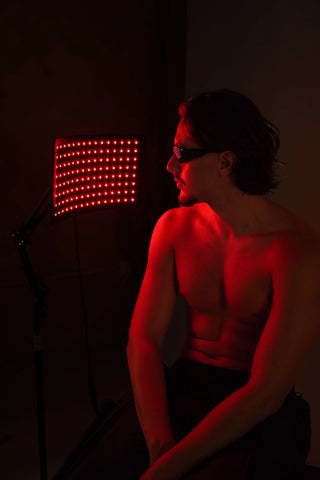
- LED panels or arches : allow treatment of the face, neck or even décolleté without direct contact, but the light can be more dispersed.
If your priority is comfort and consistency, choose a lightweight design with adjustable straps that you can wear effortlessly while resting, meditating, or as part of your nighttime routine.
Realistic wavelengths and power
Beyond the colors, some brands indicate the specific wavelength (for example, 630 nm for red, 830 nm for near-infrared). Many clinical trials use similar ranges in their protocols, so this is a useful piece of information for comparing the technological rigor of the device. ( pubmed.ncbi.nlm.nih.gov )
Another important factor is the power density (mW/cm²) or total energy per session. While there's no universal standard for home use, extremely low values may not be sufficient, and excessive values could increase the risk of irritation. When in doubt, it's best to choose a device with clear specifications and technical support, and always follow the manufacturer's instructions.
Safety: eyes, skin, and certifications
Reviews of the oncological safety of photobiomodulation highlight that, under appropriate parameters, red and infrared light does not increase the risk of skin cancer and may even reduce the proliferation of neoplastic cells in experimental models. ( pubmed.ncbi.nlm.nih.gov )
However, there are two key aspects to consider when buying an LED mask:
- Eye protection : It is essential to wear eye protection or ensure that the device incorporates shielding and that this is specified by the manufacturer; warnings have been reported about potential risks for people with eye conditions or photosensitivity. ( health.harvard.edu )
- Certifications and markings : Look for devices with CE marking (in Europe) or approval/registration with health authorities in your region. This does not guarantee results, but it does ensure a minimum level of electrical and photobiological safety.
Remember that the long-term safety of intensive, daily use is still being researched, so it's best to stick to the recommendations for time and frequency. ( health.harvard.edu )
Comfort, materials and user experience
A mask that's too tight, too heavy, or gets too hot will end up in a drawer. Consider:
- Weight and ergonomics : ideally, you should be able to use it for 10–20 minutes without neck discomfort.
- Materials : smooth and easy-to-clean surfaces, adjustable straps, and skin-friendly silicone.
- Interface and programs : clear modes for each objective (acne, anti-aging, etc.) and automatic timer to avoid overdoing it.
The simpler it is to use and the more enjoyable the experience, the easier it will be for you to maintain the consistency needed to see results.
How to integrate your LED mask into a comprehensive recovery routine
A facial LED mask fits especially well into a comprehensive recovery routine, where the focus is not only on the skin, but also on rest, circulation, and daily performance. This 360° approach is precisely what KUMO offers, with technologies that target everything from the skin to the deep muscles.
Sync the LED mask with your facial care routine
A simple outline could be:
- Gentle facial cleansing and, if your skin tolerates it, a gentle chemical exfoliant a few times a week (not right before using the mask if your skin is sensitive).
- Use the LED mask on clean skin, following the recommended time and frequency.
- Apply moisturizing or antioxidant serums afterward, and broad-spectrum sun protection in the morning.
If you're looking for a light therapy solution specifically designed for recovery and well-being, you can explore KUMO's range of LED light therapy products , designed to integrate the benefits of light into a modern self-care routine.
Muscle recovery and well-being: beyond the face
Red and infrared light has also been studied in the context of muscle recovery and inflammation reduction after exercise, within the framework of deep tissue photobiomodulation. ( pubmed.ncbi.nlm.nih.gov ) Integrating facial care with whole body recovery enhances the feeling of overall well-being.
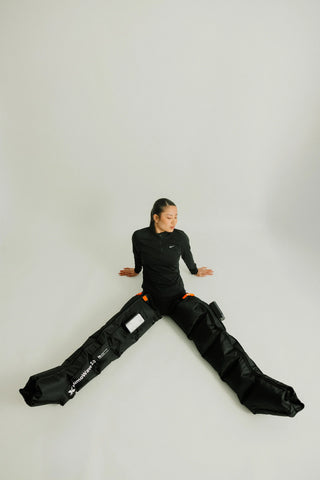
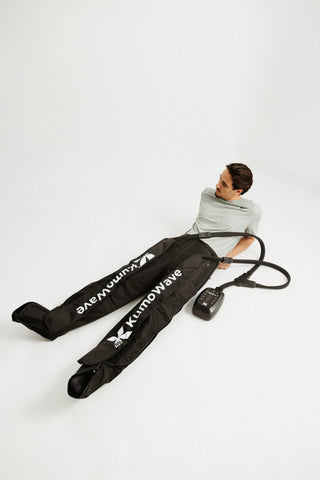
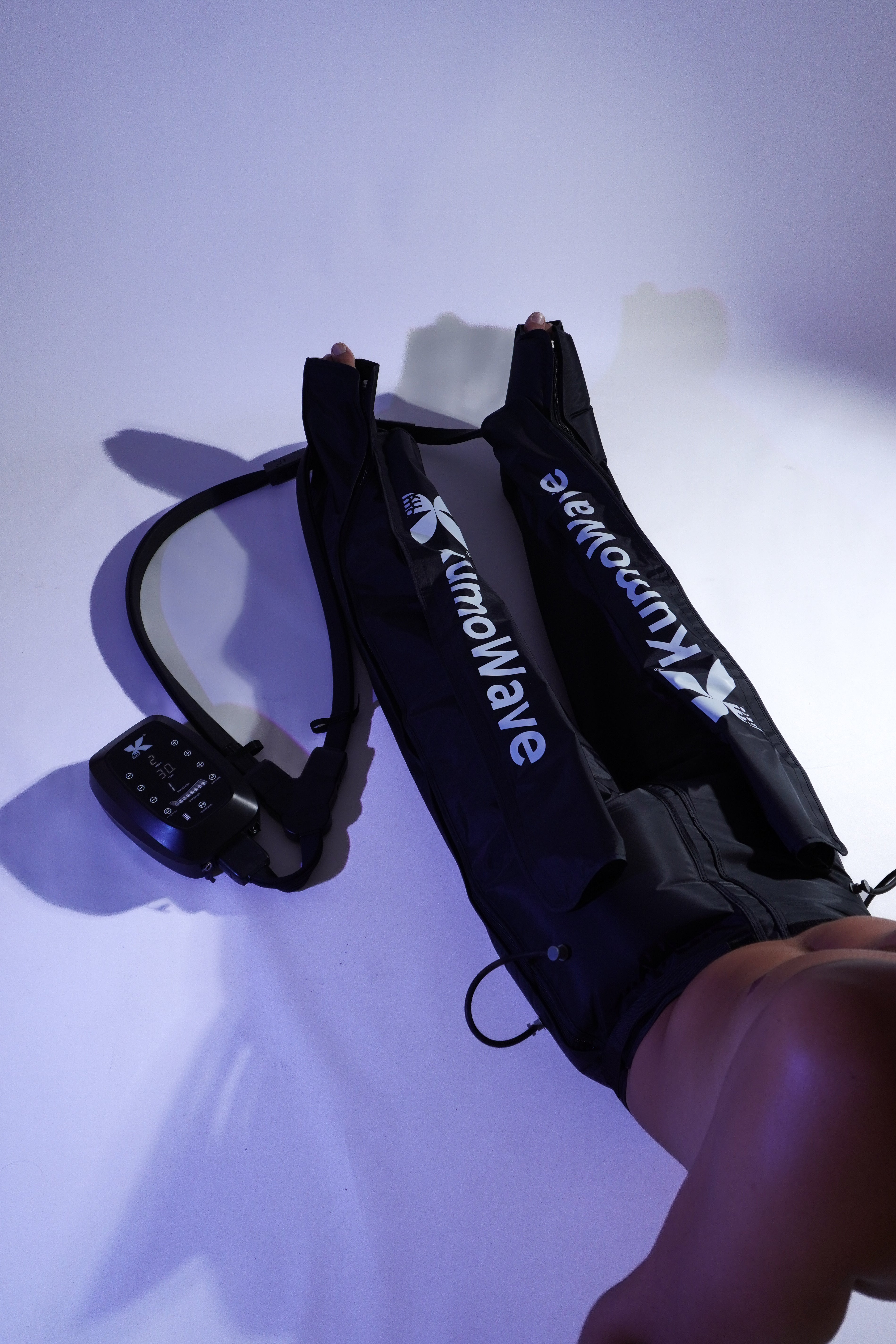
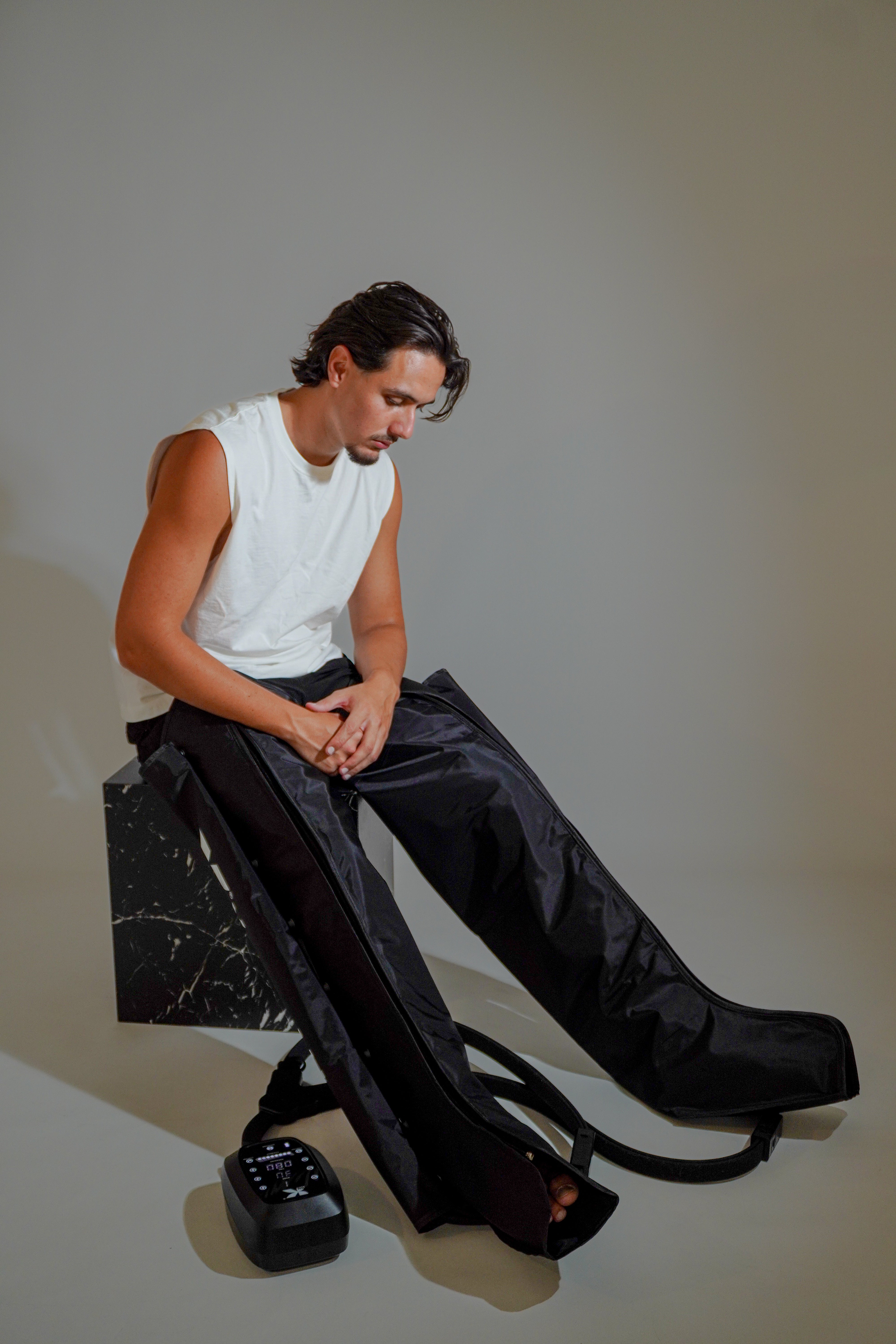
For example, you can combine your LED mask sessions with leg recovery protocols using pressotherapy. KUMO's pressotherapy collection is designed to activate circulation and relieve the feeling of tired legs, ideal for athletes or people who spend many hours on their feet.
If you also need to release localized muscle tension, a device like the KUMOPULSE Air massage gun can help you relax deep muscles, complementing the regenerative action of LED light on the skin.
Who should NOT use an LED mask without consulting a doctor
Important contraindications and precautions
Although LED therapy is considered relatively safe, there are situations in which you should speak to a dermatologist or doctor before purchasing and using a mask:
- Pregnancy or breastfeeding : many manufacturers advise against its use due to a lack of specific studies during these stages.
- Photosensitizing medications or diseases : certain antibiotics, oral retinoids, antiepileptics, among others, can increase sensitivity to light.
- Pre-existing eye conditions such as glaucoma, macular degeneration, or other disorders require special caution regarding exposure to light near the eyes. ( health.harvard.edu )
- Melasma or highly reactive hyperpigmentation : there are reports of melasma worsening with some devices, probably due to the heat generated; if you notice more spots, discontinue use and consult a doctor. ( harpersbazaar.com )
- History of skin cancer or undiagnosed suspicious lesions: prior medical review is essential.
If you have doubts about your specific case, it's best to seek a dermatological evaluation before incorporating any light device into your routine.
How to use an LED face mask step by step
1. Before the session
- Always start with clean, dry skin; avoid makeup, sunscreen, or products with reflective particles that may interfere with light. ( glamour.com )
- Do not apply strong acids (AHA/BHA) or high-potency retinoids right before if your skin is easily irritated.
- Wear eye protection if the manufacturer recommends it or if you have sensitive eyes.
2. During the session
- Select the appropriate program according to your goal (acne, wrinkles, etc.).
- Respect the exposure time: usually between 10 and 20 minutes per session, 3–5 times per week, unless your device indicates otherwise. ( glamour.com )
- Avoid constantly moving the mask to ensure an even dose of light on the face.
3. After the session
- Apply moisturizers, gentle antioxidants, or your usual routine, avoiding irritants if you notice your skin is somewhat sensitive.
- In the morning, never forget sunscreen: LED therapy does not replace sun protection.
- If you notice severe redness, worsening of spots, or eye discomfort, discontinue use and consult a professional.
Frequently asked questions about buying an LED face mask
What type of LED mask is best for wrinkles and sagging skin?
For anti-aging goals (fine lines, texture, dullness), the priority is a mask that combines red light and, if possible, near-infrared light , as both act on fibroblasts and collagen, with moderate clinical evidence for improving photoaging ( pubmed.ncbi.nlm.nih.gov ). Make sure the device covers the key areas well (forehead, eye contour, cheeks, and nasolabial folds) and offers clear power and session times. Comfort is also important: if it's heavy or uncomfortable, you're less likely to use it often enough to notice changes.
How long does it take to see results with an LED mask at home?
Most dermatological studies and articles mention several weeks of consistent use before visible changes are noticeable. Typical protocols use 3–5 sessions per week of 10–20 minutes for 8–12 weeks, after which improvements in texture, fine lines, or acne are assessed. ( glamour.com ) Results are usually gradual and subtle, not radical transformations. Furthermore, factors such as your age, skin type, skincare routine, sleep habits, and sun exposure greatly influence the speed and extent of improvement.
Is it safe to use an LED mask every day?
Home-use LED masks have relatively low power and are generally considered safe for short-term use. ( health.harvard.edu ) However, many manufacturers and dermatologists recommend using them several days a week, not necessarily daily, to avoid irritation or overstimulation, especially for sensitive skin. Very long-term safety with intensive use is still being researched, so it's wise to follow the frequencies indicated in the manual and observe your skin's response. If signs of persistent sensitivity appear, it's advisable to space out the sessions or consult a professional.
Can I use an LED light mask if I have active acne or sensitive skin?
Yes, many LED masks are specifically designed for acne because blue and red light can help reduce bacteria and inflammation ( health.harvard.edu ). However, if you have severe inflammatory or cystic acne, or if you're taking systemic medication (such as isotretinoin), it's essential to consult your dermatologist first. For very sensitive skin, it's best to start with shorter and less frequent use, watching for redness or stinging. If you also suffer from rosacea or melasma, professional evaluation is even more important to avoid flare-ups triggered by heat or light.
What should I look for when buying an LED mask online in 2026?
In 2026, the catalog of LED masks is very extensive, so focus on four key areas: a clear target (acne, wrinkles, blemishes), transparent specifications (colors, approximate wavelengths, power density), safety (eye protection, labeling, and certifications), and user experience (weight, materials, ease of cleaning, programs, and timer). ( pubmed.ncbi.nlm.nih.gov ) Also, check that the manufacturer provides detailed instructions and clear warnings. If you're looking to integrate light therapy into a broader wellness routine, consider brands that offer complementary body care and recovery solutions.
So what now?
If you're set on buying an LED facial mask in 2026, the next step is to align your expectations, goals, and the device's technical features with your lifestyle. At KUMO, you'll find a selection of LED light therapy solutions designed to integrate into a comprehensive recovery routine, along with technologies like leg compression therapy and the KUMOPULSE Air deep muscle massage gun .
If you have questions about which type of device is best for you or how to combine it with your training and skincare routine, you can contact the team through the KUMO contact page for personalized guidance.

Facial red light
KumoSkin Mask – LED Facial Mask
★★★★★ 4,8/5 · rated by verified customers
- 250 LEDs in flexible medical silicone
- Red light to boost collagen and glow
- 4 lights: red, infrared, blue and yellow
€299,00€429,00· pay in installments with seQura or Klarna