What exactly is a muscle contracture?
A muscle contracture is an increase in tension and shortening of muscle fibers that persists over time, causing pain, a feeling of tightness or a "knot," and loss of mobility. Unlike a cramp or spasm, which is a sudden and very brief contraction, a contracture can last for hours or even days if not treated properly. ( pubmed.ncbi.nlm.nih.gov )
Simply put, the muscle gets "stuck" in a position of excessive tension. This can occur in the neck, shoulders, lower back, glutes, calves… practically any muscle group, although postural areas are the most common.
Pressotherapy at home
End the day with light legs
★★★★★ 4,8/5 · rated by verified customers
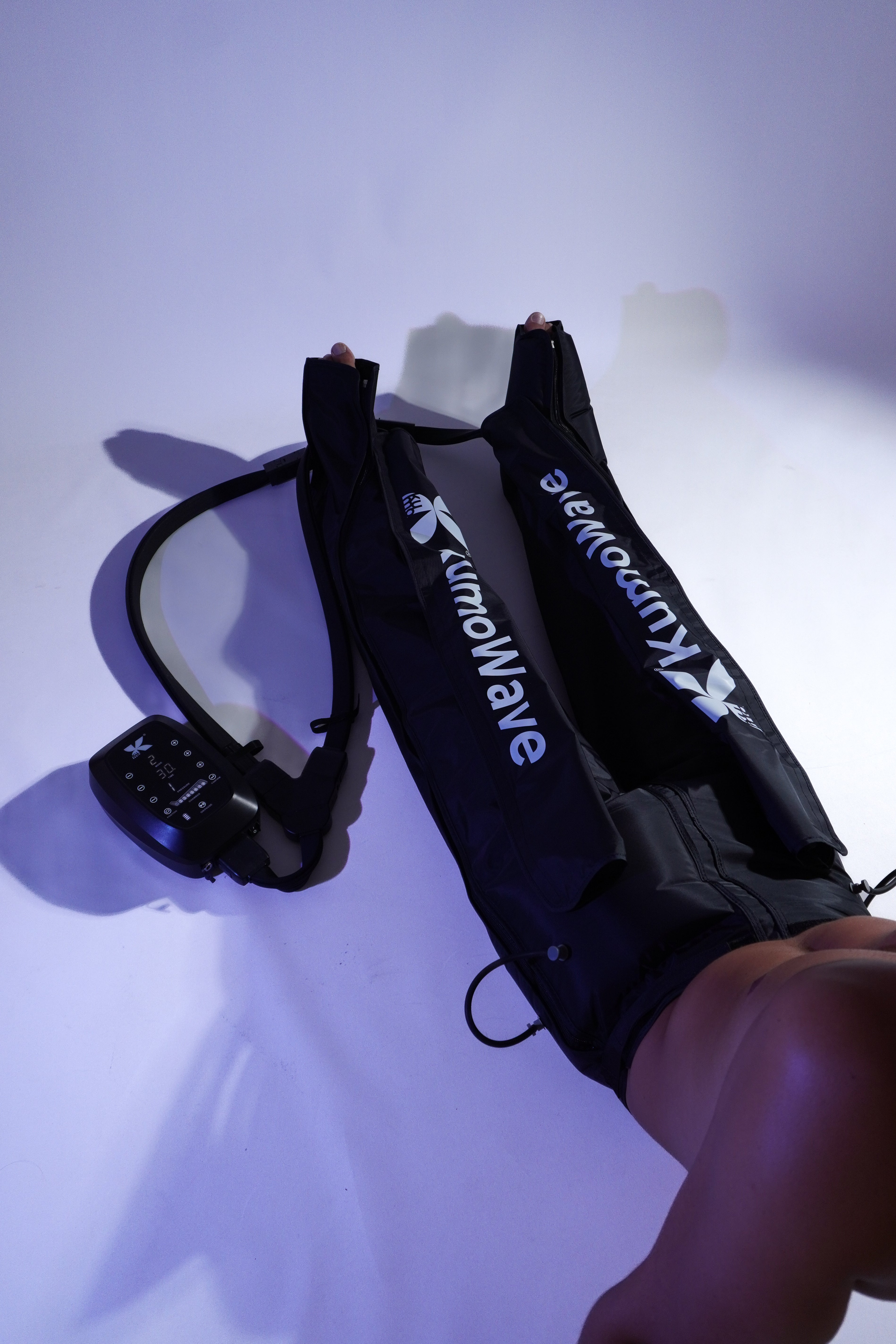
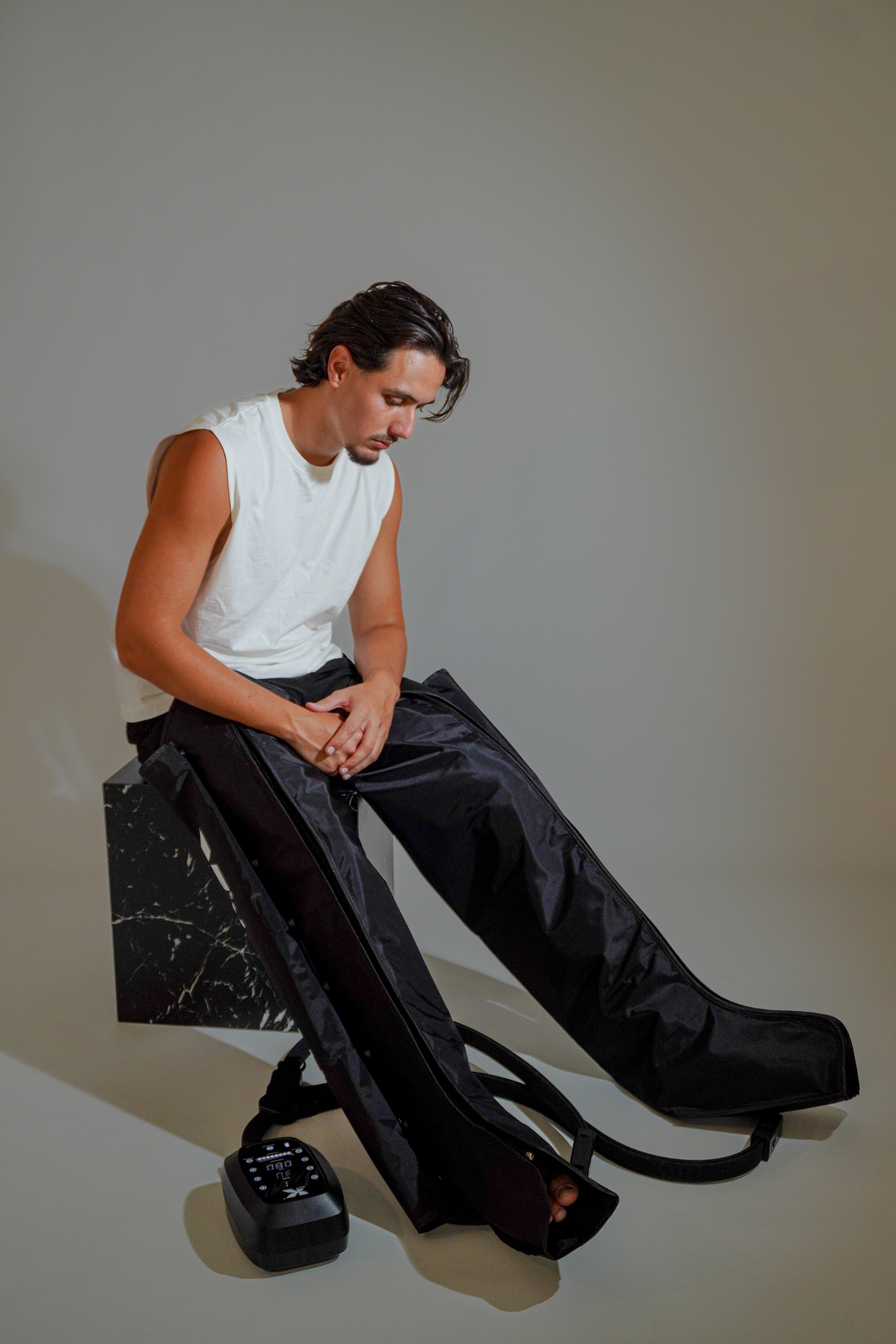
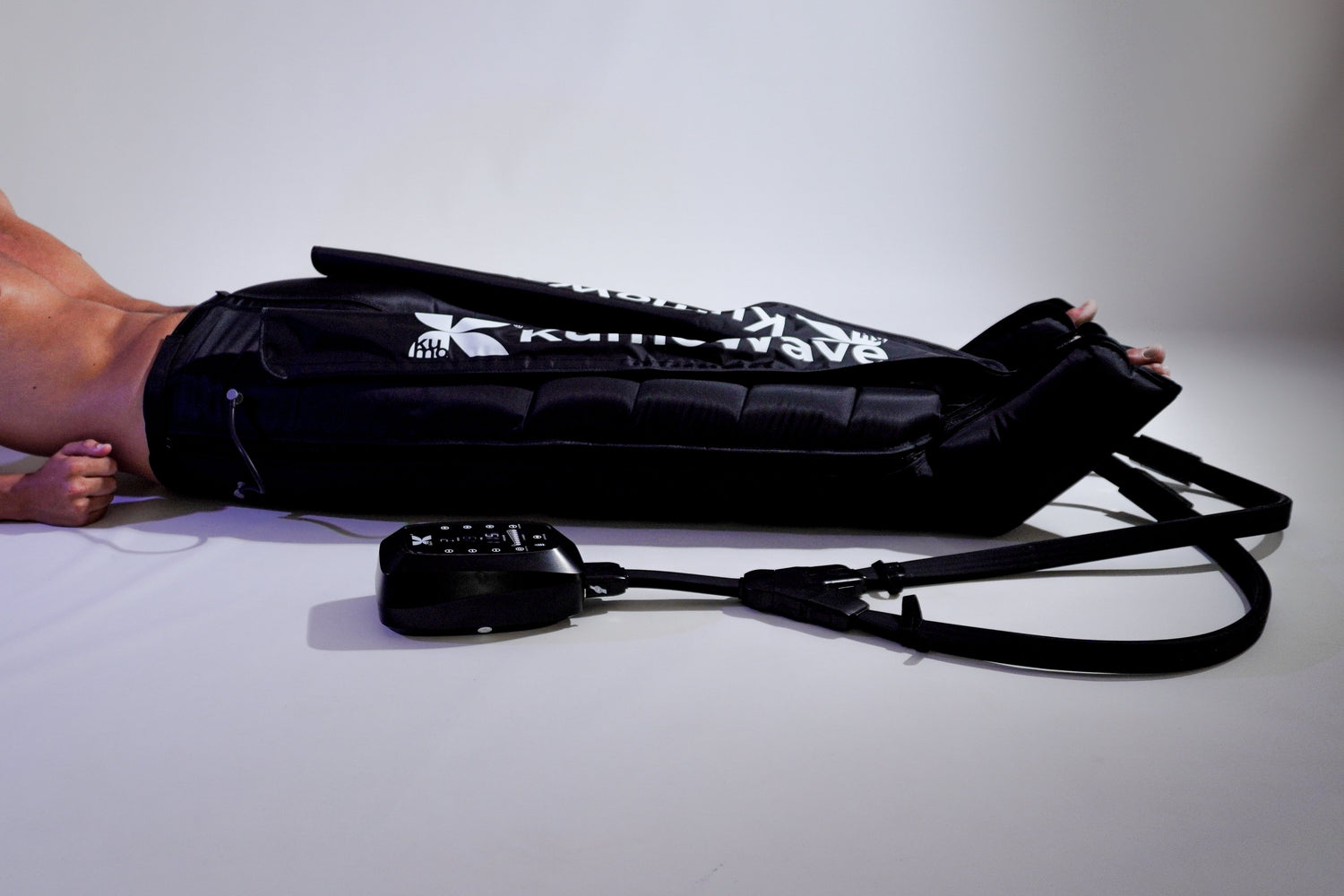
KumoWave pressotherapy boosts circulation and helps drain fluid with sequential compression, in 20-minute sessions at home.
- Boosts circulation and helps drain fluid
- Chamber-based compression, adjustable to you
- Sequential compression that mimics manual drainage
€799,00€999,00
−10% on your 1st order when you subscribe to the newsletter

Muscle contracture, cramp, pulled muscle… what's the difference?
We use many terms daily as if they were the same, but there are important nuances:
- Muscle contracture: sustained tension, moderate-intense pain, worsens with certain movements or when palpating the muscle "lump".
- Cramp or spasm: a sudden, very painful contraction that usually lasts seconds or a few minutes and then relaxes. (medlineplus.gov )
- Muscle strain or tear: injury to muscle fibers (micro or partial tear), with sharp pain, sometimes a popping sound and possible swelling or bruising.
In this article we will focus on muscle contractures and how to safely prevent and relieve them.
Personalized protocol · included with your purchase
Want us to tell you how to use it in your case?
With your purchase, our experts prepare a personalized usage protocol for your case: sport, circulation, fluid retention, pregnancy or lipedema.
Message us on WhatsAppOur experts reply · no obligation
Main causes of muscle contractures
Muscle contractures don't appear out of nowhere. They are usually the muscle's defense mechanism against overuse, poor posture, or certain health conditions. Often, several factors combine.
Overload, exercise, and repetitive movements
One of the most frequent causes is demanding more from the muscle than it is prepared to tolerate:
- Intense or sudden training after periods of sedentary behavior.
- Repetitive physical work (carrying boxes, DIY, gardening...).
- Poorly executed technical gestures in sports (bad gesture when running, swimming, lifting weights...).
- Excessive use of the same area (computer mouse, mobile phone, musical instruments).
When a muscle becomes fatigued or suffers micro-injuries, a protective reflex mechanism is activated: it increases tone to "fix" the area... but if that tension is maintained, a contracture appears.
on your first order when you join the newsletter
We send you the code instantly. No spam.
Sedentary lifestyle, muscle weakness, and lack of movement
Interestingly, it's not just active people who suffer from muscle tension; a sedentary lifestyle also contributes to it. Muscle weakness and spending many hours sitting or standing in the same position overload specific muscle groups (lower back, neck, shoulders).
According to data from the World Health Organization, around 31% of adults worldwide did not meet the recommended levels of weekly physical activity in 2022 , which is associated with multiple musculoskeletal and general health problems. ( who.int ) Being inactive makes muscles less resilient and more prone to strain from minimal effort.
Stress, emotional tension, and poor quality sleep
Chronic stress doesn't just affect the mind; it also manifests in the body. Many people carry this tension in:
- Trapezius and neck (raised shoulders, clenched jaw).
- Lower back area (rigid postures, short breathing).
When the nervous system is in alert mode, baseline muscle tone increases. If this is combined with poor sleep , the muscles don't recover properly and persistent muscle contractions are more likely to develop.
Medical and physiological factors
Certain conditions increase the likelihood of muscle spasms and contractures: (medlineplus.gov )
- Dehydration or excessive sweating without adequate replacement of fluids and electrolytes.
- Low levels of minerals such as sodium, potassium, calcium, or magnesium.
- Spinal problems (herniated disc, stenosis) that irritate nerve roots.
- Some metabolic or kidney diseases .
- Certain medications (for example, some diuretics).
- Pregnancy and hormonal changes.
In these cases, in addition to treating the contracture itself, it is essential to address the underlying cause with the appropriate health professional.
Symptoms: how to recognize a muscle contracture
Typical signs of a contracture include:
- Localized pain, which may be dull or sharp, and worsens when moving or pressing the area.
- Sensation of a "lump", taut string or knot when palpating the muscle.
- Stiffness and limited movement (e.g., difficulty turning the neck or bending forward).
- Sometimes, a feeling of tiredness or slight tingling around the area.
The intensity of the pain can range from annoying to very debilitating, especially when the contracture affects the cervical or lumbar area.
When should you consult a doctor immediately?
Although most muscle contractions are benign, it is important to seek urgent medical attention if any of these warning signs appear:
- Sudden, very intense pain after a blow or sudden movement, with inability to support or move the area.
- Marked inflammation, redness, local heat, or visible deformity.
- Significant loss of strength, difficulty walking, picking up objects, or maintaining balance.
- Fever, general malaise, or unexplained weight loss.
- Chest pain, difficulty breathing, or neurological symptoms (loss of sensation, incontinence, etc.).
If you have any doubts, it's safer to consult your doctor or physiotherapist to rule out more serious injuries (tears, tendon ruptures, neurological problems, etc.).
Treatment of muscle contractures
The goal of treatment is twofold: to reduce pain and restore muscle mobility . In many cases, self-care measures at home can begin, and if there is no improvement, physiotherapy or a doctor should be consulted.
First steps: what to do in the first 24–48 hours
In the case of a recent muscle spasm, these strategies are often helpful:
- Stop the activity that triggered the pain and avoid movements that aggravate it.
- Adopt a neutral posture (for example, lying on your back with your knees bent in a lumbar contracture).
- Apply local cold in the first moments if there is a feeling of inflammation or acute overload (10–15 minutes, with a cloth between the skin and ice).
- After the first few hours, alternating gentle heat (warm shower, low electric blanket) can help relax the muscles. (medlineplus.gov )
- Stay well hydrated and get plenty of rest.
If you take medication (anti-inflammatories, muscle relaxants, etc.), always do so under medical supervision.
Practical guide: what to do and what to avoid with a recent muscle strain
| Recommended | It is best to avoid |
|---|---|
| Relative rest (continue moving gently, without intense pain) | Prolonged absolute bed rest for several days |
| Gentle and progressive stretching of the affected area | Sudden stretching or forcing "until it hurts a lot" |
| Apply cold or moderate heat, as tolerated. | Apply very intense heat or ice directly to the skin |
| Light self-massage or with specific devices | Very deep massage on an extremely painful muscle |
| Return to exercise gradually, once the pain subsides | Resuming intense training without having regained mobility |
Gentle stretching and mobility
Gentle stretching is one of the most effective tools to help a muscle release from a contracture, provided it is done without sharp pain and progressively:
- Hold each stretch for 20-30 seconds, breathing deeply.
- Avoid bouncing; the movement should be slow and sustained.
- Repeat 3–5 times, several times a day, within your comfort zone.
Combining these specific stretches (for example, for the neck, back, or calves) with gentle mobility exercises (controlled rotations, short bends) reduces stiffness and improves local circulation.
Physiotherapy and manual techniques
If the muscle spasm is severe, recurring, or significantly limits your daily life, physiotherapy can make a difference. The physiotherapist may use:
- Therapeutic massage and myofascial release.
- Joint mobilizations and neuromuscular techniques.
- Personalized strength and stability exercises.
- Other techniques depending on the case (dry needling, electrotherapy, etc.).
It should always be done after an individual assessment, especially if there is a history of injuries, surgery, or chronic conditions.
Home recovery technologies (massage, pressotherapy, red light)
In addition to professional treatment, more and more people are incorporating recovery technologies into their daily routine to relieve tension and care for their muscles:
- Massage guns: allow controlled vibration and percussion to be applied to tension points, helping to relax strained muscles before or after exercise.
- Pressotherapy boots: useful for heavy or overworked legs, as they mobilize fluids and activate circulation, generating a feeling of lightness.
- Red and LED light therapy: used as support in muscle recovery and general well-being, within supervised protocols.
At KUMO, you'll find high-end solutions to integrate recovery into your daily routine, such as the KUMOPULSE Air massage gun, compression boots , and LED light therapy devices . These tools are not a substitute for medical diagnosis or physiotherapy, but they can be an effective complement to a comprehensive care plan.
Prevention: how to prevent muscle contractures from recurring
The good news is that many muscle contractions can be prevented with simple, consistent habits. The key is to combine movement, ergonomics, rest, and active recovery.
Postural hygiene and ergonomics
If you work long hours sitting down or in front of screens, check these points:
- Screen at eye level, to avoid straining the neck.
- Chair with lumbar support and feet fully supported on the floor.
- Shoulders relaxed, elbows close to the body, and wrists neutral.
- Active breaks of 2–3 minutes every 45–60 minutes (walking, gently stretching neck and back).
Small adjustments to your work environment significantly reduce cervical and lumbar muscle strain in the medium term.
Regular physical activity and muscle strength
A strong muscle, accustomed to movement, contracts less. The WHO recommends that adults get at least 150 minutes of moderate-intensity physical activity or 75 minutes of vigorous-intensity activity per week , combined with strength training on two or more days. ( who.int )
Choose activities you enjoy (brisk walking, cycling, swimming, strength training, yoga, Pilates, etc.) and progress gradually. Supplementing with recovery sessions (massage rollers, light therapy devices, compression therapy) helps your muscles better absorb the load.
Hydration, nutrition and rest
For a muscle to function and recover properly, it needs a suitable environment:
- Drink water regularly, especially in hot weather or during intense exercise.
- Ensure a balanced diet rich in key minerals (magnesium, potassium, calcium), as recommended by your healthcare professional. (medlineplus.gov )
- Take care of your sleep quality: stable schedule, little screen light before bed, comfortable environment.
Without restorative rest, baseline muscle tone remains elevated and contractures become more frequent.
Self-care and recovery routine
Just as you plan your training or your workday, it's a good idea to plan your recovery routine :
- 5–10 minutes daily of basic posterior chain stretches (back, hamstrings, calves).
- Targeted self-massage with tools such as a massage gun or a ball in the areas that are most tense.
- Periodic sessions with recovery technologies (pressotherapy for legs after long workouts, red light to promote relaxation and muscle well-being).
Making recovery a habit reduces the risk of muscle strains and improves your energy levels throughout the day.
Frequently asked questions about muscle contractures
How long does a muscle contracture last?
The duration varies considerably. A mild muscle strain, for example, after a single instance of poor posture, can improve within 24–72 hours with relative rest, gentle heat, and stretching. When the muscle is severely overworked or there is an underlying problem (weakness, stress, prolonged poor posture), the strain can last for several weeks if the cause is not addressed. If you don't notice a clear improvement after 7–10 days of self-care, or if the pain worsens, it is advisable to consult a professional for a more detailed evaluation.
Is it better to apply cold or heat to a muscle contracture?
Both can be helpful, but at different times. In a very recent strain, accompanied by a feeling of inflammation, local cold (10–15 minutes with a protective covering on the skin) can relieve pain. After the first few hours, many people find more relief with gentle heat , which promotes circulation and muscle relaxation. (medlineplus.gov ) Never apply intense heat or ice directly to the skin. The most important thing is to listen to your body: if either option increases the pain, stop using it.
Can I exercise if I have a muscle strain?
It depends on the severity of the muscle strain and the type of exercise. In general, it's recommended to avoid activities that significantly increase pain in the affected area (for example, running with a severe calf strain). However, maintaining a gentle activity level—walking, light joint mobility exercises, and exercises that don't directly involve the strained muscle—is usually beneficial for circulation and recovery. As the pain subsides, you can gradually reintroduce your usual routine, ideally with guidance from a physiotherapist or trainer.
What is the difference between a muscle strain and a muscle tear?
In a muscle strain, the muscle is tense and shortened, but its fibers are not torn; the pain is usually progressive or appears after accumulating tension. In a muscle tear , on the other hand, there is a rupture of fibers: the pain is sharp and sudden, often during an explosive movement (sprint, jump), and may be accompanied by swelling, bruising, and an inability to continue the activity. ( medicine.com ) If in doubt—especially if you have felt a sharp "pull" and cannot bear weight or move properly—it is advisable to consult a doctor to rule out a structural injury.
When should I see a doctor for a muscle spasm in my back or neck?
It's advisable to schedule a medical appointment if neck or back pain lasts more than two weeks despite self-care measures, if it becomes increasingly intense, or if it seriously limits your daily activities. You should also consult a doctor immediately if it's accompanied by symptoms such as fever, unexplained weight loss, weakness in the arms or legs, intense tingling, incontinence, or pain following a significant injury. (medlineplus.gov ) In these cases, the doctor will assess whether it's a simple muscle strain or if there's another underlying condition that requires specific tests or treatment.
So what now?
If you frequently experience muscle tension, the next step is to make recovery a part of your lifestyle: move more, improve your posture, sleep better, and dedicate a few minutes each day to stretching and releasing tension. At KUMO, you'll find high-end recovery technologies—such as the KUMOPULSE Air massage gun, compression boots , and LED light therapy devices —designed to easily integrate this care into your daily routine.
If you're unsure which type of recovery is best suited to your specific situation, we recommend consulting your doctor or physiotherapist first. For any questions about KUMO products, you can contact us through the contact form . Your body will thank you for starting your recovery seriously today.
KumoWave pressotherapy
Choose your at-home pressotherapy
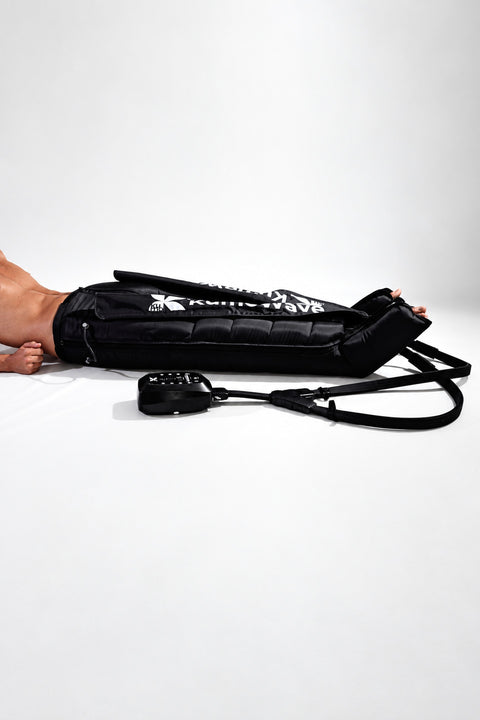
KumoWave Elite – Pressotherapy Pants
Full-coverage trousers. Ideal for lipedema, fluid retention and intensive use.
€799,00 €999,00
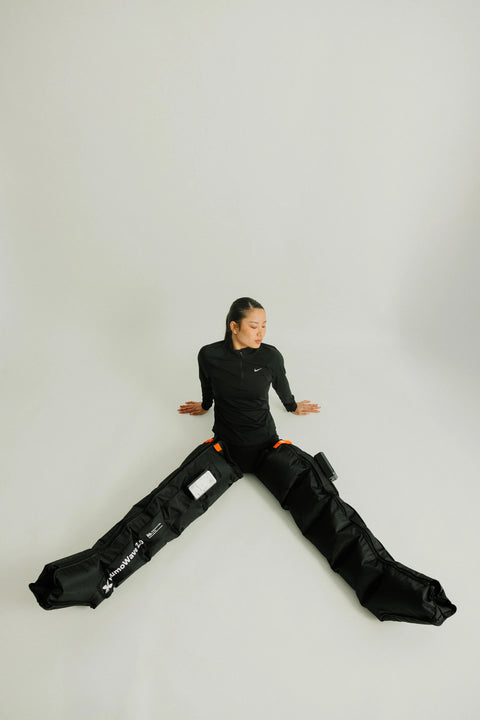
KumoWave 2.0 - Wireless Pressotherapy
Wireless, lightweight boots. Perfect for daily use and recovery.
€499,00 €599,00