
Choosing the right compression boots makes the difference between a simple gadget and a real recovery tool.
If you train frequently, spend many hours on your feet, or suffer from tired legs, compression therapy can help improve your feeling of lightness and take care of your circulation, provided you choose the right device and use it wisely. In this guide, you'll learn exactly what these boots are, what science says about their benefits, and, above all, what practical criteria to follow to choose the most suitable model for you in 2025.
Pressotherapy at home
End the day with light legs
★★★★★ 4,8/5 · rated by verified customers
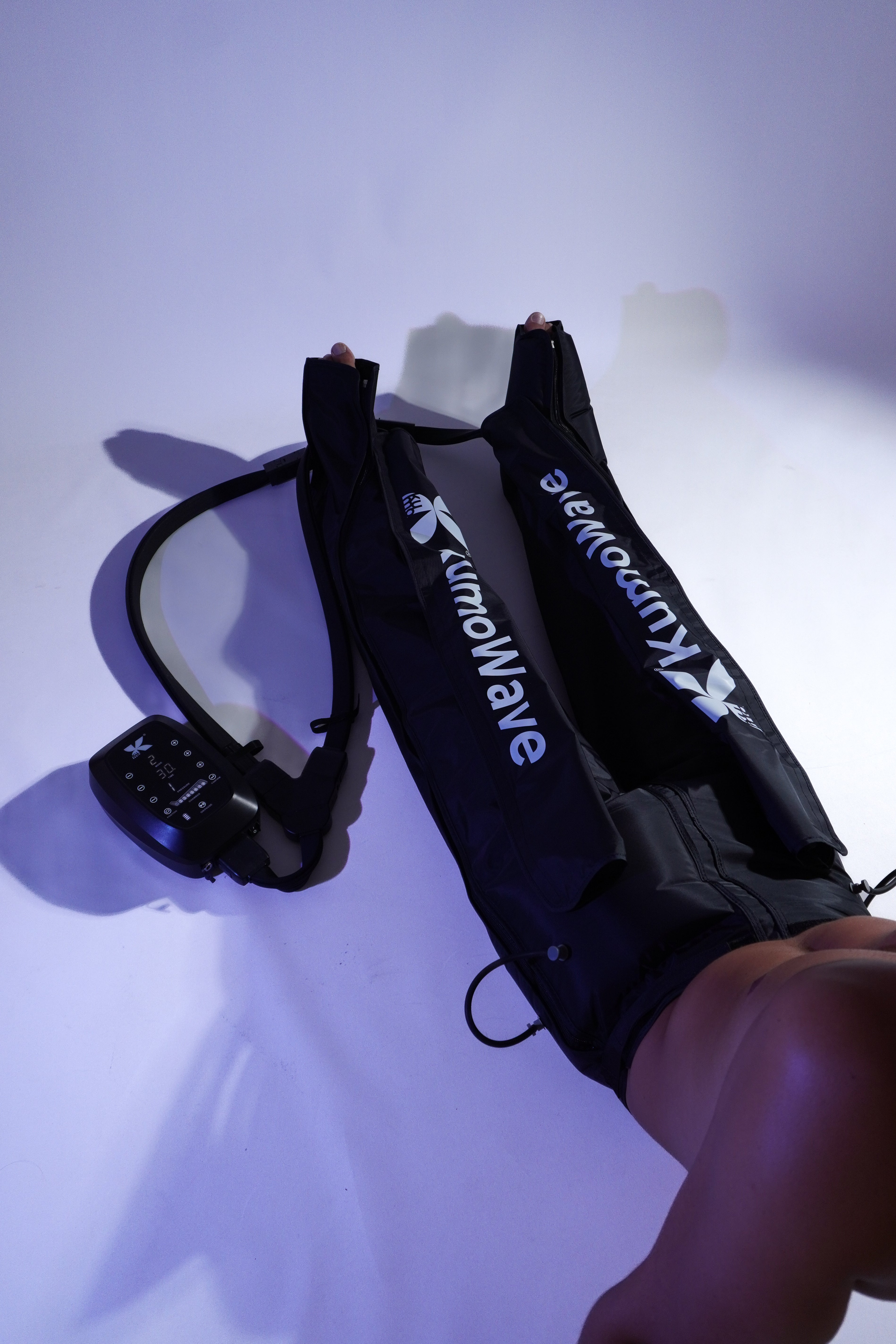
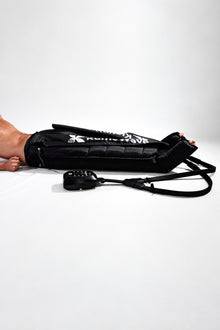
KumoWave pressotherapy boosts circulation and helps drain fluid with sequential compression, in 20-minute sessions at home.
- Boosts circulation and helps drain fluid
- Chamber-based compression, adjustable to you
- Sequential compression that mimics manual drainage
€799,00€999,00
−10% on your 1st order when you subscribe to the newsletter

We'll also see how to integrate them into a comprehensive recovery routine alongside other technologies such as LED light therapy or percussion massage, so that your investment makes sense in the long run.
What exactly are pressotherapy boots?
How they work: intermittent pneumatic compression
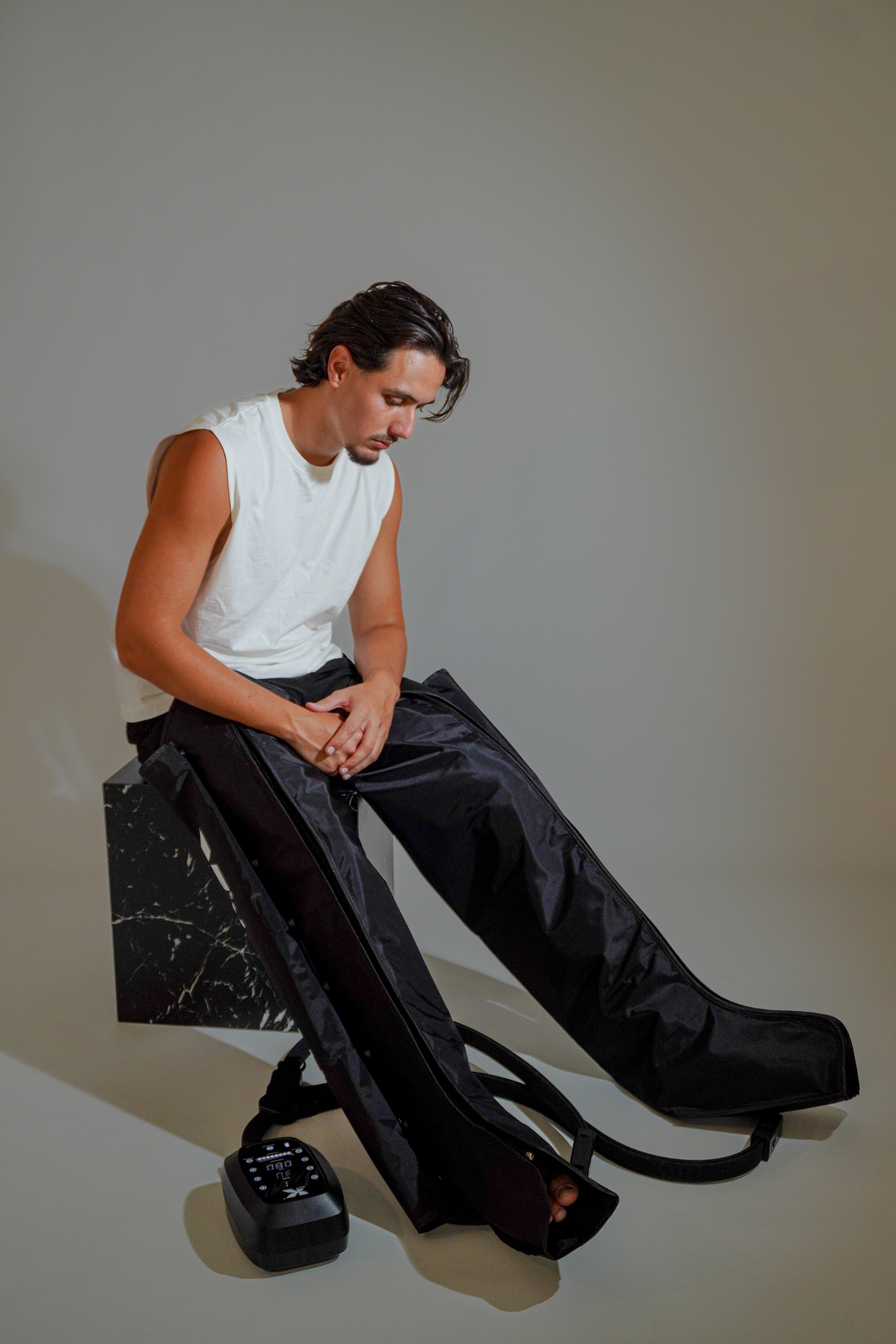
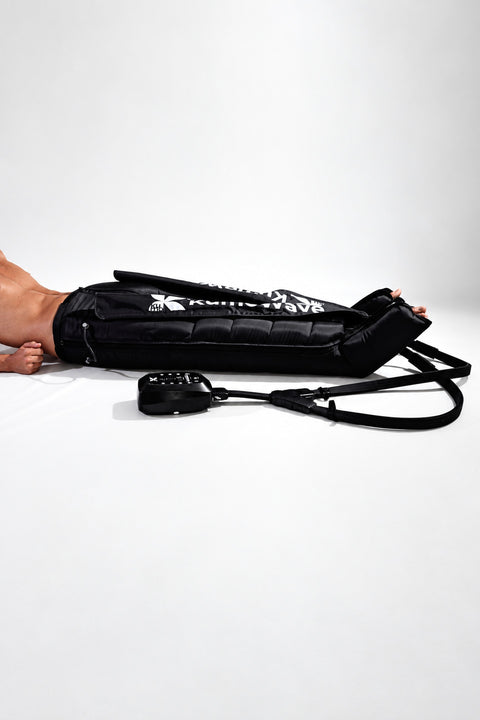
Compression therapy boots are sleeves that cover the legs (sometimes up to the hips), connected to a compressor that inflates and deflates in programmed sequences. This intermittent pneumatic compression exerts controlled pressure on the tissues, simulating a kind of "massage" that promotes venous and lymphatic return.
Personalized protocol · included with your purchase
Want us to tell you how to use it in your case?
With your purchase, our experts prepare a personalized usage protocol for your case: sport, circulation, fluid retention, pregnancy or lipedema.
Message us on WhatsAppOur experts reply · no obligation
In clinical practice, they have been used for decades to help prevent deep vein thrombosis, treat edema, and support the management of lymphedema under medical supervision. Guidelines such as that of the German Society of Phlebology (2018) describe their usefulness in chronic venous insufficiency and lymphedema, always respecting clear indications and contraindications.
Potential benefits and what science says
In the sports and wellness field, compression therapy boots are mainly used for:
- Relieve the feeling of heavy legs after intense workouts or long days at work.
- Promote fluid mobility and reduce transient swelling.
- To provide a subjective feeling of faster recovery.
Scientific evidence on sports recovery is promising but still limited. A systematic review published in 2025 on intermittent pneumatic compression of the lower extremities found only six well-designed clinical studies between 2000 and 2021, with results showing no clear differences compared to other recovery methods, although athletes reported good subjective responses. In the medical context, several meta-analyses show that these devices can significantly reduce the risk of venous thrombosis in high-risk patients when used correctly.
on your first order when you join the newsletter
We send you the code instantly. No spam.
Practical conclusion: compression boots are an interesting tool to complement your recovery and circulatory care, but they do not replace exercise, hydration, sleep, or treatments prescribed by your doctor.
Before you buy: Are compression boots right for you?
When can they help you?
Compression therapy boots may make sense for you if:
- You are an athlete (amateur or advanced) and you string together training sessions or competitions with little rest time.
- You work long hours standing or sitting down and at the end of the day your legs feel swollen or heavy.
- You frequently travel by plane or on long journeys and are looking to relieve the feeling of congested legs (provided you have no medical contraindications).
- You already take care of your lifestyle (physical activity, diet, sleep) and are looking for an extra tool to optimize recovery.
If you have vascular disease, lymphedema, a history of thrombosis, or are taking anticoagulant medication, it is even more important to talk to your doctor to assess whether you can use this type of device and with what parameters.
Contraindications and warning signs
Although intermittent pneumatic compression devices are generally considered safe when used appropriately, clinical guidelines agree on several common contraindications , including:
- Active or suspected deep vein thrombosis.
- Significant skin infections in the area (cellulitis, open wounds).
- Decompensated heart failure.
- Severe arterial ischemia of the extremities.
- Intense pain, numbness, or marked color changes during use.
If you have any of these conditions, or have any doubts about your situation, consult a healthcare professional before using compression boots. And if during the session you experience sharp pain, dizziness, shortness of breath, or a sudden worsening of your symptoms, stop using them immediately and seek medical help.
Key criteria for choosing compression therapy boots in 2025
Number of cameras and boot design
One of the first criteria to assess is the internal design of the boots, that is, how many independent air chambers they include and how they are distributed.
- 3–4 chambers: These typically cover from foot to thigh with relatively wide segments. They may be sufficient for basic wellness use.
- 5–8 chambers: These allow for a more segmented and progressive massage, with a more controlled "pumping" sensation from the foot upwards. They are often the preferred option among athletes and users seeking greater precision.
- Full vs. partial design: some cover only the calves; others include the knee and thigh. The larger the surface area they cover, the greater the overall effect on venous and lymphatic return in the leg.
For most users seeking effective leg recovery and training, a design that spans from the foot to the thigh, with at least 4–6 chambers, usually offers a good balance between effectiveness and comfort.
Pressure range and massage programs
The next crucial aspect is the pressure range the device can exert and how you can adjust it:
- Adjustable pressure: Make sure you can modify the intensity (e.g., in mmHg) to suit your tolerance and daily needs.
- Preset programs: Many devices include modes such as "sequential," "wave," or "total," with different inflation patterns. This allows you to vary the sensation and adjust the stimulation depending on the day.
- Inflation and deflation times: times that are too long can be uncomfortable; times that are too short are less effective. Some devices allow for finer adjustment of these parameters.
From a safety point of view, it is preferable to start with moderate pressures and increase them only if you feel comfortable and, if necessary, with the approval of your doctor or physiotherapist.
Size, ergonomics and materials
A common mistake is to focus only on the electronics and forget about ergonomics:
- Size and length: Check the manufacturer's size charts (leg length and circumferences). A proper fit prevents uncomfortable creases and ensures that pressure is evenly distributed.
- Inner material: Look for soft, durable, and easy-to-clean fabrics. Quality materials reduce the risk of irritation, especially if you wear them frequently.
- Zippers and fasteners: these should be robust and easy to use, especially if you're going to put your boots on without help.
If you are unsure between two sizes, many people prefer the one that allows a little more play in the thigh area, as long as the boot does not "slide" down during use.
Noise, portability, and ease of use
Practical experience is key if you plan to use your compression boots several times a week:
- Compressor noise: quiet operation is important if you're going to use them at night or while watching a show or working.
- Portability: some devices are compact and battery-powered, making them easy to take on trips or to competitions; others are designed for fixed home use.
- Interface: Simple controls, clear buttons and an easily readable screen make it easy for the whole family to use.
Think about where and when you're actually going to use them (sofa, office, dressing room, travel) and choose accordingly: the best device is the one that's so comfortable that you end up actually using it.
Security, certifications and after-sales support
Because it is a device that acts on your circulatory system, safety is a fundamental criterion:
- Certifications: Check that the product complies with current regulations regarding electrical safety and compression devices (e.g., CE marking in Europe or other equivalent certifications).
- Integrated protections: it is positive that it includes safety systems against overheating, overpressure or inflation failures.
- Support and warranty: value the existence of after-sales service, spare parts and the possibility of easy contact with the manufacturer or distributor to resolve doubts.
Brands specializing in recovery technologies, such as KUMO, are committed to balancing aesthetics, performance and safety, so that pressotherapy can be integrated into your daily routine with peace of mind.
Summary of recommended features based on your profile
| User profile | Recommended boot design | Key features to prioritize | Usage guidelines* |
|---|---|---|---|
| Athlete who trains 4–6 days/week | Full foot-thigh boot with 4-8 chambers | Wide pressure range, multiple programs, adjustable timer | Regular sessions after training, adjusting intensity according to load and sensations. |
| Working on your feet or in an office leads to tired legs | Mid-length or full-length boot, good ergonomics | Easy to use, low noise, easy to clean | For home use at the end of the day, with moderate pressure and maximum comfort. |
| Person with controlled venous pathology | According to specific medical recommendation | Fine pressure adjustment, gentle programs, high safety | Always under the guidance and supervision of a healthcare professional. |
*This is not a medical guideline. The frequency and parameters of use should be adapted to each case and, in the presence of illness, agreed upon with a healthcare professional.
How to integrate compression boots into your recovery routine
Combine with movement, hydration, and sleep
Compression therapy boots don't work in isolation. Their effect is greatest when integrated into a comprehensive recovery approach.
- Regular physical activity: walking daily and doing moderate exercise promotes venous return naturally.
- Hydration: a good state of hydration helps the balance of fluids and the functioning of the lymphatic system.
- Restful sleep: it is during nighttime rest that many muscle and tissue regeneration processes are consolidated.
Think of boots as an additional tool that enhances healthy habits, not as a "shortcut" that replaces moving or taking care of yourself.
Synergies with other recovery technologies
By 2025, more and more users will combine different technologies to intelligently optimize their recovery:
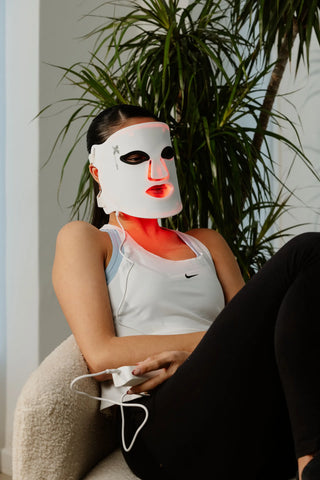
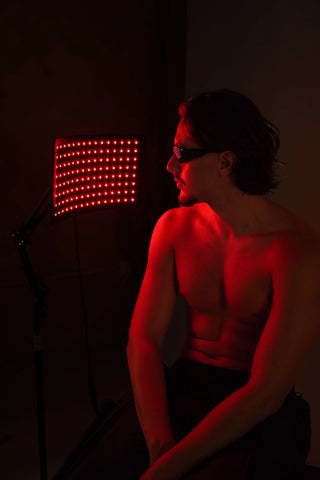
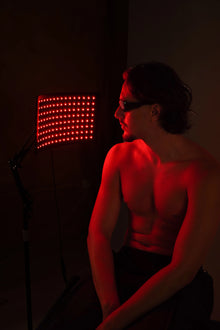
- Red light and LED therapy: These have been studied for their potential to modulate inflammation, promote tissue regeneration, and improve sleep quality in some people. You can explore specific options in the LED light therapy section of KUMO .
- Percussion massage: massage guns like the KUMOPulse Air allow you to work on specific points of muscle tension before or after using your boots, always in moderation.
- Mobility and stretching routines: combining them with pressotherapy helps maintain range of motion and joint comfort.
KUMO proposes precisely this ecosystem approach: integrating different recovery technologies in a coherent and pleasant way, so that taking care of your body becomes a sustainable habit, not an occasional obligation.
Common mistakes when using compression boots
Even with good equipment, certain mistakes can reduce effectiveness or cause unnecessary problems:
- Using excessively high pressures from day one: starting "strong" does not mean faster recovery; it increases the risk of discomfort and even dizziness in sensitive individuals.
- Ignoring the size adjustment: boots that are too short or narrow can concentrate pressure on unwanted points.
- Excessively long sessions without supervision: abusing usage time does not always provide additional benefits.
- Neglecting the skin: wearing boots on irritated skin or without letting it breathe can worsen minor injuries or chafing.
- Ignoring medical contraindications: in case of vascular or lymphatic pathology, you must follow the guidelines of your reference professional.
The golden rule: start with reasonable sessions, listen to your body, and if you have any doubts, consult your doctor or physiotherapist.
Frequently asked questions about compression therapy boots
How long is it recommended to wear compression boots per day?
The ideal duration depends on your health, goals, and chosen intensity. In sports recovery studies, sessions of 15 to 30 minutes, once or twice a day, are typically used, while in medical settings, more specific and supervised protocols are applied. As a general guideline, many people start with 15–20 minutes at a moderate intensity and adjust according to how they feel. If you have venous disease, lymphedema, or other circulatory problems, it is important that your doctor determines the appropriate duration and frequency.
Do compression boots replace physical activity or compression stockings?
No. Compression therapy boots are a complement, not a substitute. Regular physical activity, such as walking or adapted strength exercises, remains the foundation for good vascular and muscular health. In people with venous disease, medical compression stockings prescribed by a specialist have a specific role that compression boots do not replace. What compression boots can offer is extra support to relieve the feeling of heaviness or promote recovery after occasional exertion, always within a comprehensive plan designed by your healthcare professional.
Is it safe to use pressotherapy boots if I have varicose veins or poor circulation?
The answer depends on the type and severity of your circulatory problem. In cases of mild to moderate chronic venous insufficiency, intermittent pneumatic compression has been used as an adjunct, under medical supervision, to improve symptoms and promote venous return. However, if active venous thrombosis, severe arterial ischemia, or other complex conditions are present, it may be contraindicated. Therefore, if you have pronounced varicose veins, a history of blood clots, or are taking anticoagulants, it is essential that you consult your angiologist, phlebologist, or primary care physician before using this type of device at home.
Do pressotherapy boots help reduce cellulite?
Some people report a moderate visual improvement in their skin and a reduced feeling of swelling in areas with cellulite, likely related to the temporary mobilization of fluids and the relief of edema. However, current scientific evidence is limited and does not allow us to conclude that compression boots are a specific or definitive treatment for cellulite. If your primary goal is aesthetic, it is more realistic to consider them as a support within a broader approach that includes exercise, a balanced diet, and, if appropriate, other treatments supervised by aesthetic or cosmetic medicine professionals.
Can I wear compression boots at night or right before going to sleep?
Many people use pressotherapy at the end of the day as a way to unwind and have no trouble falling asleep afterward. In fact, the relief from the feeling of heaviness in the legs can promote relaxation. However, it's worth considering the noise level of the compressor and your own sensitivity: if it's too stimulating for you, or if you share a room, you might prefer to use it a few hours before bedtime. If you have heart or circulatory problems, it's advisable to consult your doctor about the most suitable time of day for your sessions.
So what now?
If after reading this guide you feel that compression boots fit your lifestyle and wellness goals, the next step is to define your usage profile and carefully review the features we've discussed: boot design, pressure range, ergonomics, and safety. On the KUMO website, you can discover a selection of high-end recovery solutions, fromcompression boots to LED therapy and massage devices like the KUMO Pulse Air .
If you have specific questions or need more personalized guidance, you can contact the team through the contact page. And if you want to explore the brand's entire recovery and wellness universe, visit the KUMO homepage and start designing a routine that makes recovery a true lifestyle.
KumoWave pressotherapy
Choose your at-home pressotherapy
KumoWave Elite – Pressotherapy Pants
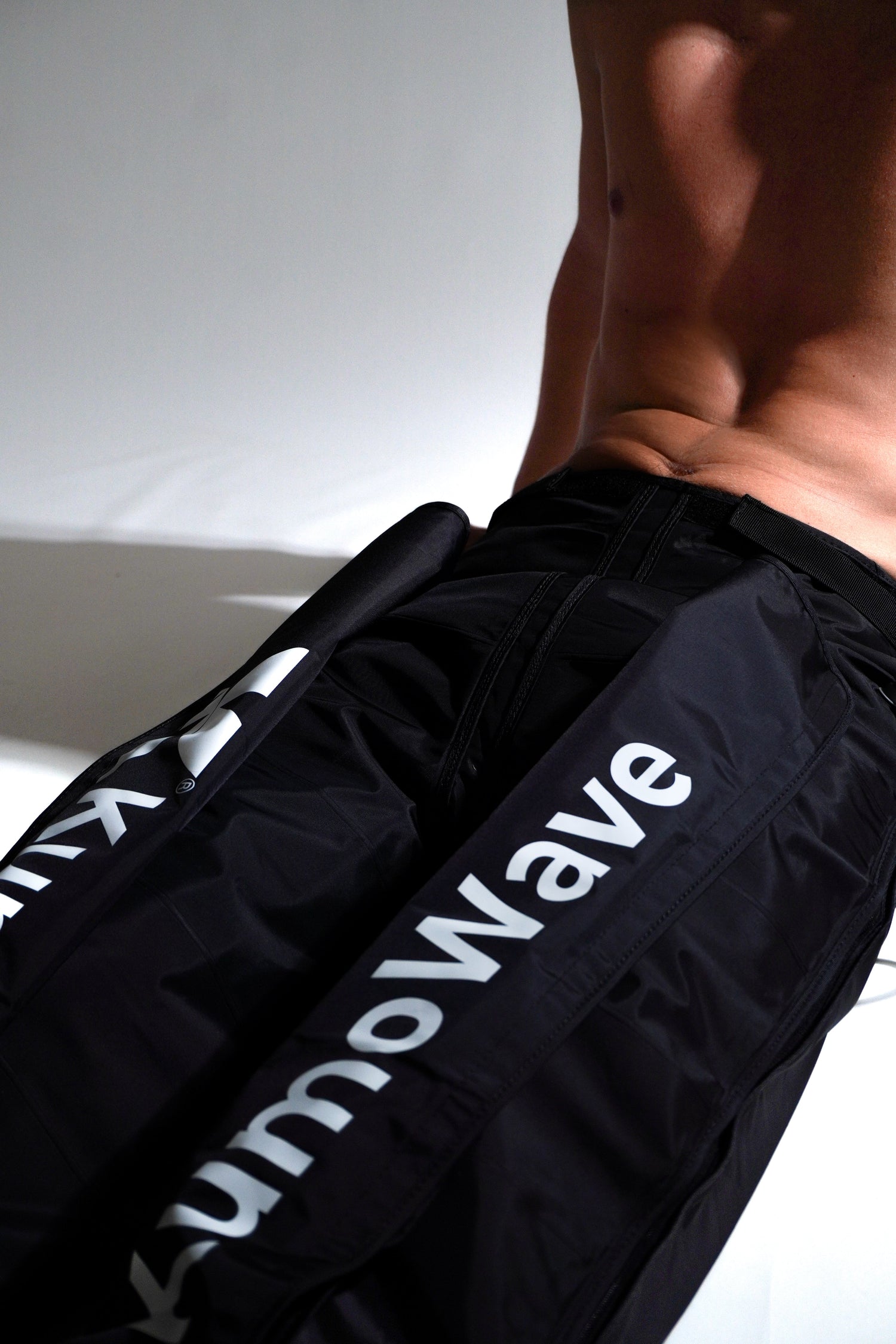
Full-coverage trousers. Ideal for lipedema, fluid retention and intensive use.
€799,00 €999,00
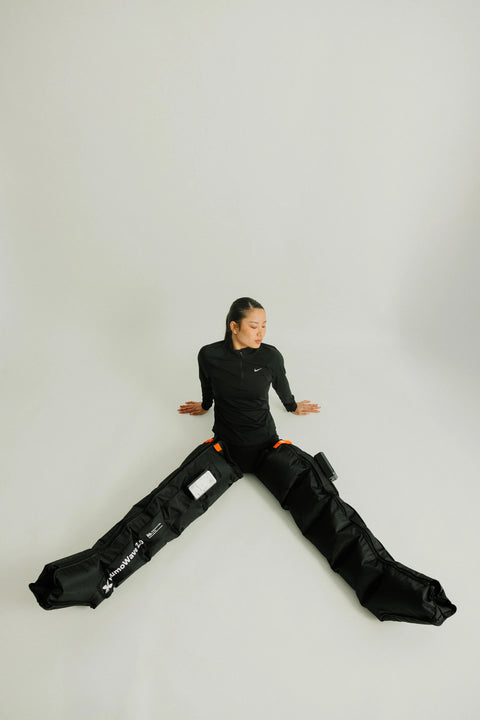
KumoWave 2.0 - Wireless Pressotherapy
Wireless, lightweight boots. Perfect for daily use and recovery.
€499,00 €599,00