

Introduction: what you can expect from compression boots
The first session with pressotherapy boots makes a noticeable difference, a big one.
Most people describe a firm, rhythmic pressure from their feet to their thighs, followed by a great feeling of lightness in their legs. In this article, you'll find a complete and practical guide to what it feels like, what effects pressotherapy actually has on your body (according to science), and how to gradually adapt to integrate it into your recovery or wellness routine.
Pressotherapy at home
End the day with light legs
★★★★★ 4,8/5 · rated by verified customers
KumoWave pressotherapy boosts circulation and helps drain fluid with sequential compression, in 20-minute sessions at home.
- Boosts circulation and helps drain fluid
- Chamber-based compression, adjustable to you
- Sequential compression that mimics manual drainage
€799,00€999,00
−10% on your 1st order when you subscribe to the newsletter

If you're thinking about incorporating compression boots at home, or if you already have them and want to use them better, here you'll find normal sensations, warning signs, recommended adaptation times, and tips for combining them with other recovery technologies such as LED light therapy or massage guns.
What exactly are pressotherapy boots?
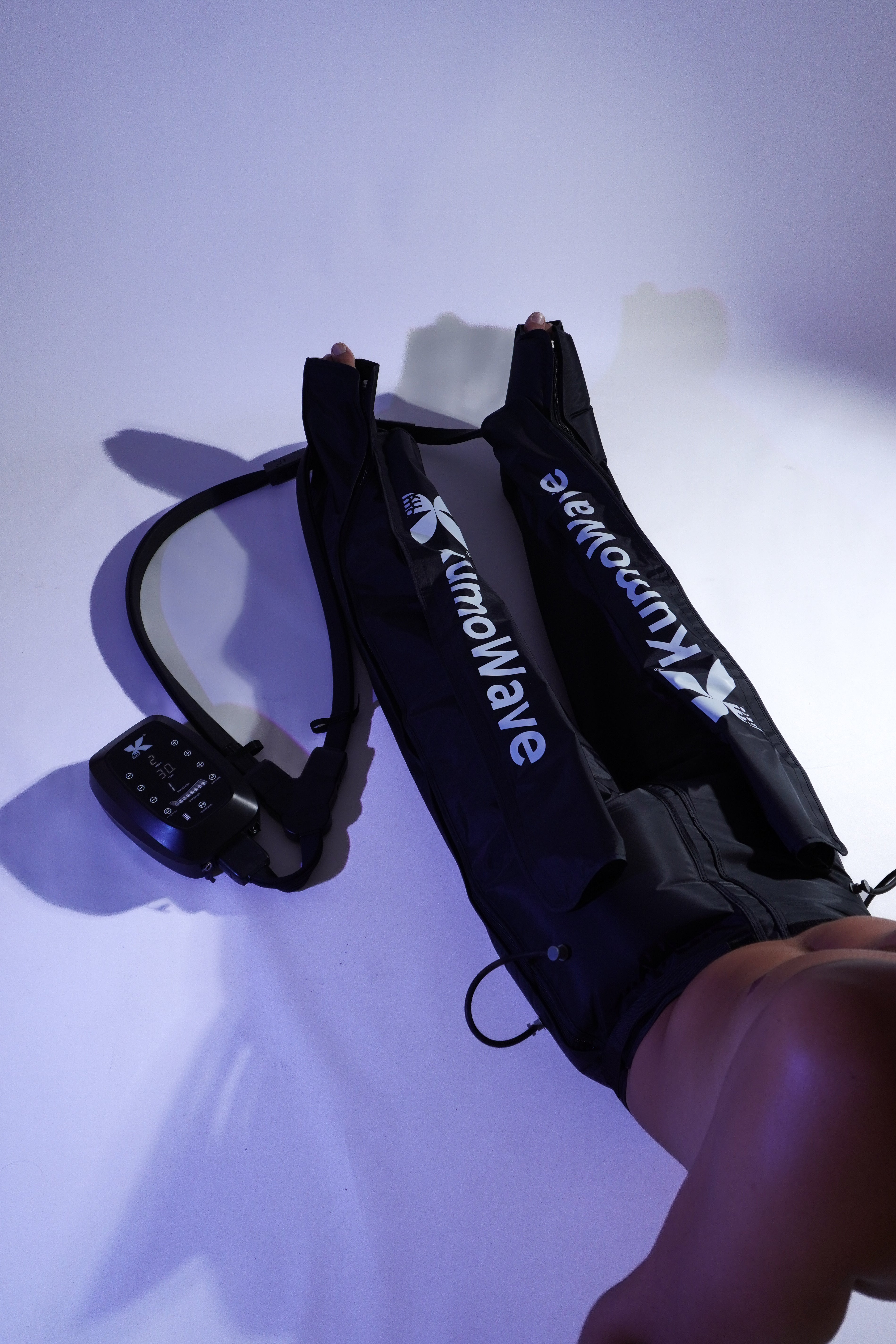
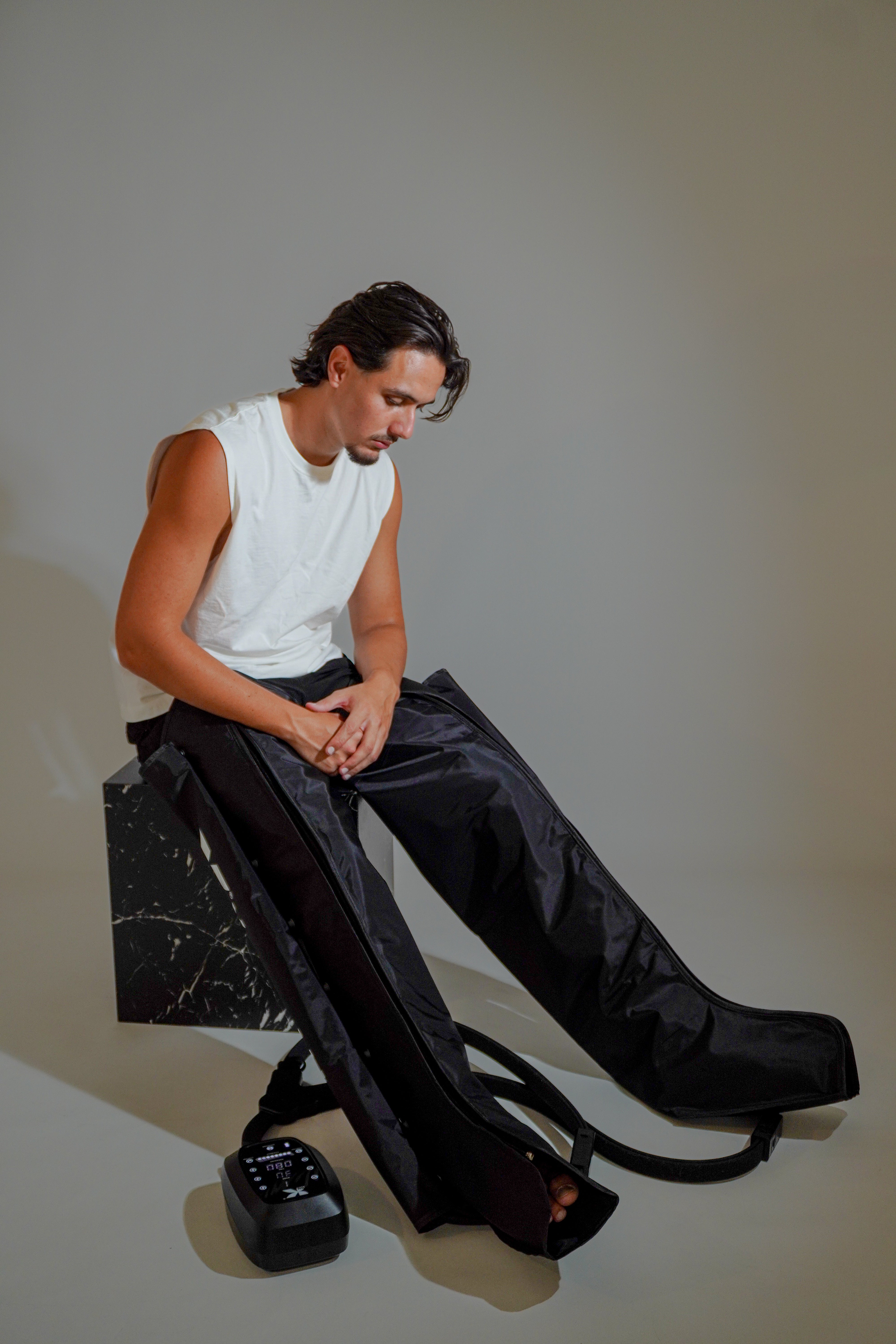
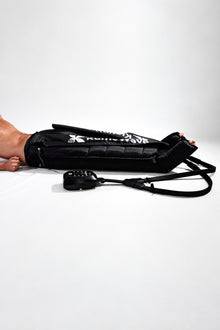
Compression therapy boots are padded sleeves that cover the feet and legs (sometimes also the hips) connected to a compressor. This device inflates and deflates different air chambers sequentially, exerting intermittent pneumatic compression that mimics muscle pumping.
Personalized protocol · included with your purchase
Want us to tell you how to use it in your case?
With your purchase, our experts prepare a personalized usage protocol for your case: sport, circulation, fluid retention, pregnancy or lipedema.
Message us on WhatsAppOur experts reply · no obligation
They are widely used by athletes looking to accelerate recovery after training, and also by people who spend many hours standing or sitting and experience heavy legs. The idea is to aid venous and lymphatic return, mobilizing fluids from the feet towards the heart.
In KUMO 's recovery ecosystem, the boots are integrated alongside other devices such as red light therapy and massage guns to create complete wellness routines, always in a context of domestic use and comfort, never replacing medical advice.
How the compression-decompression cycle works
In a typical session, the boot chambers are inflated in segments:
on your first order when you join the newsletter
We send you the code instantly. No spam.
- First, the foot and ankle area
- Then calves
- Then knees and thighs (depending on the model)
The chambers inflate to a predetermined pressure level and are held for a few seconds before rapidly deflating. This cycle repeats throughout the session. The sensation is similar to a “mechanical massage” that pushes the fluid from the bottom up, then releases to begin again.
Typical sensations with compression boots
During the first few minutes
The first few times it's normal to notice:
- Progressive pressure : starts gently on the foot and gradually increases in intensity and area.
- A firm hug around the leg, without causing pain.
- Slight sensation of warmth due to increased blood flow and being inside the boots.
- Very clear body awareness of each area: many users are surprised at how tense their calves were when they noticed how the boot compressed them.
If you've never used compression before, it might feel strange at first, but it should feel controlled and comfortable. If you're unsure, it's always best to start with low pressure and short periods of time.
As the session progressed
After a few minutes, the most frequent sensations are:
- Heaviness that transforms into lightness : at first you notice your legs are very restrained, but little by little a feeling of release appears.
- A mild tingling or "light prickling" sensation as circulation improves; it is usually pleasant.
- General relaxation : When lying down or reclining while the machine works, many people relax and even fall asleep.
- Desire to move your feet : it's normal to want to flex your toes a little between cycles to accompany the pumping.
After the session
At the end, the most common thing to notice is:
- Lighter legs , as if walking were easier.
- Less swelling in ankles and calves.
- Greater range of motion in ankles and knees, especially if you were carrying a heavy load.
- Sometimes, sleep or deep relaxation , similar to what happens after a massage.
These effects are primarily subjective (how you feel). Studies in athletes show that compression can improve markers of perceived fatigue and pain, although the results on objective performance are more subtle and variable. ( pubmed.ncbi.nlm.nih.gov )
Sensations that are NOT normal
You should stop the session and loosen or remove your boots if you notice:
- Sharp or stabbing pain anywhere in the leg.
- Intense numbness or clear loss of sensation.
- Very strong tingling that does not improve when the pressure is lowered.
- Extreme cold or striking change of color (extreme paleness, intense blue or red).
- Difficulty breathing, dizziness, or general malaise.
In people with vascular or heart problems, or a history of thrombosis, these signs require contact with a healthcare professional. Medical guidelines on compression therapy emphasize that in the event of severe pain, a sudden change in color, or persistent numbness, the compression should be removed and a doctor consulted immediately. ( nhs.uk )
Effects of compression boots on the body
Blood circulation and venous return
Intermittent pneumatic compression acts like a “peripheral heart”: by rhythmically squeezing the leg, it pushes venous blood upward and helps it return to the heart. Doppler ultrasound studies have shown that applying intermittent compression to the leg can increase blood flow in the superficial femoral artery during exercise and recovery, compared to not using compression. ( pubmed.ncbi.nlm.nih.gov )
This increase in flow and vascular conductance is interpreted as a temporary aid to the circulatory system, which can contribute to a feeling of more oxygenated and less burdened legs after prolonged exertion.
Muscle recovery and fatigue
In the sports field, compression boots are primarily used as a post-exercise recovery tool. Some controlled trials with intermittent compression devices have observed reductions in perceived muscle soreness and small improvements in muscle function in the days following intense exertion, compared to passive rest or other techniques. ( pubmed.ncbi.nlm.nih.gov )
However, a recent scientific review (2025) that analyzed the literature on pneumatic compression boots as a rehabilitation method concluded that, although many users report subjective benefits, the available studies are few and do not show a clear superiority over other rehabilitation methods. ( pubmed.ncbi.nlm.nih.gov )
The honest reading of the evidence is: boots can help you feel better and less burdened, but they're not a "magic bullet." They work best as part of a comprehensive strategy that includes quality sleep, proper nutrition, and training load management.
Lymphatic system and feeling of bloating
The lymphatic system does not have a “central pump” like the heart; it relies on muscle movement and external pressure to move lymphatic fluid. Compression therapies are used in a medical setting (under supervision) as part of lymphedema treatment to help drain excess fluid from the limbs. ( nhs.uk )
Home-use compression boots are inspired by these principles, but their objective is usually more about well-being : relieving the sensation of swelling, heavy legs and soft tissue fatigue, without replacing the specific therapy that a diagnosed pathology may need.
Table of sensations and recommended settings
Quick guide to feel and settings
| Time of use | Usual sensations | Pressure and duration setting (indicative)* | When to stop or reduce |
|---|---|---|---|
| Sessions 1–3 | Strange but tolerable pressure, some heat, slight tension in calves. | Low to medium pressure, 10–20 minutes. | If the pressure is uncomfortable, lower it by one level or shorten the session. |
| Sessions 4–10 | Progressive lightness, gentle tingling, more "unlocked" legs. | Medium pressure (according to comfort), 20–30 minutes. | If you experience intense tingling or numbness, low blood pressure, or rest. |
| Advanced use (stable routine) | Deep relaxation, a clear feeling of relief after long workouts or days. | Medium-high tolerable pressure, 20–45 minutes according to equipment instructions. | If you notice localized pain or increasing discomfort, reduce settings. |
| Warning signs | Sharp pain, intense cold, strong change of color or dizziness. | — | Remove the boots immediately and, if the problem persists, contact a healthcare professional. |
*These values are guidelines only and should never replace the specific instructions from your boot manufacturer or the personalized recommendations of a healthcare professional.
How to adapt step by step to compression therapy boots
First week: getting used to the pressure
If this is your first time using pressotherapy, the priority is to get used to the sensation without forcing it. One possible approach:
- 2–3 sessions per week.
- Duration: 10–20 minutes.
- Low pressure or the minimum recommended level for adults.
Use this phase to learn how to properly fit your boots, find the most comfortable position (lying down with your legs slightly elevated), and understand the inflation pattern. If at any point it becomes too intense, reduce the pressure instead of "holding on."
Weeks 2–4: Consolidate the routine
If the first week has gone well, you can:
- Increase to 3–4 weekly sessions.
- Gradually increase the pressure to a firm but comfortable level.
- Extend the session to 20–30 minutes, respecting the specific recommendations of your team.
For athletes, they are often useful after demanding workouts to relieve the feeling of strain. For people with sedentary lifestyles or jobs that require standing, they can be a good fit at the end of the workday.
Starting from the first month: customize according to your goals
Once adapted, adjust frequency and parameters according to how your body responds:
- Sports recovery objective: it may be interesting to use them for 20–30 minutes after intense sessions or competitions.
- Goal: wellness / tired legs: 3–5 weekly sessions of 20–30 minutes can provide a feeling of rest.
- Maintenance objective: some people alternate days of pressotherapy with days of massage or other techniques.
Remember that more time or more pressure doesn't always mean more benefit. Listen to your body and avoid using the boots if you are sick, have a fever, or experience unexplained leg pain.
Practical tips to get more out of your sessions
Before the session
- Hydration : Drink water throughout the day; fluid mobilization works best if you are not dehydrated.
- Appropriate clothing : Wear thin socks or thick seamless tights to avoid pressure points.
- Empty your bladder beforehand: it may seem like a minor detail, but the pressure on your legs and the time spent lying down make it more comfortable to start without the urge to go to the bathroom.
- Not right after a very heavy meal : wait at least 30–60 minutes after eating a large meal.
During the session
- Lie down or semi-reclined, with your back supported and your legs straight.
- Avoid crossing your legs or tensing your muscles: let the machine do the work.
- Breathe slowly and deeply to enhance relaxation.
- If you notice any discomfort, lower the pressure by one or two levels before deciding to stop.
Combine them with other recovery tools
Compression therapy boots can be combined with other technologies to create a more complete recovery routine:
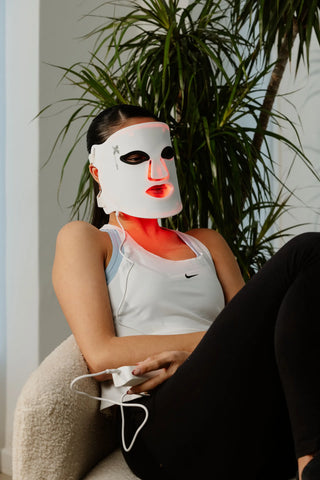
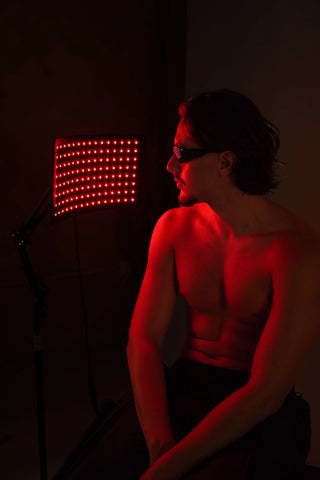
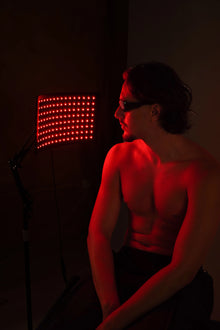
- Red light and LED therapy : Exposure to red or near-infrared light is being investigated for its potential to improve muscle function and sleep quality; it can be used at different times of the day or behind the legs, depending on the device. You can explore more in the KUMO LED light therapy section.
- Massage gun : A gentle percussive massage on key points (glutes, hips, back) can complement leg relief. The KUMOPULSE Air massage gun is specifically designed to work the muscles deeply and in a targeted way.
- Pressotherapy + rest : taking advantage of the sessions to disconnect (reading, meditating, listening to music) reinforces the association between pressotherapy and a moment of calm.
Who should consult a professional before using pressotherapy?
Although Wellness compression boots are aimed at healthy users, certain individuals should consult their doctor before using them:
- History or suspicion of deep vein thrombosis (DVT) or pulmonary embolism.
- Heart failure or significant heart problems.
- Pulmonary edema or unexplained respiratory distress.
- Active skin infections on the legs (cellulitis, significant open wounds).
- Severe arterial diseases in the lower extremities.
- High-risk pregnancy or associated vascular complications (always consult with your gynecologist).
Clinical guidelines on compression therapy and healthcare services (such as Cleveland Clinic or the UK NHS) recommend that compression be supervised by professionals in the presence of venous ulcers, significant lymphedema, or other complex vascular conditions. ( my.clevelandclinic.org )
If in doubt, it is safer to get a prior medical assessment and bring the specifications of your pressotherapy device to the consultation.
Frequently asked questions about compression therapy boots
What does it feel like to use compression boots for the first time?
The first impression is usually of firm, rhythmic pressure that rises from the feet up the legs. Many people describe it as a "mechanical hug" that is initially surprising but becomes relaxing after a few minutes. It's normal to feel moderate warmth, slight tension in the calves, and a gentle tingling sensation as circulation improves. What should n't occur is intense pain, severe numbness, or a burning sensation; in these cases, the pressure should be reduced, the session stopped, and the boots checked.
How long does it take to see the effects of compression boots?
Subjective effects (lighter legs, less swelling, greater relaxation) are usually noticeable from the first or second session . Regarding athletic recovery, some studies indicate modest improvements in perceived fatigue and pain in the days following intense exertion, although without dramatic changes in objective performance. ( pubmed.ncbi.nlm.nih.gov )
The most realistic approach is to think of boots as a tool that helps you feel better and face your next training sessions or workdays with less strain, always within a comprehensive plan of rest, nutrition, and stress management.
Can I wear compression boots every day?
In healthy individuals, using them daily at moderate and well-tolerated intensities is generally safe, provided you adhere to the manufacturer's recommended times and pressure. Many users incorporate them into a 20–30 minute ritual after training or at the end of the day. However, if you have a history of circulatory or heart problems, pronounced varicose veins, or are pregnant, it's advisable to reduce the initial frequency and discuss their use with a healthcare professional. And, of course, if any unusual discomfort arises, you should discontinue use and consult a doctor.
Are compression boots safe if I have varicose veins or circulatory problems?
It depends on the type and severity of the problem. Compression is generally used medically to relieve symptoms of venous insufficiency and varicose veins, but the pressure level and type of device are always adjusted to each individual case. ( my.clevelandclinic.org )
If you have visible varicose veins, significant swelling, a history of venous ulcers, or thrombosis, it's wise not to start using these boots on your own . Take the technical information about your boots (pressure ranges, zones of action) to your doctor so they can assess whether they are suitable for you and, if so, under what usage guidelines.
Is it better to use pressotherapy before or after training?
In practice, most athletes use it after training or competition , when muscles are fatigued and the feeling of relief is most pronounced. Scientific studies have primarily explored post-exercise use to assess its impact on muscle soreness and functional recovery in the following days. ( bmcsportsscimedrehabil.biomedcentral.com )
Using it before exercise, with moderate pressure, can be pleasant for "waking up" your legs, but it shouldn't replace an active warm-up. It's best to experiment and see what time of day provides the greatest subjective benefit, always listening to your body.
So what now?
If you'd like to incorporate this technology into your wellness routine, discoverKUMO's selection of compression boots , designed to make recovery a simple and enjoyable habit at home. To complement your sessions, also explore the brand's LED therapy and massage devices. And if you need help choosing or have questions about the most suitable use for you, you can contact the KUMO team for personalized support.
KumoWave pressotherapy
Choose your at-home pressotherapy
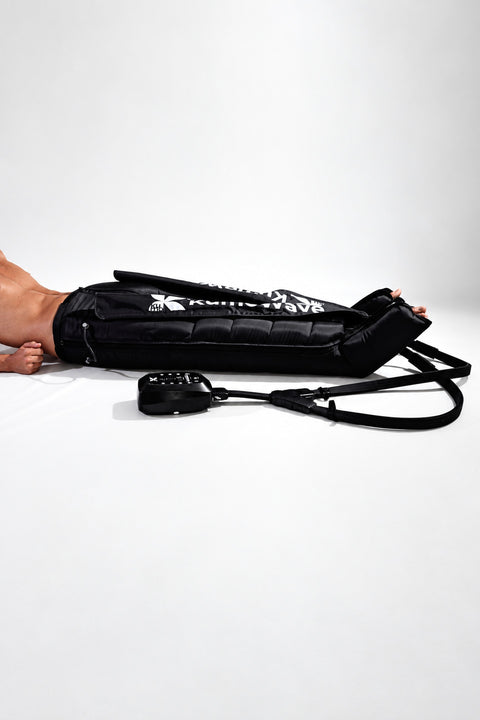
KumoWave Elite – Pressotherapy Pants
Full-coverage trousers. Ideal for lipedema, fluid retention and intensive use.
€799,00 €999,00
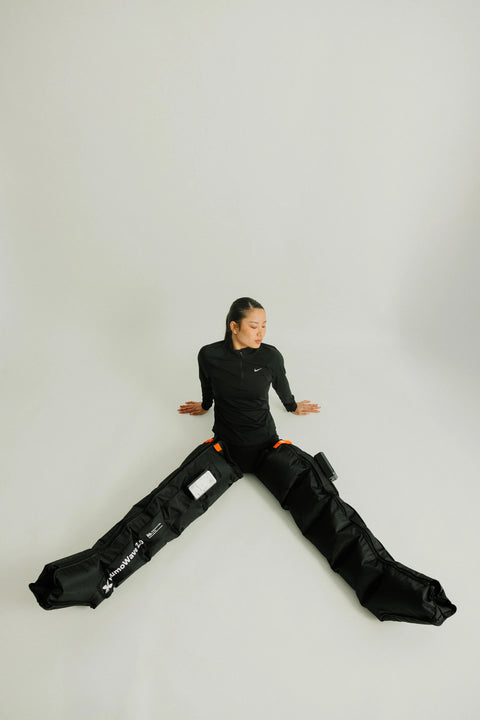
KumoWave 2.0 - Wireless Pressotherapy
Wireless, lightweight boots. Perfect for daily use and recovery.
€499,00 €599,00