Compression therapy boots: what results to expect and how long it takes. If you're looking for real effects and clear timelines, here's a practical, evidence-based guide.
In a little while
- Immediate relief: feeling of light legs and less swelling after the first session.
- In 1–2 weeks: reduction of heaviness and mild edema, better rest and post-workout recovery.
- In 4–8 weeks: more stable results if you maintain 3–5 sessions/week and healthy habits.
- Key to progress: moderate pressure, consistency and good size/fit.
- Avoid using it if you have contraindications (e.g., active venous thrombosis) and consult your doctor if you have any clinical concerns.
What results do pressotherapy boots produce?
Pressotherapy boots (intermittent pneumatic compression) apply a sequential massage that promotes venous and lymphatic return. In practice, many people notice relief from heaviness, reduced fluid retention, and a more comfortable muscle recovery after training.
Pressotherapy at home
End the day with light legs
★★★★★ 4,8/5 · rated by verified customers
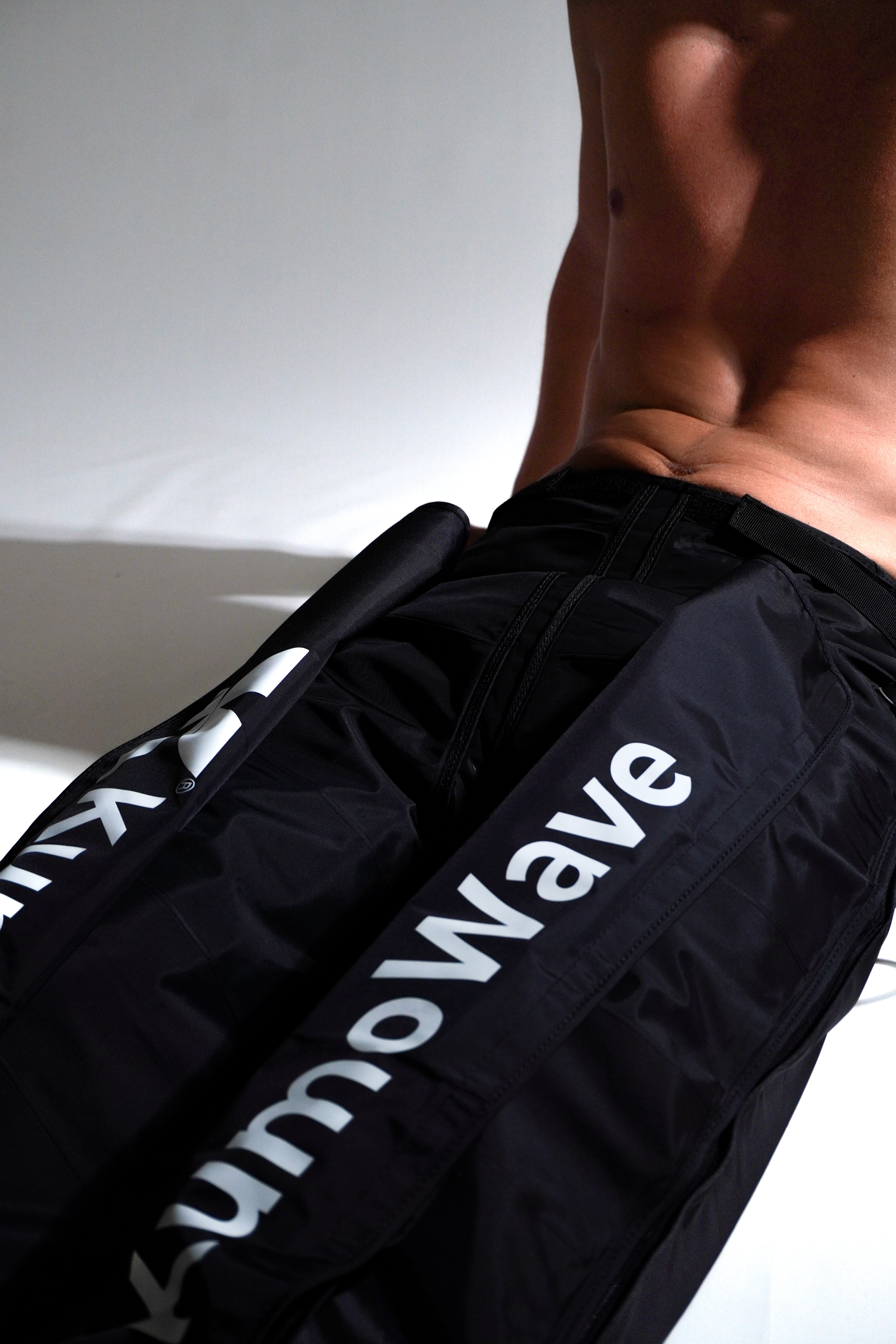
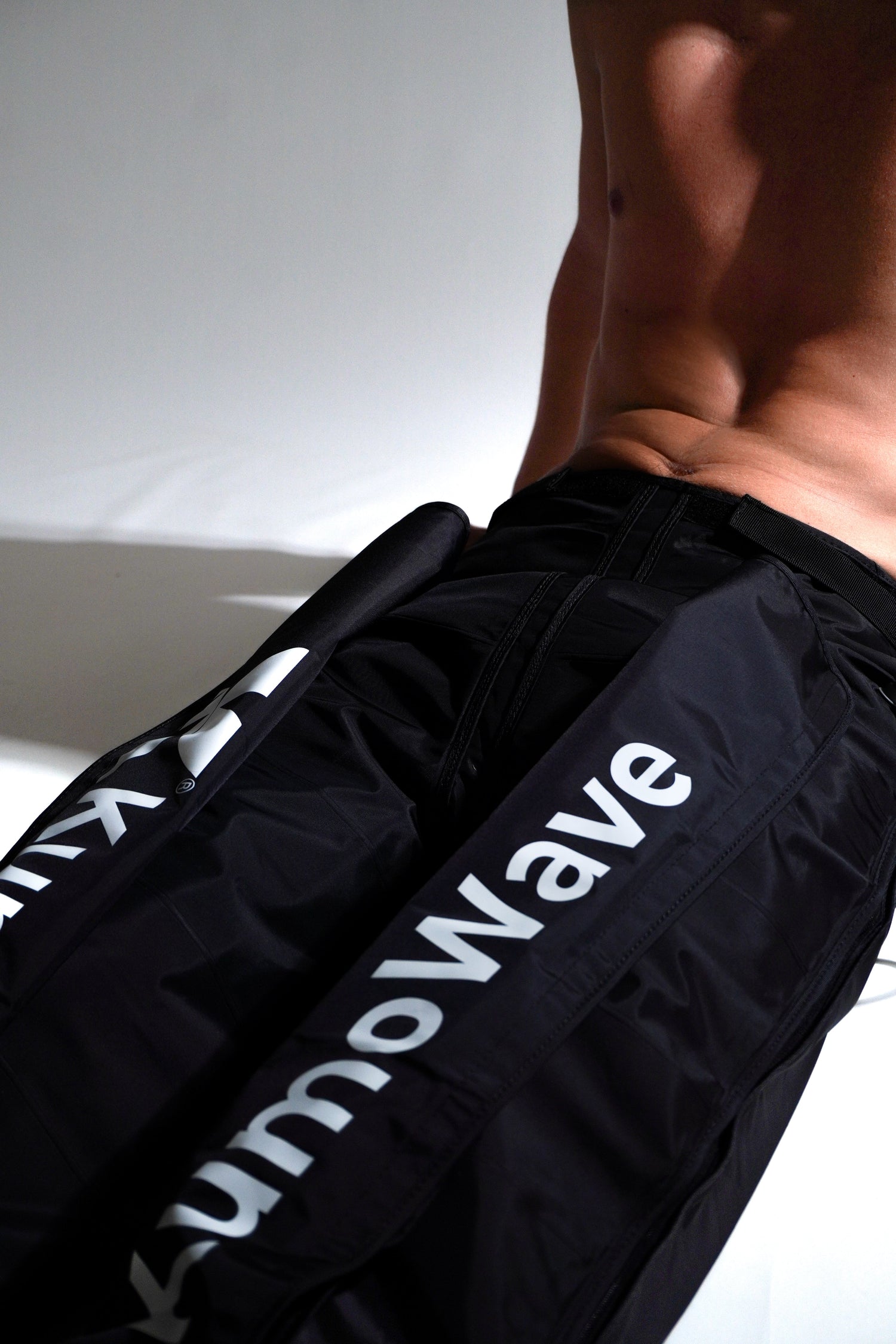
KumoWave pressotherapy boosts circulation and helps drain fluid with sequential compression, in 20-minute sessions at home.
- Boosts circulation and helps drain fluid
- Chamber-based compression, adjustable to you
- Sequential compression that mimics manual drainage
€799,00€999,00
−10% on your 1st order when you subscribe to the newsletter

Consistency beats intensity: 20–30 minutes, 3–5 times a week is better than very long, sporadic sessions.
Immediate sensation: lightness and warmth
- After the first session, it's common to experience lighter legs, peripheral warmth, and reduced congestion. This is associated with a transient increase in venous and lymphatic flow, as described in the literature on intermittent pneumatic compression. You can learn more about this mechanism in this clinical review by StatPearls (2023) Intermittent Pneumatic Compression Devices .
- In sedentary users or those who spend long hours on their feet, the "relieving heaviness" effect is usually rapid. If swelling is present at the end of the day, you may notice a slightly smaller ankle circumference measurement after the session (results vary from case to case).
In 1–2 weeks: less heaviness and mild edema
- Regular use (3–5 sessions/week) typically results in less evening swelling and reduced morning muscle stiffness. The UK NHS includes pneumatic compression among the tools for managing lymphedema, as an aid to drainage and self- care .
- If you train, you may experience less subjective muscle soreness and better tolerance to weekly volume, although the effects on objective performance are discreet and depend on the context of load and rest.
In 4–8 weeks: sustained recovery and well-being
- Improvement typically stabilizes with consistent use and complementary habits (hydration, mobility, sleep). In venous or lymphatic pathology, pneumatic compression can be part of a comprehensive, supervised treatment plan; clinical evidence supports its supportive role in venous ulcers and lymphedema when used correctly (Cochrane, Pneumatic compression and venous ulcers ; Mayo Clinic, Lymphedema: Treatment ).
- From week 8 onwards, the benefits depend on adherence and addressing causal factors (weight, sitting/standing time, training, footwear).
Long-term maintenance: lifestyle habit
- Incorporate the boots into your recovery routine: on days with heavy loads, long trips, or at the end of the day. Consistency matters more than increasing the pressure.
- KUMO promotes this idea: aesthetics, technology, and performance combine to make recovery a habit. Discover the brand's philosophy at KUMO Balance .
How pneumatic compression works
Intermittent pneumatic compression applies sequential pressure from the foot to the thigh. This “peristaltic” pattern promotes the return of venous blood and interstitial fluid to the trunk.
Personalized protocol · included with your purchase
Want us to tell you how to use it in your case?
With your purchase, our experts prepare a personalized usage protocol for your case: sport, circulation, fluid retention, pregnancy or lipedema.
Message us on WhatsAppOur experts reply · no obligation
Sequential pressure and venous return
- The segmented cuffs inflate and deflate in cycles. This gradient pushes venous blood upwards, decreasing stasis and promoting the clearance of metabolites.
- Clinical entities describe its safe use as mechanical support to improve hemodynamics in specific contexts Cleveland Clinic: sequential compression devices.
Effect on the lymphatic system and edema
- The lymphatic system lacks a central "pump"; changes in external pressure help to move lymph. Intermittent compression is a recognized tool within lymphedema care programs, along with exercise, skin care, and elastic compression (NHS: Lymphedema – Treatment , Mayo Clinic ).
What science says
- In the vascular and lymphatic field, evidence supports its usefulness as part of comprehensive protocols, especially in selected cases and under health supervision (Cochrane, 2015 ).
- In the prevention of thrombosis in medical settings, intermittent compression devices are supported by current guidelines and reviews (StatPearls, 2023 ).
- In sports recovery, the benefits are primarily subjective (reduced perceived pain, a feeling of recovery); the improvement in objective performance is modest and dependent on the context of training load, nutrition, and sleep. Keep expectations realistic.
How long per session and how often
There is no single protocol, but there are practical ranges that work for most healthy users.
Recommended duration and pressure
- Approximate duration: 20–30 minutes per session. On days with heavy workloads or very tired legs, you can go up to 45 minutes.
- Intensity: Start with low-medium pressure and gradually increase if you tolerate it well. The goal is not to "squash," but a firm and comfortable massage.
- Adjustment signs: If you notice tingling, numbness, or discomfort, reduce pressure or time.
Programs according to objective
- Sports recovery: 20–30 min post-training or at night; on high-load days, add a second short session.
- Tired legs/teleworking: 25–30 min at the end of the day to relieve congestion.
- Long journeys: a session before or after the trip to counteract immobility. For medical conditions such as thrombosis or lymphedema, always consult a healthcare professional; recommendations vary depending on the case (Cleveland Clinic, StatPearls ).
Reference table: actual results and times
| Moment | What you might notice | Usage recommendations | Signals to adjust |
|---|---|---|---|
| First session | Lighter legs, pleasant warmth, less congestion | 20–25 min, low-medium pressure | If there is discomfort, low blood pressure, or shortening |
| Week 1 | Less heaviness at the end of the day, more restful sleep | 3–4 sessions/week, adequate hydration | If you don't notice a change, check the size/fitting. |
| Weeks 2–4 | Reduction of mild swelling, improved tolerance to workouts | 4–5 sessions/week, add gentle mobility | If there is persistent pain, pause and consult a doctor. |
| Weeks 4–8 | More stable results, better subjective recovery | Be consistent; 20–30 min per session | Avoid increasing the pressure if it's already working well. |
| 8+ weeks | Well-being maintained as a lifestyle habit | Adjust frequency according to workload and schedule | Re-evaluate goals every 4–6 weeks |
Note: Results depend on lifestyle, vascular/lymphatic health, training, and rest. For medical conditions, follow NHS and Mayo Clinic medical advice.
How to measure your results objectively
Measuring helps you distinguish between perceived progress and actual progress, and adjust the plan accordingly.
on your first order when you join the newsletter
We send you the code instantly. No spam.
Useful subjective indicators
- Muscle heaviness (0–10) and pain scale (DOMS).
- Feeling of "agile" legs when climbing stairs or at the end of the day.
- Sleep quality and energy upon waking (brief diary).
Simple objective indicators
- Ankle/calf circumference at the end of the day, 3 times/week.
- Time until "noticeable load" in regular training (e.g., minutes of easy running).
- Daily steps and minutes standing vs. sitting. Complement with habits supported by clinical guidelines, such as elastic compression, exercise, and skin care for lymphedema NHS .
Signs of progress vs stagnation
- Progress: less variation in circumferences throughout the day, less DOMS, better sleep.
- Stagnation: swelling that returns quickly, discomfort with low pressure, or the need to "push" harder each time. In these cases, review your technique and size, and consult a doctor if there is any clinical suspicion.
Safety, contraindications, and when to avoid
Most healthy users tolerate pneumatic compression well, but there are exceptions.
Absolute contraindications
- Active deep vein thrombosis (DVT) or pulmonary embolism, skin infection, uncovered open wounds, decompensated heart failure, unexplained pain. In these cases, do not use StatPearls boots without prior medical evaluation.
Precautions and medical consultation
- Pregnancy, peripheral neuropathy, uncontrolled hypertension, history of DVT, moderate-to-severe lymphedema: consult a doctor first. Adjust pressure and duration based on Cleveland Clinic healthcare advice.
Hygiene and care
- Wear clean, thin socks, clean your cuffs, elevate your legs slightly, and avoid putting pressure on clothing folds or jewelry. Moisturize your skin, especially if you are prone to dryness or dermatitis.
Common mistakes and how to avoid them
Intensity too high
More pressure doesn't mean better results. Prioritize firm comfort. If you experience tingling, numbness, or pain, reduce the pressure.
Sessions that are too long or sporadic
20–30 minutes of consistent weekly sessions are better than isolated 60+ minute sessions. Clinical evidence in vascular/lymphatic therapy emphasizes adherence over single-session intensity (Cochrane ).
Poor fit of sizes and posture
Choose the right size and make sure your heel is well supported. Keep your legs aligned and relaxed; avoid crossing them during the session.
Frequently Asked Questions
How long does it take to see results with pressotherapy boots?
Many users notice immediate relief after the first session: less heaviness and mild swelling. With 3–5 sessions per week, changes tend to become established within 1–2 weeks. At 4–8 weeks, the benefit is usually more stable if you maintain complementary habits (mobility, hydration, sleep). In clinical conditions (venous insufficiency, lymphedema), the timeframe depends on the diagnosis and the comprehensive plan prescribed by a healthcare professional. Keep realistic expectations: compression therapy helps, but it is not a substitute for exercise, elastic compression, or medical care when necessary.
Do they help eliminate cellulite?
Cellulite is multifactorial (adipose tissue, fibrous septa, microcirculation). Pneumatic compression may temporarily improve fluid retention and the feeling of less "cushioned" skin, but there is no solid evidence that it permanently eliminates cellulite. If your goal is aesthetic, combine pressotherapy with strength training, a balanced diet, and skincare. Avoid exaggerated promises: results are modest and depend on your body composition and lifestyle.
Can they be used every day?
Yes, in healthy individuals, daily use of 20–30 minutes with moderate pressure is generally safe. Listen to your body: if discomfort or numbness occurs, reduce the pressure or duration. In cases with risk factors (e.g., history of thrombosis, pregnancy, moderate-to-severe lymphedema), consult a doctor beforehand. Remember that consistency is more important than very long sessions. Incorporating them after training or at the end of the day helps maintain adherence.
Are they safe during pregnancy?
It depends. Some women find relief from swelling, but pregnancy involves circulatory changes and a variable risk of thrombosis. As a precaution, consult your obstetrician or midwife before using compression boots. If they are approved, start with low pressure, short sessions, and monitor for any discomfort. If you experience any warning signs (calf pain, redness, localized heat, shortness of breath), discontinue use and seek medical attention.
Is it better before or after training?
Both options can be useful, depending on your goal. Beforehand, a short, gentle session can "activate" you without causing fatigue; afterward, 20–30 minutes helps relieve the feeling of strain and allows you to relax. On high-intensity days or during competitions, post-exercise use is usually preferred. Remember that optimal recovery depends on a combination of factors: sufficient sleep, nutrition, hydration, and workload management. Pressotherapy is a complement, not a substitute.
To remember
- Feeling of relief from the first session; stable results with 3–5 uses/week.
- Realistic expectations: solid subjective improvement; objective performance depends on more factors.
- Size, moderate pressure, and consistency are more important than squeezing hard.
- Pay attention to contraindications; if in doubt, consult a healthcare professional.
- Measure your progress with simple indicators to adjust the plan.
Want to turn recovery into a smart habit? Discover KUMO's approach at kumobalance.com .
KumoWave pressotherapy
Choose your at-home pressotherapy
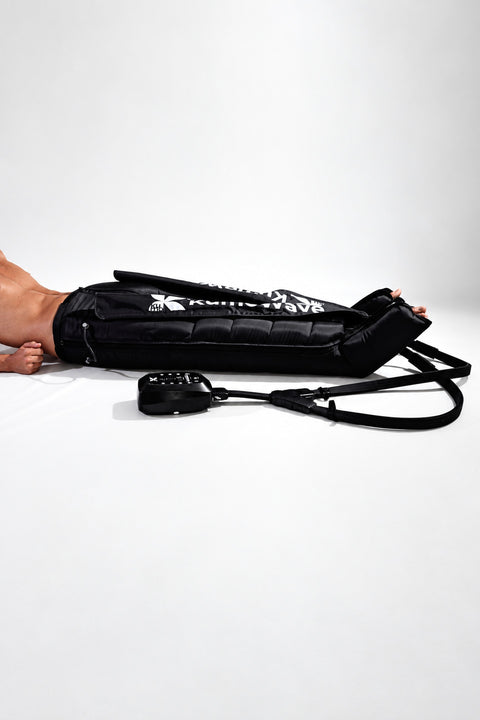
KumoWave Elite – Pressotherapy Pants
Full-coverage trousers. Ideal for lipedema, fluid retention and intensive use.
€799,00 €999,00

KumoWave 2.0 - Wireless Pressotherapy
Wireless, lightweight boots. Perfect for daily use and recovery.
€499,00 €599,00