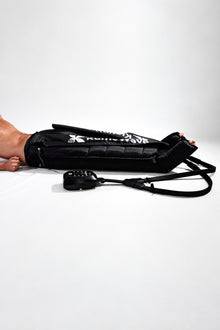

Compression therapy boots to activate circulation and relieve leg pain. In this guide, you'll learn what they are, how they work, and how to safely use them at home to alleviate heaviness, optimize recovery, and improve your daily well-being.
In a little while
- They promote venous and lymphatic return with sequential intermittent pneumatic compression.
- Useful for tired legs, mild edema, and recovery after training or standing for long periods.
- Typical sessions: 15–30 minutes, low to medium pressure at the start, and progression according to tolerance.
- They are not for everyone: consult first if you have thrombosis, peripheral artery disease or heart failure.
- They integrate well with healthy habits: hydration, mobility, sleep, and other recovery therapies.
What are compression boots and how do they work?
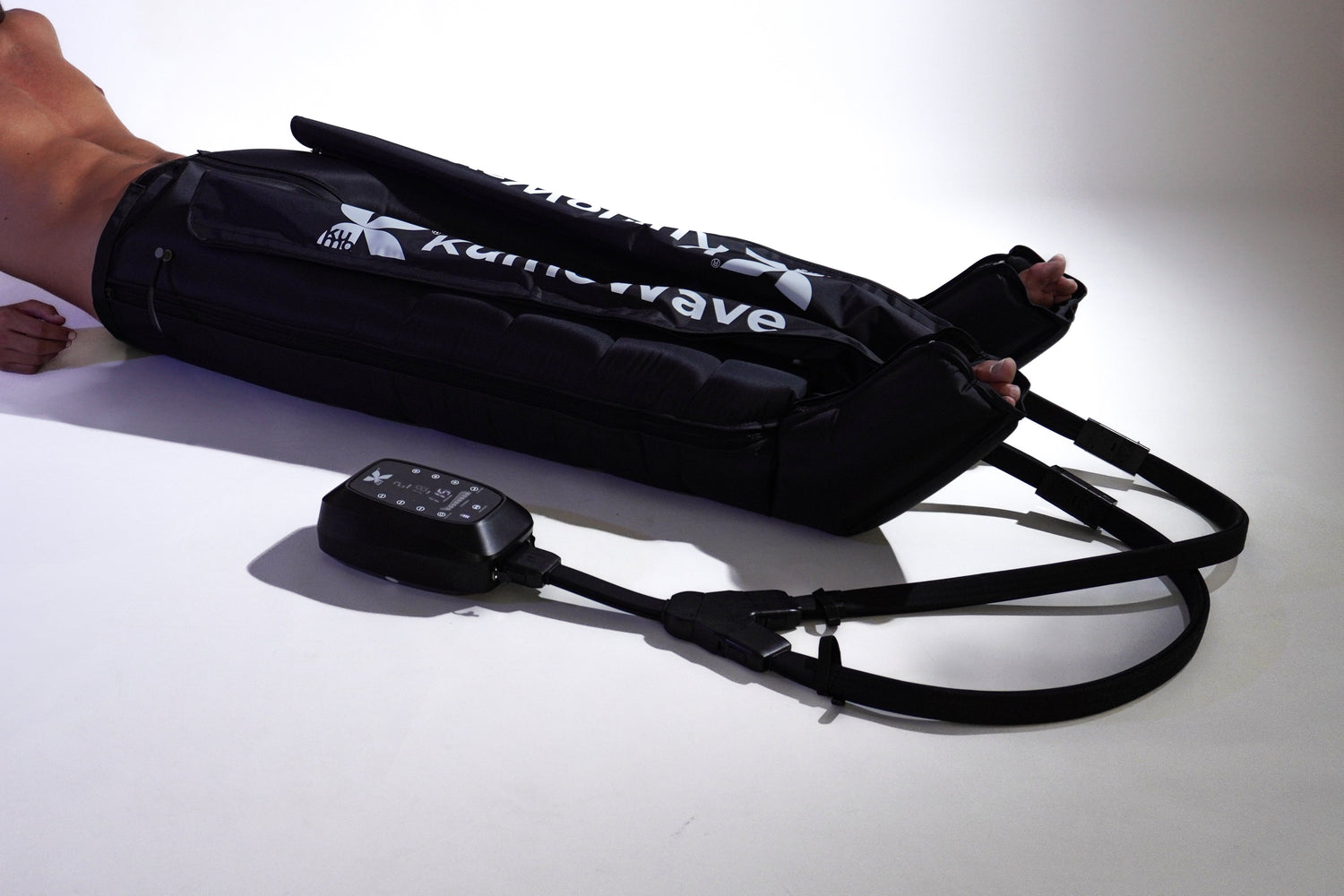
Compression therapy boots are pneumatic leg sleeves that inflate and deflate in cycles. This sequential compression pattern draws blood and lymph from the feet back up to the heart, relieving congestion and heaviness.
Pressotherapy at home
End the day with light legs
★★★★★ 4,8/5 · rated by verified customers
KumoWave pressotherapy boosts circulation and helps drain fluid with sequential compression, in 20-minute sessions at home.
- Boosts circulation and helps drain fluid
- Chamber-based compression, adjustable to you
- Sequential compression that mimics manual drainage
€799,00€999,00
−10% on your 1st order when you subscribe to the newsletter

Intermittent pneumatic compression, explained simply
- Air chambers that inflate sequentially from the ankle to the thigh.
- Rhythmic cycles: compression (pushes fluids) and decompression (reperfusion).
- Objective: to promote venous return, reduce stasis and support lymphatic drainage. More on sequential compression devices in the clinical setting: Cleveland Clinic.
Key physiological mechanisms
- They increase the speed of venous flow and decrease the volume of stasis.
- They can improve the clearance of metabolites after exertion by facilitating fluid transport.
- Decompression promotes the entry of oxygenated blood (reactive hyperemia), which can alleviate the feeling of fatigue. Clinical reference vascular guidelines: ESVS .
Benefits for circulation and well-being
Heavy legs and a sedentary lifestyle
If you spend many hours sitting or standing, the calf muscle pump works less effectively, and blood tends to pool. Pressotherapy provides an additional mechanical boost that can relieve pressure, fatigue, and tingling. Combine it with active breaks and leg elevations for a more comprehensive effect.
Mild edema and fluid retention
Rhythmic compression helps mobilize interstitial fluid into the lymphatic system. In some cases of lymphedema, pneumatic compression is used as an adjunct treatment under professional judgment. Review of treatment options: NHS — Lymphedema Treatment and Mayo Clinic .
Personalized protocol · included with your purchase
Want us to tell you how to use it in your case?
With your purchase, our experts prepare a personalized usage protocol for your case: sport, circulation, fluid retention, pregnancy or lipedema.
Message us on WhatsAppOur experts reply · no obligation
Recovery after exercise
After intense training, the sensation of stiffness and congestion can be reduced with compression cycles that promote blood return. Evidence in sports medicine points to subjective improvements in recovery and comfort; objective results vary depending on the protocol and population. In thrombosis prevention programs, intermittent compression is a well-established measure: CDC — DVT Prevention.
What does the scientific evidence say?
- Venous ulcers: a Cochrane review (2014) indicates that intermittent pneumatic compression may increase healing rates in combination with other compression therapies, although the studies show methodological heterogeneity. Consult: Cochrane Library .
- Lymphedema: Health services include pneumatic compression as a complementary option in certain cases, always personalized and under professional follow-up ( NHS , Mayo Clinic , International Lymphoedema Framework ).
- Prevention of thrombosis in hospitalized patients: guidelines recommend intermittent compression devices when indicated, sometimes in conjunction with pharmacological prophylaxis (CDC).
- Performance and recovery: Studies in athletic populations report improvements in perceptual markers (pain, heaviness). Objective physiological improvements depend on the protocol design and the type of effort, so it is advisable to evaluate each case individually. For general vascular background: ESVS — Clinical Guidelines .
Home pressotherapy is geared towards well-being and everyday recovery. If you have a diagnosed vascular or lymphatic condition, consult your healthcare professional first.
Who is it suitable for and who is it not suitable for?
Good candidates
- People with tired legs due to sedentary work or prolonged standing.
- Those seeking to accelerate the feeling of recovery after recreational sport.
- Frequent travelers who want to relieve bloating after long flights.
- Users who wish to integrate a circulatory care routine at home.
Contraindications and precautions
Avoid using compression boots without supervision if you have:
on your first order when you join the newsletter
We send you the code instantly. No spam.
- Current or recent deep vein thrombosis, pulmonary embolism.
- Moderate-to-severe peripheral arterial disease, critical ischemia.
- Decompensated heart failure, acute pulmonary edema.
- Active skin infections, open wounds in the area of use.
- Severe neuropathies with significant loss of sensation. For painful varicose veins, complicated pregnancies, or any vascular condition, seek medical advice beforehand. References and context: NHS , Mayo Clinic .
How to safely wear boots at home
Before we begin
- Stay hydrated and empty your bladder; being comfortable makes the session easier.
- Place your legs elevated to heart level or slightly above.
- Adjust closures without creases to avoid pressure points.
- Start with low pressures and short sessions; progress if you notice good tolerance.
Session parameters: a practical guide
Indicative parameters for a home pressotherapy session
| Aim | Suggested pressure (mmHg) | Duration per session | Weekly frequency | Observations |
|---|---|---|---|---|
| Relief from tired legs | 30–50 | 15–20 min | 3–5 | Smooth rhythm, full sequential mode. |
| Post-workout recovery | 40–70 | 20–30 min | 3–6 | After 1–3 hours of exercise or at the end of the day. |
| Travel and long days | 30–50 | 15–25 min | As needed | Combine with ankle mobility and water. |
| Mild edema without diagnosed pathology | 30–45 | 15–25 min | 4–6 | Monitor response; prioritize comfort. |
Note: These are guidelines for healthy users. Adjust based on your body's sensations, manufacturer's recommendations, and professional advice if applicable.
Routines by objective
- Express 15': ideal upon arriving home, low-medium pressure, diaphragmatic breathing.
- Deep recovery 30': add gentle stretches after the session.
- Daily maintenance: short, regular sessions are more effective than one long, occasional session.
- Warning signs: sharp pain, persistent numbness, or changes in skin color. If these occur, stop the session and consult a doctor.
Maintenance and hygiene
Cleaning
- Clean the cameras with a damp cloth and neutral soap after 2–3 uses.
- Avoid strong alcohols that can degrade materials.
- Wear thin socks or technical pants to protect your skin and inside.
Conservation
- Store in a dry place, without sharp creases in hoses.
- Check connections and zipper regularly.
- Do not expose to direct heat or prolonged intense sunlight.
Myths and realities
- “The more pressure, the better”: no. Excessive pressure can be uncomfortable and counterproductive; prioritize tolerance and progression.
- “It replaces exercise”: no. Pressotherapy is a complement; daily mobility remains key.
- “It works equally well for everyone”: not quite. The response varies depending on habits, muscle tone, and vascular status.
- “It’s only good for athletes”: false. It also benefits those seeking well-being and rest for their legs.
Integrate it into a modern recovery routine
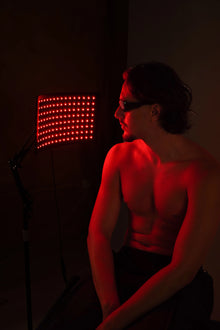
A smart recovery combines habits and technology: hydration, sleep, mobility, and tools that work on different levels. Compression boots are complemented by light therapies for skin and relaxation, and percussive massage to release localized muscle tension. Explore how to make recovery a habit with an aesthetic, technological, and effective approach at KUMO .
FAQ
How long does it take to see the effects of pressotherapy?
Many people experience relief from heaviness and the feeling of "loaded" legs from the very first session, especially with 15–20 minutes of gentle compression. Cumulative benefits (better leg rest at the end of the day or less recurring swelling) are usually noticeable after 1–2 weeks of regular use. Keep realistic expectations: it's a supportive tool, not a cure-all. If you're aiming for a specific goal (e.g., recovery after training), be consistent and assess how you feel every 7–10 days.
Can I use compression boots if I have varicose veins?
Varicose veins are not always a contraindication for pressotherapy, but each case is different. If there is pain, discoloration, or a history of thrombosis or phlebitis, consult a vascular specialist first. In uncomplicated varicose veins, some people find relief from fatigue by promoting venous return. Adjust to low to medium pressures and monitor tolerance. If you experience sharp pain, increased swelling, or numbness, discontinue use and seek professional evaluation.
Is it better to use them before or after training?
For most people, the greatest benefit comes after training or at the end of the day, when fatigue and pump are most pronounced. Even so, a short, easy session before light efforts can provide a feeling of lightness in the legs. Avoid very intense sessions right before explosive work. After exercise, wait 60 to 180 minutes before a 20–30 minute session at moderate intensity, accompanied by hydration and a proper recovery meal.
What pressure should I choose in the first few sessions?
Start low and prioritize comfort: 30–40 mmHg is usually a good starting point for healthy users. If the sensation is comfortable and there is no numbness, you can gradually increase the pressure by 5–10 mmHg in subsequent sessions, without exceeding the comfort threshold. Avoid pressure points on the tibial ridges or Achilles tendon and confirm that the fit does not create creases. If you have any history of vascular or lymphatic issues, seek professional advice to personalize the pressure range.
Can it be used during pregnancy?
In uncomplicated pregnancies, some women use compression to relieve leg swelling; however, pneumatic compression therapy should be evaluated by the healthcare professional managing the pregnancy. If gestational hypertension, risk of thrombosis, preeclampsia, or other complications are present, do not use it without medical authorization. If appropriate, low pressure, short sessions, and close monitoring of tolerance are recommended. Prioritize conservative measures such as leg elevation and gentle movement.
To remember
- Pressotherapy promotes venous and lymphatic return with compression and decompression cycles.
- It relieves the feeling of tired legs and can improve the perception of recovery after exertion.
- Start with low pressures, 15–30 minute sessions and progress according to tolerance.
- Respect contraindications: thrombosis, arterial disease, decompensated heart failure, skin infections.
- Consistency and combining it with healthy habits multiply results.
- Take the next step: integrate recovery into your daily life and discover more about related technologies at KUMO .
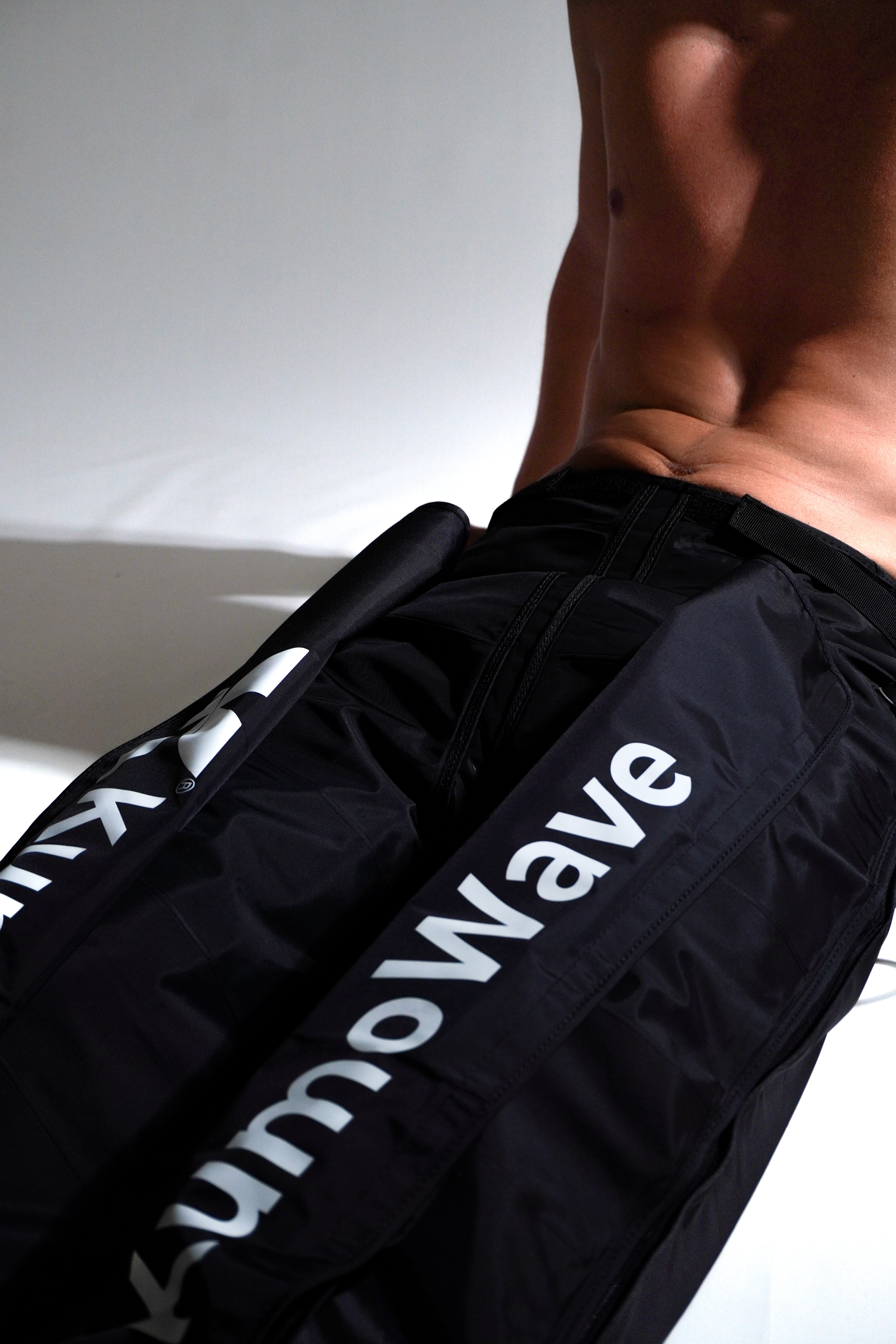
KumoWave pressotherapy
Choose your at-home pressotherapy
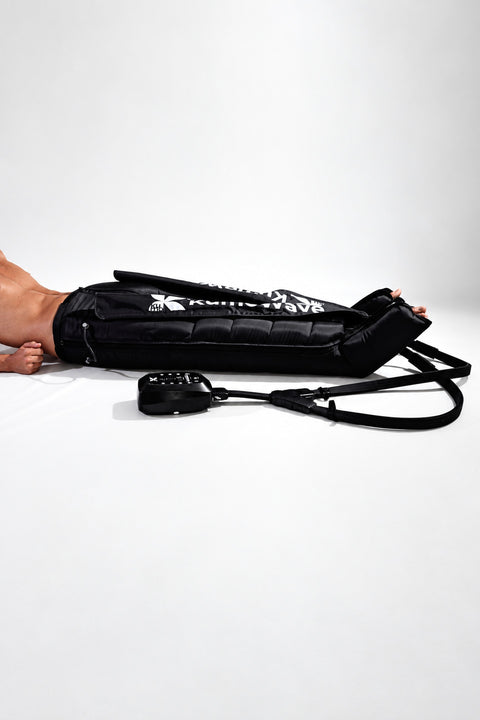
KumoWave Elite – Pressotherapy Pants
Full-coverage trousers. Ideal for lipedema, fluid retention and intensive use.
€799,00 €999,00
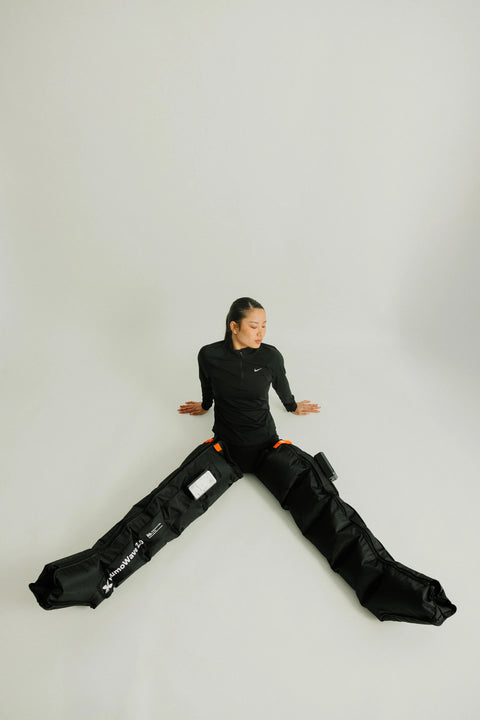
KumoWave 2.0 - Wireless Pressotherapy
Wireless, lightweight boots. Perfect for daily use and recovery.
€499,00 €599,00