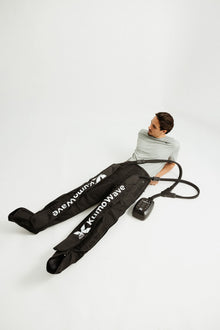

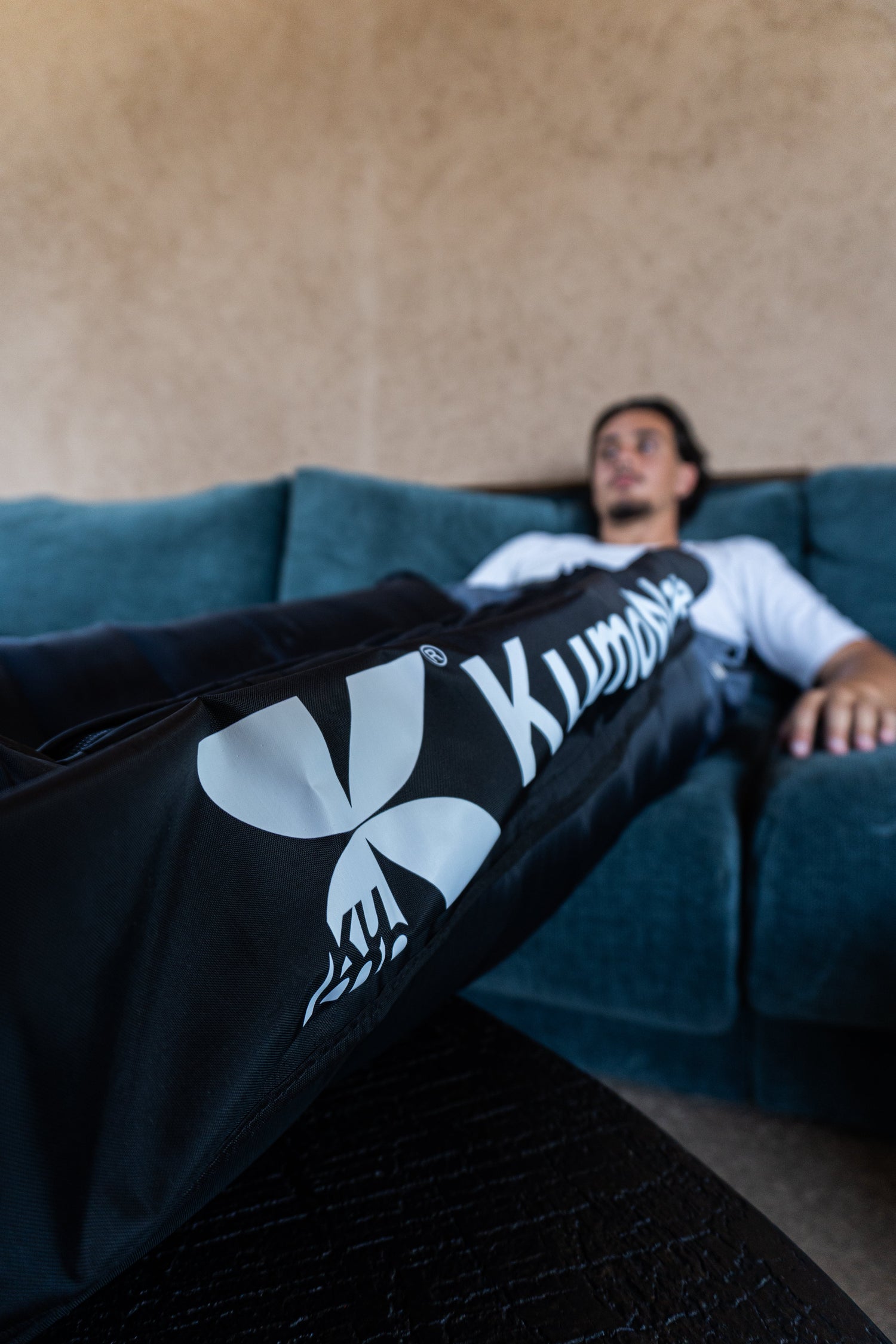
Compression therapy boots for your recovery at home. A clear, practical and updated guide for 2025.
If you're wondering what compression boots are, how to use them, and what real benefits they offer for home use, here's a complete and straightforward guide. We explain how intermittent pneumatic compression works, recommended settings, contraindications, and a safe step-by-step guide to getting the most out of them from day one.
Pressotherapy at home
End the day with light legs
★★★★★ 4,8/5 · rated by verified customers
KumoWave pressotherapy boosts circulation and helps drain fluid with sequential compression, in 20-minute sessions at home.
- Boosts circulation and helps drain fluid
- Chamber-based compression, adjustable to you
- Sequential compression that mimics manual drainage
€799,00€999,00
−10% on your 1st order when you subscribe to the newsletter

In a little while
- They improve venous return and lymphatic drainage with sequential and controlled compression.
- Main benefits: lighter legs, post-workout recovery and reduction of heaviness/mild edema.
- Start with low pressures (20–40 mmHg) and sessions of 20–30 minutes; gradually increase without pain.
- Avoid using it if you have active thrombosis, severe arterial insufficiency, or a skin infection; consult your doctor first.
- Maintain a routine: 3–5 days/week and good hydration to enhance effects.
What they are and how they work
Compression therapy boots are sleeves with chambers that inflate and deflate sequentially to apply compression from the foot to the thigh. This pattern propels venous blood and lymph toward the heart, helping to mobilize fluids and metabolites.
- The technology is known as intermittent pneumatic compression (IPC). It has been used for decades in clinical settings for circulation and edema, and today it has become popular for at-home sports recovery. General review and contraindications are available at NCBI/StatPearls .
- Its aim is not to "squeeze hard," but to apply a rhythmic and tolerable pressure that mimics a distal-to-proximal massage to improve flow without compromising tissues.
Quick tip: If you notice tingling, numbness, or pain, lower the pressure or stop the session.
Personalized protocol · included with your purchase
Want us to tell you how to use it in your case?
With your purchase, our experts prepare a personalized usage protocol for your case: sport, circulation, fluid retention, pregnancy or lipedema.
Message us on WhatsAppOur experts reply · no obligation
Evidence-backed benefits
Sports recovery and muscle fatigue
Following strenuous training, sequential compression can help reduce perceived pain and heaviness, as well as promote the clearance of metabolites. The literature suggests modest but useful benefits in perceived recovery and comfort, with significant individual variability. For a clinical overview of CPI and its physiological basis, see NCBI/StatPearls .
Tired legs, heaviness, and mild edema
Intraperitoneal compression (IPC) is used to support venous return and reduce swelling in uncomplicated cases, in combination with lifestyle modifications (movement, leg elevation). Extensive clinical evidence on peripheral circulation and edema management exists for related medical indications; see the Cleveland Clinic's summary of compression therapy.
Complementary lymphatic drainage
In lymphedema, compression therapy can be part of a comprehensive approach directed by professionals (it does not replace treatment). The International Society of Lymphology's consensus document (2020) describes compression therapy as an adjunct option with prudent parameters, especially for home use; see the 2020 ISL consensus.
on your first order when you join the newsletter
We send you the code instantly. No spam.
Medical context: venous ulcers and DVT
- Some reviews support IPC as an adjunct for venous ulcers in clinical settings, always under supervision: see Cochrane Wounds .
- To prevent venous thrombosis in hospital, IPC is one of the measures recommended by guidelines (clinical use, not home use without indication): see NICE guideline NG89 and basic facts on thrombosis in CDC.
Are they for you? Instructions and precautions
They can be useful if:
- You spend many hours standing or sitting and your legs feel heavy.
- You are on a training plan with moderate/high loads and are looking to accelerate the feeling of recovery.
- You experience occasional mild swelling due to heat or long journeys.
Avoid or consult beforehand if you have:
- Active deep vein thrombosis, pulmonary embolism, moderate/severe peripheral arterial insufficiency, decompensated heart failure, skin infection, open wounds, severe neuropathy, or cancer without oncological control. Contradictions and risks in NCBI/StatPearls and NICE clinical recommendations.
This guide is not a substitute for medical advice. If you have vascular or lymphatic conditions, or are pregnant, seek professional approval before using pressotherapy.
How to use compression therapy boots at home (step by step)
Preparation
- Hydrate and empty your bladder before you begin.
- Check the skin: if there are wounds, rashes or acute pain, postpone the session.
- Get comfortable in a semi-supine position with your legs slightly raised.
Key settings: pressure, time, and program
- It starts low and gradually increases without pain or numbness.
- Clinical literature places typical CPI ranges between 20–60 mmHg for non-medical use, adjusting as tolerated. Always follow the manufacturer's and your healthcare professional's recommendations. See the FDA for a general regulatory overview.
Guidance on domestic parameters 2025
| Aim | Indicative pressure (mmHg) | Duration per session | Weekly frequency | Recommended program |
|---|---|---|---|---|
| Well-being and light legs | 20–40 | 20–30 min | 3–5 days | Sequential/smooth peristaltic |
| Post-workout recovery | 30–60 | 20–30 min (post 1–3 h) | 3–5 days | Sequential with graded compression |
| Gentle drainage | 20–40 | 20–45 min | 3–6 days | Slower pace, longer cycles |
| Standing/sitting shift | 30–50 | 20–30 min (late afternoon/evening) | 3–5 days | Standard sequential |
Non-medical guidelines based on typical CPI ranges described in clinical literature and guidelines. Adjust to your tolerance and always ensure you are pain-free. For medical conditions, follow professional advice.
During the session
- Take a deep breath and avoid crossing your legs.
- If you notice tingling or pain, stop the session and lower the pressure.
- Keep your mobile phone/watch handy so you don't exceed the planned time.
After the session
- Get up slowly; drink water.
- Observe your skin: it should look normal, without persistent redness or deep marks.
- Record parameters and sensations to fine-tune your routine.
Programs and sequences: how to choose
Peristaltic/sequential
Inflated from the foot upwards, chamber by chamber. It is the most versatile for venous return and overall recovery. It is usually the recommended base option.
Flush or wavy
Longer cycles and a "wave" sensation. It provides gentler compression that many people tolerate better during extended sessions.
Distal or proximal focus
Some devices allow you to target the ankle and calf (distal edema) or the upper thigh. Use them only if recommended by a healthcare professional or if you are seeking a specific sensation.
Common mistakes that hinder results
- Using more pressure "to go faster" is not effective. Excessive compression can irritate nerves and does not improve rebound.
- Sessions that are too long without supervision. Daily consistency is better than occasional marathons.
- Ignore skin discomfort or numb areas.
- Use with open wounds or local infections.
- Skipping equipment hygiene: promotes irritation.
Maintenance and hygiene
- Clean the boots inside with a slightly damp cloth and neutral soap; air dry.
- Wear thin, clean socks to create a hygienic barrier.
- Check zippers and tubes; do not bend at sharp angles.
- Store in a dry place, away from direct heat.
How to enhance pressotherapy with simple habits
- Light movement and stretching after the session.
- Leg elevation 10–15 minutes at the end of the day.
- Hydration and sufficient sleep.
- Diaphragmatic breathing routines to promote venous return.
- If you are interested in integrating recovery as a lifestyle with aesthetic and effective technology, discover the KUMO Balance approach.
Frequently Asked Questions
How long should I wear compression boots?
For most home users, 20–30 minutes per session is a good starting point. A consistent frequency (3–5 times per week) is preferable to very long sessions. Adjust according to your tolerance: if your legs feel lighter afterward, without tingling or pain, you're on the right track. In clinical settings, times may vary and require supervision. Remember: start with low pressure and gradually increase it without discomfort.
Is it better to use them before or after training?
It depends on your goal. Beforehand, a short, gentle session (15–20 minutes, low pressure) can provide a feeling of readiness and lightness without causing fatigue. Afterward, 20–30 minutes at moderate pressure promotes perceived recovery and comfort. If you train very late, avoid intense sessions right before bed if they energize you. Record your sensations and performance the following day to adjust your ideal training window.
Do they help with cellulite?
Pressotherapy can improve venous return and drainage, sometimes resulting in a temporary appearance of smoother skin. However, it is not a specific treatment for cellulite and does not replace exercise, nutrition, and skincare. Aesthetic results vary greatly from person to person. If your primary goal is aesthetic, combine it with healthy habits and consult a professional for a comprehensive plan.
Can they be used during pregnancy?
Leg swelling is common during pregnancy, but any instrumental compression should be discussed with your gynecologist. There are situations in which it is not recommended (e.g., preeclampsia, thrombosis, vascular complications). If you receive medical clearance, use low pressure, short sessions, and stop at the first sign of discomfort. The priority is maternal and fetal safety: do not start compression on your own.
What contraindications should I absolutely be aware of?
Avoid compression therapy if you have active or recent deep vein thrombosis, moderate/severe peripheral arterial insufficiency, decompensated heart failure, skin infection, open wounds, or unexplained leg pain. Certain conditions require prior evaluation (neuropathy, cancer, advanced lymphedema). For a clinical and safety review, consult NICE , CDC, and NCBI/StatPearls .
The essentials for 2025
- Home pressotherapy is an effective tool for circulation and recovery when used judiciously.
- Start with 20–40 mmHg for 20–30 minutes and adjust without pain or numbness.
- Weekly consistency, hydration, and movement habits multiply the results.
- Respect contraindications and consult if you have medical conditions.
- Equipment hygiene and recording sensations are key to making safe progress.
Ready to integrate recovery into your routine? Discover KUMO's philosophy and technology on our website and build your wellness habit.
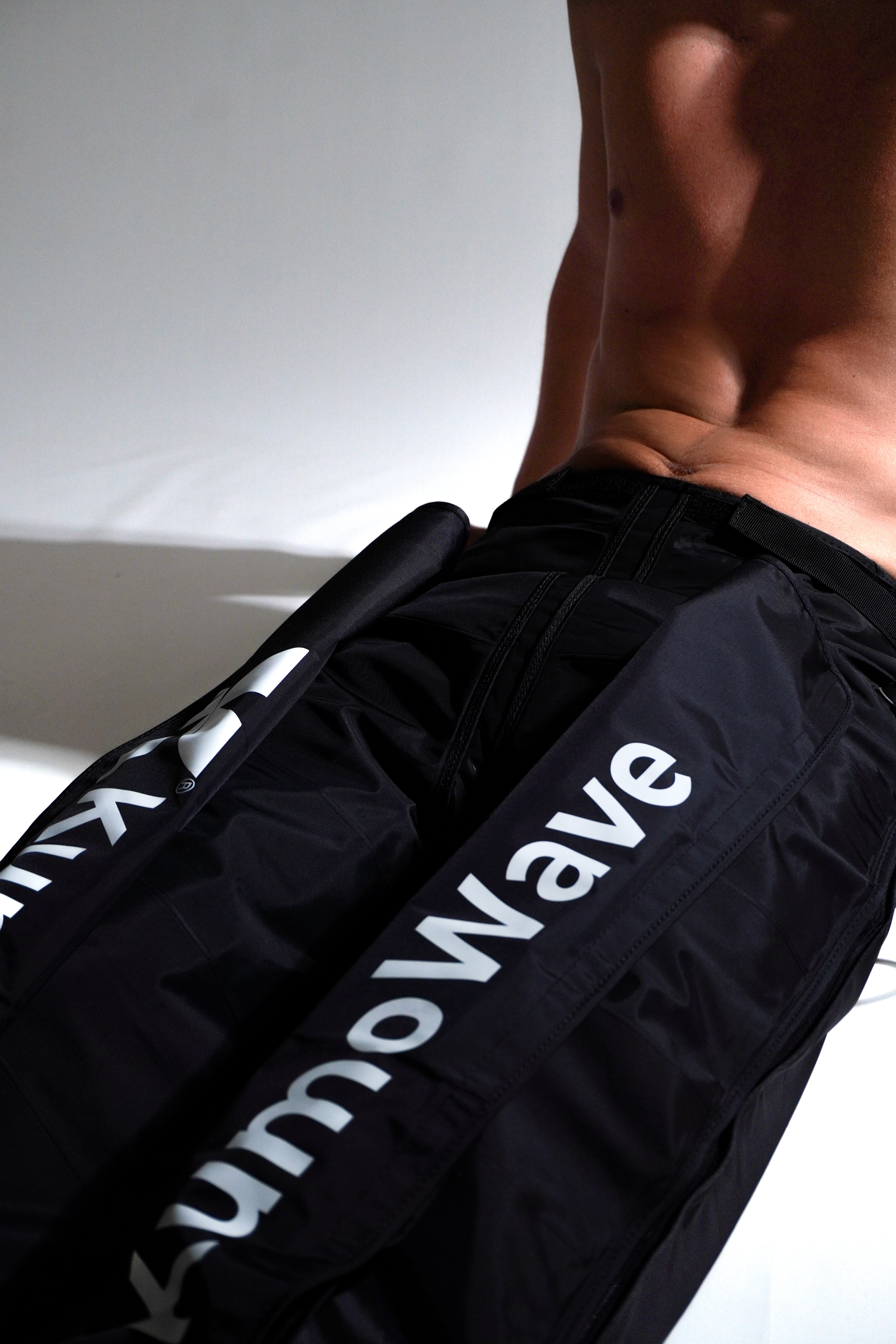
KumoWave pressotherapy
Choose your at-home pressotherapy
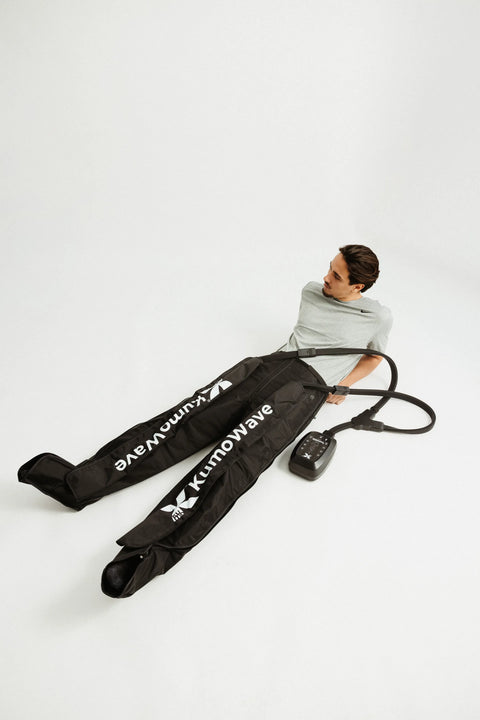
KumoWave Elite – Pressotherapy Pants
Full-coverage trousers. Ideal for lipedema, fluid retention and intensive use.
€799,00 €999,00
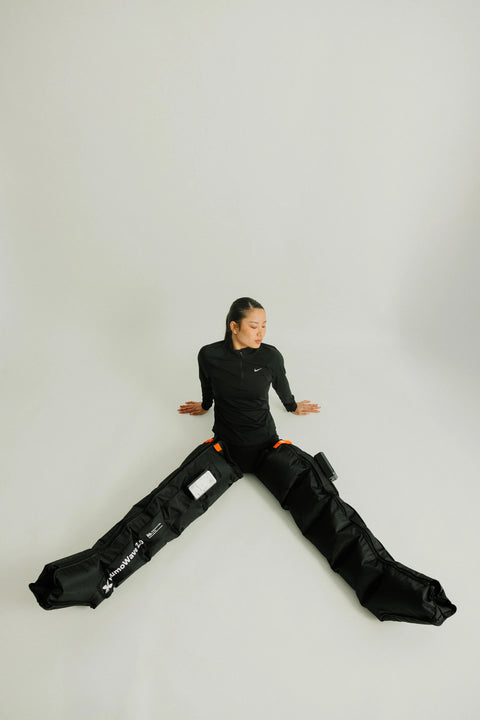
KumoWave 2.0 - Wireless Pressotherapy
Wireless, lightweight boots. Perfect for daily use and recovery.
€499,00 €599,00