
Compression therapy boots. How long and how often to use them to get real results.
If you're wondering about the optimal frequency and duration, the short answer is: 15–30 minute sessions, 1–2 times a day for recovery and tired legs; 30–60 minutes with medical supervision in cases of lymphedema or lipedema. Adjust the pressure and consistency according to your goal, tolerance, and health status.
Pressotherapy at home
End the day with light legs
★★★★★ 4,8/5 · rated by verified customers
KumoWave pressotherapy boosts circulation and helps drain fluid with sequential compression, in 20-minute sessions at home.
- Boosts circulation and helps drain fluid
- Chamber-based compression, adjustable to you
- Sequential compression that mimics manual drainage
€799,00€999,00
−10% on your 1st order when you subscribe to the newsletter

In a little while
- 15–30 minutes per session, 4–7 days/week for recovery and heavy legs.
- 30–60 minutes, 1–2 times a day under medical supervision in lymphedema/lipedema.
- Moderate pressure (30–60 mmHg) to start; increase gradually if well tolerated.
- Ideal time: after training or at the end of the day; hydrate before and after.
- Avoid use in cases of active venous thrombosis, infection, decompensated heart failure, or severe arterial disease.
What are compression boots and how do they work?
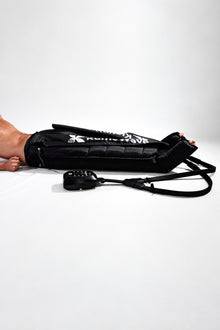
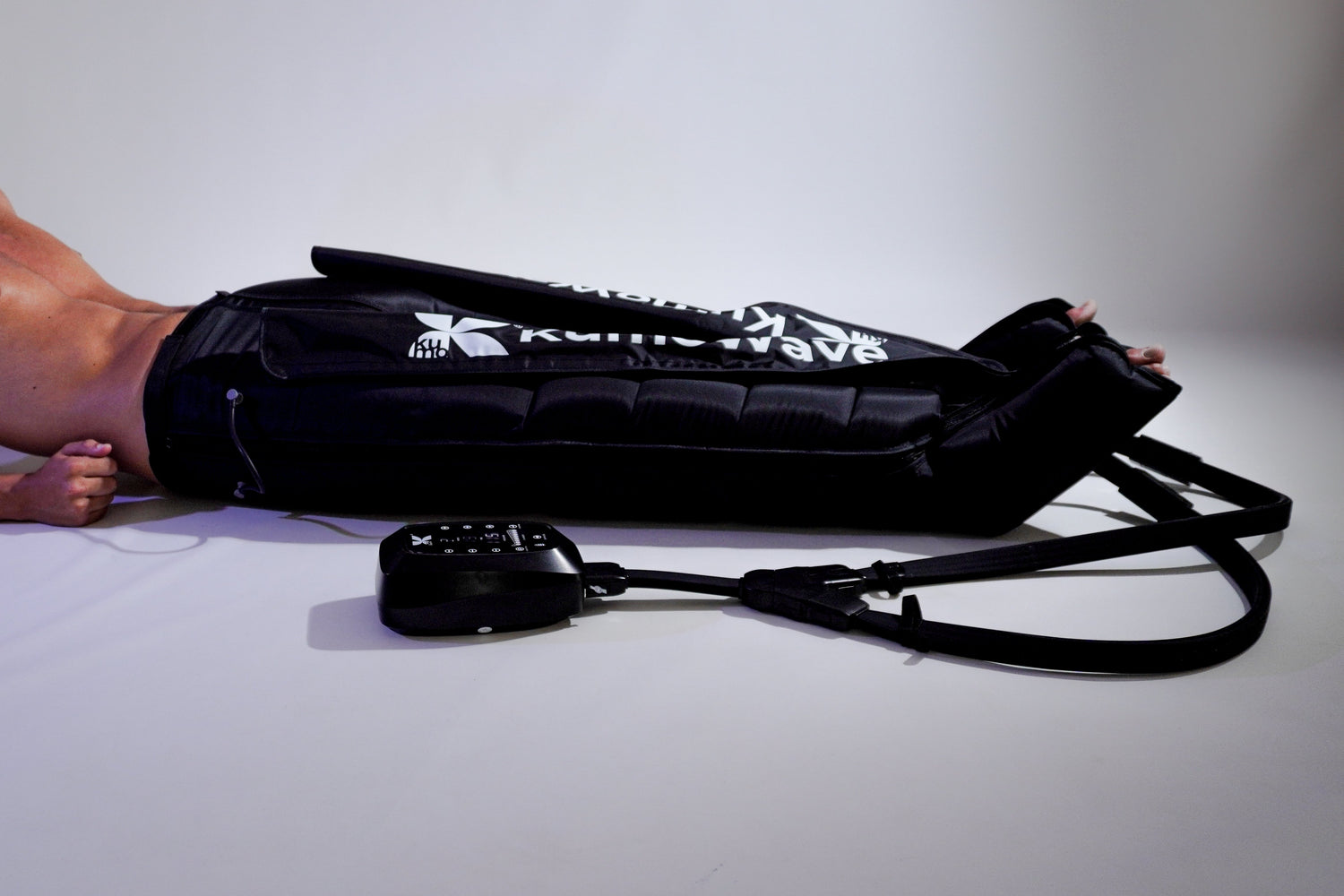
Compression therapy boots (intermittent pneumatic compression) use air chambers that inflate and deflate sequentially to promote venous and lymphatic return. This mechanical "emptying" reduces fluid stasis in the legs and can relieve feelings of heaviness, swelling, and fatigue.
- In sports and wellness, its most common use is to accelerate perceived recovery and reduce post-exertion discomfort.
- In vascular and lymphatic health, pneumatic compression is an endorsed tool for the management of edema and as mechanical prophylaxis of thromboembolism in clinical settings.
To integrate these technologies into your recovery routine with style and effectiveness, discover KUMO's proposal at kumobalance.com .
Personalized protocol · included with your purchase
Want us to tell you how to use it in your case?
With your purchase, our experts prepare a personalized usage protocol for your case: sport, circulation, fluid retention, pregnancy or lipedema.
Message us on WhatsAppOur experts reply · no obligation
Benefits with evidence
- Prevention of thrombosis in immobilized patients: clinical guidelines recommend intermittent pneumatic compression as mechanical prophylaxis in certain hospital settings NICE 2018 and systematic reviews confirm its effectiveness compared to no treatment Cochrane 2016 .
- Lymphedema management: pneumatic compression can be an adjunct to complex decongestive treatment according to the ISL 2020 international consensus – PubMed and NHS clinical resources NHS Lymphoedema .
- Recovery after exercise: performance literature considers compression among the modalities useful to mitigate discomfort and promote venous return; its effect depends on protocol, pressure and time of use Sports Medicine 2018.
Note: Outside of a clinical setting, results vary between individuals. Adjusting pressure, duration, and regularity often makes a difference.
Optimal frequency and duration according to your goal
There is no single protocol that works for everyone. The best approach depends on your goal, tolerance, health history, and the device. Below are typical and safe ranges to get you started and optimize.
Sports recovery and tired legs
- Frequency: 4–7 days per week during periods of high workload; 3–4 days during light weeks.
- Sessions: 1–2 per day (e.g., after training and/or in the evening).
- Duration: 15–30 minutes per session.
- Indicative pressure: 30–60 mmHg at the start; increase gradually if there is no discomfort.
- Timing: within 2 hours post-exercise or at the end of the day to relieve heaviness.
Less stiffness and improved "lightness" are typically felt after 1–2 weeks of consistent use. Evidence for direct performance is variable, but improvements in comfort and subjective recovery help maintain training load (Sports Medicine 2018).
on your first order when you join the newsletter
We send you the code instantly. No spam.
Fluid retention due to travel or standing work
- Frequency: 5–7 days per week during periods of greater stasis (travel, work peaks).
- Sessions: 1 per day; 2 if there is a lot of swelling and good tolerance.
- Duration: 20–45 minutes.
- Indicative pressure: 30–60 mmHg.
- Tip: Combine with active breaks, leg elevation, and adequate hydration.
Lymphedema or lipedema (under supervision)
- Frequency: daily.
- Sessions: 1–2 per day as professionally indicated.
- Duration: 30–60 minutes per session.
- Pressure: prescribed by the specialist, often in moderate ranges and with specific sequences.
- Important: It must be integrated into a plan that includes skin care, exercise, and elastic compression . ISL 2020 – PubMed and NHS .
Postoperative period and acute injuries
- Use only with medical authorization. In hospital settings, PCI is used as thrombosis prophylaxis when the risk justifies it (NICE 2018) , but home protocols should be personalized.
Quick table of recommended protocols
| Aim | Weekly frequency | Sessions/day | Minutes per session | Pressure (mmHg) | Ideal moment | Comments |
|---|---|---|---|---|---|---|
| Sports recovery | 4–7 | 1–2 | 15–30 | 30–60 | Post-workout or at night | Increase pressure gradually if there is good tolerance. |
| Tired legs/standing work | 5–7 | 1–2 | 20–45 | 30–60 | Late evening | Combines with leg lifts and mobility |
| Long journeys | 3–5 (upon returning) | 1 | 20–30 | 30–50 | Upon arrival | It does not replace mobilization during the trip |
| Lymphedema/lipedema | 7 | 1–2 | 30–60 | According to medical guidelines | Variable | Integrate into complete decongestive treatment |
| Maintenance/Prevention | 3–4 | 1 | 15–20 | 30–50 | According to routine | Focused on general well-being |
How to set up an effective session
Pressure: start moderate and adjust
- Start at 30–50 mmHg and increase in 10 mmHg steps if the sensation is comfortable and without pain or numbness.
- Keep the pressure below your tolerance and any localized discomfort.
- In sensitive populations (elderly, new patients, post-injury): stay in the low range.
Modes and cycles
- Sequential/peristaltic: promotes emptying from the foot to the thigh.
- Waveforms with "hold" (inflated pauses): increase the effective compression time.
- Cycles of 30–90 seconds per camera are typical; try 2–3 modes during the first week and choose the one best tolerated.
Time of day and synergies
- After exercise or at the end of the day, it helps to drain more effectively.
- Hydrate and perform 3–5 minutes of ankle mobility and diaphragmatic breathing before and after; boost venous return.
- Slightly raise your legs (5–15 cm) if you find it comfortable.
Practical rule: more time or more pressure doesn't always equal better results. Prioritize consistency, comfort, and technique.
Signals to adjust and common mistakes
When to reduce intensity or duration
- Tingling, numbness, sharp pain or excessive paleness: low pressure and/or shorten the session.
- Worsening of proximal edema (thigh/groin) in lymphedema: consult with your therapist to reconfigure the gradient or timing.
- Post-session fatigue: prioritize shorter (10–15 min) more frequent sessions.
Safety and contraindications
Avoid pneumatic compression boots, unless specifically advised by a doctor, if you have:
- Deep vein thrombosis or active or recent pulmonary embolism.
- Untreated skin infection, extensive open wounds.
- Decompensated heart failure, edema due to cardiac cause.
- Moderate-to-severe peripheral arterial disease, ischemic pain.
- Neuropathies with marked loss of sensation.
For thrombosis prevention in clinical settings, PCI is one of the options, along with heparins and compression stockings, always under professional protocols (Cochrane 2016 and NICE 2018 ). General information on thrombosis and risk: CDC – DVT .
Sample weekly plan (recovery and wellness)
- Monday to Thursday: 20–25 min, pressure 40–55 mmHg, sequential mode, after training or at the end of the day.
- Friday: 15–20 min gentle (30–45 mmHg) as a “shock”.
- Saturday: optional 20–30 min session if there is a long training session or travel.
- Sunday: rest or 15 min maintenance with low pressure.
- 2-week challenge: record sensations (heaviness 0-10, stiffness, sleepiness) and adjust the pressure 10% up/down according to tolerance.
Frequently Asked Questions
How many times a day can I use the compression boots?
For recovery and tired legs, one session a day is usually sufficient. During periods of increased activity or swelling, you can do two separate sessions (for example, after training and before bed), keeping each session to 15–30 minutes. If your goal is therapeutic (lymphedema/lipedema), many professionals recommend one–2 sessions of 30–60 minutes each, integrated into a decongestive plan. Prioritize daily regularity over very long sessions, and consult a professional if you have vascular conditions or a history of thrombosis.
How long should each session last to see results?
For wellness and sports, 15–30 minutes provides effective compression without fatiguing the tissues. Relief from heaviness is usually noticeable within the first week of consistent use. For lymphedema/lipedema, 30–60 minutes under professional supervision is common as an adjunct to treatment. If tingling or discomfort occurs when increasing the duration, reduce the time or pressure. Consistency is key: 4–7 days per week for 2–4 weeks allows for the assessment of real benefits.
What pressure is safe to start with?
A moderate range of 30–50 mmHg is a safe baseline for most healthy users. Adjust in small increments, observing your tolerance: no pain, no numbness, and a feeling of comfortable compression. For sensitive individuals, the elderly, or those recovering from periods of inactivity, stay in the lower range and prioritize consistency. In cases of vascular or lymphatic conditions, the pressure and gradient should be individualized by a healthcare professional. Remember: higher pressure does not always mean better results.
Can I wear the boots if I'm pregnant or have just had surgery?
During pregnancy, many women experience leg swelling. While pneumatic compression can relieve this heaviness, it is essential to consult your gynecologist/midwife beforehand to assess individual risks. After surgery, home use must be authorized by the medical team; in hospitals, pneumatic compression is used with specific protocols to reduce thrombotic risk (NICE 2018 ). Never start using it on your own if thrombosis, infection, or other complications are suspected.
To remember
- Most users benefit from 15–30 minutes per session, 4–7 days/week.
- In lymphedema/lipedema, 30–60 minutes under supervision and as part of a comprehensive plan.
- Start with 30–50 mmHg and adjust according to tolerance, without pain or numbness.
- Improves effectiveness with hydration, smooth mobility, and gentle leg lift.
- For vascular diseases, pregnancy or post-operative care, consult before use.
Ready to make recovery a simple and effective habit? Get inspired and take the next step with KUMO .
KumoWave pressotherapy
Choose your at-home pressotherapy
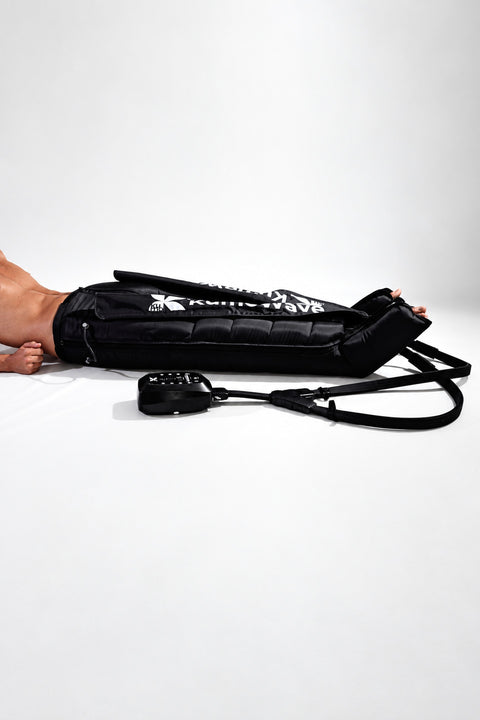
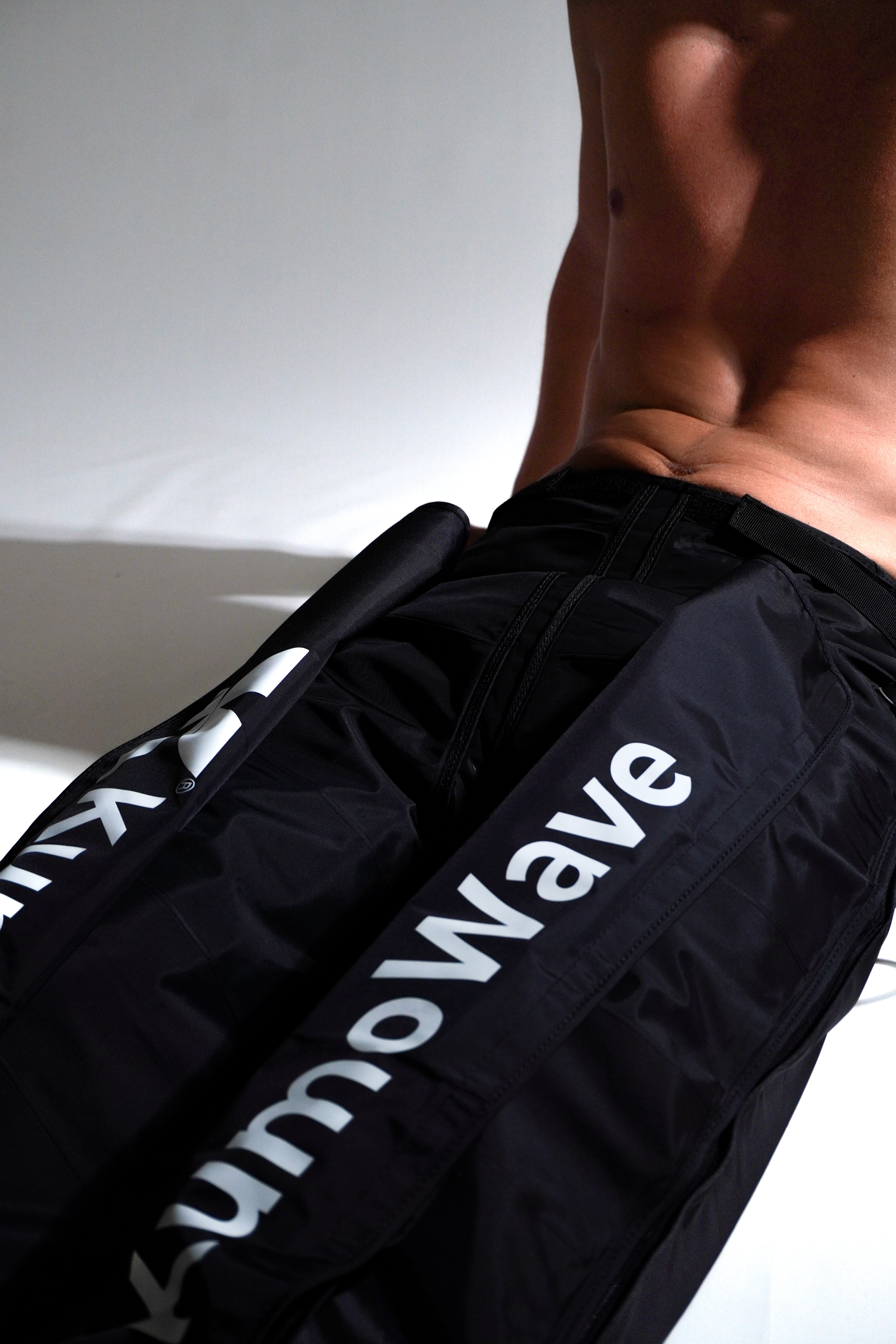
KumoWave Elite – Pressotherapy Pants
Full-coverage trousers. Ideal for lipedema, fluid retention and intensive use.
€799,00 €999,00
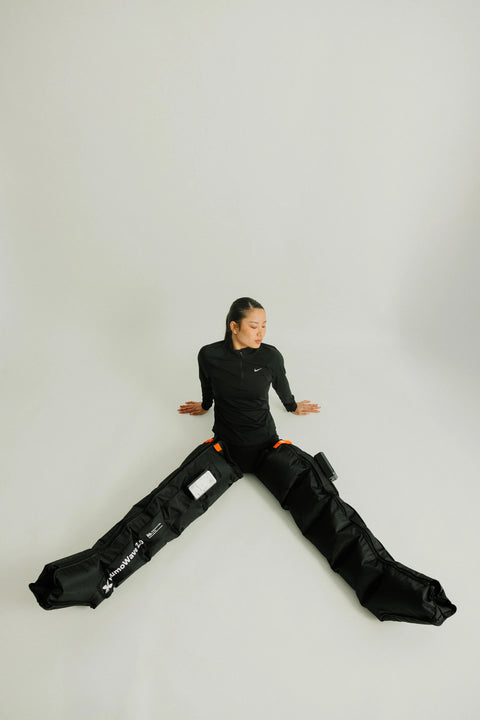
KumoWave 2.0 - Wireless Pressotherapy
Wireless, lightweight boots. Perfect for daily use and recovery.
€499,00 €599,00