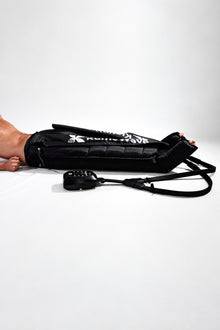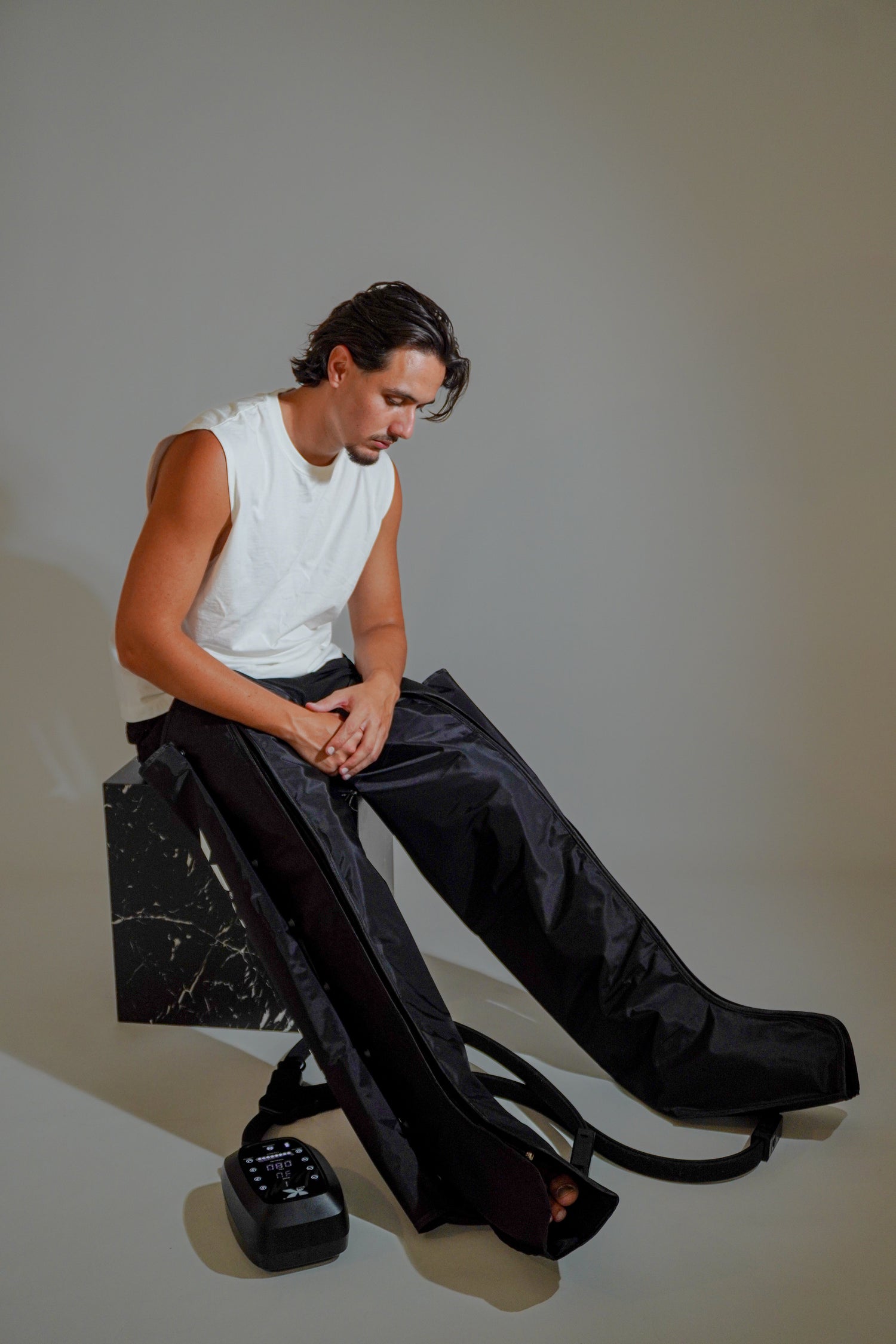
Compression therapy boots: the most common mistakes to avoid. If you already use or are thinking about using sequential pneumatic compression for recovery and light legs, here's how to do it right, without risks or frustration.
Pressotherapy can help activate circulation and relieve the feeling of tired legs, but its effectiveness depends on correct use. This practical guide reviews common mistakes, how to avoid them, and evidence-based best practices for getting the most out of it safely.
Pressotherapy at home
End the day with light legs
★★★★★ 4,8/5 · rated by verified customers
KumoWave pressotherapy boosts circulation and helps drain fluid with sequential compression, in 20-minute sessions at home.
- Boosts circulation and helps drain fluid
- Chamber-based compression, adjustable to you
- Sequential compression that mimics manual drainage
€799,00€999,00
−10% on your 1st order when you subscribe to the newsletter

In a little while
- Do not start without checking medical contraindications and warning signs.
- Adjust size, posture, pressure, and time: less is more at first.
- Pay attention to any sensations: pain, numbness, or tingling are reasons to stop.
- Maintain hygiene and upkeep to protect skin and equipment.
- Use it as a complement: movement, hydration, sleep and nutrition remain the foundation.
How they work and why the details matter
Pressotherapy applies air compression in chambers that inflate and deflate sequentially from the foot upwards. This gradient helps mobilize fluids and improve venous/lymphatic return, and can reduce the feeling of heaviness after exercising or standing for long periods. The right device and protocol make all the difference between an effective massage and an uncomfortable experience.
Key tip: Start with short sessions and moderate pressure, and only increase if you feel good.
Personalized protocol · included with your purchase
Want us to tell you how to use it in your case?
With your purchase, our experts prepare a personalized usage protocol for your case: sport, circulation, fluid retention, pregnancy or lipedema.
Message us on WhatsAppOur experts reply · no obligation
For the general clinical framework of this technology, you can consult the Cleveland Clinic's explanation of intermittent pneumatic compression and the FDA's guide on compression devices.
Common mistakes with compression boots and how to avoid them
1) Ignoring contraindications or risk signs
- Problems such as active deep vein thrombosis (DVT), decompensated heart failure, skin infections, open wounds, or acute pain require medical evaluation before using compression.
- According to NICE guidelines (2018), pneumatic compression is safe in specific indications and with appropriate NICE supervision.
- DVT affects up to 900,000 people annually in the U.S., with 60,000–100,000 associated deaths (CDC, published data). If you experience calf pain/heat, unilateral swelling, or shortness of breath, stop the session and consult a doctor.
How to avoid it:
- If you have a history of vascular, cardiac, or lymphatic problems, or if you are pregnant, ask your doctor for approval.
- For lymphedema or venous ulcers, follow specific protocols and professional supervision (International Lymphoedema Framework Cochrane ).
2) Choosing the wrong size or placing them with wrinkles
- A boot that is too big "floats" and does not transmit pressure; a boot that is too small constricts and increases the risk of numbness.
- Wrinkles or creases create uncomfortable pressure points.
How to avoid it:
on your first order when you join the newsletter
We send you the code instantly. No spam.
- Measure your ankle, calf, and thigh circumference, and your height. Choose your size based on those measurements.
- Place them on clean skin or thin, seamless socks. Avoid wrinkles and make sure the heel stays in place.
3) Overdoing the pressure or time from day one
- More pressure does not equal better results; it can worsen the post-session feeling.
How to avoid it:
- Initiation protocol (guideline): 15–20 minutes the first week, 20–30 minutes the second, adjusting according to tolerance. Gradually increase the pressure only if the session is comfortable.
- If sharp pain, persistent tingling, or paleness occurs, stop and check settings.
4) Inadequate body position
- Lying down with your hips and legs misaligned, or with your torso twisted, reduces efficiency and comfort.
How to avoid it:
- Neutral position: lying down or semi-reclined, legs at the same level or slightly elevated with respect to the heart.
- Relax your feet (avoid prolonged plantar flexion). Keep hoses straight for stable airflow.
5) Use them as a substitute for movement and rest
- Pressotherapy is a complement. It does not replace walking, mobility, gentle stretching, or restful sleep.
How to avoid it:
- Incorporate 5–10 minutes of gentle movement before and after. Stay hydrated, and prioritize 7–9 hours of sleep.
- For sports recovery, evidence suggests benefits on comfort and the perception of recovery; performance improves when combined with basic habits and well-planned loads.
6) Neglecting hygiene and maintenance
- Lack of cleaning can irritate the skin and shorten the life of the equipment.
How to avoid it:
- Clean the interior with a slightly damp cloth and mild soap; air dry.
- Do not store folded boots when damp. Check zippers, Velcro, and hoses regularly.
7) Apply them to acute injuries or damaged skin
- Bruises, tears, large bruises or open wounds should not be compressed without indication.
How to avoid it:
- Wait until the acute pain and initial swelling subside. Consult a doctor if you have any questions.
- For venous ulcers or lymphedema, follow the guidance of your NHS vascular/lymphatic therapist.
8) Not listening to your body
- If "something doesn't feel right," it probably isn't.
How to avoid it:
- Signs to stop: increasing pain, numbness, persistent tingling, change in finger color, shortness of breath, dizziness.
- Adjust pressure and time, or consult a professional if symptoms recur.
Step-by-step checklist for correct usage
Preparation
- Stay hydrated and empty your bladder (fluid mobilization can increase the urge to urinate).
- Check your skin: if there is irritation or a wound, avoid the area.
- Place the boots on a clean surface and check the hoses.
Configuration
- Select sequential program and moderate pressure at the start.
- Secure the boot without overtightening; without creases.
- Get comfortable, with your legs aligned and, if you can tolerate it, a slight elevation.
During the session
- Breathe calmly and avoid crossing your legs.
- Check your sensations every few minutes.
- Keep water and a light blanket handy if you want to relax.
After
- Stand up slowly and walk for 1–2 minutes to “wake up” your muscles.
- Observe your skin: it should be intact and have a normal color.
- Clean the equipment if you use it frequently.
Table of typical errors and how to correct them
| Common mistake | Alarm signal | What to do immediately |
|---|---|---|
| Excessive pressure | Sharp pain, numbness | Pause the session, lower the pressure, resume only if it is comfortable |
| Incorrect size | Pressure points, a "cutting" sensation | Check measurements, adjust closures, or change size |
| Too long a time | Post-session heaviness, fatigue | Reduce duration by 25–50% and reassess |
| Poor placement | Wrinkles, non-contact areas | Reposition the boot, smooth out folds |
| Contraindication not detected | Unilateral swelling, abnormal pain | Stop and consult a professional |
Evidence and realistic expectations
- In venous and lymphatic pathology, pneumatic compression is a recognized tool within a comprehensive plan. The Cochrane review (2014) describes benefits when it is added to standard care in venous ulcers.
- NICE (2018) includes pneumatic compression as a prophylaxis strategy in selected clinical settings, always individualizing risk/benefit NICE .
- In sports recovery, the effects are usually modest and more noticeable in the perception of fatigue and pain than in immediate performance. Use it to enhance comfort and adherence to recovery, not as a "shortcut."
For general and safe device information, review the FDA guidance and the Cleveland Clinic clinical perspective. For lymphedema, consult resources from the International Lymphoedema Framework and the NHS .
Integrate pressotherapy into your wellness routine
- Athletes: schedule sessions on busy days or long trips; combine with mobility exercises and, if it helps, gentle percussive massage on non-painful muscle groups.
- Professionals who stand or sit: 20–30 min at the end of the day; get up every 45–60 min to walk 2–3 min.
- Travel: If you spend hours sitting, move around periodically and prioritize hydration; boots are for before/after, not during the journey.
- At KUMO, we work to make recovery a simple habit; explore more about wellness and technology at kumobalance.com .
Frequently Asked Questions
How many times a week can I use compression therapy boots?
For well-being and light recovery, many people find 3–5 sessions per week of 20–30 minutes helpful, adjusting according to how they feel. If you have a high-intensity sport or spend many hours on your feet, you can use them daily at specific times. Prioritize starting with low doses and gradually increasing the intensity. If you have varicose veins, lymphedema, or other vascular conditions, consult your healthcare professional to personalize the frequency and parameters, following clinical guidelines such as NHS guidelines and lymphedema management frameworks.
What pressure and duration are suitable to start with?
There is no single pressure setting that works for everyone; personal tolerance is key. Start with moderate pressure for 15–20 minutes, observing your comfort and skin response. If you feel comfortable, gradually increase the time to 20–30 minutes and adjust the pressure accordingly. Signs of overuse (pain, persistent tingling, distal pallor) indicate that you should reduce the intensity or pause. In clinical settings, adjustments should follow prescribed guidelines such as NICE (2018) and resources from specialized organizations.
Can I use them if I have varicose veins or lymphedema?
In many cases, yes, as part of a comprehensive plan and with supervision. Pneumatic compression can be an adjunct in venous insufficiency and lymphedema, along with measures such as exercise, skin care, and maintenance compression. Evidence (e.g., Cochrane 2014 for venous ulcers) suggests its usefulness as a complement to, not a substitute for, the primary treatment. If you have a vascular or lymphatic diagnosis, consult your doctor or a specialized physiotherapist to define safe parameters and realistic goals.
Is it normal to feel the urge to urinate more after a session?
Yes, it's common. The movement of fluid from the interstitial space into the venous/lymphatic system can temporarily increase urine output. Therefore, it's advisable to hydrate well before and after, and to empty your bladder before starting. If you experience unilateral swelling, unusual pain, dizziness, or difficulty breathing, stop and consult a doctor, as these are not typical responses to a comfortable session. Keeping sessions moderate and progressing gradually reduces discomfort.
Can I use them during pregnancy?
Pregnancy involves significant circulatory changes. Some women use compression to relieve tired legs, but in the case of intermittent pneumatic compression, it's wise to consult your obstetrician beforehand, especially if you have significant varicose veins, a risk of deep vein thrombosis (DVT), or hypertension. The decision should be individualized, and if approved, start with low pressure and short sessions, monitoring your response. Be sure to follow other recommended measures, such as frequent movement and hydration.
To remember
- Evaluate for contraindications and stop if you experience pain, numbness, or changes in color.
- Adjust size, posture and parameters carefully; progress calmly.
- Hygiene and maintenance protect your skin and your equipment.
- Complement it with movement, hydration, sleep and nutrition.
- Solid evidence in vascular pathology; benefits in comfort for sports when integrated into a complete routine.
Ready to make recovery a habit? Discover KUMO's vision of high performance and well-being at kumobalance.com .
KumoWave pressotherapy
Choose your at-home pressotherapy
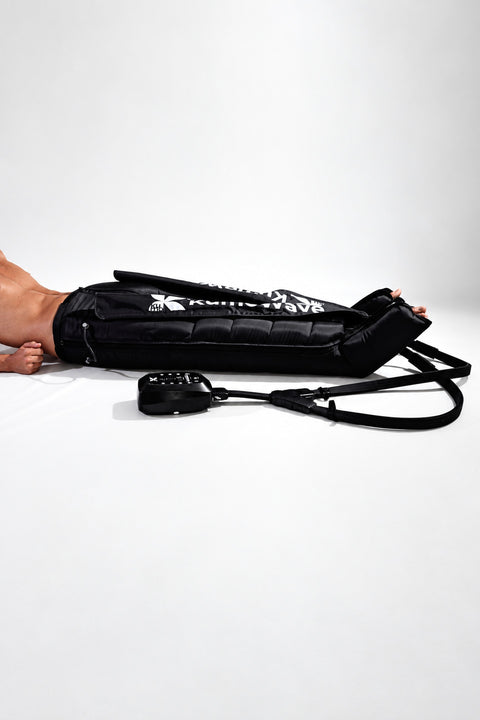
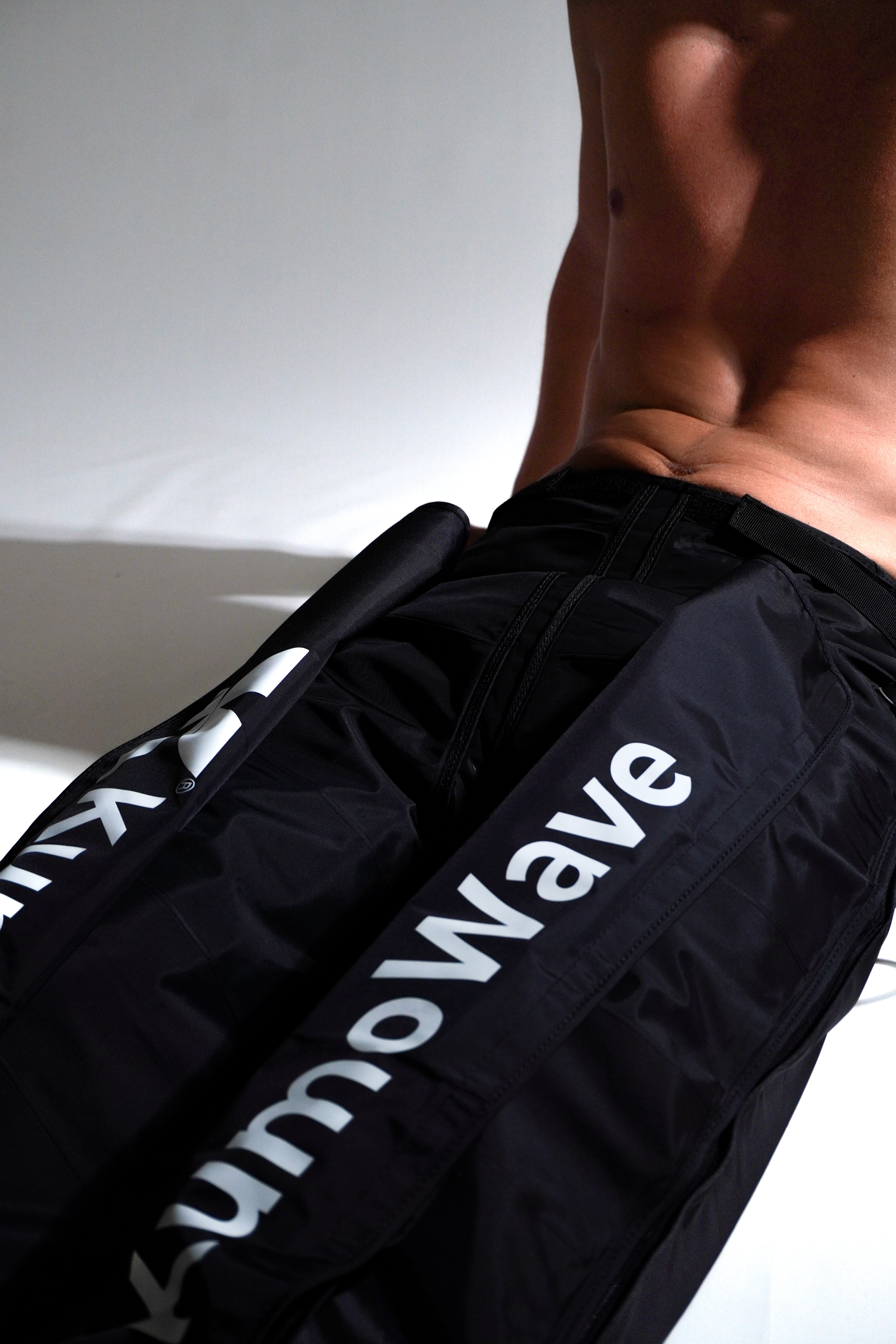
KumoWave Elite – Pressotherapy Pants
Full-coverage trousers. Ideal for lipedema, fluid retention and intensive use.
€799,00 €999,00
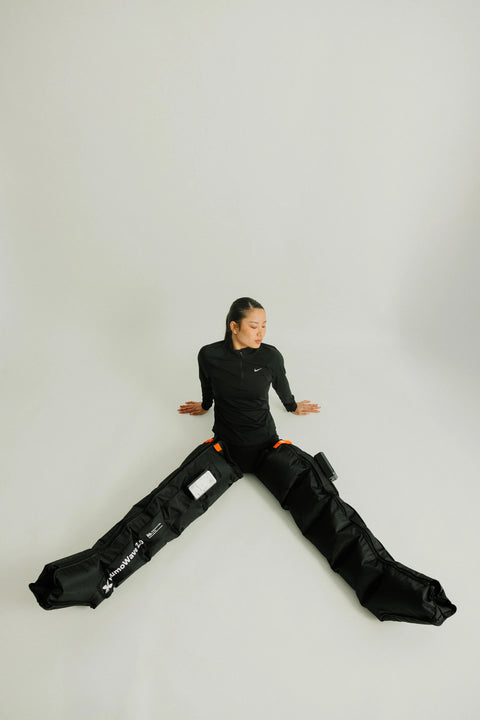
KumoWave 2.0 - Wireless Pressotherapy
Wireless, lightweight boots. Perfect for daily use and recovery.
€499,00 €599,00