Introduction: Why compression boots matter for your well-being
Pressotherapy boots can transform how your legs feel, your energy… and your mind.
This guide explains, with scientific backing, how sequential pneumatic compression (the principle behind compression boots) helps improve circulation, accelerate muscle recovery, and promote a state of deep relaxation that directly impacts your mental well-being. You'll learn who they are suitable for, how to integrate them into your daily routine, what the research says, and what precautions you should take before using them at home.
Pressotherapy at home
End the day with light legs
★★★★★ 4,8/5 · rated by verified customers
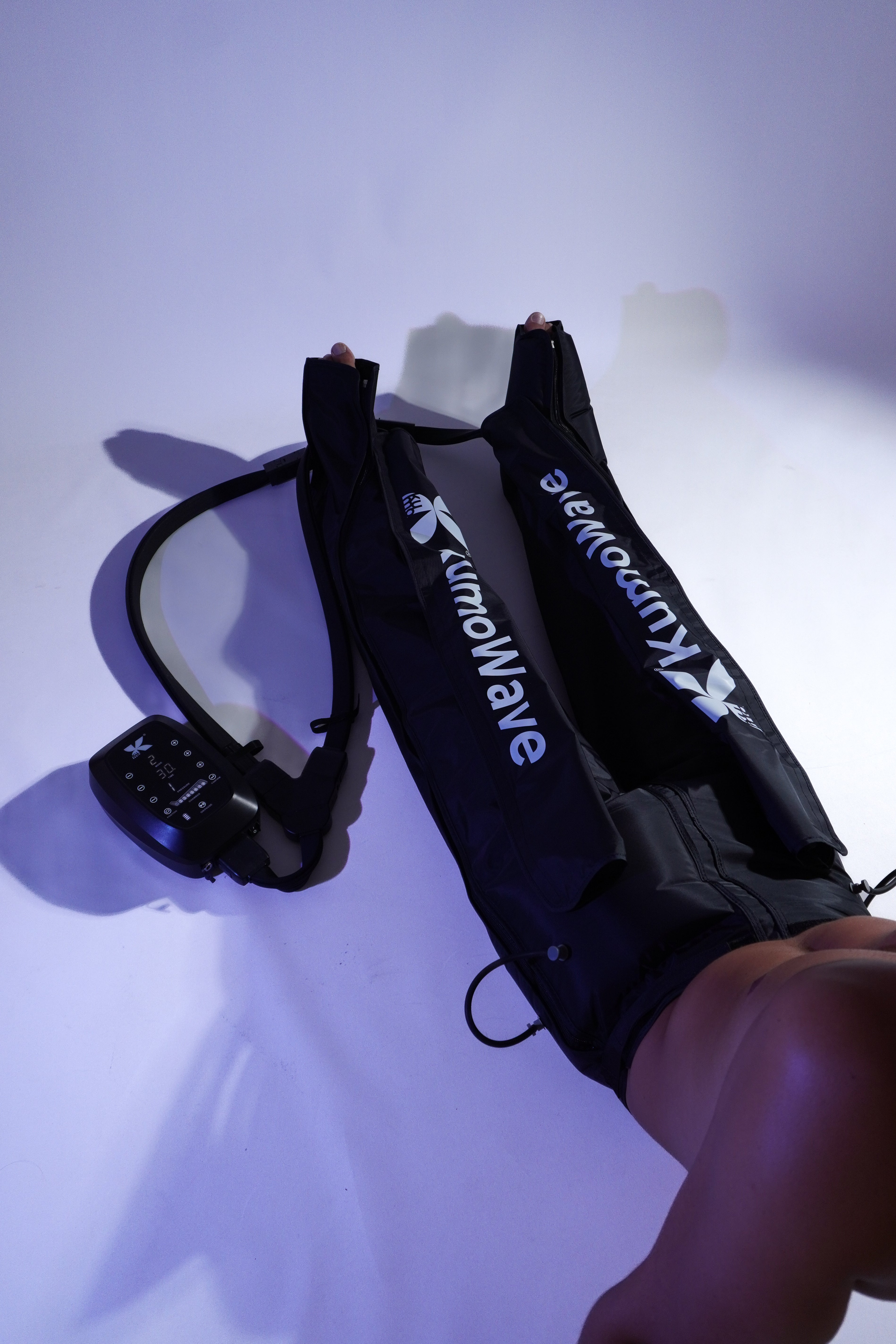
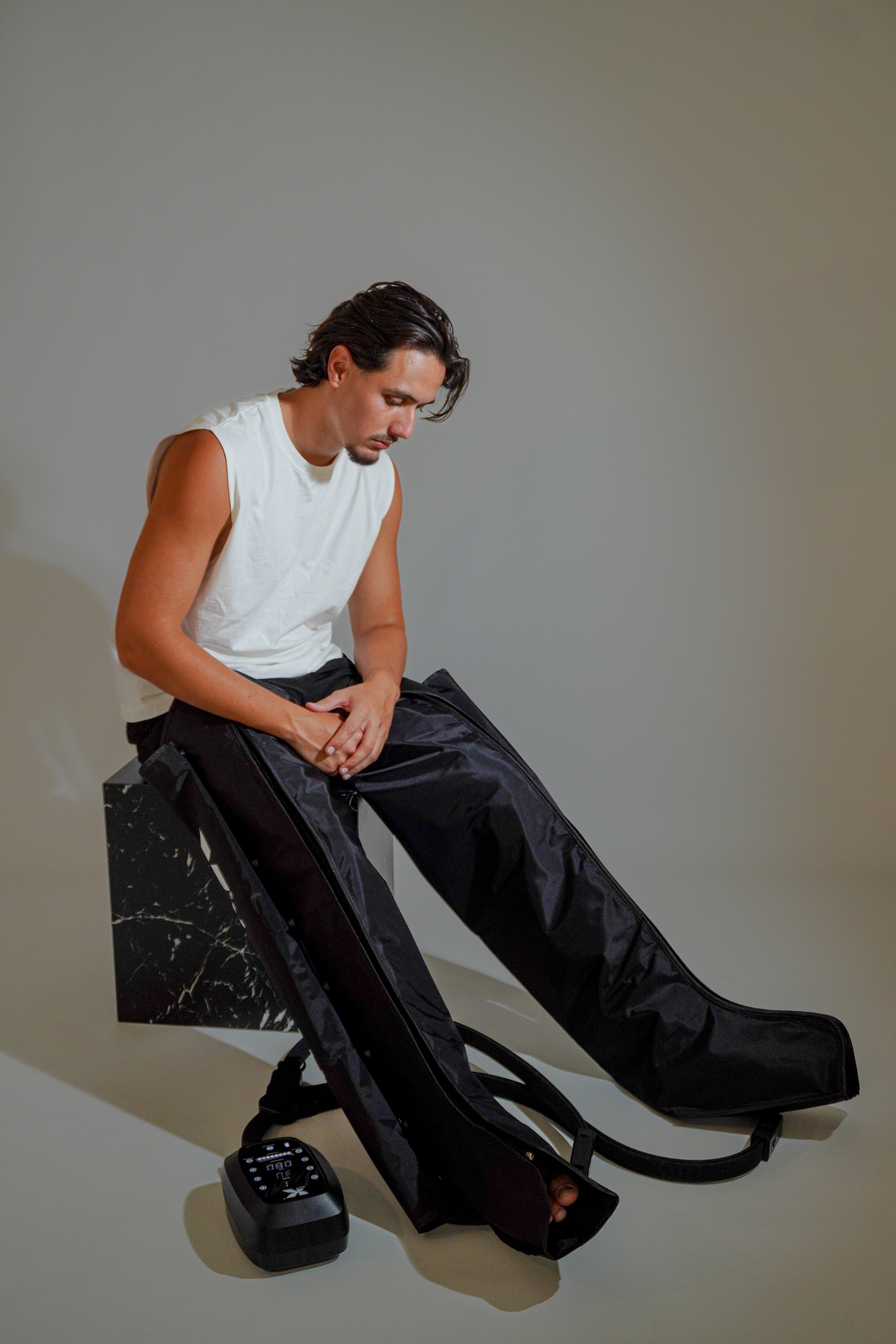
KumoWave pressotherapy boosts circulation and helps drain fluid with sequential compression, in 20-minute sessions at home.
- Boosts circulation and helps drain fluid
- Chamber-based compression, adjustable to you
- Sequential compression that mimics manual drainage
€799,00€999,00
−10% on your 1st order when you subscribe to the newsletter

At KUMO , pressotherapy is part of an ecosystem of recovery technologies (LED light, massage guns, etc.) designed to make recovery a new way of life, not just something you do when you're already exhausted.
What exactly are pressotherapy boots?
From the clinic to the home: intermittent pneumatic compression
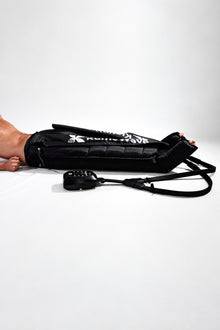
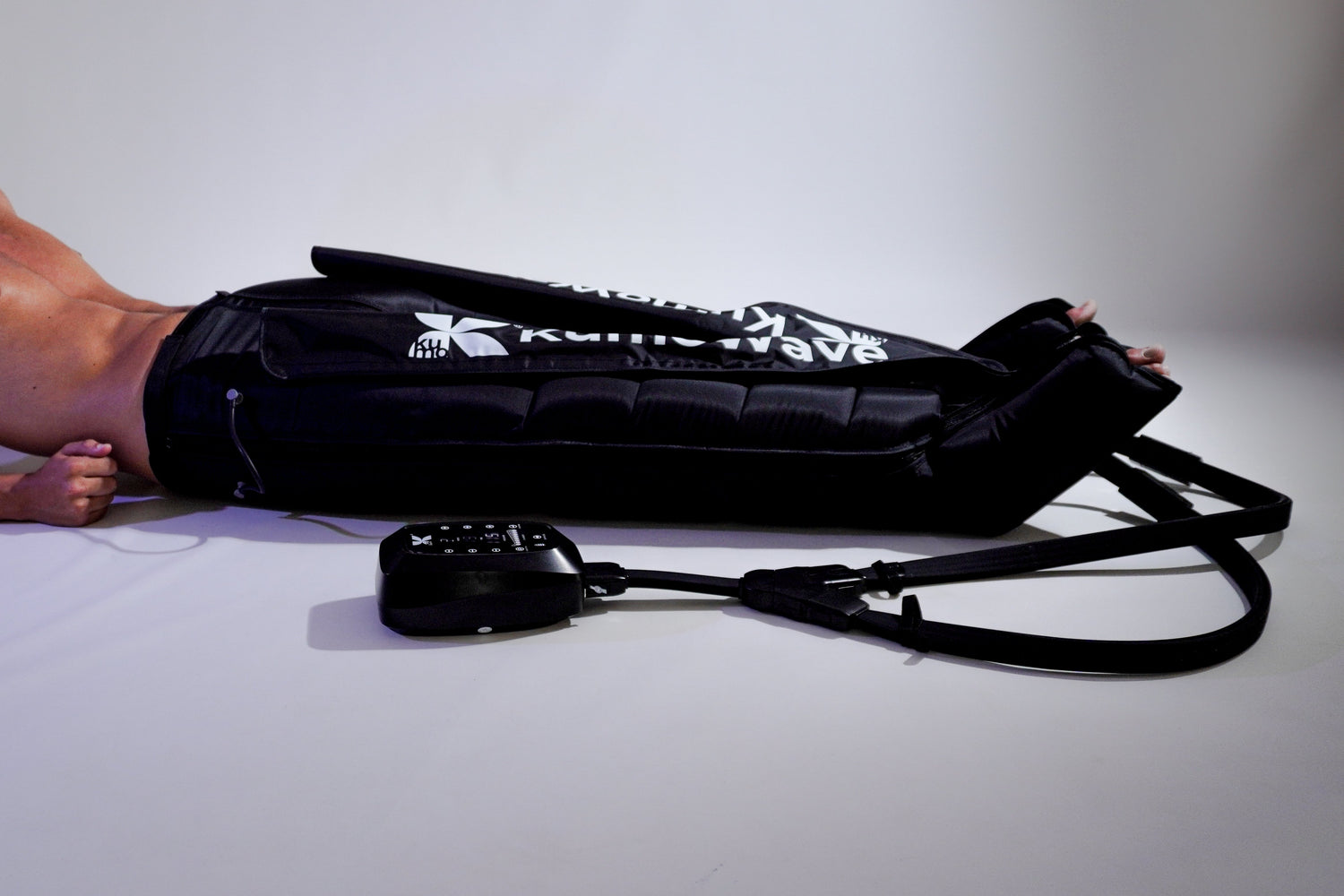
Compression therapy boots are sleeves that are placed on the legs (sometimes also on the hips or feet) and are sequentially inflated and deflated with air. This mechanical "massage" applies controlled pressure from the foot upwards, mimicking the natural pumping action of the muscles and facilitating venous and lymphatic return.
Personalized protocol · included with your purchase
Want us to tell you how to use it in your case?
With your purchase, our experts prepare a personalized usage protocol for your case: sport, circulation, fluid retention, pregnancy or lipedema.
Message us on WhatsAppOur experts reply · no obligation
In the medical field, this technology is known as intermittent pneumatic compression (IPC) and has been used for decades in hospitals to help prevent deep vein thrombosis (DVT) in at-risk patients. A meta-analysis in neurosurgery with 7,515 patients showed that pneumatic compression significantly reduces the incidence of venous thromboembolism compared to not using it. ( pubmed.ncbi.nlm.nih.gov )
Home-use pressotherapy boots are inspired by this technology, but adapted to comfort and daily well-being: adjustable intensities, massage programs and designs intended to integrate into your recovery routine, not to replace medical treatments.
What they do to your body in each session
- Sequential compression: the air chambers inflate from bottom to top, “pushing” venous blood and lymph towards the center of the body.
- Controlled decompression: as they deflate, they allow the capillaries to refill, promoting the exchange of oxygen and nutrients.
- Assisted “muscle pump” effect: ideal when you have been sitting, standing or after intense training for many hours.
- Sensory stimulation and relaxation: the rhythmic and constant pressure generates a deep massage sensation that promotes mental disconnection.
Physical benefits of compression boots
1. More efficient venous and lymphatic circulation
Heaviness, swelling in the ankles, or the sensation of "heavy legs" are often related to poor venous return and fluid retention in the tissues. Intermittent pneumatic compression helps to mobilize this excess fluid and improve local oxygenation.
on your first order when you join the newsletter
We send you the code instantly. No spam.
A recent clinical trial in patients with stasis dermatitis (a manifestation of chronic venous insufficiency) observed that, after several sessions of pneumatic compression, ankle circumference decreased significantly and tissue oxygenation increased in the treated leg compared to the untreated leg. ( mdpi.com ) Although these studies are conducted in specific medical contexts, they point to a clear mechanism: less edema, better microcirculation.
In high-risk surgical settings, systematic reviews have shown that intermittent pneumatic compression can reduce the incidence of deep vein thrombosis and pulmonary embolism when used according to clinical guidelines. ( pubmed.ncbi.nlm.nih.gov ) At home, compression boots focus more on comfort: relieving swelling, heaviness, and promoting recovery after long days or trips.
2. Muscle recovery and athletic performance
Recovery boots have become popular among elite and amateur athletes. The scientific evidence is nuanced, but interesting:
- In a trial with ultramarathon runners, a 20-minute session of pneumatic compression after the race acutely reduced the sensation of muscle fatigue compared to rest, although it did not significantly improve sprint performance in the following days. ( pubmed.ncbi.nlm.nih.gov )
- In handball players who used daily pneumatic compression for 5 weeks, improvements were observed in certain muscle parameters (biceps femoris contraction time) and a slight improvement in the subjective perception of recovery compared to the control group. ( pubmed.ncbi.nlm.nih.gov )
- A recent study on delayed onset muscle soreness (DOMS) following plyometric exercise found that repeated sessions of pneumatic compression helped reduce perceived pain and accelerate recovery from muscle fatigue compared to the untreated group. ( pubmed.ncbi.nlm.nih.gov )
In conclusion, compression boots are not a magic bullet, but they can reduce pain and fatigue after exercise, which is key to maintaining consistency in training and mental motivation.
3. Relief from tired legs, travel and sedentary lifestyle
If you spend many hours sitting in front of a computer, standing while working, or traveling by plane, your circulatory system works against gravity. In these situations, compression boots offer the following benefits:
- Decongestion: They help drain fluids accumulated in ankles and calves.
- Feeling of lightness: many people notice their legs feel “lighter” and more comfortable after a 20–30 minute session.
- Immediate well-being: the combination of rhythmic pressure and relaxation can feel like a deep tissue massage without the effort.
For those already diagnosed with chronic venous disease, pressotherapy should always be used under medical supervision. In healthy individuals or those with mild discomfort associated with a sedentary lifestyle, it can be a very effective comfort tool when integrated into an active lifestyle.
Table: Effects of compression boots on body and mind
| Main effect | Physical benefit | Impact on mental well-being |
|---|---|---|
| Improved venous return | Less swelling and heaviness in legs | A feeling of lightness, less distraction from physical discomfort |
| Lymphatic stimulation | Reduction of edema and fluid accumulation | Greater feeling of "reduction of inflammation" and bodily comfort |
| Sequential pneumatic massage | Relief of peripheral muscle tension | Deep relaxation, reduction of perceived stress |
| Post-exercise recovery | Less delayed onset muscle soreness and fatigue ( pubmed.ncbi.nlm.nih.gov ) | More motivation to continue training and a sense of control |
| Self-care ritual | Physical break in the fast-paced routine | Improved mood and perception of self-care |
Mental well-being: how taking care of your legs affects your mind
Pain, movement, and mood
Moving from the couch to physical activity is often one of the biggest challenges for improving mental health. WHO data shows that at least 1 in 4 adults worldwide do not meet the recommended levels of physical activity, and that inactivity increases the risk of depression and anxiety. ( who-dev5.prgsdev.com ) In 2022, an estimated 1.8 billion adults were not meeting the recommendations, increasing their risk of chronic diseases. ( paho.org )
The reality is simple: when everything hurts, it's much harder to go for a walk, exercise, or simply stay active. By reducing discomfort such as heaviness and muscle pain after exercise or a long day at work, compression boots make it easier to take that step towards a more active life, which has a proven and robust effect on psychological well-being.
Deep relaxation and restful sleep
The rhythmic pressure of compression boots acts almost like a "pause button" for the nervous system. Many people use them at the end of the day, in low light and with deep breathing, as a transition ritual between work and rest.
Better sleep is closely linked to less irritability, improved emotional regulation, and greater mental clarity the following day. While specific studies on pressotherapy and sleep quality are lacking, we do know that reducing leg pain and restlessness promotes better sleep and decreases nighttime awakenings, especially in people with accumulated tension after standing for long periods or exercising.
Emotional support for active people and athletes
In athletes, the feeling of being "recovered" is as important as actual physiological recovery. In the study with handball players, those who used daily pneumatic compression reported a better perception of recovery than the control group. ( pubmed.ncbi.nlm.nih.gov ) This perception influences confidence, motivation, and willingness to train.
Outside of high performance, creating small recovery rituals (such as a pressotherapy session while listening to calming music) introduces moments of body mindfulness, strengthens the connection with one's own body, and acts as a reminder that recovery is just as important as effort.
How to integrate compression boots into your wellness routine
Indicative frequency and duration
There is no single rule that applies to everyone, but in the context of general well-being and sports recovery, guidelines similar to these are used (provided there are no medical contraindications):
- Typical duration: 15–30 minutes per session.
- Frequency: 2 to 5 times per week, depending on your activity level and how heavy your legs feel.
- Pressure: Start at moderate levels and adjust according to comfort, avoiding any sharp pain or intense discomfort.
It is essential to follow the manufacturer's instructions and, if you have circulatory or cardiovascular conditions, consult your healthcare professional before establishing a fixed routine.
Before or after exercise?
Both options make sense, but with different objectives:
- Before exercise: short sessions and gentle intensities can help "wake up" circulation in people with a lot of morning stiffness or after a long trip.
- After exercise: 20–30 minute sessions are helpful in reducing fatigue, delayed onset muscle soreness, and accelerating overall recovery. ( pubmed.ncbi.nlm.nih.gov )
The most practical thing to do is try it at different times of the day and observe when you feel the greatest physical relief and mental relaxation.
Synergies with other KUMO recovery technologies
Compression therapy boots fit especially well with other technological recovery tools, such as those offered by KUMO:
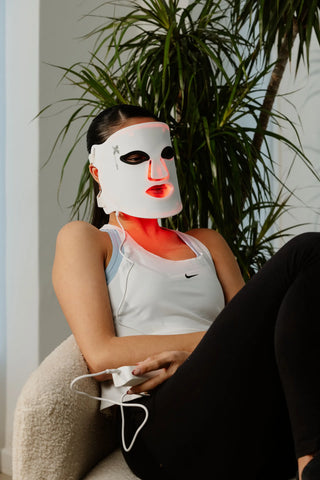
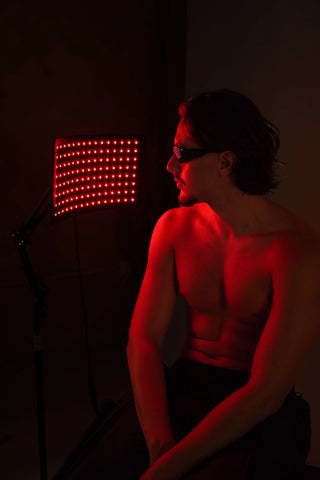
- LED light and photobiomodulation: combining leg pressotherapy with LED light therapy devices targeting the skin and upper muscle tissue helps to address recovery more globally (deep musculature, skin and cellular metabolism).
- Localized massage: After a session with boots, a more focused work with the KumoPulse Air massage gun allows you to release specific tension points (calves, quadriceps, glutes) without overloading your hands.
- Comprehensive home routine: a simple sequence could be: brief joint mobility, training, pressotherapy and, if you wish, a few minutes of light therapy to optimize rest.
If you want to explore devices specifically designed to activate circulation and relieve your legs, you can discover KUMO's pressotherapy collection , designed to easily integrate into your daily routine.
Safety, contraindications and responsible use
When to always consult a healthcare professional
Although home compression therapy is geared towards well-being, compression on the limbs is not suitable for everyone. You should consult your doctor before using compression boots if you have or have had:
- Recent or suspected deep vein thrombosis (DVT) or pulmonary embolism.
- Severe peripheral arterial disease or ischemia in the legs.
- Decompensated heart failure or edema of cardiac origin.
- Active skin infections, open wounds, or extensive leg ulcers.
- Certain coagulation disorders or complex anticoagulant treatments.
- Pregnancy with vascular risk factors (always under medical criteria).
In clinical settings, guidelines recommend intermittent pneumatic compression precisely because, when used correctly and under supervision, it can help prevent thromboembolic complications in high-risk patients. ( pubmed.ncbi.nlm.nih.gov ) This does not mean that anyone should use it without evaluation, but rather that safety depends on each patient's profile.
Best practices for safe use at home
- Always respect the times and pressure levels recommended by the manufacturer.
- Stop the session if you notice sharp pain, intense numbness, dizziness, or difficulty breathing.
- Do not sleep with your boots on or exceed the maximum duration indicated in the manual.
- Keep the skin clean and dry before applying them and check that there are no uncovered areas with wounds.
- Combine pressotherapy with habits that care for your blood vessels: walk daily, stay hydrated, avoid tobacco, and maintain a healthy weight. ( paho.org )
Frequently asked questions about compression therapy boots
How many times a week is it recommended to use compression boots?
In the context of wellness and sports recovery, many people use compression boots between two and five times a week, with sessions lasting 15 to 30 minutes. The ideal frequency depends on your activity level, how your legs respond, and whether you have any pre-existing medical conditions. For those who train intensely several days a week, it may make sense to use them after the most demanding sessions. If you have a history of circulatory or cardiovascular problems, it is essential to discuss the frequency with your doctor or physiotherapist.
Do compression boots really improve circulation?
Intermittent pneumatic compression is well-established in the hospital setting to promote venous return and reduce the risk of thrombosis in selected patients, with studies showing a lower incidence of thromboembolic events when used according to clinical guidelines. ( pubmed.ncbi.nlm.nih.gov ) In specific contexts of venous insufficiency, reductions in edema and improvements in oxygenation of the treated leg tissues have also been observed. ( mdpi.com ) At home, wellness boots are not a substitute for medical treatment, but they can contribute to more efficient circulation in the legs and reduce the sensation of swelling and heaviness.
Can I use compression boots if I have varicose veins or "poor circulation"?
Many people with varicose veins or poor circulation seek relief through compression therapy, but the response isn't the same for everyone. In mild cases and in the absence of contraindications, some professionals use it as a complement to other measures (compression stockings, exercise, leg elevation). However, when there is advanced venous disease, a history of thrombosis, ulcers, or intense pain, a prior medical evaluation is essential. A phlebologist or angiologist can determine if compression boots are suitable for you, what parameters to use and how often, or if other strategies are more appropriate.
Do pressotherapy boots help you lose weight or eliminate cellulite?
Pressotherapy boots do not directly "burn fat" nor do they replace a healthy diet and exercise. Their main effect is to mobilize fluids, improve venous and lymphatic return, and relieve the feeling of heaviness. This can result in less swelling and a more even skin tone, especially when the main problem is fluid retention. In the case of cellulite, pressotherapy can be a helpful addition to a comprehensive approach (physical activity, nutrition, skincare), but it should not be considered a sole or miraculous solution.
When is it best to avoid pressotherapy?
You should avoid using compression boots, unless specifically advised by a doctor, if you have recent or suspected deep vein thrombosis, advanced peripheral arterial disease, decompensated heart failure, active skin infections, or extensive wounds on your legs. It is also advisable to postpone sessions if you experience intense pain, sudden swelling, or abrupt changes in skin color in a limb, and consult a healthcare professional immediately. During pregnancy, especially if there are vascular risk factors, the decision should be made in conjunction with your gynecologist or primary care physician to ensure that compression is safe for you.
So what now?
Integrating compression boots into your daily routine can be the starting point for a new way of understanding recovery: not as an occasional luxury, but as a cornerstone of your physical and mental well-being. If you want to take the next step, you can explore KUMO's selection of compression devices and combine them with other solutions such as LED light therapy or the KumoPulse Air massage gun to create your own at-home recovery protocol. And if you need personalized guidance, the KUMO team is available through the contact form to help you choose the option best suited to your body and lifestyle.
KumoWave pressotherapy
Choose your at-home pressotherapy
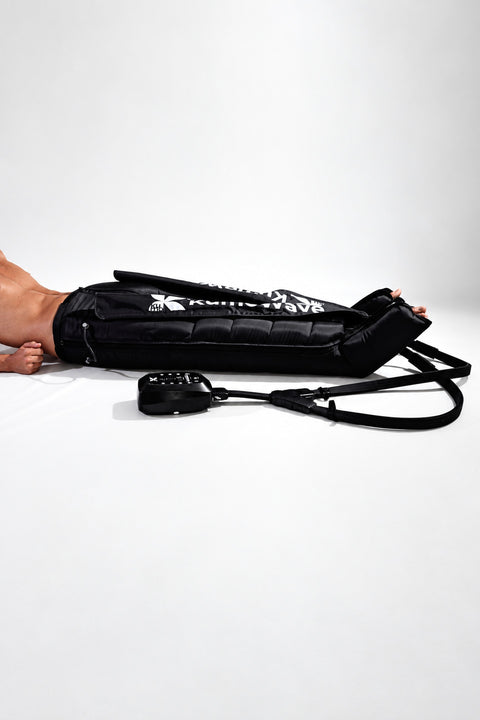
KumoWave Elite – Pressotherapy Pants
Full-coverage trousers. Ideal for lipedema, fluid retention and intensive use.
€799,00 €999,00
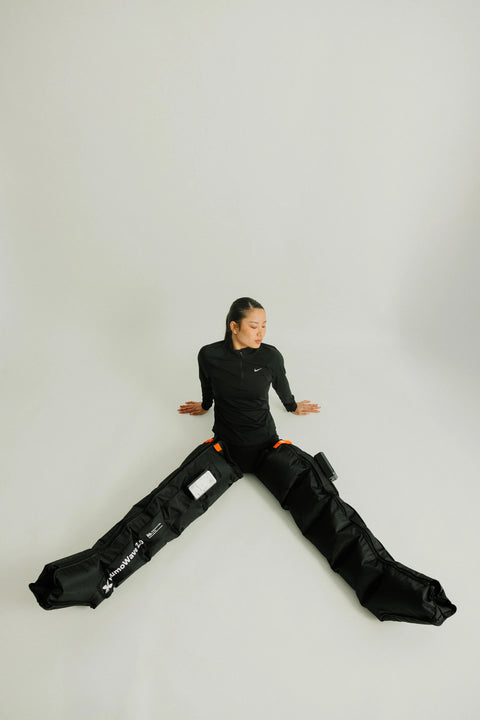
KumoWave 2.0 - Wireless Pressotherapy
Wireless, lightweight boots. Perfect for daily use and recovery.
€499,00 €599,00