
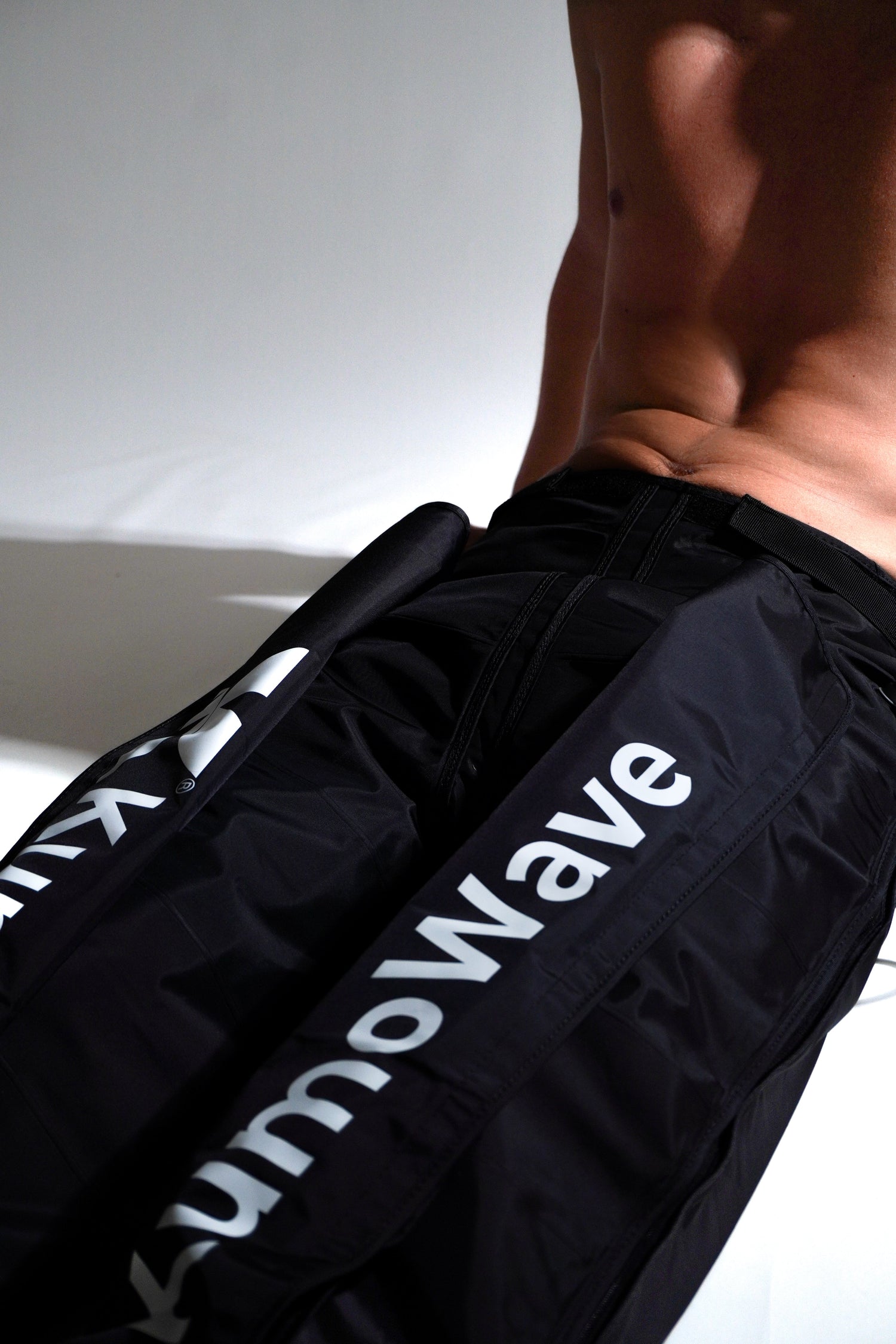
Physical well-being and mental health are more connected than they seem. In recent years, numerous studies have shown that moving more, sleeping better, and prioritizing the body's recovery can reduce the risk of anxiety, depression, and emotional exhaustion. According to the World Health Organization (WHO) , regular physical activity improves mood, sleep, and overall well-being, while a sedentary lifestyle increases the risk of illness and psychological problems.
In this article we will see what exactly physical well-being is, how it relates to the mind and what habits, supported or not by advanced recovery technology such as KUMO 's, you can integrate into your daily routine to take care of your body and mind sustainably.
Pressotherapy at home
End the day with light legs
★★★★★ 4,8/5 · rated by verified customers
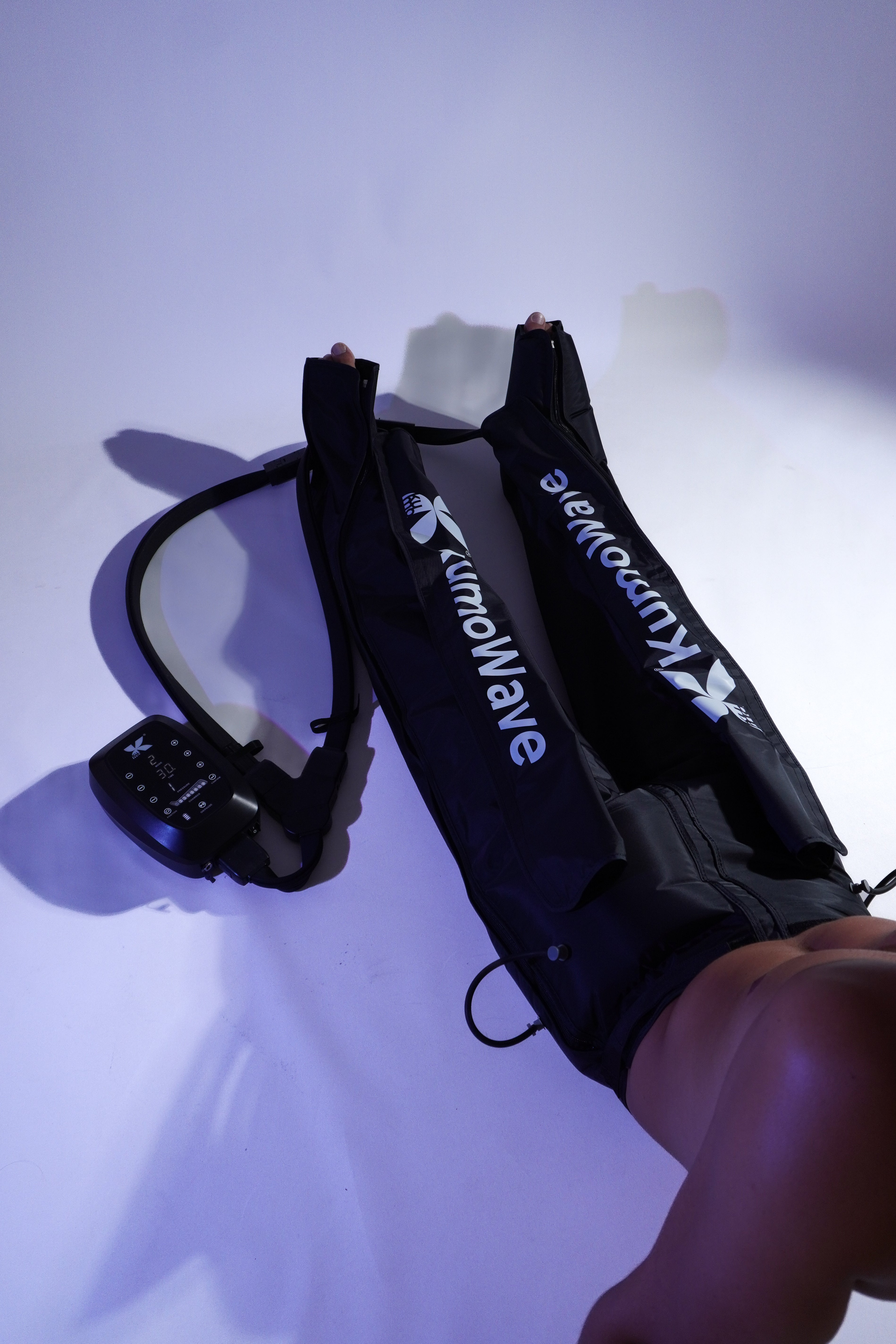
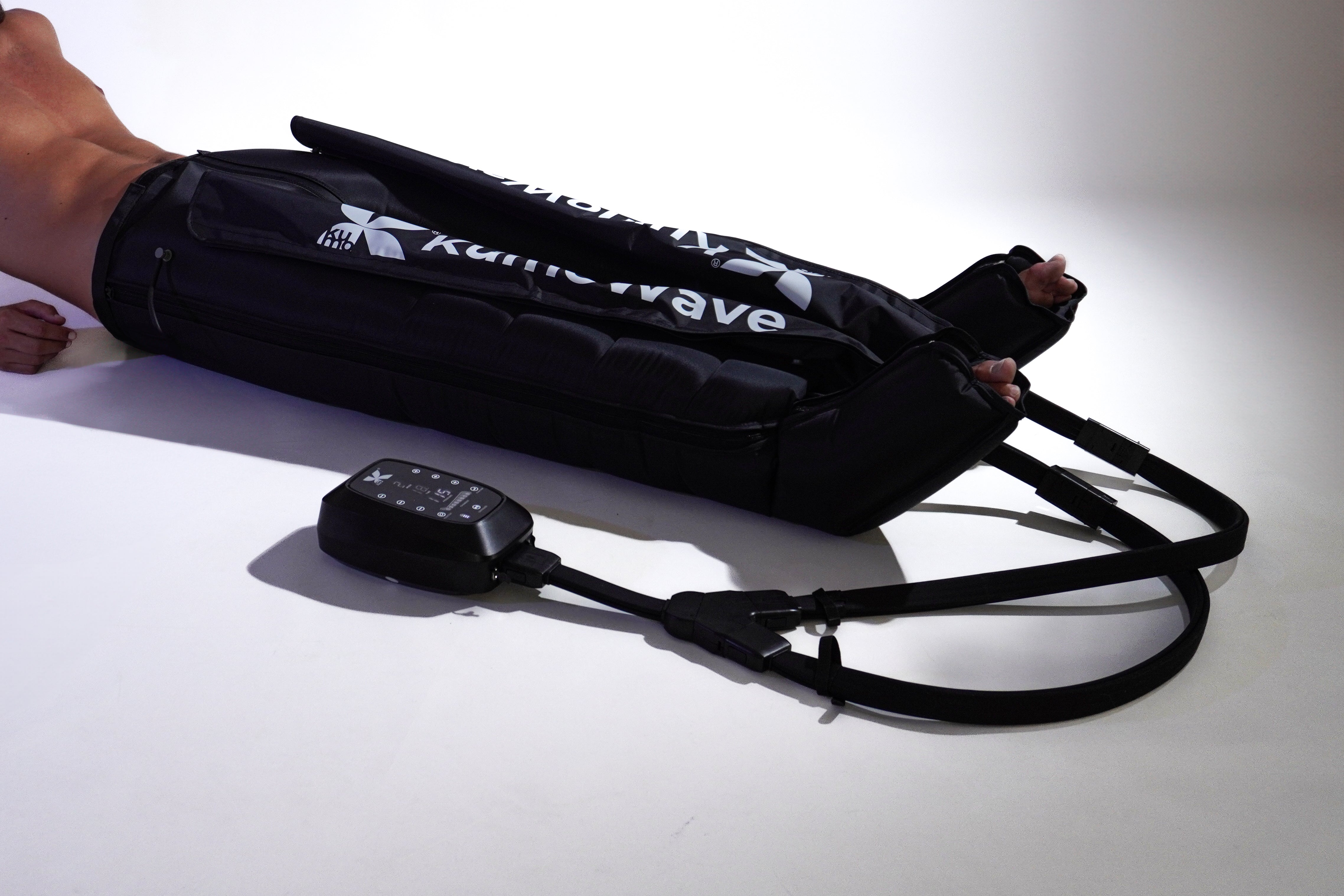
KumoWave pressotherapy boosts circulation and helps drain fluid with sequential compression, in 20-minute sessions at home.
- Boosts circulation and helps drain fluid
- Chamber-based compression, adjustable to you
- Sequential compression that mimics manual drainage
€799,00€999,00
−10% on your 1st order when you subscribe to the newsletter

What do we mean by physical well-being?
When we talk about physical well-being, we're not just referring to "being fit" or going to the gym. It includes several key elements:
- Regular movement : walking, playing sports, climbing stairs, or any activity that slightly raises your heart rate.
- Strength and mobility : capable muscles and mobile joints that facilitate everyday tasks.
- Restful sleep : getting enough quality sleep so that the body can repair itself.
- Recovery and rest : moments when the nervous system slows down and tissues regenerate.
- Pain under control : absence (or good management) of chronic pain that limits your daily life.
This physical well-being is the foundation upon which energy, mental clarity, and emotional stability are built. Taking care of your body is not just about aesthetics; it's a preventative factor in mental health.
Personalized protocol · included with your purchase
Want us to tell you how to use it in your case?
With your purchase, our experts prepare a personalized usage protocol for your case: sport, circulation, fluid retention, pregnancy or lipedema.
Message us on WhatsAppOur experts reply · no obligation
How physical well-being impacts mental health
Biological mechanisms: brain, hormones and movement
When we move, the body releases substances like endorphins, dopamine, and serotonin, which are linked to pleasure, motivation, and mood regulation. Furthermore, physical activity promotes neuroplasticity and cognitive function.
Organizations such as the WHO and the US CDC indicate that regular exercise reduces symptoms of anxiety and depression and improves concentration. It's not just about "burning calories," but about creating a more favorable chemical environment in the brain for managing stress and emotions.
Stress, anxiety, depression, and movement
Constant tension increases cortisol, the stress hormone. Moderate exercise acts as a physiological "release valve": it helps regulate the nervous system, improves the stress response, and strengthens the sense of self-efficacy ("I am capable of…").
on your first order when you join the newsletter
We send you the code instantly. No spam.
Scientific reviews have observed that active people have a lower risk of developing depression than sedentary people, even with relatively modest amounts of exercise. At the same time, a sedentary lifestyle is associated with greater fatigue, irritability, and a worse mood, especially when combined with excessive screen time.
Sleep, rest, and emotional resilience
Sleep is the body's and mind's "repair software." Sleeping too little or poorly is associated with increased anxiety, worse emotional regulation, and a higher risk of depression. In turn, lack of movement and intense screen time at night worsen sleep.
Recent studies show that regular physical activity makes it easier to fall asleep and improves sleep quality, resulting in more energy and a better mood during the day. A suitable sleep environment, with less blue light and more relaxation cues, is key to completing the cycle between physical well-being and mental balance.
Risks of a sedentary lifestyle for body and mind
Physical inactivity is now a global problem. WHO data indicate that around one-third of adults do not reach the recommended levels of weekly physical activity, which is associated with millions of preventable deaths each year and an increased risk of anxiety and depression.
Some effects of prolonged sedentary behavior are:
- Increased risk of cardiovascular disease, type 2 diabetes, and certain types of cancer.
- Greater feeling of tiredness despite "doing nothing".
- Muscle stiffness, back and neck pain that limit daily life.
- Poorer sleep quality, with frequent awakenings or insomnia.
- Increased mental rumination and a feeling of emotional distress.
The good news is that breaking free from a sedentary lifestyle doesn't require major changes all at once: small doses of movement, active recovery, and better sleep hygiene generate measurable improvements in just a few weeks.
Table: Physical wellness habits and their impact on mental health
| Habit of physical well-being | Common impact on mental health | Practical example of change |
|---|---|---|
| Moderate physical activity (150 min/week) | Lower risk of depression and anxiety, more energy and self-esteem. | Walk for 30 minutes 5 days a week or do 3 sessions of 50 minutes. |
| Restful sleep (7–9 hours) | Better emotional regulation, less irritability and mental fatigue. | Fixed sleep routine and disconnection from screens 60 minutes before bedtime. |
| Active muscle recovery | A feeling of lightness in the body, reduced discomfort, and greater well-being. | Gentle stretching plus massage or pressotherapy sessions after intense exertion. |
| Conscious use of technology | Fewer distractions, better concentration, and less anxiety. | Mobile-free work blocks and clear daily limits on recreational screen time. |
| Prolonged sedentary lifestyle (hours sitting) | Increased fatigue, worse mood, and a higher risk of health problems. | Get up every 45–60 minutes to move around for 2–3 minutes, climb stairs, or walk. |
Key pillars for improving physical well-being (and protecting your mental health)
1. Daily movement achievable for real people
General recommendations suggest at least 150 minutes of moderate-intensity activity per week (brisk walking, gentle cycling, dancing, gentle swimming), or 75 minutes of vigorous-intensity activity. You don't have to start there or do it perfectly.
- Start with 10–15 minutes a day and gradually increase.
- Prioritize activities you enjoy: dancing, walking with music, hiking with friends.
- Integrate movement into everyday tasks: take the stairs, walk to nearby errands, get off one stop early.
Consistency matters more than perfection: the body and mind respond better to frequent small doses than to isolated, one-off efforts.
2. Sleep and circadian rhythms: the daily “reset” of your nervous system
Taking care of your rest is just as important as training. Some basic guidelines to promote physical and mental well-being through sleep are:
- Going to bed and waking up at similar times, even on weekends.
- Reduce exposure to screens and blue light before bed.
- Create a relaxing ritual: light reading, deep breathing, gentle stretching.
- Take care of the environment: darkness, a pleasant temperature, and as little noise as possible.
Exposure to warm, dim lighting at the end of the day, along with clear signals to "slow down," helps the brain understand that it's time to switch off.
3. Active recovery and muscle care with the help of technology
Recovery is where the benefits of exercise truly shine. If you simply increase effort without allowing your body to repair itself, exhaustion and irritability will only increase. This is where both simple techniques (stretching, active breaks, breathing exercises) and specific technological solutions come into play.
Examples of technological support for physical and mental well-being:
- Pressotherapy : the use of pressotherapy boots helps to activate circulation in tired legs, promoting a feeling of lightness and relaxation after a day or training.
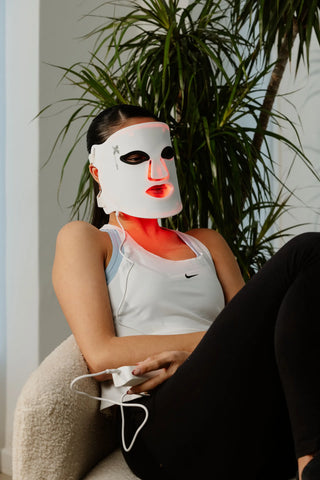
- Red LED light therapy : LED light therapy devices are used to support muscle recovery and skin care, and can be part of a relaxing self-care ritual.
- Percussion massage : a tool like the KUMOPULSE Air massage gun helps relieve localized muscle tension, facilitating rest and an overall feeling of well-being.
These recovery technologies do not replace physical activity or medical care, but they can be integrated as allies to reduce discomfort, improve body sensation and create self-care routines that also take care of the mind.
How to bring physical well-being into your daily life: simple examples
Morning routine in 10–15 minutes
A morning focused on physical well-being helps to start the day with greater mental clarity:
- Drink a glass of water when you wake up to rehydrate.
- Perform 3–5 minutes of deep breathing and gentle joint movements.
- Do 5–10 minutes of light walking, dynamic stretching, or bodyweight exercises.
- If you like technology, you can incorporate short skincare or light recovery rituals while listening to music or a podcast.
During the workday: break the sedentary lifestyle
Many physical discomforts and feelings of "mental overload" come from spending too many hours sitting or in front of screens. Some practical strategies:
- Set gentle alarms every 45–60 minutes to get up and move around for 2–3 minutes.
- Alternate positions: if possible, use an adjustable desk or make calls standing up.
- Look for small active “micro-moments”: take the stairs, go to the furthest bathroom, walk while thinking of ideas.
- Reduce mobile phone use during breaks and instead look out the window, breathe, or do stretches.
Conscious recovery night
The end of the day is a perfect time to create a ritual that promotes physical and mental well-being:
- Disconnect from screens at least 60 minutes before going to bed.
- It includes gentle stretching or self-massage of the legs, neck, and back.
- If you play sports or spend many hours on your feet, you can rely on pressotherapy sessions or moderate-intensity percussion massage.
- End with deep breaths and a brief reflection, giving thanks for something from the day.
It's not about adding more obligations, but about transforming existing moments into opportunities for recovery and well-being.
Physical well-being, technology, and conscious self-care
Today we have apps, smartwatches, and advanced recovery devices that make it easy to measure steps, monitor sleep, or relax muscles. The key is to use them to simplify and make taking care of your body more enjoyable, not to create more pressure or guilt.
The philosophy of brands like KUMO is based on integrating aesthetics, technology, and performance so that recovery is no longer an occasional event but a way of life. Incorporating home recovery technologies can help you:
- Create daily or weekly self-care rituals.
- Increase adherence to your training routine by experiencing less discomfort.
- To associate the idea of “taking care of oneself” with pleasure and well-being, not just with sacrifice.
Remember: technology is a support, but the foundations remain regular movement, quality rest, and actively listening to your body.
Frequently asked questions about physical well-being and mental health
What is physical and mental well-being in simple terms?
Physical and mental well-being is the feeling of being reasonably well in your body and mind most of the time. On a physical level, it means being able to carry out your daily activities without excessive fatigue or limiting pain, sleeping soundly, and recovering well after exertion. On a mental level, it includes having a stable mood, the ability to concentrate, managing stress, and having satisfying relationships. It doesn't mean always being happy or perfect, but rather having resources—habits, support, and environment—that allow you to regain your balance when life gets complicated.
How many minutes of physical activity do I need per week to notice emotional benefits?
International guidelines generally recommend at least 150 minutes of moderate-intensity physical activity or 75 minutes of vigorous-intensity activity per week to achieve clear physical and mental health benefits. However, studies show that even lower volumes, such as 10–15 minutes of brisk walking per day, can improve mood and energy levels, especially in very sedentary individuals. The most important thing is consistency: start slowly, choose activities you enjoy, and build the habit. If you have any concerns or medical conditions, consult a healthcare professional.
Can my mental health improve if I only change my sleep and rest habits?
Improving sleep and rest often has a very positive impact on emotional well-being: better sleep promotes concentration, reduces irritability, and helps manage stress more effectively. For many people, optimizing schedules, reducing screen time before bed, and creating relaxing routines leads to a noticeable improvement in psychological well-being. However, the greatest benefit is achieved when you combine good sleep with some daily movement, a balanced diet, and social support. You don't need to change everything at once: starting with sleep is an excellent gateway to overall well-being.
How can I start taking care of my physical well-being if I lead a very sedentary life?
If you haven't been active for a while, the initial goal isn't to get in shape overnight, but rather to break the inertia of a sedentary lifestyle. Start with very small and realistic goals: 5–10 minutes of walking daily, taking the stairs instead of the elevator, or doing gentle stretches while watching your show. When that feels easy, gradually increase the time or intensity. You can use reminders on your phone or find a workout buddy. If you have any pre-existing medical conditions, consult your healthcare professional first. The important thing is to build confidence in your body step by step.
Does recovery technology (pressotherapy, red light, massage) really help with well-being?
Recovery technology isn't magic, but it can be a valuable ally within a holistic approach to physical well-being. Tools like pressotherapy, LED light therapy, and massage guns are designed to facilitate muscle relaxation, relieve the feeling of heavy legs, promote recovery after exercise, and create enjoyable self-care rituals. This can translate into less discomfort, better sleep, and a more positive body image. It's important to use them responsibly, respecting the instructions and understanding that they complement, but don't replace, regular exercise or medical attention when needed.
So what now?
Integrating physical well-being into your daily life is a process, not an overnight change. Start with a small habit—a few minutes of movement, a more mindful sleep ritual, a weekly moment of conscious recovery—and build from there. If you want recovery to become a natural part of your routine, you can draw inspiration from KUMO 's technological solutions and explore options such as pressotherapy, LED light therapy, or percussion massage. And if you need further guidance, don't hesitate to contact us through the contact page to continue moving towards holistic well-being, with a connected body and mind.
KumoWave pressotherapy
Choose your at-home pressotherapy
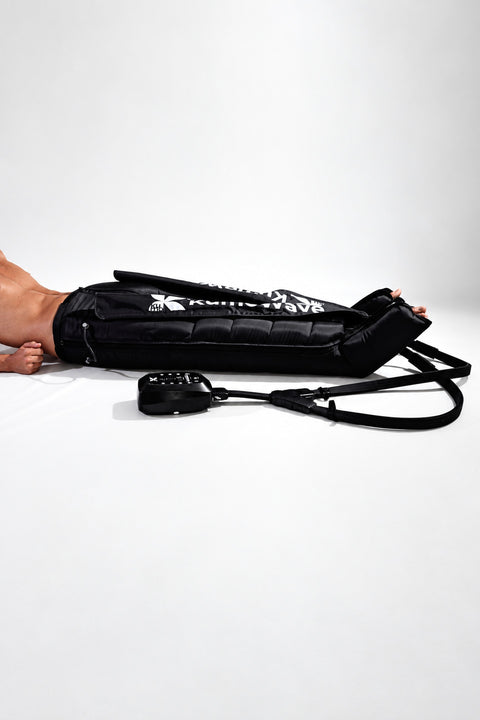
KumoWave Elite – Pressotherapy Pants
Full-coverage trousers. Ideal for lipedema, fluid retention and intensive use.
€799,00 €999,00
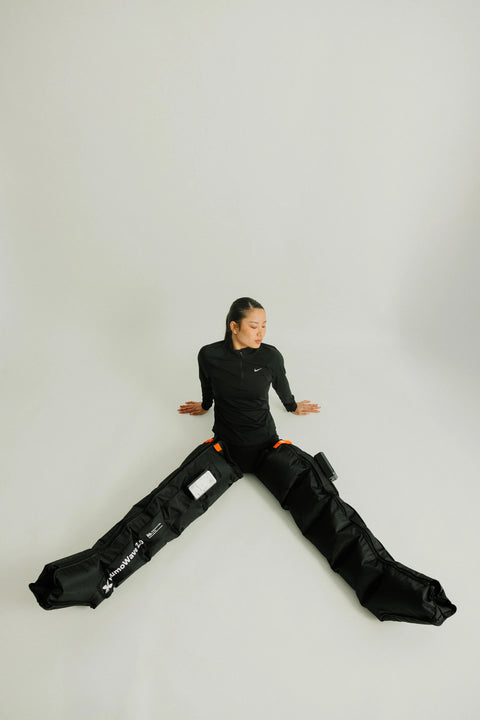
KumoWave 2.0 - Wireless Pressotherapy
Wireless, lightweight boots. Perfect for daily use and recovery.
€499,00 €599,00