
What is physical well-being and why does it start at home?
Physical well-being is not just about "doing sports": it's the combination of regular movement, restorative rest, a balanced diet, and active recovery periods that keep your body strong, energetic, and free from discomfort on a daily basis.
The World Health Organization recommends that adults engage in at least 150 to 300 minutes of moderate-intensity physical activity per week to obtain significant health benefits, including a reduced risk of cardiovascular disease, diabetes, and some types of cancer. ( who.int )
Pressotherapy at home
End the day with light legs
★★★★★ 4,8/5 · rated by verified customers
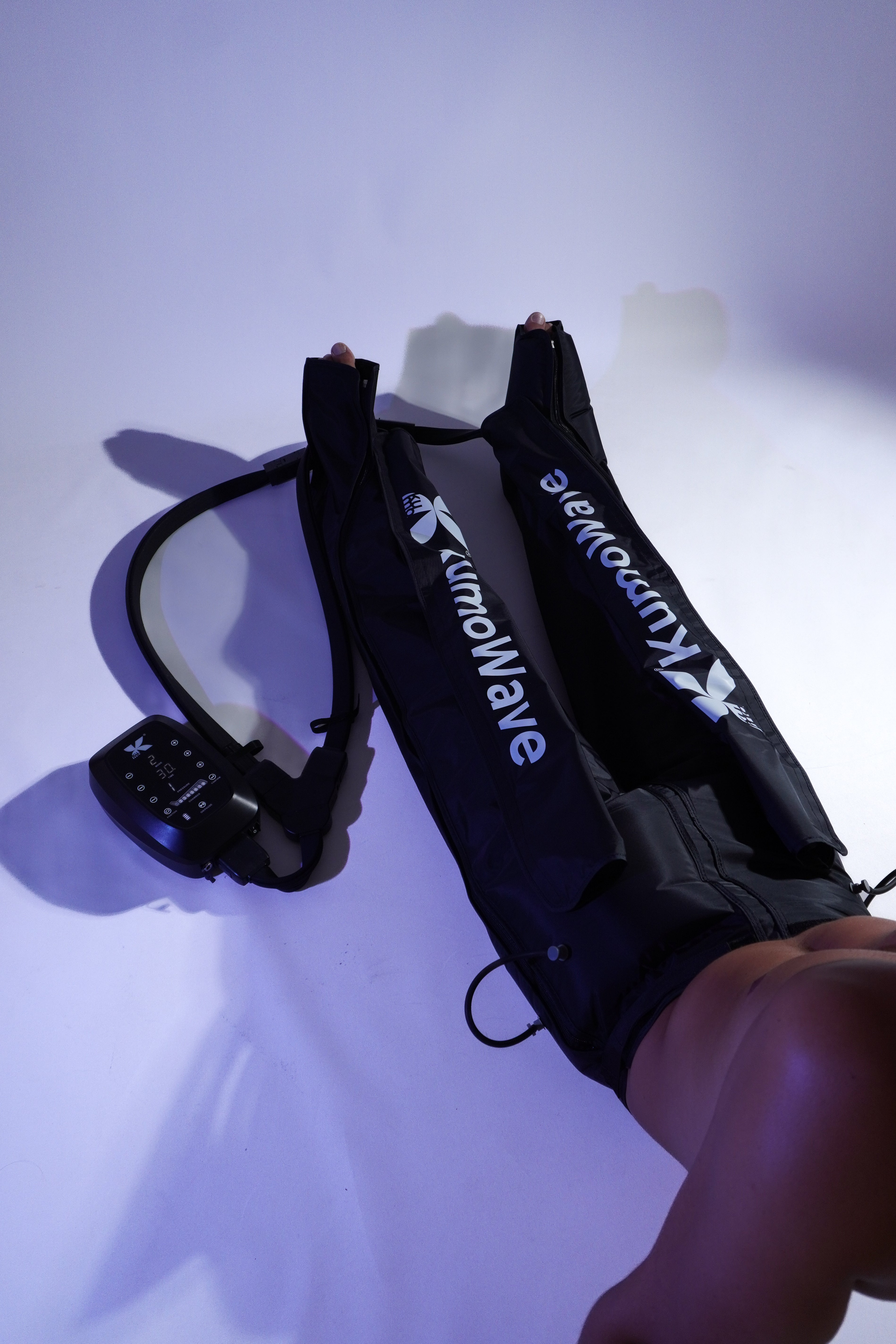
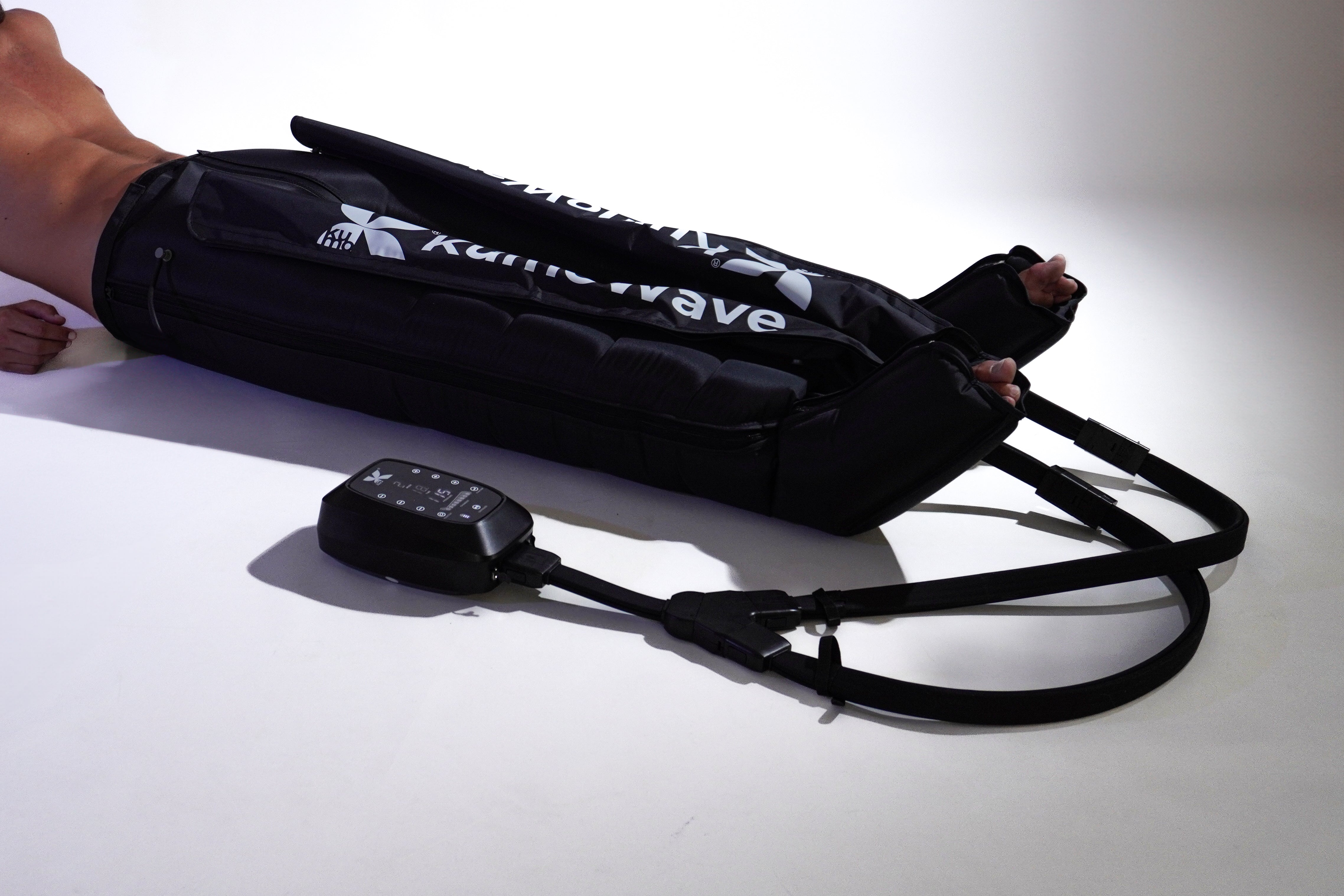
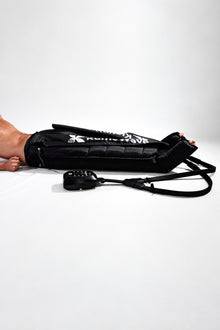
KumoWave pressotherapy boosts circulation and helps drain fluid with sequential compression, in 20-minute sessions at home.
- Boosts circulation and helps drain fluid
- Chamber-based compression, adjustable to you
- Sequential compression that mimics manual drainage
€799,00€999,00
−10% on your 1st order when you subscribe to the newsletter

The good news is that a large part of that movement and the habits that build your health can be integrated without leaving home , with a simple daily routine and consistency.
Furthermore, it is estimated that in 2022 almost 31% of adults worldwide (approximately 1.8 billion) did not meet the recommended levels of physical activity, increasing their risk of multiple chronic diseases. ( who.int ) Incorporating small actions into your home makes a real difference.
Personalized protocol · included with your purchase
Want us to tell you how to use it in your case?
With your purchase, our experts prepare a personalized usage protocol for your case: sport, circulation, fluid retention, pregnancy or lipedema.
Message us on WhatsAppOur experts reply · no obligation
In this article you will find an easy-to-follow daily routine, adapted to modern life, and how to rely on high-tech recovery tools, such as those proposed by KUMO , to take care of your body every day.
Basic principles for creating your physical wellness routine at home
1. Minimal (but constant) daily movement
According to the WHO, adults should accumulate between 150 and 300 minutes of moderate-intensity aerobic activity (e.g., brisk walking) or 75 to 150 minutes of vigorous-intensity activity per week, or a combination of both. ( who.int ) Translated into daily terms, this equates to about 20–40 minutes of moderate-intensity movement per day.
You don't need to do it all at once: three 10-minute blocks spread throughout the day already count. Climbing stairs, walking around the house, doing a short mobility routine, or dancing to your favorite song are small "doses of health."
on your first order when you join the newsletter
We send you the code instantly. No spam.
2. Rest and quality sleep
Sleep is the great forgotten element of physical well-being. The Centers for Disease Control and Prevention (CDC) recommends that adults sleep at least 7 hours a night to maintain good health and reduce the risk of diseases such as obesity, high blood pressure, type 2 diabetes, and depression. ( cdc.gov )
Your routine at home should protect those hours of rest: regular schedules, soft light at night, limiting screens and creating a small relaxation ritual before bed help make sleep deeper and more restorative.
3. Active recovery and body care
The body improves when it moves, but also when it recovers properly. Active recovery includes gentle stretching, self-massage, breathing exercises, or the use of recovery technologies (such as compression therapy, massage guns, or red light therapy) to relieve tension and promote a feeling of muscle lightness.
Think of your recovery like charging a battery: if you only use up energy and never recharge, sooner or later fatigue, discomfort, and lack of motivation will appear.
4. Simplicity and sustainability
A home fitness routine should be realistic . It's better to do 10–15 minutes a day for months than one intense week and then quit. The goal is to create habits that fit your life, not to completely change it.
Simple daily routine for physical well-being at home
Below you'll find a suggested routine that you can adjust to your fitness level and schedule. You don't need any special equipment to get started; later on, if you'd like, you can incorporate recovery tools like those from KUMO to enhance your overall well-being.
Tomorrow: Activate the body (10–20 minutes)
Upon waking, your goal is to gently activate your muscles and joints and prepare your mind for the day.
- 2–3 minutes of deep breathing while sitting on the bed or in a chair, inhaling through the nose and exhaling slowly through the mouth.
- 5–10 minutes of joint mobility : circles of shoulders, hips, knees and ankles; gentle neck tilts; seated spinal rotations.
- 5–10 minutes of gentle walking at home, going up and down stairs, or some basic exercises (bodyweight squats, heel raises, push-ups with hands on a wall).
If you often wake up with a feeling of heaviness in your legs, you may want to consider short sessions with compression boots to stimulate circulation and reduce the feeling of swelling after long periods of sitting.
Midday/afternoon: break up sedentary behavior (5–15 minutes per block)
If you work from home or spend many hours sitting down, the biggest enemy of your physical well-being is prolonged inactivity .
- Every 60 minutes , get up for 2–5 minutes: walk around the house, do 10–15 gentle squats, or stretch your arms and back.
- Dedicate one 10-15 minute block in the afternoon to moderate activity: brisk walking, dancing, or following a simple guided routine.
- Stretch the muscles that get the most strain (neck, shoulders, lower back, hips) for 3–5 minutes.
Incorporating short active breaks throughout the day helps to offset sitting time, improves concentration, and reduces the risk of lower back and neck pain.
Night: recover and prepare for sleep (15–30 minutes)
The goal of the night is to relax the nervous system and help the body transition from "active" mode to "recovery" mode.
- Digital disconnection : try turning off screens 30–60 minutes before going to sleep.
- Gentle full body stretches (5–10 minutes): focusing on back, hips and legs.
- Diaphragmatic breathing (5 minutes): inhale in 4 seconds, exhale in 6–8 seconds.
- Body care ritual : self-massage of legs and back with a ball or, if you prefer, with a percussion massage gun to relieve muscle tension after the day.
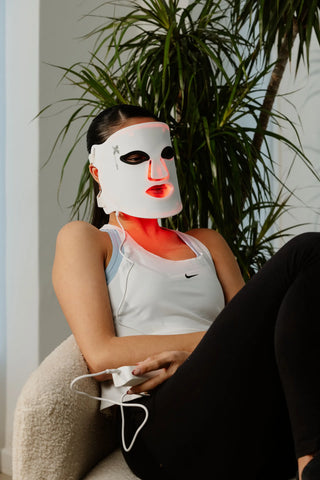
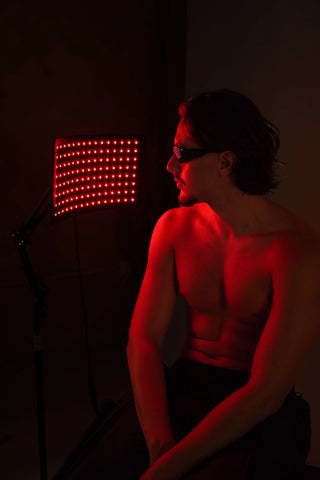
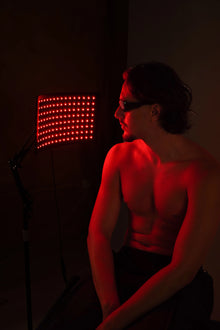
Some people also incorporate red LED light therapy devices into their nighttime routine to create a restful environment and promote muscle relaxation, always as a complement to good sleep habits.
Example of a weekly physical wellness plan at home
| Day | Moment | Approximate duration | Main activity | Aim |
|---|---|---|---|---|
| Monday | Tomorrow | 15 min | Mobility + gentle walking | Activate joints and circulation |
| Monday | Evening | 20 min | Stretching + breathing | Reduce tension and improve sleep |
| Tuesday | Noon | 15 min | Bodyweight strength routine | Gain overall muscle tone |
| Wednesday | Evening | 20 min | Stretching + self-massage | Recover legs and back |
| Thursday | Tomorrow | 15 min | Mobility + balance | Improve stability and coordination |
| Friday | Noon | 20 min | Brisk walking or dancing | Increase heart rate safely |
| Saturday | Late | 30 min | Free session: yoga, pilates or active play at home | Enjoy the movement |
| Sunday | Evening | 20 min | Complete relaxation routine (breathing + stretching + body care) | Wrap up the week and prepare for rest |
How to rely on recovery technology in your home
Once you've established a movement habit, you can boost your physical well-being at home with recovery tools that complement your routine:
- Pressotherapy boots , like those in the KUMO pressotherapy collection, to stimulate circulation in tired legs after many hours of sitting or intense workouts.
- Massage guns , like the KUMOPULSE AIR model, are used to relieve tension points and target specific muscle areas after exercise or a demanding day. ( who.int )
- Red LED light masks and panels , which many people incorporate into their nighttime ritual as part of skin care and relaxation before sleep.
These devices do not replace exercise, sleep, or nutrition, but they can make recovery more enjoyable, effective, and easier to integrate into your daily life.
Common mistakes when seeking physical well-being at home
When starting out, it's normal to make some mistakes that can sabotage your results or lead you to quit:
- Wanting to do too much, too soon : going from zero to training for an hour a day increases the risk of discomfort and exhaustion.
- Neglecting sleep : Even if you exercise, regularly sleeping less than 7 hours is associated with a higher risk of obesity, high blood pressure, type 2 diabetes, and other health problems. ( cdc.gov )
- Neglecting recovery : not stretching, not moving after many hours of sitting, or not taking care of your muscles promotes stiffness and pain.
- All or nothing : if one day you don't follow the perfect routine, don't throw in the towel; adapt, reduce, but keep moving.
Frequently asked questions about physical well-being at home
How many minutes a day do I need to move to improve my physical well-being?
The WHO recommends that adults get at least 150 minutes of moderate-intensity physical activity per week, or 75 minutes of vigorous-intensity activity, or a combination of both. ( who.int ) If you break that up, it's about 20–25 minutes of moderate movement per day. It doesn't have to be one long session: you can break it up into 5–10 minute blocks (climbing stairs, brisk walking, home workouts). The important thing is to avoid long periods of inactivity and keep your body moving regularly.
Can I take care of my physical well-being if I work long hours sitting at home?
Yes. If your job is sedentary, the goal is to break up sitting time . Set alarms every 60 minutes to get up for 2–5 minutes: walk around, do some neck and back stretches, or do some gentle squats. Try to ensure at least one 10–20 minute block of moderate activity per day (brisk walking, a guided workout, dancing). Supplement this with mobility exercises and, if needed, recovery sessions (massage, compression therapy) to loosen your muscles after the day.
Is it enough to exercise only at home or do I need to go to the gym?
For most people, regular exercise at home is more than enough to improve their basic fitness, reduce discomfort, and boost energy. Using only your own body weight, you can work on strength, mobility, and cardiovascular endurance without any equipment. The gym offers more variety and can be useful if you have very specific goals (gaining significant muscle mass, lifting heavy weights). The key is consistency: a simple, uninterrupted home routine is better than a gym membership you never use.
What role does sleep play in daily physical well-being?
Sleep is one of the key pillars of well-being: during the night, the body repairs tissues, regulates hormones, and consolidates learning. Sleeping less than 7 hours regularly has been linked to an increased risk of obesity, type 2 diabetes, high blood pressure, cardiovascular disease, and mental health problems such as anxiety and depression. ( cdc.gov ) Taking care of your sleep hygiene—regular schedules, a dark and quiet environment, and less screen time before bed—is just as important as exercising or eating well.
Are recovery devices (pressotherapy, massage, red light) useful in a home routine?
These devices can be a valuable addition to your exercise and rest routine. Pressotherapy can help relieve the feeling of heavy legs after many hours of sitting, massage guns make it easier to work on specific tension points, and red light therapy is often incorporated into skincare and relaxation rituals. They don't replace exercise or sleep, but they can make recovery more comfortable and enjoyable, which often helps you maintain your routine long-term.
So what now?
Start by choosing one or two simple actions from this article and integrate them into your day today: 10 minutes of movement upon waking, short active breaks during work, and a brief relaxation ritual before bed. If you want to take your recovery to the next level, discover KUMO's technological solutions on our homepage and explore options such as pressotherapy , LED light therapy , or massage guns. And if you're unsure what's best for you, you can contact us through our contact page for personalized guidance.
KumoWave pressotherapy
Choose your at-home pressotherapy
KumoWave Elite – Pressotherapy Pants
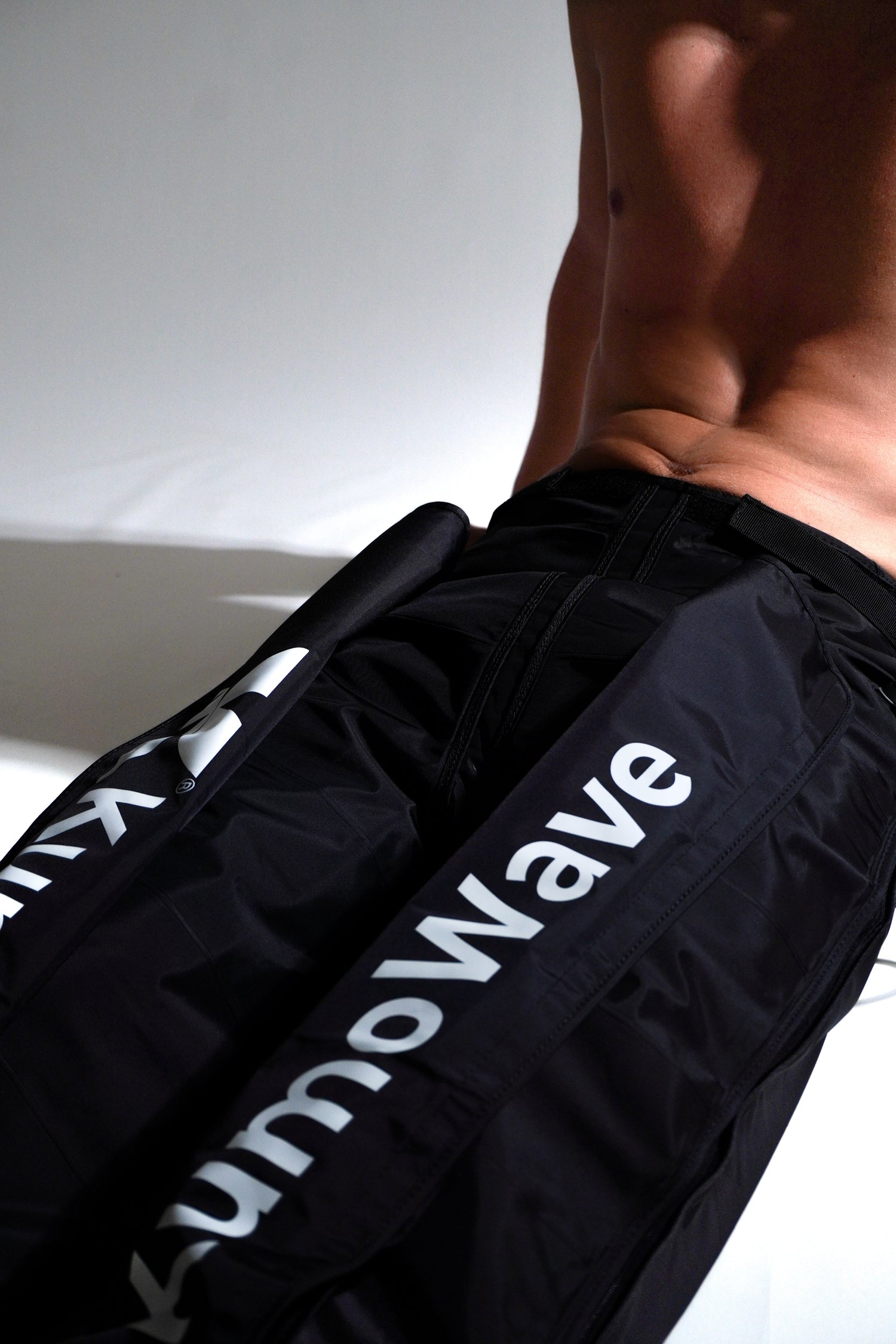
Full-coverage trousers. Ideal for lipedema, fluid retention and intensive use.
€799,00 €999,00
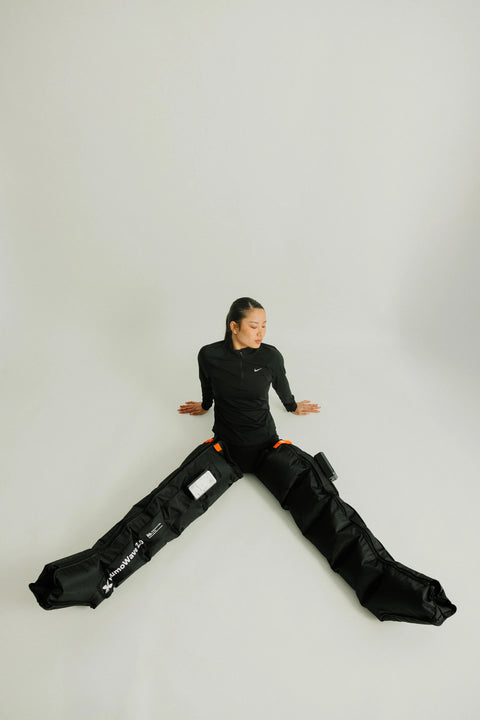
KumoWave 2.0 - Wireless Pressotherapy
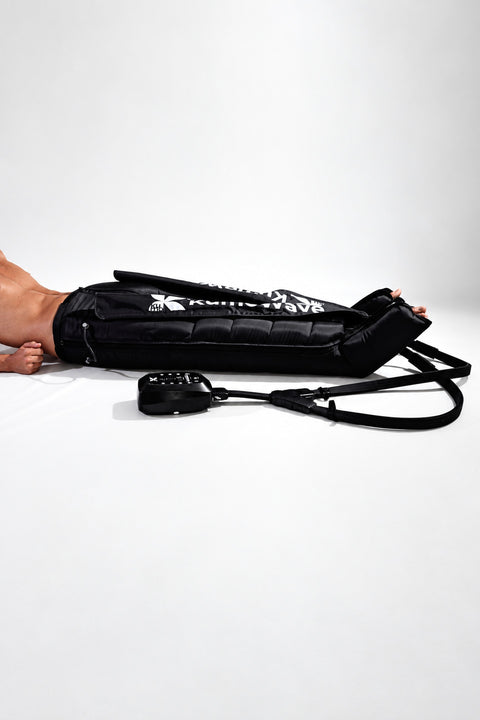
Wireless, lightweight boots. Perfect for daily use and recovery.
€499,00 €599,00