
Introduction
Taking care of your body has never been so strategic.
In 2025, physical well-being is no longer just about exercise: it encompasses how you move, how you rest, how you recover, and what technology helps you keep up with your daily routine. At the same time, nearly 31% of adults worldwide do not meet the minimum recommended activity levels, increasing their risk of chronic diseases. ( who.int ) This article guides you through the key trends and specific habits to improve your physical health this year.
Red & infrared light
Recover faster, at home
★★★★★ 4,8/5 · rated by verified customers
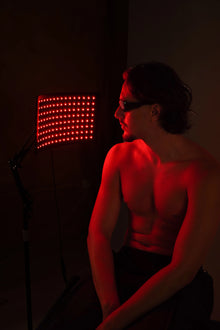
The KumoLux panel supports muscle recovery with full-body red and infrared light.
- 660 nm red + 850 nm infrared light
- Full-body muscle recovery
- Clinically validated biohacking protocols
€399,00€499,00
−10% on your 1st order when you subscribe to the newsletter

KUMO, specializing in high-end recovery technologies, sits precisely at the intersection of science, design, and performance, offering solutions such as LED masks, red light therapy, compression boots, and massage guns to integrate recovery into your daily routine. You can discover the brand on the KUMO Balance homepage.
What do we understand today by physical well-being?
The current concept of physical well-being is broader than simply “being fit.” It includes:
Personalized protocol · included with your purchase
Want us to tell you how to use it in your case?
With your purchase, our experts set up your red and infrared light sessions for your sport and goal.
Message us on WhatsAppOur experts reply · no obligation
- Regular movement : structured exercise and daily activity (walking, climbing stairs, etc.).
- Recovery capacity : how your body responds to exertion, stress, and lack of sleep.
- Metabolic health : weight, glucose, blood pressure, lipids.
- Quality of sleep and stable circadian rhythms.
- Muscle and joint function : strength, mobility, absence of chronic pain.
- Skin health , increasingly seen as an indicator of overall health.
The World Health Organization reminds us that regular movement reduces the risk of cardiovascular disease, type 2 diabetes, some cancers, and improves mental health. ( who.int ) That's why the trends for 2025 are less about "fitness fads" and more about building a functional, resilient, and sustainable body in the long term.
Physical wellness trends for 2025
1. From the “aesthetic” body to the functional and sustainable body
The big trend is the shift from purely aesthetic goals (weight, “six-pack”) to a focus on everyday performance : having energy all day, being able to play with your children, working long hours sitting down without pain, recovering before a race or an intense week.
This is reflected in:
on your first order when you join the newsletter
We send you the code instantly. No spam.
- More strength training focused on long-term bone and muscle health.
- Increased interest in health markers (resting heart rate, heart rate variability, sleep quality) through wearables.
- Incorporation of mobility, breathing and active break routines during the workday.
2. Daily movement: combating invisible sedentary lifestyles
Although there are more and more gyms and fitness apps, inactivity remains a global problem: in 2022, approximately 31% of adults did not reach the recommended 150 minutes of moderate activity per week, and projections suggest that this could rise to 35% by 2030 if habits do not change. ( who.int )
In 2025, the most effective strategies will focus on:
- NEAT (non-exercise physical activity): walk more, use stairs, get up frequently if you work sitting down.
- Micro-workouts of 5-10 minutes spread throughout the day (squats, push-ups, brisk walking).
- Active travel : walking or cycling for short journeys.
- More active environments : adjustable desks, walking meetings, active breaks in companies.
The combination of structured exercise and incidental movement has a real impact on cardiovascular health, weight management, and mental well-being. ( who.int )
3. Recovery becomes a central pillar
Years ago, recovery was seen as "something extra" for elite athletes. Today, it's a fundamental pillar of health for anyone with a demanding lifestyle. Poor sleep, stringing together intense workouts, or long workdays without breaks accelerate fatigue, increase the risk of injury, and worsen mood.
In 2025, three major recovery areas stand out:
- Passive recovery : quality sleep, short naps, relaxation.
- Active recovery : gentle walking, mobility exercises, stretching, low-intensity sessions after intense exertion.
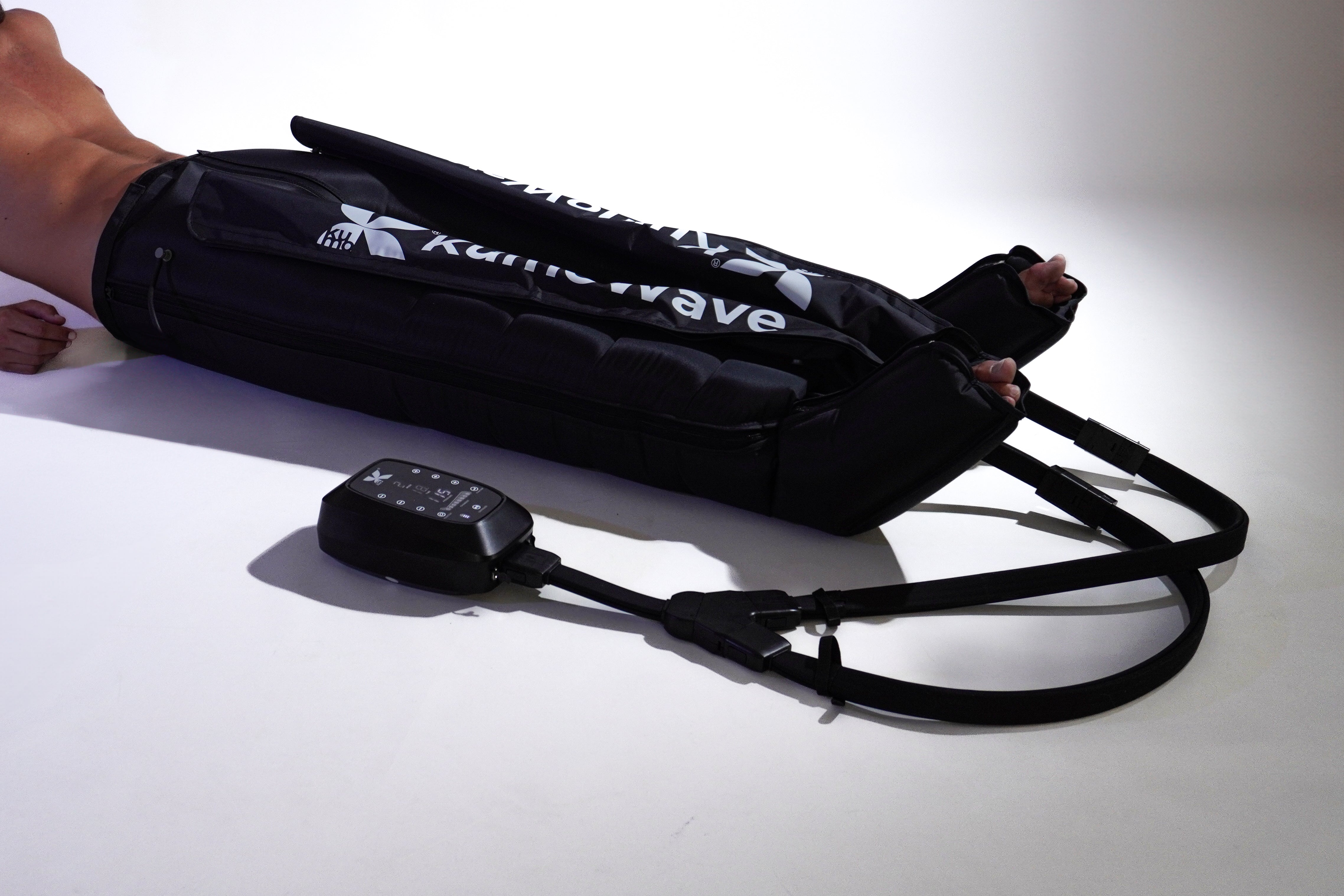
- Technology-assisted recovery : photobiomodulation (red light/LED), pneumatic pressotherapy, massage guns, among others.
A 2023 systematic review on photobiomodulation, neuromuscular stimulation, and pneumatic compression found evidence (albeit low- to moderate-quality) that these techniques can reduce muscle soreness and accelerate some markers of recovery after exercise. ( pubmed.ncbi.nlm.nih.gov )
4. Home recovery technology: from sports centers to the living room
Another strong trend is the democratization of technologies previously reserved for clinics or professional clubs . Today, many users are integrating the following into their homes:
- LED light therapy devices for skin and local recovery.
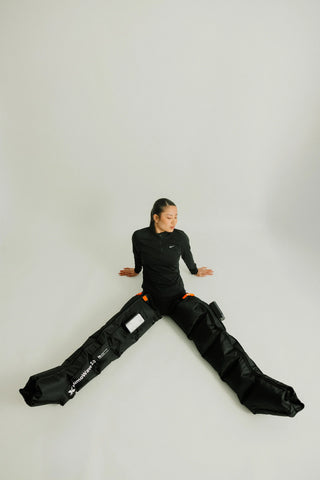
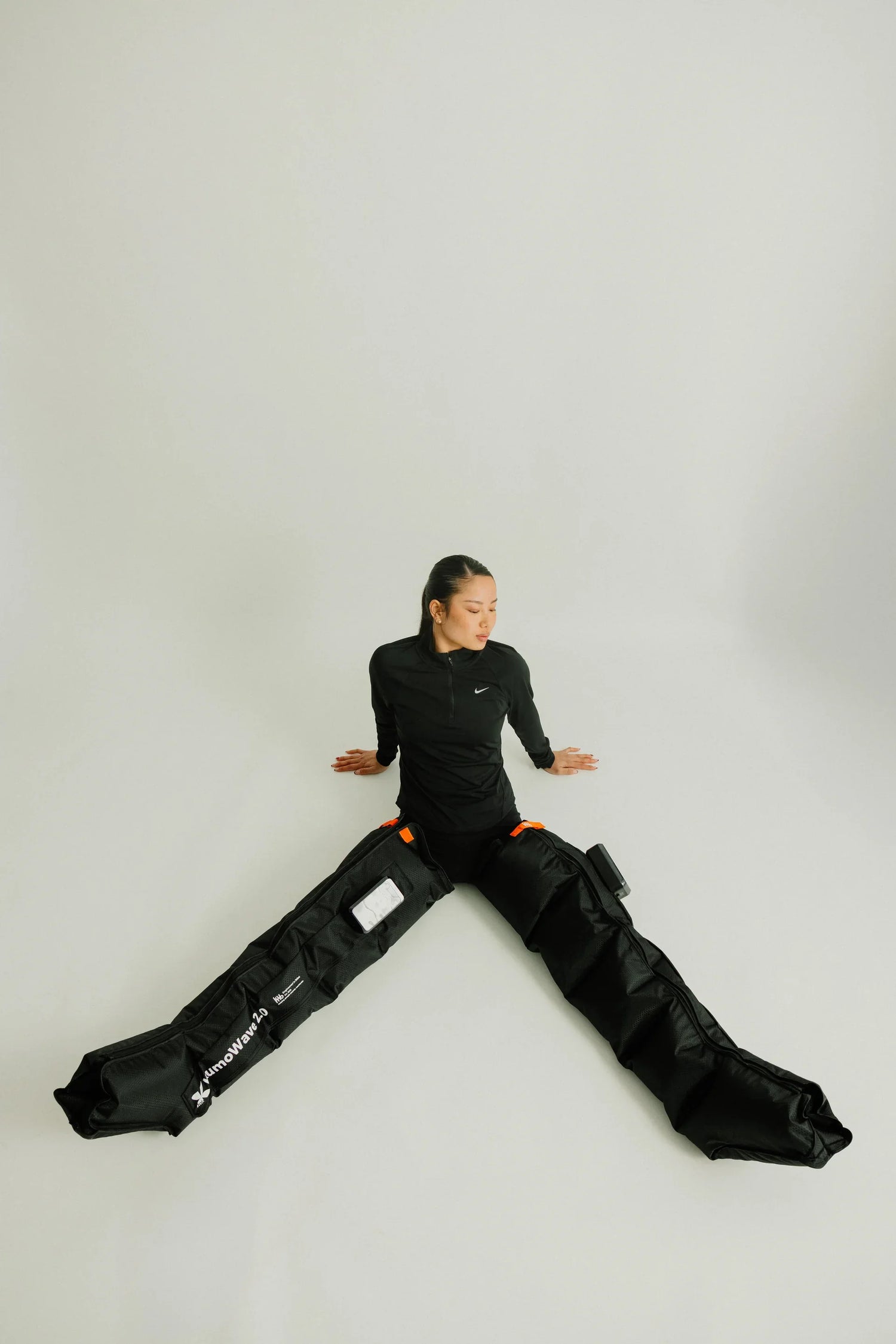
- Intermittent pneumatic compression boots to improve circulation and relieve the feeling of heaviness in the legs.
- Massage guns to release muscle tension after work or sports.
Brands like KUMO are committed to combining design, effectiveness, and ease of use so that recovery becomes a new form of daily self-care , not just something you do when you're already injured.
If you are interested in seeing specific examples of these types of solutions, you can explore KUMO's LED light therapy collection , the pressotherapy section , or the KUMOPULSE Air massage gun.
5. Skin care as part of physical well-being
The skin is the body's largest organ and also reflects your internal health. Stress, lack of sleep, poor diet, and environmental exposure affect its appearance and barrier function.
In dermatology, red and near-infrared light has been studied for years within the framework of photobiomodulation or low-level light therapy (LLLT). Scientific reviews indicate that certain wavelengths can stimulate repair processes, modulate inflammation, and improve the appearance of wrinkles, scars, and specific lesions, always within well-defined protocols. ( pubmed.ncbi.nlm.nih.gov )
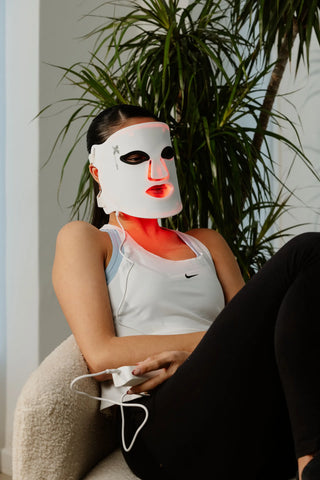
This explains the rise in popularity of LED light masks for the face. They are not a substitute for a dermatologist, but they can complement skincare routines, always following the manufacturer's instructions and avoiding excessive or non-recommended use.
6. Smart sleep and light management
Sleep hygiene remains one of the most powerful levers of physical well-being. Regular sleep schedules, reduced stimulants in the afternoon, and a dark and quiet sleep environment are still recommended. Exposure to intense blue light at night can mildly affect circadian rhythms in some people, although experts point out that the content consumed (stress, social media) can have a greater influence on sleep quality than the light itself. ( publicnewsservice.org )
At the same time, well-managed light throughout the day is gaining importance: more natural light in the morning, warm light at night, and devices that take advantage of certain wavelengths (such as red light) to promote relaxation before sleep within recovery routines.
Summary table of physical wellness habits for 2025
| Aim | Recommended daily habit | Possible tool or support | Estimated time |
|---|---|---|---|
| Reduce sedentary behavior | Walk at least 7,000–8,000 steps a day and get up every 30–60 minutes if you work sitting down. | Watch or app for steps, movement reminders. | Accumulated during the day |
| Gain strength and protect your joints | 2–3 weekly full-body strength training sessions. | Gym, resistance bands, bodyweight. | 30–45 min per session |
| Improve muscle recovery | Gentle mobility sessions and specific work after intense training. | Massage gun, foam roller, pressotherapy boots. | 10–20 min after exercise |
| Skin care | Basic routine (gentle cleansing + hydration) and daily sun protection. | Dermocosmetic products, LED mask as directed. | 5–10 min a day |
| Optimize sleep | Regular schedule, reduce stimulating screens 30–60 min before bed. | Night mode on devices, warm or red ambient light, relaxation techniques. | 7–9 hours of sleep + 15–20 minutes of pre-workout routine |
How to intelligently integrate technological recovery
Pressotherapy: circulation and light legs
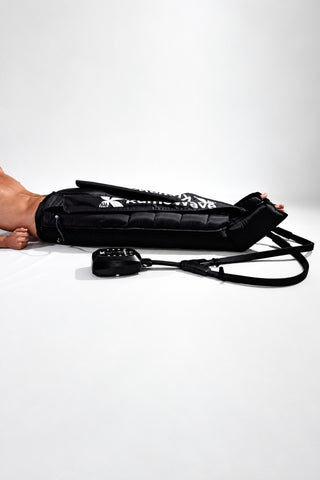
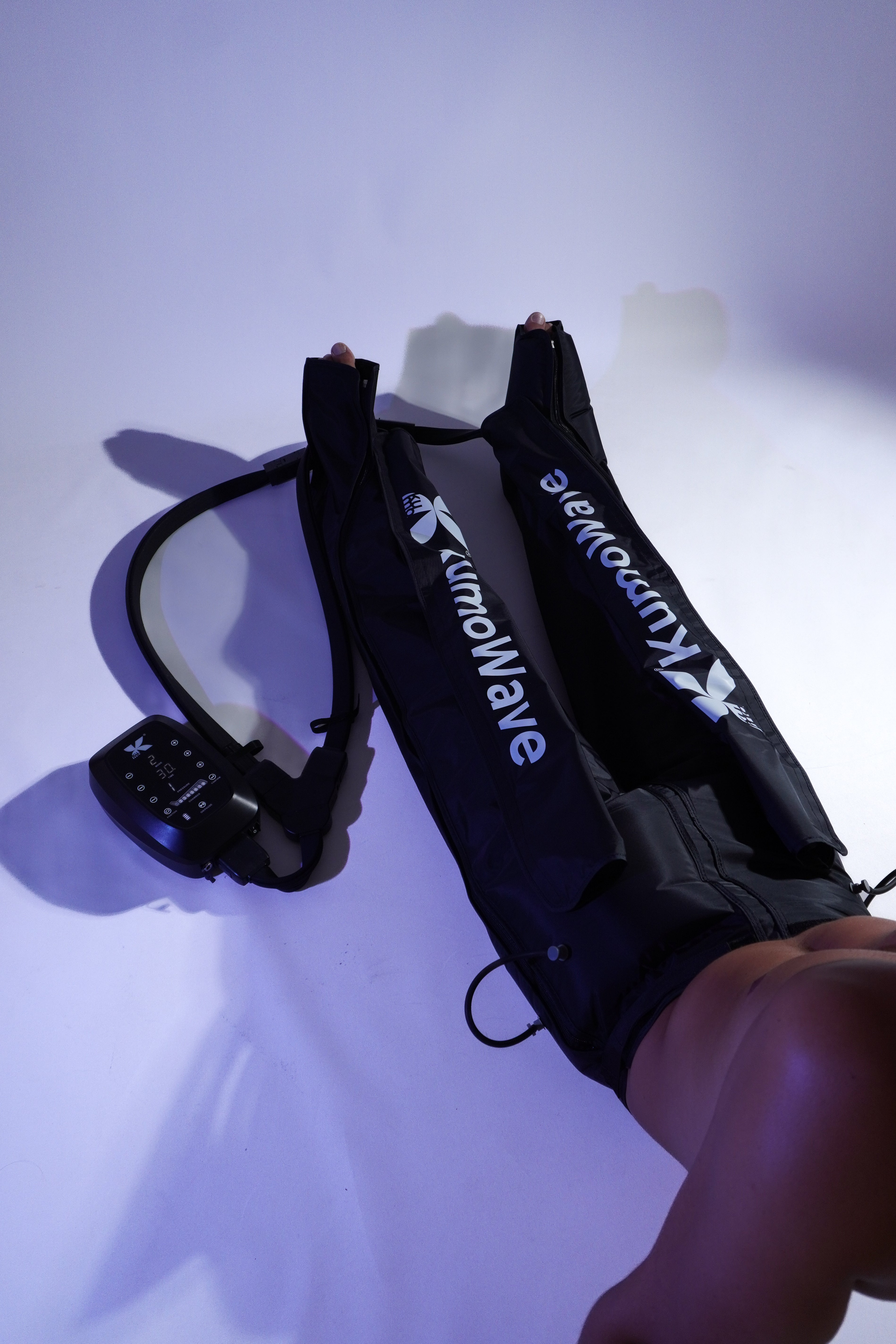
Intermittent pneumatic compression therapy uses air chambers that inflate and deflate sequentially around the legs. Studies included in a 2023 review on pneumatic compression and muscle recovery suggest that this technique may help reduce muscle soreness and accelerate the elimination of metabolites after exercise, although the quality of the evidence is still limited. ( pubmed.ncbi.nlm.nih.gov )
In their daily lives, many people use compression therapy to relieve the feeling of heaviness after spending hours standing or sitting. KUMO compression boots bring this technology into the home, allowing for scheduled sessions and easy pressure adjustments. As always, people with vascular problems should consult their doctor before using these devices.
LED light therapy and red light
Photobiomodulation with red and near-infrared LEDs acts at the cellular level, modulating processes such as blood flow and energy (ATP) production. Reviews in PubMed show potential benefits in wound healing, inflammation, and certain dermatological conditions, within specific wavelength, dose, and frequency parameters. ( pubmed.ncbi.nlm.nih.gov )
In the realm of wellness, KUMO's LED light therapy solutions are designed to allow you to safely incorporate short sessions into your routine. However, they do not replace medical treatments or prescribed phototherapy; if you have a skin condition or are taking photosensitive medication, it is important to consult a healthcare professional.
Massage guns: deep relief and localized recovery
Massage guns apply rapid percussion to muscle tissue. A controlled trial in physically active young adults observed that muscle percussion sessions helped reduce pain associated with delayed onset muscle damage (DOMS) and improve certain functional parameters compared to traditional methods such as static stretching. ( pubmed.ncbi.nlm.nih.gov )
The KUMOPULSE Air massage gun is designed precisely for this type of everyday use: relaxing legs after work, preparing muscles before training, or providing occasional relief from neck and back tension. It doesn't replace the work of a physiotherapist when there's an injury, but it can be a great aid for regular maintenance.
Practical steps to improve your physical well-being in 2025
1. Define your “why” and your priorities
Before adding devices or complicated routines, clarify what you want to improve this year:
- Want more daily energy?
- Sleep better?
- Want to reduce back or knee pain?
- Want to perform better in your sport?
Choose one or two priority goals and align them with your movement, recovery, and nutrition habits. Technology should be a support, not a substitute for the fundamentals.
2. Secure the foundations: movement, strength, and sleep
As a starting point, the WHO recommends at least 150–300 minutes of moderate physical activity per week (or 75–150 minutes of vigorous activity), plus two muscle-strengthening sessions. ( who.int ) In addition, most adults need between 7 and 9 hours of sleep per night for optimal recovery.
If you haven't yet met these figures, focus on:
- Increase your daily steps.
- Introduce a simple strength program 2–3 times per week.
- Protect your sleep schedule as if it were an important meeting.
3. Add low-friction recovery routines
Once the foundations are established, you can add recovery “micro-rituals” that don't require much time or willpower:
- 5–10 minutes of mobility upon waking.
- A short pressotherapy session while you read or watch a series.
- Occasional use of a massage gun on very stressed areas after work.
- Facial LED light sessions 2–3 times per week, following the device's recommendations.
The key is consistency : a little and frequent is better than a lot and sporadic.
4. Measure and adjust without obsessing
Connected devices can help you measure steps, sleep, or heart rate, but the goal is not to collect data but to make better decisions: bringing forward bedtime, lowering the intensity of a workout, scheduling more active rest, or adding an extra recovery session when you have a string of very demanding days.
Also listen to your feelings: accumulated fatigue, lack of enthusiasm for training, recurring pains or sudden changes in performance are signs that you need to review your balance between load and recovery.
Frequently asked questions about physical well-being in 2025
What exactly is physical well-being and where do I begin?
Physical well-being is the state in which your body can meet daily demands—work, family, and sports—with energy, without chronic pain, and with good recovery capacity. It's not just about weight or appearance, but about overall health: heart, muscles, joints, metabolism, skin, and sleep. To get started in 2025, focus on three pillars: moving every day (walking and some strength training), getting enough sleep, and setting aside time for recovery (mobility, breathing, relaxation). From there, you can incorporate tools like pressotherapy, red light therapy, or massage guns, depending on your needs.
How much physical activity do I need to be healthy in 2025?
The current WHO recommendations have not changed substantially: they advise 150 to 300 minutes per week of moderate-intensity aerobic physical activity (brisk walking, gentle cycling) or 75 to 150 minutes of vigorous-intensity activity, or a combination of both, plus muscle-strengthening exercises at least two days per week. ( who.int ) If you are currently falling far short, gradually increase the volume (for example, by adding 10 minutes of walking per day each week) and prioritize consistency over intensity. People with chronic conditions should adjust these figures in consultation with their healthcare professional.
Is red or LED light therapy safe to use at home?
Photobiomodulation with red and near-infrared light has been studied in various dermatological and rehabilitation contexts, with promising results in modulating inflammation and tissue repair under controlled parameters ( pubmed.ncbi.nlm.nih.gov ). Home devices typically operate at lower intensities than clinical ones and, when used according to instructions, are generally considered safe for healthy individuals. However, if you have skin conditions, a history of skin cancer, use photosensitizing medications, or are pregnant, it is essential to consult your doctor beforehand. Avoid looking directly at intense light sources and adhere to the times and distances indicated by the manufacturer.
How often can I use compression boots for tired legs?
There is no universal "dose," but many recovery programs use 15- to 30-minute sessions, once or several times a week, depending on your training load or the amount of time you spend standing or sitting. The literature on intermittent pneumatic compression suggests potential benefits in reducing muscle soreness and fatigue, although studies are usually conducted on athletes and with specific protocols. ( pubmed.ncbi.nlm.nih.gov ) If you are healthy, you can start with 2–3 sessions per week and observe how you feel. If you have advanced varicose veins, lymphatic problems, or a history of thrombosis, you should consult a specialist first.
Can massage guns replace stretching or a physiotherapist?
Massage guns are a useful tool for relieving muscle tension, improving the perception of recovery, and, according to recent studies, reducing pain associated with delayed onset muscle soreness (DOMS) compared to traditional methods in certain contexts ( pubmed.ncbi.nlm.nih.gov ). However, they do not replace individualized manual therapy by a physical therapist, nor do they, on their own, resolve problems of joint, postural, or neurological origin. They also do not replace stretching and mobility exercises, which remain key to maintaining a good range of motion and preventing injuries. Ideally, they should be seen as one more complement within a plan that includes strength, mobility, rest, and, when necessary, professional treatment.
So what now?
Physical well-being in 2025 is built on the sum of daily choices: moving more, sleeping better, and giving your body the recovery tools it needs. If you want to integrate technology into this process, you can explore KUMO's recovery solutions—such as pressotherapy , LED light therapy , or the KUMOPULSE Air massage gun —and discover which one best suits your lifestyle. For more specific questions or customized projects, you can contact the team through the KUMO contact page for personalized advice.

Red & infrared light
KumoLux Panel – Red and Infrared LED Panel
★★★★★ 4,8/5 · rated by verified customers
- 660 nm red + 850 nm infrared light
- Full-body muscle recovery
- Clinically validated biohacking protocols
€399,00€499,00· pay in installments with seQura or Klarna