What is self-care at home and why does it matter today?
Self-care at home isn't a luxury: it's a daily health strategy. It consists of all the conscious actions you take at home to care for your body, mind, and emotions.
The World Health Organization (WHO) defines self-care as the ability of individuals and communities to promote health, prevent illness, and manage health problems with or without professional support. ( who.int ) In a world where 3.6 billion people lack full access to essential services, self-care becomes key to complementing the health system, never to replacing it. ( who.int )
Red & infrared light
Recover faster, at home
★★★★★ 4,8/5 · rated by verified customers
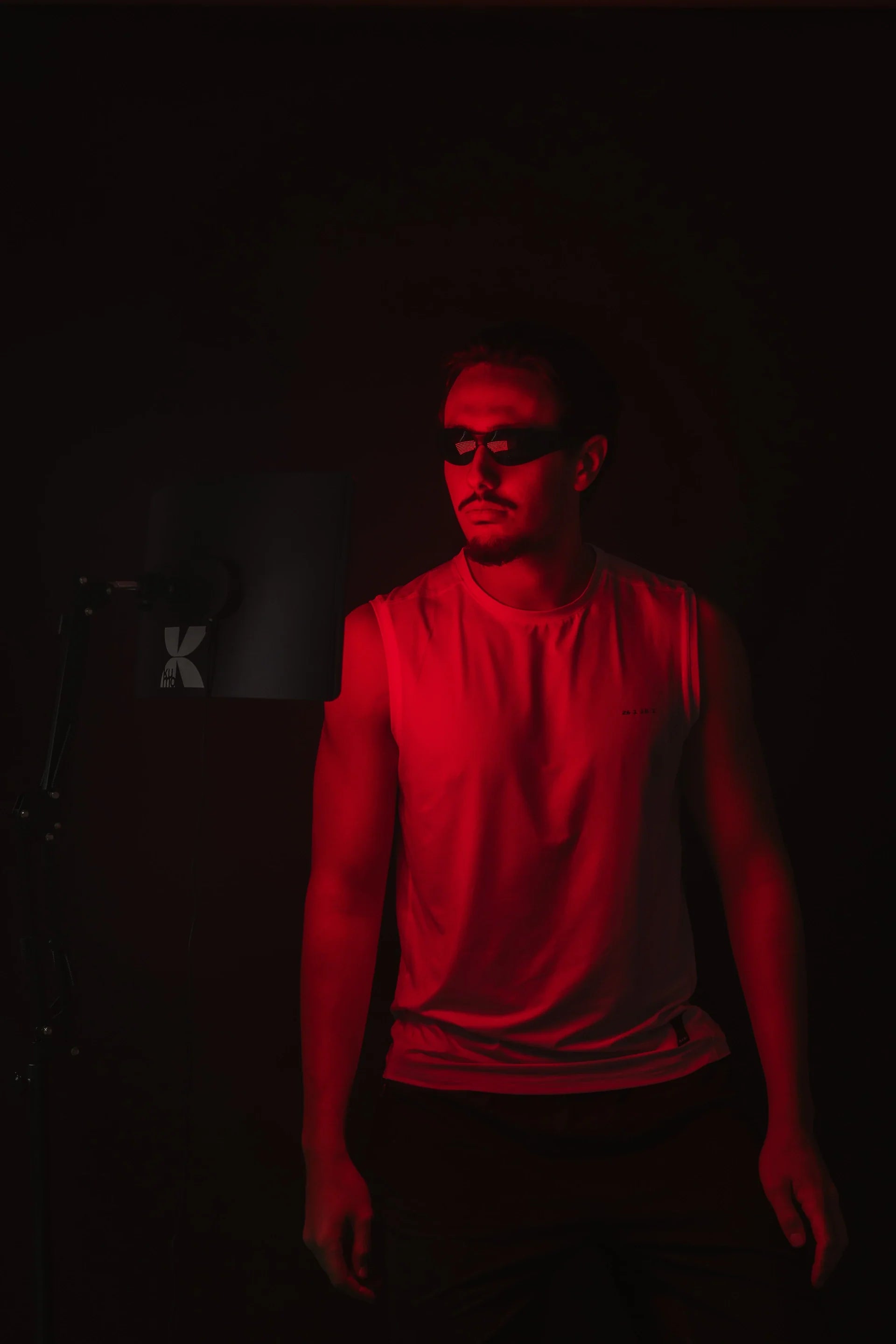
The KumoLux panel supports muscle recovery with full-body red and infrared light.
- 660 nm red + 850 nm infrared light
- Full-body muscle recovery
- Clinically validated biohacking protocols
€399,00€499,00
−10% on your 1st order when you subscribe to the newsletter

Furthermore, recent surveys show that around 32% of adults practice some form of self-care daily, and almost half do so at least once a week, primarily to reduce stress and improve their physical and emotional well-being. ( business.yougov.com )
Proven benefits of a daily self-care ritual
Less stress and a better mood
The main motivation for many people to incorporate self-care at home is to manage stress and feel emotionally better. Studies and surveys in the United States and Europe indicate that between 40% and 50% of those who practice self-care report a clear reduction in stress and improvements in their mental health. ( business.yougov.com )
Personalized protocol · included with your purchase
Want us to tell you how to use it in your case?
With your purchase, our experts set up your red and infrared light sessions for your sport and goal.
Message us on WhatsAppOur experts reply · no obligation
Simple actions like a hot bath, a short breathing session, or a home spa ritual are associated with a greater sense of calm and happiness. ( businesswire.com ) What matters is not the complexity of the practice, but its regularity: small gestures repeated every day have more impact than big, sporadic "escapes."
Better health and energy in the long term
Self-care at home also includes habits that prevent illness, such as moving more, eating better, and getting enough sleep. The WHO considers regular physical activity an essential form of self-care and estimates that it can prevent approximately 3.9 million premature deaths each year. ( who.int )
Similarly, monitoring your blood pressure, controlling glucose levels in people with diabetes, or using home health tools responsibly (from blood pressure monitors to recovery devices) are all part of a proactive approach to maintaining your energy and functionality over time. ( who.int )
on your first order when you join the newsletter
We send you the code instantly. No spam.
A more restful night's sleep
Sleep is one of the cornerstones of self-care. Simple bedtime routines, such as reading for just six minutes, have been shown to reduce stress levels by up to 68%, promoting deeper sleep. ( tomsguide.com ) Psychological interventions focused on sleep hygiene have also been shown to improve sleep quality and reduce insomnia in various population groups. ( arxiv.org )
When designing a nightly self-care ritual at home, the goal is to send your brain a clear signal to "slow down": dim the lights, limit screen time, do gentle stretches, or apply recovery technologies that facilitate physical and mental relaxation.
How to design your daily self-care ritual at home
Basic principles: simple, realistic, and consistent
Before thinking about tools or products, define the philosophy of your at-home self-care ritual:
- Simplicity : 10-15 well-spent minutes is better than an unrealistic one-hour plan.
- Realism : adapt the practices to your context (children, work, available space).
- Consistency : prioritize habits that you can repeat almost daily.
- Active listening : adjust your ritual according to how your body feels (gentler on days of fatigue, more energizing when you are full of energy).
Morning ritual: energize the body and focus the mind
A short morning routine can set the tone for the entire day. Example of a 10–20 minute sequence:
- Mindful hydration (2 minutes) : a glass of water, breathing deeply while you drink it.
- Gentle mobility (5 minutes) : joint circles, spine and hip stretches.
- Light and breathing (3–5 minutes) : Look out the window or balcony to receive natural light while taking deep nasal breaths.
- Intention of the day (2–5 minutes) : write in a notebook what you need today (more calm, focus, kindness to yourself, etc.).
If you train in the mornings, you can add a short recovery session afterwards (for example, muscle release with specific tools) to avoid accumulating tension during the rest of the day.
Evening ritual: recovering and preparing for sleep
Your ideal nighttime ritual should help you "slow down." Some ideas:
- Gradual digital disconnection : try to put your mobile phone away 30–60 minutes before going to sleep.
- Relaxing reading : A few minutes of light reading can significantly reduce stress. ( tomsguide.com )
- Stretching or gentle yoga : 5–10 minutes focused on tense areas (back, neck, legs).
- Body care routine : warm shower, skin hydration, self-massage or recovery technologies that facilitate muscle relaxation.
The key is to repeat a similar pattern every night so that your brain associates it with the start of sleep.
Advanced physical self-care: home recovery technologies
In addition to basic habits, recovery technologies now exist that allow you to bring home protocols previously reserved for clinics or sports centers. Brands like KUMO specialize in high-end devices designed to integrate aesthetics, performance, and well-being into a single daily care ritual.
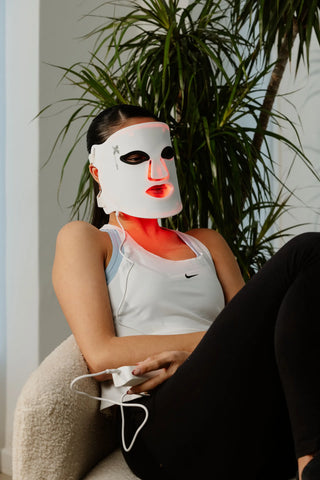
Red light therapy and LED masks for skin and recovery
Red light therapy and LED devices for facial and body use have become popular due to their potential benefits for skin, pain, and muscle recovery. Recent reviews indicate that certain wavelengths in the red and near-infrared range can stimulate cellular activity, promote collagen production, and help modulate inflammation and pain. ( webmd.com )
At home, sessions of 10–20 minutes are usually used, 2 to 5 times per week, always following the manufacturer's instructions and, if possible, with the guidance of a health or skin professional. ( health.com ) Devices such as KUMO LED masks and red light therapy lamps allow you to incorporate these protocols into your nighttime self-care routine, dedicating specific time to regeneration.
If you are interested in learning more about this type of recovery technology, you can explore the range of LED light therapy devices for home use.
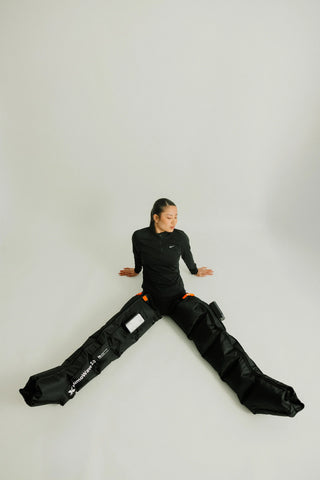
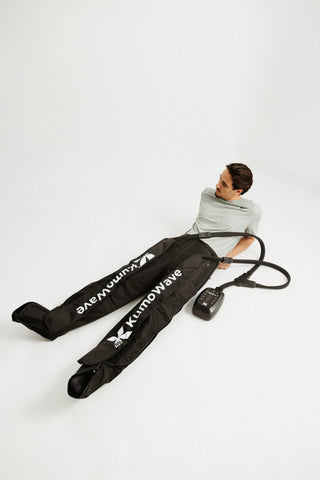
Compression therapy boots for tired legs and circulation
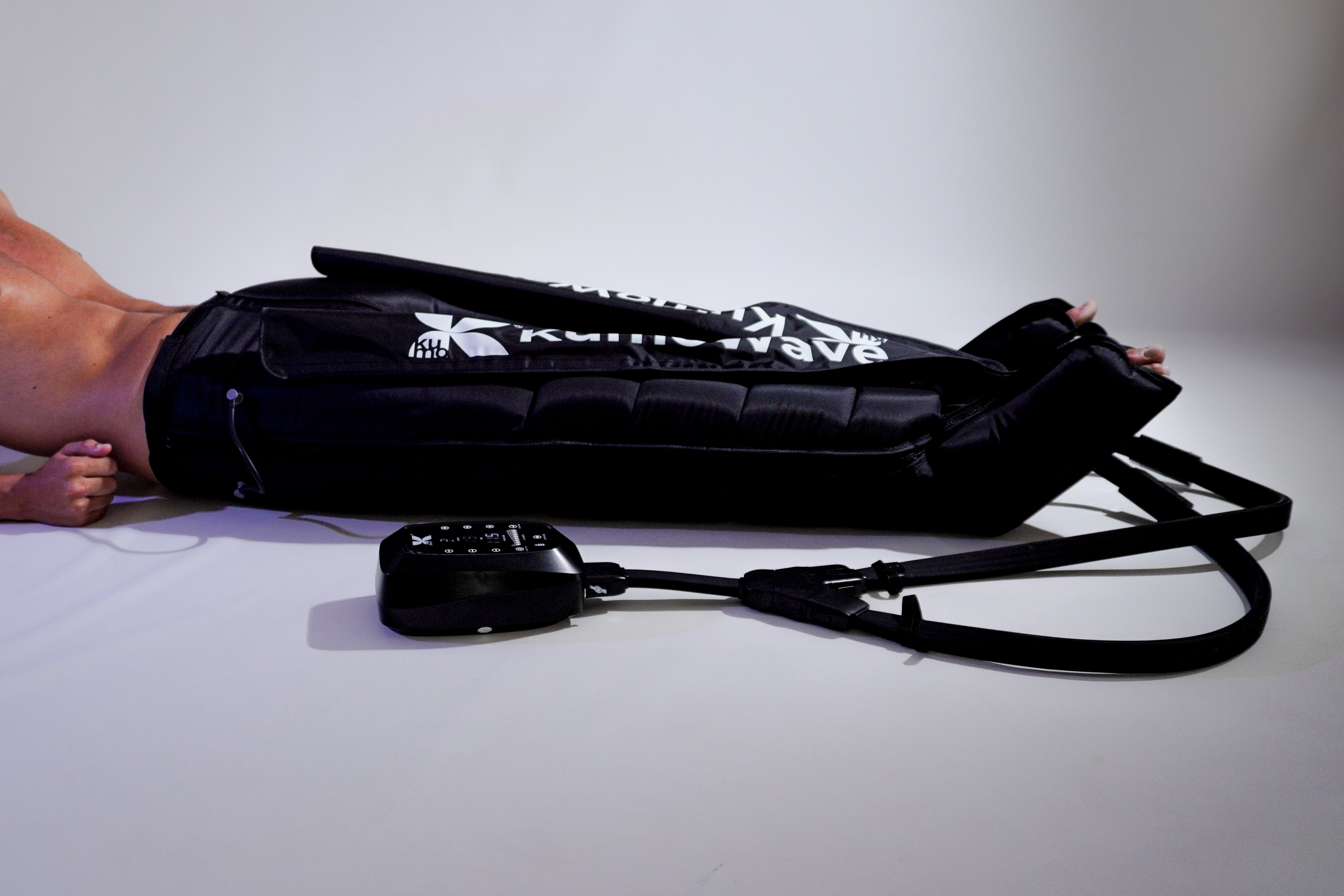
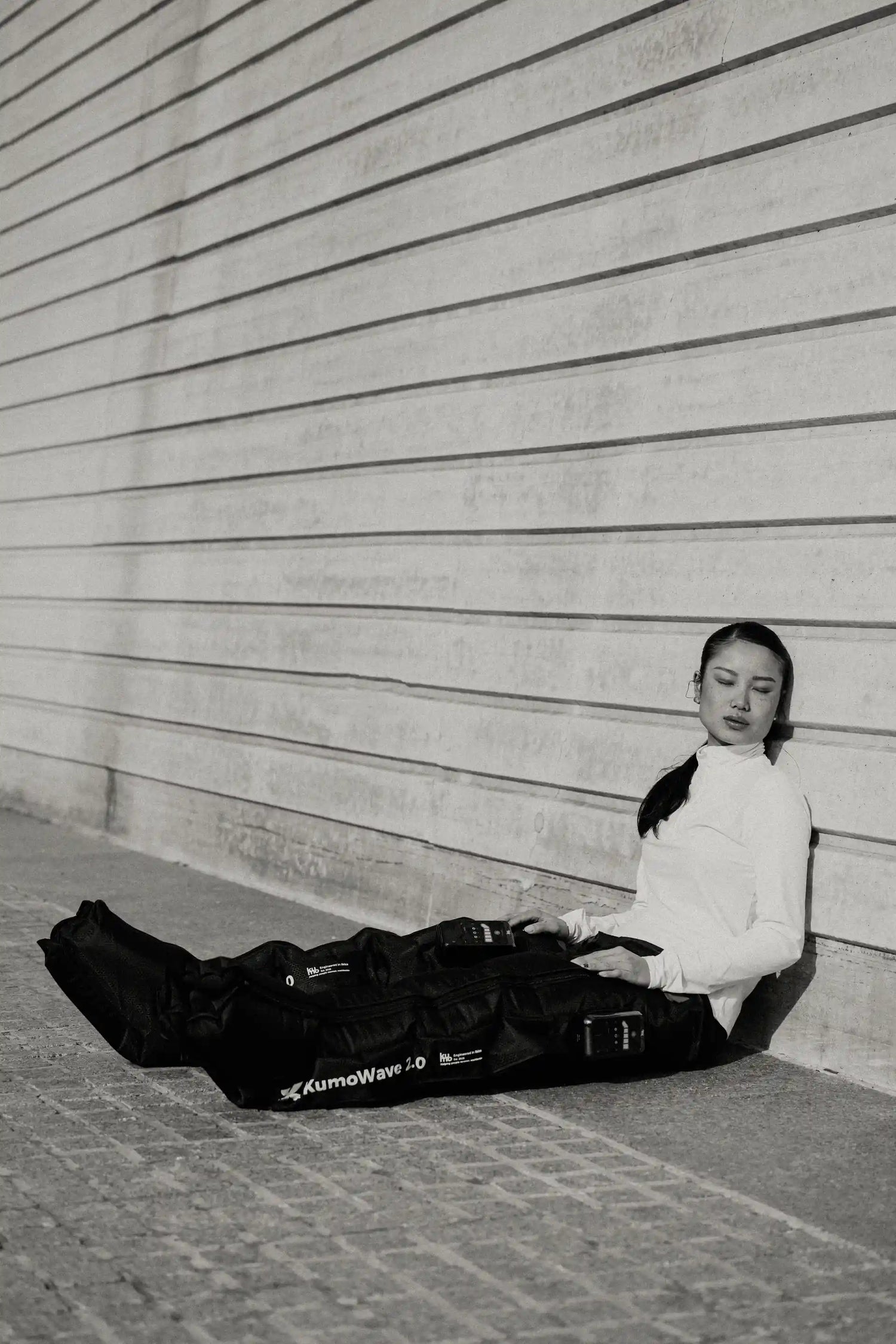
Compression therapy boots apply intermittent pneumatic compression to the legs using air chambers that inflate and deflate sequentially. Studies in healthy populations have shown that this type of compression can significantly increase blood flow to the extremities during exercise and the recovery phase, which could promote better elimination of metabolites and a feeling of lighter legs. ( pubmed.ncbi.nlm.nih.gov )
In clinical settings, compression and pressotherapy are considered part of the standard treatment for venous problems and leg ulcers, aiding venous return and reducing edema, always under medical supervision. ( journals.cambridgemedia.com.au ) In the context of self-care at home, compression boots from specialized brands such as KUMO can be used to relieve the feeling of heaviness after many hours on your feet or after training, always respecting contraindications (for example, specific cardiovascular or vascular diseases, where it is essential to consult a professional).
If you're looking to improve your leg recovery at home, you can check out our line of pressotherapy boots designed for home use.
Percussion massage guns for muscle relaxation
Percussion massage guns have become popular among athletes and users seeking rapid muscle tension relief. A recent controlled trial found that percussion massage therapy may be more effective than static stretching in accelerating recovery from delayed onset muscle soreness (DOMS), improving both perceived pain and performance parameters. ( pubmed.ncbi.nlm.nih.gov )
However, like any powerful tool, it must be used judiciously. At least one case of severe rhabdomyolysis has been described in connection with the improper use of a massage gun in a person with untreated anemia, highlighting the need to apply moderate pressure and duration and to avoid injured areas or risk factors for medical conditions. ( pubmed.ncbi.nlm.nih.gov )
Integrating a massage gun like the KUMOPULSE Air into your home self-care routine can help you relax particularly tense areas (quadriceps, calves, upper back) after training or at the end of the day, always following the usage recommendations and, if in doubt, consulting a health professional.
Example of a daily recovery routine using technology
| Time of day | Main tool | Aim | Approximate duration* | Safe usage recommendations |
|---|---|---|---|---|
| Tomorrow (post-light training) | Massage gun | Reduce tension in large muscle groups | 5–10 min total | Avoid joints and areas of acute pain; low-medium intensity |
| Late (after work) | Pressotherapy boots | Relieve heavy legs and promote venous return | 15–30 min | Do not use in case of vascular disease without medical supervision. |
| Night (before going to sleep) | Red light mask/panel | Skin care and general relaxation | 10–20 min | Protect your eyes if necessary; follow the manufacturer's instructions. |
| Days of high fatigue | Breathing + gentle stretching | Regulate the nervous system and improve sleep | 10–15 min | Prioritize pain-free movements and comfortable breathing |
*These times are guidelines and should be adapted to the technical specifications of each device and the recommendations of your healthcare professional.
Mental and emotional self-care without leaving home
Stress regulation microhabits
Mental self-care doesn't require large blocks of time. You can integrate 2-5 minute "micro-breaks" throughout the day:
- Diaphragmatic breathing : inhale through the nose for 4 seconds, exhale for 6–8 seconds, for 1–3 minutes.
- Body scan : close your eyes and mentally scan your body, relaxing your shoulders, jaw, and abdomen.
- Visual pause : look out the window at a distant point, taking your eyes off the screen.
These micro-interventions help to "reset" the nervous system and, when practiced daily, can contribute to less reactivity to stress and a greater sense of control over one's day.
Digital disconnection and time management
Much of today's mental exhaustion stems from the continuous use of screens. As part of your self-care at home, you can:
- Define blocks without mobile phone use (for example, during meals and the last hour before going to sleep).
- Set time limits for social media.
- Use airplane mode or "do not disturb" during your morning and evening rituals.
Reducing stimuli allows practices like reading, journaling, or even light therapy to become moments of true presence, not just activities you do "on autopilot." ( tomsguide.com )
Create a space at home that invites relaxation
You don't need an extra room to have a self-care corner; a small space where your brain associates "pause and calm" is enough. You can include:
- Warm or dimmable lighting.
- A comfortable armchair or floor mat.
- A place for your recovery tools (book, notebook, KUMO devices, etc.).
- The least possible visual clutter.
Studies on sleep hygiene highlight that an orderly environment, with soft colors and few stimuli, promotes more restorative sleep and a better sense of overall well-being. ( tomsguide.com )
How to maintain the habit: from “whim” to lifestyle
The biggest challenge of self-care at home isn't starting, but sticking with it. Here are some practical tips:
- Think in terms of “micro-habits” : 5 minutes a day is better than 40 once a week.
- Stack habits : associate your recovery device or gentle exercise with something you already do (e.g., LED mask while reading).
- Record your sensations : for a few weeks, write down how you sleep, how your muscles feel, or your stress level.
- Respect your limits : if unusual pain, dizziness or discomfort occurs, reduce or stop practicing and consult a professional.
Remember that the goal is not to "make it perfect", but to build a kinder and more responsible relationship with your own body and mind.
Frequently asked questions about self-care at home
What does a good at-home self-care ritual for beginners include?
If you're just starting out, focus on three key pillars: gentle movement , rest , and stress management . For example, in the morning you could do 5–10 minutes of joint mobility and breathing exercises; during the day, take short breaks to get up, hydrate, and step away from screens; and in the evening, follow a simple routine with reading, gentle stretching, and skincare. If you add recovery technologies (such as pressotherapy, red light therapy, or massage guns), do so gradually and always follow the manufacturer's instructions and, if you have pre-existing conditions, the guidance of your healthcare professional.
How much time should I dedicate each day to self-care without feeling guilty?
There's no magic number, but many experts agree that 15 to 30 minutes of structured self-care a day is a reasonable goal for most adults. ( business.yougov.com ) You can break it up into smaller blocks (for example, 10 minutes in the morning and 10 in the evening) to better fit your schedule. The important thing is that this time is intentional : uninterrupted, free from multitasking, and with practices that truly contribute to your well-being. Think of it as a small investment in sustaining your performance, mental health, and relationships.
Is it safe to use red light therapy, pressotherapy, or massage guns at home?
In healthy individuals, and when using approved devices according to the manufacturer's instructions, these tools are generally considered low-risk, although evidence is still developing. ( webmd.com ) It is essential to respect recommended times and frequencies, avoid maximum initial intensities, and not apply to areas with wounds, acute inflammation, or infections. If you suffer from cardiovascular disease, coagulation disorders, neuropathies, a high-risk pregnancy, or other relevant conditions, always consult your doctor before incorporating pressotherapy, light therapy, or percussion massage into your routine.
How can I combine physical and mental self-care in my daily life?
The simplest way is to design hybrid rituals . For example: while using a red light mask, you can practice diaphragmatic breathing or guided meditation; during a pressotherapy session, take the opportunity to do a gratitude exercise or journaling; after a brief percussion gun massage, do a few minutes of mindful stretching. This way, in the same block of time, you simultaneously care for your body (muscles, circulation, skin) and your mind (mindfulness, emotional management). This integration increases the likelihood that you will experience overall benefits and maintain consistency.
What do I do if I can't be consistent with my self-care routine?
It's very common to start with motivation and then give up after a few weeks. First, lower your expectations: instead of aiming for 30 minutes a day, commit to 5 minutes that you can realistically achieve. Second, identify specific barriers (lack of time, space, or energy) and devise specific solutions, such as having your recovery devices ready or scheduling your sessions on your calendar. Third, seek support: sharing goals with family or friends can help you maintain the habit. And above all, avoid the "all or nothing" mentality: one bad day doesn't invalidate your entire process.
So what's next?
If you want to take your at-home self-care to the next level, you can explore KUMO's recovery technology solutions to complement your daily movement, rest, and stress management habits at kumobalance.com . And if you need more personalized guidance on which device best suits your needs (skin, tired legs, muscle recovery, etc.), you can contact the team through the contact page for advice tailored to your situation.

Red & infrared light
KumoLux Panel – Red and Infrared LED Panel
★★★★★ 4,8/5 · rated by verified customers
- 660 nm red + 850 nm infrared light
- Full-body muscle recovery
- Clinically validated biohacking protocols
€399,00€499,00· pay in installments with seQura or Klarna