Introduction: the new meaning of “antiaging”
Anti-aging is no longer about looking 20 years younger.
In 2026, talking about anti-aging means delaying biological aging, maintaining physical and mental functionality for as long as possible, and gaining years of life with quality. The WHO estimates that the proportion of people over 60 worldwide will almost double between 2015 and 2050, rising from 12% to 22%, making healthy aging a global priority. ( who.int )
Red & infrared light
Recover faster, at home
★★★★★ 4,8/5 · rated by verified customers
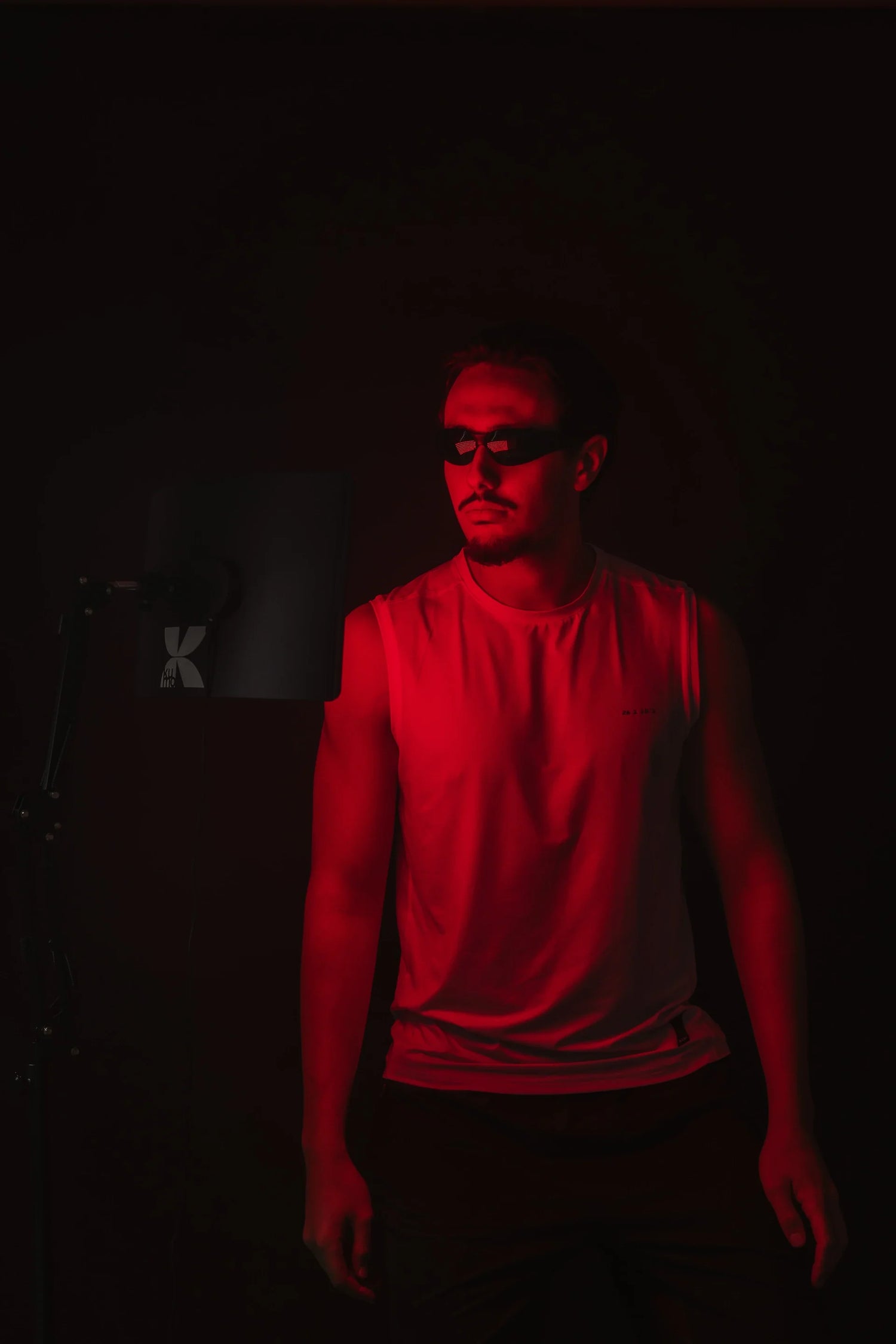
The KumoLux panel supports muscle recovery with full-body red and infrared light.
- 660 nm red + 850 nm infrared light
- Full-body muscle recovery
- Clinically validated biohacking protocols
€399,00€499,00
−10% on your 1st order when you subscribe to the newsletter

In this guide you will see, in a practical and evidence-based way, how to combine daily habits and recovery technologies — such as red light, pressotherapy and massage guns — to build a 360° anti-aging strategy for body and mind.
1. What is anti-aging really in 2026?
Chronological aging vs. biological aging
Chronological age is like the number of candles on your cake. Biological age is how your body functions: muscle strength, memory, cardiovascular health, skin quality, and so on. Two 60-year-olds can have very different "biological states" depending on their physical activity, sleep, nutrition, and stress management.
Personalized protocol · included with your purchase
Want us to tell you how to use it in your case?
With your purchase, our experts set up your red and infrared light sessions for your sport and goal.
Message us on WhatsAppOur experts reply · no obligation
Modern anti-aging strategies focus on reducing the rate of cell damage (chronic inflammation, oxidative stress, glycation) and enhancing repair mechanisms (autophagy, collagen synthesis, neuronal plasticity).
From “anti-wrinkle” to comprehensive healthy aging
For years, the term anti-aging was associated almost exclusively with facial cosmetics. Today, the evidence is clear: without good muscle mass, restful sleep, a stable metabolism, and mental health, no anti-aging cream can compensate. The current approach integrates:
- Lifestyle : movement, nutrition, rest and emotional balance.
- Support technologies : photobiomodulation (red light/LED), pneumatic compression, percussive massage, etc.
- Medical prevention : check-ups, risk factor control and professional follow-up when necessary.
2. Scientific pillars of healthy aging
Daily movement and muscle strength
Loss of muscle mass and strength (sarcopenia) is one of the clearest markers of accelerated aging. Clinical trials in older adults show that strength training and simple exercises—such as sitting down and standing up from a chair, climbing stairs—improve mobility and balance and reduce the risk of falls. ( pubmed.ncbi.nlm.nih.gov )
on your first order when you join the newsletter
We send you the code instantly. No spam.
Practical tips:
- At least 2–3 weekly strength training sessions (with body weight or light loads).
- Walk briskly for 30 minutes a day or accumulate 7,000–8,000 steps.
- Balance exercises (standing on one foot, walking in a line) several days a week.
Nutrition that protects your cells
There is no single "anti-aging diet," but the most evidence-based patterns are those rich in vegetables, fruits, legumes, fish, and healthy fats (such as the Mediterranean diet). These are associated with a lower risk of cardiovascular disease, cognitive decline, and overall mortality. The key is to reduce glucose spikes and avoid excessive consumption of ultra-processed foods, sugars, and trans fats.
Elements to prioritize:
- Sufficient protein (approx. 1.2–1.6 g/kg/day in active adults, unless otherwise medically indicated).
- Sources of omega-3 (oily fish, chia or flax seeds).
- Foods rich in polyphenols (red fruits, extra virgin olive oil, green tea).
Restful sleep and stress management
Poor sleep accelerates aging: it increases insulin resistance, worsens mood, and affects the immune system. Recent studies with photobiomodulation (red and near-infrared light) show improvements in well-being, reduced daytime sleepiness, and improved sleep parameters, especially with appropriate doses and repeated applications. ( pubmed.ncbi.nlm.nih.gov )
In addition to good sleep hygiene (regular schedules, reducing screen time before bed), tools such as diaphragmatic breathing, brief meditation, or low-intensity red light at night can facilitate relaxation.
Mind, purpose, and relationships
Healthy longevity is not just physical. People with strong social connections, a sense of purpose, and cognitively challenging activities (learning languages, playing an instrument, etc.) show less cognitive decline and better mental health in old age in numerous population studies.
Integrating moments of daily connection—a phone call, a walk together, a group activity—is an anti-aging intervention as important as going to the gym.
3. Anti-aging for the skin: from basic protection to LED light
Basic habits that are worth more than any cream
Chronic exposure to UV radiation is the leading modifiable factor in skin aging (wrinkles, age spots, loss of firmness). The American Academy of Dermatology reminds us that daily sun protection with an SPF of 30 or higher helps prevent both photoaging and skin cancer. ( aad.org )
Your minimum anti-aging routine should include:
- Broad spectrum sunscreen SPF ≥30 every morning, all year round.
- Avoid sunburn and tanning beds.
- Wear sunglasses and a hat when the sun is strongest.
- No smoking and limit indoor pollution (ventilate, do not cook without extraction, etc.).
Ingredients with evidence: retinoids and antioxidants
Topical retinoids (vitamin A derivatives) are among the most studied anti-aging actives. A 2024 meta-analysis confirms that tretinoin significantly improves wrinkles in photoaged skin compared to vehicle-only. ( pubmed.ncbi.nlm.nih.gov ) Studies with other retinoids (such as retinyl retinoate) also show a reduction in fine wrinkles and an improvement in texture. ( pubmed.ncbi.nlm.nih.gov )
General recommendations (under dermatological supervision if your skin is sensitive):
- Introduce the retinoid gradually (2–3 nights/week) and increase according to tolerance.
- Always combine with adequate hydration and strict sun protection.
- Avoid during pregnancy and breastfeeding unless medically advised.
Topical antioxidants (vitamin C, E, niacinamide, resveratrol) help neutralize free radicals and enhance the effect of sunscreen, but they do not replace sun protection.
Red LED light therapy: regeneration and collagen
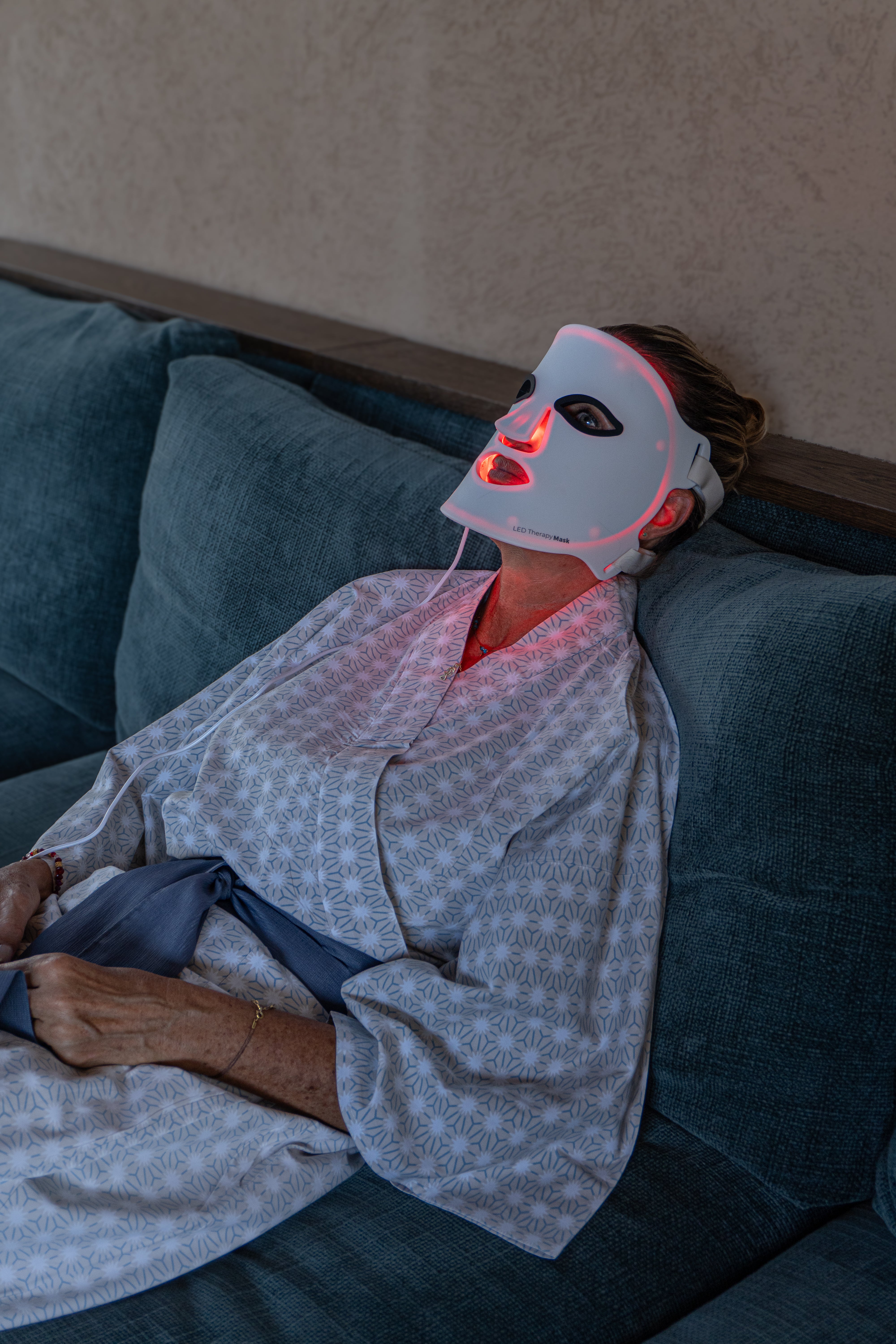
Red LED light therapy , or photobiomodulation, uses specific wavelengths (usually around 630–850 nm) at low power to stimulate cellular processes without heat or damage. In a trial with 136 volunteers, two protocols—red and polychromatic light—applied twice weekly for 30 sessions significantly improved skin texture, intradermal collagen density, and perceived skin appearance compared to controls. ( pubmed.ncbi.nlm.nih.gov )
LED therapy devices for facial and body care allow you to bring this type of stimulation home, provided they are used safely and according to the manufacturer's instructions. They are not a substitute for medical treatments, but they can be a valuable complement to your sun protection, hydration, and retinoid routines.
Potential benefits of red/near-infrared light, according to the literature:
- Stimulation of collagen and elastin synthesis.
- Improvement of cutaneous microcirculation.
- Slight reduction of fine wrinkles and skin roughness with consistent use.
4. Muscle recovery and physical longevity
Recovery as “invisible training”
Muscle ages faster when subjected to constant stress without enough time to repair itself. A combination of training, rest, and recovery techniques reduces the risk of overuse, injury, and chronic fatigue—essential from age 30–40 onward if you want to maintain a functional body.
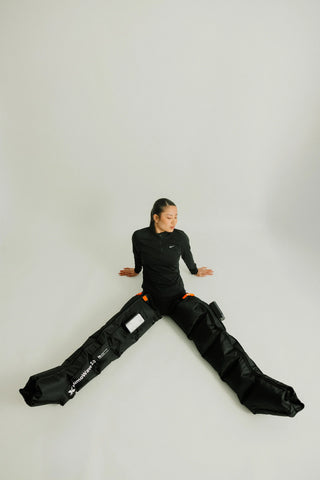
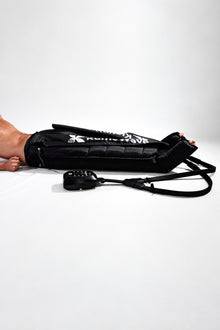
In addition to gentle stretching, hydration and sleep, technological tools aimed at optimizing recovery have gained prominence: pressotherapy , massage guns and red light therapy , among others.
Pressotherapy: activation of circulation and relief from tired legs
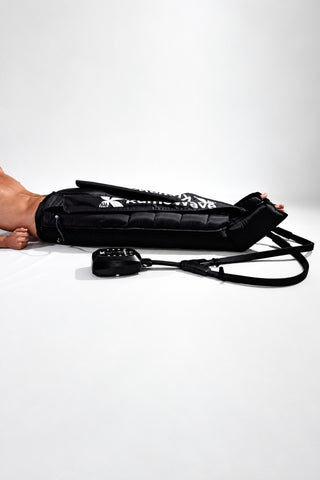
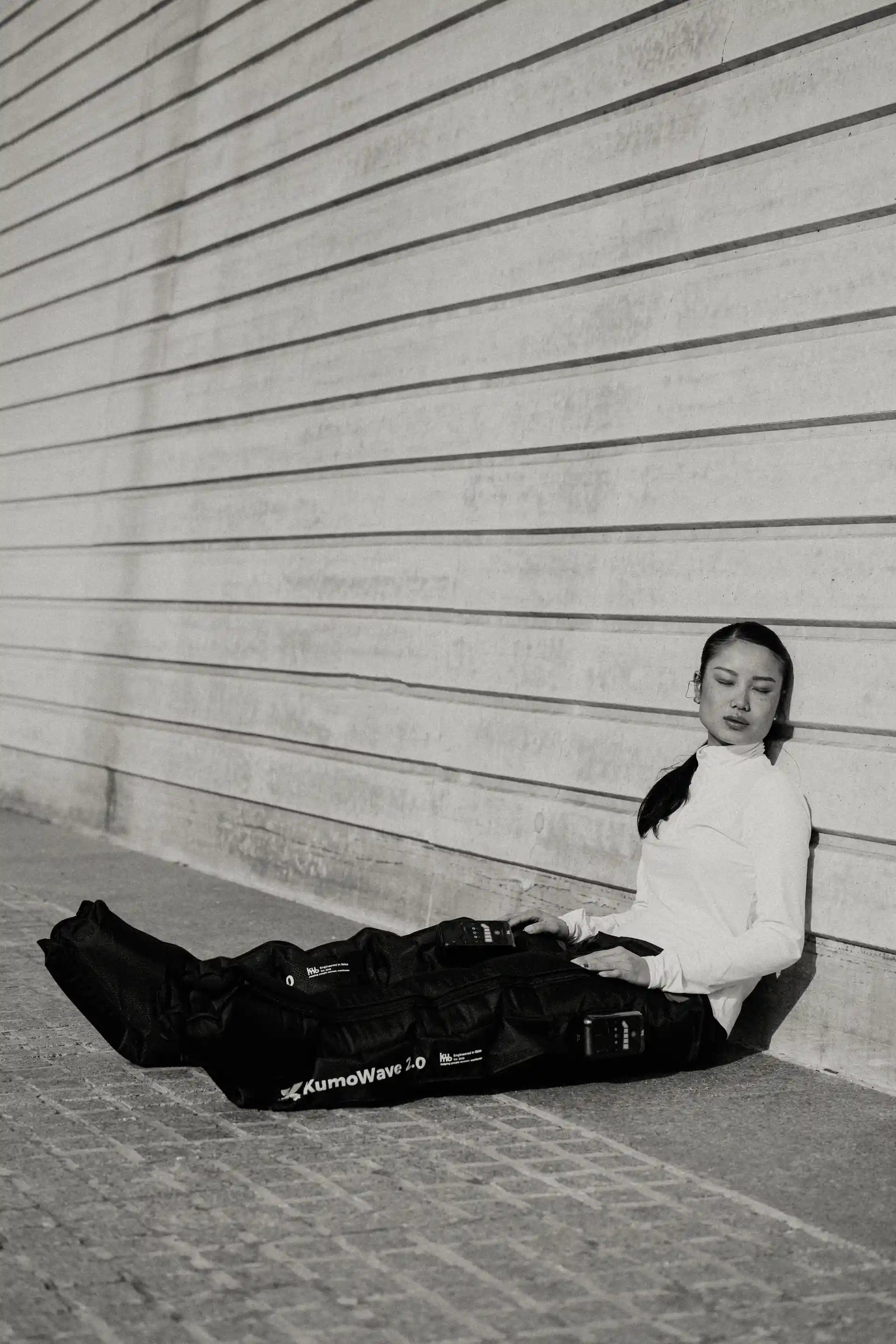
Intermittent pneumatic compression therapy uses boots or cuffs that inflate and deflate in programmed sequences to compress the legs. It has been used in medicine to improve venous and lymphatic return, and systematic reviews suggest it may accelerate the healing of venous ulcers when added to standard compression, although the evidence remains moderate and protocol-dependent. ( cochrane.org )
In a wellness context, compression boots for home use are used as support for:
- Relieve the feeling of heaviness and tired legs after many hours of standing or sitting.
- Promote recovery after intense training.
- Introduce a moment of deep relaxation at the end of the day.
If you have a history of thrombosis, serious vascular disease, or are pregnant, it is important to discuss the use of any compression device with your healthcare professional.
Massage guns: percussive therapy and DOMS
Massage guns apply rapid, low-amplitude mechanical stimuli to the muscle. A 2025 controlled trial with physically active young men found that percussive therapy applied in two long sessions (40 minutes) reduced delayed onset muscle soreness (DOMS) better than static stretching and shorter sessions. ( pubmed.ncbi.nlm.nih.gov ) Other studies, with shorter protocols, have not observed large improvements in performance, indicating that the effects depend largely on the duration and area treated. ( pubmed.ncbi.nlm.nih.gov )
As a wellness tool, a quality massage gun can help you:
- Reduce the feeling of stiffness after exercise.
- Prepare the muscle before warming up (with moderate intensities).
- Improve the perception of muscle relaxation at the end of the day.
Avoid applying it to joints, inflamed areas, wounds, or directly to bone, and adjust the intensity to a comfortable, non-painful sensation.
Red light for muscle recovery and sleep
Recent studies of photobiomodulation with near-infrared light in people with mild sleep complaints show improvements in well-being, reduction of daytime sleepiness, and physiological markers such as resting heart rate with adequate doses. ( pubmed.ncbi.nlm.nih.gov ) Other studies applying light to the skull (tPBM) in patients with chronic insomnia have observed a significant improvement in sleep quality indices compared to placebo. ( pubmed.ncbi.nlm.nih.gov )
In the context of recovery, red body light therapy aims to:
- Promote relaxation of the nervous system before sleep.
- To reduce certain mild discomforts associated with muscle overload.
- Fit into nighttime routines by replacing intense blue light with warm, dim light.
5. 360° anti-aging strategy: how to organize your routine
Basic daily plan
Example of a realistic “anti-aging” day (adjust it to your context and health):
- Morning : glass of water, 10-15 minute walk outdoors, protein-rich breakfast, application of sunscreen and, if you use it, topical antioxidant.
- Midday : a meal with plenty of vegetables, legumes or fish, avoiding excess fast sugars.
- Afternoon : 20–40 minutes of physical activity (brisk walking, strength, mobility).
- Night : light dinner, disconnect from screens 60 minutes before bed, facial care routine with gentle cleansing, retinoid according to tolerance and moisturizer; optionally, short red light session or self-massage.
Strategic use of recovery technologies
To integrate recovery technologies in a way that is consistent with your physical longevity goals:
- 2-3 days/week : pressotherapy session after leg workouts or very sedentary days.
- After training : 5–15 minutes of massage gun on the worked muscle groups, avoiding excessive overload.
- 3–5 nights/week : use of a red LED light mask or panel for skin or body, following the recommended times and distances.
The key is not to use every device every day, but to choose the tools that best fit your lifestyle and be consistent.
Summary table of anti-aging tools for the body and mind
| Tool | Main objective | Summarized scientific evidence | How to integrate it into your routine |
|---|---|---|---|
| Daily sun protection | Preventing photoaging and skin cancer | The AAD recommends daily SPF ≥30 to reduce UV damage and premature aging. ( aad.org ) | Every morning as the last step in facial care and on exposed areas (face, neck, hands). |
| Topical retinoids | Improve fine lines, texture and blemishes | Meta-analysis of 8 trials confirms significant improvement in wrinkles with tretinoin versus vehicle. ( pubmed.ncbi.nlm.nih.gov ) | Apply at night, 2–3 times/week initially; increase according to tolerance and always with sun protection. |
| Red LED light (PBM) | Stimulate collagen, improve texture and support recovery | Trials show improvement in skin roughness and collagen density after 30 sessions compared to a control group. ( pubmed.ncbi.nlm.nih.gov ) | Short sessions, several times a week, as a complement to your care and rest routine. |
| Pneumatic pressotherapy | Promotes venous return and a feeling of light legs | Cochrane reviews indicate possible additional benefit in venous ulcers when added to standard compression. ( cochrane.org ) | 2–4 sessions/week after intense training or long periods of standing/sitting; consult a doctor if there is vascular pathology. |
| Massage guns | Relieve DOMS and muscle stiffness | A 2025 RCT found better recovery from DOMS with long sessions of percussive therapy versus stretching. ( pubmed.ncbi.nlm.nih.gov ) | Apply 5–15 min to specific muscle groups after exercise or on days of high physical exertion. |
6. Frequently Asked Questions about Anti-aging
What is anti-aging and at what age should it begin?
Anti- aging encompasses all strategies aimed at maintaining physical and mental health for as long as possible: diet, exercise, sleep, stress management, skincare, and, in some cases, medical interventions. There is no "magic" age to start. In fact, many benefits are greater when healthy habits are adopted from the age of 20–30 (sun protection, not smoking, regular physical activity). However, it's never too late: even at 60–70, building strength, improving sleep, or paying more attention to nutrition can result in greater functionality, energy, and well-being.
Does red light therapy really work against wrinkles?
Current studies indicate that photobiomodulation with red and near-infrared light, applied with appropriate parameters, can moderately improve skin texture, fine roughness, and collagen density when used consistently for weeks or months. ( pubmed.ncbi.nlm.nih.gov ) It is not an "instant eraser" of deep wrinkles, nor does it replace medical procedures, but it can be a good complement to daily sun protection, topical retinoids, and a well-designed skincare routine. It is important to choose reputable devices, follow the recommended times, and avoid looking directly at the lights without proper eye protection.
Is pressotherapy safe for home use?
Pneumatic compression therapy has been used for years in clinical settings to promote venous and lymphatic return, and studies indicate that it can be helpful as part of the treatment for some vascular conditions when used under medical supervision ( cochrane.org ). Home-based wellness devices use adapted pressures and programs, but they are not suitable for everyone. You should consult a healthcare professional if you have a history of thrombosis, heart failure, peripheral arterial disease, recent surgery, or are pregnant. In healthy individuals, using them as directed and respecting rest periods is generally considered reasonable.
How often should you use a massage gun for recovery?
There is no single consensus, but many trainers and physical therapists recommend short sessions (5–15 minutes) on specific muscle groups after exercise or on days of high muscle strain, avoiding aggressive daily use on the same area. The 2025 trial that observed the best results for DOMS used two longer sessions after exertion, but this was conducted in a controlled setting with young, healthy participants. ( pubmed.ncbi.nlm.nih.gov ) As a general rule, adjust the pressure to a comfortable, non-painful sensation, avoid joints and inflamed areas, and if you have a musculoskeletal or vascular condition, consult your physical therapist or doctor.
What is more important for anti-aging: creams or lifestyle habits?
If your goal is healthy aging overall, lifestyle habits matter far more than any cosmetic product: not smoking, exercising daily, strength training, getting enough sleep, managing stress, and protecting yourself from the sun. Creams and treatments—including retinoids, antioxidants, and LED light therapy—are excellent allies, especially for the skin, but they can't compensate for a very unhealthy lifestyle. A smart approach combines both worlds: first, building a solid foundation (nutrition, activity, rest), and then adding well-chosen products and technologies to optimize results for skin, muscle recovery, and daily well-being.
So what now? Your next step on the anti-aging journey
If you want to start applying this guide, choose just one area to improve this month: perhaps moving more, increasing your sun protection, or setting aside 10 minutes a day for your recovery routine. From there, you can gradually integrate technological tools like LED therapy , compression boots , or a massage gun that fit your lifestyle.
At KUMO, you'll find recovery solutions designed to make wellness a natural part of your daily life. If you're unsure which technology best suits your needs, you can contact the team for personalized guidance and to develop your own anti-aging strategy for body and mind.

Red & infrared light
KumoLux Panel – Red and Infrared LED Panel
★★★★★ 4,8/5 · rated by verified customers
- 660 nm red + 850 nm infrared light
- Full-body muscle recovery
- Clinically validated biohacking protocols
€399,00€499,00· pay in installments with seQura or Klarna