

Technology has also arrived in the field of aesthetics. Here I explain what aesthetic devices really are and what they're used for, from skin care to muscle recovery and sleep.
When we talk about aesthetic devices, we are referring to the set of technological devices and equipment that use energy (light, air pressure, vibration, electric currents, heat, cold…) to improve the appearance of the skin, promote circulation, support muscle recovery and, in general, optimize well-being without going through surgery.
Red & infrared light
Recover faster, at home
★★★★★ 4,8/5 · rated by verified customers
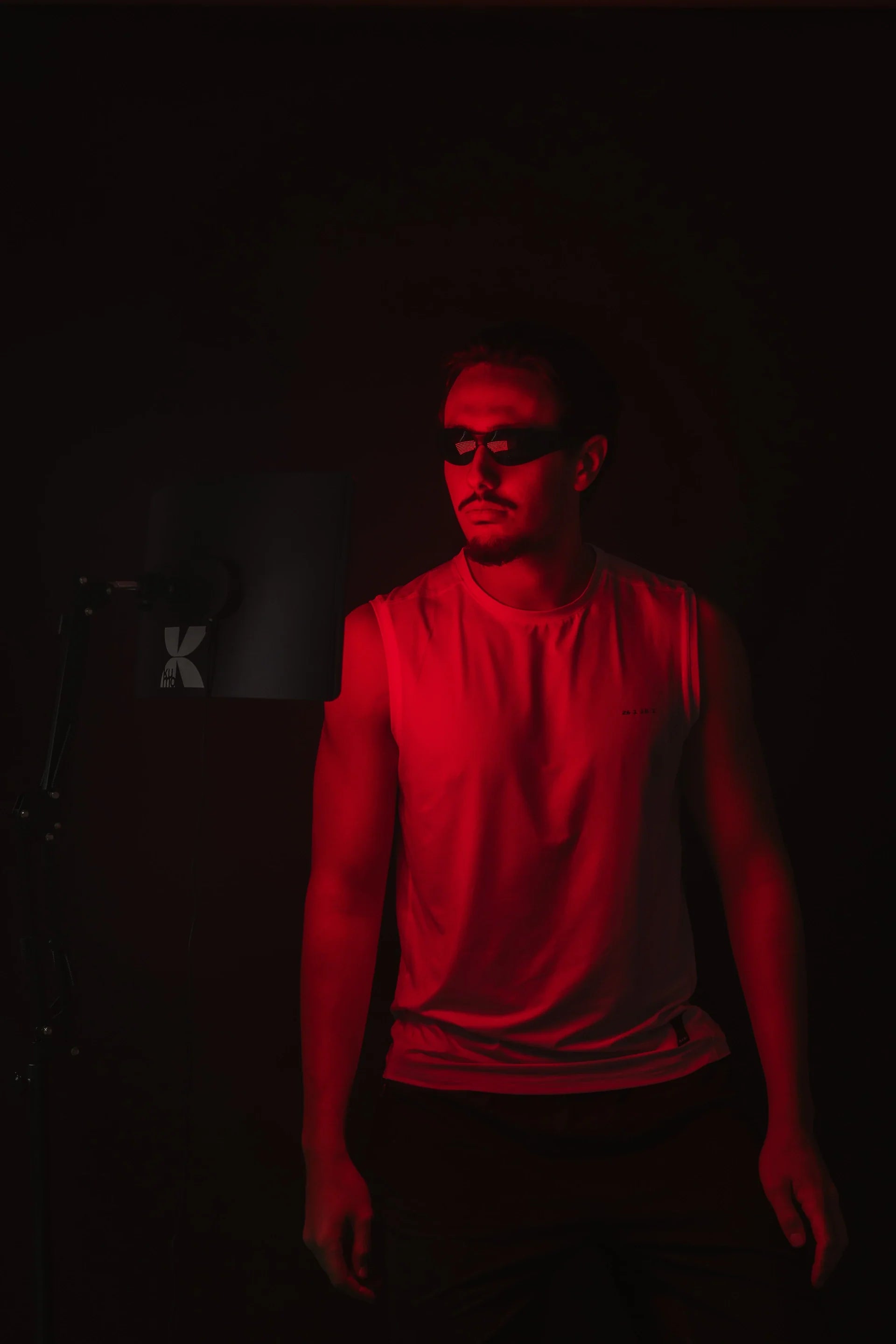
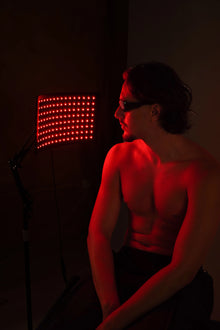
The KumoLux panel supports muscle recovery with full-body red and infrared light.
- 660 nm red + 850 nm infrared light
- Full-body muscle recovery
- Clinically validated biohacking protocols
€399,00€499,00
−10% on your 1st order when you subscribe to the newsletter

Specialized brands like KUMO have brought these technologies to the field of high-performance recovery , with solutions for home use that connect aesthetics, performance and daily health.
What exactly is aesthetic equipment?
Aesthetic devices encompass all the machines and devices used in facial and body aesthetics that act on the skin and tissues through different types of energy. Unlike plastic surgery, which involves invasive procedures and scalpels, these devices are usually non-invasive or minimally invasive and rely on mechanisms such as phototherapy, pressure, electrical or mechanical stimulation, among others. ( es.wikipedia.org )
Personalized protocol · included with your purchase
Want us to tell you how to use it in your case?
With your purchase, our experts set up your red and infrared light sessions for your sport and goal.
Message us on WhatsAppOur experts reply · no obligation
Within this umbrella we find technologies well known in beauty centers and medical-aesthetic clinics: intense pulsed light (IPL) for blemishes and hair removal, radiofrequency to stimulate collagen, ultrasound, pressotherapy, electrostimulation, low-energy lasers and LED devices, among others. ( es.wikipedia.org )
Basic principles: energy at the service of the skin and tissues
Almost all aesthetic devices are based on a simple idea: applying controlled energy to the body to trigger beneficial biological responses. Some examples:
- Visible and near-infrared light (LED, laser, IPL): stimulates skin cells, modulates inflammation, promotes collagen synthesis, and may help in the treatment of acne, photoaging, and other skin conditions. ( pubmed.ncbi.nlm.nih.gov )
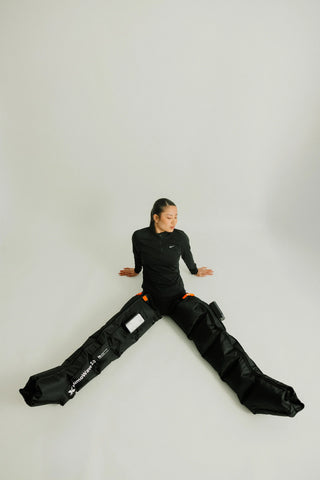
- Sequential air pressure (pressotherapy): exerts a “pneumatic massage” that boosts venous and lymphatic return.
- Percussive vibration (massage guns): provides high-frequency mechanical stimuli to relax muscle tissue and relieve the feeling of overload.
- Low-intensity electrical currents: used in passive exercise or microcurrents to tone or improve the firmness of certain areas. ( es.wikipedia.org )
The goal is not to "force" the body, but to take advantage of its natural regenerative capacity , guiding it with increasingly precise technologies.
on your first order when you join the newsletter
We send you the code instantly. No spam.
What is the purpose of aesthetic devices?
Facial results: luminosity, texture and skin aging
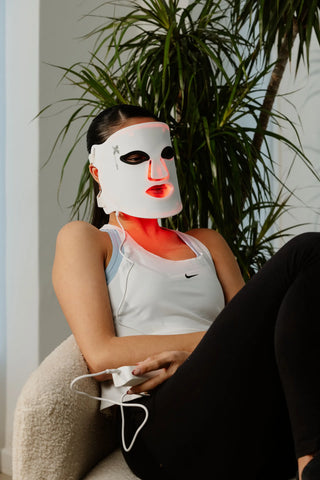
On the face, aesthetic devices focus primarily on improving overall skin quality : smoother texture, less visible pores, a more even tone, and softened wrinkles. LED devices (such as facial masks), IPL, and certain laser platforms are particularly noteworthy in this regard.
A systematic review and meta-analysis published in 2023, which analyzed 31 studies, concluded that red and blue LED light is effective in treating acne and that other wavelengths (yellow, near-infrared) show consistent results in skin rejuvenation. ( pubmed.ncbi.nlm.nih.gov ) Furthermore, clinical trials from 2023 and 2025 with red LED masks have shown progressive improvements in wrinkles, texture, blemishes, and firmness after several weeks of regular use. ( pubmed.ncbi.nlm.nih.gov )
In practice, this translates into facial photobiomodulation protocols that, with consistency, help the skin look more even, luminous and "rested", without long recovery times.
Body results: circulation, lighter legs, and gentle reshaping
At the body level, aesthetic equipment is used for:
- Promote venous and lymphatic circulation .
- Reduce the feeling of tired and heavy legs .
- Support global programs to improve the appearance of cellulite and fluid retention.
A 2024 clinical study with 10 sessions of lower limb compression therapy (30 minutes per session) in healthy young women showed favorable changes in various blood rheology parameters (viscosity, erythrocyte aggregation) without adverse effects, suggesting that it may be a useful tool within the multifactorial prevention of circulatory problems. ( pubmed.ncbi.nlm.nih.gov )
That is why pressotherapy has become so established in beauty salons as well as in recovery programs for athletes and people who spend many hours standing or sitting.
Performance and recovery: when aesthetics and sport meet
The line between aesthetics and performance blurs when we talk about muscle recovery , where technology is already part of the daily lives of many athletes and active people.
Percussive massage guns are a prime example: a randomized clinical trial published in 2025 compared this type of massage with static stretching in young men with delayed onset muscle soreness (DOMS) and found that two 40-minute sessions of percussive massage improved pain, range of motion, and jumping performance more than stretching. ( pubmed.ncbi.nlm.nih.gov )
In parallel, several controlled studies from 2014 to 2022 have shown that phototherapy with red and near-infrared light applied to muscles before or after intense exercise can reduce pain, attenuate loss of strength, and accelerate functional recovery. ( pubmed.ncbi.nlm.nih.gov ) This fits with the rise of red light panels and lamps used in sports recovery routines.
Even the field of sleep is beginning to benefit: recent popular science articles from the Sleep Foundation and 2025 clinical trials on transcranial photobiomodulation suggest that certain doses and wavelengths can improve subjective sleep quality and reduce daytime sleepiness, although the evidence is still emerging and does not replace good sleep hygiene. ( sleepfoundation.org )
Most commonly used types of aesthetic equipment
Light-based devices: LED, laser, and IPL
Light-based equipment is now one of the cornerstones of aesthetic technology:
- LEDs (light-emitting diodes): These operate at relatively low energy levels and specific wavelengths (red, blue, amber, near-infrared). They are commonly used for acne, photoaging, mild redness, and muscle recovery.
- Low and medium power lasers: focus energy on specific points, useful in both medical dermatology and advanced cosmetic treatments.
- Intense pulsed light (IPL): emits filtered broad-spectrum pulses to treat blemishes, redness, photoaging, and even for medical-aesthetic hair removal. ( es.wikipedia.org )
LED light therapy devices for home use have grown significantly in recent years, bringing technologies previously only available in professional settings into everyday life. One example is the range of LED light therapy collections designed for skin, muscles, and sleep , which allow users to schedule regular sessions without leaving home.
Pressure and massage equipment: pressotherapy and massage guns
Another large group of aesthetic and recovery equipment consists of mechanical devices:
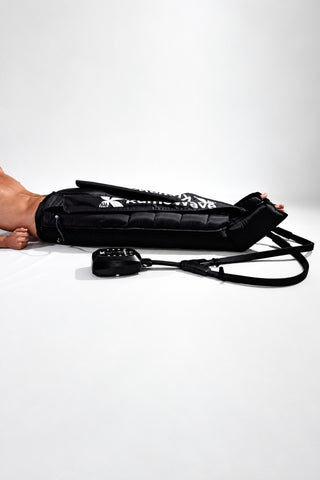
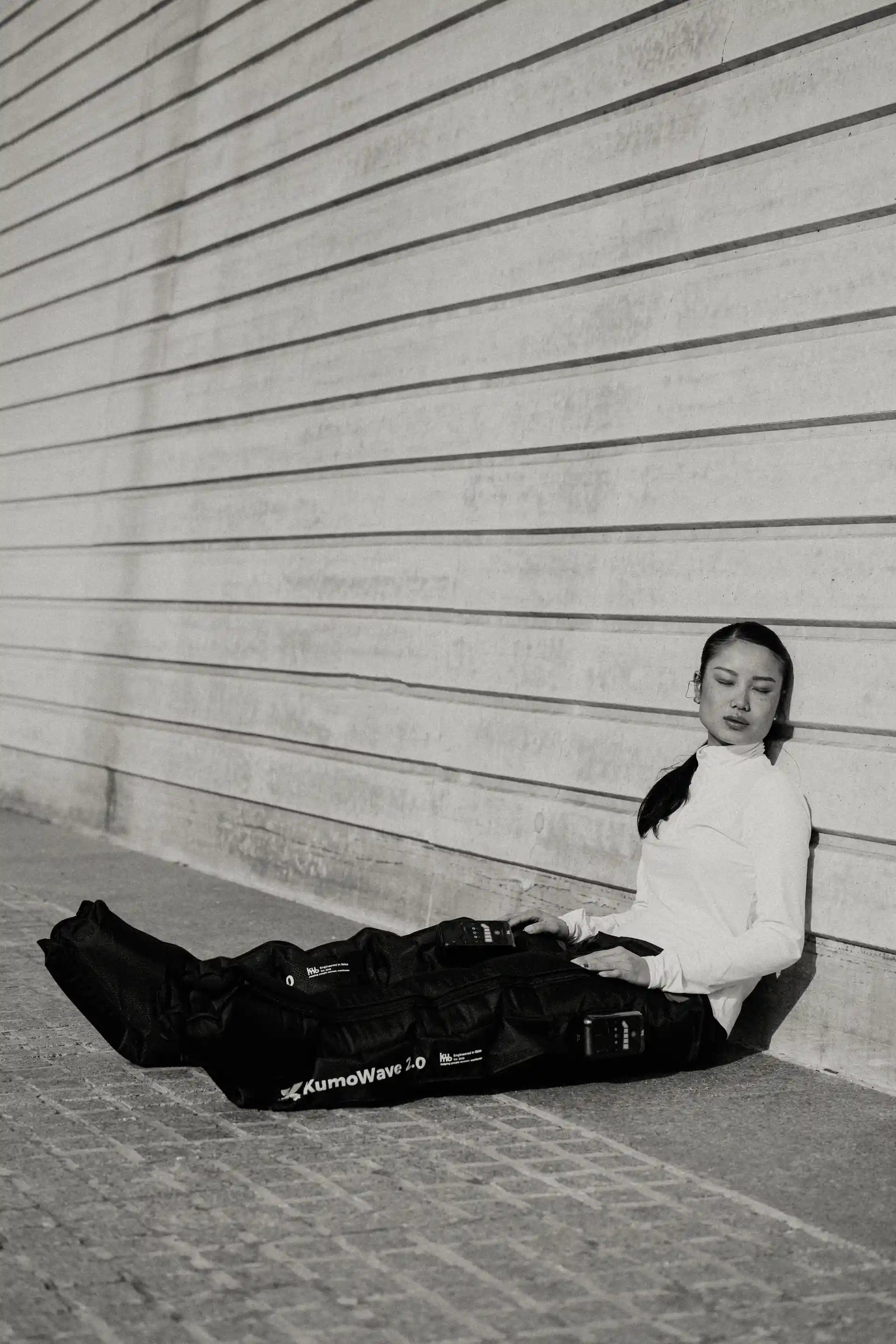
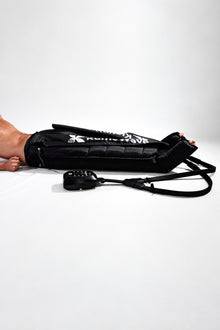
- Pressotherapy: pneumatic boots or sleeves that inflate and deflate sequentially. They are used to promote venous and lymphatic return, relieve swelling, and complement programs for cellulite or leg fatigue. ( pubmed.ncbi.nlm.nih.gov ) You can findpressotherapy boots designed for home use and sports recovery that replicate the technology in a compression therapy room with guided protocols.
- Percussive massage guns: these apply rapid, deep pulses to the muscle to reduce stiffness, improve mobility, and prepare or relieve specific areas. The KUMOPULSE Air model is an example of a massage gun designed to integrate muscle work into your daily recovery routine.
Other common technologies in the cabin
Other types of equipment are also common in professional beauty salons:
- Radiofrequency: heats the deep layers of the skin in a controlled manner to stimulate collagen production and improve firmness.
- Ultrasound and cavitation: are used in certain body and facial protocols to work on texture, volume or cellulite.
- Microcurrents and passive exercise: apply low-intensity currents to muscle groups or areas of flaccidity to induce gentle contractions. ( es.wikipedia.org )
The selection of one technology or another always depends on the objective (facial, body, recovery, maintenance), the state of health and the professional's judgment.
Examples of aesthetic devices and their main uses
| Device type | Main objective | Usual area | Typical use |
|---|---|---|---|
| LED face mask | Improve texture, fine wrinkles, luminosity | Face and neck | 2–4 times/week at home or in a cabin |
| Red light lamp/panel | Muscle recovery, sleep support, overall well-being | Specific muscles or partial body | Before or after training, regular short sessions |
| Pressotherapy boots | Promotes circulation, relieves tired legs | Legs and, depending on the model, hips or feet | Programs of 20–30 min, several days a week |
| Percussive massage gun | Relax muscles, improve mobility | Specific muscle chains | 5–10 min sessions on each area |
| Facial radiofrequency | Firmness, redefinition of the oval | Face and neck | In-cabin session cycles every 1–4 weeks |
| IPL | Spots, redness, medical-aesthetic hair removal | Face and body | Protocols established by a healthcare professional |
| Electro-stimulation/passive exercise | Gentle toning, targeted treatment of sagging skin | Abdomen, buttocks, legs, arms | Serial sessions, always with supervision or prior training |
Benefits and limitations of aesthetic devices
Scientifically backed benefits
The scientific evidence is not perfect, but in the last decade solid data has accumulated on several benefits:
- LED for skin: A 2023 meta-analysis showed significant improvements in acne and skin rejuvenation parameters with different wavelengths. ( pubmed.ncbi.nlm.nih.gov )
- Red LED masks: 2023 studies report wrinkle reduction, improved firmness and texture after 8–12 weeks of regular use. ( pubmed.ncbi.nlm.nih.gov )
- Pressotherapy: In 2024, positive changes in blood rheology were observed after 10 sessions in young women, with no negative effects on kidney or serum lipids. ( pubmed.ncbi.nlm.nih.gov )
- Phototherapy and muscle recovery: Trials from 2014 and 2022 found less pain, better strength recovery and maintenance of performance after intense exercise when photobiomodulation with red and infrared LEDs was applied. ( pubmed.ncbi.nlm.nih.gov )
- Percussive massage: A 2025 randomized trial showed that a massage gun was more effective than static stretching in reducing DOMS and restoring performance in physically active young adults. ( pubmed.ncbi.nlm.nih.gov )
All of this suggests that, when properly indicated and used consistently, aesthetic devices can be a real support for the skin, circulation, and recovery.
What you shouldn't expect: limits and realism
Even with these advances, it is important to maintain realistic expectations:
- Aesthetic devices do not replace surgery in cases where there is excess skin or significant deformities.
- It does not "erase" years of aging in a few sessions: it usually offers gradual improvements , not radical changes.
- The results depend on lifestyle habits (photoexposure, smoking, diet, stress, sleep) and adherence to the protocol.
- Not everyone responds the same way: there is individual variability and some indications still have limited evidence.
That's why it's always best to view medical devices as just one more tool within a comprehensive health, recovery, and aesthetics strategy, and not as an isolated or miraculous solution.
How to choose and use aesthetic equipment safely
Prior consultation and basic contraindications
Although many devices are safe for home use, it is advisable to consult a qualified healthcare or beauty professional in the following cases:
- Pregnancy or breastfeeding.
- Pacemakers or other electronic implants.
- Diagnosed cardiovascular diseases, coagulation disorders, or lymphedema.
- Photosensitive epilepsy or other neurological disorders.
- Ongoing cancer treatments or a history of skin cancer.
- Extensive active skin diseases (infections, severe eczema, etc.).
The information provided in this article is general in nature and should never replace individualized medical advice . If you have any doubts, it is best to seek a professional evaluation before starting any treatment.
Criteria for choosing a home center or device
When choosing where and with what equipment to work, keep in mind:
- Certifications and marking (e.g., CE in Europe, health authorizations in the corresponding country).
- Clarity of protocols: timing, frequency, expected sensations and possible side effects.
- Staff training in the case of beauty centers or clinics.
- Detailed manual in your language , after-sales service and technical support in the case of home devices.
- Hygiene policies (washable headrests and textiles, cleaning between users, etc.).
High-end devices for home use, such as those offered by brands focused on recovery and performance, allow aesthetic equipment to be integrated into the daily routine with greater control over the environment, schedules, and sensations.
Integrate technology into your recovery routine
A practical way to understand aesthetic devices is to think of them as "layers" that add to your self-care:
- After training: first gentle active recovery, then a short red light session directed at the worked muscle group and, if necessary, targeted percussive massage on points of greater tension.
- Days of heavy legs: complement with a pressotherapy session to relieve heaviness and promote venous return.
- Facial routine: alternate topical treatments (cleansing, hydration, photoprotection) with regular LED sessions to enhance skin quality.
- Sleep hygiene: Use low-intensity warm or red light at night instead of bright screens, combined with healthy sleep habits. ( sleepfoundation.org )
The key is regularity and listening to your body: adjusting intensities, frequencies and combinations based on how you feel and the recommendations of the professionals who are supporting you.
Frequently asked questions about aesthetic devices
What aesthetic device is best for rejuvenating the face without surgery?
There is no single "best" device for everyone, but there are scientifically sound technologies for non-invasive facial rejuvenation . LED photobiomodulation (especially red and amber light) has been shown to improve skin texture, fine lines, and radiance when used consistently for several weeks ( pubmed.ncbi.nlm.nih.gov ). In a clinic, combining LED with radiofrequency or IPL can also address age spots and mild sagging. The ideal choice will depend on your skin type, age, wrinkle type, and medical history, so a professional assessment is recommended before starting.
How often should aesthetic device sessions be performed?
The frequency depends on the objective and the type of technology. In LED facial treatments, many protocols use between 2 and 4 sessions per week for 8–12 weeks, then tapering down to maintenance. ( pubmed.ncbi.nlm.nih.gov ) Pressotherapy is usually scheduled between 1 and 3 times per week, although in sports contexts it can be used more often if well tolerated. Massage guns can be used daily in short sessions on specific muscle groups. In any case, it is always advisable to follow the manufacturer's recommendations and those of the professional supervising the treatment.
Is aesthetic equipment safe for home use?
Aesthetic devices specifically designed for home use undergo safety checks and operate with parameters designed to minimize risks, provided the instructions are followed. Even so, it is important to carefully read the manual , adhere to the indicated times and frequencies, not share certain contact accessories, and avoid using them on areas with open wounds, active infections, or recent tattoos. People with pacemakers, complex chronic illnesses, or who are pregnant should consult a doctor beforehand. If you experience intense pain, persistent redness, or unusual symptoms, it is advisable to discontinue use and seek professional evaluation.
Can aesthetic devices be combined with exercise and nutrition?
Not only is it possible, but it's often the most effective way to achieve lasting results. Body aesthetic devices (pressotherapy, percussive massage, muscle phototherapy) work very well in conjunction with structured training programs and a balanced diet, helping to accelerate recovery, better manage workload, and improve overall well-being. ( pubmed.ncbi.nlm.nih.gov ) For the face, skin that receives good nutrition, hydration, and daily sun protection responds better to phototherapy and other technologies. These devices enhance the effects of healthy habits, but they cannot completely compensate for lack of sleep, a sedentary lifestyle, or a poor diet.
What real results can I expect from aesthetic devices for cellulite?
Cellulite is a complex phenomenon, influenced by hormonal, genetic, and lifestyle factors, so there is no device that can completely eliminate it . However, technologies such as pressotherapy, deep mechanical massage, and certain combinations of radiofrequency and ultrasound can visibly improve the appearance of cellulite when integrated into a comprehensive plan that includes exercise, diet, and weight management. ( pubmed.ncbi.nlm.nih.gov ) Results are usually gradual and require maintenance. It is essential to avoid unrealistic promises and to value success in terms of improved texture, comfort, and well-being, rather than the complete disappearance of cellulite.
So what now?
If you want aesthetic devices to become part of your daily life, the next step is to define your goals : improve skin quality, relieve tired legs, optimize recovery after training, or sleep better? From there, you can explore specific technological solutions (LED masks, red light panels, compression boots, massage guns) and combine them with healthy habits. And if you need help choosing or have more specific questions, you can always contact the KUMO team for personalized guidance on how to integrate these technologies into your wellness and performance routine.

Red & infrared light
KumoLux Panel – Red and Infrared LED Panel
★★★★★ 4,8/5 · rated by verified customers
- 660 nm red + 850 nm infrared light
- Full-body muscle recovery
- Clinically validated biohacking protocols
€399,00€499,00· pay in installments with seQura or Klarna