
What is body self-care and why is it so important?
Self-care is not a luxury; it's the foundation of your daily health. The World Health Organization (WHO) defines self-care as the ability of individuals to promote and maintain their health, prevent illness, and manage it with or without professional support. See the WHO definition .
When we talk about body self-care, we focus on everything you do to care for your body: movement, rest, nutrition, physical recovery, skincare, and stress management. It's not just about "fixing" damage, but about creating a physical environment where your body can perform, recover, and age well.
Pressotherapy at home
End the day with light legs
★★★★★ 4,8/5 · rated by verified customers
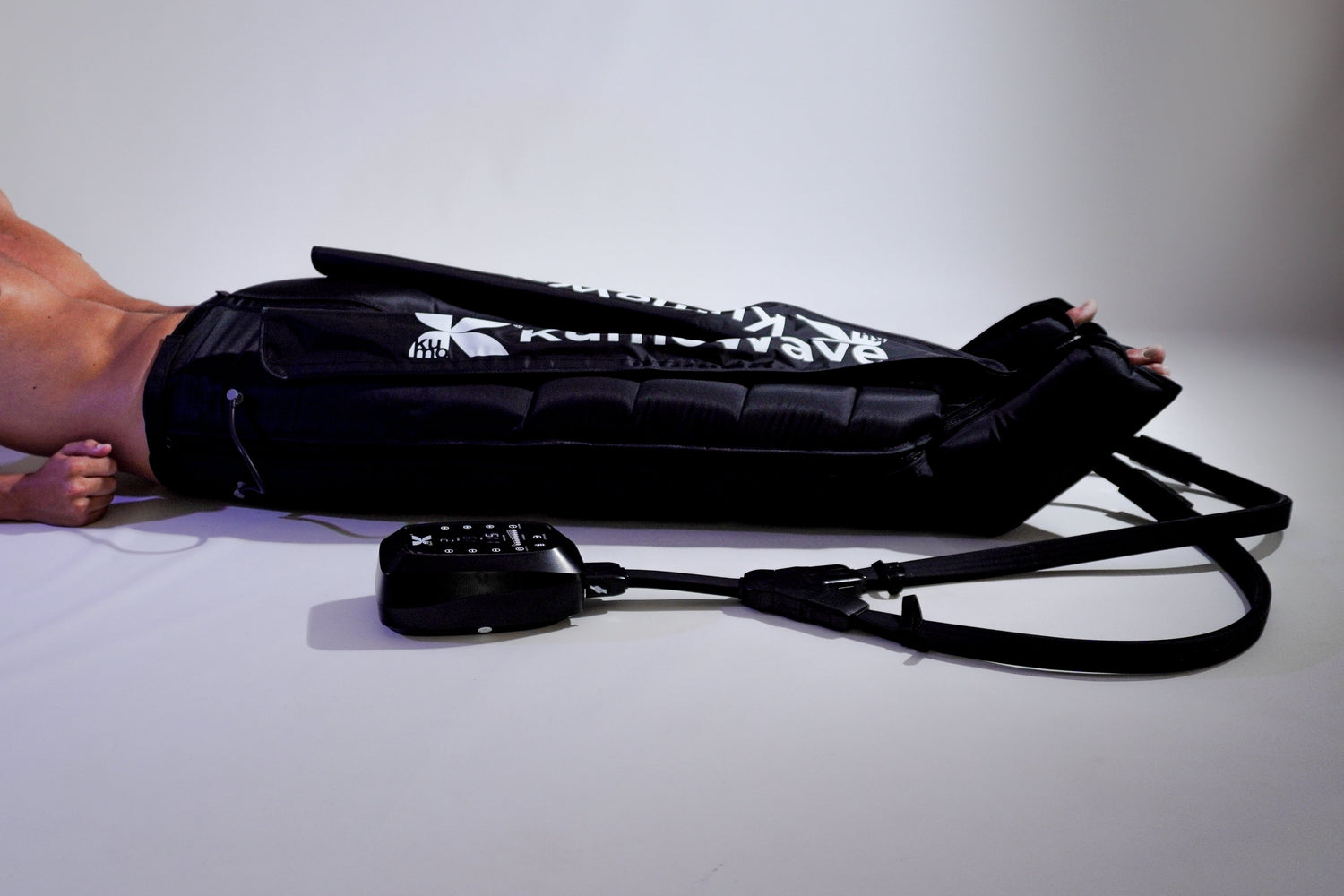
KumoWave pressotherapy boosts circulation and helps drain fluid with sequential compression, in 20-minute sessions at home.
- Boosts circulation and helps drain fluid
- Chamber-based compression, adjustable to you
- Sequential compression that mimics manual drainage
€799,00€999,00
−10% on your 1st order when you subscribe to the newsletter

In a context where nearly 31% of adults worldwide do not meet the minimum recommended levels of physical activity (2022 data) , according to the WHO, reviewing our daily habits is no longer optional; it is urgent. WHO report on physical activity .
Brands like KUMO were born precisely to accompany this change in mindset, integrating technology, design and performance into the daily recovery routine.
Personalized protocol · included with your purchase
Want us to tell you how to use it in your case?
With your purchase, our experts prepare a personalized usage protocol for your case: sport, circulation, fluid retention, pregnancy or lipedema.
Message us on WhatsAppOur experts reply · no obligation
Real benefits of taking care of your body every day
Adopting a consistent body self-care routine has benefits supported by scientific evidence:
- Prevention of chronic diseases: Regular physical activity helps prevent heart disease, type 2 diabetes and certain types of cancer, according to the WHO.
- Mental health and stress management: moving, sleeping well and having moments of relaxation reduces symptoms of anxiety and depression.
- Improved physical and cognitive performance: a rested and well-nourished body performs better at work, in sports, and in daily tasks.
- Faster recovery: Combining rest, stretching, and recovery tools accelerates the feeling of lighter legs and less strained muscles.
- Long-term quality of life: small habits sustained today translate into more autonomy and energy in the future.
In Latin America and the Caribbean, the Pan American Health Organization has observed an increase in physical inactivity from 33% to 39% between 2011 and 2016, demonstrating that taking care of one's body is no longer just an aesthetic issue, but a matter of public health. PAHO/WHO data .
Body self-care habits to start today
You don't need a radical transformation. What makes the difference are simple, repeatable habits integrated into your daily routine. Below you'll find key principles and concrete examples to put into practice starting today.
on your first order when you join the newsletter
We send you the code instantly. No spam.
1. Daily movement: your foundation of physical health
The WHO recommends that adults engage in at least 150 minutes of moderate-intensity physical activity or 75 minutes of vigorous-intensity activity per week . In other words, just 20–30 minutes of intentional movement per day is enough to start noticing changes.
Simple ideas to integrate more movement:
- Walk for 10–15 minutes after each meal.
- Take the stairs instead of using the elevator whenever possible.
- Do 3 blocks of 5 minutes of joint mobility (neck, shoulders, hips, ankles) throughout the day.
- If you train, alternate strength days with light cardiovascular work days.
The goal is not to "kill yourself" but to build an active life that keeps your joints, muscles and cardiovascular system functioning efficiently.
2. Rest and restorative sleep
Sleep is one of the most powerful forms of self-care and, paradoxically, one of the most neglected. Several European neurological societies indicate that a very high proportion of adults sleep fewer hours than recommended or experience poor-quality sleep.
Good sleep hygiene practices:
- Try to keep to regular bedtimes and wake-up times.
- Avoid bright screens at least 60 minutes before going to sleep.
- Create a relaxation ritual: light reading, deep breathing, gentle stretching.
- Maintain the temperature and darkness of the room.
If you play sports or spend many hours on your feet, sleep is also the time when muscle repair processes are consolidated. Without quality rest, any other self-care habit falls short.
3. Mindful nutrition and hydration
There is no single perfect eating pattern, but there are general principles that promote self-care of the body:
- Prioritize minimally processed foods: fruits, vegetables, legumes, nuts, whole grains.
- Include quality protein sources in every meal (eggs, fish, legumes, dairy, etc.).
- Stay hydrated throughout the day, not just when you're thirsty.
- Limit your consumption of alcohol and sugary drinks.
Nutrition is fuel, but it's also essential for tissue repair, hormonal function, and the immune system. If you're doing intense training sessions, ensuring adequate protein intake and hydration after exercise becomes even more crucial.
4. Intelligent physical recovery: beyond passive rest
Body self-care isn't just about movement; it's also about learning how to recover . Scientific evidence supports the role of active recovery (gentle walking, stretching, mobility exercises) in reducing fatigue and improving muscle function between demanding workouts.
Some practical strategies:
- Spend 5–10 minutes post-workout doing gentle stretching and diaphragmatic breathing.
- Perform short sessions of self-massage or myofascial release in overloaded areas.
- Incorporate 1–2 days of active rest per week (walks, gentle yoga, mobility).
If you spend many hours sitting or standing, you can rely on technologies designed for recovery, such as massage guns , pressotherapy boots , or light therapy devices, which help to relax the muscles and promote the feeling of light legs and a rested body.
At KUMO , for example, high-end recovery solutions are integrated to make physical care a natural part of your routine, not something you only do when you're already in pain.
5. Skin care, light and environment
Your skin is the largest organ in your body and one of its first lines of defense. Body self-care includes:
- Gentle hygiene (avoiding overly aggressive products).
- Daily hydration, especially after showering and after prolonged exposure to the sun or cold.
- Use of sunscreen in outdoor activities.
- Controlled exposure to natural light to regulate the circadian rhythm.
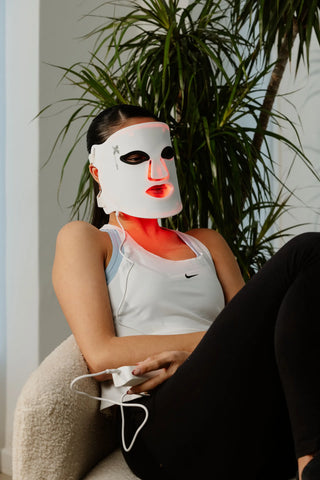
In recent years, the use of LED masks and red light therapy devices has increased as part of skincare and muscle recovery routines. Research in photobiomodulation is ongoing and suggests interesting effects on tissue regeneration and pain modulation, always as a complement to, and not a substitute for, rest, physical activity, and a healthy diet.
If you're interested in integrating these types of tools responsibly, you can explore LED light therapy options carefully designed for regular home use.
Example of a daily body self-care routine
| Time of day | Self-care action | Approximate duration |
|---|---|---|
| Tomorrow | Gentle joint mobility + 5 minutes of deep breathing | 10–15 minutes |
| During the day | Active breaks: stand up, walk around, stretch your neck and shoulders | 3–5 minutes every 60–90 minutes |
| Post-workout or end of the day | Light stretching + self-massage or massage gun on tense areas | 10–20 minutes |
| Evening | Disconnect from screens + sleep ritual (reading, breathing, dim light) | 30–45 minutes before bed |
Body self-care and technology: how to integrate it without losing the essentials
Technology can enhance your self-care routine, as long as you see it as a support tool and not a magic shortcut. The goal is to facilitate consistency, optimize recovery, and improve your sense of well-being.
Pressotherapy: relief for tired legs and circulation
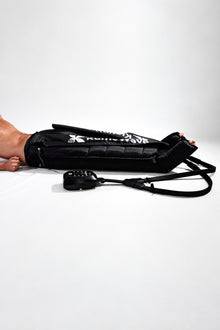
Compression therapy boots apply sequential pneumatic compression to the legs, which can help activate venous and lymphatic return, relieve heaviness, and promote recovery after prolonged exertion or standing for long periods. They are especially beneficial for athletes, professionals who spend much of the day on their feet, or anyone who experiences swollen legs at the end of the day.
If you want to integrate this tool into your routine, you can exploreKUMO's selection of compression boots , designed for comfortable use at home and regular recovery sessions.
Massage guns: targeted muscle release
Percussion massage guns have become popular as a practical way to relax tension points in the legs, back, buttocks, and shoulders. Used judiciously (without intense pain, respecting joints and treatment time), they can be a useful tool for:
- Reduce the feeling of stiffness after hard workouts.
- Accompany stretching and mobility sessions.
- Create relaxation rituals at the end of the day.
One example is the KUMOPULSE Air massage gun , designed to combine power and ergonomics, making it easier for you to maintain a muscle release routine at home.
Red light therapy and skin care
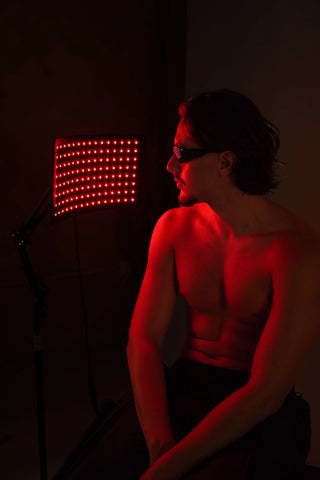
Red and near-infrared light is being investigated as a support for muscle recovery and tissue regeneration within the field of photobiomodulation. Some studies explore its role in reducing muscle soreness after exercise and improving skin parameters, although the evidence is still being consolidated and it does not replace medical care when necessary.
Integrating short, regular sessions with LED therapy devices can be part of a nighttime ritual or post-workout recovery, always following the usage instructions, respecting the distance, exposure time and contraindications.
Frequently asked questions about body self-care
How can I start with body self-care if I have very little time?
The key is to think in terms of “micro-habits.” Instead of aiming for a perfect one-hour routine, start with 5–10 minute blocks spread throughout the day. For example: gentle movement when you wake up, a short walk at midday, and light stretching before bed. Add small self-care gestures, such as moisturizing your skin after showering or drinking an extra glass of water with each meal. When these micro-habits become automatic, you can increase the duration or intensity without it feeling like a chore.
How many minutes of physical activity do I need to take care of my body?
The WHO recommends that adults get at least 150 minutes of moderate-intensity physical activity (such as brisk walking) or 75 minutes of vigorous-intensity activity per week, or an equivalent combination. You can break this up into 20–30 minute sessions most days. If you're currently very inactive, any gradual increase is beneficial: starting with 10 minutes of walking a day is better than waiting for the "perfect time" to exercise. The key is consistency and choosing activities you can maintain.
Is self-care just about exercising?
No. Exercise is a very important pillar, but self-care also includes how you sleep, what you eat, how you recover after exertion, how you care for your skin, and how you manage stress. You can train a lot and still not take care of your body if you neglect sleep, abuse substances, or never allow time for recovery. Think of self-care as a system where each piece—movement, rest, nutrition, environment—contributes. The more balanced that system is, the better your body will respond.
What role does sleep play in body self-care?
Sleep is when your body performs maintenance: it repairs tissues, regulates hormones, consolidates memory, and fine-tunes the immune system. Insufficient or poor-quality sleep is linked to a higher risk of cardiovascular and metabolic diseases, as well as mood disorders. While individual needs vary, most adults benefit from 7–9 hours of quality sleep. Establishing a consistent bedtime routine, reducing screen time before bed, and creating a comfortable bedroom environment are self-care practices as important as going to the gym.
How often should I use muscle recovery tools?
It depends on your activity level and how your body responds, but many people benefit from using tools like massage guns, pressotherapy, or light therapy several times a week in short 10–20 minute sessions. The most important thing is to listen to your body: there should be no intense pain, and these should not replace professional consultation for injuries or persistent discomfort. Use them as a complement to stretching, rest, and gentle movement. If you have specific questions, it's advisable to consult a healthcare or fitness professional.
So what now?
The best time to start taking care of your body is today, with the next simple step you can take: get up and walk for a few minutes, stretch your back, go to bed earlier, or prepare a more balanced meal. If you want to go a step further and make recovery a pleasant and sustainable habit, you can rely on high-end solutions such ascompression boots , LED therapy devices , or a massage gun designed for your daily routine. And if you need additional guidance, you can contact the KUMO team to answer your questions and find the combination of tools that best suits your lifestyle.
KumoWave pressotherapy
Choose your at-home pressotherapy
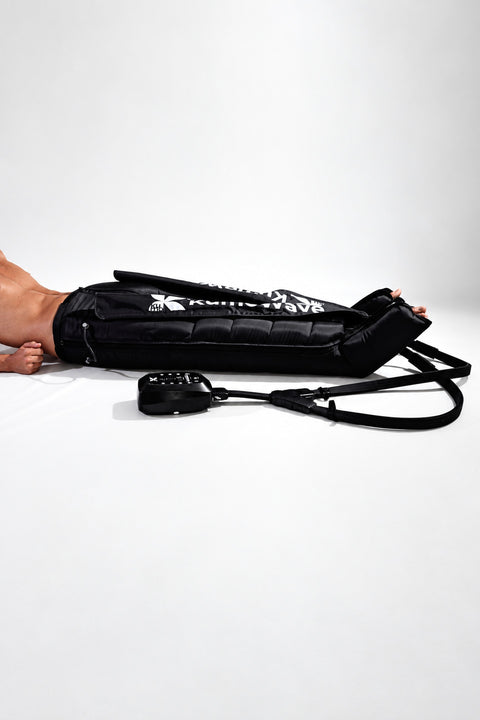
KumoWave Elite – Pressotherapy Pants
Full-coverage trousers. Ideal for lipedema, fluid retention and intensive use.
€799,00 €999,00
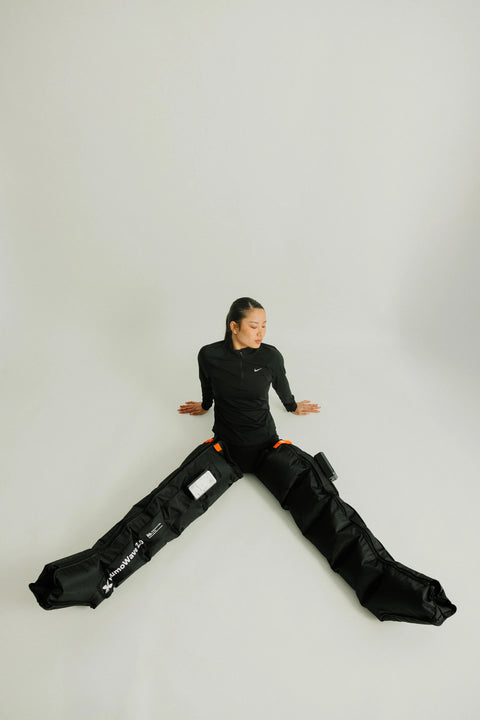
KumoWave 2.0 - Wireless Pressotherapy
Wireless, lightweight boots. Perfect for daily use and recovery.
€499,00 €599,00