Introduction: Understanding and treating facial wrinkles today
Wrinkles on the face are not inevitable. Although they are a natural part of aging, we now know that a large proportion of facial wrinkles are due to factors we can control: sun exposure, lifestyle, skincare, and the quality of our daily recovery. In this article, we clearly explain why facial wrinkles appear, which habits accelerate them, and what scientifically backed solutions exist in 2026, from sun protection to red light therapy and high-performance recovery.
What exactly are facial wrinkles?
Facial wrinkles are folds, furrows, or lines that form when the skin loses collagen, elastin, and hyaluronic acid, and when its supporting structures weaken. They can be:
Facial red light
Bring your skin back to life
★★★★★ 4,8/5 · rated by verified customers
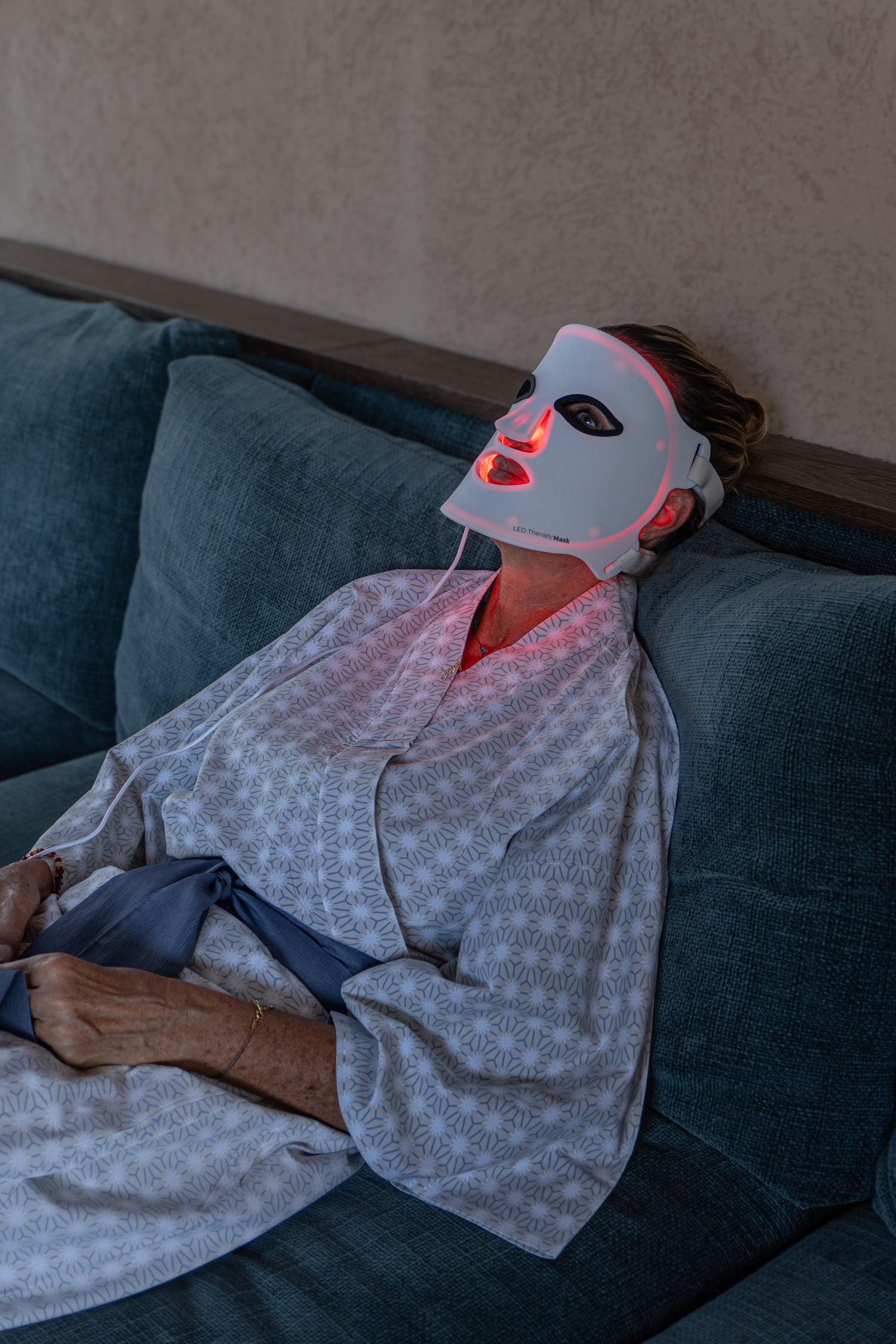
The KumoSkin LED mask helps repair and calm your skin in short sessions at home.
- 250 LEDs in flexible medical silicone
- Red light to boost collagen and glow
- 4 lights: red, infrared, blue and yellow
€299,00€429,00
−10% on your 1st order when you subscribe to the newsletter

- Fine lines : superficial, they usually appear around the eyes (crow's feet) and the mouth.
- Deep wrinkles : more pronounced, such as nasolabial folds or frown lines.
- Expression lines : linked to repeated movements of facial muscles that, over time, become fixed even at rest.
Some of these wrinkles are due to intrinsic aging (genetics, the passage of time) and another, very important part, to so-called photoaging , that is, the damage accumulated by ultraviolet radiation and other external factors.
Causes of wrinkles on the face
To choose an effective treatment for facial wrinkles, you first need to understand what causes them. We can group the factors into two main categories: internal (related to the body) and external (related to the environment and lifestyle).
Personalized protocol · included with your purchase
Want us to tell you how to use it in your case?
With your purchase, our experts prepare the ideal LED protocol for your skin type and goal (acne, wrinkles, dark spots...).
Message us on WhatsAppOur experts reply · no obligation
Intrinsic aging: when time leaves its mark
Intrinsic aging is the skin's "biological clock". Over the years:
- It decreases the production of collagen and elastin , the proteins that give firmness and elasticity to the face.
- Natural hyaluronic acid is reduced, leading to loss of volume and dryness.
- Cell renewal slows down, and the skin becomes thinner and more vulnerable.
This process is gradual and cannot be stopped, but it can be modulated with good habits, sun protection, and collagen-stimulating treatments.
External factors: sun, pollution, tobacco and more
Most visible facial aging is due to external factors, especially the sun. The U.S. Environmental Protection Agency estimates that up to 90% of visible skin changes attributed to aging are related to UV radiation . ( epa.gov )
on your first order when you join the newsletter
We send you the code instantly. No spam.
The main external factors that contribute to wrinkles on the face are:
- Ultraviolet radiation (UVA and UVB) : damages the DNA of skin cells, accelerates collagen degradation, and causes blemishes, rough texture, and deep wrinkles. Organizations such as the WHO highlight the key role of UV radiation in photoaging and other skin damage. ( who.int )
- Tobacco : Cigarette smoke contains substances that degrade collagen and narrow blood vessels, reducing the supply of oxygen to the skin.
- Air pollution : fine particles generate oxidative stress, promoting fine lines, enlarged pores and dullness.
- Chronic stress and lack of sleep : raise cortisol levels, hinder nighttime repair and promote a tired appearance, with greater sagging and marked wrinkles.
- Unbalanced diet : excess sugars and ultra-processed foods are linked to collagen glycation and premature skin aging.
- Repetitive gestures : frowning, squinting, or pressing your lips together repeatedly sets expression lines over time.
Main causes of wrinkles on the face
| Cause | How it affects facial wrinkles | What can you do today? |
|---|---|---|
| Intrinsic aging | Natural decrease in collagen, elastin and hyaluronic acid; thinner and more fragile skin. | A consistent skincare routine, collagen-stimulating ingredients, good hydration, and restful sleep. |
| Sun (UV radiation) | Photoaging: deep wrinkles, spots, uneven tone and coarse texture. | Daily sunscreen, avoid peak radiation hours, wear a hat/cap and sunglasses. |
| Tobacco | It accelerates the degradation of support fibers and alters facial microcirculation. | Quit smoking and support detoxification with antioxidants (diet rich in fruits and vegetables). |
| Stress and lack of rest | It increases cortisol, worsens the quality of nighttime repair, and promotes sagging and dark circles. | Recovery routines, relaxation techniques, sleep hygiene, and muscle rest. |
| Repetitive gestures | They fix expression lines (forehead, between the eyebrows, eye and mouth contour). | Check your vision, wear sunglasses, and learn how to relax your facial muscles. |
Prevention: How to delay facial wrinkles in 2026
The best strategy against facial wrinkles is always prevention. Numerous dermatological guidelines agree that the combination of sun protection, well-chosen cosmetics, and healthy habits helps reduce and delay expression lines. ( cosmeticassociation.org )
Smart sun protection every day
Sun protection is the number one pillar for preventing photoaging. Key recommendations:
- Use broad-spectrum sunscreen SPF 30 or higher daily, even on cloudy days.
- Apply a sufficient amount (approx. 2 fingers of product for the face) and reapply every 2 hours if there is continuous exposure.
- Avoid intense sunlight between 10:00 and 16:00 when the UV index is highest.
- Complement with a hat, sunglasses and shade when possible.
Organizations such as the WHO and health agencies recommend limiting exposure and using physical and chemical protection to reduce both the risk of skin cancer and premature facial aging. ( who.int )
Daily skincare routine targeting facial wrinkles
You don't need a twenty-step routine, but a consistent and sustained routine with ingredients that are scientifically backed:
- Gentle cleansing : morning and night, with cleansers that do not dry out or irritate.
- Hydration : Look for ingredients like hyaluronic acid, glycerin, and ceramides to improve barrier function.
- Antioxidants (in the morning): Vitamin C, vitamin E or niacinamide help neutralize free radicals.
- Retinoids (at night): Vitamin A derivatives with extensive evidence of collagen stimulation and improved texture; they should be introduced gradually and, in the case of prescription retinoids, under dermatological supervision. ( cosmeticassociation.org )
- Sunscreen as the last step in the morning, always.
It is recommended that a dermatologist assess your skin type, facial wrinkles, and any pre-existing conditions before introducing potent active ingredients such as concentrated retinoids or exfoliating acids.
Lifestyle and recovery: a silent ally for your skin
Daily habits have as much influence as cosmetics on the appearance of wrinkles on the face:
- Restful sleep : Sleeping 7–9 hours promotes collagen regeneration and the repair of micro-damage.
- Stress management : breathing techniques, moderate physical activity and moments of disconnection help reduce cortisol and systemic inflammation.
- Regular exercise : improves circulation and oxygenation of the skin.
- Antioxidant-rich nutrition : fruits, vegetables, healthy fats (omega-3) and quality proteins help maintain skin structure. ( verywellhealth.com )
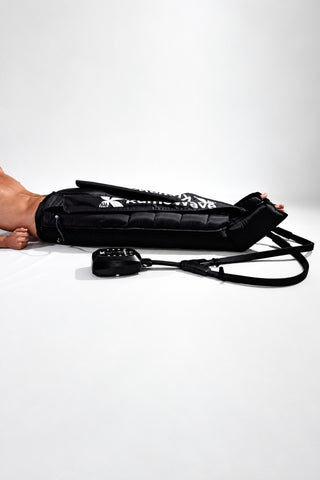
Physical recovery is also part of this equation. Technologies like compression boots help activate circulation and relieve the feeling of heavy legs, contributing to greater overall well-being and better sleep—factors indirectly related to brighter, more relaxed skin.
Treatments to improve facial wrinkles
When facial wrinkles are already present, a combination of prevention and targeted treatments can significantly improve the skin's appearance. Below, we review the main options, from cosmetics to light technologies and medical procedures.
Topical cosmetics: what really works
Among the topical active ingredients with the strongest evidence for facial wrinkles are:
- Retinoids (retinol, tretinoin, adapalene): These increase cell renewal, stimulate collagen production, and improve skin texture. Their use may cause irritation initially, so it's important to introduce them gradually and, in the case of prescription retinoids, follow a dermatologist's instructions.
- Alpha-hydroxy acids (glycolic, lactic acid): gently exfoliate, refine pores and help to blur fine lines.
- Peptides and growth factors : Some peptide complexes show the ability to support collagen and elastin synthesis in preliminary studies.
- Topical hyaluronic acid : improves hydration and temporarily fills in fine lines on the surface.
No cosmetic product completely eliminates deep wrinkles, but a well-designed routine can soften them, prevent new lines, and improve the overall radiance of the face.
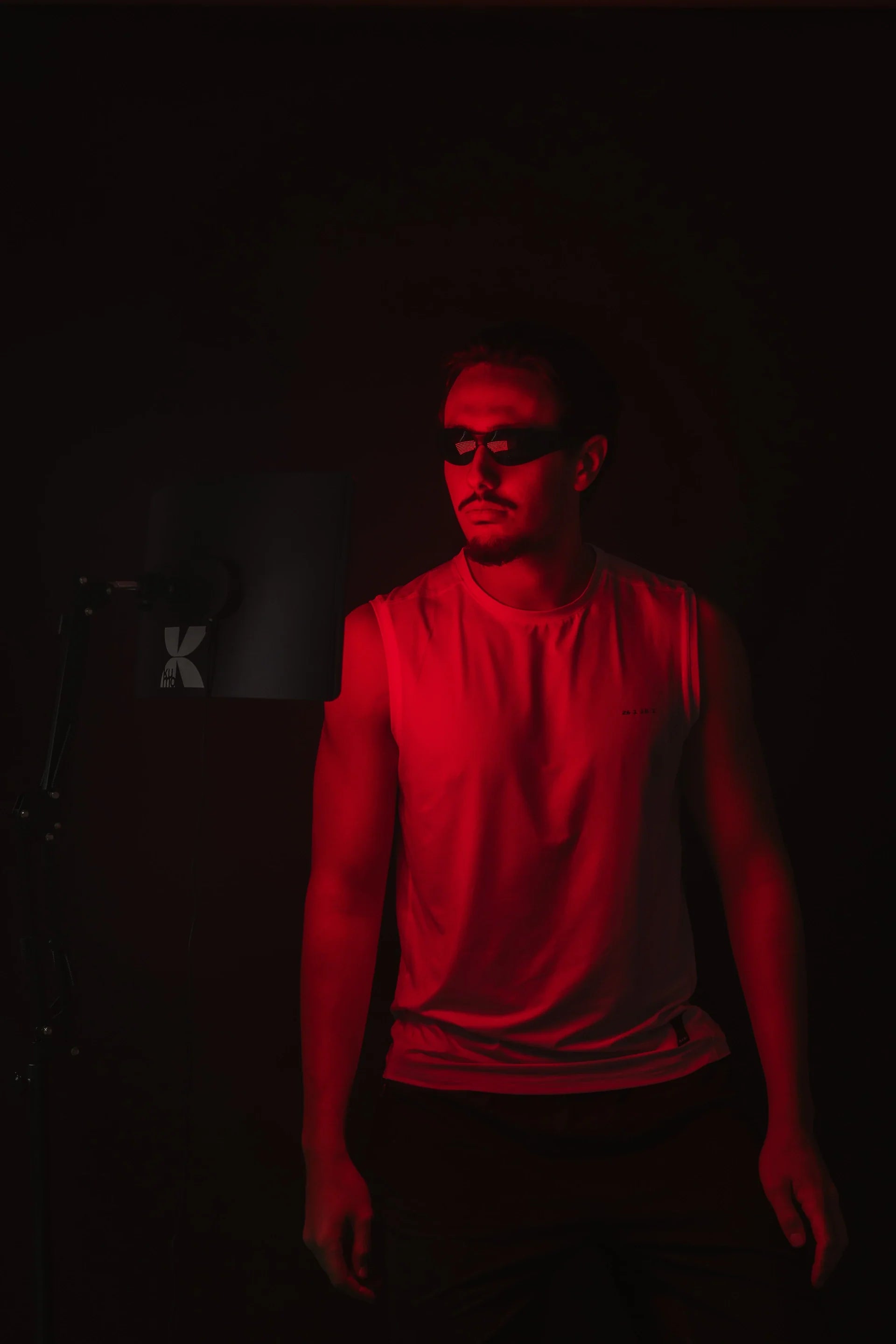
Red light and LED therapy: a promising tool for facial skin
Red and amber light (LED) therapy , also called photobiomodulation, has become established as a non-invasive option for improving skin appearance. It is based on the application of specific wavelengths that skin cells use as a stimulus to modulate processes such as collagen production.
A randomized clinical trial published in 2023 evaluated 137 women aged 40–65 who underwent 10 sessions over 4 weeks with red (660 nm) and amber (590 nm) light around the eyes. The volume of periorbital wrinkles was reduced by approximately 30% in both groups, with no significant changes in hydration or elasticity, but with a clear perceived improvement in quality of life. ( pubmed.ncbi.nlm.nih.gov )
Another controlled trial with 136 volunteers showed that 30 sessions of red and near-infrared light significantly improved skin texture, subjective sensation, and intradermal collagen density, without relevant adverse effects. ( pubmed.ncbi.nlm.nih.gov )
These results suggest that red LED light is a useful tool for:
- Smooth fine lines and wrinkles on the face (especially in areas like crow's feet).
- Improve the texture of photo-aged skin.
- Complement other non-aggressive anti-aging strategies.
The key lies in consistency (regular sessions over several weeks) and respecting safety guidelines. Devices such as masks and LED light therapy equipment allow this technology to be used at home, always as a complement to, and never as a substitute for, medical evaluation in complex cases.
Medical procedures for facial wrinkles
When facial wrinkles are very pronounced or the patient seeks faster results, medical procedures may be an option. Some of the most commonly used are:
- Botulinum toxin : temporarily relaxes the muscles responsible for expression lines (forehead, between the eyebrows, crow's feet).
- Dermal fillers (hyaluronic acid): restore lost volume and smooth wrinkles such as nasolabial folds.
- Fractional lasers and IPL : improve texture, blemishes, and fine wrinkles by remodeling collagen. ( pubmed.ncbi.nlm.nih.gov )
- Chemical peels and microneedling : stimulate skin renewal and collagen production.
These techniques should always be performed by qualified dermatologists or cosmetic doctors , after a careful evaluation of the skin, the patient's history and expectations.
Integrate recovery into your anti-aging strategy
KUMO originated in the world of high-performance recovery , but these same principles have a direct impact on skin health. Excessive physical and mental stress, constant muscle pain, and poor rest increase systemic inflammation and can exacerbate skin aging.
Introducing a recovery routine helps improve sleep, regulate the nervous system, and reduce facial and body muscle tension. Some examples of how this philosophy translates into technology applied to wellness are:
- Red light therapy : Kumo's red LED light devices are designed to support muscle regeneration and sleep quality; the same wavelength technology is being researched in the field of facial rejuvenation to stimulate collagen, as shown in the cited clinical trials. ( pubmed.ncbi.nlm.nih.gov )
- Pressotherapy : Pressotherapy boots facilitate venous return and a feeling of lightness in the legs, creating a more favorable environment for the overall recovery of the body.
- Massage guns : tools like the KUMOPULSE Air massage gun help release deep muscle tension, contributing to reducing stiffness and promoting relaxation before sleep.
If your goal is to manage facial wrinkles long-term, it's not just about the cream you use, but also about how you sleep, how you recover after exercise, and the level of stress your body accumulates each day. Kumo 's mission is precisely to integrate aesthetics, technology, and performance so that recovery becomes a new way of life.
Frequently asked questions about wrinkles on the face
At what age do the first wrinkles usually appear on the face?
The first fine lines usually appear between the ages of 25 and 30, although this varies considerably depending on genetics and lifestyle. In skin that is frequently exposed to the sun without protection, lines around the eyes (crow's feet) and on the forehead can be seen as early as age 20. In people who protect themselves well from the sun, don't smoke, and maintain a good skincare routine, more pronounced wrinkles are often delayed until the 30s or even 40s. The important thing is to begin prevention before facial wrinkles become deep.
Does red light really help reduce facial wrinkles?
The scientific evidence on red light therapy is becoming increasingly solid. Controlled clinical trials have shown approximate 30% reductions in the volume of periorbital wrinkles after several weeks of red and amber light sessions, with no downtime or skin damage. ( pubmed.ncbi.nlm.nih.gov ) Photobiomodulation works by stimulating cellular processes linked to collagen synthesis and tissue repair. However, results depend on consistency, the device's settings, and combining LED therapy with good sun protection and healthy habits.
What's better for facial wrinkles: retinol or hyaluronic acid?
These are complementary, not mutually exclusive, active ingredients. Retinol (and other retinoids) has a deeper effect: it accelerates cell renewal, stimulates collagen, and improves texture, making it one of the most studied ingredients for facial wrinkles. Topical hyaluronic acid , on the other hand, primarily works by hydrating the skin, visually plumping fine lines. Ideally, a retinoid product should be combined (at night, with a gradual increase) with a good moisturizer containing hyaluronic acid, and always with sunscreen in the morning, under the supervision of a professional if you have sensitive skin.
Does lack of sleep increase facial wrinkles?
Yes, a lack of restful sleep is associated with a worse skin appearance and faster aging. During the night, repair processes and collagen synthesis are activated; when we sleep poorly or not enough, these mechanisms are compromised. Studies on lifestyle and skin aging link chronic sleep deprivation with more fine lines, loss of elasticity, and a dull complexion. ( verywellhealth.com ) Improving sleep hygiene and promoting relaxation (for example, with massage routines or muscle recovery devices) can, over time, result in a more rested face with fewer pronounced wrinkles.
Is it possible to completely eliminate facial wrinkles without surgery?
Eliminating all wrinkles completely without surgery is unrealistic, especially when they are deep or have been present for many years. However, it is possible to significantly reduce their appearance by combining several strategies: strict sun protection, cosmetics with anti-aging ingredients (retinoids, antioxidants), red light therapy, minimally invasive medical procedures (botulinum toxin, fillers, lasers), and a healthy lifestyle. ( pubmed.ncbi.nlm.nih.gov ) The reasonable goal is to achieve a brighter, firmer, and more rested complexion, always maintaining realistic expectations and following the recommendations of a professional.
What now? Your next step to care for facial wrinkles
If you want to address wrinkles on your face, the best starting point is to review your habits: daily sun protection, a good skincare routine, quality sleep, and a recovery strategy that reduces stress and muscle tension. From there, you can leverage specific technologies like LED light therapy to complement your routine, or comprehensive recovery solutions such as pressotherapy and Kumo massage guns. If you're unsure which device is best for you, you can contact the team through the contact page to design a wellness and performance plan tailored to your goals.

Facial red light
KumoSkin Mask – LED Facial Mask
★★★★★ 4,8/5 · rated by verified customers
- 250 LEDs in flexible medical silicone
- Red light to boost collagen and glow
- 4 lights: red, infrared, blue and yellow
€299,00€429,00· pay in installments with seQura or Klarna