
Your skin feels the summer even when you're no longer at the beach.
If you're wondering whether you can use an LED face mask after sunbathing, the answer is usually yes , as long as you respect your skin's recovery time, follow basic safety rules, and use it as a complement—never a substitute—for sun protection.
In this article you will see how the sun affects your face , what an LED light mask actually does, when it is a good idea to use it after summer, when it is not, and how to integrate it into a complete skin recovery routine .
How the summer sun affects your skin
Summer increases exposure to ultraviolet radiation (UVA and UVB), the main culprit behind photoaging : premature wrinkles, age spots, and rough skin texture. Dermatological clinics such as Cleveland Clinic and Yale Medicine agree that UV radiation damages the DNA of skin cells and collagen and elastin fibers, accelerating aging and increasing the risk of skin cancer. ( my.clevelandclinic.org )
- UVA : penetrates deep into the dermis, degrades collagen and elastin, and is strongly linked to wrinkles and sagging. ( skincancer.org )
- UVB rays primarily affect the epidermis, causing sunburn and contributing to the appearance of spots and precancerous lesions. ( my.clevelandclinic.org )
Added to this are dehydration , chlorine, salt, and possible sunburn. The typical end-of-summer result: dull skin tone, more pronounced lines, more visible blemishes, and a tired-looking complexion.
What is an LED face mask and how does it work?
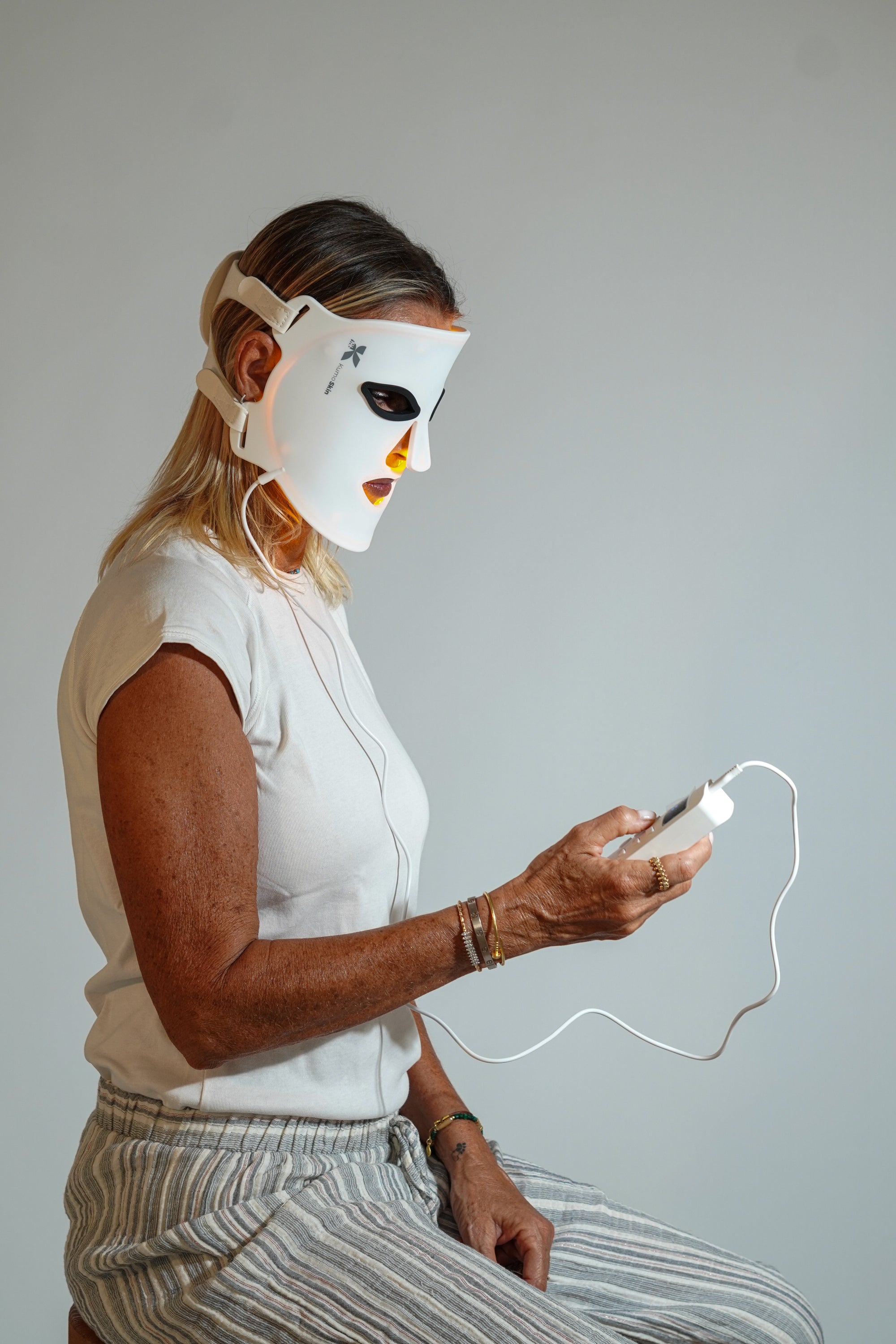
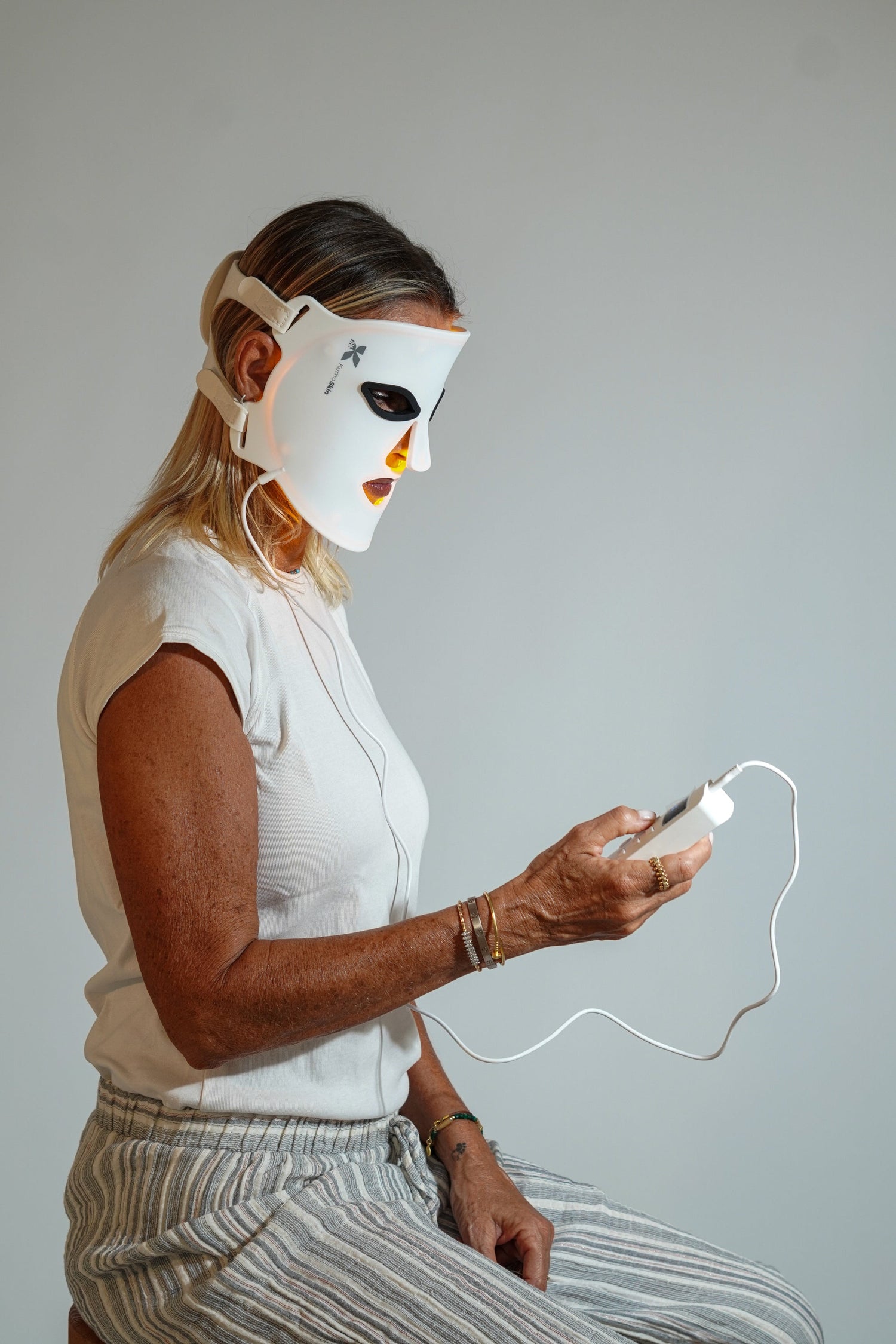
A facial LED mask is a device that emits low-intensity light (not laser, not UV) at specific wavelengths to modulate cellular processes in the skin. This process is known as photobiomodulation .
Photorejuvenation studies show that the most commonly used wavelengths are between 630 nm (red) and around 950 nm (near-infrared) , because they effectively penetrate the skin and stimulate collagen production with a high safety profile when used correctly. ( pmc.ncbi.nlm.nih.gov )
Simply put:
- Red light (≈630–660 nm) : helps activate fibroblasts, promotes collagen synthesis and can improve texture and fine lines with consistent use.
- Near infrared light (≈810–850 nm) : reaches deeper, supports microcirculation and tissue repair processes.
- Blue light : It is used primarily in the treatment of mild acne, due to its effect on the bacteria involved in breakouts. ( pmc.ncbi.nlm.nih.gov )
Important: we're talking about gradual support , not an immediate "wrinkle-erasing" effect. Most protocols mention visible improvements after several weeks of consistent use.
Potential benefits of using an LED facial mask after summer sun exposure
1. Soothe mild redness and skin stress
After weeks in the sun, skin is often more reactive. Low-intensity red light can help modulate mild inflammation and improve tightness, provided there is no severe sunburn or blistering. ( pmc.ncbi.nlm.nih.gov )
It is not an emergency treatment nor does it replace after-sun lotion or hydration, but it can be part of a strategy to restore comfort to the skin in the weeks following summer.
2. Support collagen production
Sun-induced photoaging degrades collagen and elastin. Several trials using red and near-infrared LEDs show improvements in collagen density, fine wrinkles, and texture after serial sessions, typically over 8–12 weeks. ( pmc.ncbi.nlm.nih.gov )
Using an LED face mask regularly in autumn can help to:
- To soften fine lines accentuated by summer.
- Improve skin firmness and overall appearance.
- Enhance the results of a well-designed topical routine (gentle retinoids, antioxidants, moisturizers).
3. Complementary support for stains (within limits)
Sun exposure increases dark spots and uneven pigmentation. Some research suggests that certain combinations of red and infrared light may improve skin tone and uniformity in the medium term. ( pmc.ncbi.nlm.nih.gov )
However:
- LED masks do not replace medical treatments for melasma or specific depigmenting agents.
- For skin with melasma or a tendency towards heat-induced hyperpigmentation, LED use should be evaluated by a dermatologist, as the heat from some devices can worsen these spots. ( harpersbazaar.com )
4. Complement the treatment of post-summer acne
In some people, sunlight seems to improve acne in the summer, but then breakouts return with a vengeance. Combined red and blue light devices have shown significant reductions in acne lesions with consistent use over several weeks, with good tolerance on sensitive skin. (allure.com )
In this context, a facial LED mask can be a useful complement (not a substitute) to the topical treatments prescribed by the dermatologist.
When to use (and when not to) an LED face mask after sunbathing
How long to wait after sun exposure
It depends on the condition of your skin:
- Skin slightly reddened but without burning : you can consider using the LED facial mask that same night or the next day, as long as the skin is not hot to the touch or painful.
- Mild sunburn (intense redness, discomfort) : wait until the acute redness and burning sensation disappear (several days) and focus your routine first on hydration, after sun and sun protection.
- Burn with blisters or severe pain : do not use light devices at home and consult a healthcare professional.
As a rule, the skin should be free of open wounds, blisters, and severe irritation before using the mask.
Indicative frequency and duration
Studies and protocols for home photobiomodulation typically fall within the ranges of: ( pmc.ncbi.nlm.nih.gov )
- 2–4 sessions per week ,
- 8 to 15 minutes per session ,
- for at least 8–12 weeks to assess results in texture, wrinkles and luminosity.
Always follow the specific instructions from the manufacturer of your LED facial mask and never exceed the recommended exposure times, thinking that "more is better." In photobiomodulation, there is an optimal dose, and exceeding it will not increase the benefits.
Step by step for a safe session at home
- Gently cleanse your skin and pat dry without rubbing. Avoid harsh exfoliation right before.
- Check your face : if there are recent burns, wounds, active eczema or severe outbreaks, postpone the session.
- Protect your eyes with the included goggles or those recommended by the manufacturer.
- Choose the appropriate program (red or / red+infrared; blue only if indicated and your skin tolerates it) and respect the recommended time and intensity.
- After the session, apply a repairing moisturizer .
- If it's daytime, always finish with a broad-spectrum sunscreen (SPF 50 or higher) and reapply every 2 hours during prolonged sun exposure, as recommended by dermatological societies. ( yalemedicine.org )
Precautions, contraindications and warning signs
Although LED face masks are generally considered safe when they are of good quality and used as directed, they are not suitable for everyone. Dermatologists and health organizations remind us that they are not a substitute for medical treatment and that there are groups for whom extra caution is advised. ( axios.com )
You should consult a dermatologist before using an LED facial mask if:
- You take photosensitizing medication (some antibiotics, oral retinoids, certain antidepressants, etc.).
- You have photosensitive diseases (for example, lupus) or a history of skin cancer.
- Do you suffer or have you suffered from melasma, or dark spots that worsen in the heat ? ( harpersbazaar.com )
- You are pregnant or breastfeeding and do not have your doctor's approval.
- Do you have implants or medical devices in the area to be treated that may be affected by light energy (always consult your doctor).
In any case, discontinue use and consult a doctor if you notice worsening of blemishes, intense irritation, persistent itching, or worsening of acne .
Comprehensive post-summer recovery routine with recovery technology
The LED face mask may be the centerpiece of your skin recovery routine , but it shouldn't be the only one:
- Morning : gentle cleansing, antioxidant (vitamin C or others), light moisturizer and SPF 50+ sunscreen.
- Night : cleansing, session with LED facial mask (on the days scheduled), repairing serum, nourishing moisturizer and, if your skin tolerates it, a mild retinoid a few nights a week (always under professional advice).
KUMO proposes a global vision of recovery:
- Their LED light therapy solutions are designed to support skin regeneration and daily well-being.
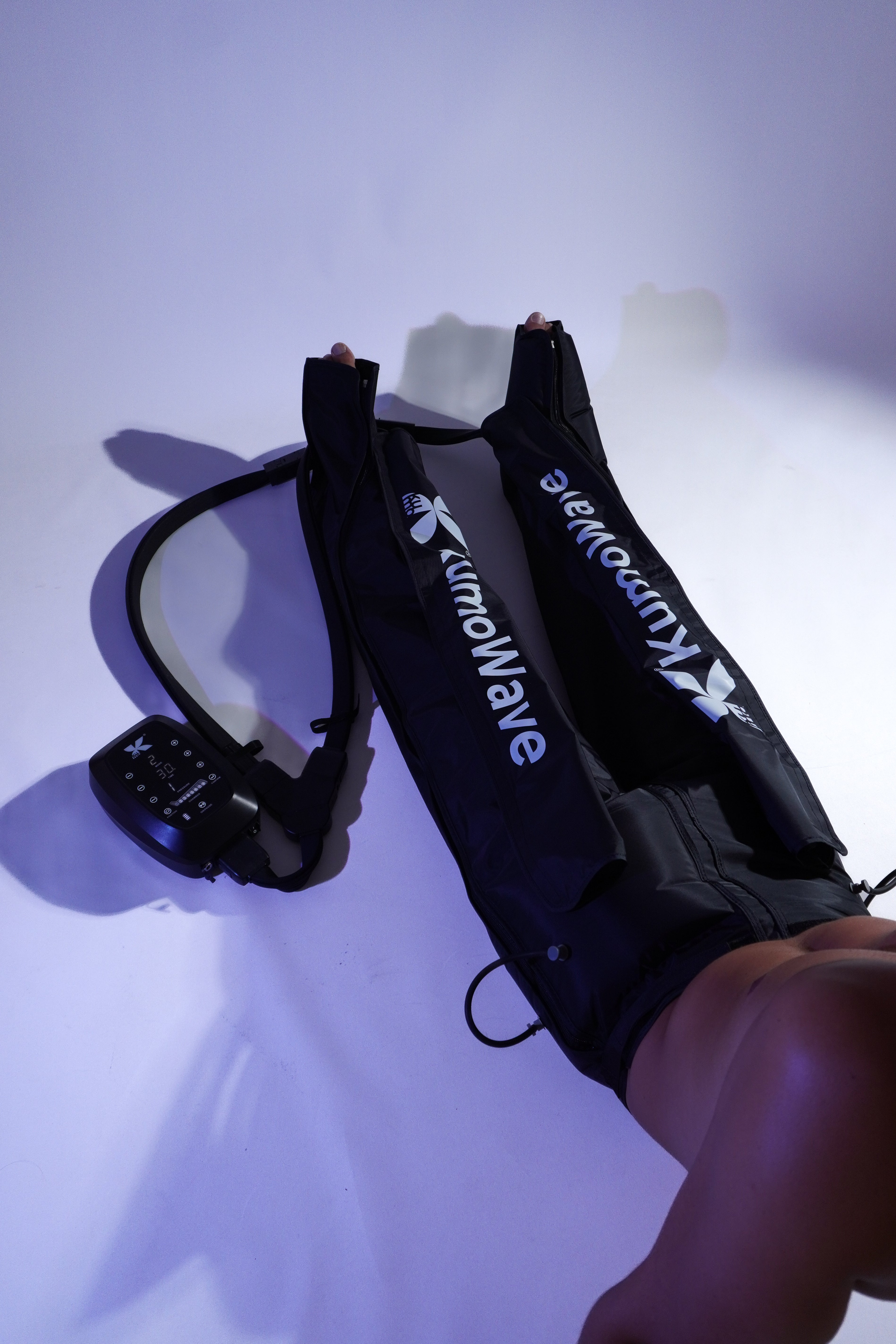
- For tired legs after travel, sports or long days on your feet, pressotherapy boots help activate circulation and relieve the feeling of heaviness.
- For strained muscles, a massage gun like KUMOPULSE AIR allows for targeted deep recovery.
Thus, your post-summer “reset” is not limited to the face, but encompasses skin, muscles and an overall feeling of rest , in line with KUMO's philosophy of making recovery a way of life.
Quick summary: LED face mask and post-summer skin
Smart usage chart for LED face masks after summer
| Post-summer goal | How can an LED face mask help? | When to avoid it or take extra precautions |
|---|---|---|
| Soothe mild redness and tightness | Low-intensity red light can modulate mild inflammation and improve comfort. | If there is severe burning, blisters, pain, or active eczema |
| Smooth fine lines and improve texture | Stimulates fibroblasts and supports collagen synthesis with consistent use | If you use strong retinoids or have recently undergone peels, space out treatments and consult a professional. |
| Improve brightness and a "dull" appearance | Optimizes microcirculation and surface cell renewal | If there is persistent irritation or extreme sensitivity |
| Support the control of mild-to-moderate acne | Red/blue combination as a complement to other treatments | If the acne is severe, nodular, or infected: dermatological evaluation is required. |
| Support a well-designed depigmenting routine | It can improve tone uniformity in the medium term | Melasma or spots that worsen with heat or light: it is essential to consult a dermatologist |
Frequently asked questions about LED face masks after summer
Is it safe to use an LED facial mask if my skin is tanned?
In most cases, it is possible to use an LED facial mask on tanned skin , provided there is no recent burn, blisters, or severe irritation. The light used in these devices is not ultraviolet, so it does not continue to "burn" or darken the skin like the sun does. ( pmc.ncbi.nlm.nih.gov )
Even so, it's best to introduce it gradually: start with short sessions, observe your skin's reaction, and always follow the manufacturer's recommendations. If you notice increased redness, tightness, or dark spots that intensify, discontinue use and consult a dermatologist.
How many times a week should you use an LED mask after summer?
The most common protocols in studies and clinical practice recommend 2 to 4 weekly sessions of approximately 8–15 minutes each, for at least 8–12 weeks, to assess results in texture, wrinkles, and radiance. ( pmc.ncbi.nlm.nih.gov )
However, each device has its own power and recommendations, so the manufacturer's manual should always be followed. More sessions or longer use than indicated will not lead to better results and may increase the risk of irritation. The key is moderate consistency and combining the mask with gentle cleansing, adequate hydration, and daily sun protection.
Does the LED facial mask replace after-sun lotion or sunscreen?
No. The LED facial mask is a complement to , not a substitute for, sun protection or basic after-sun care. Broad-spectrum sunscreen is the cornerstone of preventing photoaging and skin cancer, and should be applied every day, even when using LED light. ( pubmed.ncbi.nlm.nih.gov )
After-sun lotions and repairing creams provide soothing and hydrating ingredients that sunlight alone cannot. Ideally, sunscreen should be part of a routine that includes sun protection, generous hydration, antioxidants, and, if necessary, specific treatments prescribed by your dermatologist.
Can I use an LED face mask if I have melasma or dark sunspots?
The answer here is more nuanced. Although LED light is not UV, some masks generate heat , and heat is a known factor in worsening melasma and certain hyperpigmentation conditions. Dermatologists have warned that in people with melasma or a tendency to develop dark spots due to heat or visible light, certain devices could aggravate the problem. ( harpersbazaar.com )
If you have melasma or hormonal spots, it's best to consult your dermatologist first . They may recommend avoiding the device, limiting its use, or combining it with a depigmenting routine and strict sun protection (often with mineral filters and high SPF).
So what now?
If you want to intelligently integrate an LED facial mask into your post-summer recovery routine, the next step is to design a complete plan: daily sun protection, topical actives suited to your skin type, and a realistic session frequency. At KUMO, you'll find LED light therapy solutions, as well as recovery technologies like pressotherapy or the KUMOPULSE AIR massage gun to care for your body as well.
If you have specific questions about your case, you can contact the team through the contact page and discuss your situation before introducing any new technology into your routine.