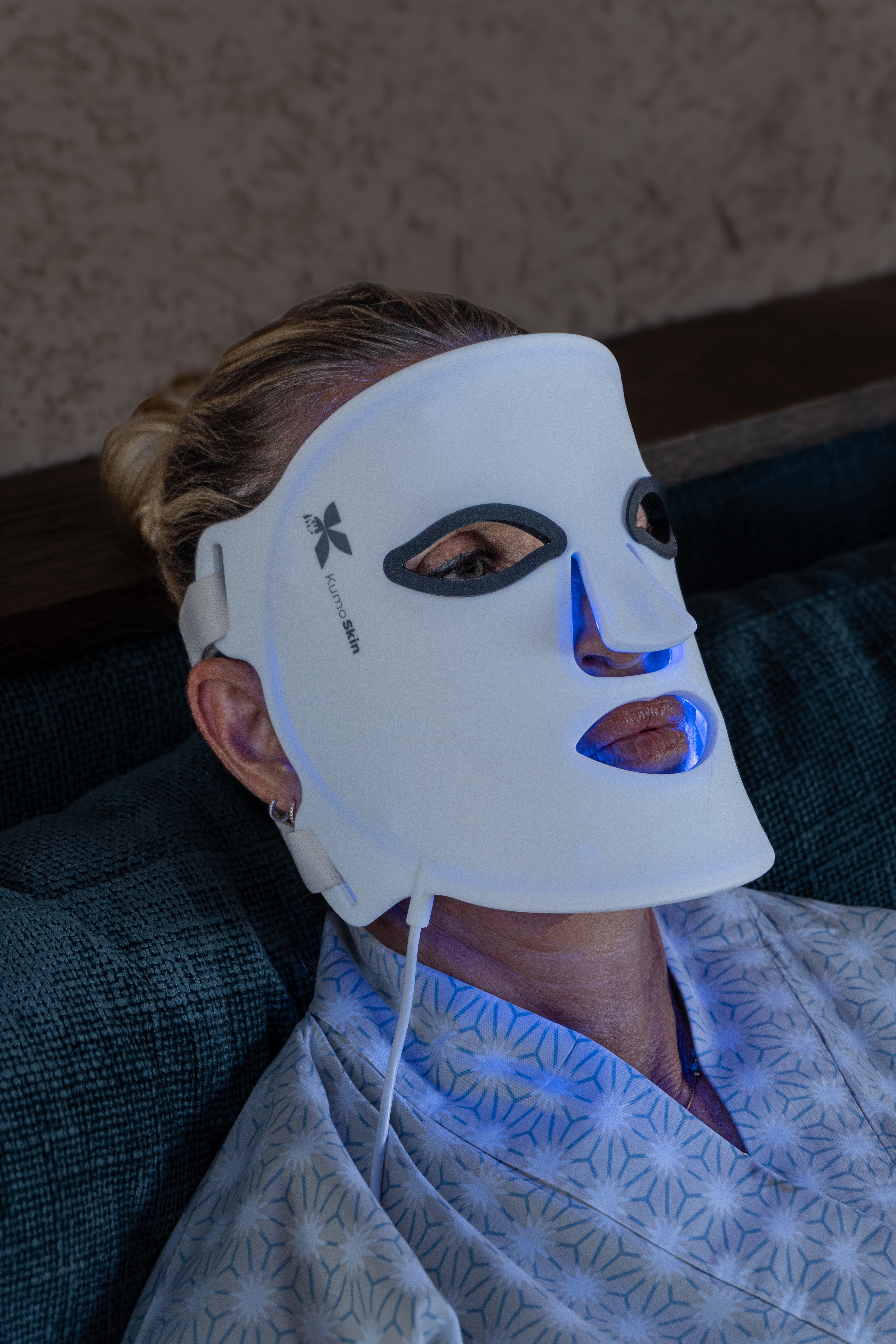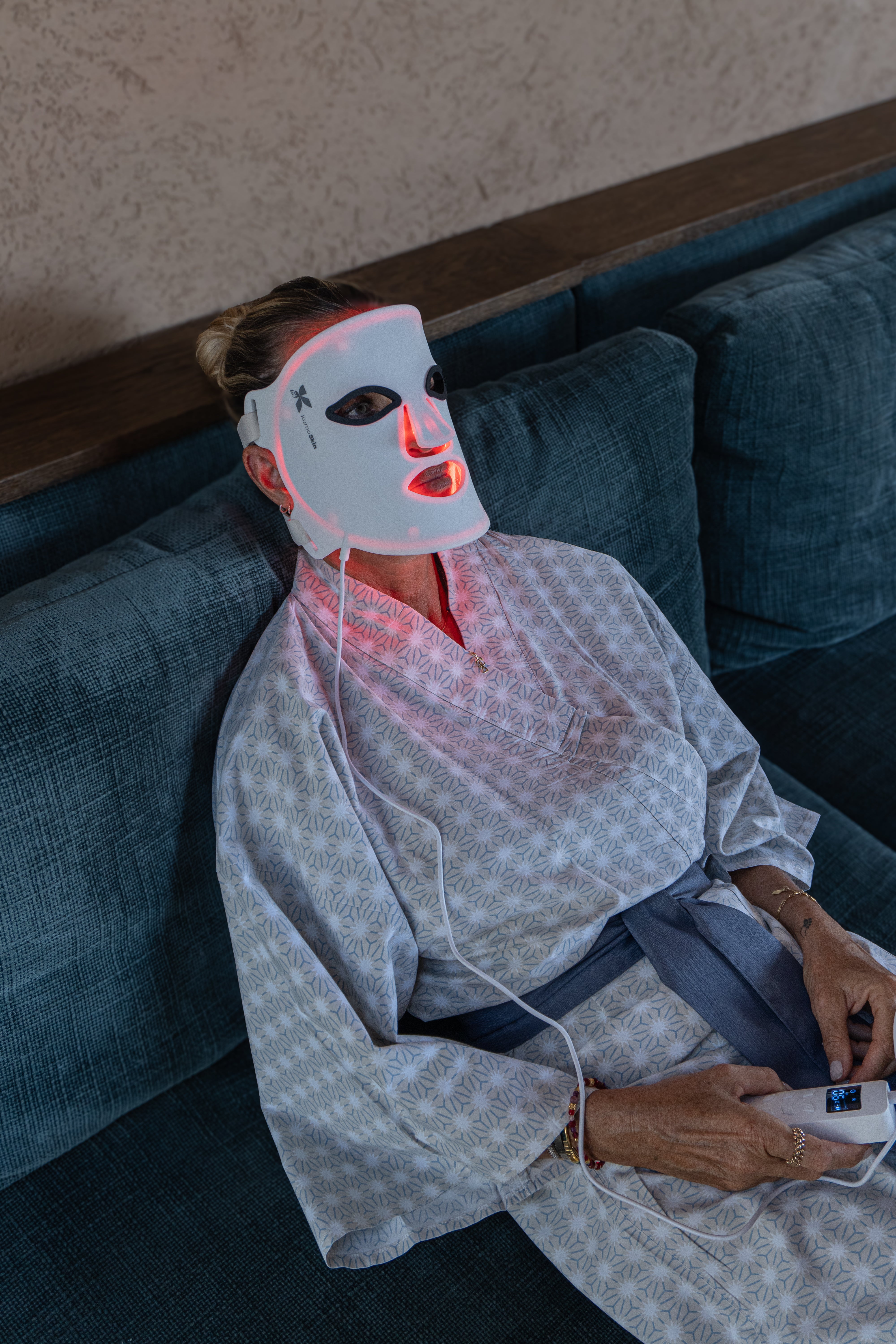
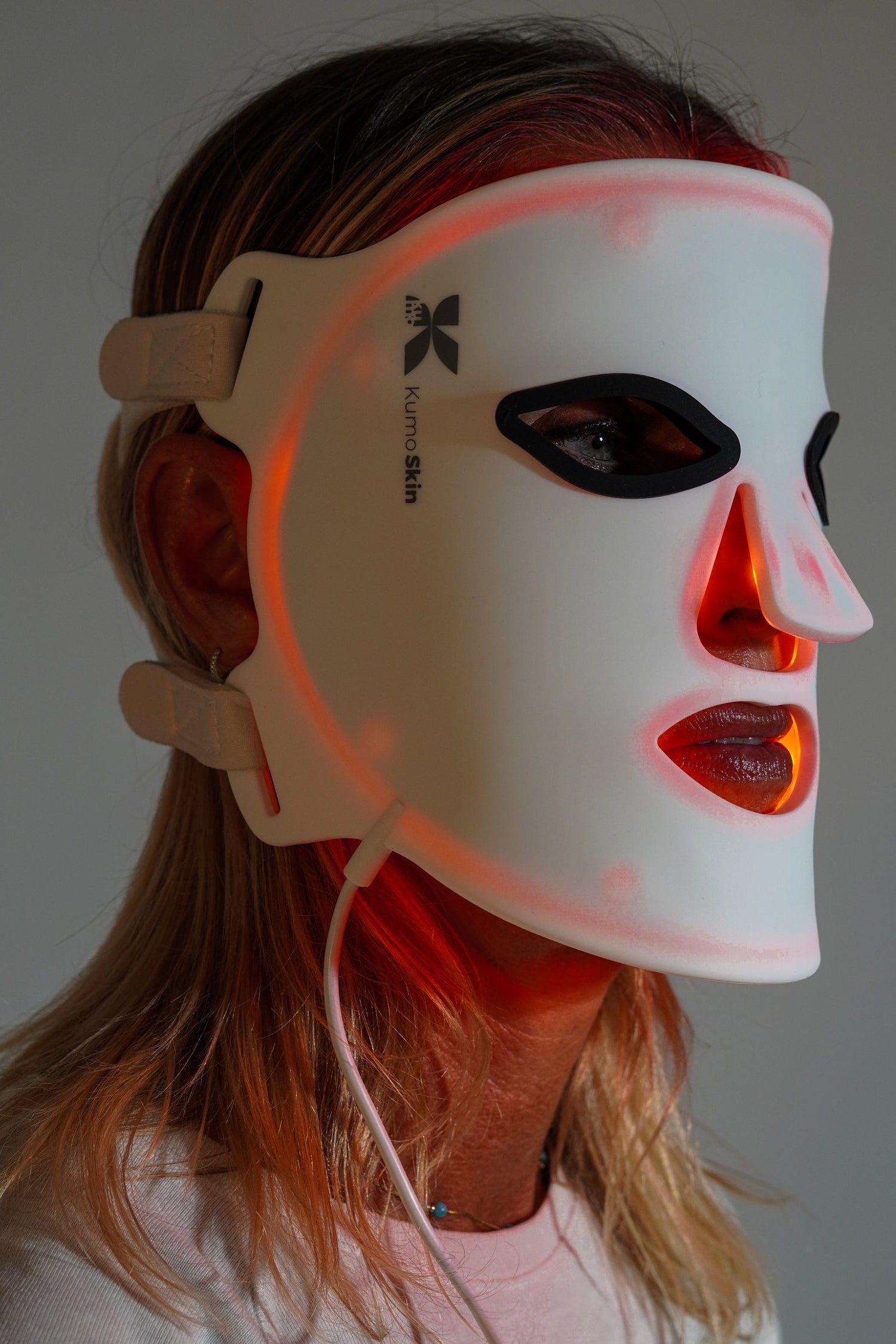
Red light therapy: risks and contraindications you should know. This guide explains when to avoid it, what side effects to watch for, and how to use it safely for your skin, muscles, and overall well-being.
Red light therapy (RLT or photobiomodulation) uses visible wavelengths (approximately 630–660 nm) and sometimes near-infrared wavelengths (approximately 810–850 nm). Its safety profile is favorable when used correctly, but it is not harmless or suitable for everyone. Below you will find real risks, absolute and relative contraindications, interactions with photosensitizing drugs, and responsible use practices supported by reliable sources.
In a little while
- Avoid RLT if you have photosensitivity, take photosensitizing drugs, or suffer from illnesses that worsen with light.
- Protect your eyes: do not look directly at the LEDs; wear appropriate glasses and maintain the recommended distance.
- Adverse effects are usually mild (erythema, dryness, headache), but discontinue use if intense burning, dizziness or worsening of an injury occurs.
- Pregnancy, active cancer, photosensitive epilepsy, and implanted devices require prior medical evaluation.
- Start with low doses, patch testing, and short sessions; gradually increase if there is no irritation.
How it works and why it matters for safety
Photobiomodulation acts primarily on the mitochondria, where cytochrome c oxidase absorbs red and near-infrared light, modulating energy (ATP) production and cell signaling. Safety depends on the "dose parameter": intensity (irradiance), time, frequency, and distance. Excessive doses can cause skin irritation or eye discomfort; very low doses may provide no benefit.
- Most commonly used wavelengths: red 630–660 nm; NIR 810–850 nm.
- Intensity and time should be adjusted to the indication and individual sensitivity.
- Photobiological safety standards and device design influence the risk of glare and heat.
For a general scientific basis on mechanisms and safety, see the 2018 and 2013 reviews on photobiomodulation and skin PubMed/NIH and NLM .
Practical tip: In photobiomodulation, "less can be more." Start gently and observe your skin's response.
Possible risks and side effects
Although RLT has a favorable safety profile in the literature, adverse events can occur, especially due to inadequate doses or sensitive skin.
Skin: redness and irritation
- Transient erythema, dryness, itching or a mild feeling of heat are the most common.
- Temporary worsening of acne or rosacea in reactive skin.
- Higher risk if combined with aggressive exfoliants, retinoids, or recent peels. Clinical reviews in dermatology describe generally mild and reversible events with NLM dose adjustment.
Eyes: photoglare and discomfort
- Do not look directly at powerful LED light sources. It can cause glare, tearing, headache, or eye strain.
- Use eye protection when the device requires it; respect the distance and angle. Optical radiation safety guidelines and ophthalmological recommendations advise caution with bright light near the eyes (AAO , NIOSH/CDC).
Headaches, dizziness, sleep disturbances
- Nighttime exposure to bright light can disrupt the circadian rhythm in sensitive individuals, although red light has less of an impact than blue light(Harvard Health ).
- If headaches or dizziness occur, reduce their intensity, duration, or proximity.
Drug interactions and photosensitivity
- Some medications and cosmetics increase sensitivity to light and can cause rashes or burning.
- Always consult MedlinePlus if you are taking photosensitizers (see table below).
Contraindications: absolute and relative
Absolute contraindications
- Known severe photosensitivity or due to diseases such as active cutaneous lupus.
- Light allergy/porphyrias.
- Acute eye injury or recent eye surgery (unless medically indicated and with specific protection).
Relative contraindications (consult a professional beforehand)
- Pregnancy: There is no conclusive evidence of harm with superficial RLT, but robust studies are lacking; avoid applying to the abdomen/chest without medical advice.
- Active cancer or suspicious lesions: PBM is being studied as an adjuvant in some contexts, but do not apply to tumors without oncological supervision.
- Photosensitive epilepsy: Although constant red light poses less risk than flashing lights, caution is still required and blinking should be avoided. Epilepsy Foundation .
- Implanted devices (e.g., pacemaker) or other recent energy treatments in the same area.
- Damaged skin, recent burns, or active infections: RLT can be used on wounds under specific protocols; without them, avoid direct application.
Reference table: photosensitizing drugs and precautions
Title: Medications and substances that can increase photosensitivity
| Drug or class | Main risk | To do | Fountain |
|---|---|---|---|
| Tetracyclines (e.g., doxycycline) | Eruption, burning | Avoid RLT during treatment or use very low doses after patch testing | MedlinePlus |
| Oral retinoids (isotretinoin) | Severe irritation, dryness | Postpone facial RLT until treatment is complete and skin has stabilized | AAD |
| NSAIDs (piroxicam) | Cutaneous photosensitivity | Monitor and reduce light dose | MedlinePlus |
| Thiazide diuretics | Phototoxicity | Consult with a doctor before RLT | MedlinePlus |
| Essential/cosmetic oils with AHAs | Irritation | Stop 24–48 h before; reintroduce gradually | AAD |
Note: This list is not exhaustive; please check package inserts and consult your doctor or pharmacist.
Good practices for responsible use
- Do a patch test: 3–5 minutes on a small area; wait 24 hours. If there is no reaction, gradually expand the area.
- Protect your eyes: do not look directly at the LEDs; wear glasses if the manufacturer indicates it.
- Respect distance/time: follow the device manual; avoid long unsupervised sessions.
- Frequency: Start 2–3 times per week and adjust according to tolerance.
- Skin preparation: cleanse and moisturize; avoid irritating active ingredients just before/after.
- Device hygiene: Clean surfaces after each use to prevent contamination.
- Avoid combining with other light/heat sources on the same day in the same area.
The quality of the device and its compliance with regulations affect safety. In the U.S., some LEDs for aesthetic indications have specific approvals; consult the FDA's guidelines for household devices.
Warning signs: when to stop and consult
- Pain, intense burning, blisters, or persistent rash.
- Noticeable worsening of acne/rosacea or bleeding in the treated area.
- Visual changes, eye pain, severe headaches, or dizziness.
- Any new symptoms after starting RLT if you are taking photosensitizing medications. In these cases, discontinue therapy and seek professional evaluation. Review evidence and clinical guidelines when in doubt; systematic reviews on light therapy for acne show variable results and highlight the importance of standardized Cochrane protocols.
What the evidence says about security
- Academic reviews indicate a generally favorable safety profile with mild adverse events when applied within appropriate parameters (PubMed, NLM ).
- Risks increase with excessive doses, direct eye exposure, or interaction with photosensitizers.
- User education and compliance with instructions substantially reduce unwanted events. For occupational safety and exposure limits to optical radiation, consult the technical guidelines of occupational health agencies NIOSH/CDC.
Who should avoid or postpone RLT?
- People with confirmed photosensitivity or porphyrias.
- Users of oral retinoids or active photosensitizing antibiotics.
- Pregnant women without specific medical approval.
- Patients with active cancer or suspicious lesions in the target area.
- Those who have photosensitive epilepsy or have suffered light-induced seizures.
If you have any doubts, prioritize an individualized assessment. Personalized dosage and monitoring make the difference between benefit and risk.
FAQ
Is red light therapy safe for everyday use?
It depends on the intensity, exposure time, and your skin's sensitivity. Many protocols start with 2–3 sessions per week and gradually increase if there is no irritation. “Daily” use may be suitable for some low-dose protocols, but if you notice persistent redness, dryness, or discomfort, reduce the frequency or duration. Avoid combining with retinoids or harsh exfoliants on the same day. Always protect your eyes. If you have a medical condition or are taking photosensitizing medication, consult your doctor before increasing the frequency.
Can red light damage my eyes?
Intense red light directed at close range can cause glare, tearing, eye strain, or headaches if you look directly at the LEDs. Avoid direct eye exposure and wear eye protection if indicated by the device. Maintain the recommended distance and angle. If you have recently had eye surgery, have severe dry eye, or have any other eye conditions, consult a doctor before use. If eye pain or visual changes occur, discontinue use and consult an eye care professional.
Is RLT suitable during pregnancy?
Specific evidence regarding use during pregnancy is limited. Although superficial laser therapy is non-ionizing and generally considered low-risk, caution is advised: avoid applying it to the abdomen and chest, and consult your healthcare professional before starting. If your skin is more sensitive due to hormonal changes, begin with low doses and observe for reactions. If you have any doubts, postponing treatment until you receive personalized recommendations is the safest course of action.
What happens if I take photosensitizing medications?
Some medications (e.g., tetracyclines, isotretinoin, certain diuretics) increase sensitivity to light and the risk of rashes or burning. Check the package leaflet and consult your doctor or pharmacist. If authorized, perform a patch test with short sessions and low intensity, and monitor your skin 24–48 hours later. If irritation occurs, discontinue use. Avoid irritating cosmetic ingredients on the same day to reduce the combined risk.
Can RLT worsen acne or rosacea?
For some people with reactive skin, the first few sessions may trigger redness or mild breakouts, which usually subside when the dose is adjusted. Evidence on light therapy for acne is mixed and depends on the wavelength and protocol. Start with short sessions, avoid additional heat and harsh active ingredients, and moisturize properly. If you notice a sustained worsening or discomfort, stop treatment and consult a dermatologist to adjust your plan.
To remember
- Red light therapy is generally safe, but not universally so: identify your contraindications and photosensitizing drugs.
- Eyes first: do not look at the light source; wear glasses when appropriate and respect distance/time.
- Start slowly: patch test, low intensity and gradual progression.
- Warning signs require a pause and consultation: pain, intense burning, persistent rashes, or eye symptoms.
- Adjust your routine: avoid combining with irritants and adapt the frequency to your tolerance.
- Ready to integrate recovery with responsible technology? Discover KUMO's philosophy and solutions at Kumo Balance .