Introduction: Why your cells depend on your rest
While you sleep, your body works at peak performance. Nighttime is the key period when cell regeneration is activated, tissues are repaired, the brain is cleared of waste, and many hormones involved in health and performance are rebalanced.
In this article you will see, in a clear and practical way, how deep sleep boosts the renewal of your cells , what happens at a biological level while you sleep, what happens when you sleep poorly and how you can use recovery habits and technology (such as light therapy or pressotherapy) to optimize this process.
Pressotherapy at home
End the day with light legs
★★★★★ 4,8/5 · rated by verified customers
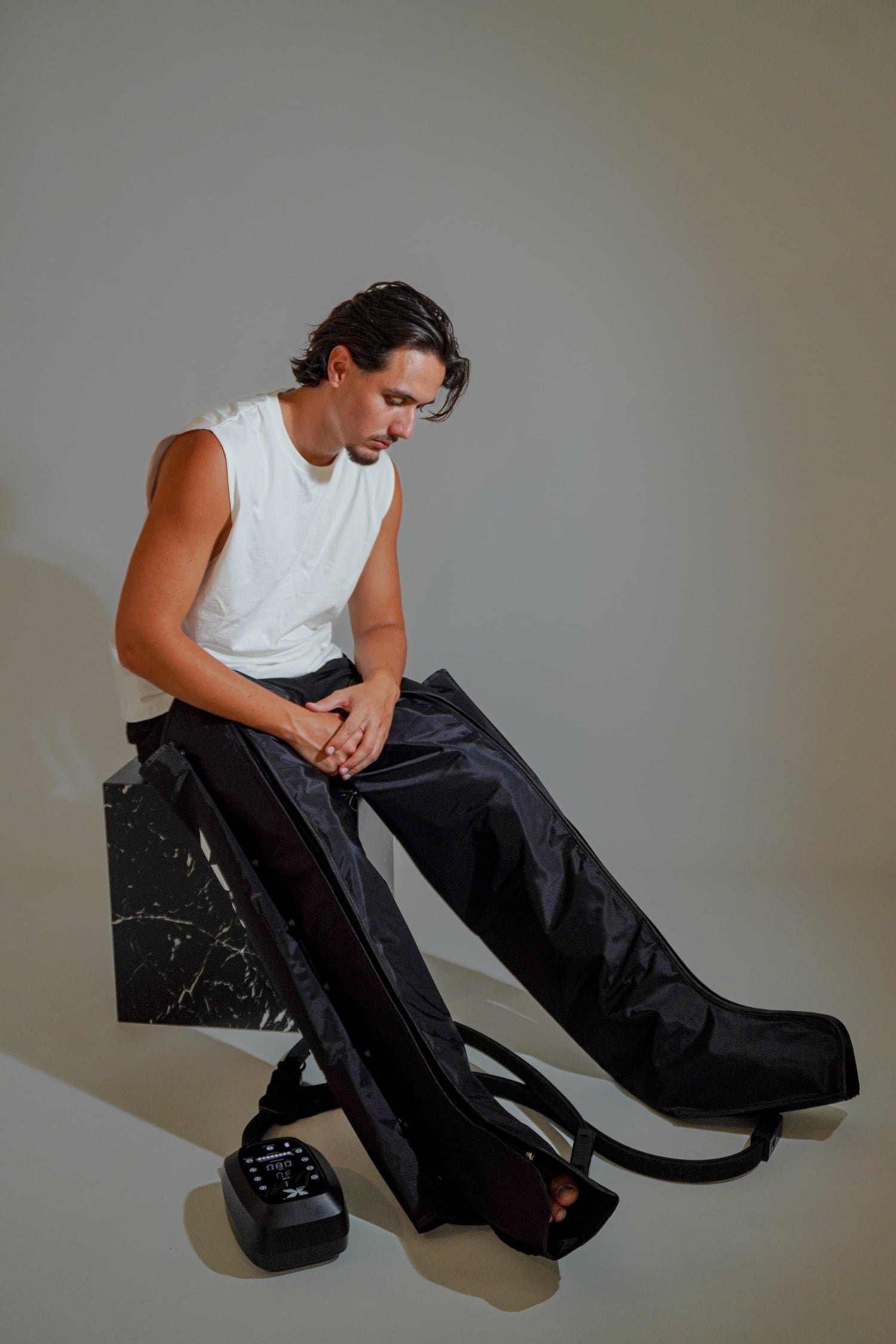
KumoWave pressotherapy boosts circulation and helps drain fluid with sequential compression, in 20-minute sessions at home.
- Boosts circulation and helps drain fluid
- Chamber-based compression, adjustable to you
- Sequential compression that mimics manual drainage
€799,00€999,00
−10% on your 1st order when you subscribe to the newsletter

If you're looking to understand the connection between restful sleep , cellular longevity , and daily performance , you've come to the right place.
What exactly is cell regeneration?
Cell regeneration is the process by which the body repairs, replaces, or renews damaged or aged cells . It's not a one-off event: it happens silently, every day, in all tissues.
Personalized protocol · included with your purchase
Want us to tell you how to use it in your case?
With your purchase, our experts prepare a personalized usage protocol for your case: sport, circulation, fluid retention, pregnancy or lipedema.
Message us on WhatsAppOur experts reply · no obligation
Some common examples:
- The skin renews its outermost layer approximately every 28 days (in adults).
- Skeletal muscle repairs itself after exercise or injury through the activation of satellite cells.
- In the brain, although most neurons are not replaced, there are processes of plasticity and "cleaning" of synapses during sleep.
This repair cycle is profoundly influenced by circadian rhythms and the quality of your night's rest.
How are sleep and cell regeneration related?
Nighttime hormones: melatonin, growth hormone, and more
As night falls, the brain begins to release melatonin , a key hormone for regulating the sleep-wake cycle and with a powerful antioxidant effect. During the night, the secretion of growth hormone (GH) also increases, especially during the deep sleep stages (N3). Both are involved in:
on your first order when you join the newsletter
We send you the code instantly. No spam.
- Tissue repair and muscle protein synthesis.
- Defense against oxidative stress and free radicals.
- Immune system support and cellular detoxification processes.
When sleep is insufficient or fragmented, these hormonal rhythms are disrupted, reducing the capacity for nocturnal cell renewal .
Sleep stages and repair processes
Not all sleep stages contribute equally to cell regeneration. To put it simply:
- Deep sleep (N3) : associated with the greatest release of GH, muscle repair, tissue regeneration, and consolidation of certain types of memory.
- REM sleep : more related to emotional and cognitive integration, but also to fine metabolic processes and neuronal plasticity.
- N1–N2 transitions : help stabilize the sleep cycle, but their role in repair is indirect.
The key is not just "how many hours" you sleep, but how much time you spend in deep and REM sleep without frequent interruptions.
Summary table: what regenerates while you sleep
Main cell regeneration processes during sleep
| Tissue / System | What happens during sleep | Impact if you sleep well | Consequence of sleeping poorly |
|---|---|---|---|
| Fur | Increased collagen synthesis and repair of oxidative and UV damage. | Firmer, brighter skin with a better skin barrier. | Dull appearance, premature aging, worse healing. |
| Muscles | Repair of micro-tears, protein synthesis, reduction of inflammation. | Better recovery after exercise, more strength and less muscle soreness. | Persistent fatigue, increased risk of injury, and loss of muscle mass. |
| Nervous system | Clearance of metabolites (glymphatic system), reorganization of connections. | Greater mental clarity, improved memory and daytime concentration. | Brain fog, irritability, worse cognitive performance. |
| Immune system | Cytokine modulation, immunological “learning”. | Greater defense against infections and less chronic inflammation. | Increased susceptibility to colds and low-grade inflammatory processes. |
What happens in your cells while you sleep
DNA repair and antioxidant defense
During the night, cells increase the activity of DNA repair enzymes and antioxidant mechanisms. This helps to repair damage caused by UV radiation, pollution, stress, or intense exercise.
Quality sleep is associated with less accumulation of damage to genetic material , a key factor in preventing premature aging and chronic diseases. When lack of sleep becomes chronic, cells accumulate errors that can affect their normal functioning.
Autophagy: the internal recycling of the cell
Another process linked to cell regeneration is autophagy , the system the cell uses to "recycle" damaged or obsolete components. This mechanism is modulated by the circadian rhythm and is enhanced during certain periods of fasting and sleep.
A healthy sleep-wake cycle promotes efficient autophagy , resulting in cleaner, more functional cells. Conversely, night shifts, intense screen time, or going to bed at irregular hours can disrupt this rhythm.
Microcirculation and tissue oxygenation
During the night, the microcirculation reorganizes, improving the delivery of oxygen and nutrients to various organs. Good blood perfusion is essential for effective cell regeneration.
Therefore, strategies that promote venous return and circulation—such as regular physical activity or intermittent pneumatic compression tools—can complement the restorative effect of sleep, especially in legs and muscles subjected to daily load.
When sleep is disrupted: impact on cell regeneration
Fewer hours of sleep, more oxidative stress
Chronically insufficient sleep (e.g., 5–6 hours instead of the 7–9 hours recommended for adults) is associated with:
- Increased oxidative stress and accumulated cell damage.
- Alterations in insulin signaling and energy metabolism.
- Increased levels of low-grade inflammatory markers.
All of this reduces the body's ability to repair itself efficiently each night, accelerating wear and tear processes in the skin, muscles, joints, and nervous system.
Circadian rhythm disruption and regeneration
It's not just how much you sleep that matters, but when you sleep. Going to bed and waking up at very irregular hours, working night shifts, or being exposed to very bright screen light at night can disrupt your biological clock.
This circadian mismatch affects the expression of genes related to metabolism, inflammation, and tissue repair. In practice, it means your body doesn't quite know when to repair itself, and nighttime regenerative efficiency decreases.
Sleep quality, inflammation, and muscle pain
Fragmented sleep (frequent awakenings, snoring, stress-related interruptions) has a direct effect on pain perception and muscle recovery. Even if you sleep 7–8 hours in total, if those hours are highly fragmented, the release of growth hormone (GH) and other restorative mediators is disrupted.
The result can be a feeling of "not having rested", more morning stiffness, and a slower recovery after exercise or a physically demanding day.
Daily habits to boost cell regeneration through sleep
Consistent sleep routine: the first “supplement” is discipline
Before considering supplements or advanced technologies, the foundation is solid sleep hygiene :
- Going to bed and getting up at similar times every day (even on weekends).
- Avoid heavy meals and alcohol close to bedtime.
- Reduce the use of bright screens at least 60–90 minutes before going to bed.
- Take care of the bedroom environment: dark, quiet and cool (approx. 18–20 ºC).
These measures can improve both the quantity and quality of deep sleep, facilitating nighttime cellular repair processes.
Movement and exposure to daylight
Cell regeneration is enhanced when the biological clock is properly synchronized. Two key factors are:
- Natural light in the morning : going outside and receiving daylight helps to "set the clock" on your internal clock that regulates melatonin at night.
- Regular physical activity : exercise stimulates mitochondrial biogenesis, improves circulation and increases the physiological need for deep sleep.
The combination of daytime movement and nighttime darkness creates a clear contrast for the body, which responds with more robust sleep-wake cycles.
Nutrition that supports nighttime repair
There is no magic diet, but there are principles that help cellular health and rest:
- Prioritize foods rich in antioxidants (fruits, colorful vegetables, red berries, extra virgin olive oil).
- Ensuring sufficient quality protein throughout the day is key to tissue repair.
- Pay attention to your schedule: eating dinner too late can interfere with deep sleep.
In some cases, under professional supervision, intermittent fasting strategies or macronutrient adjustments can be considered to better harmonize the circadian rhythm.
Recovery technologies to support cell regeneration and sleep
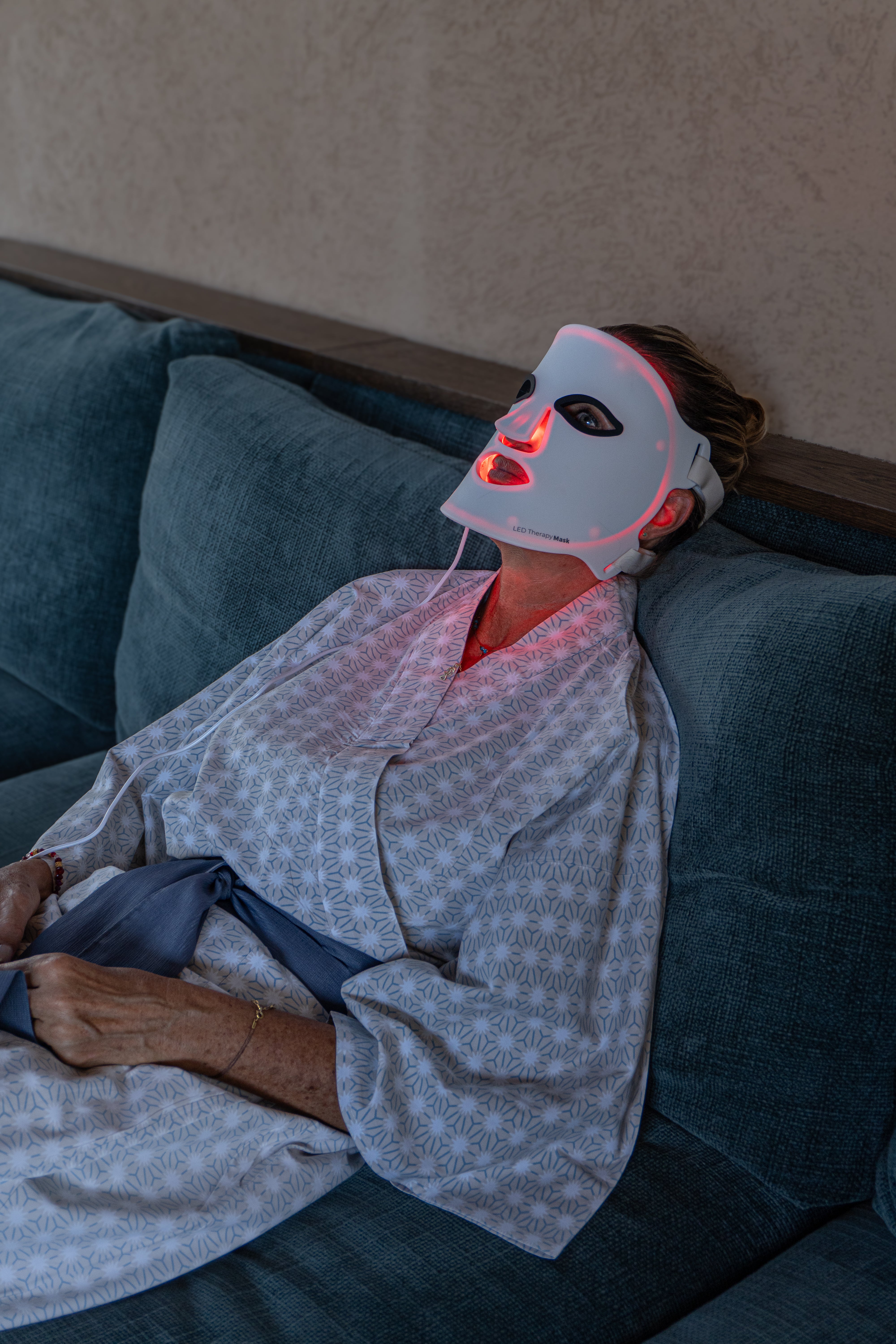
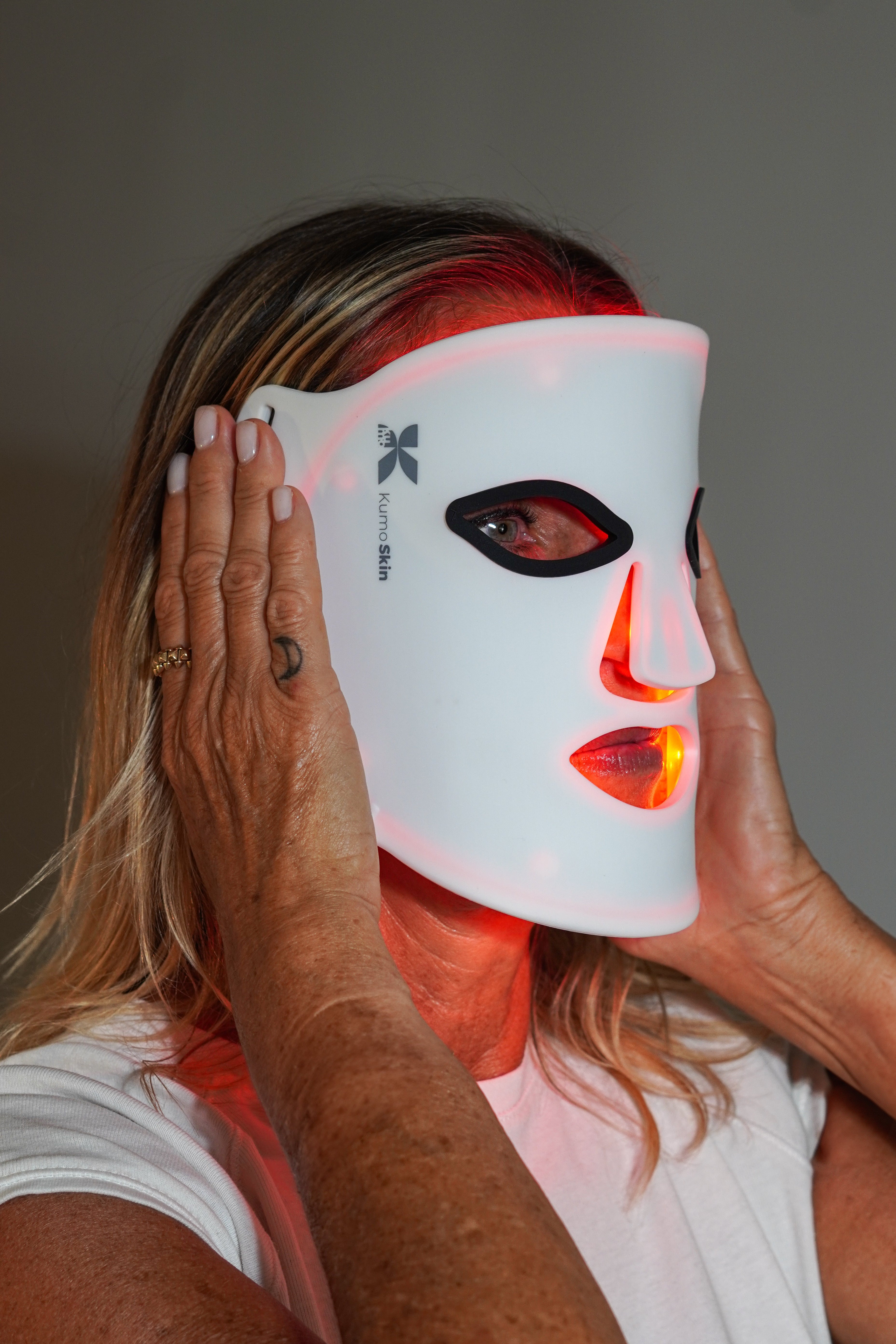
Red light therapy and LED: supporting tissue repair
Red light and near-infrared light therapy (often called photobiomodulation) has shown positive effects on mitochondrial function , tissue repair, and the reduction of localized inflammation in preliminary studies. When applied appropriately and consistently, it can:
- Promote muscle recovery after intense exercise.
- Support skin repair processes (skin appearance, healing).
- Contribute to relaxation before rest, especially if integrated into a nighttime routine.
If you are interested in learning more about LED light solutions geared towards recovery, you can explore KUMO's LED light therapy collection .
Massage and pressotherapy: circulation and drainage as the basis of regeneration
For cell regeneration processes to function properly, blood and lymph must circulate efficiently. This is where tools such as the following come into play:
- Massage guns : These help relax tense muscles, improve venous return, and prepare the body for deeper sleep. One example is the KumoPulse Air massage gun , designed for precise muscle relaxation.
- Compression therapy boots : These use sequential compression to stimulate circulation in the legs, which can relieve heaviness and aid recovery after sports or long periods of standing. You can see options in the compression therapy section of KUMO .
Integrating these technologies into a nighttime routine can facilitate the transition to rest and complement the natural regeneration mechanisms that are activated during sleep.
Nighttime skin care
Nighttime is the prime time to apply treatments that support skin cell renewal : topical actives (such as retinoids or peptides, always according to tolerance and professional advice) and specific facial care devices.
Combining proper sleep hygiene with a nightly self-care ritual, and with technologies such as LED facial masks , can maximize the skin's ability to regenerate while you sleep and boost visible results in the medium term.
How to integrate cell regeneration into your lifestyle
Design your nightly “recovery window”
Think of the night as a daily recovery window of at least 7–9 hours. To take advantage of it:
- Choose a target bedtime and stick to it most days.
- Plan your dinner to finish 2–3 hours before going to bed.
- Set aside 20–30 minutes before sleep for your recovery routine (gentle stretching, compression therapy, massage, red light, calm reading).
- Avoid important decisions or intense work in that last slot.
When you make recovery a non-negotiable part of your day, cell regeneration ceases to be theoretical and becomes a tangible habit.
Listen to your body's signals
Beyond watches and apps, your body sends clear signals about its recovery status:
- Wake up rested without needing multiple alarms.
- Stable concentration ability throughout the day.
- Reasonable recovery after intense training or effort.
If these markers deteriorate for several weeks, it may be a sign that your nighttime regeneration is not optimal and that you need to review your sleep, stress load, diet, and recovery routines.
Frequently asked questions about cell regeneration and sleep
How many hours should I sleep to promote cell regeneration?
Most health guidelines recommend that adults sleep between 7 and 9 hours per night . It's not just about quantity, but also quality: sleep with sufficient deep (N3) and REM sleep is essential for tissue repair, memory consolidation, and hormonal regulation. If you chronically sleep less than 6 hours, your body likely won't have enough time to complete all the cellular renewal processes that take place during the night.
Is it possible to improve cell regeneration with supplements alone?
Supplements alone cannot replace the basic pillars of regeneration: restorative sleep, proper nutrition, daily exercise, and stress management . Some antioxidant compounds or recovery promoters can be helpful in specific contexts and under professional supervision, but if your sleep is insufficient or of poor quality, their effect will be limited. First, it's best to optimize your sleep schedule, improve sleep hygiene, and, if desired, utilize recovery technologies; then, consider supplements as a complement, never as the primary solution.
Does blue light from screens really affect cell regeneration?
Intense exposure to blue light at night, from mobile phones, tablets, or computers, can delay the release of melatonin and make it harder to fall asleep. This reduces total sleep time and can decrease the deep and REM sleep phases, which are crucial for cellular repair. It's not so much that blue light directly "damages" cells, but rather that it interferes with the biological clock and the hormonal environment necessary for optimal regeneration.
Does intense exercise before bed harm cell regeneration?
Exercise is a powerful stimulus for muscle adaptation and regeneration , but performing very intense workouts right before bed can raise body temperature and nervous system activation too much, making it difficult to rest. If you have trouble falling asleep or experience very light sleep after a late workout, it may be helpful to move your session earlier or incorporate recovery strategies (gentle stretching, a warm shower, relaxation techniques, massage, or compression therapy) to facilitate the transition to sleep and thus not compromise nighttime repair.
Do naps also promote cell regeneration?
Short naps (15–30 minutes) can improve alertness, cognitive performance, and perceived fatigue without significantly interfering with nighttime sleep for most people. Although most deep cellular regeneration occurs during nighttime sleep, these daytime breaks help reduce stress and stabilize the nervous system. However, if naps are too long or too late in the day, they can make it difficult to fall asleep at night and, consequently, negatively impact overall recovery.
So what now? Bringing cellular regeneration into your daily life
If you want to go a step further and make cell regeneration and restorative sleep a habit, the next step is to design your own recovery routine : adjust your schedule, take care of your sleep environment, and leverage technologies that make it easy. At KUMO, you'll find solutions designed to integrate recovery into your daily life, from pressotherapy to LED light therapy and massage devices. And if you need additional guidance, you can contact us through our contact page for personalized support on your journey to more restful sleep.
KumoWave pressotherapy
Choose your at-home pressotherapy
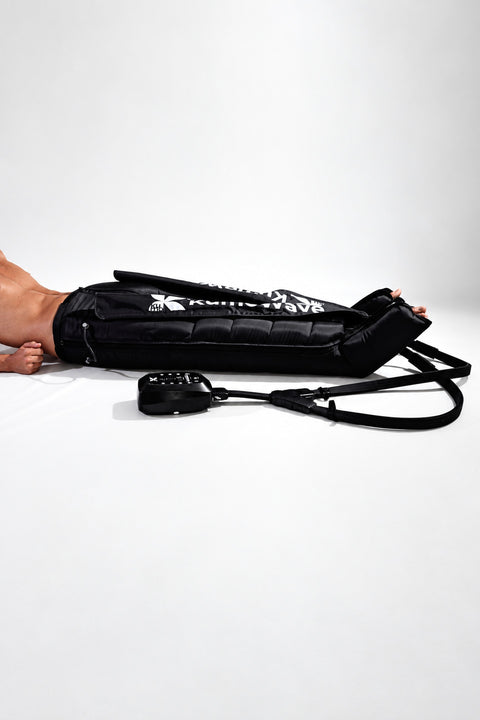
KumoWave Elite – Pressotherapy Pants
Full-coverage trousers. Ideal for lipedema, fluid retention and intensive use.
€799,00 €999,00
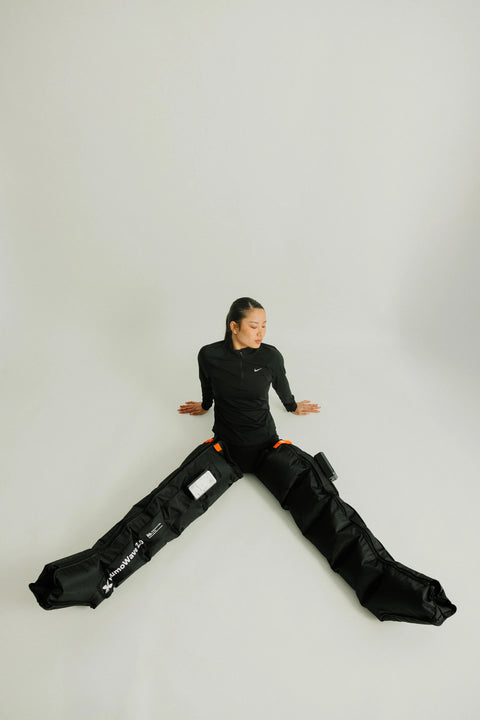
KumoWave 2.0 - Wireless Pressotherapy
Wireless, lightweight boots. Perfect for daily use and recovery.
€499,00 €599,00