Lipedema in the arms is not normal fat. It is a chronic disorder of adipose tissue that can thicken the arms, cause pain and bruising, and be mistaken for obesity, cellulite, or lymphedema. The NHS describes it as an abnormal accumulation of fat that mainly affects the legs, but sometimes also the arms, with the hands usually spared. (nhs.uk)
If you're looking for an overview of the condition, it's helpful to start by understanding how to recognize it early and that arm involvement can be slow, uneven, and distinct from simple volume increase. In a survey published in 2024 with 707 women with a lipedema phenotype, upper limb involvement was common. (journals.sagepub.com)
Pressotherapy at home
End the day with light legs
★★★★★ 4,8/5 · rated by verified customers
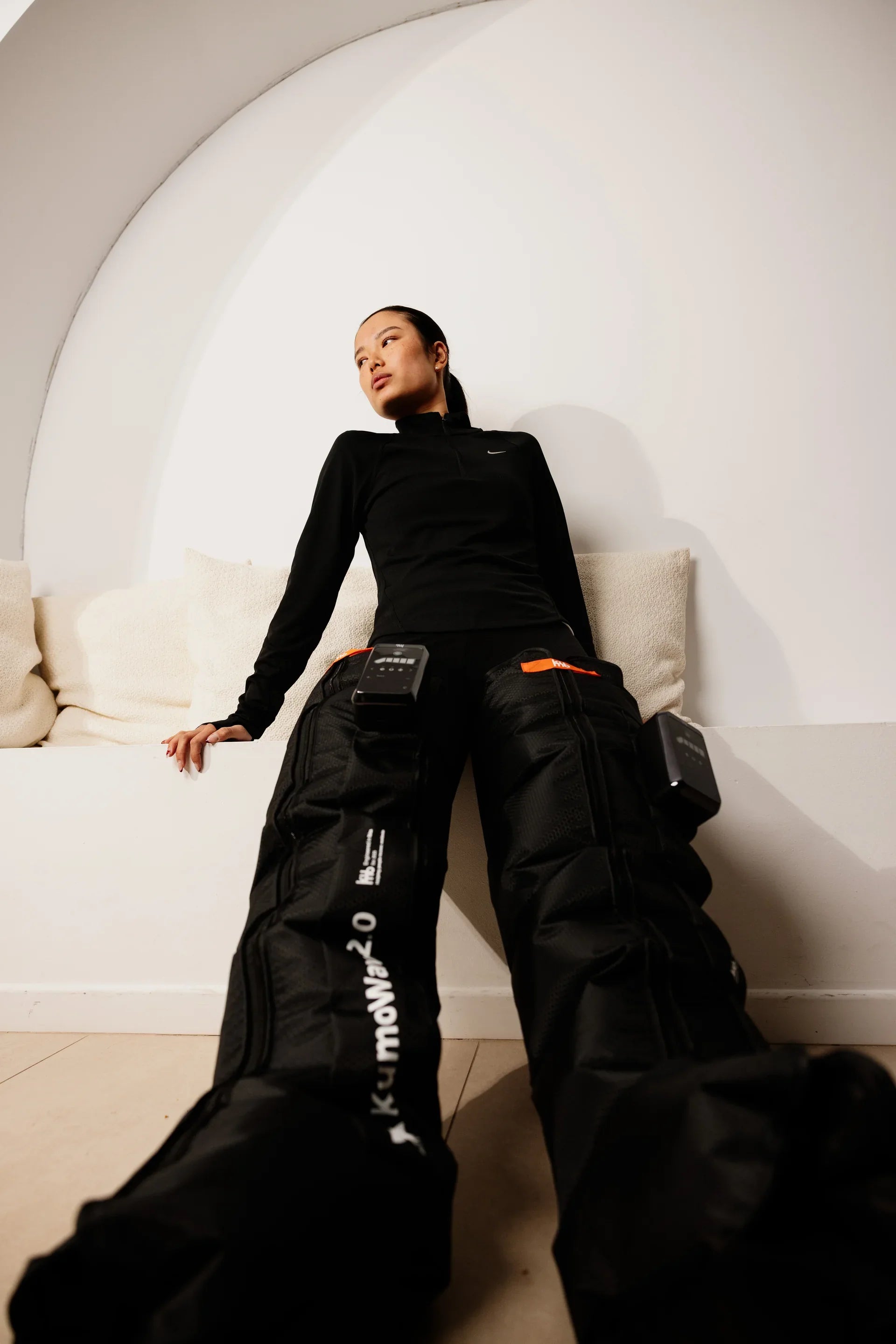
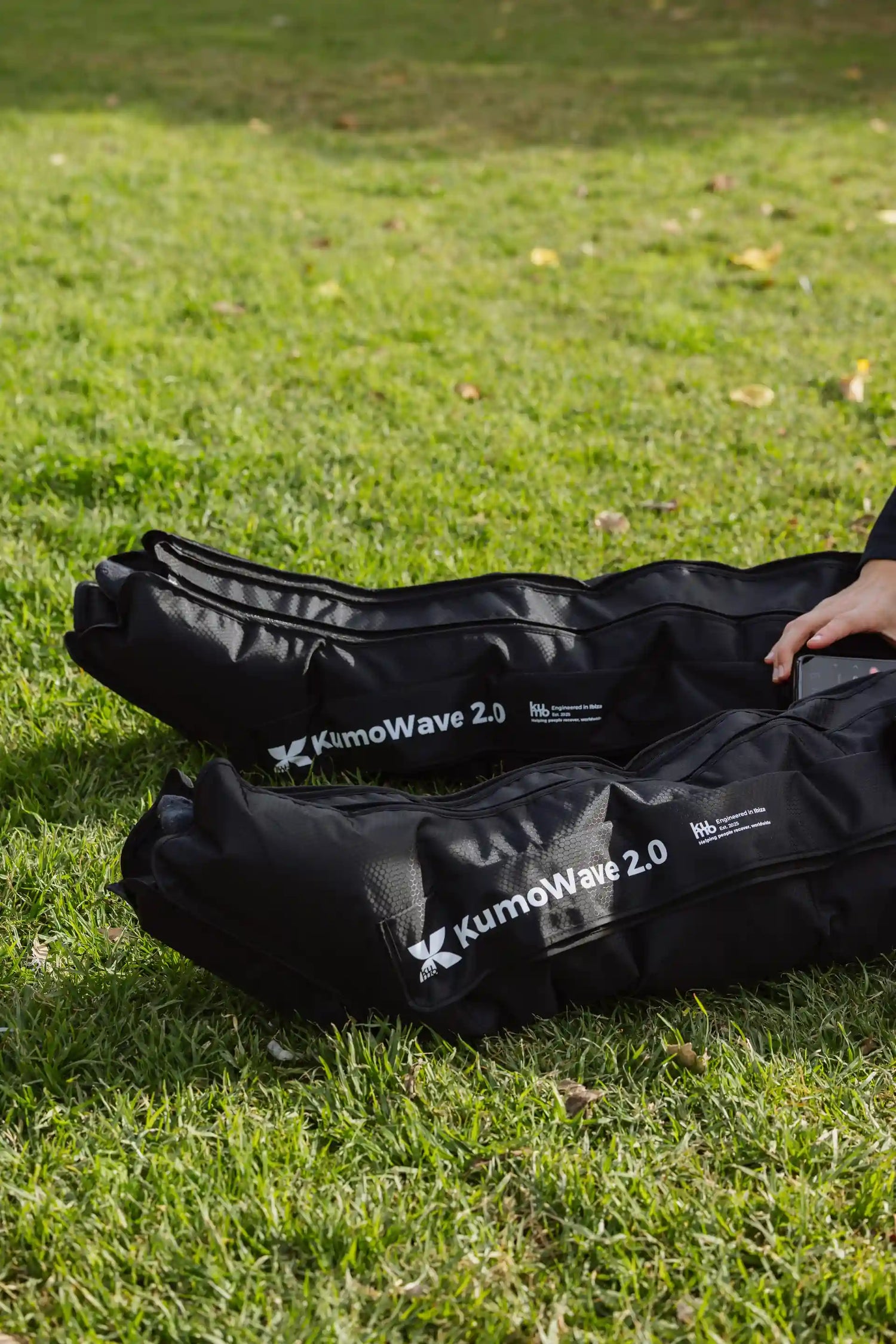
KumoWave pressotherapy boosts circulation and helps drain fluid with sequential compression, in 20-minute sessions at home.
- Boosts circulation and helps drain fluid
- Chamber-based compression, adjustable to you
- Sequential compression that mimics manual drainage
€799,00€999,00
−10% on your 1st order when you subscribe to the newsletter

What is lipedema in the arms?
Lipedema is a disproportionate and symmetrical distribution of fat that can extend to the arms, from the elbows or shoulders to the wrists. StatPearls explains that lipedema fat can affect the lower extremities and also the adipose tissue of the upper arms, with usual preservation of hands and feet. (ncbi.nlm.nih.gov)
It's not just a cosmetic problem: the tissue can be painful to the touch, feel heavy, and show a tendency to bruise. Furthermore, the condition occurs much more frequently in women and often goes unnoticed for years because it is confused with common adiposity or fluid retention. (nhs.uk)
Personalized protocol · included with your purchase
Want us to tell you how to use it in your case?
With your purchase, our experts prepare a personalized usage protocol for your case: sport, circulation, fluid retention, pregnancy or lipedema.
Message us on WhatsAppOur experts reply · no obligation
Causes and associated factors
The exact cause is unclear, but today it is considered a multifactorial condition involving hormones and genetics. A 2025 systematic review on hormones and lipedema summarizes the possible role of estrogen, and a 2024 family study supported genetic heterogeneity, not a single responsible mutation. (pmc.ncbi.nlm.nih.gov)
The NHS notes that it can appear or worsen at puberty, pregnancy, or menopause, and that it is not explained by "being fat": it can also occur in people of normal weight and sometimes runs in families. (nhs.uk)
Symptoms of lipedema in the arms
In the arms, the typical pattern combines disproportion, sensitivity to touch, and a tendency to bruise. Sometimes the symptoms are less obvious than in the legs or appear later, which was also noted in a 2024 survey of women with a lipedema phenotype. (journals.sagepub.com)
on your first order when you join the newsletter
We send you the code instantly. No spam.
- Arms appear wider or heavier than the rest of the body, often symmetrically. (nhs.uk)
- There is pain, discomfort, or tenderness when touching or pressing the tissue. (nhs.uk)
- Bruises appear easily, even after minor bumps. (nhs.uk)
- The skin may feel soft, cool, and have an irregular texture or small nodules. (ncbi.nlm.nih.gov)
- Hands are usually unaffected; if they do swell, lymphedema should also be considered. (nhs.uk)
If the arm becomes red, hot, and painful, especially with fever or general malaise, it no longer fits the usual pattern of lipedema and an infection such as cellulitis should be considered. (nhs.uk)
Stages of lipedema in the arms
There is no exclusive scale for arms; the Lipedema Foundation itself notes that current staging is based primarily on the lower limbs, while Stanford describes clinical progression in four stages and recognizes the possible involvement of the arms. (lipedema.org)
Visual summary of the stages
| Clinical Stage | What is usually seen in the arm | What the person may notice |
|---|---|---|
| Stage 1 | Nearly smooth skin, with small palpable nodules and slight increase in volume. | Pain on pressure and a feeling of a "heavier" arm without marked deformity. (ncbi.nlm.nih.gov) |
| Stage 2 | Irregular surface, dimples or "orange peel" texture, with clearer nodules. | More sensitivity, more heaviness, and in the arms, a more pronounced edge near the wrist may begin to be noticed. (ncbi.nlm.nih.gov) |
| Stage 3 | Folds, more fibrous tissue, and more visible or hanging fat masses. | Functional limitation, chafing, fatigue when moving the arms, and greater aesthetic impact. (ncbi.nlm.nih.gov) |
| Advanced Stage / Lipolymphedema | In addition to fatty tissue, additional edema appears due to lymphatic involvement. | There may be more complex swelling, even in the hands, and mobility becomes more difficult. (stanfordhealthcare.org) |
In practice, the further the condition progresses, the more likely it is to see hanging tissue, loss of elasticity, and functional limitation. It is also worth knowing that some guidelines reserve the term "stage 4" for lipolymphedema, so the important thing is not to memorize the number, but to detect if edema is being added to the fatty tissue. (lipedema.org)
How to distinguish it from cellulite and lymphedema
If you need a more visual comparison, the guide on how to differentiate them without errors can help you sort out the signals. In clinical terms, lipedema is usually bilateral, painful, and bruises easily; aesthetic cellulite is more superficial, and lymphedema adds a pattern of swelling due to impaired lymphatic drainage. (pmc.ncbi.nlm.nih.gov)
- Lipedema usually affects both arms fairly symmetrically and spares hands and feet. (nhs.uk)
- Lymphedema can involve hands or feet and is associated with the famous positive Stemmer sign, which indicates a lymphatic problem. (ncbi.nlm.nih.gov)
- Infectious cellulitis is suspected if the arm is red, hot, painful, and the person feels feverish or "flu-like." (nhs.uk)
When in doubt, the specialist can rely on ultrasound, magnetic resonance imaging, or lymphoscintigraphy to differentiate lipedema and lymphedema, in addition to evaluating the overall symptoms and tissue distribution. (ncbi.nlm.nih.gov)
Medical diagnosis: what the specialist usually evaluates
Diagnosis is usually clinical: history, physical examination, and search for signs such as pain on pressure, symmetry, bruising, and relative sparing of hands or feet. StatPearls also indicates that, before proceeding to imaging tests, other causes can be ruled out with blood tests for renal, hepatic, and thyroid function, lipid profile, and insulin resistance evaluation. (ncbi.nlm.nih.gov)
This is important because lipedema is often diagnosed late: not due to a lack of symptoms, but because it is interpreted as "simple weight gain" or another type of edema. The sooner it is identified, the sooner a more effective management plan can be put in place. (nhs.uk)
How to treat it
There is no definitive cure, but there are strategies to reduce pain, edema, and limitations. The goal is not to "erase" lipedema tissue overnight, but to improve symptoms, function, and quality of life. (nhs.uk)
Non-surgical treatment
If you want to see the conservative approach in more detail, combine this section with non-surgical protocols and habits, the lipedema diet guide, and the explanation of home pressotherapy for lipedema. Conservative treatment is usually personalized because not everyone has the same degree of pain, edema, or fibrosis. (nhs.uk)
- Compression with garments or bandages can help reduce pain, heaviness, and fluid accumulation. (nhs.uk)
- Pressotherapy or pneumatic compression can be used as support within an individualized plan, especially when there is edema or a feeling of congestion. (pmc.ncbi.nlm.nih.gov)
- Low-impact exercise, such as walking, cycling, or aquatic exercise, is usually more tolerable than aggressive routines and aids overall movement. (ncbi.nlm.nih.gov)
- Manual therapy and manual lymphatic drainage can be part of a comprehensive program when edema or lipolymphedema exists. (stanfordhealthcare.org)
- Nutrition and overall weight management contribute to general health, although lipedema fat is often resistant to conventional weight loss. (nhs.uk)
At this point, the key is to have realistic expectations: conservative treatments usually improve symptoms and functionality, but do not usually completely eliminate lipedema tissue. (nhs.uk)
What about surgery?
When the condition does not improve sufficiently with conservative measures, a specialist may consider tumescent liposuction or reductive surgery. A 2025 systematic review of six studies and 429 patients found less pain and edema, as well as improvements in mobility, quality of life, and aesthetic outcome in individuals refractory to clinical treatment. (pubmed.ncbi.nlm.nih.gov)
Therefore, surgery is reserved for selected cases and remains a medical decision, not an aesthetic shortcut. If you want to broaden your understanding, the guide to real treatment options summarizes the therapeutic path in more detail. (pubmed.ncbi.nlm.nih.gov)
FAQ about lipedema in the arms
Lipedema in arms causes and symptoms: what differentiates it from cellulite and other conditions?
The key is that lipedema not only changes appearance: it hurts, feels nodular, and bruises easily. Aesthetic cellulite is usually more superficial and does not cause the same pattern of deep pain; if the arm is red, hot, and with fever, infectious cellulitis should be considered. It can also be confused with lymphedema, but the latter usually affects the hands or feet and shows a positive Stemmer sign. (pmc.ncbi.nlm.nih.gov)
How to identify the stages of lipedema in the arms and what signs occur in each one?
In stage 1, the arm may appear almost normal, although there are already small nodules and pain on pressure. In stage 2, an irregular surface appears, with dimples and more volume. In stage 3, there are folds, more fibrous tissue, and greater functional limitation. In an advanced stage, in addition to fatty tissue, edema is added due to lymphatic involvement, which can evolve into lipolymphedema. Not all guidelines use the same name for this last stage. (ncbi.nlm.nih.gov)
Effective treatments for lipedema in arms: what non-surgical options exist and what results can be expected?
The most common approach is to combine compression, low-impact exercise, manual therapy, nutrition, and, in some cases, pressotherapy or pneumatic compression. The goal is to reduce pain, heaviness, and edema, not to promise a "cure." In the best-case scenario, the person notices less discomfort, more mobility, and better tolerance to friction or daily effort. The response is individual and depends largely on the stage and whether there is associated lipolymphedema. (nhs.uk)
Differences between lipedema and lymphedema in arms: how to distinguish them and what tests help?
Lipedema is usually bilateral, painful, and bruises easily, while lymphedema reflects a problem with the lymphatic system and can affect the hands or feet. A positive Stemmer sign indicates lymphedema. If examination is not enough, the specialist can resort to ultrasound, magnetic resonance imaging, or lymphoscintigraphy to clarify the situation and assess if there is a mixed component. This distinction is important because the therapeutic plan changes significantly. (ncbi.nlm.nih.gov)
Can lipedema in the arms be reversed with diet or exercise, or does it only improve with physical therapy and/or surgery?
Diet and exercise help with general health, weight management, and mobility, but lipedema fat usually resists conventional weight loss. Therefore, the approach is usually conservative first, and if that is not enough, surgery may be considered in selected cases. In other words: lifestyle can greatly improve daily life, but it usually does not reverse the disease on its own. (nhs.uk)
Now what?
If you suspect lipedema in your arms, seek medical evaluation and start with a well-guided conservative plan. You can continue with the real treatment options and return to the Kumo Balance homepage to integrate wellness, recovery, and compression into your routine. (nhs.uk)
KumoWave pressotherapy
Choose your at-home pressotherapy
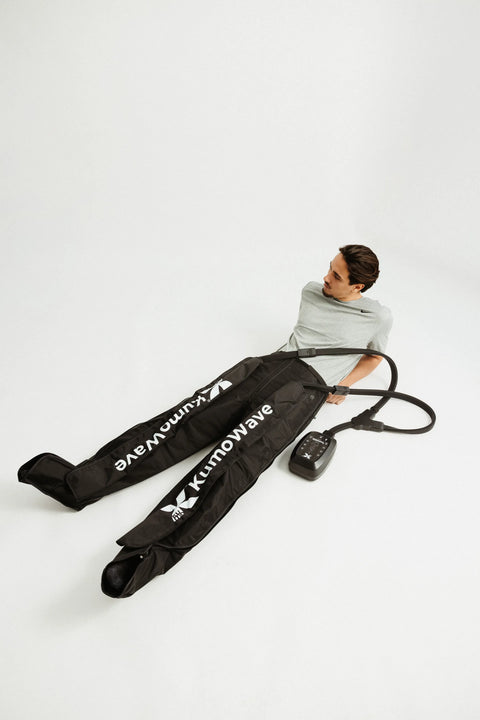
KumoWave Elite – Pressotherapy Pants
Full-coverage trousers. Ideal for lipedema, fluid retention and intensive use.
€799,00 €999,00
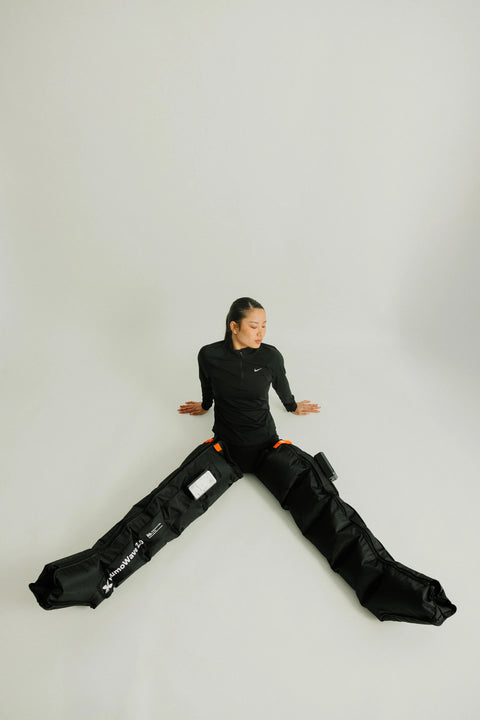
KumoWave 2.0 - Wireless Pressotherapy
Wireless, lightweight boots. Perfect for daily use and recovery.
€499,00 €599,00