What is cell regeneration and why is it key to your well-being?
Your cells regenerate every day. Cell regeneration is the process by which the body repairs damage, replaces old cells, and maintains tissues such as skin, muscles, and the nervous system in optimal function.
When this repair system functions properly, it results in firmer skin, muscles that recover better after exercise, more energy, and healthier aging. When it fails—due to lack of sleep, poor diet, a sedentary lifestyle, or chronic stress—damage accumulates in DNA and cellular structures, accelerating deterioration.
Pressotherapy at home
End the day with light legs
★★★★★ 4,8/5 · rated by verified customers
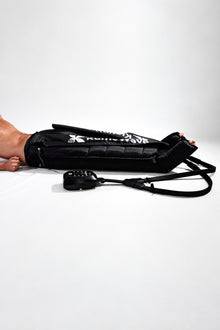
KumoWave pressotherapy boosts circulation and helps drain fluid with sequential compression, in 20-minute sessions at home.
- Boosts circulation and helps drain fluid
- Chamber-based compression, adjustable to you
- Sequential compression that mimics manual drainage
€799,00€999,00
−10% on your 1st order when you subscribe to the newsletter

The good news: with realistic daily habits you can support the natural mechanisms of cell repair and renewal, and complement them with recovery technologies such as those offered by KUMO on its specialized platform .
Pillar 1: Deep sleep, the “night workshop” of your cells
Nighttime: a key moment for DNA repair
During deep sleep, the body activates DNA repair processes and the elimination of damaged cells. Studies in night shift workers show that sleeping during the day, with altered melatonin levels, is associated with a reduced capacity to repair oxidative DNA damage, as measured by the 8-OH-dG marker. ( pubmed.ncbi.nlm.nih.gov )
Personalized protocol · included with your purchase
Want us to tell you how to use it in your case?
With your purchase, our experts prepare a personalized usage protocol for your case: sport, circulation, fluid retention, pregnancy or lipedema.
Message us on WhatsAppOur experts reply · no obligation
In a clinical trial published in 2025, melatonin supplementation increased urinary excretion of 8-OH-dG by approximately 1.8 times during daytime sleep, suggesting an improvement in the repair of oxidative DNA damage, although with “borderline” statistical significance. ( pubmed.ncbi.nlm.nih.gov ) It’s not a magic pill, but it reinforces the idea that sleep and aligned circadian rhythms are essential for cellular health.
Most guidelines recommend 7–9 hours of quality sleep for adults. More important than the exact number is the regularity of sleep schedules, the depth of sleep, and a dark and quiet environment that promotes melatonin production.
A simple routine for better sleep and cell health
- Consistent schedules: go to bed and get up at the same time (even on weekends) to synchronize your internal clocks.
- Real darkness: Use blackout curtains and avoid bright lights; even small light sources can disrupt melatonin secretion.
- Screens off 60–90 minutes before bed: the blue light from mobiles and computers delays the "bedtime" signal to the brain.
- Unwind routine: combine light reading, slow breathing, or gentle stretching to lower your activation level.
- Be careful with stimulants: limit caffeine after midday and alcohol at night, as they disrupt deep sleep.
If you have persistent insomnia or work shifts, talk to a healthcare professional before using supplements like melatonin, as the evidence is promising but still limited and context-dependent. ( pubmed.ncbi.nlm.nih.gov )
on your first order when you join the newsletter
We send you the code instantly. No spam.
Pillar 2: Movement that stimulates mitochondria and muscle renewal
How much exercise do you need to promote regeneration?
Regular physical activity not only strengthens the heart: it also stimulates mitochondrial biogenesis, the creation of new mitochondria, the cell's "powerhouses." A recent meta-analysis showed that resistance exercise significantly increases the expression of PGC-1α, a key regulator of mitochondrial biogenesis in skeletal muscle. ( pubmed.ncbi.nlm.nih.gov )
The WHO guidelines updated in 2020 recommend that adults get at least 150–300 minutes of moderate-intensity aerobic activity (brisk walking, gentle cycling) or 75–150 minutes of vigorous-intensity activity per week, plus strength training twice a week. ( pmc.ncbi.nlm.nih.gov ) These levels are associated with a lower risk of mortality, better muscle function, and better metabolic control—all factors that influence the quality of cell regeneration.
Practical ideas for getting moving every day
- Walk briskly for 30 minutes a day (you can divide it into 10-minute blocks).
- Climb stairs whenever you can to add strength and bone density stimuli.
- Strength training 2–3 times/week: squats, supported push-ups, planks and exercises with elastic bands.
- Active micro-breaks: every hour of sedentary work, move your shoulders, neck and hips for 2–3 minutes.
- If you already train intensely: give as much value to recovery (sleep, stretching, recovery technologies) as to the training itself.
Pillar 3: Nutrition that provides "building blocks" and defenses to your cells
Antioxidants, proteins and healthy fats
To repair tissues and synthesize new proteins, cells need raw materials: amino acids, essential fatty acids, vitamins, minerals, and antioxidant phytochemicals. A diet based on plants, quality protein, and healthy fats is one of the cornerstones for maintaining healthy repair mechanisms.
The World Health Organization recommends consuming at least 400g of fruits and vegetables daily (equivalent to about 5 servings) to reduce the risk of non-communicable diseases and improve fiber and micronutrient intake. ( who.int ) Reviews from 2021 show that around 400g daily is associated with a significant reduction in cardiovascular risk, with additional benefits up to nearly 800g. ( ncbi.nlm.nih.gov )
- Prioritize vegetables of varied colors: green (spinach, broccoli), red/orange (carrot, tomato), purple (beetroot, red cabbage).
- Include complete protein in every meal: legumes, eggs, fish, tofu, natural yogurt, nuts.
- Healthy fats: extra virgin olive oil, avocado, nuts and seeds (chia, flax, sesame).
- Reduce free and ultra-processed sugars: their excess generates inflammation and oxidative stress, enemies of cell regeneration.
Example of a "cell-friendly" day
- Breakfast: natural yogurt with oats, red berries and nuts.
- Food: a large plate of mixed vegetables, legumes (lentils, chickpeas) and a handful of nuts.
- Dinner: oily fish with steamed vegetables and potato or sweet potato.
- Snacks: fresh fruit, raw carrots, hummus with cucumber sticks.
If you have specific pathologies (diabetes, kidney disease, digestive disease, etc.), it is important to adapt your diet with a qualified professional.
Pillar 4: Stress, environment and circadian rhythms
Chronic stress: when the alarm stays on
Acute stress can be beneficial, but when it becomes chronic, it raises hormones like cortisol, increasing inflammation and oxidative stress. This promotes DNA damage and shortens the time cells can divide healthily. Simple techniques such as diaphragmatic breathing, mindfulness meditation, or just 10 minutes of daily outdoor walking reduce activation of the sympathetic nervous system and create a more favorable environment for cellular repair.
Light, screens, and the health of your internal clocks
Light is one of the most powerful regulators of the biological clock. Intense exposure to blue light at night (screens) reduces the secretion of melatonin, a molecule with antioxidant properties and that supports DNA repair. ( pubmed.ncbi.nlm.nih.gov ) Conversely, receiving natural light in the morning synchronizes circadian rhythms, improves daytime alertness, and facilitates falling asleep at night.
- Tomorrow: seek 10–20 minutes of natural light (go for a walk or simply be near a window).
- Night: Dim lights 1–2 hours before bed; if you use screens, activate blue light filters.
- Work environment: alternate periods of concentration with short breaks and, if possible, short moments of exposure to natural light.
Pillar 5: Recovery technologies to support cell regeneration
In addition to the "classic" pillars (sleep, exercise, nutrition and stress management), today we have non-invasive technologies that can help optimize muscle recovery, skin quality and the feeling of rest, integrating as daily habits.
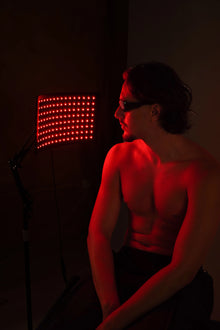
Red and LED light therapy for skin and tissues
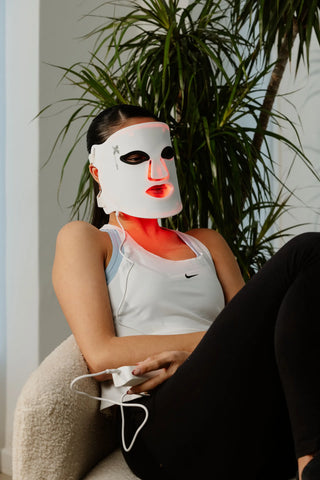
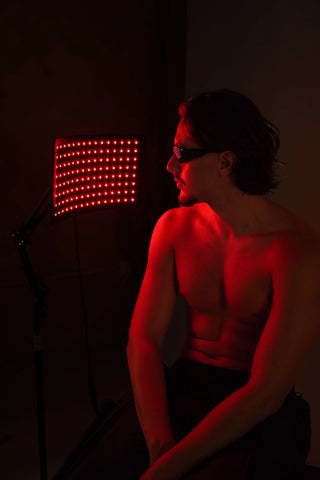
Red light therapy (typically 620–660 nm) has been studied for its ability to modulate cellular activity. Experiments in 2025 showed that red light around 630 nm increases collagen synthesis, VEGF expression (important for the formation of new blood vessels), and reduces inflammatory markers in wound healing models. ( pubmed.ncbi.nlm.nih.gov ) In animal models of skin aging, red light has improved dermal thickness and collagen organization, suggesting a beneficial effect on skin remodeling. ( pubmed.ncbi.nlm.nih.gov )
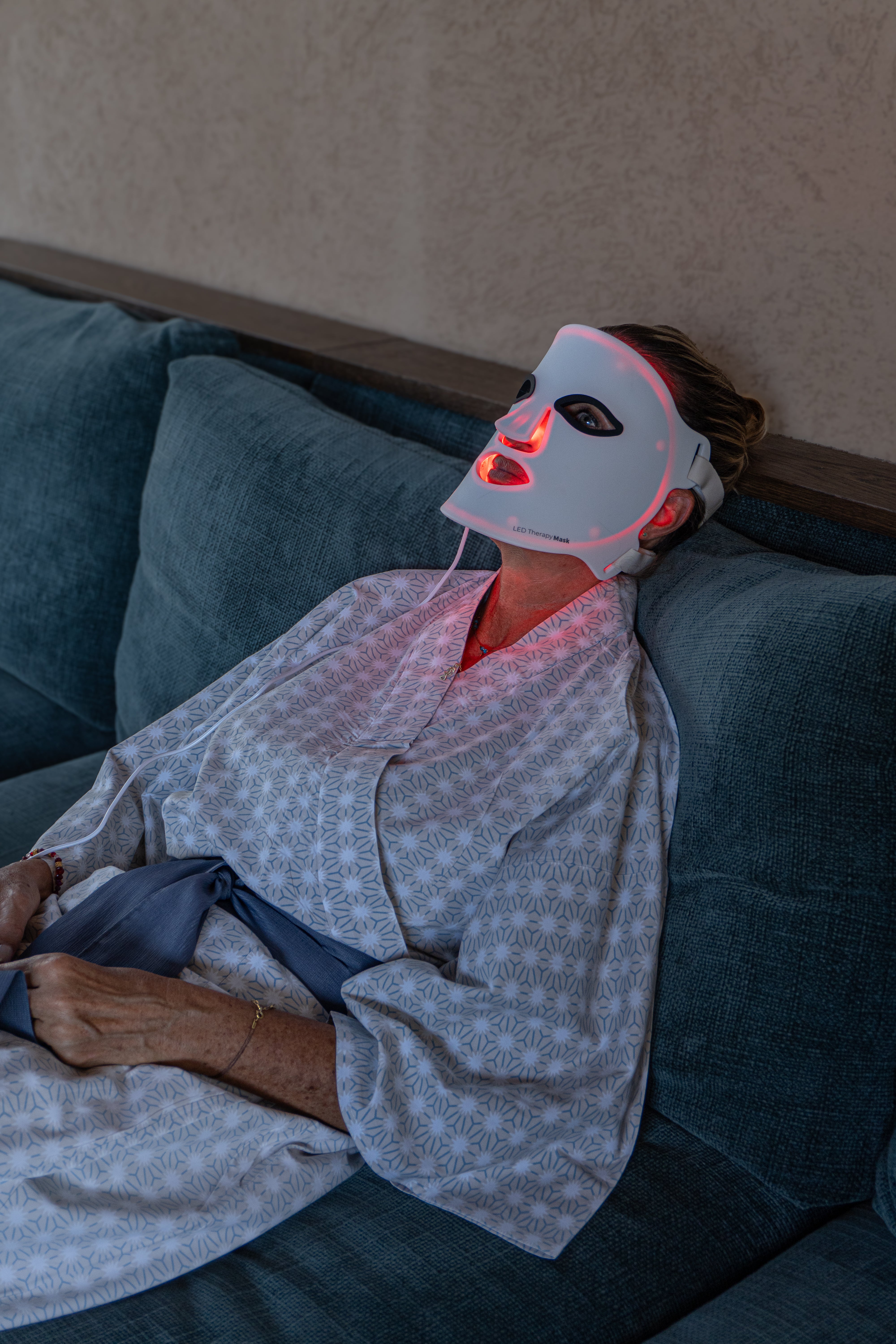
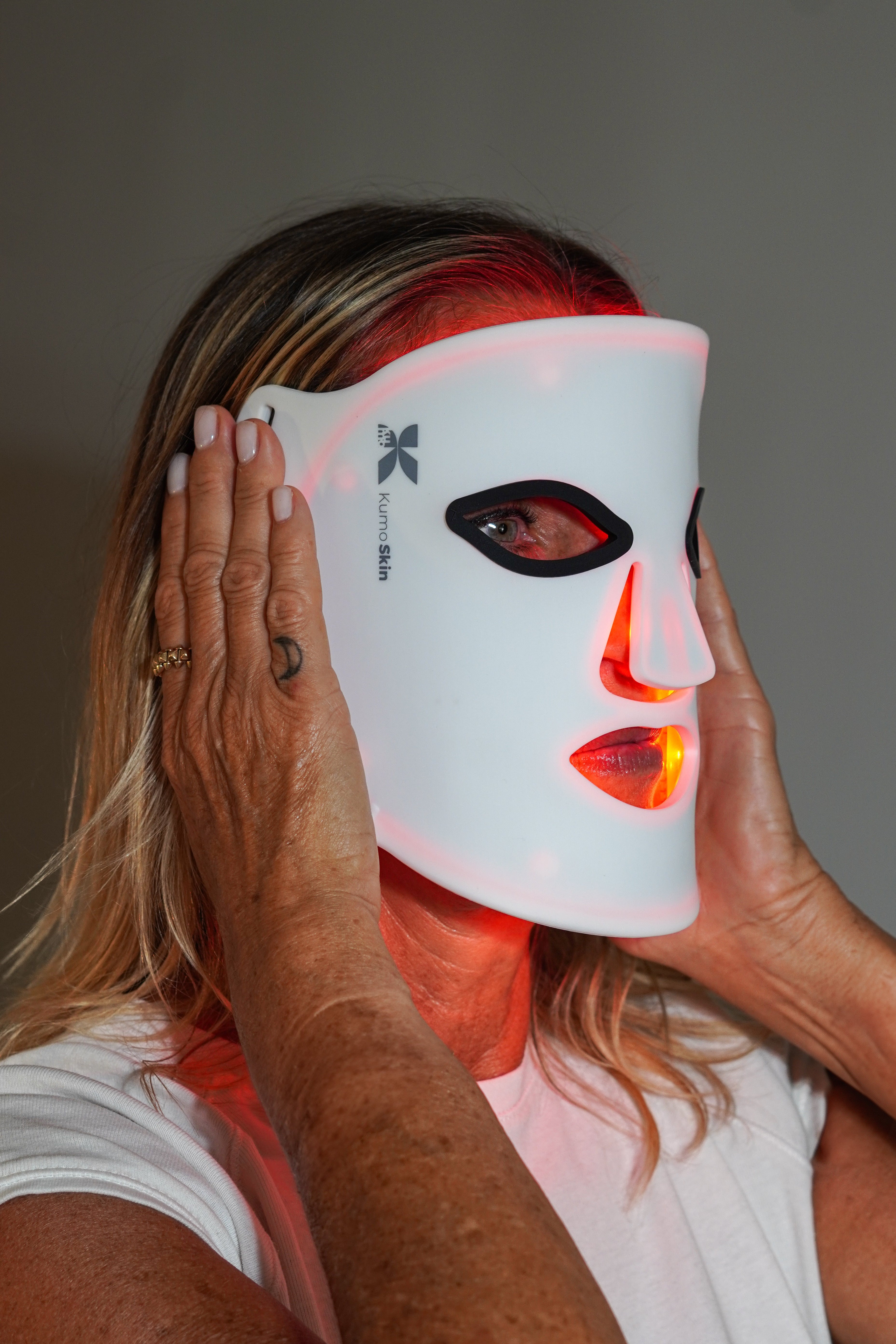
In humans, evidence is growing, but it remains inconsistent: some studies observe improvements in skin texture, firmness, and fine lines with consistent protocols lasting several weeks. LED light therapy should be understood as a complement to a comprehensive skincare routine, not as a substitute for sun protection, a balanced diet, or medical treatments. If you are interested in exploring these technologies, KUMO offers LED light therapy devices designed for daily wellness and recovery .
Muscle recovery, circulation and rested legs
Proper muscle tissue regeneration also depends on effective blood flow, which delivers oxygen and nutrients and removes waste products. After intense exertion or long periods of standing or sitting, many people use mechanical recovery tools such as compression boots or massage guns to relieve muscle strain and promote relaxation.
Compression boots apply sequential compressions to the legs, which can help activate circulation and provide a feeling of lightness after exercise or long days. Meanwhile, a massage gun like the KUMOPULSE Air offers localized percussion that facilitates deep muscle relaxation and can be incorporated into warm-up or cool-down routines. These tools are not a substitute for medical treatment, but they can be useful additions to a well-designed recovery plan.
How to integrate technological recovery into your daily life
- After training: 5–10 minutes of percussive massage on the most involved muscle groups.
- Days with heavy load on legs: a 20-30 minute pressotherapy session to promote a feeling of relief.
- Nighttime facial care: Use of LED mask according to the manufacturer's instructions, integrating it into your hygiene and skin care routine.
- Consistency: Just like exercise, these technologies work best when used regularly and in combination with good sleep, nutrition, and movement habits.
Quick summary: daily habits and cellular benefits
| Habit | suggested minimum frequency | Key benefit for cells | Practical example |
|---|---|---|---|
| Deep sleep | 7–9 a.m. every night | DNA repair, removal of damaged cells | Fixed bedtime routine, dark bedroom and no screens |
| Physical activity | 150–300 min/week moderate + strength 2 days | Mitochondrial biogenesis, improved blood flow | Brisk walking 30 min/day + 2 bodyweight strength training sessions |
| balanced plant-based diet | >400g of fruit and vegetables per day | Provides antioxidants, vitamins and minerals | Vegetables at every meal, fruit as a snack, olive oil |
| Stress management | 10–20 minutes daily | Reduced inflammation and oxidative stress | Slow breathing, guided meditation, or a peaceful walk |
| Light and technological recovery | 3–5 sessions/week depending on device | Local tissue stimulation and a feeling of recovery | LED mask at night, pressotherapy after training |
Frequently asked questions about cell regeneration in everyday life
What exactly is cell regeneration and how often does it occur?
Cell regeneration is the set of processes by which the body repairs damage, eliminates old cells, and replaces them with new ones. It doesn't occur at the same rate in all tissues: skin and intestines renew themselves in days or a few weeks, while muscle and bone do so more slowly. At a microscopic level, DNA damage caused by metabolism, UV radiation, or environmental toxins is repaired every day. These mechanisms function continuously, but they depend on factors such as sleep, nutrition, physical activity, and the absence of toxins (tobacco, excessive alcohol, pollutants).
Which foods best help with cell regeneration?
There is no single “superfood,” but rather dietary patterns. A diet rich in a variety of fruits and vegetables provides antioxidants and phytonutrients that help counteract oxidative damage. The WHO recommends more than 400g of fruit and vegetables daily to reduce the risk of chronic diseases and improve micronutrient profiles. ( who.int ) Complete protein (eggs, legumes, fish, yogurt) provides amino acids to build new structural proteins and enzymes. Healthy fats from olive oil, nuts, and oily fish are also important for cell membranes and inflammatory regulation.
How many hours should I sleep to promote cell repair?
Most sleep societies recommend between 7 and 9 hours of quality sleep for adults, although the range can vary somewhat from person to person. The key is to achieve several stages of deep sleep each night, as this is when DNA repair processes and the recycling of cellular waste products are most intense. Studies of night shift workers indicate that when sleep occurs at times misaligned with the circadian rhythm and with low melatonin levels, the capacity to repair oxidative DNA damage is reduced. ( pubmed.ncbi.nlm.nih.gov ) Therefore, it is advisable to prioritize both the quantity and regularity of sleep, as well as the timing of sleep.
Does red light therapy really improve skin regeneration?
The strongest evidence comes from experimental studies and animal models, where red light has been shown to increase collagen synthesis, stimulate growth factors (such as VEGF), and improve dermal structure. ( pubmed.ncbi.nlm.nih.gov ) In humans, small trials suggest improvements in texture, firmness, and fine lines after several weeks of consistent use, although protocols are not yet fully standardized. It's important to view it as a complement to sun protection, diet, and rest, not as a standalone solution. If you have skin conditions or are undergoing dermatological treatment, consult your specialist before introducing LED light devices into your routine.
What supplements can support cell regeneration?
Some supplements (antioxidants, omega-3s, vitamin D, collagen, etc.) are promoted as "regenerative," but the evidence is usually specific to certain contexts or deficiencies. For example, melatonin has shown in several studies the ability to reduce oxidative damage and support certain DNA repair pathways, although the results are still preliminary and dependent on dose and timing. ( pubmed.ncbi.nlm.nih.gov ) In general, the greatest benefits for cellular health come from a proper diet, exercise, and sleep. Any supplement should be discussed with a healthcare professional, especially if you are taking medication or have pre-existing conditions.
And now, what's next?
Cellular regeneration doesn't depend on a single heroic gesture, but on many small decisions repeated every day: how you sleep, how you move, what you eat, and how you manage stress. If you want to take it a step further and make recovery a true lifestyle, you can explore KUMO's wellness technology solutions—such as LED therapy, pressotherapy, or percussive massage—on their main website , kumobalance.com . And if you need guidance on which type of device best suits your routine and recovery goals, you can contact us through the contact form to receive personalized (non-medical) advice about our products.
KumoWave pressotherapy
Choose your at-home pressotherapy
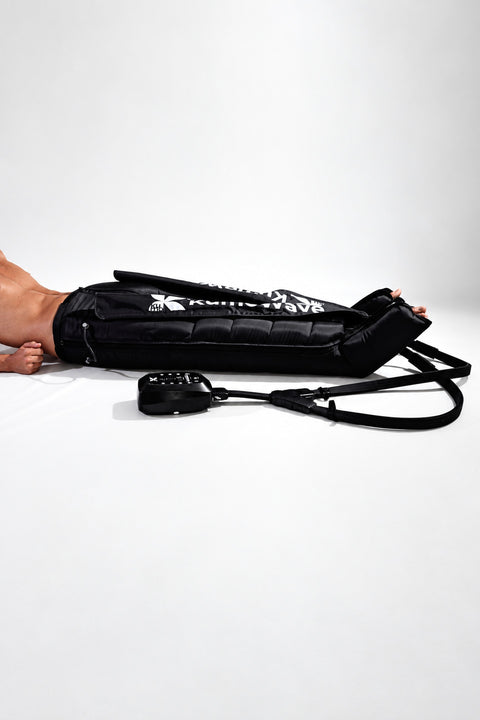
KumoWave Elite – Pressotherapy Pants
Full-coverage trousers. Ideal for lipedema, fluid retention and intensive use.
€799,00 €999,00
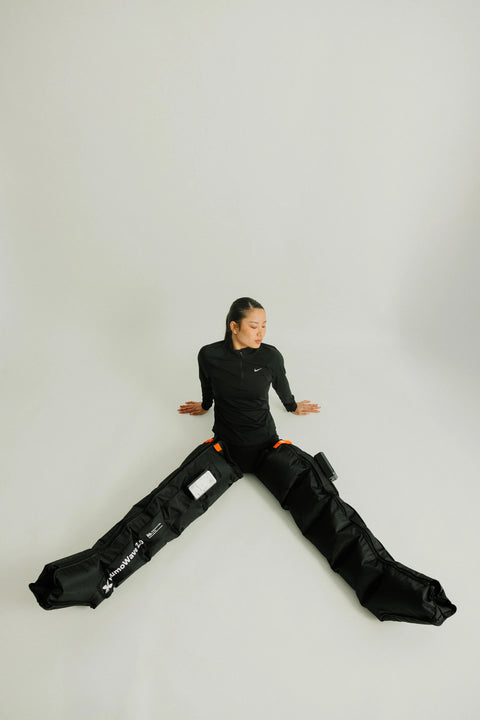
KumoWave 2.0 - Wireless Pressotherapy
Wireless, lightweight boots. Perfect for daily use and recovery.
€499,00 €599,00