Lymphatic drainage, explained clearly and practically. If you're wondering what it is, what it's for, and how to incorporate it into your routine, here's a complete guide with steps, benefits, precautions, and options for doing it at home or with professionals.
In a little while
- Lymphatic drainage is a gentle technique to mobilize fluids and support the function of the lymphatic system.
- It can help with the feeling of heavy legs, mild swelling, and recovery after exercise.
- It can be done manually, with pressotherapy (intermittent pneumatic compression) or by combining mobility and breathing.
- It is not an emergency medical treatment: there are contraindications and it is advisable to consult a doctor in case of persistent illnesses or symptoms.
- Home recovery technology can enhance results as a complement, but it does not replace clinical care.
What is lymphatic drainage and how does it work?
The lymphatic system is a network of vessels and nodes that collects fluids, proteins, and waste products from the spaces between cells and plays a role in the immune response. When its flow slows down, we may notice fluid retention, heaviness, or localized swelling.
Pressotherapy at home
End the day with light legs
★★★★★ 4,8/5 · rated by verified customers
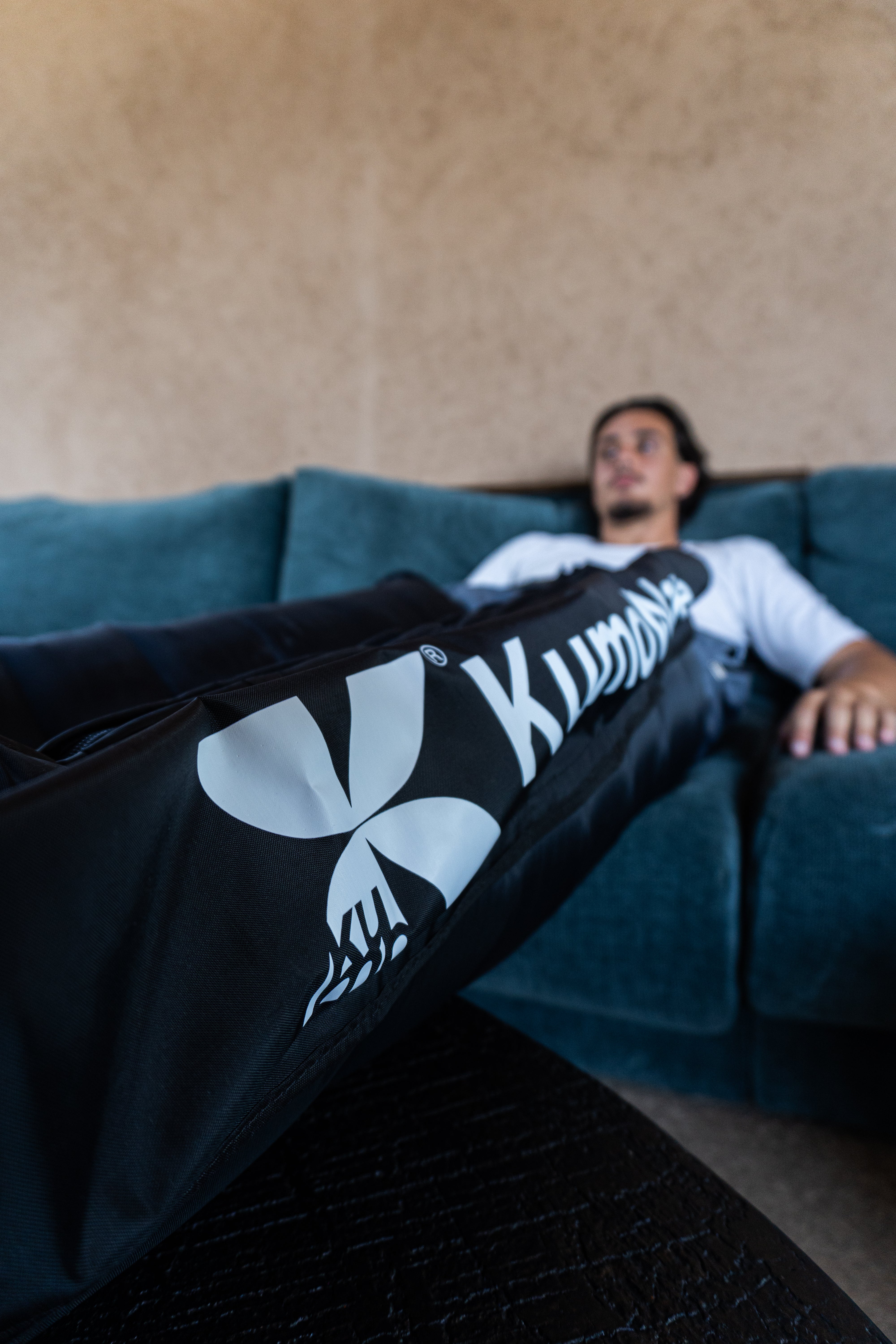
KumoWave pressotherapy boosts circulation and helps drain fluid with sequential compression, in 20-minute sessions at home.
- Boosts circulation and helps drain fluid
- Chamber-based compression, adjustable to you
- Sequential compression that mimics manual drainage
€799,00€999,00
−10% on your 1st order when you subscribe to the newsletter

Manual lymphatic drainage (MLD) is a set of gentle, rhythmic maneuvers directed at the lymph nodes to promote lymph return. It is part of the complex decongestive therapy described by the International Society of Lymphology (ISL) as the standard of care for lymphedema (Consensus 2020) ISL document 2020 .
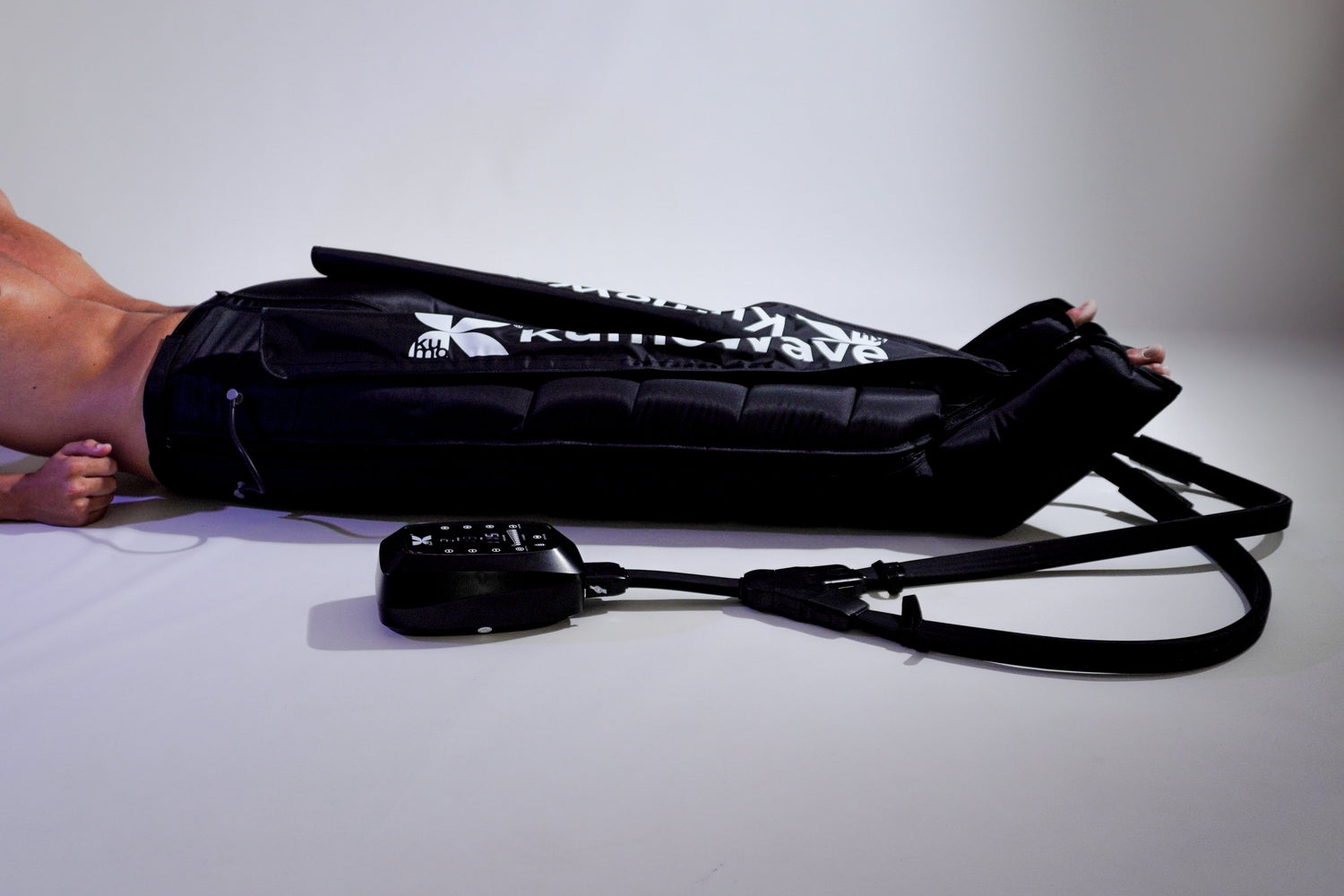
There are also technological alternatives, such as pressotherapy or intermittent pneumatic compression (IPC), which uses sequential air chambers to stimulate venous and lymphatic return in a guided manner. In clinical cases, it is combined with other compression measures and skin care, always under the professional judgment of lymphedema treatment specialists – NHS .
Personalized protocol · included with your purchase
Want us to tell you how to use it in your case?
With your purchase, our experts prepare a personalized usage protocol for your case: sport, circulation, fluid retention, pregnancy or lipedema.
Message us on WhatsAppOur experts reply · no obligation
Movement, breathing, and gentle compression are natural “lymphatic pumps” that help keep body fluids balanced.
Potential benefits and what the evidence says
The benefits can vary depending on the goal (wellness, aesthetics, recovery), the method, and consistency. This is what is known today:
Fluid retention and tired legs
- Gentle movements and rhythmic pressure can relieve the feeling of heaviness and improve the appearance of mild swelling, especially when traveling, in hot weather, or after long periods of standing.
- In secondary lymphedema (e.g., following breast cancer), evidence supports comprehensive compression programs and, in some cases, manual lymphatic drainage (MLD) as an adjunct. A Cochrane review (2015) found a modest additional benefit of MLD when integrated with compression in certain contexts (Cochrane 2015) .
- To understand the condition, check out reliable medical resources such as MedlinePlus: Lymphedema or the American Cancer Society.
Sports recovery and well-being
- Stimulating fluid flow and muscle relaxation can reduce the feeling of post-workout stiffness.
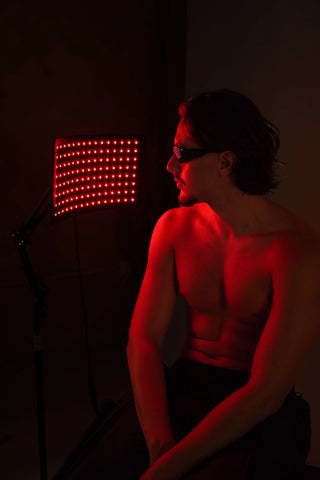
- As a supporting measure, photobiomodulation (red light) has shown favorable effects on performance and muscle recovery in sports contexts in meta-analyses (2022) when properly dosed (PBM review 2022 ). It does not replace rest, hydration, or appropriate training.
Leather, brands and comfort
- Skin care and edema management are key to preventing complications such as dryness or infection in cases of lymphedema. Clinical guidelines recommend hygiene, hydration, and compression when appropriate (NHS treatment) .
- From an aesthetic standpoint, some people report a "lighter" or more even appearance after lymphatic drainage sessions. These effects are usually temporary and depend on lifestyle factors (salt intake, sleep, hormonal cycle).
Relaxation and sleep
How to do it: steps, routines, and options
Before you begin, think about realistic goals: relieving heaviness, supporting recovery, or maintaining a wellness routine. Remember that lymphatic drainage is not a substitute for medical diagnosis.
on your first order when you join the newsletter
We send you the code instantly. No spam.
Before you begin: essential preparation
- Light hydration 30–60 minutes before.
- Clean skin without heavy creams that hinder gliding.
- Always apply gentle, superficial pressure, without pain.
- Breathe through your nose and slowly to facilitate lymphatic return.
Basic self-massage at home (10–20 minutes)
- Diaphragmatic breathing: 6–8 deep breaths, inflating the abdomen as you inhale.
- “Unlocking” of clavicles and neck: gentle circular touches on supraclavicular fossae and lateral neck (30–60 s per area).
- Armpits: light movements towards the center of the armpit in a circular direction (both sides, 60–90 s).
- Abdomen: gentle clockwise glides, without deep pressure (1–2 min).
- English: gentle circles in inguinal folds (60–90 s per side).
- Legs: from ankle to knee and from knee to groin, with slow passes, always in the direction of lymph nodes (2–3 min per segment).
- Arms (optional): from wrist to elbow and from elbow to armpit.
If there is pain, redness, or local heat, stop the routine and consult a professional.
Home pressotherapy (pneumatic compression)
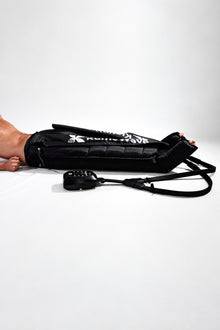
Compression boots work with air chambers that inflate sequentially, from distal to proximal, simulating fluid return.
- Adjustment: Select gentle/moderate program; avoid high pressures unless clinically indicated.
- Recommended frequency for well-being: 15–30 minutes, 2–5 times/week, observing tolerance.
- Complement with hydration and gentle movement after the session. Pressotherapy is well established as a support in the management of edema and in circulatory recovery, when used correctly and with NHS safety criteria – lymphedema .
As a brand specializing in recovery technologies, at KUMO we advocate a comprehensive approach: well-designed technology, habits and education to turn recovery into a lifestyle.
When to see a professional
See a physiotherapist (lymphology specialist) if:
- You have persistent, asymmetrical, or unknown swelling.
- There is a history of cancer surgery, lymph node removal, or radiotherapy.
- Warning signs appear: severe pain, hot/red skin, fever, or wounds. Professionals value the use of DLM, compression bandages/stockings and therapeutic education according to ISL guidelines (2020) ISL consensus .
Technology that can complement your routine
- Pressotherapy: activates venous/lymphatic return in the legs and relieves the feeling of heaviness.
- Photobiomodulation (red light): support for muscle recovery with adequate doses meta-analysis 2022 .
- Percussion massage: useful for relaxing muscles and improving mobility; do not apply to areas with unassessed edema. Discover how to integrate these tools into your daily life with the KUMO approach.
Comparison table: drainage and support options at home
| Method | What is | For whom | Duration/Frequency | Expected benefits | Precautions |
|---|---|---|---|---|---|
| Manual lymphatic drainage (self-massage) | Superficial and rhythmic maneuvers towards lymph nodes | Well-being, mild swelling, maintenance | 10–20 min, 3–5 days/week | Feeling of lightness, temporary reduction of mild edema, relaxation | Avoid if there is infection, acute pain, or an unknown cause of edema. |
| Pressotherapy (IPC) | Sequential pneumatic compression in boots | Tired legs, post-exercise recovery | 15–30 min, 2–5 times/week | Improved circulation, relief from heaviness | Contraindicated in thrombosis, uncontrolled heart failure; follow guidelines |
| Mobility and breathing | Walking, ankle pumps, diaphragmatic breathing | All as a daily basis | Several times a day | “Natural” activation of lymphatic flow | Progress gradually if there is pain |
| Complementary care | Hydration, skin, red light | Well-being and recovery | Diary | Supports skin, comfort and recovery | Individualize in skin conditions |
Practical tips for tangible results
- Drink plenty of water and limit excess salt, especially on hot days.
- Before going to sleep, combine 5 minutes of deep breathing with elevated legs.
- Alternate pressotherapy sessions with walks and gentle stretching.
- Record sensations and measurements (e.g., ankle circumference) to see objective progress.
- If the edema does not subside within 48–72 hours, consult a doctor; clinical evaluation may be required.
Safety, contraindications and limitations
Lymphatic drainage is gentle, but it's not always recommended. Avoid it and seek medical advice if you experience:
- Active infections, fever, or cutaneous cellulitis.
- Recent deep vein thrombosis or suspected blood clots.
- Uncontrolled heart or kidney failure.
- Active cancer without specific evaluation for edema management. For rigorous and up-to-date information, consult Cleveland Clinic , NHS , and the 2020 ISL consensus guidelines. In cases of lymphedema following cancer, resources from MedlinePlus (NIH) and the American Cancer Society are a good starting point.
FAQ
How long does it take to notice the effects of lymphatic drainage?
Many people experience immediate relief from heaviness after a session, while a visible reduction in mild swelling may require several days of consistent use. In general wellness settings, 2–3 weekly sessions are usually sufficient to notice a feeling of lightness. In established lymphedema, management is chronic and typically requires comprehensive programs (compression, exercise, skin care, and sometimes manual lymphatic drainage) according to guidelines such as the 2020 ISL consensus. If the problem persists or worsens, seek professional evaluation to identify the cause and adjust the treatment plan.
Is manual lymphatic drainage or pressotherapy better?
There is no single "best" method; it depends on the goal, the area being treated, and your individual health profile. Manual lymphatic drainage allows for customization and is useful in sensitive areas; compression therapy offers comfort and uniform coverage of the limbs. Many people combine both with basic lifestyle habits (mobility, breathing, hydration). In clinical cases, compression is a cornerstone of treatment, and manual lymphatic drainage can be a complementary approach in protocols guided by professionals, based on evidence and guidelines (NHS, ISL). If you have any medical concerns, consult a doctor before starting.
How often should I do this to see results?
For well-being and recovery, a common guideline is 2–5 times per week with short sessions (10–30 minutes), observing tolerance and progress. Consistency is usually more important than intensity. In lymphedema or other conditions, frequency and pressure should be individualized by a specialist, often combining compression and exercise. Adapt the routine based on travel, heat, or intense training, and monitor how your body responds.
Can it help with cellulite and water retention?
Lymphatic drainage can temporarily improve the appearance associated with fluid retention and the feeling of heaviness, sometimes smoothing the skin's texture. However, cellulite has multiple contributing factors (genetics, connective tissue, hormones), and there is no single solution. For lasting results, combine lymphatic drainage with exercise, strength training, rest, and a balanced diet. Keep realistic expectations and avoid "miracle" promises; evidence supports only moderate and contextual benefits.
Is it safe after surgery or during postpartum?
It can be helpful as support, but the timing and technique depend on the type of surgery, healing process, and the medical team's recommendations. In the postoperative and postpartum periods, prioritize professional evaluation before starting any compression or massage, especially if there are wounds, blood clots, pain, or signs of infection. Following clinical guidelines and starting with very gentle techniques can provide benefits in comfort and edema management, always with supervision when necessary.
To take you
- Lymphatic drainage is a gentle technique that supports fluid return and daily comfort.
- Combine it with mobility, breathing, hydration, and skincare for more consistent results.
- Pressotherapy, red light and percussion massage can be allies, always used judiciously.
- Respect contraindications: in case of pain, fever, infection or persistent edema, consult a doctor.
- Consistency and personalization are worth more than intensity or one-off sessions.
Ready to make recovery a habit? Explore how to integrate technology and balanced routines with KUMO .
KumoWave pressotherapy
Choose your at-home pressotherapy
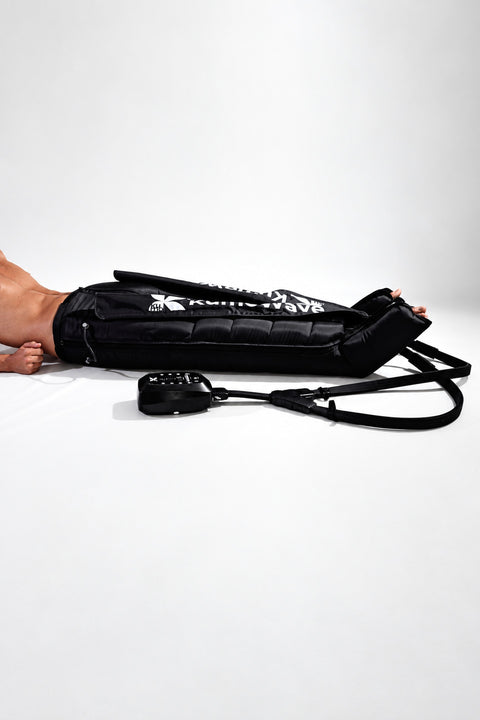
KumoWave Elite – Pressotherapy Pants
Full-coverage trousers. Ideal for lipedema, fluid retention and intensive use.
€799,00 €999,00
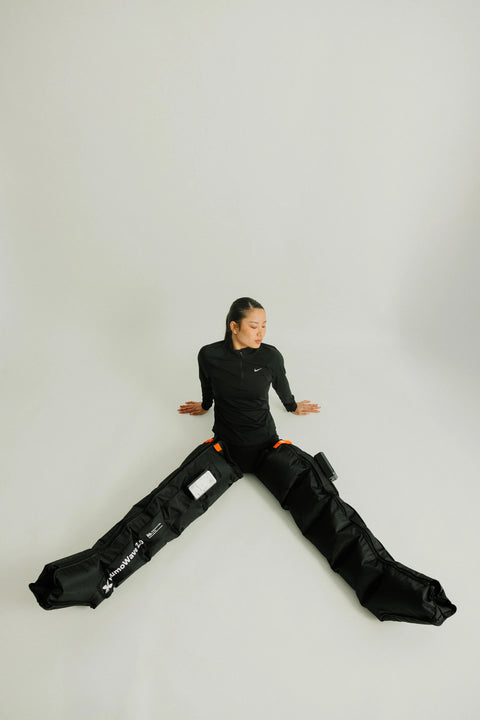
KumoWave 2.0 - Wireless Pressotherapy
Wireless, lightweight boots. Perfect for daily use and recovery.
€499,00 €599,00