
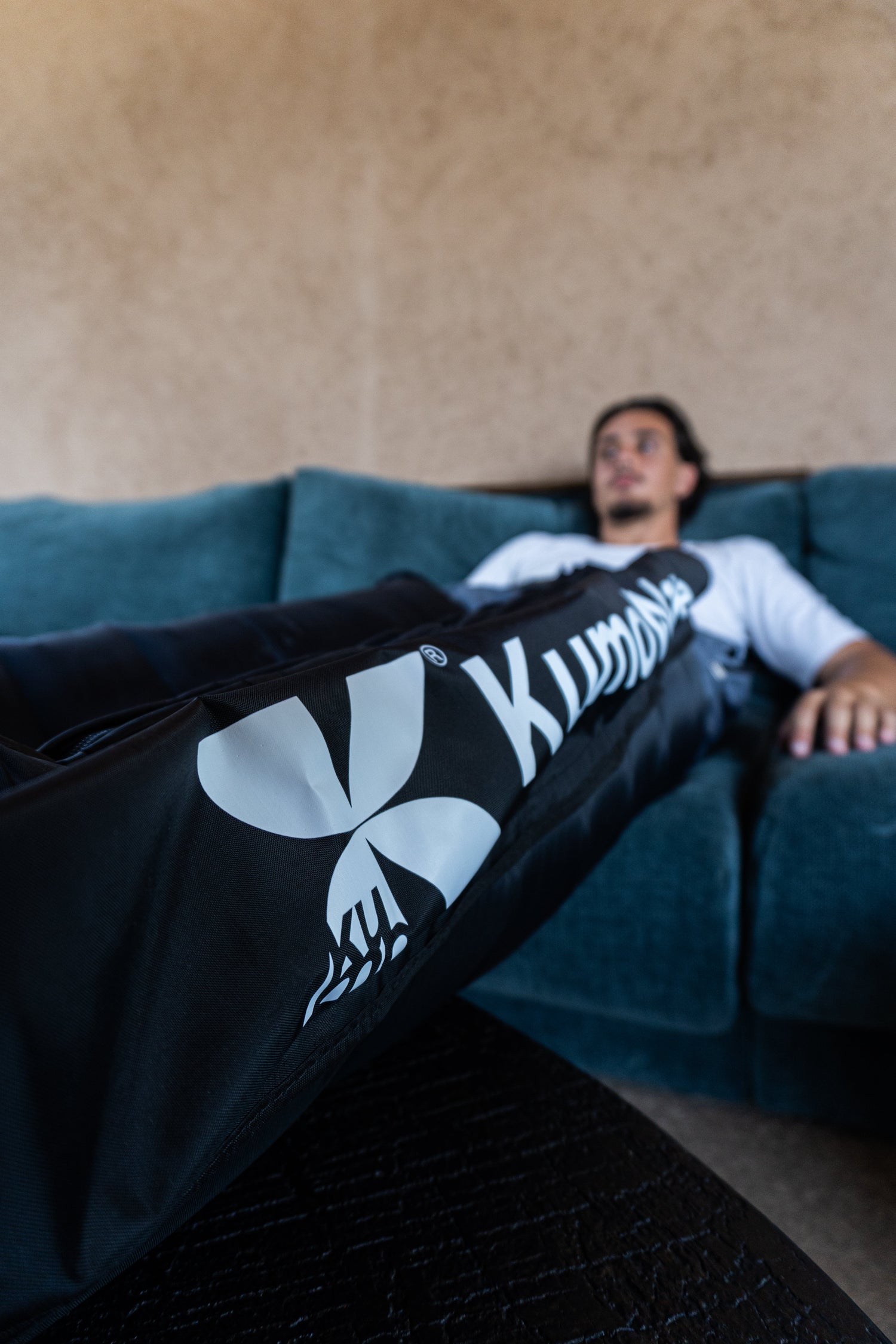
Pressotherapy boots: what they are, how they work and when to use them.
If you're looking to improve circulation, relieve tired legs, and speed up muscle recovery, pressotherapy boots (intermittent pneumatic compression) are an effective and comfortable option for home or the gym.
Pressotherapy at home
End the day with light legs
★★★★★ 4,8/5 · rated by verified customers
KumoWave pressotherapy boosts circulation and helps drain fluid with sequential compression, in 20-minute sessions at home.
- Boosts circulation and helps drain fluid
- Chamber-based compression, adjustable to you
- Sequential compression that mimics manual drainage
€799,00€999,00
−10% on your 1st order when you subscribe to the newsletter

In a little while
- They stimulate venous return and lymphatic drainage with cycles of compression and decompression.
- Common benefits: less swelling, lighter legs, better recovery after training.
- Useful for athletes, people who spend hours sitting/standing, and frequent travelers.
- Avoid in cases of active thrombosis, leg infections, decompensated heart failure or pregnancy without medical advice.
- Optimal result: regular sessions, well-adjusted pressure and combination with rest, hydration and mobility.
What are pressotherapy boots and how do they work?
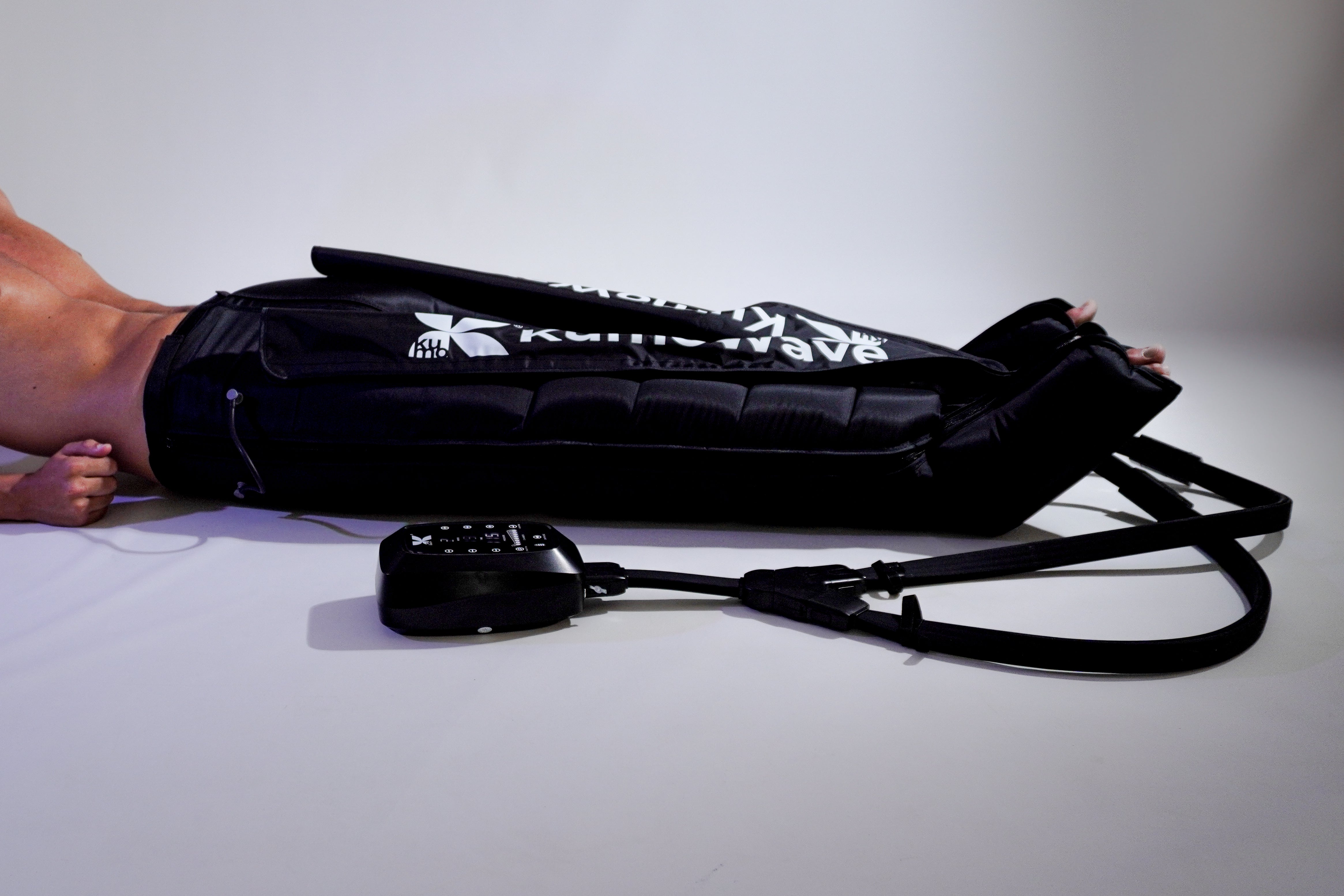
Compression therapy boots are inflatable leg sleeves connected to a compressor that inflates chambers in segments. They produce an upward pressure wave that "pushes" blood and lymph toward the heart.
Compression technology and anatomy
- Sequential compression: compartments inflate from the foot to the thigh, mimicking the return massage.
- Intermittent cycles: alternate compression and release to move fluids without continuous compression.
- Programs and pressure: most equipment allows you to regulate intensity, rhythm and duration to adapt to the objective (recovery, drainage, well-being).
For an overview of this therapy and its clinical indications, the Cleveland Clinic describes intermittent pneumatic compression as a safe tool for improving venous flow and controlling edema in various clinical and wellness settings.
Personalized protocol · included with your purchase
Want us to tell you how to use it in your case?
With your purchase, our experts prepare a personalized usage protocol for your case: sport, circulation, fluid retention, pregnancy or lipedema.
Message us on WhatsAppOur experts reply · no obligation
What it feels like during a session
- Sensation of progressive “hug” in the foot and calf that rises to the thigh.
- Rhythmic decrease in pressure that leaves a feeling of lightness.
- It shouldn't be painful; a light, firm compression is expected.
Start with moderate pressure and short sessions. If you feel tingling, numbness, or pain, reduce the pressure or stop the session and consult a professional.
Key benefits backed by science
Intermittent pneumatic compression has been studied for decades in clinical and sports settings. Evidence indicates specific benefits when used correctly and regularly.
Circulation and lighter legs
- It improves venous return and can reduce stasis in people who spend many hours sitting or standing.
- It helps reduce the feeling of heavy legs at the end of the day.
Guidelines such as that of NICE (United Kingdom) recommend intermittent compression devices as a mechanical measure to promote flow and reduce the risk of stasis in situations of prolonged bed rest NICE NG89 .
on your first order when you join the newsletter
We send you the code instantly. No spam.
Lymphatic drainage and edema reduction
- As a complement to lymphedema management, pressotherapy can help reduce volume and control edema when integrated into a supervised care plan.
- The Cochrane Library has reviewed its usefulness in venous disorders and in the healing of venous ulcers, showing benefits when added to standard treatments in selected contexts Cochrane – IPC in venous ulcers .
- To understand lymphedema and its comprehensive management, MedlinePlus offers a reliable overview : MedlinePlus – Lymphedema .
Sports recovery and muscle pain
- In sports, boots are used to accelerate perceived recovery, reduce post-workout swelling, and prepare for the next session.
- Recent reviews in exercise science indicate improvements in markers of comfort and pain perception, with variable physiological effects depending on protocol and load.
Organizations and academic reviews highlight its role as a non-pharmacological recovery strategy, complementary to sleep, nutrition and massage. British Journal of Sports Medicine – recovery strategies and Frontiers in Physiology – post-exertion recovery .
General well-being and rest
- The compression-relaxation ritual can promote relaxation and the feeling of "decongested legs", useful on long journeys or intense days.
- Integrated into a nighttime routine, they contribute to a more restful sleep by reducing discomfort and heaviness.
Who are they suitable for?
Pressotherapy boots are versatile, but it is important to identify the correct use according to the user's profile.
Athletes and active people
- After strength training or high-volume running or cycling sessions.
- In microcycles of loading, to reduce discomfort and better cope with the next session.
Professions that require standing or sitting, and frequent travelers
- Waiters, healthcare workers, retail or office staff with limited mobility.
- Long flights or trips where swelling accumulates in the ankles.
Who should consult first
- History of deep vein thrombosis (DVT) or pulmonary embolism.
- Significant peripheral arterial disease, uncontrolled heart failure, active skin infections, open wounds on the leg, severe neuropathies, or pregnancy.
- Consult medical sources and your healthcare professional before starting use in these cases. CDC – data on DVT and Cleveland Clinic.
Safety, contraindications and good practices
Safety depends on adjusting the pressure correctly, respecting the duration, and listening to your feelings.
When to avoid them
- DVT or active thrombophlebitis, decompensated heart failure, limb infections, uncovered wounds, fractures, unexplained severe pain.
- Pregnancy: Use only with medical approval.
- Clinical doubts: follow the recommendations of NICE guidelines and professionals NG89 .
Warning and adjustment signals
- Numbness, persistent tingling, change in skin color, sharp pain, or increased swelling after the session.
- Solutions: lower pressure, shorten the session, check the size and consult if it persists.
How to use them well in 2025
Protocols vary depending on the objective and individual response. The key is to proceed with common sense.
Indicative duration and frequency
- Start with short sessions and evaluate your sensations after 24 hours.
- Adjust the weekly frequency according to your training load or your need for relief.
Pressure and size
- Choose a size that fits snugly without pinching. A boot that's too big won't be effective; one that's too tight can be uncomfortable.
- Gradually increase the pressure until you feel a firm, painless compression.
Hygiene and maintenance
- Wear thin socks or inner gaiters to reduce friction and make cleaning easier.
- Ventilate and clean the chambers according to the manufacturer's instructions.
To discover recovery technologies that integrate design, effectiveness, and ease of use, visit KUMO and learn about their holistic approach to everyday wellness.
Integration into a complete recovery routine
A 360° approach increases results:
- Combine pressotherapy with gentle movement or 5-10 minute walks to activate the muscle pump.
- Prioritize sleep and hydration; compression does not replace basic habits.
- It integrates other complementary techniques such as gentle percussive massage, controlled cold/heat, or diaphragmatic breathing.
- Adjust the session to fit your training schedule (e.g., loading days or travel).
Myths and realities
- “The more pressure, the better”: false. Excess can be counterproductive; seek firm comfort without pain.
- “It’s only for athletes”: no. People with tired legs from sedentary work also report relief.
- “It replaces exercise”: no. It is a complement; mobility remains essential for vascular health.
- “It's good for everything”: no. There are clear contraindications and situations that require supervision.
Common uses and precautions at a glance
| Purpose use | Expected benefit | When it goes well | Avoid or check if… | Practical note |
|---|---|---|---|---|
| Sports recovery | Less heaviness and perceived pain | After intense sessions or tournaments | Acute pain, recent injury not evaluated | Moderate sequential programs |
| Tired legs due to a sedentary lifestyle | Lightness and comfort | Long days sitting/standing | Asymmetrical or sudden swelling | Active breaks + hydration |
| Mild fluid retention | Drainage support | End of the day or after a trip | Pregnancy, previous DVT | Gentle, progressive pressure |
| General venous support | Venous return | People without arterial disease | Uncovered open ulcers | Thin sock for comfort |
Frequently Asked Questions
How long should you use compression boots?
The optimal duration depends on your goal, tolerance, and training load. Many people start with short sessions and gradually increase the duration if comfort and results are good. In clinical settings, protocols typically establish regular cycles monitored by professionals; at home, prioritize consistency and your body's response. If you notice numbness, pain, or changes in skin color, reduce the pressure or stop the session. If you have a diagnosed vascular or lymphatic condition, seek medical advice before starting any protocol.
Are they useful for varicose veins or venous insufficiency?
Intermittent pneumatic compression promotes venous return and can relieve symptoms such as heaviness or swelling. In venous disease, it is often used as a complement to other measures (mobility exercises, compression stockings, skin care) under professional guidance. Reviews such as the Cochrane review have shown benefits in certain cases when added to standard treatments. If you experience pain, discoloration, or ulcers, consult a specialist first to determine the appropriate indication, the safest pressure, and the safest frequency for you.
Can they help with cellulite?
Compression boots are not a specific medical treatment for cellulite. By improving fluid return and reducing swelling, some people perceive their skin as temporarily less "cushioned." However, cellulite involves structural factors in the skin and subcutaneous tissue that cannot be resolved with compression alone. If your primary goal is aesthetic, incorporate strength training, stress management, and quality sleep into your routine. Be consistent and manage your expectations: compression therapy is a support, not a permanent solution.
Should you use them before or after training?
It depends on the purpose. Before exercise, a short, gentle session can provide a feeling of activation without causing fatigue. After training, a slightly longer session helps relieve heaviness and prepare for the next workout. On competition days or during intense training cycles, many athletes use them after exertion and in the late afternoon/evening to promote rest. Adjust the pressure: moderate after high-intensity work, lighter if there is muscle soreness. Observe your response and record sensations to fine-tune your technique.
Are they safe during pregnancy?
Swelling in the legs is common during pregnancy, but adding pneumatic compression requires caution. Always consult your obstetrician or midwife before using compression boots. There may be individual contraindications (risk of thrombosis, hypertension, complications). If you receive the go-ahead, opt for gentle pressure, short sessions, and stop application if you experience any discomfort. Even so, simple measures such as elevating your legs, walking frequently, and staying hydrated are usually the first line of advice recommended by professionals.
The essentials
- Pressotherapy boots mobilize blood and lymph with sequential compression to relieve swelling and heaviness.
- They are an effective complement to sports recovery and daily well-being when used judiciously.
- Adjusting pressure, duration, and size is key to comfort and results.
- There are clear contraindications; if you have any clinical doubts, consult a doctor first.
- Consistency and combining it with sleep, nutrition, and mobility make all the difference.
Ready to take your recovery to the next level? Discover how to integrate high-performance technologies into your daily routine with KUMO kumobalance.com .
Sources and recommended readings:
- Cleveland Clinic – Intermittent Pneumatic Compression Device: benefits and safety Cleveland Clinic
- NICE NG89 – Reducing the risk of DVT in hospitals: mechanical measures NICE
- Cochrane – Intermittent pneumatic compression in venous ulcers Cochrane
- MedlinePlus – Information on Lymphedema
- Frontiers in Physiology – Reviews on Post-Exercise Recovery
KumoWave pressotherapy
Choose your at-home pressotherapy
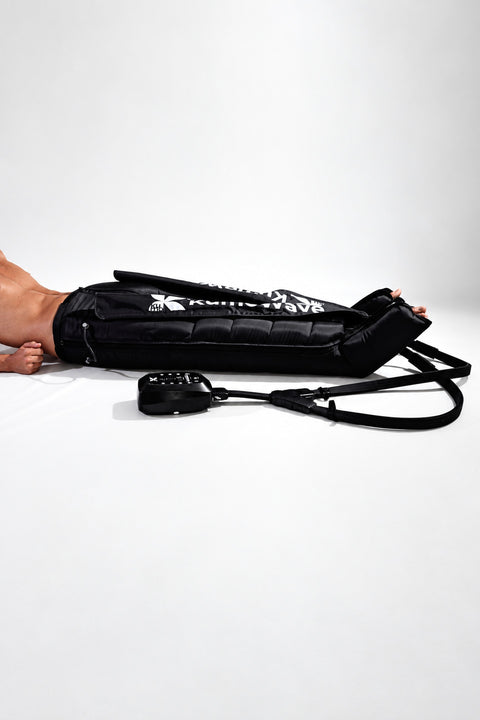
KumoWave Elite – Pressotherapy Pants
Full-coverage trousers. Ideal for lipedema, fluid retention and intensive use.
€799,00 €999,00
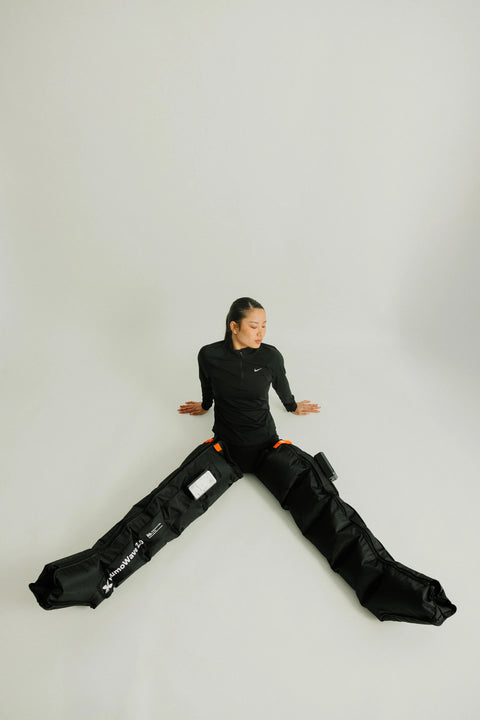
KumoWave 2.0 - Wireless Pressotherapy
Wireless, lightweight boots. Perfect for daily use and recovery.
€499,00 €599,00