
Lymphatic drainage for athletes, explained simply. If you train hard and want to recover better in 2025, here's how, when, and why to integrate it into your routine.
The goal: to understand what lymphatic drainage is, what benefits it can offer athletes, how to apply it safely, and what the current evidence says. We also provide practical protocols and tools for implementation.
Pressotherapy at home
End the day with light legs
★★★★★ 4,8/5 · rated by verified customers
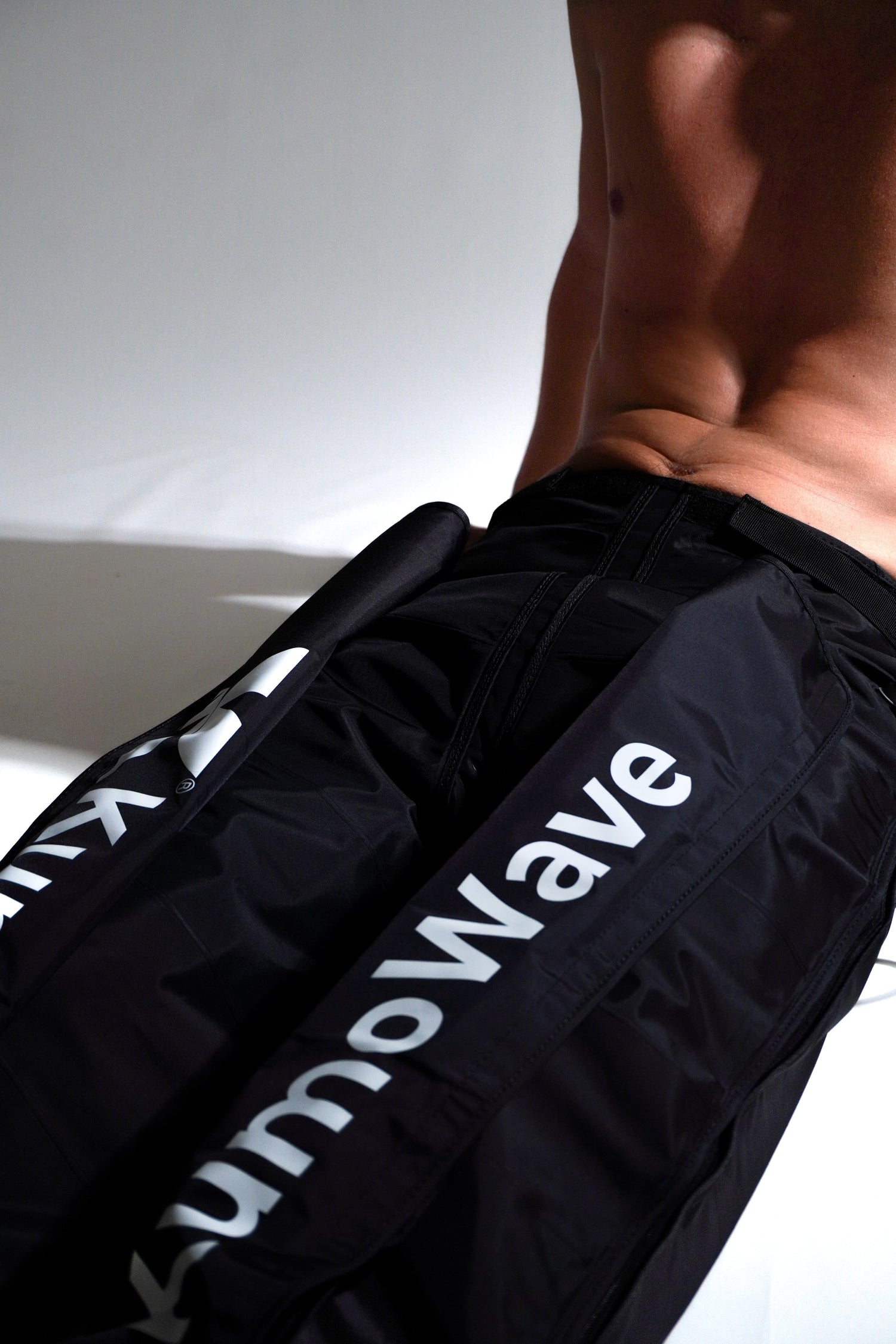
KumoWave pressotherapy boosts circulation and helps drain fluid with sequential compression, in 20-minute sessions at home.
- Boosts circulation and helps drain fluid
- Chamber-based compression, adjustable to you
- Sequential compression that mimics manual drainage
€799,00€999,00
−10% on your 1st order when you subscribe to the newsletter

In a little while
- It reduces swelling and the feeling of heavy legs, helping the return of fluids and metabolic waste.
- Useful after intense exertion, long journeys or microtrauma; combines well with rest, hydration and nutrition.
- Methods: manual (gentle techniques), pressotherapy (pneumatic compression), self-massage and habits that facilitate lymphatic flow.
- Evidence in athletes: promising but heterogeneous; better support for mild edema/inflammation than for improving performance.
- Safety first: avoid if there is infection, venous thrombosis, decompensated heart failure or unexplained acute pain.
What is lymphatic drainage and why does it matter to athletes?
The lymphatic system in 2 minutes
The lymphatic system is a network of vessels and nodes that collects excess fluid, proteins, and cellular waste, returning them to the bloodstream. It also plays a role in immunity. When it becomes congested, edema, heaviness, and reduced clearance of metabolites can occur. Understanding the lymphatic system helps you plan your recovery, as intense exercise generates micro-damage and local inflammation that the body must "clean up." For a medical reference, consult MedlinePlus on lymphatic diseases and the Mayo Clinic's clinical description of lymphedema.
Potential benefits in sports recovery
- Relief from peripheral swelling and the feeling of tightness after competitions or high-impact training.
- Support for venous and lymphatic return after prolonged travel or sessions with interstitial fluid accumulation.
- A low-risk complement to classic strategies (sleep, hydration, nutrition, decompression). The Cleveland Clinic details what lymphatic drainage massage involves and for whom it is suitable.
Quick tip: “Start gently and briefly; lymphatic drainage is not about force, but about direction and rhythm.”
Personalized protocol · included with your purchase
Want us to tell you how to use it in your case?
With your purchase, our experts prepare a personalized usage protocol for your case: sport, circulation, fluid retention, pregnancy or lipedema.
Message us on WhatsAppOur experts reply · no obligation
Mechanisms and evidence in 2025
What science says so far
In clinical settings, manual lymphatic drainage (MLD) is used for edema and lymphedema; the literature reports benefits when it is part of a combined approach (compression, exercise, skin care). A methodological starting point is the Cochrane review on MLD following breast cancer, which supports its use as an adjunct in selected cases (Cochrane Library ). In athletes, studies are smaller and more heterogeneous: they report improvements in swelling and subjective comfort, with variable effects on markers of muscle damage or performance. The consensus in sports medicine calls for integrating these techniques within a multimodal recovery plan and monitoring individual response (British Journal of Sports Medicine) .
Situations where it can be especially helpful
- Mild edema after exertion (e.g., trail running, jumping or contact sports).
- Heavy legs after long trips or tournaments with consecutive matches.
- Fluid retention and stiffness at the end of loading microcycles.
- Recovery between days when there is little time for passive rest.
What it doesn't do
- It does not replace sleep, nutrition, or planning workloads.
- It is not a "fat burner" nor does it remodel tissue on its own.
- It does not correct an acute injury; if there is intense pain, local heat or fever, consult a doctor first.
For fundamentals on massage and safety in the general population, review the NCCIH guidelines. For clinical criteria for lymphedema management, the International Society of Lymphology consensus is a methodological reference.
How to integrate it into your recovery plan
Manual, pressotherapy and technology: how they fit together
- Manual lymphatic drainage (MLD): a gentle, directional technique focused on stimulating regions from center to periphery and periphery to center. It requires a slow pace and light pressure. Useful when you're looking for relief and reduced swelling.
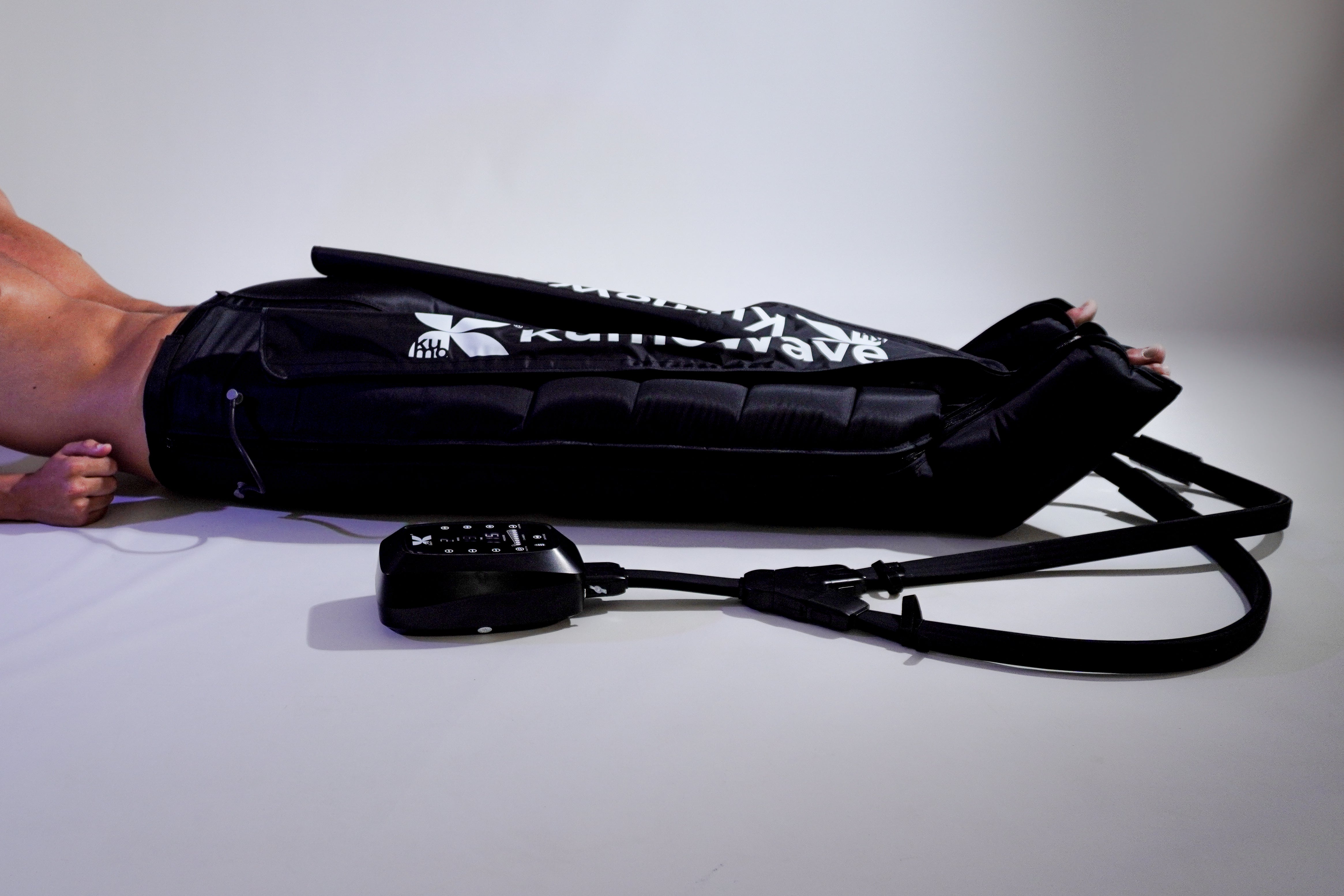
- Pressotherapy (sequential pneumatic compression): boots that apply progressive pressure, promoting fluid return. Suitable for heavy legs or after eccentric exertion. Used in short to moderate protocols and can be incorporated several days a week.
- Self-massage and massage gun: While not strictly manual lymphatic drainage (MLD), gentle, distal-to-proximal massage can support fluid mobility and reduce stiffness. Keep the intensity low during inflammatory phases.
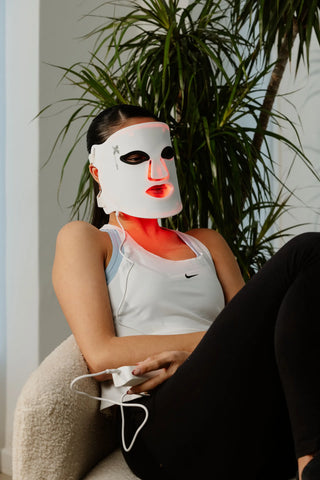
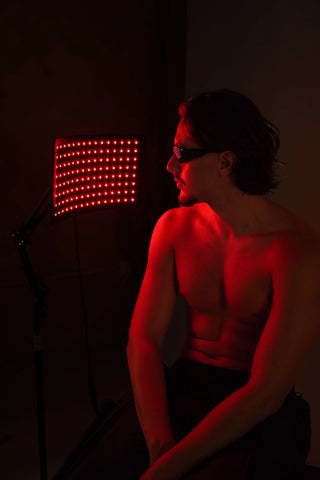
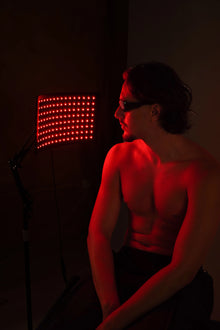
- Photobiomodulation (red light): a technique focused on recovery and sleep processes; it is not lymphatic drainage, but it can complement and modulate inflammation and sleep quality. Integrate these tools within a recovery ecosystem that combines aesthetics and performance, as proposed by KUMO .
For information on the safety of manual lymphatic drainage (MLD) and when to avoid it, the Cleveland Clinic summarizes common indications and contraindications.
on your first order when you join the newsletter
We send you the code instantly. No spam.
Practical protocols for each time of the season
- Immediate post-workout (12–24 h): short, easy sessions. Prioritize hydration and sleep the first night.
- High load microcycle: 2–4 weekly sessions of low-moderate volume, combined with mobility and light compression.
- Pre-competition (taper): short, relaxing focus, avoiding intense stimuli that alter activation.
- Travel and tournaments: pressotherapy or self-massage upon arrival, light walks, leg elevation and graduated compression.
Adjustment and safety signals
- If dizziness, unusual pain, local heat, or marked redness occurs, stop the session.
- Avoid if you have suspected or confirmed deep vein thrombosis, active infection, decompensated heart failure, or uncontrolled cancer; consult a doctor. Mayo Clinic details the management of edema and precautions.
- Stay well hydrated and monitor your response: circumference, perceived recovery, sleep quality.
Quick guide for application in athletes
| Aim | Main method | Approximate duration | Intensity | Recommended moment | Precautions |
|---|---|---|---|---|---|
| Reduce mild swelling | DLM or pressotherapy | 15–30 min per zone | Mild-moderate | 12–48 h post-exertion | Avoid if there is infection or thrombosis |
| Heavy legs after a trip | Pressotherapy + walking | 20–40 min | Moderate | After flights >3–4 h | Stay hydrated and get up frequently |
| Recovery between matches | Short DLM + mobility | 10–20 min | Gentle | Between days | Avoid painful pressure |
| Deep rest | Sleep hygiene + red light | 10–20 min (late) | Low | Night before/after loading | Darken the surroundings after |
| Weekly maintenance | Directional self-massage | 10–15 min | Gentle | 2–3 times/week | Avoid applying to acutely injured areas. |
For a comprehensive view of the role of recovery in performance, check out sports medicine resources such as the British Journal of Sports Medicine and educational entities such as ACSM .
Basic drainage technique: essential steps
- Proximal preparation: Breathe deeply for 1–2 minutes. Gently mobilize your neck, clavicles, and abdomen to “open” return pathways.
- Directional sequence: work from proximal to distal and back to proximal (e.g., thigh–leg–thigh), with light pressures and a constant rhythm.
- Movements: slow gliding, gentle pumping, pain-free. The skin should move, not the muscle.
- Volume: Start short; prioritize regularity 2–4 times/week over very long sessions.
- Closing: Leg elevation for 5–10 minutes, slow nasal breathing, and a glass of water.
Remember that a well-executed professional technique is more effective than intensity. To understand the fundamentals and who can benefit, review the Cleveland Clinic clinical guide and the basics of the lymphatic system on MedlinePlus .
Use cases with examples
- Trail marathon with a lot of downhill: 24 hours later, 25 minutes of pressotherapy, mobility exercises, a gentle 20-minute walk, and 8 hours of sleep.
- Two-day basketball tournament: between games, 12 minutes of DLM per leg, 20–30 minute nap and a snack rich in carbohydrates and protein.
- Gym week with eccentric emphasis: 2 directional self-massage sessions, 2 short pressotherapy sessions, and 3 nights with red light routine for circadian rhythm.
For fundamentals and treatment criteria in lymphedema (applicable by analogy to certain principles of drainage), consult the consensus of the International Society of Lymphology .
Frequently Asked Questions
Does lymphatic drainage reduce delayed onset muscle soreness (DOMS)?
It may relieve the stiffness and heaviness associated with DOMS, but the evidence on pain reduction and faster recovery is mixed. Overall, it works better for decreasing mild edema and improving comfort than for changing objective markers of muscle damage. Use it as an adjunct to rest, hydration, nutrition, and mobility. Observe your response: if you feel lighter and regain a better range of motion, it's probably helping. For a balanced approach, check out sports medicine perspectives in the British Journal of Sports Medicine .
Can I do lymphatic drainage at home without a therapist?
Yes, with caution. Directional self-massage and well-planned compression therapy can be simple options. Prioritize gentle pressure, slow movements, and a proximal-distal-proximal sequence. Keep sessions short and regular, and avoid areas with acute injuries or sharp pain. If you have a history of thrombosis, heart failure, infection, or cancer, consult a healthcare professional first. The NCCIH guide explains general massage safety principles.
How many times per week is recommended?
For sports recovery, 2–4 low-to-moderate volume sessions per week are usually sufficient, adjusting according to workload and response. During weeks of high demand or travel, you can increase the frequency with shorter sessions. The most important thing is consistency and tolerance: no pain, no dizziness, and a feeling of relief afterward. For general methodological and clinical references, consult the Mayo Clinic .
How does pressotherapy differ from manual lymphatic drainage?
Both aim to promote fluid return, but they differ in their method. Pressotherapy uses air chambers with sequential compression and adjustable parameters; manual lymphatic drainage uses gentle maneuvers, specific direction, and a constant rhythm. Manual lymphatic drainage allows for tactile individualization and targeted treatment of specific areas; pressotherapy provides regularity, comfort, and coverage of large segments (legs, arms) in a short amount of time. You can combine them depending on your goals, tolerance, and logistical considerations. Review the clinical perspective on lymphatic drainage at the Cleveland Clinic.
Who shouldn't have lymphatic drainage?
Avoid this procedure if you have deep vein thrombosis, decompensated heart failure, an active infection, fever, uncontrolled cancer, or undiagnosed acute pain. If you are pregnant or have chronic conditions, consult a doctor first. Any signs of worsening symptoms (intense pain, localized heat, redness, fever) require medical evaluation. For information on the lymphatic system and its disorders, consult MedlinePlus and the clinical criteria of the International Society of Lymphology .
To remember
- Lymphatic drainage is a low-risk tool for relieving swelling and heaviness after intense exertion.
- Evidence in athletes is variable; use it as a complement within a comprehensive recovery plan.
- Gentle pressure, correct direction, and regularity are better than intensity.
- Prioritize safety: know the contraindications and listen to your feelings.
- Combine with sleep, hydration, mobility, and nutrition to maximize results.
If you want to integrate aesthetic and performance technology into your recovery routine, discover KUMO 's approach.
KumoWave pressotherapy
Choose your at-home pressotherapy
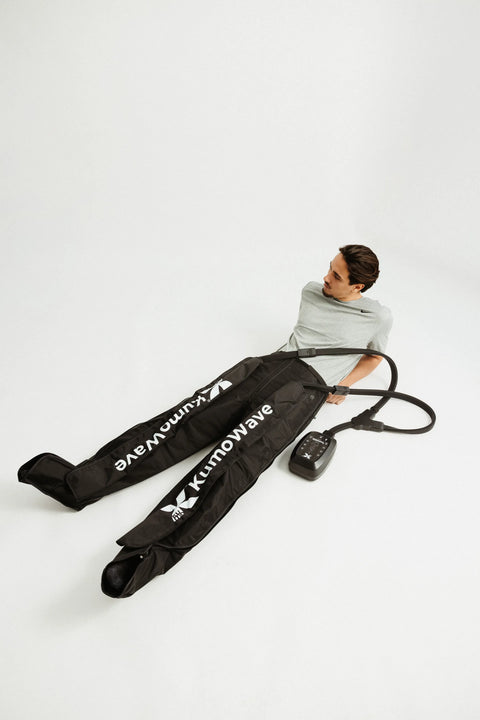
KumoWave Elite – Pressotherapy Pants
Full-coverage trousers. Ideal for lipedema, fluid retention and intensive use.
€799,00 €999,00
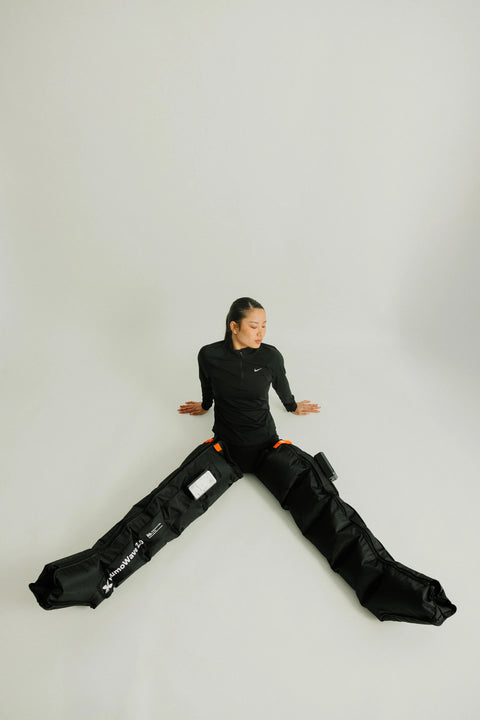
KumoWave 2.0 - Wireless Pressotherapy
Wireless, lightweight boots. Perfect for daily use and recovery.
€499,00 €599,00