The skin also recovers with light.
LED face masks have become a key tool for at-home skincare, thanks to a combination of technology, safety, and progressive results. In this article, you'll learn exactly what an LED face mask is, what benefits it offers your skin, how to use it correctly, and what you should consider before incorporating it into your wellness and recovery routine .
What is an LED face mask and how does it work?
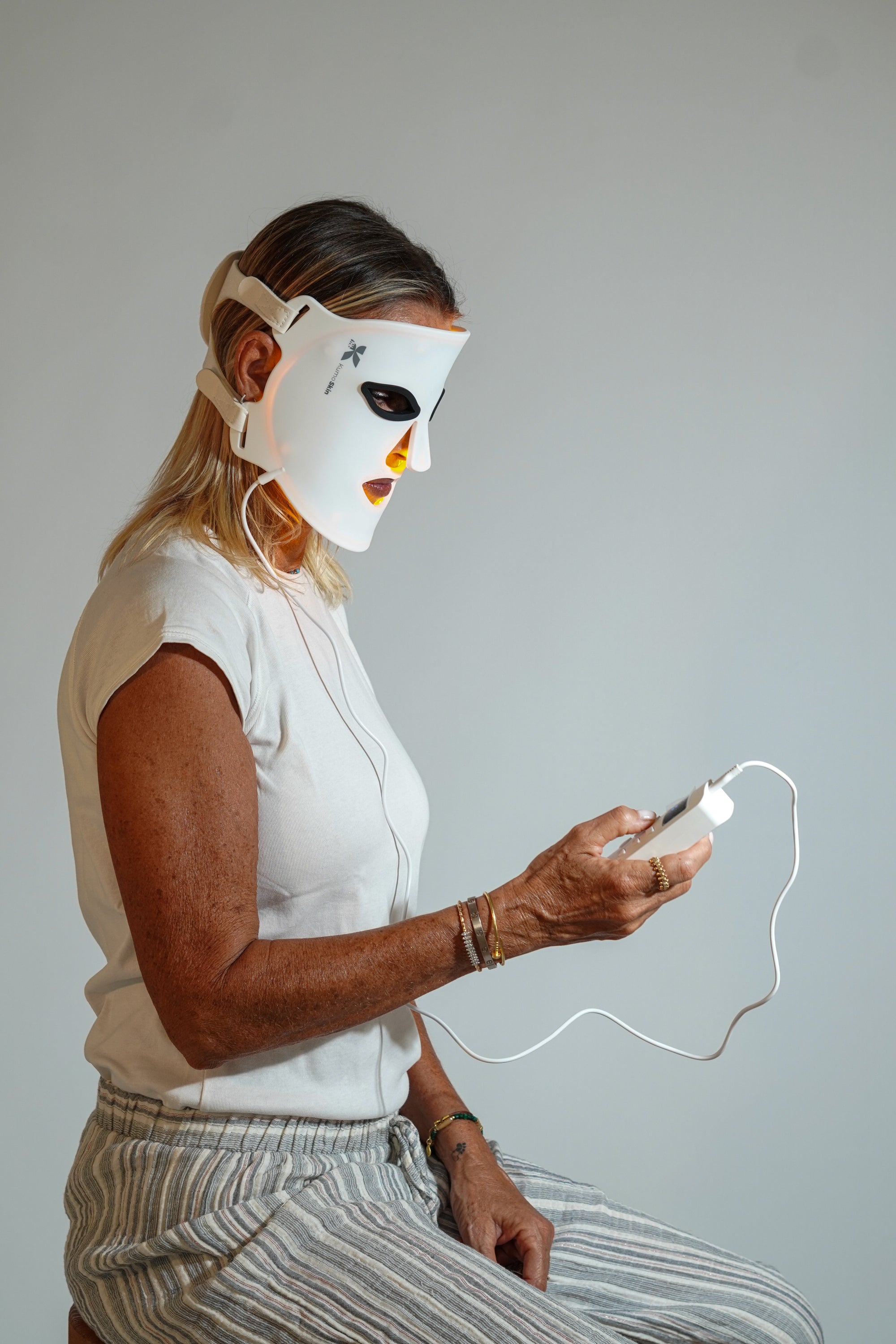
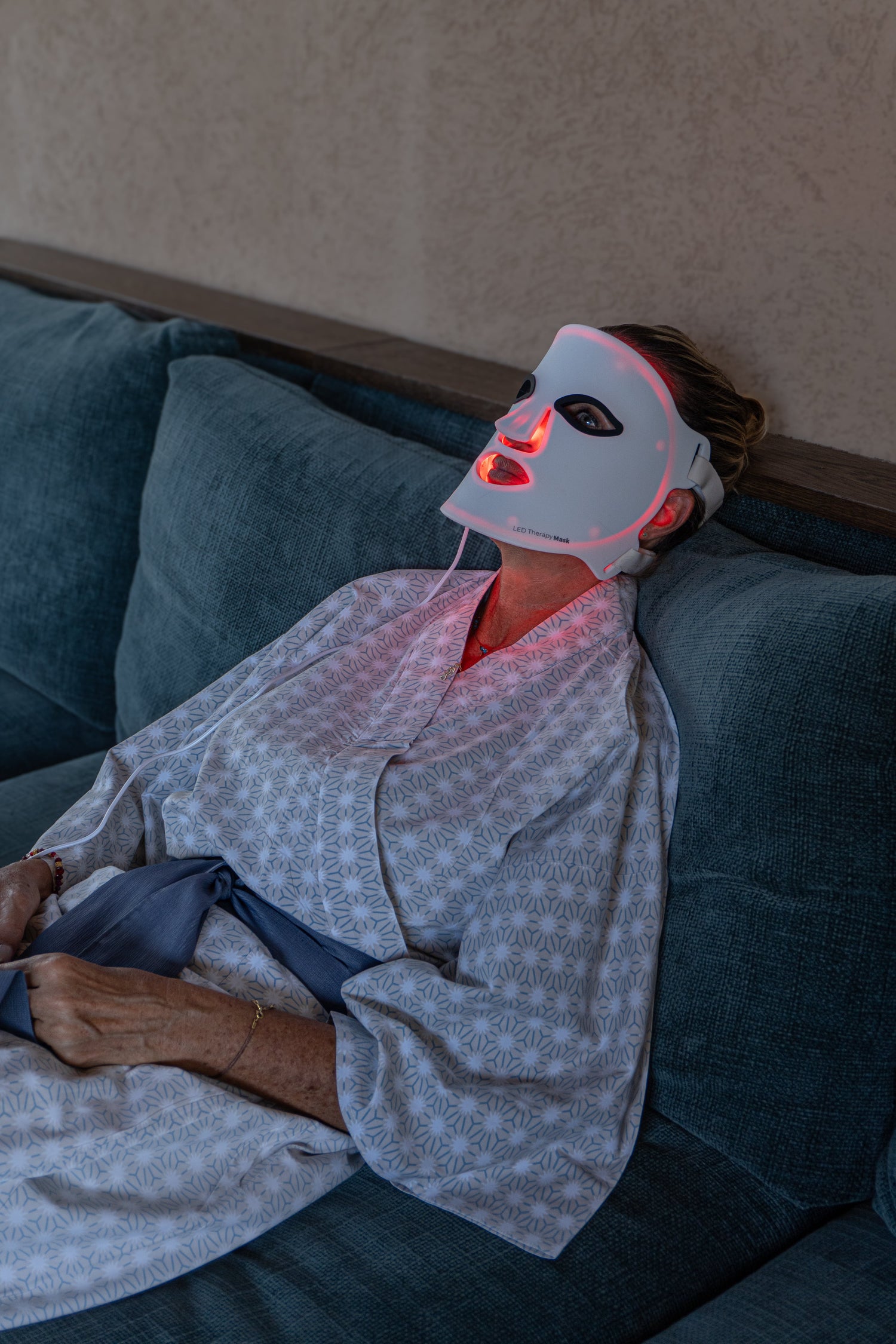
An LED facial mask (or LED light mask ) is a device that emits low-intensity light at different wavelengths (red, blue, amber, near-infrared, etc.) to stimulate biological processes in the skin. It does not heat or "burn" the skin; it works through a phenomenon called photobiomodulation .
Photobiomodulation involves certain skin cells absorbing light and responding by increasing energy (ATP) production, modulating inflammation, and promoting the synthesis of collagen and other cellular repair factors. Several clinical studies have shown that red and near-infrared light can improve skin elasticity and reduce fine lines when applied repeatedly and under controlled conditions.
In parallel, blue light and its combination with red light have shown efficacy in reducing mild to moderate acne lesions and regulating sebum production, with good tolerance and minimal side effects in available trials. A 2022 systematic review on LEDs in dermatology concludes that these wavelengths may play a significant role in skin rejuvenation, acne, and some inflammatory conditions , always within well-defined protocols.
In short: an LED mask is not just a "beauty gadget", but a low-intensity light therapy tool that, when used correctly, can support your skin's health in the medium and long term.
Main benefits of the LED facial mask for the skin
Improves texture, firmness and signs of aging
Red (approx. 620–660 nm) and near-infrared (approx. 800–850 nm) wavelengths are associated with:
- Stimulation of fibroblasts (cells that produce collagen and elastin).
- Improved microcirculation.
- Reduction of oxidative stress.
Recent clinical trials using red light photobiomodulation twice a week for several months have shown progressive improvements in firmness, elasticity, and smoothness of the skin surface, as well as a reduction in wrinkle depth around the eyes and cheeks, with high participant satisfaction and no serious adverse events. Another controlled study in over one hundred people has documented a significant increase in intradermal collagen density and a measurable reduction in skin roughness after 30 red light sessions.
In practice, all of this translates into a smoother, more supple, and even complexion, provided a consistent routine is maintained.
Acne and impurity control
The combination of blue and red light is one of the most studied applications in facial LED therapy:
- Blue light acts on bacteria involved in acne (such as C. acnes ), helping to reduce the bacterial load.
- Red light modulates inflammation, soothes the skin, and can support healing.
A randomized, double-blind clinical trial using a home-use device with blue (420 nm) and red (660 nm) light applied twice daily for four weeks found reductions of up to approximately 70% in inflammatory lesions and more than 50% in non-inflammatory lesions at 12 weeks, with no serious side effects reported. Furthermore, histological changes consistent with reduced sebaceous gland activity and more controlled skin inflammation were observed.
Larger meta-analyses on blue light therapy for acne indicate that, although many studies are small, the overall trend points to a significant improvement compared to placebo treatments or standard care , especially in mild or moderate acne and as an adjunct to other therapies.
Luminosity, tone, and blemishes
Another common benefit reported by people who regularly use an LED facial mask is the feeling of brighter skin and a more even tone .
Some studies using low-intensity red light and 8- to 12-week protocols have shown:
- Reduction in pigmentation indices in areas with melasma.
- Noticeable improvements in skin tone uniformity and in the appearance of spots associated with photoaging.
- Reduction in the appearance of enlarged pores and uneven texture.
A recent review on LED therapy for the skin concludes that the combination of wavelengths (red, amber, near-infrared) can contribute to overall rejuvenation by improving skin tone, reducing mild hyperpigmentation, and increasing dermal density. However, results vary depending on skin type, the cause of the blemishes, and consistency of use.
Supports skin repair and comfort
Low-intensity LED light has also been studied as a support for:
- Recovery after dermatological procedures (e.g., fractional laser).
- The healing of minor injuries or irritations.
- The temporary reduction of redness and tightness.
Some controlled trials indicate that photobiomodulation can accelerate certain aspects of skin repair and modulate erythema after aggressive treatments, although optimal protocols are still being studied.
For the home user, this translates into a subjective feeling of calmer skin , less reactivity and greater comfort, especially when the LED mask is combined with a gentle and well-formulated cosmetic routine.
Table: LED light colors and common effects on the skin
| Color of light | Approximate wavelength* | Main action on the skin | Common uses in LED face masks |
|---|---|---|---|
| Blue | 405–470 nm | Action on acne bacteria, sebum regulation | Support for mild-to-moderate acne, oily skin |
| Red | 620–660 nm | It stimulates collagen and modulates inflammation. | Fine lines, firmness, texture, dull tone |
| Amber/yellow | 580–600 nm | Improves tone, calms | Sensitive skin, mild redness, radiance |
| Near infrared | 800–850 nm | It acts on deeper layers, microcirculation | Firmness, recovery, support for tissue repair |
*Ranges may vary depending on the device and manufacturer.
Is the LED face mask safe?
When used within appropriate parameters of intensity and time , low-energy LED skin therapy is generally considered safe and well-tolerated .
A systematic review published in 2023 on the oncological safety of photobiomodulation for aesthetic rejuvenation concludes that, with the doses used in aesthetic dermatology, there is no evidence that red or near-infrared light therapy increases the risk of skin cancer or recurrence in patients previously treated for tumors, although it recommends caution and medical supervision in these cases.
Other review articles on low-level light therapy indicate that side effects are usually mild and transient: temporary redness, a slight feeling of warmth or tightness, and rarely, eye discomfort if proper protection is not used. The safety profile is, generally speaking, better than that of many invasive procedures, provided the device complies with regulations and is used according to the manufacturer's instructions.
Contraindications and basic precautions
Before using an LED face mask, keep the following in mind:
- Photosensitizing medications (some antibiotics, oral retinoids, hormonal treatments, etc.): consult your doctor or dermatologist.
- Diagnosed photosensitivity disorders (lupus, porphyrias, etc.): require prior medical evaluation.
- Photosensitive epilepsy : some devices emit flashing light; if in doubt, avoid use without medical supervision.
- Pregnancy and breastfeeding : Although there is no strong evidence of harm at usual energy levels, the evidence is limited; the decision should be individualized with the healthcare professional.
- Suspicious or undiagnosed lesions (moles that change, wounds that do not heal, etc.): should be evaluated by a dermatologist before applying any therapy.
Furthermore, you should not look directly at the light source and it is recommended to wear the protective goggles provided. If severe or persistent discomfort occurs, discontinue treatment and consult a healthcare professional.
How to properly use your LED face mask
Recommended frequency and duration
Protocols vary depending on the device, but many manufacturers of LED face masks recommend guidelines such as:
- 3 to 5 sessions per week .
- Between 10 and 20 minutes per session , depending on the intensity and mode chosen.
- Programs of 8 to 12 weeks to assess initial results, followed by less frequent maintenance phases.
The most important thing is to follow the manufacturer's instructions and not exceed the recommended times thinking that "more is better." Photobiomodulation usually follows a dose-response curve: an appropriate dose helps, but excessive exposure does not necessarily improve results and can cause irritation.
Before, during and after the session
- Gentle cleansing : removes makeup, sunscreen and dirt with a non-irritating cleanser.
- Avoid using photosensitizing products right before (strong acids, high-concentration retinol, etc.). If they are part of your routine, use them at another time of day.
- Dry or slightly moisturized skin : some users apply a gentle moisturizing serum (without strong perfumes or acids) before light exposure to improve comfort.
- Mask placement : Adjust the LED face mask following the instructions, use the correct fastening and protective glasses if included.
- Relax during the session : take advantage of those minutes as part of your overall recovery routine.
- After the session : you can apply a soothing moisturizer and, in the morning, broad-spectrum sunscreen , essential for any anti-aging or anti-dark spot routine.
Integrate the LED mask into a wellness and recovery routine
At recovery brands like KUMO , LED light therapy is understood as part of a holistic approach to daily performance and well-being . It's not just about "treating wrinkles," but about caring for the skin's and body's ability to recover.
You can integrate your LED facial mask into a routine that includes, for example:
- LED light therapy sessions for skin or light muscle recovery, available in the dedicated LED light therapy collection.
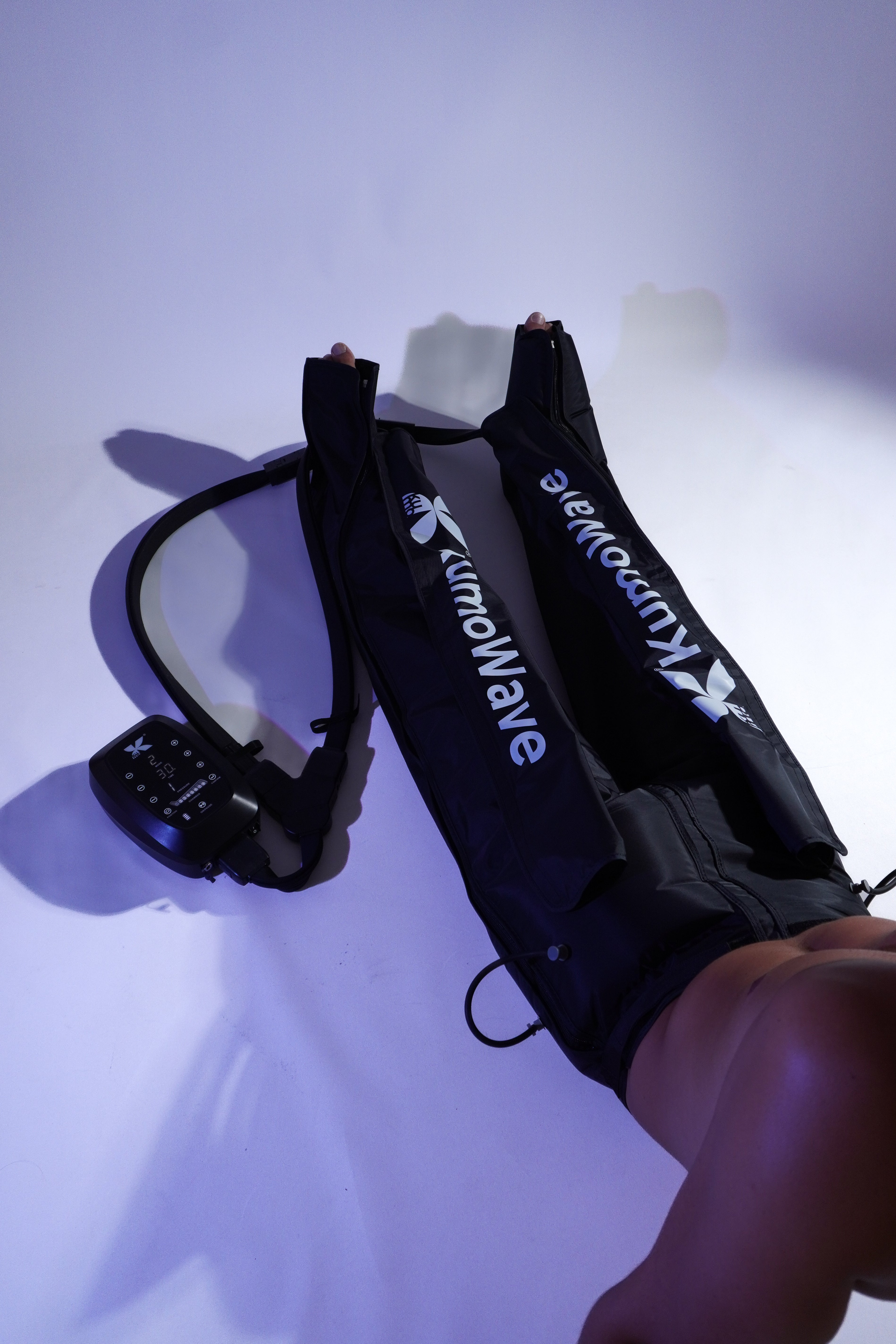
- Regular use of pressotherapy boots to activate circulation and relieve the feeling of tired legs, such as those you will find in the pressotherapy section.
- Support for deep muscle relaxation using tools such as the KUMOPULSE Air massage gun , which helps to relieve tension and can complement nighttime rest.
This combination of recovery technologies turns light and pressure into everyday allies to optimize your well-being and performance , from the skin of your face to the most stressed muscles.
How to choose a quality LED face mask
Although we won't be comparing brands or prices, there are several technical and practical criteria that should be reviewed before investing in an LED face mask.
Important technical parameters
- Specified wavelengths : the manufacturer should clearly indicate the ranges in nanometers (nm) for each color of light.
- Safe power and irradiance : masks for home use operate at low energies; be wary of devices without technical data or with "miraculous" promises in just a few days.
- Differentiated light modes : specific programs for aging, acne, brightness, etc., with pre-configured color combinations and times.
- Light homogeneity : good coverage of the face avoids "over-treated" areas and areas that are barely illuminated.
Comfort, design and support
Beyond the technical data, look for:
- Ease of use : reasonable weight, stable grip, materials pleasant to the skin.
- Automatic timer and safety shut-off : to avoid relying on an external timer and prevent overexposure due to carelessness.
- Warranty and after-sales service : especially important in electronic devices that are used continuously.
- Companies specializing in recovery technologies : brands like KUMO, which also work with red light therapy, pressotherapy and percussion massages, tend to have a more global vision of health and performance, and take care of the coherence between aesthetics, technology and functionality.
Frequently asked questions about the LED face mask
How long does it take to see the effect of an LED face mask?
Clinical studies using red and near-infrared light typically involve protocols of 8 to 12 weeks to evaluate changes in fine lines, texture, and elasticity. In practice, many people first notice subjective improvements (more comfortable and radiant skin) within a few weeks, while changes in firmness and wrinkles require consistent use.
The key is to use your LED facial mask as frequently as recommended , avoid long interruptions, and combine it with good habits: daily sun protection, gentle cosmetic care, and a lifestyle that promotes recovery (sleep, hydration, balanced nutrition).
Does the LED mask help with hormonal acne?
Hormonal acne is complex and usually requires a comprehensive medical approach (adjusting treatments, possible changes in contraception, reviewing lab results, etc.). Blue and red light from an LED mask may help reduce inflammation and the number of lesions in some cases of mild to moderate acne, according to controlled trials, but it does not address the underlying hormonal cause.
Therefore, the wisest course of action is to use the LED mask as a complement to the treatment prescribed by your dermatologist or gynecologist. Never stop taking medication or change hormonal treatments on your own; LED light is a supportive tool, not a substitute.
Can I use the LED face mask every day?
It depends on the device and the total light dose (time x intensity). Some devices are designed for almost daily use with short sessions, while others recommend 3–4 times per week. Systematically exceeding the indicated times usually provides no additional benefit and can irritate sensitive skin.
The most sensible approach is to start with the recommended frequency , observe how your skin responds, and, if you tolerate it well and the manufacturer allows it, slightly adjust the dosage under professional supervision. If you notice persistent redness, increased sensitivity, or discomfort, reduce the frequency or discontinue use and consult a specialist.
Is the LED mask compatible with retinol or other powerful active ingredients?
Yes, but with organization and caution . Many dermatologists combine light therapies with active ingredients such as retinoids, vitamin C, or exfoliating acids, but adjusting the timing and concentrations. At home, a reasonable routine might be:
- Use the LED mask in routines where you apply moisturizing and soothing products.
- Save retinol, acids, or strong exfoliants for the night when you're not using the mask (or apply them several hours later if your skin is resilient and your professional approves).
Avoid using several potent active ingredients at once. Introduce changes one at a time to identify what your skin tolerates best, and if you have any doubts, seek personalized advice from a dermatologist.
From what age is it recommended to use an LED face mask?
There is no "universal minimum age" specified in the guidelines, because LED therapy doesn't only treat wrinkles, but also acne, mild redness, or dullness. In general:
- Teenagers and young adults : can benefit from specific acne programs, always under adult supervision and, ideally, by a dermatologist if the acne is moderate or severe.
- From age 25-30 : the LED mask is often used as a tool for prevention and maintenance of skin quality, supporting collagen production and the repair response.
In any case, it is important to adapt the protocol to the needs of each person, their medical history and the other treatments they are using.
So what now?
If you want to integrate LED light therapy into a modern, aesthetic, and effective recovery routine, you can explore KUMO's solutions geared towards both skin and daily performance, starting with the LED light therapy section or the KUMO homepage.
If you have specific questions about using an LED facial mask with other recovery devices, or if you need guidance in choosing the option best suited to your lifestyle, you can contact the team through the contact form . Light can become an everyday ally for your well-being; the next step is in your hands.