
Introduction: Eat to regenerate better
Cell regeneration doesn't depend solely on genetics or age; it also depends on what you eat. If you want your body to repair tissues, care for your skin, rebuild your muscles, and slow down aging, you need to provide it with key nutrients daily.
In this article, you'll discover what cell regeneration really is, the role nutrition plays in this process, and which foods best support tissue repair, mitochondrial health, and oxidative balance. You'll also learn how to combine them with advanced recovery practices, such as light therapy or pressotherapy, to further enhance your well-being.
Pressotherapy at home
End the day with light legs
★★★★★ 4,8/5 · rated by verified customers
KumoWave pressotherapy boosts circulation and helps drain fluid with sequential compression, in 20-minute sessions at home.
- Boosts circulation and helps drain fluid
- Chamber-based compression, adjustable to you
- Sequential compression that mimics manual drainage
€799,00€999,00
−10% on your 1st order when you subscribe to the newsletter

What is cell regeneration and why does nutrition matter?
Cell regeneration is the body's ability to repair, replace, and renew damaged or aged cells. This process occurs continuously: the skin renews itself approximately every 28–30 days, the intestines in a few days, and some muscle tissues adapt and repair themselves after intense exercise.
For this system to function optimally, the body needs:
Personalized protocol · included with your purchase
Want us to tell you how to use it in your case?
With your purchase, our experts prepare a personalized usage protocol for your case: sport, circulation, fluid retention, pregnancy or lipedema.
Message us on WhatsAppOur experts reply · no obligation
- Structural nutrients such as amino acids and essential fatty acids.
- Vitamins and minerals that act as enzymatic cofactors in the synthesis of new cells.
- Antioxidants that reduce oxidative damage to DNA and cell membranes.
- Efficient energy (mitochondrial function) to sustain all these processes.
A diet poor in nutrients, rich in ultra-processed foods and added sugars, not only worsens health markers such as chronic inflammation, but also slows tissue repair, affects skin quality, and limits muscle and cognitive recovery.
Key nutrients that promote cell regeneration
High-quality proteins and essential amino acids
Proteins are the building blocks of muscles, skin, organs, and enzymes. Without sufficient protein intake, repair slows down and tissues lose quality. Amino acids such as leucine (which stimulates muscle protein synthesis), glycine (involved in collagen), and glutamine (which supports gut health) are especially important.
Recommended sources:
on your first order when you join the newsletter
We send you the code instantly. No spam.
- Fish, eggs, lean meats and poultry.
- Fermented dairy products (natural yogurt, kefir).
- Legumes (lentils, chickpeas, beans) combined with whole grains.
- Tofu, tempeh and other plant-based protein sources.
Omega-3 fatty acids and healthy fats
Omega-3 fatty acids (EPA, DHA, and ALA) help modulate inflammation, maintain the integrity of cell membranes, and protect the cardiovascular and brain systems. Proper membrane fluidity is essential for cells to communicate, receive nutrients, and efficiently eliminate waste.
It typically includes:
- Oily fish (salmon, sardines, mackerel, anchovies).
- Chia, flax and hemp seeds.
- Walnuts and extra virgin olive oil.
- Avocado as a source of monounsaturated fats.
Antioxidants: a shield against oxidative stress
Oxidative stress damages DNA, proteins, and membrane lipids. Dietary antioxidants help neutralize free radicals and maintain redox balance, which is key for efficient cell regeneration.
Highlights:
- Vitamin C (citrus fruits, kiwis, peppers, strawberries).
- Vitamin E (nuts, seeds, quality vegetable oils).
- Polyphenols (red fruits, green tea, pure cocoa, extra virgin olive oil).
- Carotenoids such as beta-carotene and lycopene (carrot, pumpkin, tomato, spinach).
Key vitamins and minerals for repair
Without micronutrients, there is no effective regeneration. Some are especially involved in the synthesis of DNA, collagen, and cellular enzymes:
- Vitamin A : repair of epithelia and vision.
- B complex (B2, B6, B9, B12): energy metabolism and DNA synthesis.
- Vitamin D : bone, muscle and immune health.
- Zinc : healing, protein synthesis and immunity.
- Magnesium : more than 300 enzymatic reactions, including cellular energy production.
- Selenium : is part of antioxidant enzymes (glutathione peroxidase).
Fiber and gut health
The gut is one of the most active barriers in terms of cell turnover. A healthy microbiota and an intact intestinal mucosa promote nutrient absorption and reduce systemic inflammation, which has repercussions in all tissues.
To take care of this internal “regeneration factory”:
- Eat a variety of fruits and vegetables daily.
- Opt for whole grains (oats, brown rice, quinoa, rye).
- Include legumes at least 2-3 times per week.
- Add fermented foods (kefir, natural yogurt, traditional sauerkraut).
Top 12 foods that boost cell regeneration
1. Oily fish
Oily fish provides high-quality protein and long-chain omega-3 fatty acids (EPA and DHA), which help modulate inflammation and improve cardiovascular and brain health. Regular consumption is associated with better cognitive function and a lower risk of chronic diseases, promoting a more favorable metabolic environment for tissue repair.
2. Red fruits (blueberries, raspberries, blackberries, strawberries)
Red berries are rich in antioxidants such as anthocyanins and vitamin C. These compounds have been linked to improved endothelial function and reduced oxidative damage. Incorporating them into breakfasts or snacks helps protect DNA and cell membranes from free radicals generated by stress, pollution, or intense exercise.
3. Leafy green vegetables (spinach, kale, chard, arugula)
They provide folate (vitamin B9), magnesium, vitamin K, carotenoids, and fiber. Folate is essential for DNA synthesis and repair, while magnesium supports energy production in the mitochondria. Their nutritional density makes them a cornerstone of any strategy aimed at improved cell regeneration.
4. Nuts and seeds
Almonds, walnuts, sunflower seeds, chia seeds, and flax seeds offer a combination of healthy fats, vitamin E, magnesium, and selenium. These nutrients protect cell membranes, regulate inflammation, and participate in endogenous antioxidant systems. Use them as a snack or as a topping on salads and yogurt.
5. Citrus fruits and other foods rich in vitamin C
Oranges, tangerines, kiwis, lemons, and red bell peppers are excellent sources of vitamin C, essential for collagen synthesis, wound healing, and protection against oxidative damage. Consuming vitamin C throughout the day helps maintain stable plasma levels and supports the repair of skin, tendons, and blood vessels.
6. Eggs
Eggs are one of the most complete and bioavailable sources of protein, containing all the essential amino acids. They also provide choline (beneficial for the nervous system), B vitamins, and carotenoids such as lutein and zeaxanthin. When consumed in moderation, they are a very efficient food for supporting the synthesis of new proteins in the body.
7. Extra virgin olive oil
A cornerstone of the Mediterranean diet, extra virgin olive oil is notable for its monounsaturated fatty acid profile and high polyphenol content. These compounds have been associated with reduced inflammation and protection against oxidative stress. It is ideal as a primary fat used raw in salads, vegetables, and stews.
8. Natural yogurt and kefir
These fermented dairy products provide protein, calcium, B vitamins, and, above all, beneficial bacteria for the gut microbiota. A diverse microbiota is associated with improved immune function and reduced low-grade inflammation, two key factors for more efficient cell regeneration at a systemic level.
9. Legumes (lentils, chickpeas, beans)
Legumes combine plant-based protein, soluble and insoluble fiber, iron, magnesium, and polyphenols. They help stabilize blood sugar, feed beneficial gut bacteria, and provide essential amino acids for muscle and tissue repair. They are an excellent base for satisfying and nutritious meals.
10. Pure cocoa (minimum 70%)
Unsweetened cocoa is rich in flavonoids, magnesium, and other bioactive compounds that support vascular health and oxidative balance. Consumed in small amounts, it can be part of an antioxidant strategy that protects endothelial tissue and improves the delivery of oxygen and nutrients to cells.
11. Tomato and other sources of lycopene
Lycopene is a carotenoid with potent antioxidant properties, particularly beneficial for protecting the skin and cardiovascular system. Tomatoes cooked with some healthy fat (such as extra virgin olive oil) enhance the bioavailability of this compound and can support the body's defense against sun damage and oxidative stress.
12. Garlic and onion
Garlic, onion, leek, and spring onion provide sulfur compounds with antioxidant and anti-inflammatory properties. They can also support certain liver functions involved in detoxification, thus facilitating the elimination of substances that could damage cells.
Summary table of foods for cell regeneration
| Food group | Key nutrients | Main benefit for cell regeneration | Example of daily use |
|---|---|---|---|
| Blue fish | Protein, omega-3 (EPA, DHA) | It modulates inflammation, protects membranes and the cardiovascular system | Grilled sardines with vegetables |
| Red berries | Vitamin C, anthocyanins | Protects DNA and blood vessels from oxidative stress | A handful of red berries for breakfast |
| Green leaves | Folates, magnesium, carotenoids | It supports DNA synthesis and cellular energy production | Daily large salad or green smoothie |
| Nuts and seeds | Vitamin E, selenium, healthy fats | Strengthens cell membranes and internal antioxidant systems | A handful of nuts as a snack |
| Citrus fruits | Vitamin C | Promotes collagen synthesis and healing | Orange or kiwi mid-morning |
| Legumes | Vegetable protein, fiber, minerals | Supports muscle regeneration and gut health | Lentil stew or chickpea salad |
| Fermented dairy products | Protein, probiotics, B vitamins | They improve microbiota and nutrient absorption | Natural yogurt with seeds and fruit |
Beyond the plate: habits that multiply cell regeneration
Sleep quality and circadian rhythms
During deep sleep, the release of anabolic hormones (such as growth hormone) and tissue repair processes are activated. Maintaining regular sleep schedules, reducing screen time before bed, and creating a dark and quiet environment optimize the body's ability to regenerate.
Physical exercise and recovery
Exercise is a powerful stimulus for muscle, bone, and vascular renewal, but it requires adequate recovery to translate into positive adaptations. Alternating intense sessions with active rest days, staying well-hydrated, and supporting post-workout nutrition (quality protein and carbohydrates) helps maximize protein synthesis and fiber repair.
Recovery and regeneration technologies
In addition to diet and exercise, technologies now exist that are designed to support the body's natural repair processes. For example, red light therapy and LED devices can support skin and tissue health, while pressotherapy helps improve circulation and venous return, promoting the elimination of metabolic waste and the delivery of nutrients to cells.
At KUMO, we work precisely at this intersection between aesthetics, technology and recovery, with solutions designed to make regeneration a natural part of your daily routine.
How to integrate these foods into your daily routine
Example of a typical day focused on cell regeneration
You don't need to follow a strict diet, but rather consistently include nutrient-dense foods. A simple example would be:
- Breakfast: Natural yogurt with red berries, chia seeds and a handful of nuts.
- Mid-morning: A piece of fruit rich in vitamin C (orange, kiwi) and water.
- Lunch: Large green leaf salad with tomato, extra virgin olive oil and a dish of lentils with vegetables.
- Snack: Herbal tea or green tea and a small piece of dark chocolate (≥ 70%).
- Dinner: Oily fish (salmon, sardines) with sauteed vegetables and some avocado.
Common mistakes that hinder regeneration
- Overindulging in added sugars and ultra-processed foods, which increase oxidative stress and inflammation.
- Consuming very little protein, especially in active or older people.
- Drinking too little water hinders the transport of nutrients and the elimination of waste.
- Neglecting sleep and stringing together days of intense training without adequate recovery.
How to combine nutrition and recovery technologies KUMO
A modern approach to cell regeneration combines three pillars: nutrition, habits, and smart recovery tools. While a diet rich in antioxidants, quality protein, and healthy fats creates the ideal “metabolic environment,” KUMO technologies help boost local repair, circulation, and rest processes.
LED light therapy and skin nutrition
Masks and LED light therapy devices work on the skin by stimulating repair processes at the cellular level. Combining them with a diet rich in vitamin C, dietary collagen (bones, broths, quality gelatin), carotenoids, and healthy fats provides the internal building blocks for more effective skin regeneration.
Pressotherapy and circulatory support
Compression therapy boots are used to improve venous and lymphatic return, relieve the feeling of tired legs, and promote recovery after physical exertion. If this mechanical stimulation is combined with a diet that supports vascular health (olive oil, berries, oily fish, and adequate hydration), the cells receive nutrients and oxygen more effectively.
Muscle Repair and Massage Gun
Devices like the KUMOPULSE Air massage gun help relax muscle tissue, reduce tension, and promote local blood flow. For muscles to rebuild after training or postural stress, it's essential to support this type of recovery with sufficient protein, magnesium, and omega-3 fatty acids, as well as restful sleep.
Frequently asked questions about nutrition and cell regeneration
What foods are best for skin cell regeneration?
For the skin, it's especially beneficial to combine vitamin C (citrus fruits, kiwi, bell pepper), proteins rich in amino acids involved in collagen production (eggs, fish, lean meat, legumes), carotenoids (carrots, pumpkin, tomatoes), and healthy fats (extra virgin olive oil, nuts, avocado). These nutrients support collagen and elastin synthesis, protect against oxidative damage, and help maintain a healthy skin barrier. Along with proper hydration, they form the foundation for better skin regeneration.
What can I eat after exercising to promote muscle recovery?
After exercise, the goal is to provide amino acids to repair muscle fibers and some quality carbohydrates to replenish glycogen. Examples include fish or eggs with potatoes or rice, or plain yogurt with fruit and a handful of nuts if you're looking for something light. Adding sources of magnesium (leafy greens, nuts) and maintaining good hydration promotes muscle relaxation and mitochondrial function. Combining this with recovery tools, such as compression therapy or massage, can further enhance the quality of regeneration.
Is it possible to improve cell regeneration with supplements alone?
Supplements can be helpful in specific situations (diagnosed deficiencies, periods of high demand), but they are not a substitute for a varied diet rich in fresh foods. The matrix of a whole food includes fiber, phytonutrients, and combinations of vitamins and minerals that act synergistically and that a single pill cannot replicate. The most effective long-term approach is to ensure a good nutritional foundation and, if necessary, add specific supplements under professional guidance, always taking into account sleep habits, stress levels, and physical activity.
How long does it take to notice an improvement in cell regeneration with dietary changes?
Some effects, such as improved energy or digestion, may be noticeable in a few weeks, while visible changes in skin, muscle strength, or body composition usually require several months of consistent effort. Keep in mind that different tissues have different turnover rates: skin renews itself approximately every 28–30 days, but other processes, such as connective tissue remodeling or improved mitochondrial function, can be slower. What matters is consistency, not the fleeting perfection of a few days.
What habits can sabotage cell regeneration even if you eat well?
Even with a healthy diet, certain habits can impair your body's regenerative capacity: insufficient or poor-quality sleep, chronically high stress levels, a sedentary lifestyle, or conversely, intense training without adequate recovery time, as well as smoking or excessive alcohol consumption. These factors increase oxidative stress, inflammation, and tissue breakdown. Therefore, it's crucial to approach regeneration holistically: nutrition, rest, smart movement, and, if desired, support with recovery technologies that help your body perform its natural functions more effectively.
So what now? Integrate regeneration into your lifestyle
Boosting cell regeneration isn't about a perfect food list, but about creating a favorable environment for your cells: eating better, sleeping better, moving purposefully, and using tools that facilitate recovery. If you want to take it a step further, explorepressotherapy , LED light therapy , or devices like the KUMOPULSE Air to integrate technology into your wellness routine. And if you have any questions or need guidance, you can contact the team through the contact page.
KumoWave pressotherapy
Choose your at-home pressotherapy
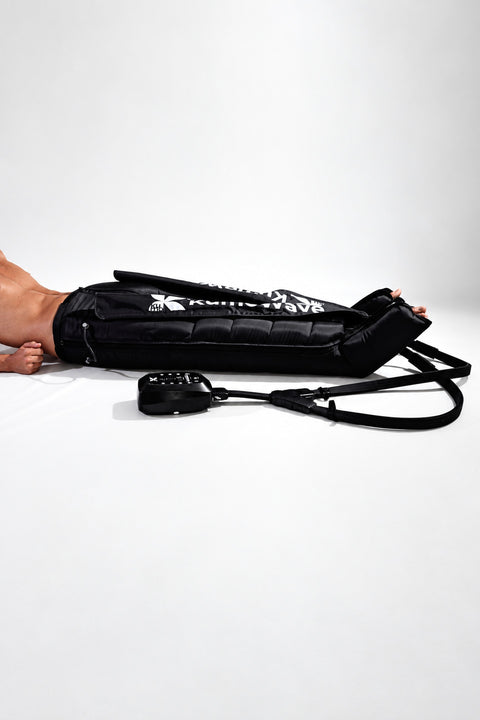
KumoWave Elite – Pressotherapy Pants
Full-coverage trousers. Ideal for lipedema, fluid retention and intensive use.
€799,00 €999,00

KumoWave 2.0 - Wireless Pressotherapy
Wireless, lightweight boots. Perfect for daily use and recovery.
€499,00 €599,00